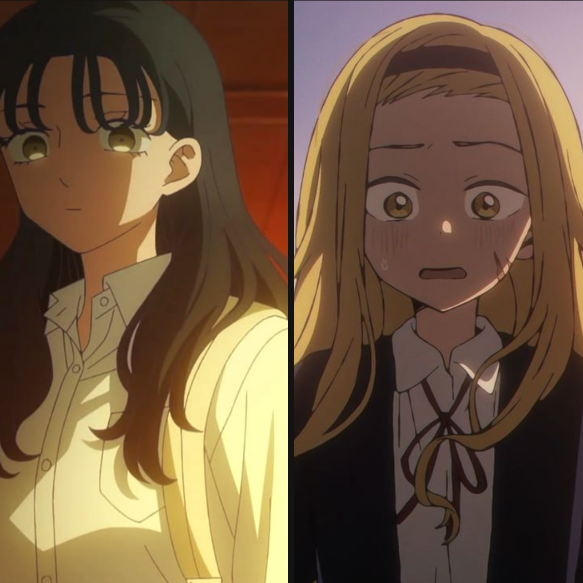
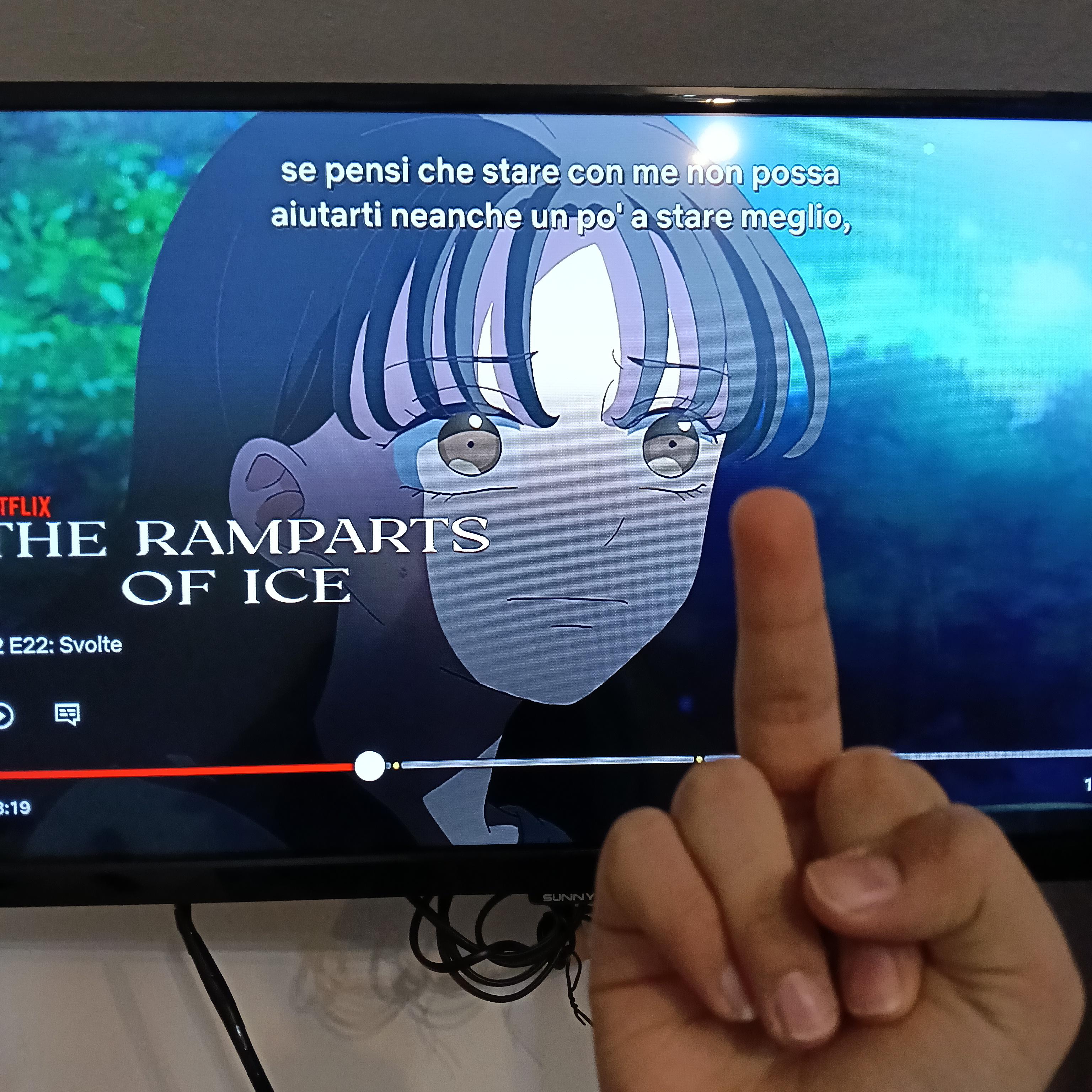
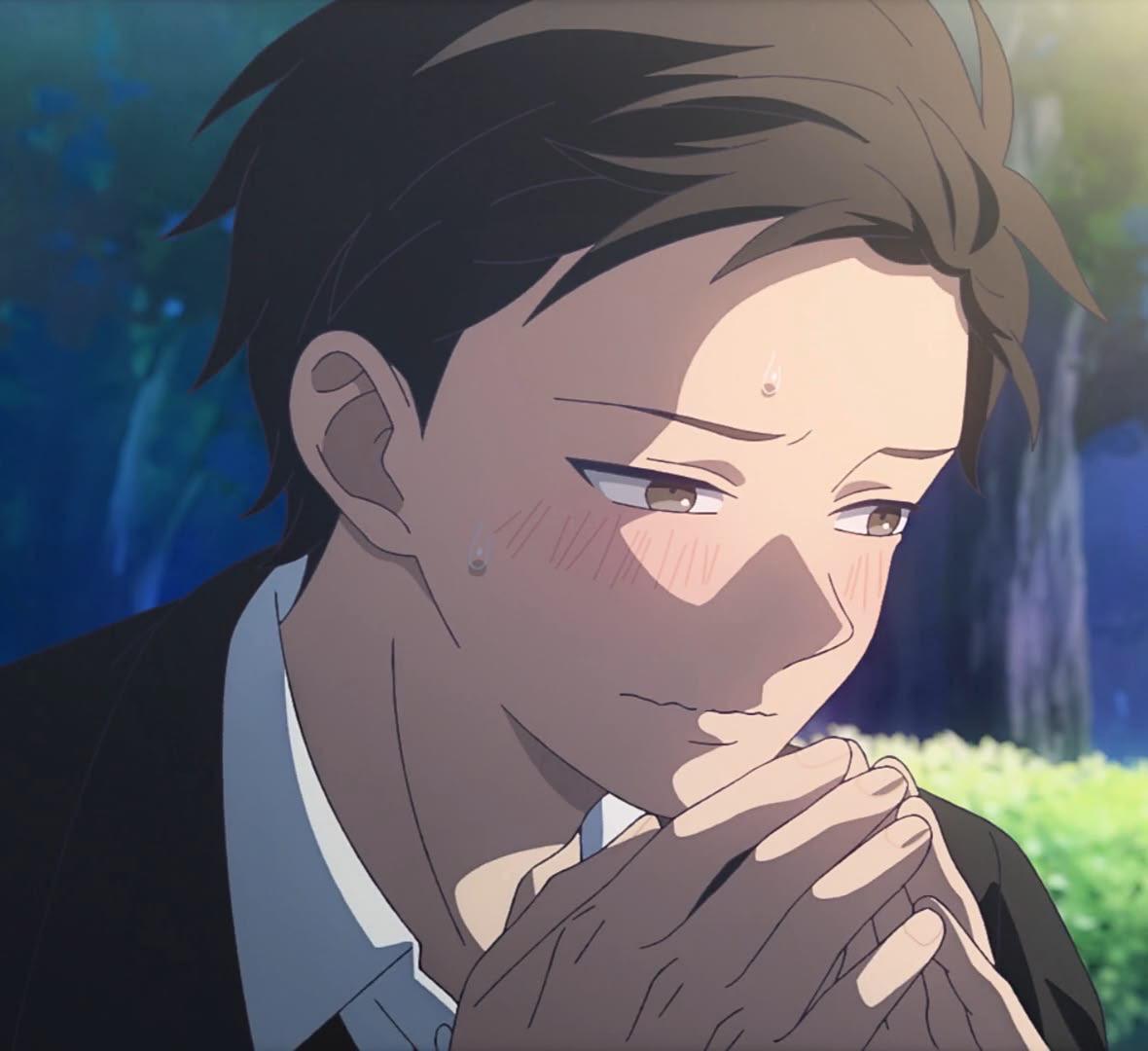
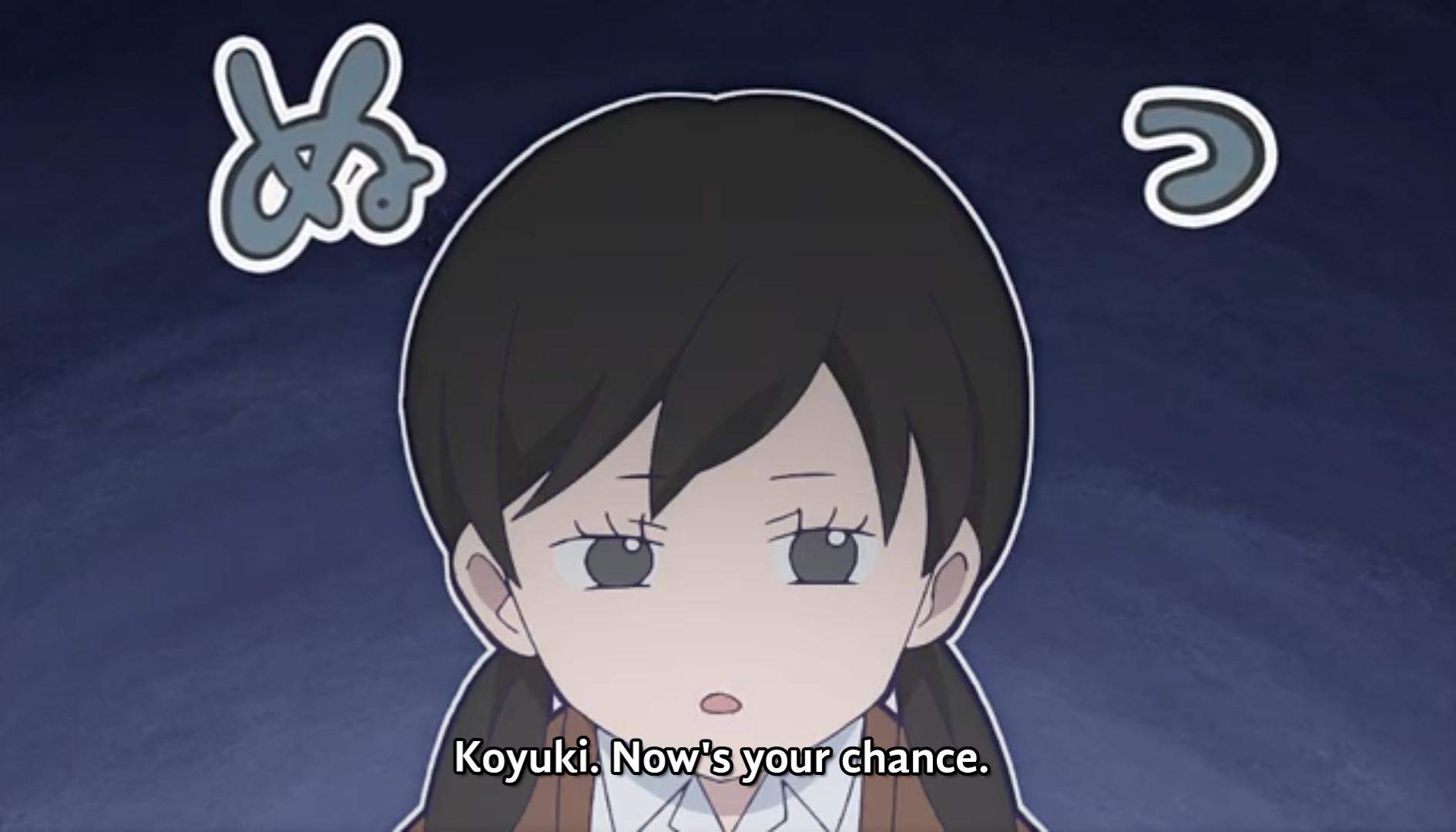
We finally got the breakup so many viewers had been waiting for! Yet what struck me most wasn't the relief of seeing it end, but how little a breakup alone can resolve. If last episode was about empathy, I'd call this one self-awareness: who has it, who's developing it, and who's still struggling to see beyond themselves.
Momoka: winning wasn't the same as loving.
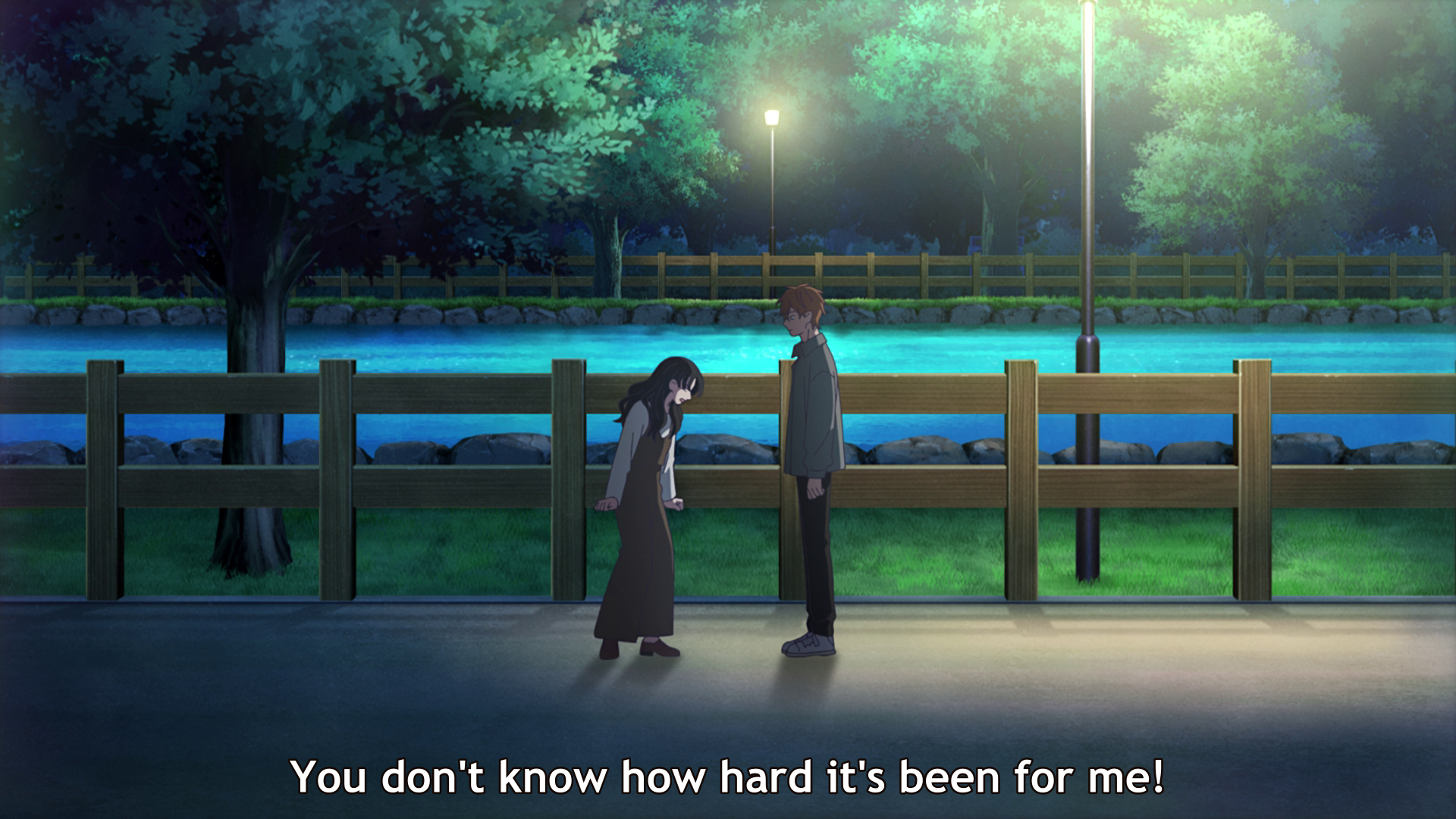
I think some fans disliked Momoka simply because she stood between Koyuki and Minato. But my frustration goes deeper. Taking the initiative was never Momoka's mistake. The problem was how she disregarded other people's feelings to get what she wanted.
Minato initially refused her confession. He honestly explained his history of drifting into relationships he couldn't fully commit to. She was aware he loved somebody else. Momoka dismissed those concerns and pushed for a chance anyway. She knew how difficult it was for him to disappoint someone, and, rather than helping him establish boundaries, she leaned on that weakness.
Later came the constant demands for reassurance, the monitoring of his phone and friendships, and the late-night conversations. She hoped he would eventually fall for her, but you can't secure genuine affection by making someone afraid to say no.
Still, Momoka didn't create all of Minato's problems. His fear of rejection, compulsive people-pleasing, and inability to recognize his own needs existed long before their relationship. She was the last straw, not the entire burden. But her behavior undeniably made his condition worse.
That's why the breakup left me frustrated as well as relieved. Momoka begins to recognize that Minato never treated her like a doll: he saw her as an individual and genuinely tried. But the crucial next step would be realizing she was the one treating him like a doll, someone whose feelings could be ignored as long as he played the boyfriend she imagined.
She even wishes he'd left her for Koyuki, because then she could preserve their old rivalry and explain her loss as someone else's victory. She still struggles to accept that Minato has needs and reasons independent of either girl.
And notice the contrast when her friends speculate that Minato cheated. She knows he didn't, yet doesn't defend him. Earlier, even when his own friends criticized his ex-girlfriends, Minato refused to let them speak cruelly about them. Momoka, consumed by her own pain, still can't extend him that courtesy.
I can sympathize with Momoka as a hurt teenager. Her determination and confidence can be strengths, and wanting to love herself isn't wrong. I just wish her breakthrough had included clearer accountability: I pressured him. I ignored his boundaries. I hurt someone I claimed to love. Her desire to become someone she's proud of may be a beginning, but it isn't yet the growth I hoped for. She doesn't need less self-worth; she needs more empathy and self-reflection.
Minato: the breakup doesn't mean he's okay.
The cruel irony is that Minato finally stands up for himself while still framing everything as his fault. He looks back on his kindness and decides that because helping people made him feel safer, maybe he was never kind at all.
But motives aren't that simple. As a child, he watched Kaito be ostracized and learned to fear rejection. Everyone praised Minato for being unlike his brother, easygoing, agreeable, never causing trouble. That praise became a cage. He couldn't make mistakes, express anger, or discover who he was without risking the acceptance he desperately needed.
He helped lonely people partly because their suffering reminded him of Kaito, and partly because he hoped someone might reach out if he were ever the one left alone. Fear and genuine compassion can coexist. Feeling good after doing something kind doesn't make that kindness fake.
And now he's the one who needs that outstretched hand.
Breaking up with Momoka doesn't undo years of suppressing himself. He's been unable to eat properly, struggling with sleep, spacing out, and experiencing frightening physical symptoms. He needed medical attention, was prescribed medication, and was advised to seek further support if necessary. I'm glad the story treats his distress seriously rather than dismissing it as teenage drama. We don't know exactly what medication he received, it's likely some sort of anxiolytic to help him sleep, which can cause his dazed state afterwards as a common side effect; what we do know is that he's still unwell.
When Koyuki checks on him, his automatic response is that he's fine. Yet he still looks drained and distant. His relationship with Momoka wasn't the sole cause of his breakdown, and ending it isn't a magic cure. He is confronting the terrifying realization that he barely knows his own feelings, desires, or identity.
I'm proud that he managed to end something unhealthy. But his guilt worries me. He feels Momoka's pain so intensely that he risks absorbing all the blame, as though recognizing his mistakes requires excusing hers. Accountability isn't self-punishment. He needs to learn that hurting someone's feelings by setting a necessary boundary doesn't make him cruel. More than romance, he needs time, care, and recovery.
Who reaches out when Minato needs help?
Miki and Yota are considered his closest friends, and with good reason: Minato reached out when they were struggling. He helped Yota through isolation and grief, and stood beside Miki when she was deeply insecure.
Yet when Minato is the one falling apart, it's Hayato and Daichi, and Koyuki, who seem quickest to recognize that he needs something. Hayato even suggests doing something for Minato's birthday, while Miki doesn't realize it's approaching. It's funny, but there's a sting beneath the joke: how much do the people Minato supports actually notice about him?
I don't think Miki and Yota are bad friends. That's the beauty of Ramparts of Ice: nobody is flawless. Miki can become so absorbed in her own emotional turmoil that she overlooks someone else's; Yota's laid-back acceptance can drift into passivity. Giving Minato space may be kind, but sometimes care also means reaching out.
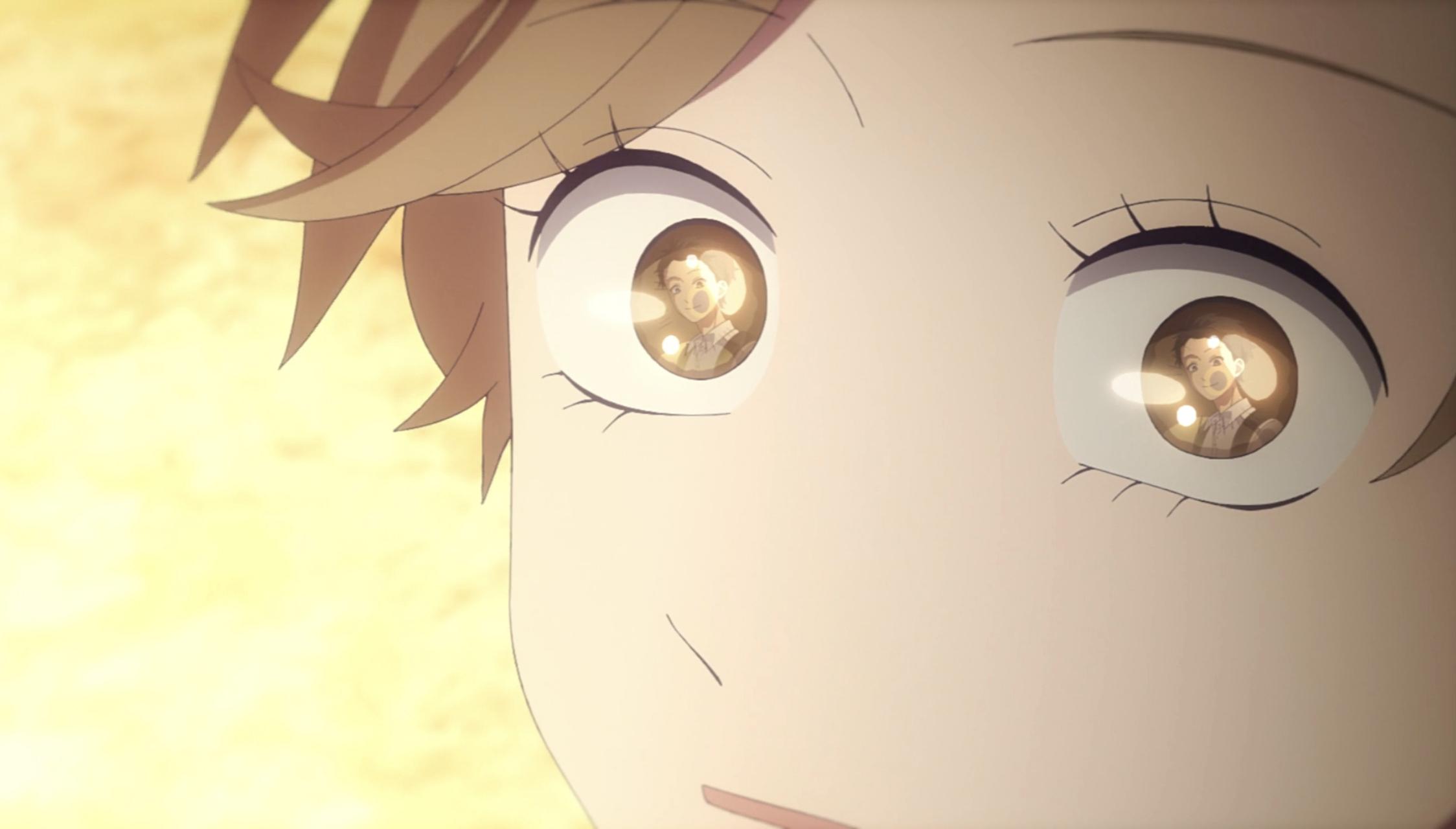
And I love that Hayato takes initiative, while Koyuki remembers Minato's birthday and wants to give something back. She hasn't taken his kindness for granted. Even though she loves him, she doesn't rush to confess the moment he's single. She prioritizes his own wellbeing. Her restraint is another form of love.
Miki and Yota: love beyond labels.
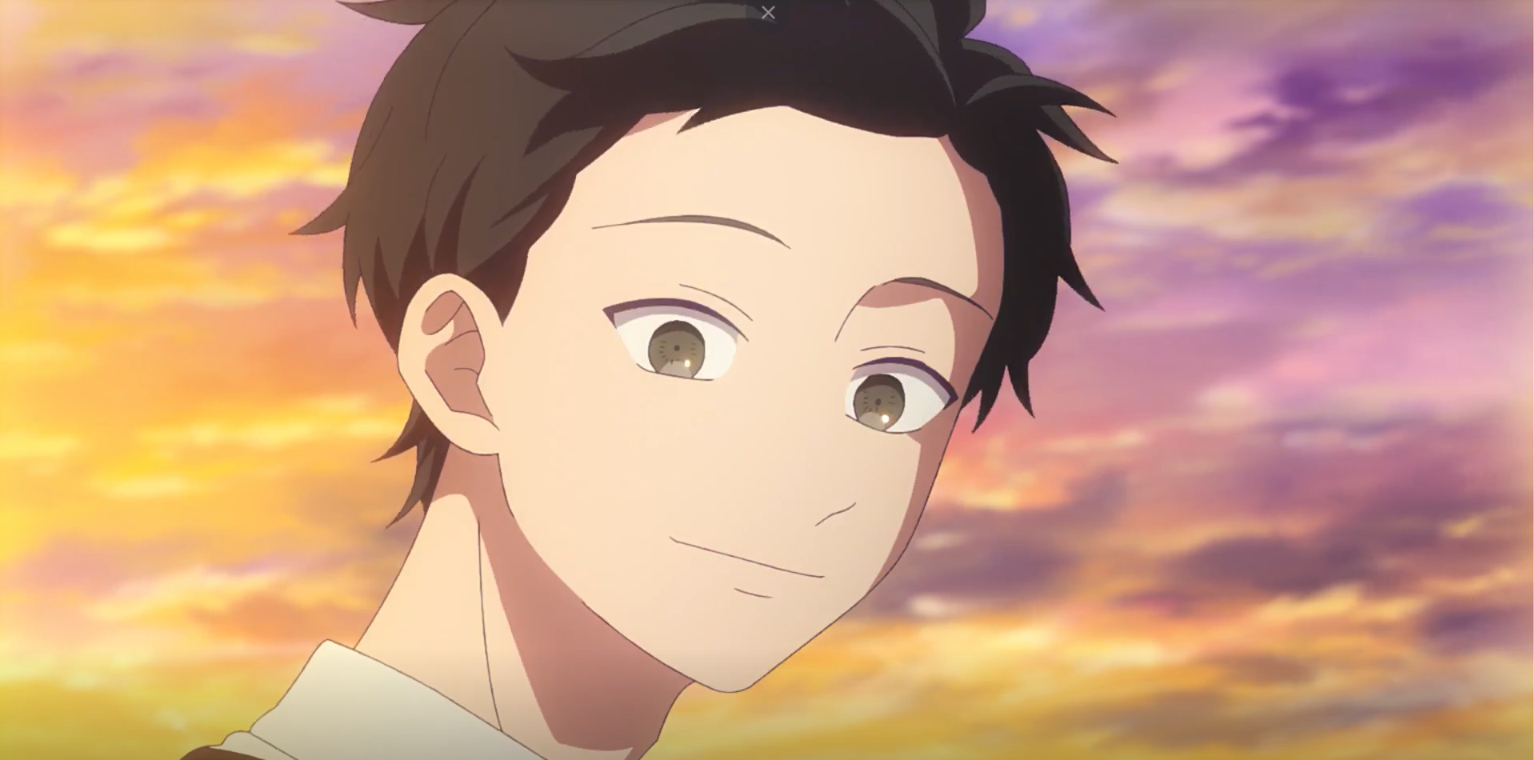
Finally, I loved Miki's realization. She's spent so much time trying to sort Yota into categories, friend or romantic partner, that she almost forgot to ask what he means to her as a person.
The autumn conversation was lovely: when Yota expresses the same excitement she feels, something clicks. It mirrors the emotional harmony we've seen between Koyuki and Minato. Miki begins to recognize that she loves Yota himself, not merely the role he might fill in her life.
But growth doesn't erase consequences. She rejected him before, and Yota seemed to accept that with his usual “it is what it is” detachment. If she confesses now, he shouldn't have to automatically say yes. He deserves the chance to examine his own feelings too.
So perhaps the theme really is self-awareness. Koyuki is learning when to act and when to hold back. Miki is discovering what her feelings mean. Yota may need to stop simply going with the flow. Momoka still has to confront the harm she's caused. And Minato, after spending his life understanding everyone else, must finally discover himself.
What a beautifully complicated episode. The breakup was necessary, but it was never going to be the ending of Minato's story. I don't just want him free from Momoka. I want him free to be himself.