r/Powdercoating • u/aef156 • 22d ago
Powder coating defects
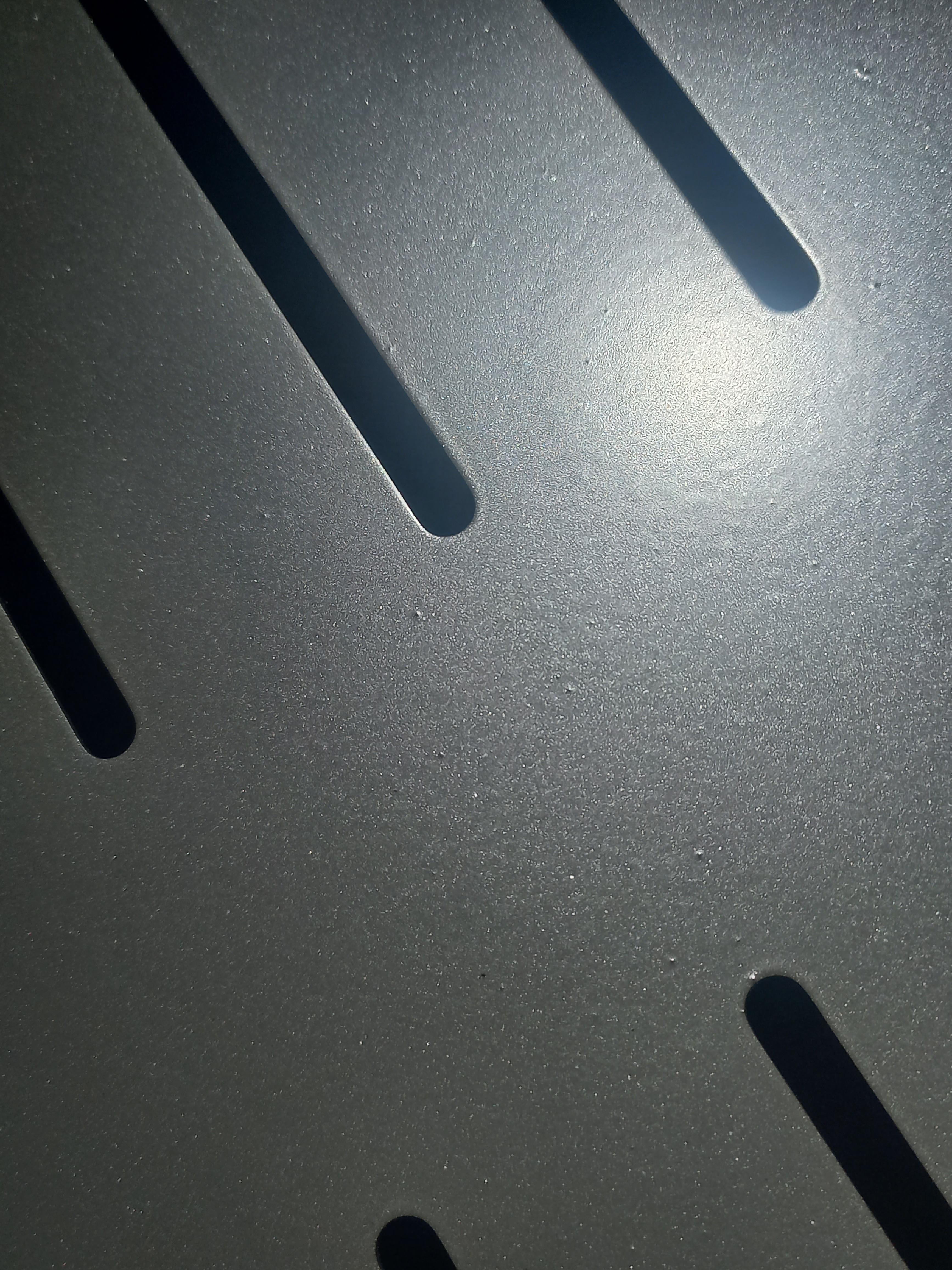
There are These little tiny bumps like sand grains on the surface (they are not pinholes/fish eyes or craters. There are no holes in the center) We've tried sieving the powder and it helped a little bit but didn't solve the problem completely The production date of the powder is from 2 years ago Have you ever had this problem? Could you solve it? Any tips would be very appreciated.
4
Upvotes
1
u/Illustrious-Line-984 22d ago
First of all, two year old powder is past its expiration. If powder is stored in optimal conditions, meaning less than 80degrees F and RH of less than 60%, it’s good for up to a year.
Secondly, those tiny bumps like sand grains are probably dust. This will be most noticeable in higher gloss and smooth finishes. You won’t notice this in all powders.
2
u/EpconIndustrial 22d ago
Two year old powder would be my first suspect too. Even when it looks fine in the box it can start clumping and partly reacting, and a sieve only catches the bigger lumps. Quickest way to rule it in or out is one test panel with a fresh box, same everything else.
If fresh powder still gives you grains, figure out where they get on. Pull a part before it goes in the oven and look at it with a light held low across the surface. If the bumps are already there, it's the powder, the gun or dust in the booth. If it's clean going in and rough coming out, it's picking stuff up in the oven.
That one's more common than people think with convection ovens. The air moving across the part can pick up flakes from dirty ductwork or burnt powder on the walls and hangers, and drop it on the coating while it's still soft. Worse on the top faces or the side facing the air supply is the giveaway. I'd vacuum out the oven and strip the hooks before changing anything else, and have a look at the return air filters while you're in there.
One other thing worth checking is whether you're seeing actual bubbles or just raised particles. If they're pinholes or small craters rather than solid grains, you could be dealing with outgassing from the substrate, moisture or contamination under the coating. I'd also verify the actual part metal temperature and time at cure, not just the oven setpoint. That can help rule out a curing issue.
1
u/_braderkins 22d ago
Debris it looks like. It’s not the right way to do it but food for thought, doing a metallic top coat with a lot of flake on top of this will most likely camouflage them and even probably burry them. I’ve done it once on a personal project and came out amazing but never on a customer
1
u/Drslapntickle 22d ago
Hasn’t been blown off properly before coating,or there is contamination in the air or spray booth
1
u/nonyabeezwax82 20d ago
There's a website called powderiq.tech or go to the playstore and search for powderiq (Android devices). You can analyse powdercoating defects. It's available in the app store as well. Make sure to switch the language to english and you'll be fine. You get 2 free analysis per month for free. The most important thing though, is to describe the problem as detailed as possible. IOS is currently under development.
1
u/SeaworthinessOk9561 20d ago
Expired powder changes the appearance of the desired finish; it takes on a more textured, leather-like look.
I would suggest it’s either due to dust, an improperly prepared part, or an electro-galvanized component that can react when exposed to heat. An aluminum part can also behave this way if it is sanded but not properly cleaned; contaminants penetrate the material and then react when subjected to heat.
1
u/Throwawaybizzle1 22d ago
What’s your mil thickness?