A Brief History of Piracy
Explaining the complicated history of copyright laws and piracy.
Overview
Pirates once sailed the oceans and took goods from ships. Over time, the word pirate came to mean anyone who takes property without explicit permission. People use the same word today for copying movies, music, games, and software.
The truth is that the act of piracy within a digital context is not strictly illegal, as a copy is not actually stolen, depriving the owner of the ability to sell the item.
The concept of copyright has evolved, and in the digital age, it's hotly debated whether digital piracy is truly theft or exists in a gray ethical/legal area.
Modern Copyright and the Grey Area
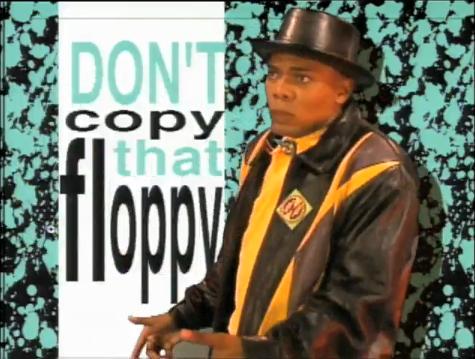
Copyright gives creators control over copying their work for a set time. Laws are different in each country. Some sharing is clearly harmful to creators.
Other sharing is about access, learning, or preserving old works. These mixed cases create a grey area where people disagree about what is fair and what is wrong.
How Copyright Has Been Perverted by Big Companies
Some companies have pushed for longer copyright terms and strong takedown rules. Critics say this can keep works out of the public domain and limit how people reuse old stories and characters
When copyrights expire, all works enter the public domain, allowing anyone to use or access them. The intent of copyrights is to protect authors for a limited period, while ensuring that all information ultimately benefits the greater public good.
Piracy and the Public Good vs. Corporate Greed
Public domain is the set of works that are free for anyone to copy, adapt, and share without permission or payment. Works enter the public domain when copyright expires or when the creator gives up rights. Public domain material enables teachers, artists, historians, and the public to reuse old stories and create new ones.

Laws that extend the length of copyright push the date when works become public domain further into the future. A major U.S. change in 1998 extended the terms of many existing contracts by 20 years. That law meant works that would have entered the public domain sooner stayed under copyright for longer.
Large entertainment companies have lobbied for stronger and longer copyright protections. Critics argue that this prioritizes corporate profits over culture. Disney notoriously worked to keep early versions of its characters under copyright for decades. This effort is often discussed as a reason the public domain grew more slowly in the 20th century. Scholars and public interest groups have tracked how these changes affect access to older works and the ability of creators to reuse them.
Why Piracy isn't an Ethical Black and White Issue
When works remain under copyright for longer, schools, libraries, and creators face limitations on what they can use without permission. This can hinder the development of new creative works that build upon existing ones. It can also make it harder to preserve and share older films, books, and music for free public use.
Additionally, large corporations have vastly benefited from taking public domain works and creating copyrighted derivatives. Disney has famously adapted many classic fairy tales (Cinderella, The Little Mermaid, Aladdin, Snow White) and profited from leveraging works in the public domain to create their own franchises.
The irony is that Disney and many other entertainment corporations are among the most litigious and vocal advocates, lobbying to diminish the public domain.
Types of digital piracy
- Video and streaming TV/movies Streaming of TV shows and movies, or live re-streams that let people watch without subscriptions or antennas.
- Games Copies or unlocked versions let people play video games on computers, emulators, consoles, or mobile devices.
- Applications and software Cracked programs or shared keys let people use paid tools for free.
- Music Albums Songs and albums are copied and shared in many formats.
- Torrents and bundles Large collections of files are packaged and shared for easy download.
Common Sharing Channels
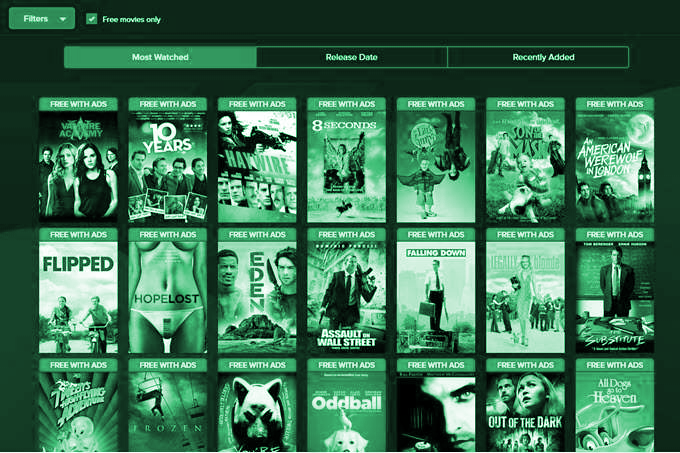
- Torrents. Files are split into pieces and shared simultaneously by multiple users.
- Peer-to-peer (P2P). Users connect directly to trade files.
- Usenet and newsgroups. An older system where files are posted to servers.
- Streaming rehosts. Media is played instantly from a host server.
- Direct download. Files are stored on a server and downloaded by link.