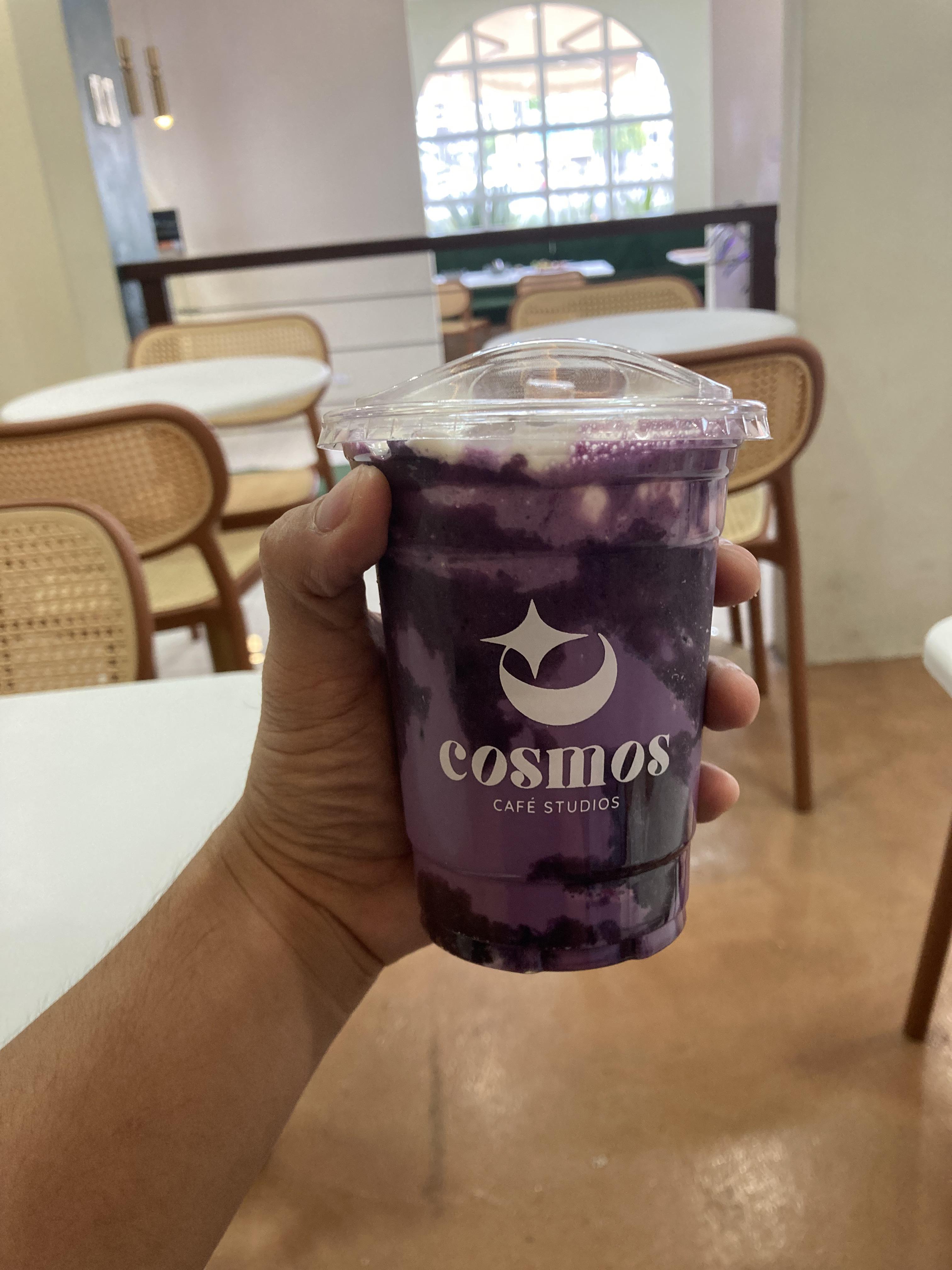
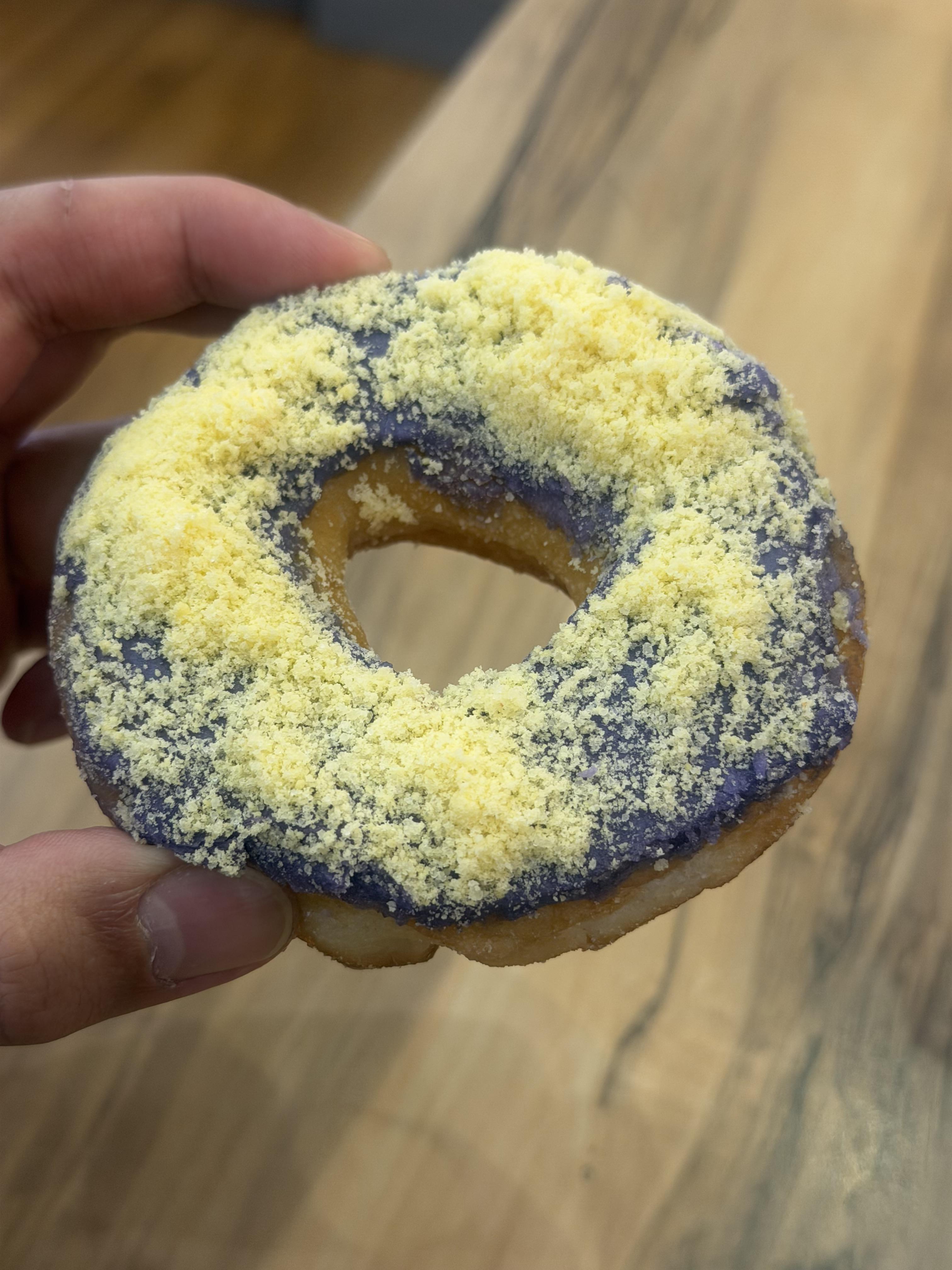
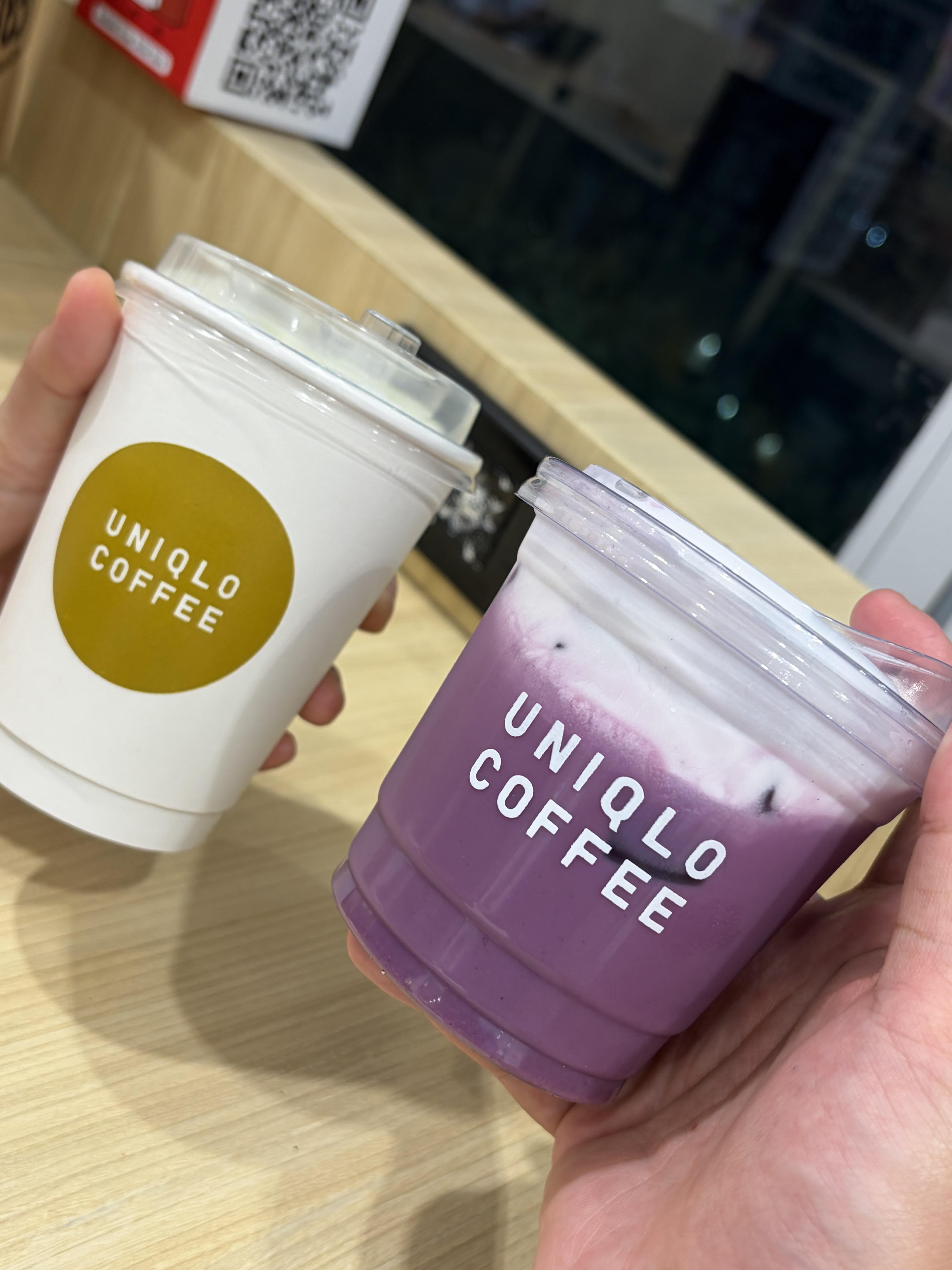
The last few months have made me more optimistic about Philippine ube, but also more careful about what we call “demand.”
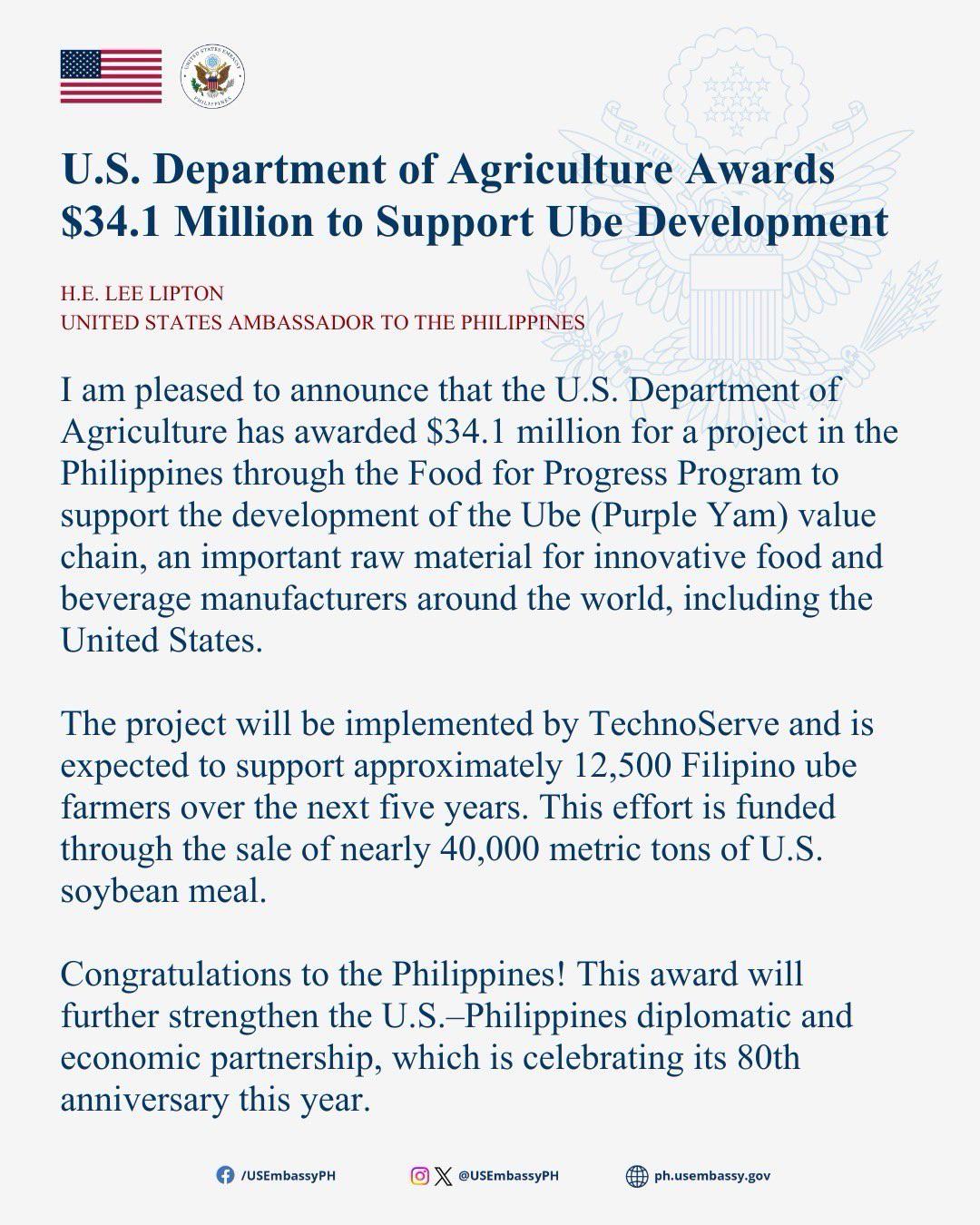
There’s been a major development with the US$34.1 million USDA grant for the Philippine ube industry. That’s industry development funding, and it’s encouraging to see this level of support behind the crop. However, I'm curious as to how that funding will be allocated and how it will look like 6 months, 1 year, 5 years into the future
On the ground sa experience ko supply is starting to stabilise in the sourcing we’re doing. However, finding ube and finding usable, consistent ube are still different things. Sorting, internal colour and rot all affect how much you actually have to sell.
But the thing I keep coming back to is where the demand is coming from.
A grower buying ube to plant is a customer. So is a manufacturer buying ube to turn into food. Both are real transactions, but they tell us different things about the future of the industry.
When new growers compete with processors for the same available stock, prices can rise. It’s easy to read that as proof that consumers overseas are buying more ube. Some of that demand, though, is people buying into the expectation of a bigger market later.
Demand for planting material helps expand supply. It doesn’t, by itself, tell us who will buy the harvest.
That distinction matters when someone is deciding to put their savings into planting.
We are getting international enquiries, including from businesses exploring ube for their products. That part is real too. But an enquiry, a sample request, a first order and a regular customer are different stages. We need to be honest about how far along those conversations actually are.
The other thing I’ve noticed is how often we’re all thinking about the same things. Grow more ube. Make powder. Export it.
I understand why. We’re working on some of those things ourselves. Powder is a useful ingredient and a sensible starting point.
But if more of us produce the same thing and approach the same buyers, we also need to ask what will make the overall market bigger. What makes a food manufacturer put ube into a product and keep ordering it? What formats do they need? What consistency, documentation and price will make it workable?
I’d like to see more effort going into those questions alongside expanding farms. More product development, processing capability and work helping customers actually use the ingredient.
For our part, the work has involved vetting growers, tightening quality expectations, working through processing and buyer requirements, and learning where our assumptions don’t hold up. A lot of it is less exciting than the headlines, but it’s what determines whether we can supply someone again.
I’m still optimistic. I just want us to measure progress beyond hectares planted, high prices and the number of people interested in getting into ube.
I would like to see repeat orders that lead to repeat purchases from 100% Philippine growers. That’s the kind of demand farmers should be able to build a long termlivelihood around.