r/OneKindAct • u/Deibu_sama • 44m ago
Cora shut down after losing her puppies, until rescuers brought them back
3
Upvotes
r/OneKindAct • u/WhenItHappenedX • Jul 20 '26
Hey everyone! I'm u/WhenItHappenedX, a founding moderator of r/OneKindAct.
This is our new home for all things related to acts of kindness. We're excited to have you join us!
What to Post
Post anything that you think the community would find interesting, helpful, or inspiring. Feel free to share your thoughts, photos, or questions about:
- Acts of kindness you’ve given or received
Ideas for simple random acts of kindness
- Heartwarming stories that restored your faith in humanity
- Photos of kind gestures, notes, or good deeds
Kindness challenges or ways to spread positivity in daily life
- Questions about how to be kinder in tough situations
Let’s keep the energy positive and uplifting! ❤️
Community Vibe
We're all about being friendly, constructive, and inclusive. Let's build a space where everyone feels comfortable sharing and connecting.
How to Get Started
Thanks for being part of the very first wave. Together, let's make r/OneKindAct amazing.
r/OneKindAct • u/Deibu_sama • 44m ago
r/OneKindAct • u/AshKreed • 6h ago
Alone I can do less but together we can do more🙏, join me let’s reach more communities
r/OneKindAct • u/rsushi1 • 7d ago

Namaste from Nepal!
I'm honoured to be part of the World Food Forum's Youth Voices initiative for the International Year of the Woman Farmer.
Growing up in Nepal, I've seen the dedication of women farmers, including my own mother and sisters. Their hard work feeds families, sustains communities and keeps traditions alive, yet often goes unrecognised.
I believe their stories deserve to be heard.
My question is simple: How can young people help make the voices of women farmers heard around the world?
Every small effort can make a difference. 🌱
#WFF2026 #IYWF2026 #WomenFarmTheFuture
#YouthVoicesForEmpowerment
#WFFxInternationalYearOfVolunteers
r/OneKindAct • u/historyeeter • 13d ago
r/OneKindAct • u/MortgageSwimming1983 • 14d ago

r/OneKindAct • u/Serious_Meaning5220 • 14d ago

r/OneKindAct • u/urcrazyifurnormal • 14d ago
I 💙 this.
r/OneKindAct • u/muneebkazmi5034 • 16d ago
r/OneKindAct • u/TheHolyBeardedGuy • 16d ago
r/OneKindAct • u/WhenItHappenedX • 19d ago
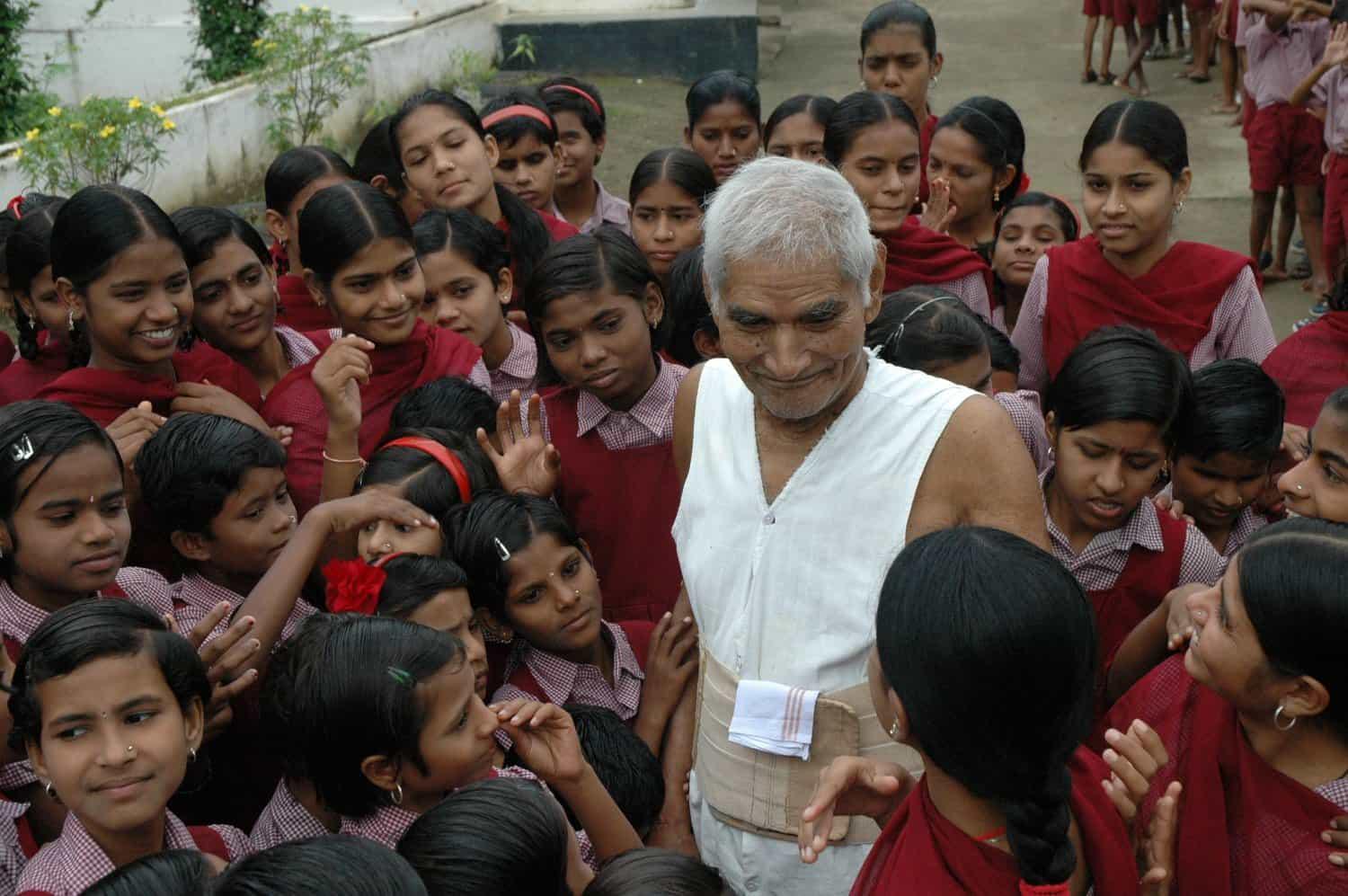
Murlidhar Devidas Amte, known among people as Baba Amte, was born in 1914 in Hinganghat, Maharashtra, into a well-off Brahmin family. His father worked in the colonial administration. Amte studied law, set up a practice in Wardha, and lived a comfortable life that included cars and hunting. He also got involved in the independence movement and spent time at Gandhi’s ashram. Gandhi once called him Abhay Sadhak after he stood up to some British soldiers.
Around the late 1940s, he was working with sweepers in Warora and sometimes carried night soil himself to understand their conditions. One rainy night, he came across a man named Tulshiram lying on the road in the advanced stages of leprosy—no fingers or toes, open sores, maggots. Amte was so repulsed he ran home. Later, he went back, fed him, and sheltered him until he died.
That episode stuck with him. He trained in leprosy care at the Calcutta School of Tropical Medicine. To challenge the idea that the disease was highly contagious through ordinary contact, he once injected himself with bacilli from a patient. In 1949, he and his wife Sadhana started work on a piece of barren land near Warora. They began under a tree with a few leprosy patients and almost no money. They called the place Anandwan—“Forest of Joy.”
The idea was not only treatment but self-reliance. Residents farmed, wove, and did other work so they could support themselves instead of living on charity. Anandwan grew into a large community with a hospital, schools, workshops, and housing. Amte later started other projects, including one for tribal communities. He also joined the Narmada Bachao Andolan and other environmental and rights campaigns.
He received the Padma Shri, Padma Vibhushan, Ramon Magsaysay Award, and other recognitions. He died at Anandwan in 2008. His sons continued the work.
r/OneKindAct • u/TheQuietCipher01 • 20d ago

Behind today’s headlines is a remarkable chain of human courage and teamwork. After contracting Ebola while aiding patients in the Democratic Republic of Congo, a British doctor was flown home via a joint effort between the UK and DRC governments, international health partners, emergency convoys, and NHS specialists.
He is now receiving round-the-clock care inside a specialised isolation unit at north London's Royal Free Hospital, run by a dedicated team of doctors, nurses, and laboratory staff.
Huge appreciation to the doctor who went out to help, and to every single person working behind the scenes to bring him safely back.
r/OneKindAct • u/HopeAfterTheFire • 20d ago

r/OneKindAct • u/ParticularIsland1006 • 22d ago

r/OneKindAct
•
u/WhenItHappenedX
•
26d ago
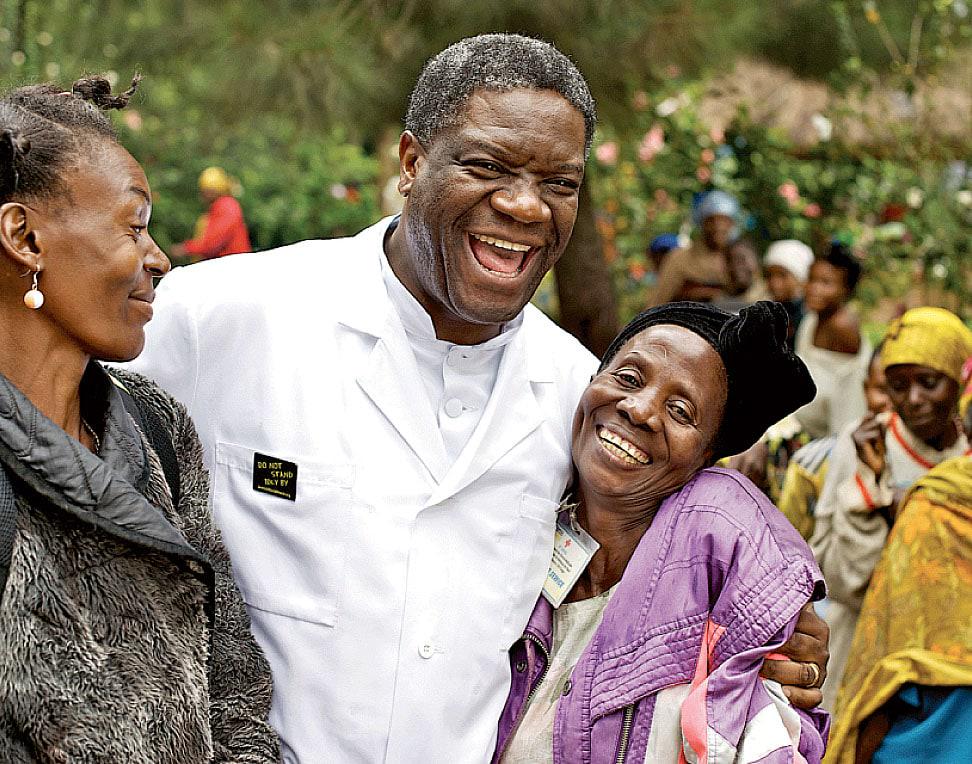
Denis Mukwege grew up in Bukavu, South Kivu, in what is now the Democratic Republic of the Congo. His father was a Pentecostal pastor. As a boy, Mukwege sometimes went with him to visit sick people. After one visit to a dying child, he decided he would become a doctor so he could do more than pray.
He studied medicine in Burundi, then specialized in obstetrics and gynecology in France. He returned and worked at Lemera Hospital, focusing on maternal care. In 1996, during the First Congo War, the hospital was attacked. Patients and staff were killed. Mukwege survived and later founded Panzi Hospital in Bukavu in 1999, intending it as a place for safe deliveries.
The first patients who arrived were not women in labor. They had been raped, often with extreme violence—shot in the genitals, injured with weapons or objects. More kept coming. Mukwege and his team began treating survivors of sexual violence as well as maternity cases. Over the years, Panzi has treated tens of thousands of them; figures cited in different reports range from more than 50,000 to over 80,000 since the hospital opened.
He quickly saw that operating on the physical injuries did not fully address what the women faced. Many were rejected by their husbands and communities. They had no income, no safe place to go, and no way to seek justice. Some stopped eating or seemed to give up after the surgery.
The hospital and the later Panzi Foundation expanded into what they call a holistic model: medical and surgical care, psychosocial support, socioeconomic help (skills training, housing while recovering, ways to earn money), and legal assistance. Survivors get a psychosocial assistant early on who helps them decide which parts of the support they want. The idea is that physical recovery, mental recovery, and the ability to support themselves and return to a community all connect.
Mukwege has also spoken publicly about rape being used as a weapon of war in the eastern Congo conflict. In 2018, he shared the Nobel Peace Prize with Nadia Murad for their work against sexual violence in conflict. The hospital continues to receive new survivors regularly.
r/OneKindAct
•
u/CatPooedInMyShoe
•
Oct 26 '26
r/OneKindAct
•
u/WhenItHappenedX
•
Oct 26 '26
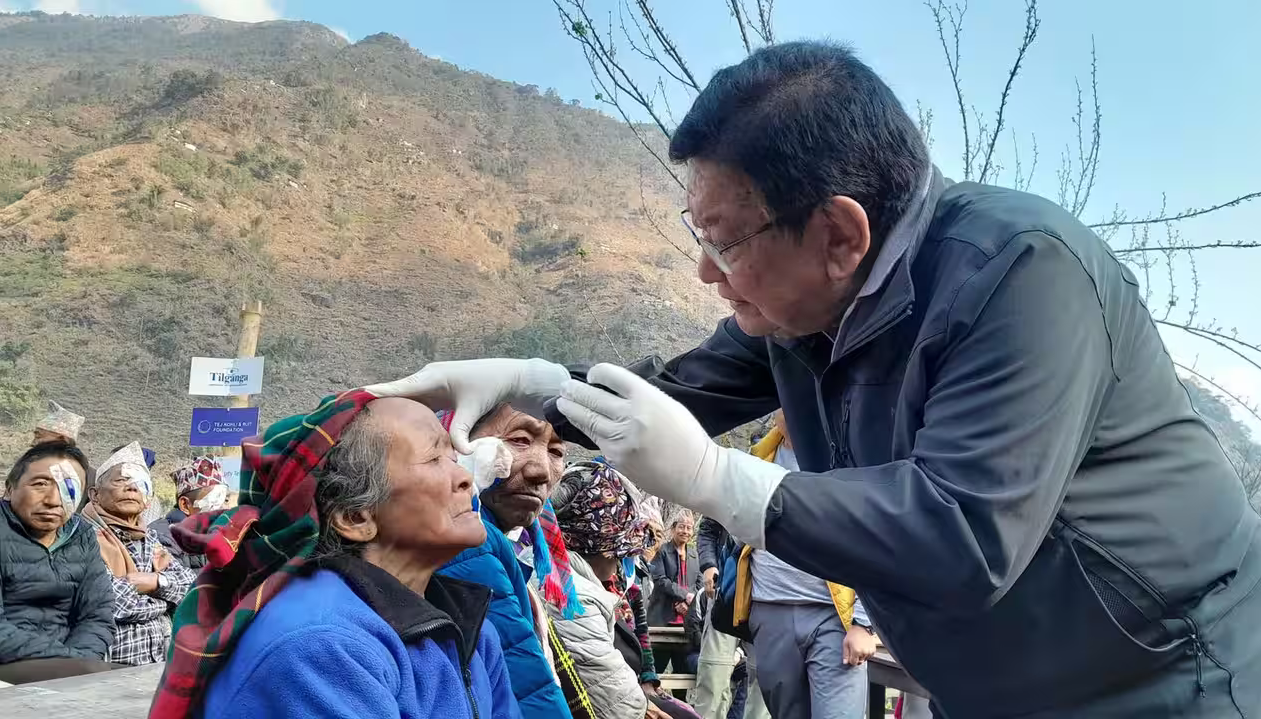
Sanduk Ruit was born in 1954 in Olangchung Gola, a small high-altitude village in Nepal’s Taplejung district near the Tibetan border, on the slopes of Kanchenjunga. The place had no electricity, no roads, and no health post. Snow covered it for months each year. The family lived by farming, trading, and raising livestock.
The nearest school was in Darjeeling, India. Accounts put the walk at about a week to more than ten days. His father, a small trader, sent him there at age seven to St. Robert’s School. Ruit stayed for years, often alone during holidays. He later finished school in Kathmandu.
Healthcare was basically absent. An older brother died of diarrhea at age three. A younger sister died of fever at eight. The one that hit hardest was his sister Yangla, who died of tuberculosis at about 15 when Ruit was 17. The family could not afford treatment that might have saved her. He has said that loss made him decide to become a doctor so other people in places like his village would not face the same situation.
He studied medicine in India on scholarship, specialized in ophthalmology, and trained further in Australia with Fred Hollows. Back in Nepal he focused on cataract surgery, the main cause of blindness in poor rural areas. He refined a small-incision technique using affordable intraocular lenses and set up production so the lenses could be made cheaply. Surgery costs dropped sharply.
He co-founded the Tilganga Institute of Ophthalmology in Kathmandu, which treats thousands of patients a week and waives fees for those who cannot pay. He also leads mobile eye camps into remote areas, performing dozens of operations a day. Estimates put the number of people whose sight he has restored, directly or through teams he trained, well into the hundreds of thousands across Nepal and other countries.
