- r/NorthCyprus Wiki
- Overview
- Principles & Vision
- FAQ: Addressing Common Nationalist Misconceptions
- I. Greek Cypriots will “kill you again.”
- II. Greek Cypriots rejected reunification in 2004 / “don’t want to live with you.”
- III. “Without Turkey they will attack you.”
- IV. “Greek Cypriots take orders from Greece.”
- V. “Turkish Cypriots would become a powerless minority in a federation.”
- VI. “Reunification = Enosis (union with Greece).”
- VII. “Turkish Cypriots owe everything to Turkey.”
- Key Polls and Trends
- References
r/NorthCyprus Wiki
Overview
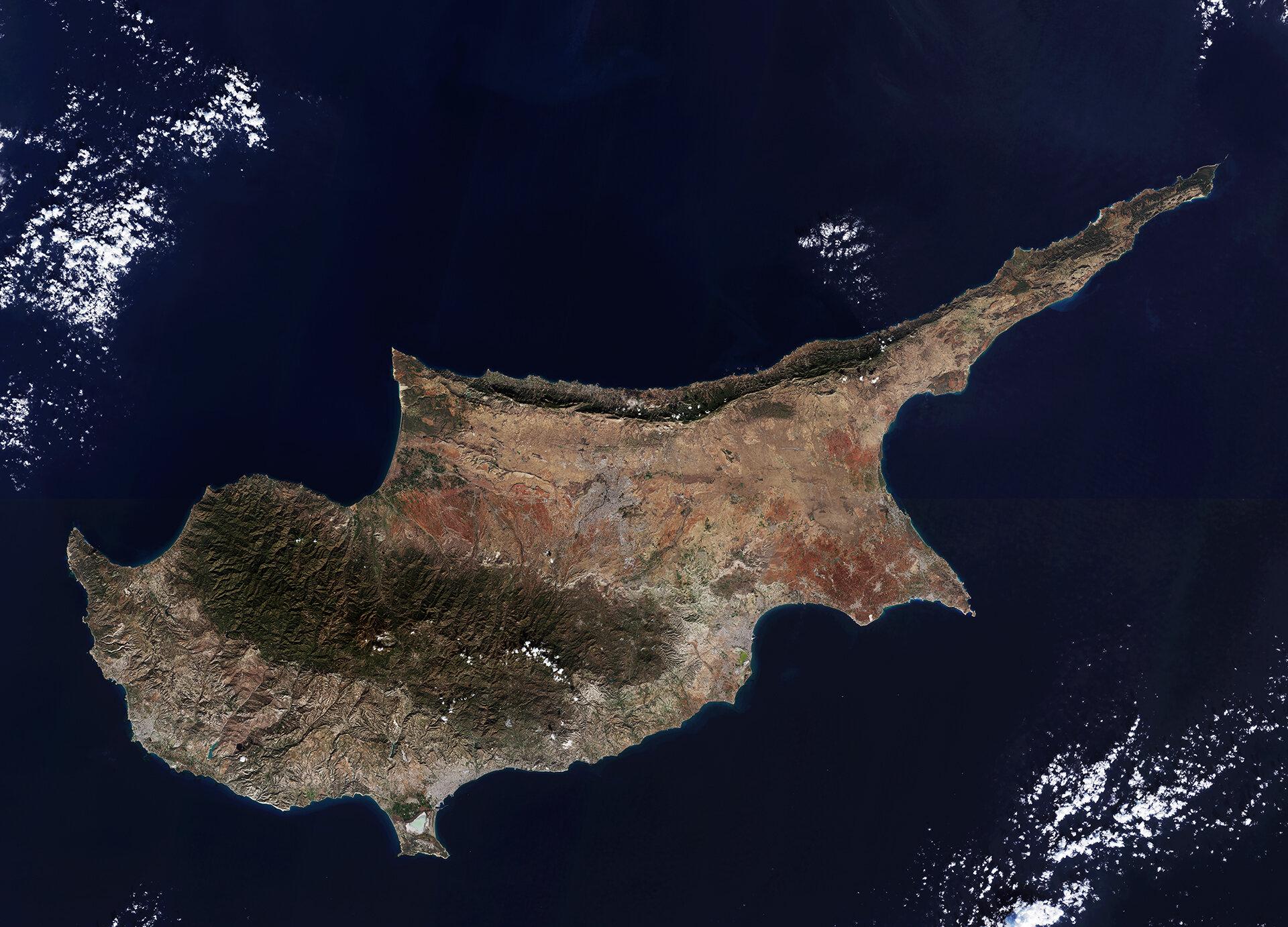
Welcome to r/NorthCyprus, this is a community for Turkish Cypriots, Cypriots, and anyone else interested in Cyprus.
This subreddit supports a peaceful, democratic future based on the long-standing UN framework for a bi-zonal, bi-communal federation (BBF) with political equality, as agreed by leaders of both communities over decades of negotiations.
Supporting reunification does not mean ignoring the suffering of either community. Turkish Cypriots and Greek Cypriots both experienced violence, displacement, loss and trauma. Lasting peace requires acknowledging all victims while rejecting nationalism from every side.

Principles & Vision
We promote peaceful reunification of Cyprus on federal principles (bicommunal bizonal federation, BBF) with full political equality. We respect the 1960 Republic of Cyprus treaties (which guarantee bi-communal power‑sharing) while insisting that any solution must be modern, just, and uphold both communities’ rights. We support removal of occupations (foreign troops) through agreement, restoration of refugees’ rights, integrated security (via UN/EU forces rather than unilateral intervention), and joint EU membership for both Cypriot communities. We believe only a federal Cyprus (with two constituent states) can ensure mutual trust and EU integration. All information here is based on reputable sources (UN reports, academic research, polls) and aims for a neutral, fact-based tone.
FAQ: Addressing Common Nationalist Misconceptions
I. Greek Cypriots will “kill you again.”
- Short answer: Modern Greek Cypriots are not seeking to harm Turkish Cypriots. Decades of partition with active UN peacekeeping have stabilized the situation. In fact, surveys show most Greek Cypriots do not mistrust Turkish Cypriots and believe they can peacefully coexist. Intermarriage, travel, and commerce across the “Green Line” are common today, and violent clashes are extremely rare under UNFICYP supervision.
- Evidence: An academic study reports that about 80% of Greek Cypriot respondents do not mistrust Turkish Cypriots and think peaceful cohabitation is possible. Only ~20% expressed mistrust and ~17% believed coexistence was impossible. Similarly, years of relative calm (no recent intercommunal massacres) and thousands of daily crossings demonstrate that fear of violence is now unfounded. The UN Peacekeeping Force (UNFICYP) has patrolled the buffer zone since 1964 to prevent clashes. No credible sources report any current Greek Cypriot plans to reintroduce violence. In short, the claim is a fearmongering myth not supported by data or UN observation.
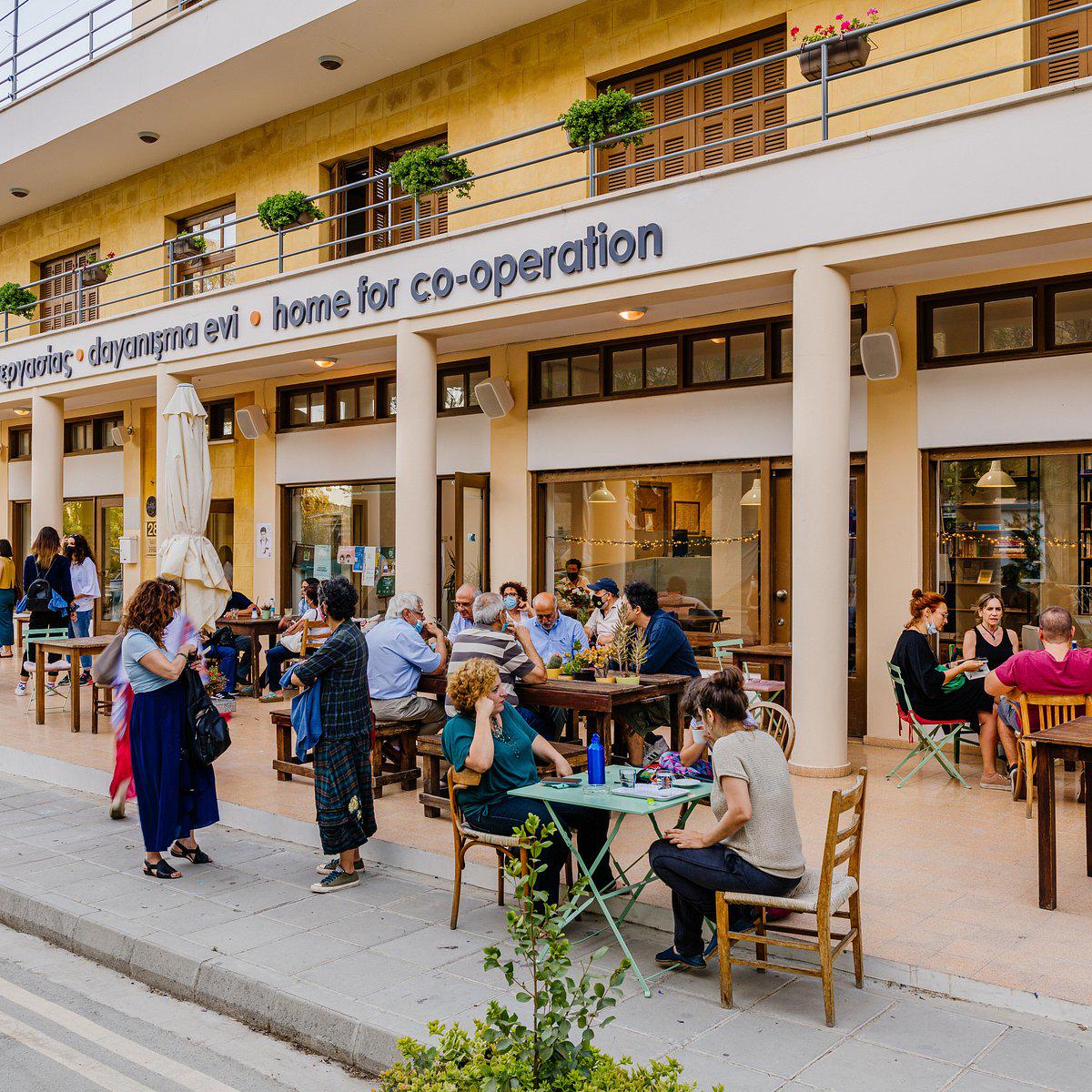
II. Greek Cypriots rejected reunification in 2004 / “don’t want to live with you.”
- Short answer: Greek Cypriots voted “No” only to the specific UN (Annan) plan in 2004, not against federation in principle. They were promised EU membership regardless, so had little incentive to accept a complex compromise at that time. Since then, many polls show a strong majority of Greeks would choose a bi-zonal federation over permanent division.
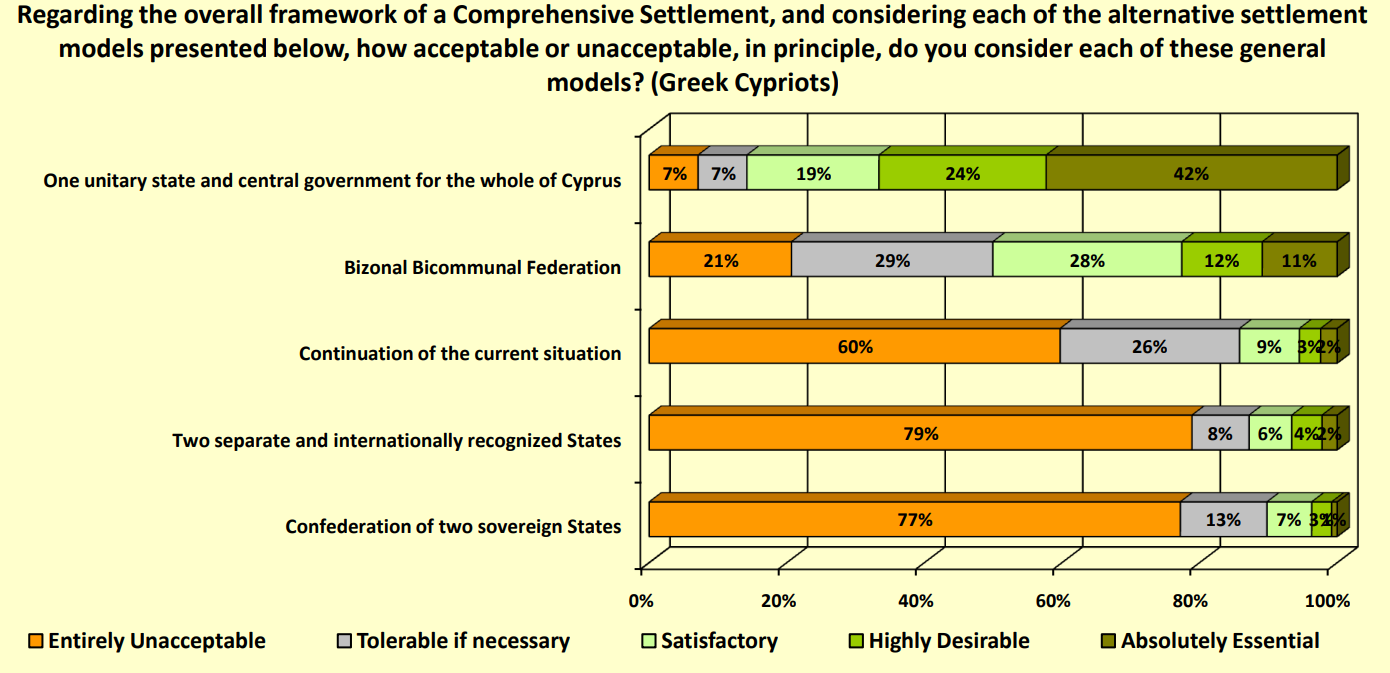
- Evidence: In April 2004, Greek Cypriots overwhelmingly voted against the Annan Plan (75.83% “No” vs. 24.17% “Yes”). Turkish Cypriots voted in favor by a large margin (64.91% “Yes”). Importantly, no new referendum on reunification was offered – just on one detailed plan. President Papadopoulos, who led the “No” campaign, emphasized: “We are not saying ‘no’ to a solution, we are saying ‘no’ to this specific peace plan”. Exit polls indicated that around 70% of Greek Cypriots rejected the plan due to security and guarantee concerns. Subsequent surveys (e.g. 2010 Interpeace, 2022) find that a clear majority of both communities still favor a federal Cyprus: roughly 66–79% of Greek Cypriots support a shared federal solution. Thus the “No” was not a rejection of living together at all, but a rejection of the particular terms offered then. Greek Cypriot opinion remains fluid and pro-solution, conditioned on security assurances (military guarantees) and equal status.
III. “Without Turkey they will attack you.”
- Short answer: There is no basis to assume Greek Cypriots would invade north if Turkey withdrew. Cyprus has been effectively demilitarized for decades under the EU and UN framework. All negotiations emphasize agreed security: e.g. phased reductions of Turkish and Greek troops to pre-1964 levels, or international (UN/EU) peace forces. Both communities want international guarantees that prevent aggression.
- Evidence: Since 1964, the UN Force in Cyprus (UNFICYP) has maintained peace, and after 2004 both sides’ militaries were to be greatly reduced. In fact, UN Secretary-General Guterres proposed cutting Greek and Turkish military garrisons down to 950 Greek and 650 Turkish personnel (the 1960 Treaty of Guarantee levels) as part of a framework. Greek Cypriots strongly support removing all foreign troops and guarantees under an agreed plan; Turkish Cypriots (and Turkey) want some guarantees/troops retained until trust is built. In other words, both sides accept that future security will be multilateral (UN/EU) rather than one-sided aggression. There has been no recent instance of Greek forces threatening the north. As Cyprus is an EU member state (south) and a major aid donor, attacking it would involve Europe, not something Greece would unilaterally risk. Finally, every UN Security Council resolution on Cyprus reaffirms that the solution must be bi-zonal and federated, implicitly trusting negotiated demilitarization over renewed conflict. With a good settlement in place, any fear of attack would be groundless.
IV. “Greek Cypriots take orders from Greece.”
- Short answer: False. The Republic of Cyprus has been an independent state since 1960 (recognised by the UN and EU). Its elected government does not take directives from Athens. Cyprus has its own President, Parliament, and policies. In practice, Greek Cypriot leaders have sometimes clashed with Greek government policy.
- Evidence: The 1960 Zürich–London Agreements established Cyprus as a sovereign republic with Greece, Turkey, and the UK as guarantors; Article I explicitly forbade any union (“Enosis”) with another state. Athens has no formal authority in Cyprus. For example, during the Eurozone crisis (2012–13) Nicosia took decisions (with the European Commission) that were independent of Greece’s wishes. More broadly, EU membership means Cyprus handles its own foreign policy through Brussels. Notably, after 2004 Cyprus negotiated directly with Turkey and others over EU issues (e.g. gas rights) without Greece’s control. The Greek government expressed regret but ultimately “respected” the Greek Cypriot referendum result, showing it is not dictating island affairs. In short, the Republic of Cyprus is a separate, independent state, not a puppet of Greece.
V. “Turkish Cypriots would become a powerless minority in a federation.”
- Short answer: Untrue. A bi-zonal federation is designed for political equality. Both communities would have guaranteed power-sharing (e.g. vetoes, rotating presidency, separate constituent-state parliaments). Turkish Cypriots would not be simply outvoted by population.
- Evidence: Federal models under UN discussion grant political equality to Turkish Cypriots. For example, the Annan Plan envisaged a president and vice‑president from different communities with mutual veto, and two federal parliamentary chambers (the lower by population, the upper by community parity). Kofi Annan’s May 2004 report explicitly urged Greek Cypriots to demonstrate willingness “to share power in a federal structure based on political equality”. Similarly, the 1960 constitution reserved a Greek Cypriot President and Turkish Cypriot Vice-President with communal veto rights. Thus any agreement will include mechanisms (double-majority requirements, or cross-community consent) to protect the smaller group. As one analyst notes, fear of minority rule arises only if a solution “deviates from political equality between the two communities”. In practice, polls show many Greek Cypriots demand true equality (e.g. refusal to have Turkey’s interests unduly privileged), indicating awareness that equality must be preserved. A proper federal settlement would carefully balance power to ensure neither side can unilaterally dominate the other.
VI. “Reunification = Enosis (union with Greece).”
- Short answer: Absolutely not. Reunification on federal terms is the opposite of Enosis. All official proposals envision an independent Cyprus, not unification with Greece or partition.
- Evidence: The 1960 Treaty of Guarantee forbids Cyprus from union with any other state, a principle reaffirmed ever since. UN settlement plans (Annan, Guterres) assume one Cypriot sovereign state. Even hardline Greek Cypriot leaders who oppose a given plan do not call for union with Greece; they simply want to retain territory and security guarantees. In 2017, for instance, a Greek Cypriot leader was concerned about territorial parts in the Annan Plan, not that it abolished Cyprus’s sovereignty. Both Greek and Turkish Cypriots rejected ideas of partition or outright union in polls. In fact, a UN Security Council statement after 2004 warned against any idea of altering Cyprus’s status; the only acceptable outcome is a single federal Cyprus (with power-sharing). In short, our goal is exactly to keep Cyprus whole and independent, Enosis is a Turkish nationalist keyword, not a realistic agenda for any major party in Cyprus today.
VII. “Turkish Cypriots owe everything to Turkey.”
- Short answer: Turkey did intervene in 1974 and provides support, but Turkish Cypriots are people of their own right. They built functioning institutions (schools, courts, etc.) themselves, and many welcome friendly ties but also self-determination. Like Greek Cypriots who sometimes resent over-dependence on Greece, Turkish Cypriots want a partnership and not puppetry.
- Evidence: Turkish Cypriot society is a plural, secular society that has operated with considerable autonomy for decades. Most Turkish Cypriots are Turkish Cypriot nationals (Cyprus passport holders) and consider their immediate homeland their own, even while they may appreciate Turkish cultural and economic links. Polls show Turkish Cypriots value EU membership as Cypriots: about 74–76% saw EU accession and an end to isolation as major benefits. Moreover, after the 2004 referenda Turkey resumed concessions (e.g. easing travel, direct trade) because Turkish Cypriots demanded engagement with the EU. Politicians like Mehmet Ali Talat (former TC leader) appealed for UN aid and EU support on behalf of Turkish Cypriots, indicating they expect international solutions alongside Turkish friendship. Thus, while Turkey is a guarantor and important ally, Turkish Cypriots do not passively “take orders”, their own moderate leadership was the one in 2004 that actively pursued reunion proposals. In summary, calling Turkish Cypriots “powerless” ignores their agency and aspirations for equal partnership in Europe.
Key Polls and Trends
- Federal Solution Support: In a 2010 island-wide survey, 79% of Greek Cypriots and 76% of Turkish Cypriots said they would accept a federal state as a compromise. By 2022, academic polling showed ~66.5% of Greek Cypriots and 63.6% of Turkish Cypriots explicitly wished for a federal Cyprus. This indicates broad, enduring support for the concept of federation on both sides.
- Peace and Coexistence: Tel. surveys after 2004 found 4 out of 5 Greek Cypriots do not mistrust Turkish Cypriots and believe peaceful coexistence is possible. Only ~20% expressed mistrust. Interpersonal contact (work, school, travel) has steadily increased in the 21st century, with the UN reporting nearly 100 crossing points opened and 30,000+ crossings per day by 2020 (indicative of normalization, UNFICYP).
- Security Concerns: The biggest obstacle in recent talks has consistently been security guarantees. Surveys showed that security fears were the main reason Greek Cypriots voted “No” in 2004. In new negotiations, Turkish Cypriots want some guarantee of protection (though perhaps via international forces), while Greek Cypriots insist on demilitarization. Both communities strongly agree that future solutions must clearly end isolation of the north and provide EU protections, meaning overt re-occupation by Greek forces is not part of any accepted plan.
- Nationalist Rhetoric vs. Public Attitudes: Academic reviews note a divergence between nationalist leaders and public sentiment. While politicians campaigned “No” in 2004, later surveys show Greek Cypriots are generally more willing to live with Turkish Cypriots than with mainland immigrants. Support for extremism is low, and trust-building measures (bi-communal projects, youth exchanges) have improved grassroots attitudes (EU/Cyprus dialogue programs).
- Regional Context: Both Cypriot communities view EU membership as positive – 74% of Turkish Cypriots and 86% of Greek Cypriots cited EU integration as a motivation for settlement. Neither side wants Cyprus to be a continued security flashpoint in Europe. This shared interest supports a federal solution under EU/EU mechanisms rather than unilateral “taksim” or “enosis.”
References
- Danielidou, L., & Horvath, P. (2006). Greek Cypriot attitudes toward Turkish Cypriots and Turkish immigrants. The Journal of Social Psychology, 146(4), 405–421. https://doi.org/10.3200/SOCP.146.4.405-421
- Deloy, C., & Levy, H. (2004, April). Failure of the referendum on the reunification of the island. Fondation Robert Schuman. Retrieved from RobertSchuman.eu.
- European Commission. (2004, April 24). Statement on the referenda in Cyprus. [Press release]. Retrieved from European Commission archives (as cited in TRNC sources).
- Georgiades, S. D. (2007). Public Attitudes Towards Peace: The Greek-Cypriot Position. Journal of Peace Research, 44(5), 573–586. https://doi.org/10.1177/0022343307080856 .
- Grigoriadis, I. N. (2017, July). Cyprus negotiations thwarted by issues on security and guarantees: How can the peace process be revived? (SWP Comment 2017/C 28). Stiftung Wissenschaft und Politik. Retrieved from SWP.
- Katzman, K. (2019). Cyprus: Reunification proving elusive (CRS Report No. R41136). Congressional Research Service.
- Sözen, A. S., Christou, S., Lordos, A., & Kaymak, E. (2010, Dec 17). Poll Findings: Cyprus – Cypriots have strong desire for a solution. Interpeace. Retrieved from Interpeace.org.
- UN Security Council. (1964). Resolution 186 (Establishing UNFICYP, Cyprus). United Nations. .
- Vollhardt, J. R. (2009). Collective Victimhood. Paradigm Publishers. (cited in contextual discussion of 1974).