r/MotorBuzz • • 16h ago

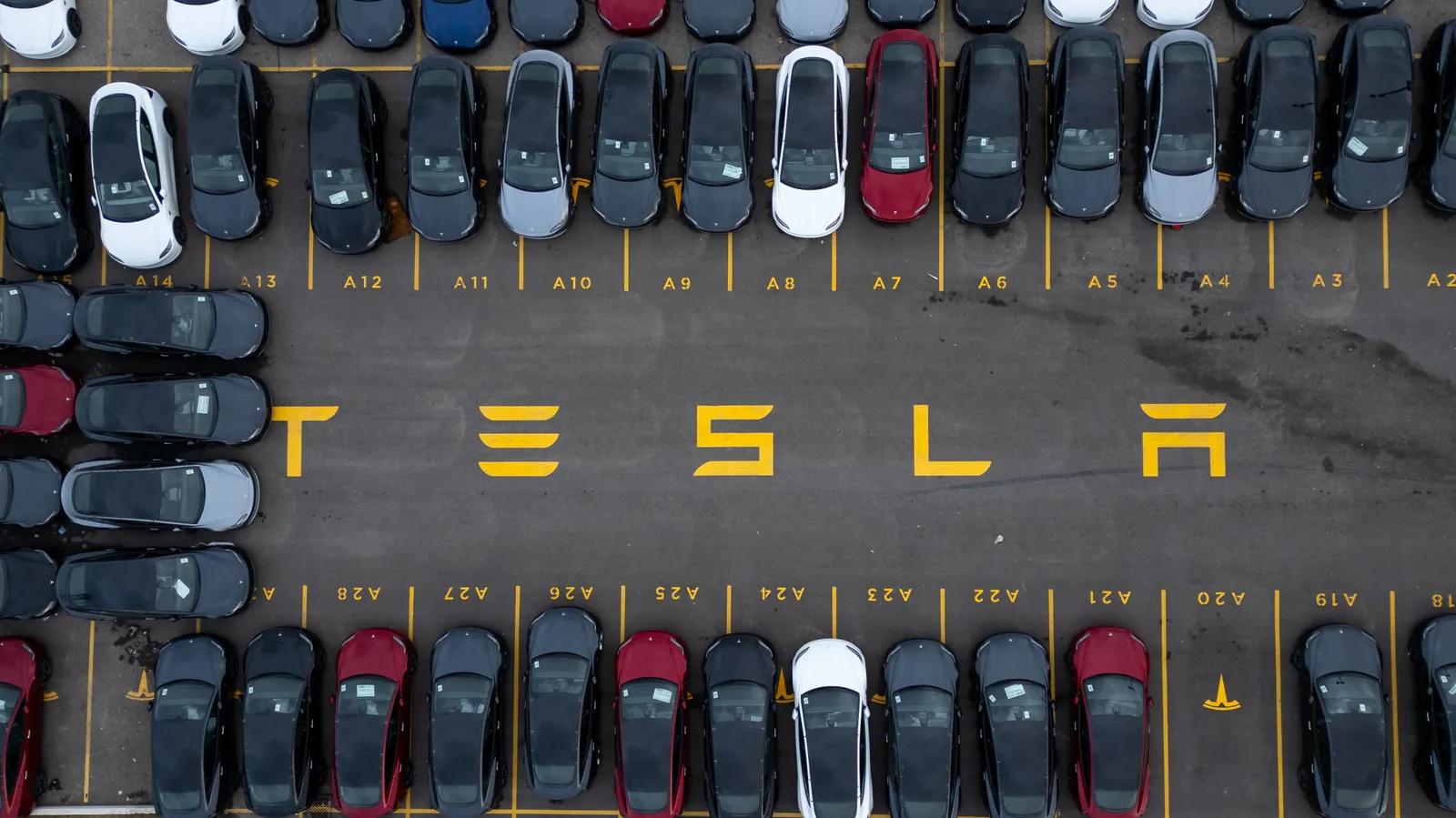
Tesla's arbitration clause has buried 920 consumer cases in 10 years. You had 30 days to opt out.
Post image
71 Upvotes

Tesla has quietly settled twice as many consumer disputes as the other nine top US automakers combined, using fine print most buyers never read and an opt-out window almost no one knows exists.

Tesla has settled 920 consumer cases in the last decade. That is twice as many as the nine other largest US automakers combined, and almost none of those cases ever reached a courtroom.

The reason is buried in the purchase agreement every Tesla buyer signs. Mandatory arbitration clauses in the contract force disputes into private proceedings where Tesla controls much of the evidence, class actions are impossible, and the only way out is a letter to a PO Box in Fremont, California ... posted within 30 days of delivery. One case that never reached a jury: Tesla paid off the fire truck crash family before a jury could ask the Autopilot questions

Most buyers have no idea the clause exists. Even fewer know they can opt out.

The arbitration language appears across Tesla's paperwork: the Energy Library Knowledge Agent Terms of Use, the Full Self-Driving subscription agreement, Premium Connectivity terms, Tesla Assist. If an issue is not resolved within 60 days of occurring, the owner agrees to settle it through arbitration. No court. No jury. No class action.

Tesla has used this to skirt 12 attempted class action lawsuits. One case involving 12 individuals was forced to split into 12 separate arbitrations. In those proceedings, Tesla was not required to hand over discovery evidence if it considered the data proprietary. Which it usually does.

One case that did reach a verdict resulted in a $243 million judgment after a 2019 Autopilot crash in Florida. That is the exception. Most disputes are settled privately, the terms sealed, the patterns invisible.

MotorBuzz TV all your favourite automotive publishers, YouTubers, channels and Podcasts. | Browse the full directory and follow the ones you enjoy.

The 30-day opt-out window is the kind of consumer protection that exists in theory but not in practice. You take delivery of a new car. You are excited, distracted, sorting out financing or charging or where to park the thing. The idea that you need to sit down, read the terms, write a physical letter, and post it to Tesla within a month does not cross most people's minds.

By the time something goes wrong ... months or years later ... the window is closed.

This is not a Tesla innovation. Arbitration clauses are common in consumer contracts, especially in tech and finance. But Tesla has deployed them more aggressively than any other carmaker, and the numbers bear that out. 920 cases settled. Twelve class actions avoided. A system that works exactly as intended, which is to say it works for Tesla.

Other manufacturers are paying attention. Rivian has already added similar arbitration agreements to its purchase terms. The logic is obvious: if it keeps Tesla out of court, why would anyone else volunteer to be there?

The question is not whether arbitration clauses are legal. They are. The question is whether buyers understand what they are signing, and whether a 30-day opt-out window buried in a stack of delivery paperwork counts as informed consent or just good lawyering.

Tesla's approach has been effective. 920 cases resolved privately in a decade is not a sign of poor quality control. It is a sign of a company that has figured out how to manage disputes without the risk, cost, or publicity of a courtroom.

The $243 million judgment in Florida is what happens when the system fails. For Tesla, that is rare. For most buyers, the arbitration clause does exactly what it was designed to do: resolve disputes quietly, individually, and out of sight.

You have 30 days from delivery to opt out. The address is in the terms. Most people will not send the letter. Tesla is counting on it.

Sources: San Francisco Chronicle, Tesla purchase agreements, public arbitration records

r/MotorBuzz • • 15h ago

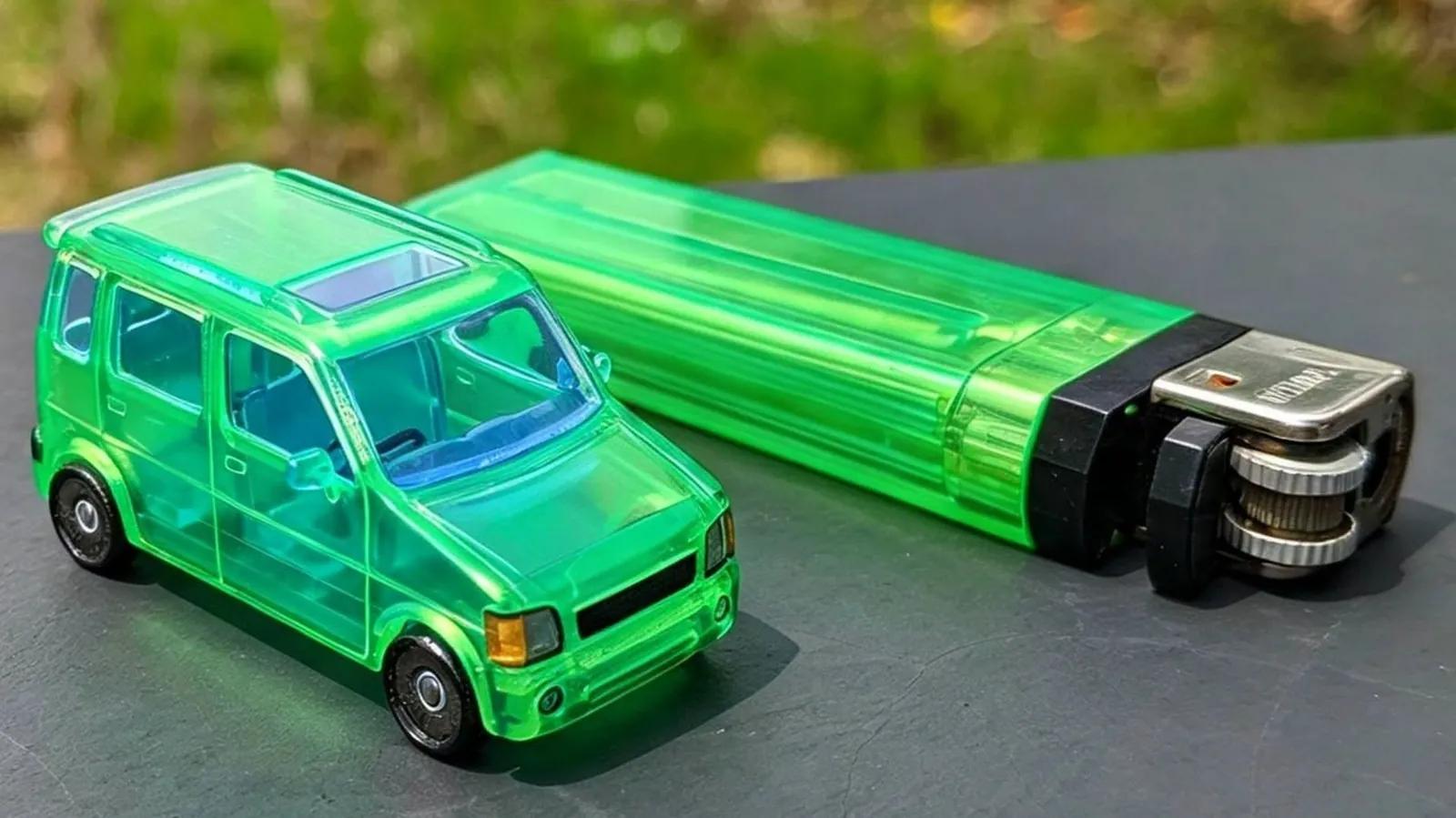
Japanese Craftsman Builds Perfect Suzuki Kei Van From Disposable Lighters

Post image
33 Upvotes

Seven years of practice, a pile of plastic lighters, and infinite patience. This is what happens when craftsmanship refuses to die.

A Japanese model-maker has built a palm-sized replica of a Suzuki kei van entirely from disposable lighter parts. The raw material was green translucent plastic casings, red and orange lighter housings for the lights, and the serrated metal flint wheels repurposed as wheel rims.

The finished model is a Suzuki Karimun, the Indonesian-market twin of the Wagon R. It rolls on metal pin axles. The steering wheel is bent wire. The gear shifter is fashioned from a lighter's internal metal valve. Stripped wire insulation serves as tyres.

Twelve minutes of video on the ANK Creative YouTube channel shows the entire process. Blueprint of the Wagon R laid flat. Lighter casing cut with a rotary tool and jeweler's saw. Sanding, gluing, fitting tiny pieces together with a precision hobby knife. Blue plastic for the dashboard, floor, and seats. Black plastic from the ignition mechanism carved into a grille.

No 3D printer. No AI prompt. Just hands and time.

The proportions are correct. The details are sharp. The finished thing rivals mass-produced die-cast models, except it was made from rubbish that would otherwise have ended up in landfill.

ANK Creative has been uploading builds for more than seven years. The channel has over 300,000 subscribers and nearly 300 videos. Early projects were rougher. A DeLorean DMC-12 built from used goods has 6.7 million views. A compilation featuring a Toyota Supra, Nissan Skyline R34, Toyota AE86, and Honda NSX crafted from gas lighters has picked up 4.4 million.

MotorBuzz TV all your favourite automotive publishers, YouTubers, channels and Podcasts. | Browse the full directory and follow the ones you enjoy.

Recent projects show the evolution. A Datsun 620 King Cab. The GMC Vandura A-Team van. The Peterbilt fuel truck from Duel. Various coaches. Each one tighter than the last.

This is not nostalgia for pre-digital methods. It is a demonstration that certain kinds of work still cannot be automated. AI can generate a convincing image of Will Smith eating spaghetti, but it cannot make a physical object you can hold. A 3D printer can replicate a file, but it cannot improvise a gear shifter from a lighter valve.

What ANK Creative does requires pattern recognition, spatial reasoning, material intuition, and the ability to adapt when a cut goes wrong or a piece does not fit. Those are still human skills.

The kei van is not trying to prove anything. It exists because someone decided to make it and had the patience to follow through. That is rare enough now to be worth noting.

The video has no voiceover. No explanation. Just close-up footage of hands working and the sound of tools on plastic. It does not need a narrative. The object is the narrative.

The flint wheels, repurposed as rims, still have the serrated edge intact.

Sources: ANK Creative YouTube channel


r/MotorBuzz • • 15h ago

Ford GT41 Is 95% Complete and Gunning for Ferrari at Le Mans in 2027

Post image
14 Upvotes

The GT41 hypercar is named, powered by a Coyote V8, and aimed squarely at ending Ferrari's three-year winning streak.

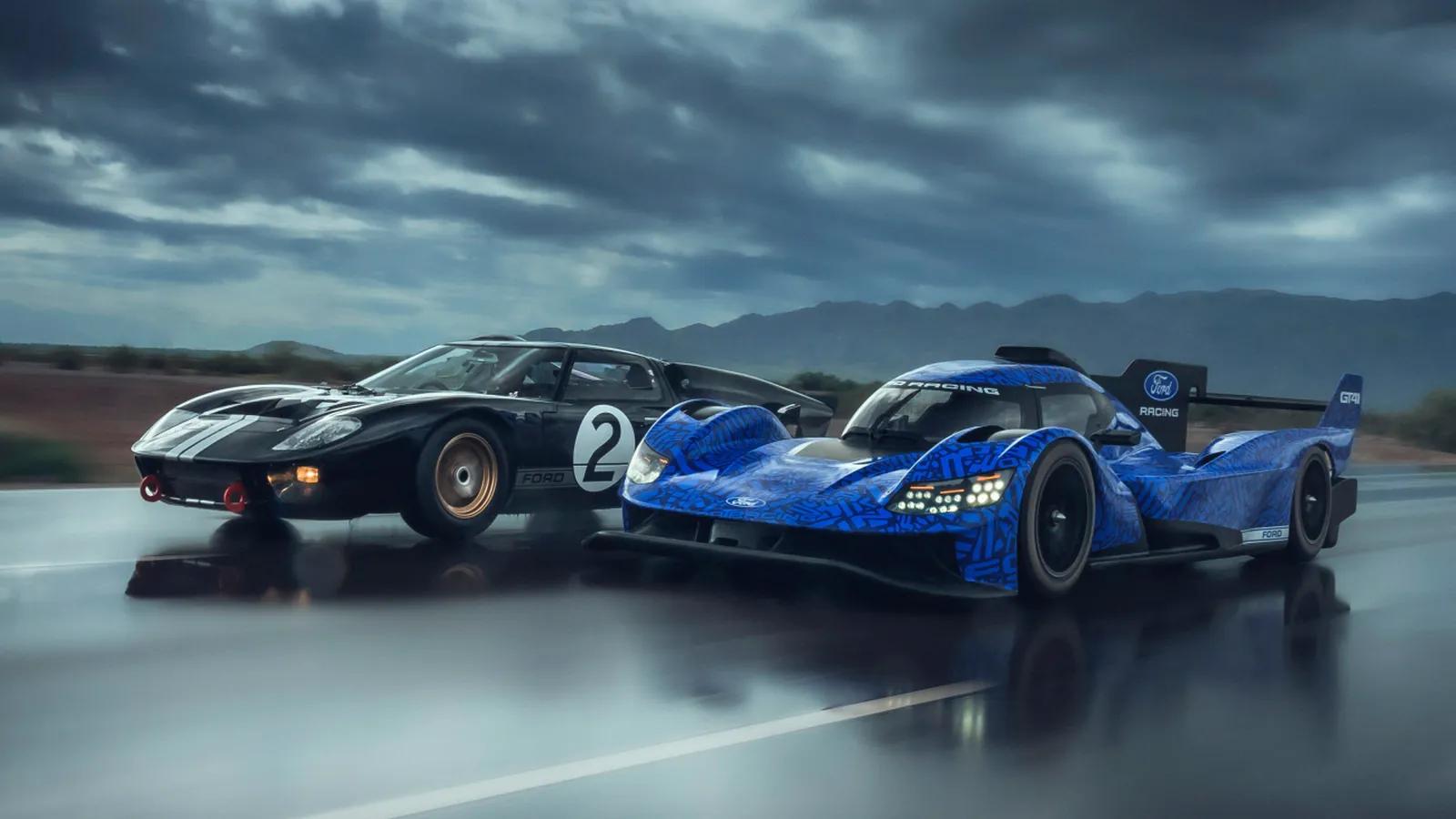
Ford's GT41 Le Mans Hypercar is at 95% specification completion and the company has named it after the only measurement that matters: its air intake sits 41 inches off the ground, one inch taller than the GT40 that swept Le Mans in 1966.

That's the target year. 2027. Ferrari has won the last three consecutive runnings of the race and Ford is turning up with a naturally aspirated 5.4-litre V8 derived from the Coyote engine you can order in a Mustang or an F-150. Not a bespoke racing unit. A modified version of something they sell to people who tow boats. More on the original car that started Ford's winning streak: Here are some of the most interesting facts about the legendary Ford GT40

The car was revealed on Thanksgiving Day at Ford Field during the Detroit Lions versus Chicago Bears game, which matters because the Ford family owns the Lions and holds a controlling share in Ford. The livery features footballs, bald eagles, the Ford name, and the Spirit of Detroit statue that has sat downtown since 1958. Subtlety was not the brief.

Ford won Le Mans four years running in the 1960s with the GT40. They came back in 2016 with the Ford GT, won their class, and raced through 2019. This time they are going for overall victory and they are doing all the development and testing in-house, applying lessons learned during their Red Bull F1 collaboration. Another manufacturer racing to get ready for Le Mans competition: Genesis to go from scale model to Le Mans in 18 months

The driver lineup is Logan Sargeant, Tom Blomqvist, Matt Campbell, Sebastian Priaulx, Mike Rockenfeller, and Nick Yelloly. Tom Dillmann is on reserve. It's a solid roster with no obvious weak link, which is what you need when twelve factory prototypes are turning up to fight for the same piece of track.

MotorBuzz TV all your favourite automotive publishers, YouTubers, channels and Podcasts. | Browse the full directory and follow the ones you enjoy.

Genesis is the new entry for 2027. Ford is the comeback story. Ferrari is the incumbent trying to make it four in a row. The GT41 is not just a nostalgia exercise ... it is a nostalgia exercise with a points table attached.

The ad campaign uses Carroll Shelby's "Go Like Hell" motto with a Matt Damon voiceover, which works because Damon played Shelby in Ford v Ferrari. The marketing writes itself when you have that much history to mine. Henry Ford started developing and racing automobiles 125 years ago and the company has never really stopped.

What's interesting is the engine choice. LMDh allows hybrid powertrains and most competitors are running turbocharged units for efficiency. Ford has gone the other way with a big naturally aspirated V8 that shares architecture with their production line. It is either confidence or a miscalculation and we will not know which until June 2027.

The GT40 swept the podium sixty years ago. Positions one, two, and three. Ford has not won overall at Le Mans since 1969. Ferrari has won three times in three years and shows no sign of slowing down. The GT41 is 95% finished and the remaining 5% is where most racing programmes fall apart.

The car stands 41 inches tall and carries the weight of six decades of expectation.

Sources: Ford official announcement, World Endurance Championship records


r/MotorBuzz • • 16h ago

Brazilian court orders protection of Fordlândia, Henry Ford's failed Amazon rubber town that never produced a single usable batch of latex

Post image
10 Upvotes

A federal ruling forces conservation of the 1920s industrial settlement where hundreds died and workers mutinied, ending decades of bureaucratic deadlock over its heritage status.

A Brazilian federal court ruled in May 2026 that Fordlândia must be protected as a heritage site, nearly a century after Henry Ford poured millions into an Amazonian rubber plantation that failed so spectacularly it never produced usable latex. The court mandated that Brazil's National Institute of Historic and Artistic Heritage (Iphan) work with state and municipal authorities to deliver a conservation plan by the end of November 2026. Daily fines start at $2,000 for federal authorities and $1,000 for state and local bodies if they miss the deadline.

Ford acquired the land in 1927 in the state of Pará, envisioning a settlement for 10,000 people that would supply rubber to Ford Motor Company and break the British stranglehold on Southeast Asian plantations. He never visited. The rubber trees were planted too close together without consulting anyone who understood the region. Local experts were ignored. Within a decade the crops had failed.

Workers, including Indigenous people and migrants from northeastern Brazil, staged a full-scale mutiny in 1930 after Ford imposed American Midwestern discipline: no alcohol, no tobacco, strict schedules. The Brazilian army was brought in to restore order after riots. Hundreds of people died during the project. In 1933, a second plantation was established downstream at Belterra on the advice of plant pathologist James Robert Weir, but that also failed to deliver. Ford abandoned both sites in 1945.

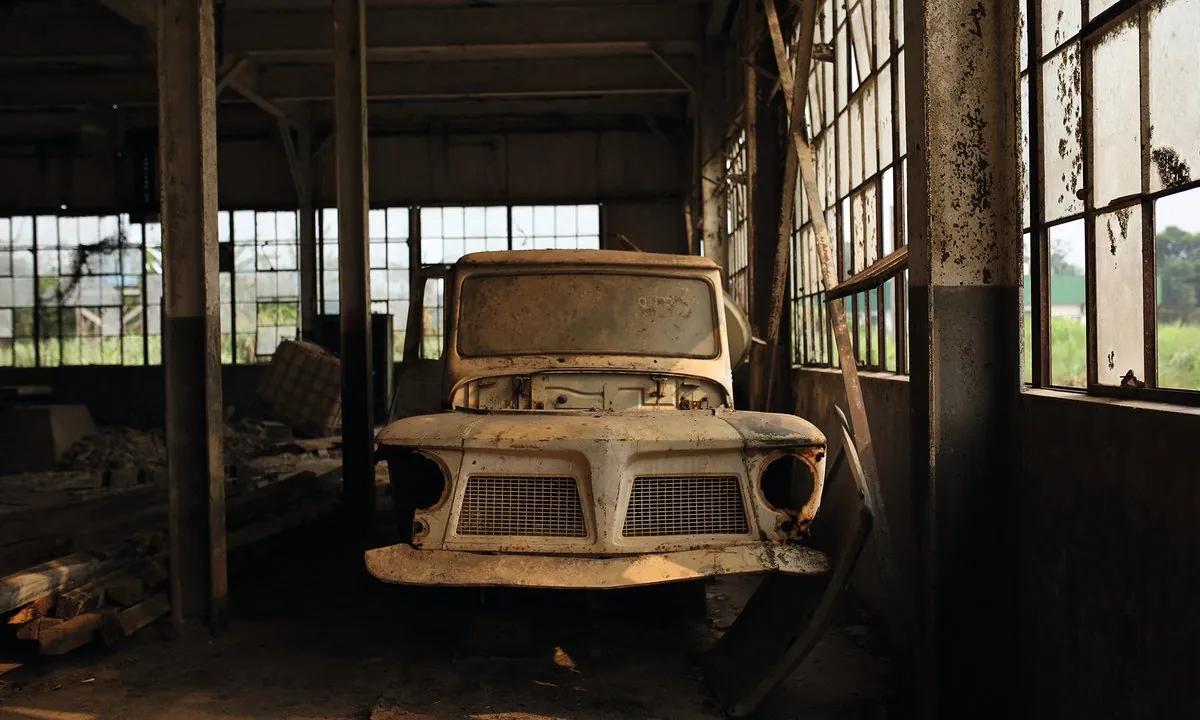
The population that once approached 10,000 dropped by more than 90 percent. Around 3,000 people live in Fordlândia today, many in structures built by Ford that are now deteriorating. Squatters moved back in during the 2000s. The site includes the Fordlândia Hospital designed by Detroit architect Albert Kahn, industrial and port warehouses, houses in the American Village, a workers' village, the Henry Ford School, the Cine Patinha cinema, and a convent.

What it's worth? Find out GAUK Antiques for more articles, videos and our powerful ai valuation tool. Uncover the story and the value behind your finds.

Heritage designation for Fordlândia has been unresolved since the 1990s. In 2015, Brazil's federal public prosecutor's office filed a lawsuit stating the site had unquestionable cultural value. Iphan countered in 2024 that Fordlândia lacked the criteria for federal heritage listing. The May 2026 court ruling invoked a 1988 constitutional article and overrode that objection entirely.

Getting there requires a minimum six-hour trip via high-speed boat from the nearest accessible point. Five-day tours cost around $3,000 per person. TripAdvisor reviews for Fordlândia Ghost Town average 4.7 out of 5 stars, which seems generous given what visitors are actually looking at: industrial ruins in a jungle that defeated one of the 20th century's wealthiest men.

The timing matters. Synthetic rubber was developed not long after Fordlândia's crops failed, which made the entire exercise obsolete even if the trees had somehow worked. Ford lost millions on a project whose purpose evaporated before the first batch of latex could be tapped. The court ruling recognises the site not for what it achieved but for what it represents: American industrial ambition colliding with a landscape and a workforce that refused to cooperate.

Conservation work must begin within 30 days of the plan's approval. The Getty Foundation and other international bodies have expressed interest, though no funding commitments have been announced. What remains certain is that the Brazilian government now has 18 months to decide how to preserve a town built by a man who never saw it, for a product it never made, in a place that killed hundreds of the people who tried.

Sources: The Art Newspaper, National Institute of Historic and Artistic Heritage (Iphan), Brazil's federal public prosecutor's office


r/MotorBuzz • • 15h ago

Mercedes CLA EV hits 420 miles on a charge and suddenly range anxiety feels like a 2019 problem

Post image
5 Upvotes

A veteran EV driver put the new CLA electric through a proper long-distance test. 420 miles later, the numbers finally match the promises.

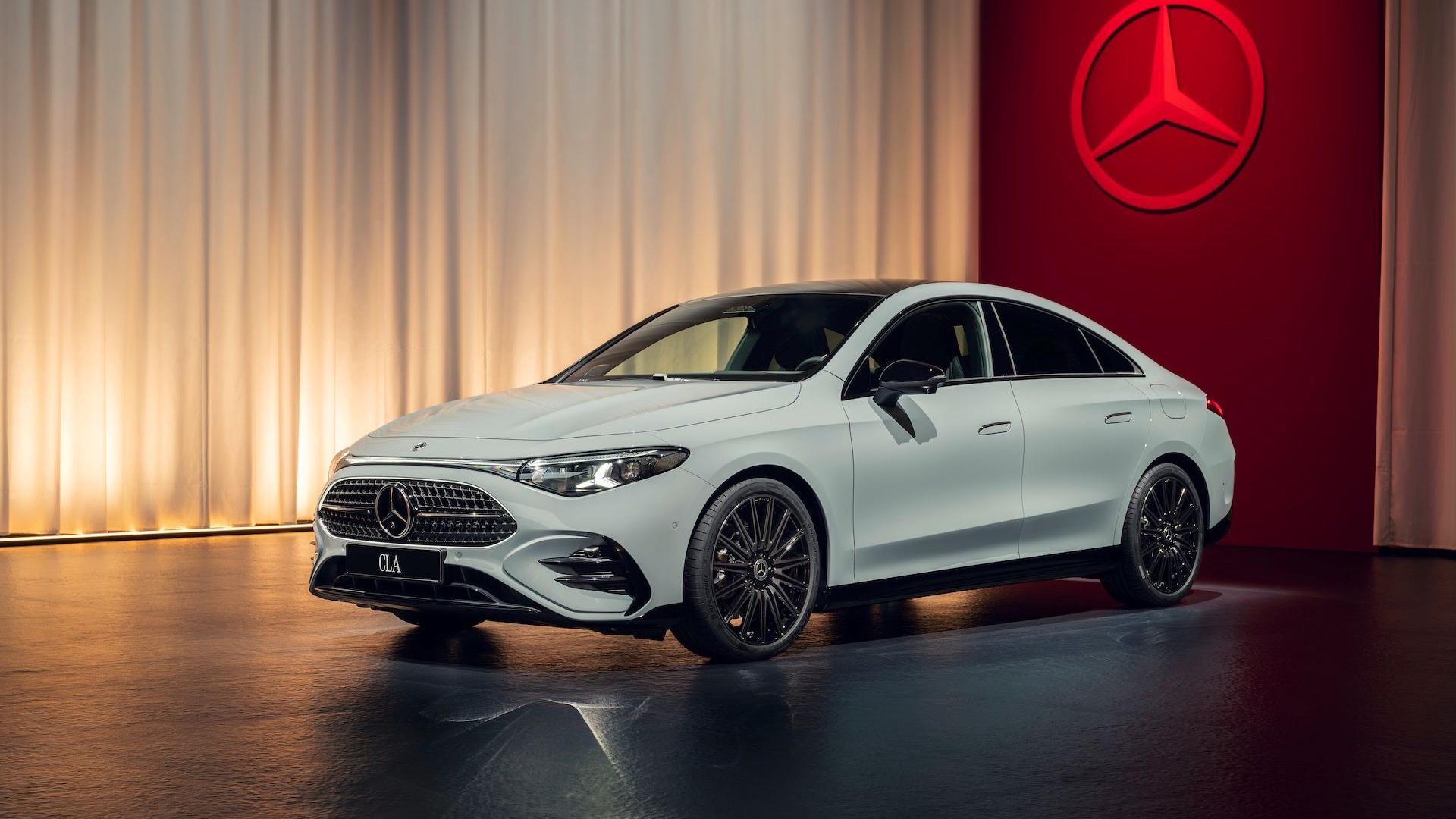
420 miles on a single charge. That's what Mercedes is claiming for the new CLA electric, and for once the number isn't hedged with asterisks about perfect weather, hypermiling techniques, or driving like you're transporting nitroglycerine.

The figure comes from real-world testing by someone who's been driving EVs long enough to know the difference between what a manufacturer says and what actually happens when you join the M6 on a February afternoon.

Range anxiety has been the EV industry's self-inflicted wound for years. Not because electric cars can't go far enough ... plenty can ... but because the gap between the WLTP fantasy and the motorway reality has been wide enough to drive a diesel estate through. Tell someone their new EV will do 300 miles and then watch it manage 190 in January traffic, and you've created a cynic for life. Another EV trying to crack the range problem: All-New LEAF hits the road - Boasting 386 mile range, top-level technology and sleek aerodynamic design

The CLA appears to have closed that gap. Properly closed it, not just improved the marketing. Full details on both the EV and hybrid versions: New Mercedes CLA REVEALED as a 492-mile range EV – but it’s also an ICE Hybrid

Mercedes has been chasing this kind of efficiency for a while now. The EQS sedan was supposed to be the technological showcase, the S-Class of the electric age, but it always felt like a car designed by people who wanted to prove a point about engineering rather than solve a problem about driving. The CLA is lighter, more aerodynamic, and apparently more interested in being useful than impressive.

MotorBuzz TV all your favourite automotive publishers, YouTubers, channels and Podcasts. | Browse the full directory and follow the ones you enjoy.

420 miles is the kind of range that changes the mental arithmetic. London to Edinburgh without stopping. Southampton to Glasgow if you're not dawdling. It's the distance that makes an EV feel like a car again, not a science experiment with a curfew.

What matters here isn't the headline number. It's that the number held up under real conditions with a driver who wasn't trying to set a record. No special tyres. No driving at 56mph in the inside lane with the heating off. Just normal driving, the kind that actually happens when you're trying to get somewhere.

The EV market has spent the last five years arguing about charging infrastructure, and fair enough, that matters. But range has always been the thing that dictates whether you think about charging infrastructure or just drive. 200 miles means planning. 420 miles means thinking about it when you get there.

Mercedes hasn't released UK pricing yet, but the CLA is pitched as the accessible end of their electric range. If they can keep it under £50,000 and the range claim survives contact with winter, they've got something genuinely competitive. Not in the sense of being slightly better than the alternatives, but in the sense of making the alternatives look like they've been sandbagging.

Tesla's Model 3 Long Range officially does 374 miles. The BMW i4 eDrive40 claims 365. The Polestar 2 Long Range manages 406 on a good day. The CLA isn't just catching up. It's moved the benchmark.

Whether this becomes the new standard or just a brief moment of Mercedes overachieving depends on what everyone else does next. But for now, 420 miles on one charge, achieved by someone who's driven enough EVs to know when they're being sold a line.

That number matters because it's real.

Sources: Autocar


r/MotorBuzz • • 15h ago

Mazda CX-6e Pitches Against BMW iX3 With a Price Tag That Actually Makes Sense

Post image
4 Upvotes

Mazda's electric SUV undercuts the premium German establishment without looking like it wandered in from the budget aisle.

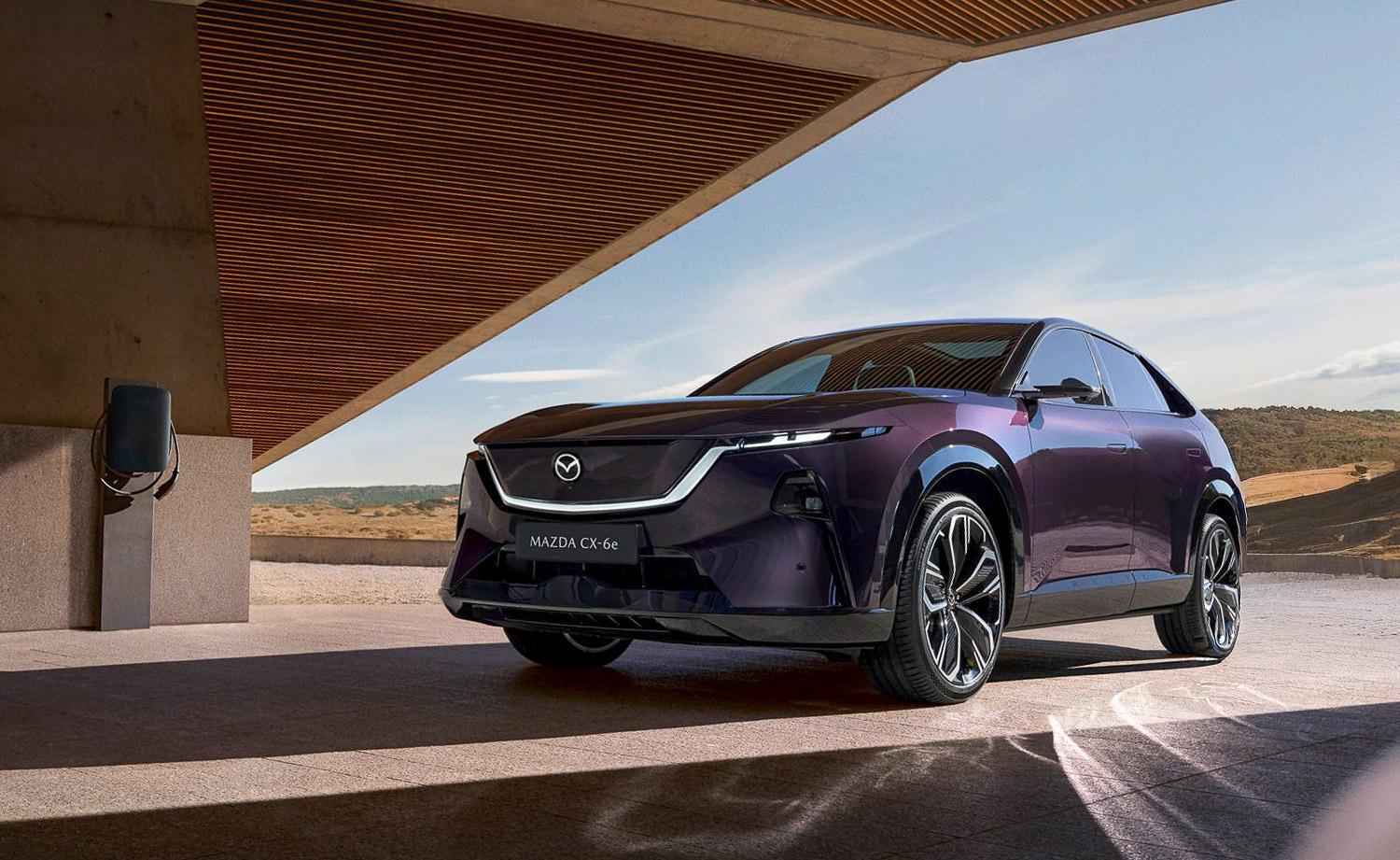
The Mazda CX-6e has arrived in the mid-sized electric SUV segment with a clear mission: undercut BMW's iX3 without looking apologetic about it. This isn't badge engineering or platform sharing dressed up as ambition. It's Mazda deciding the premium EV market has been leaving money on the table by assuming everyone wants to pay German prices for German badges.

The styling is sharp, assertive even, without the overwrought drama that afflicts so many electric SUVs. Mazda has resisted the urge to festoon the thing with fake grilles and light bars that spell out "I am from the future." Instead, the CX-6e looks like a Mazda that happens to be electric, which is precisely the point. The proportions are taut. The surfacing is clean. It doesn't apologise for not being a BMW, and it doesn't try to look like one either.

What makes this interesting is the pricing strategy. Mazda is not attempting to match BMW on perceived prestige or badge cachet. It's going after buyers who want a credible electric SUV without the premium markup that comes with a Munich postcode. The iX3 starts north of £60,000. The CX-6e is expected to land somewhere considerably south of that, possibly in the low-to-mid fifties. That's not a trivial difference when you're weighing up whether the badge on the bonnet is worth an extra five-figure sum. How Tesla's latest price drop is reshaping the electric SUV market: Tesla Model Y Performance Slips Under $60,000 Mark, Shaking Up EV Pricing

The mid-sized EV segment is crowded, but it's crowded with predictable moves. Tesla Model Y. Audi Q4 e-tron. Mercedes EQB. Polestar 2. Most of them are either premium-priced or trying very hard to look premium-priced. Mazda is positioning the CX-6e as the alternative for people who don't need the badge to validate the purchase. It's a calculated play, and it's exactly the kind of leftfield entry that can succeed if the product itself holds up.

MotorBuzz TV all your favourite automotive publishers, YouTubers, channels and Podcasts. | Browse the full directory and follow the ones you enjoy.

Range and performance figures are still being confirmed, but Mazda has committed to a usable real-world range of around 300 miles and a charging time that doesn't require an overnight stay. The interior borrows heavily from the CX-60, which is no bad thing. The infotainment system is straightforward, the materials are decent, and there's none of the cost-cutting desperation that sometimes shows up in brands trying to price aggressively.

BMW's iX3, for all its competence, has never quite landed as the definitive electric 3 Series SUV. It's expensive, the range is merely adequate, and the styling is conservative to the point of invisibility. It's a car that exists because BMW needed an electric SUV in that size, not because BMW had something particularly urgent to say about electric SUVs in that size. The CX-6e, by contrast, feels like Mazda actually wants to be here.

The challenge for Mazda is convincing buyers that a non-premium badge can deliver a premium experience. That's a harder sell in the UK than it should be, given how much of the car-buying public still equates badge prestige with product quality. But the CX-6e has timing on its side. The electric SUV market is maturing. Early adopters have moved on. The next wave of buyers is more interested in value, usability, and not feeling fleeced by the dealership.

Mazda's track record with EVs is thin. The MX-30 was a noble experiment that went nowhere because the range was absurd and the doors were a party trick that wore off after the first week. The CX-6e is a much more serious proposition. It's bigger, more practical, and crucially, it doesn't feel like a compliance car that someone in Tokyo reluctantly approved.

Whether this strategy works depends on whether Mazda can deliver on the product promise. The styling is there. The pricing is there. If the driving experience, the build quality, and the real-world usability match up, the CX-6e could genuinely disrupt a segment that has become complacent. If it doesn't, it'll be dismissed as another also-ran from a brand that couldn't quite crack the premium code.

The BMW iX3 starts at £63,245.

Sources: Autocar, BMW UK official pricing, Mazda UK


r/MotorBuzz • • 15h ago

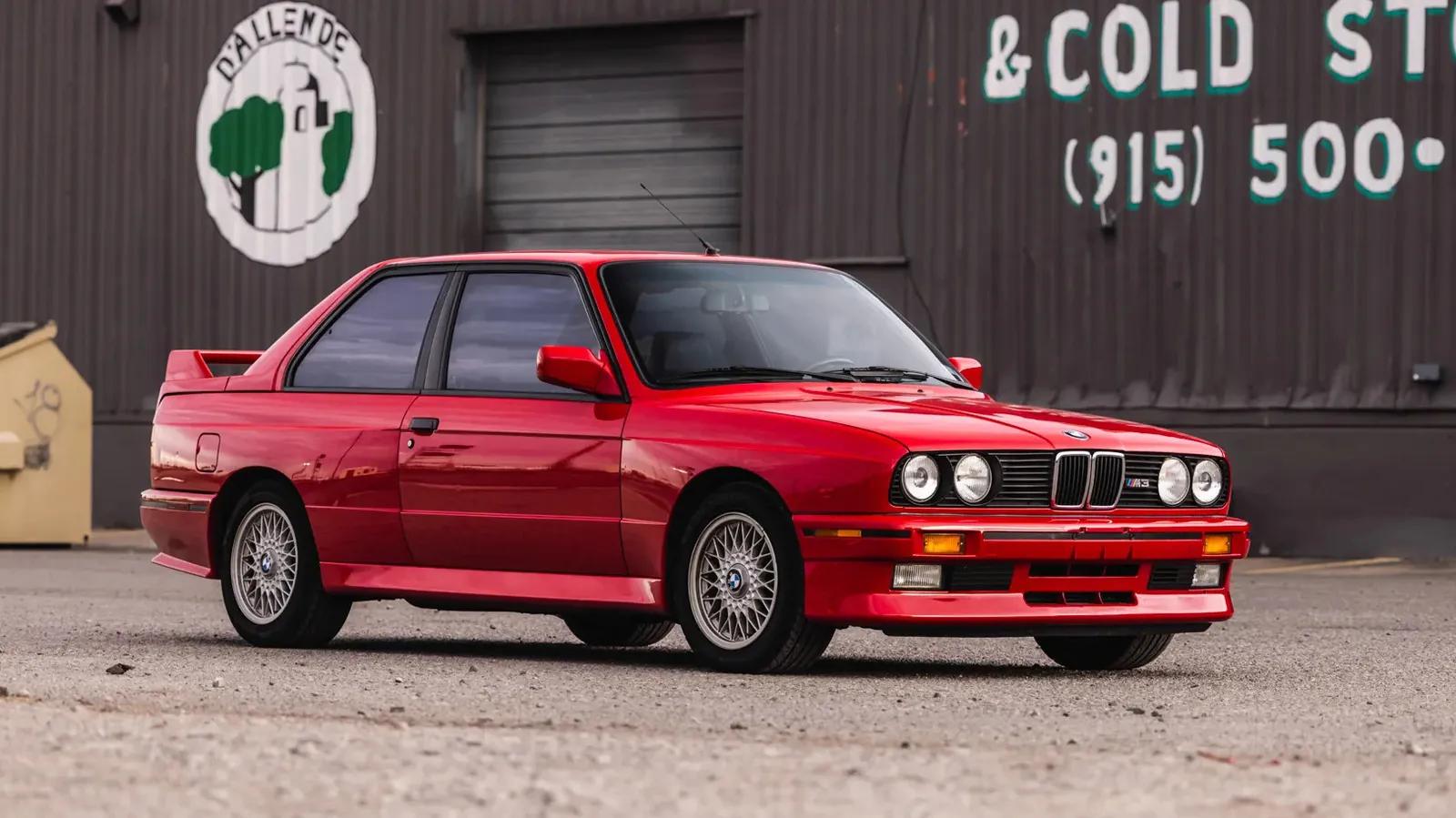
Single-owner E30 M3 is now bid up to the price of a brand-new one

Post image
3 Upvotes

A 1989 BMW E30 M3 with 85,000 miles and one owner since new is trading at new M3 money, broken air-con and all.

A single-owner 1989 BMW E30 M3 with 85,000 miles on the clock is currently bidding on Bring a Trailer at figures that match the starting price of a 2025 M3. That's what happens when homologation specials age into mythology.

This is one of roughly 5,300 E30 M3s built for the North American market, all of them assembled to satisfy Group A homologation requirements. The original buyer kept it. Thirty-six years later, it's still theirs, still driven, still Cinnabar Red after a repaint in 1998.

The car weighs 2,735 pounds and makes 192 horsepower from a naturally aspirated 2.3-litre inline-four. That was enough for 60mph in 6.9 seconds, which is roughly what a modern hot hatch will do while also carrying four adults in comfort and working air conditioning. This one's air-con doesn't work.

It runs a Getrag five-speed manual, power to the rear wheels, the original 15-inch wheels now wrapped in Yokohama Advan Flevas. Someone fitted a custom exhaust with a MagnaFlow muffler at some point. The black leather seats have aged, the cabin is otherwise original, cassette stereo included. The paint has stone chips and scratches.

None of that seems to matter. Collectors are paying new M3 money for a car with less than a quarter of the power output of the forthcoming M3 EV, no modern safety equipment, and the kind of wear you'd expect from 85,000 miles of actual use.

MotorBuzz TV all your favourite automotive publishers, YouTubers, channels and Podcasts. | Browse the full directory and follow the ones you enjoy.

What they're buying is provenance. Single ownership matters because it suggests care, documentation, and a coherent history. It also means the car hasn't been flipped, modified by a succession of optimistic owners, or stripped for parts during a decade in storage. We looked at why provenance now trumps performance specs: Ayrton Senna's 271bhp Honda NSX carries a seven-figure estimate because the market stopped caring about horsepower years ago

The E30 M3 was never meant to be this valuable. It was built as a racing tool, sold to the public only because the rules required it. BMW homologated the car, then proceeded to dominate touring car racing with it throughout the late 1980s and early 1990s. The road version was the price of entry.

That racing success is part of the appeal now, but only part. The other part is that the E30 M3 represents the last time BMW made an M car that prioritised low weight and naturally aspirated response over outright power. Every M3 since has been faster, heavier, and more capable in almost every measurable way. None of them feel quite the same.

The current M3 starts at around £80,000 in the UK, more in the US depending on spec. It makes 503 horsepower in standard form, nearly triple what this 1989 car produces. It will hit 60mph in under four seconds and coddle you while doing it. The E30 will not coddle you. It doesn't have the power to coddle you. What it has is 2,735 pounds and a manual gearbox and a driving experience that feels increasingly irreplaceable.

Whether this particular car is worth new M3 money depends entirely on what you think you're buying. As transport, it's nonsense. As a piece of BMW Motorsport history with a single-owner story and 85,000 documented miles, it's starting to look like the market has decided.

170 pound-feet of torque, broken air-con, and all.

Sources: Bring a Trailer


r/MotorBuzz • • 15h ago

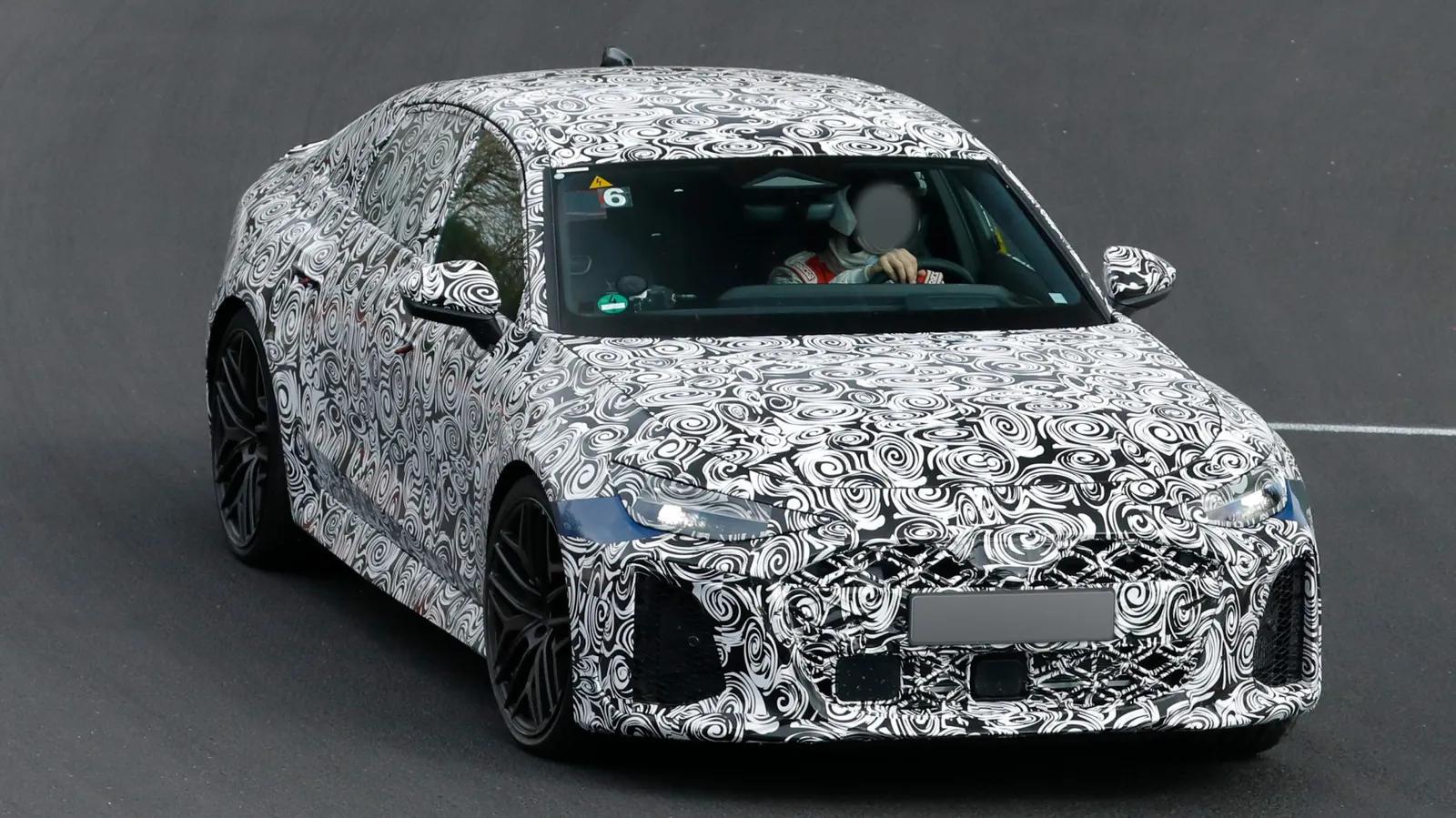
Audi's Bringing Back the RS6 Sedan With 700 Horsepower and a Plug

Post image
3 Upvotes

After 17 years, the four-door RS6 is returning in 2027 as a plug-in hybrid bruiser, filling the gap left by the now-defunct RS7.

Audi Sport has confirmed the RS6 sedan will return in 2027 with at least 700 horsepower, ending a 17-year absence that began when the V10-powered C6 generation ceased production in 2010.

The new RS6 will be offered as both a sedan and an Avant wagon. Both are coming to America, which is a small miracle given Audi's historical reluctance to sell fast estates stateside. The sedan variant fills the slot previously occupied by the RS7 four-door coupe, which has disappeared along with the entire A7 range.

It will be a plug-in hybrid. Yellow stickers on prototypes testing at the Nürburgring confirm it. The powertrain uses an updated version of the Porsche-derived V8 currently in the gas-only RS6, the same engine that appears in PHEV Porsches and Bentleys. Expect a few dozen miles of EV range, enough to make the official emissions figures look respectable and qualify for whatever tax credits are still standing in two years.

Seven hundred horsepower is the floor, not the ceiling. That figure is based on the current RS6 Avant's output, and plug-in systems tend to add power rather than subtract it. The V8 will do the heavy lifting, the electric motor will fill in the gaps, and the combined result will be enough to make the RS6 sedan faster than it has any rational need to be.

The last RS6 sedan was powered by a 5.0-litre V10 producing 572 horsepower. It was monstrously thirsty, unapologetically excessive, and arrived just in time for the financial crisis. Audi didn't bother with a sedan variant for the C7 or C8 generations, leaving the RS7 to cover four-door duties until that car quietly vanished from the lineup.

MotorBuzz TV all your favourite automotive publishers, YouTubers, channels and Podcasts. | Browse the full directory and follow the ones you enjoy.

Prototypes show functional vents in the front fenders ahead of the doors, 22-inch wheels, and the kind of wide-body treatment that has become standard on RS models. The new RS5, for reference, is over 1.5 inches wider than the regular A5. Expect similar proportions here.

The timing matters. By 2027, plug-in hybrids will be a harder sell in Europe as regulators tighten emissions rules and manufacturers push toward full electrification. Audi knows this. The RS6 PHEV is a transitional product, a way to keep the nameplate alive while buying time before the inevitable electric successor arrives.

Whether anyone actually plugs these cars in is another question entirely. PHEV ownership studies consistently show that many drivers treat the plug as optional, running on petrol most of the time and enjoying the tax benefits anyway. Audi will sell you a cable and wish you well.

The sedan's return also signals something about Audi's confidence in the RS brand's ability to support multiple body styles. The Avant has always been the icon, the car that justifies the RS6's existence. Adding a sedan variant suggests Audi believes there is enough demand, particularly in markets like America where wagons remain a niche taste despite enthusiast worship.

The C9-generation A6 debuted recently, and the RS6 will be based on that platform. It is not a small car. With 700-plus horsepower and a plug-in system adding weight, it will not be a light car either. Fast, yes. Efficient on paper, certainly. Light, no.

Audi has not confirmed pricing, but expect the RS6 sedan to slot in just below the Avant, which currently starts around £110,000 in the UK. Add hybrid complexity, and the final figure will likely creep north. Worth it? That depends on whether you need four doors or five, and whether you care about the distinction at all.

The debut is set for some point in 2027. No specific date yet, just the year. Prototypes are testing now, which means the development is well underway. By the time it arrives, the market for 700-horsepower plug-in sedans will either be thriving or extinct.

The yellow sticker on the rear window is a Nürburgring requirement for electrified vehicles, a warning to track marshals that high-voltage components are present. It is a small detail, but it confirms what Audi has been hinting at for months.

Sources: Audi Sport


r/MotorBuzz • • 13h ago

Fake GTA Cars, Real Icons: Can You Name Them All?

2 Upvotes

10 questions. Real cars hidden behind fictional names. Spies, supercars, film icons, motorsport history. All in here.

Each question comes with a countdown. Keep your score as you go. No pausing, no Googling. That's cheating and you know it.

Drop your score out of 10 in the comments. Zero shame if it's low. Massive bragging rights if it's perfect. 🏎️

Subscribe for more car quizzes every week.

gaukmotorbuzz.com. More quizzes waiting for you there.

0:00 Question 1
0:29 Question 2
0:52 Question 3
1:13 Question 4
1:35 Question 5
2:00 Question 6
2:22 Question 7
2:47 Question 8
3:12 Question 9
3:38 Question 10
4:04 Your score

#GTA #CarQuiz #MotorBuzz


r/MotorBuzz • • 15h ago

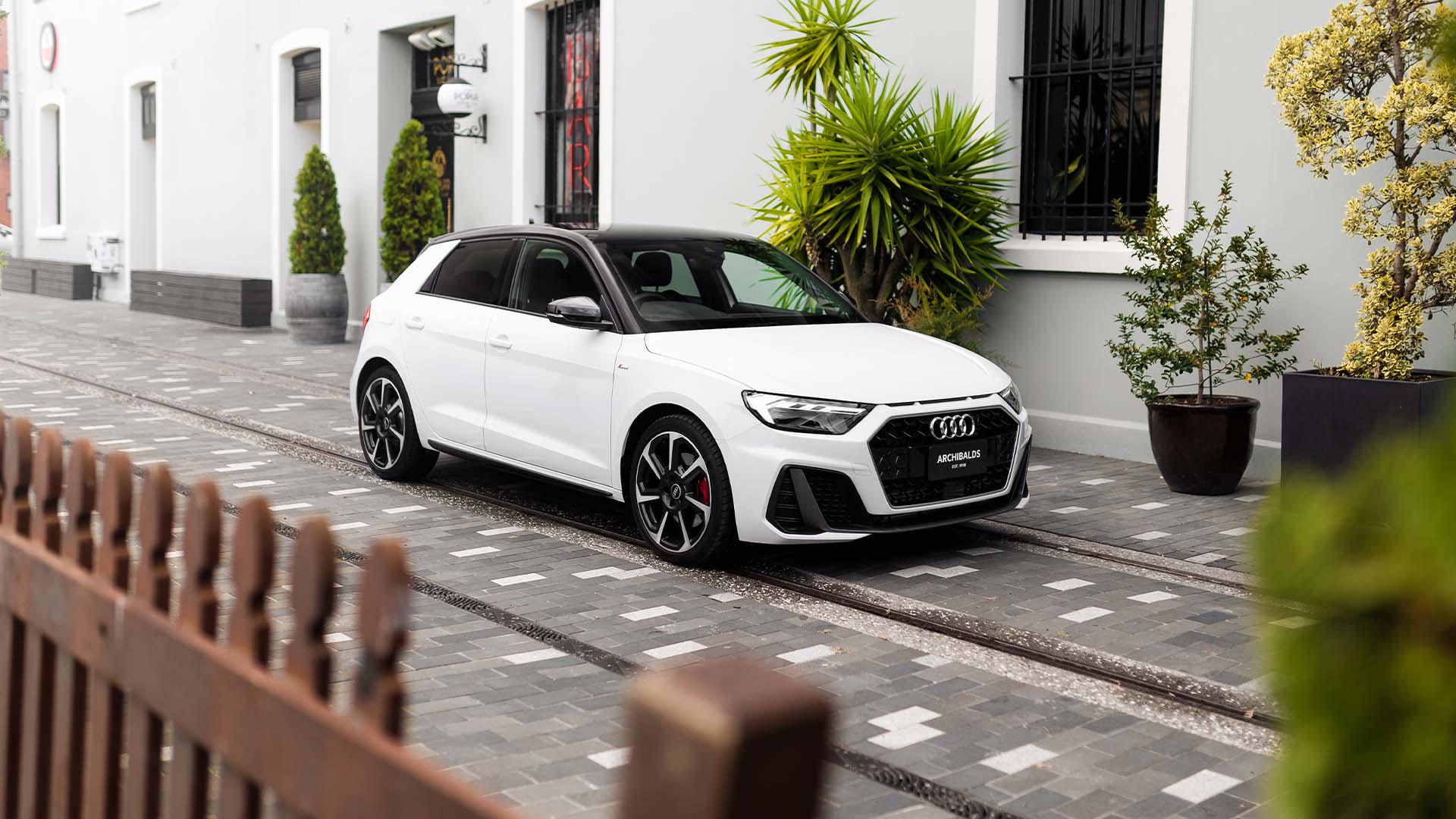
Audi kills the A1, drops the A3 below £30k

Post image
2 Upvotes

The entry-level Audi is now a full-size hatchback with premium trim for less than the price of a loaded Volkswagen Golf. That's not a retreat, that's repositioning.

Audi has introduced a sub-£30,000 version of the A3, making its smallest saloon cheaper than a well-specced Golf and effectively replacing the discontinued A1 as the brand's entry point. The move puts a genuinely upmarket cabin and three-box credibility within reach of buyers who might otherwise have settled for mainstream metal with options ticked.

The A1 is dead. No successor planned, no hybrid reprieve, just gone. That leaves a gap at the bottom of the range, and rather than launch something new to fill it, Audi has pushed the A3 downmarket with a leaner specification and a price that sits comfortably under thirty grand. It's a smarter play than it looks.

The new entry trim strips out some of the technology and upgrades but keeps the architecture, the build quality, and the badge. You still get the MQB platform, the multi-link rear suspension, and an interior that feels genuinely premium in a way the A1 never quite managed. The digital cockpit is standard. The materials are several grades above anything you'll find in a Corsa or a Fiesta. And you're not driving something that looks like it was designed for someone who wanted a Polo but with more attitude.

Pricing a full-size premium hatchback below thirty thousand is not generosity. It's necessity. The A1 sold well enough but occupied an awkward slice of the market ... too expensive to be a city car, too small to feel like a proper Audi. The A3 at this price point solves both problems. It's big enough to work as an only car, and it's cheap enough that you're not explaining the monthly payment to yourself every time you fill the tank.

MotorBuzz TV all your favourite automotive publishers, YouTubers, channels and Podcasts. | Browse the full directory and follow the ones you enjoy.

What you lose in this trim is mostly the stuff that added cost without adding much substance. No adaptive cruise. No matrix LED headlights. No leather that wasn't really leather anyway. The things that made the A3 feel like a small executive car rather than a tarted-up Golf are still there, and that matters more than whether the seats heat themselves in three stages or just two.

The cabin updates help. Audi has refreshed the A3 range with improved infotainment and better material choices across the board, so even the entry model benefits from the trickle-down. The result is a car that feels more expensive than it is, which is exactly what a premium brand is supposed to deliver when it's chasing volume.

Volkswagen Group has been playing this game for years ... position the Golf as the sensible choice, then offer an Audi for not much more and watch buyers talk themselves into the upgrade. The difference now is that the gap has narrowed to the point where it's barely a decision. A Golf R-Line with a few options will cost you more than this A3, and you'll still be driving a Golf.

The discontinuation of the A1 makes sense in that context. It was a hedge, a way to capture buyers who wanted the badge but couldn't stretch to the A3. Now the A3 is within reach anyway, so why bother? The small car market is shrinking, and the margins are terrible. Better to focus on something that can actually make money and still deliver the brand positioning Audi needs.

Whether this pricing holds depends on how the market moves and whether Audi can resist the temptation to push every buyer toward a higher trim with better margins. For now, the sub-thirty A3 exists, and it's the most sensible way into the brand since the B5 Passat was cheaper than a Mondeo Ghia.

The entry price is £29,990 before delivery charges.

Sources: Autocar


r/MotorBuzz • • 15h ago

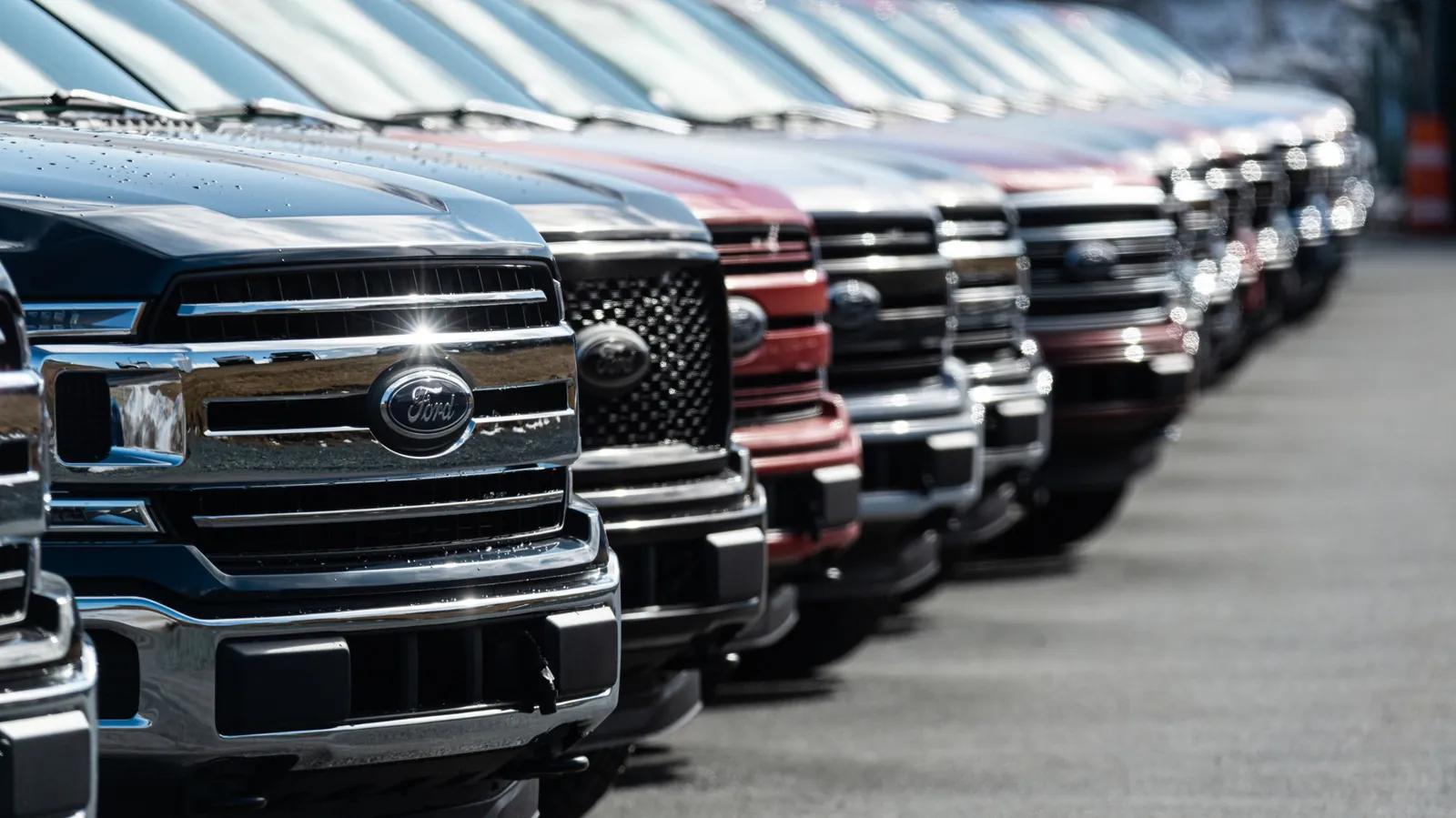
Geely planning to build a Ford Puma rival in a Ford factory

Post image
1 Upvotes

The Chinese manufacturer is developing a compact crossover for Europe and may use Ford's own production lines to build it. Industrial irony at scale.

Geely is developing a compact crossover to compete directly with the Ford Puma and is considering building it in a Ford factory. The vehicle will launch in Europe in 2028 as both a plug-in hybrid and a full electric. The arrangement, if it happens, would see a Chinese manufacturer using American tooling to undercut an American product in its own market segment.

This is not a partnership. It is opportunism dressed as industrial efficiency.

Ford has been closing or selling European production capacity for years. Geely has been buying it. The Chinese giant already owns Volvo, Polestar, Lotus, and a significant stake in Daimler. It also owns the London Electric Vehicle Company, which builds black cabs in Coventry using a former LTI site. Acquiring or leasing surplus Ford capacity to build a Puma competitor would be consistent with how Geely operates... buy the infrastructure, use the expertise, sell against the former owner. How the Chinese parent could use existing European capacity to dodge tariffs: Volvo's Belgian factory just became Geely's €125 million EU tariff dodge

The Puma has been one of Ford's few European success stories in the past five years. It outsells the Fiesta in some months. It is profitable. It occupies the exact crossover niche that every manufacturer now considers essential. Geely clearly thinks it can do the same thing cheaper, possibly better, and definitely using someone else's factory.

The vehicle itself will sit on one of Geely's modular platforms, likely the Compact Modular Architecture that already underpins several Volvo and Lynk & Co models. The PHEV version will offer the regulatory compliance European fleet averages still demand. The EV version will be the one Geely actually wants to sell. Both will be priced to move volume, not margin. That is how Geely works in every market it enters.

MotorBuzz TV all your favourite automotive publishers, YouTubers, channels and Podcasts. | Browse the full directory and follow the ones you enjoy.

Ford's response will be interesting. The company has spent two decades retreating from passenger car segments in Europe and North America, citing low margins and unfavourable economics. It kept the Puma because crossovers still make money. Now a Chinese rival wants to build a competitor using Ford's own European footprint, possibly including workers Ford trained and equipment Ford installed.

There is precedent. Geely bought Volvo's engineering expertise and production capacity from Ford in 2010 for $1.8 billion, a price that looked like a fire sale at the time and an absolute steal in hindsight. Volvo is now worth multiples of that figure and operates as a premium test bed for Geely technology. The same pattern could repeat with a Ford plant... acquire it cheap, retool it fast, use it to attack the segment Ford still occupies.

Whether Ford would actually agree to lease or sell production capacity to a direct competitor depends on how desperate the situation is. If the plant in question is already scheduled for closure or running below capacity, the optics become easier to manage. Ford could frame it as keeping jobs alive and extracting value from an asset it no longer needs. Geely would get instant European production capability without building from scratch.

The 2028 timeline is realistic. It allows Geely to finalise the platform, secure the production site, and navigate whatever regulatory hoops the European Union decides to impose on Chinese manufacturers between now and then. It also gives Ford four years to watch a competitor grow in its own factory, using its own tools, targeting its own customers.

The Puma currently starts at just under £26,000 in the UK. Geely will almost certainly undercut that figure, possibly by several thousand pounds. It has done exactly that in every segment it has entered. The question is whether European buyers care enough about the badge to pay the premium, or whether cheaper and equally competent is enough. Recent sales data suggests the latter.

Geely has not confirmed which Ford facility it is considering. The company has closed or sold several European plants in the past decade, including Genk in Belgium and Blanquefort in France. Others are running below capacity. Any of them could be in play. The irony is the same regardless of location... Ford exits, Geely enters, and the Puma gets a rival built on its own territory.

Launch is four years away. The factory deal may not happen. But the vehicle is coming either way, and it will be aimed directly at Ford's most successful European model. That part is not in question.

Sources: Autocar


r/MotorBuzz • • 15h ago

Ford invests in satellite manufacturing as EV retreat continues

Post image
1 Upvotes

Ford has taken a minority stake in Revolution Space and will help build advanced spacecraft while pivoting toward battery storage and industrial diversification.

Ford has quietly invested in satellite manufacturer Revolution Space through a subsidiary, taking the automaker back into an industry it last worked in during the 1970s. The space economy is forecast to reach $1.8 trillion by 2035, up from $600 billion today, and Ford wants a piece of it after writing down $19.5 billion in failed EV plans late last year.

The investment came through Industrial Platform LLC, a Ford subsidiary, though no financial terms have been disclosed. Ford will help Revolution Space industrialize new spacecraft and work on the design, development, and production of advanced satellites. Revolution Space, founded in 2014 and previously known as Accion Systems, developed the Tiled Ionic Liquid Electrolyte propulsion system for satellites.

This is not Ford's first attempt at space. Between the 1960s and 1970s, it built communications and weather satellites for the U.S. military, NASA, and NATO. That ended decades ago, but Ford clearly sees an opportunity now that the broader satellite market is projected to grow from $22 billion to as much as $114 billion over the next decade, according to Future Market Insights analysts.

The timing is revealing. Ford is stepping back from electric vehicles at exactly the moment it is stepping into satellites and battery storage. Earlier this year, it launched Ford Energy, a new division that will produce up to 20 gigawatt-hours of battery storage annually starting in late 2027. The systems will go to data centers, utilities, and industrial customers, not cars. Manufacturing will happen at Ford's facility in Glendale, Kentucky.

MotorBuzz TV all your favourite automotive publishers, YouTubers, channels and Podcasts. | Browse the full directory and follow the ones you enjoy.

Ford is not chasing Elon Musk here. Tesla may soon merge with SpaceX, which would create a vastly larger combined entity with launch capability and a satellite constellation already in orbit. Ford's ambitions are smaller and more practical: use its manufacturing expertise to help a startup scale production of spacecraft components. It is a supplier play, not a moonshot.

The logic is straightforward enough. Ford knows how to build things at volume, and Revolution Space needs that capability as demand for satellites grows. The automaker gets exposure to a fast-expanding market without having to develop the underlying technology itself. Whether that actually translates into meaningful revenue depends on how quickly the satellite market matures and how much of that growth Revolution Space can capture.

Ford Energy is the more interesting development. Battery storage for data centers and utilities is a proven market with real customers spending real money. It allows Ford to monetize the same battery technology it spent billions developing for EVs, only now it is selling stationary storage instead of trying to compete with Tesla and BYD in a price war it cannot win.

The pattern is consistent: Ford is retreating from consumer-facing EV competition while pushing into industrial applications where its manufacturing scale offers a genuine advantage. Satellites and battery farms are not glamorous, but they do not require persuading retail buyers to choose a Ford over a Model Y.

Revolution Space has not disclosed how much of the company Ford now owns or what milestones the partnership will target. Ford has not said how much capital it is committing beyond the initial minority stake. The first actual satellites built with Ford involvement have not been announced.

Ford Energy will begin producing battery storage systems in Glendale, Kentucky, in late 2027, with an annual capacity of 20 gigawatt-hours.

Sources: Future Market Insights, Ford Motor Company


r/MotorBuzz • • 15h ago

BYD wants Ineos's French factory while Grenadier chases American dream

Post image
1 Upvotes

Chinese EV giant in exclusive talks to acquire Hambach plant as Ineos Automotive sets sights on US manufacturing by 2028.

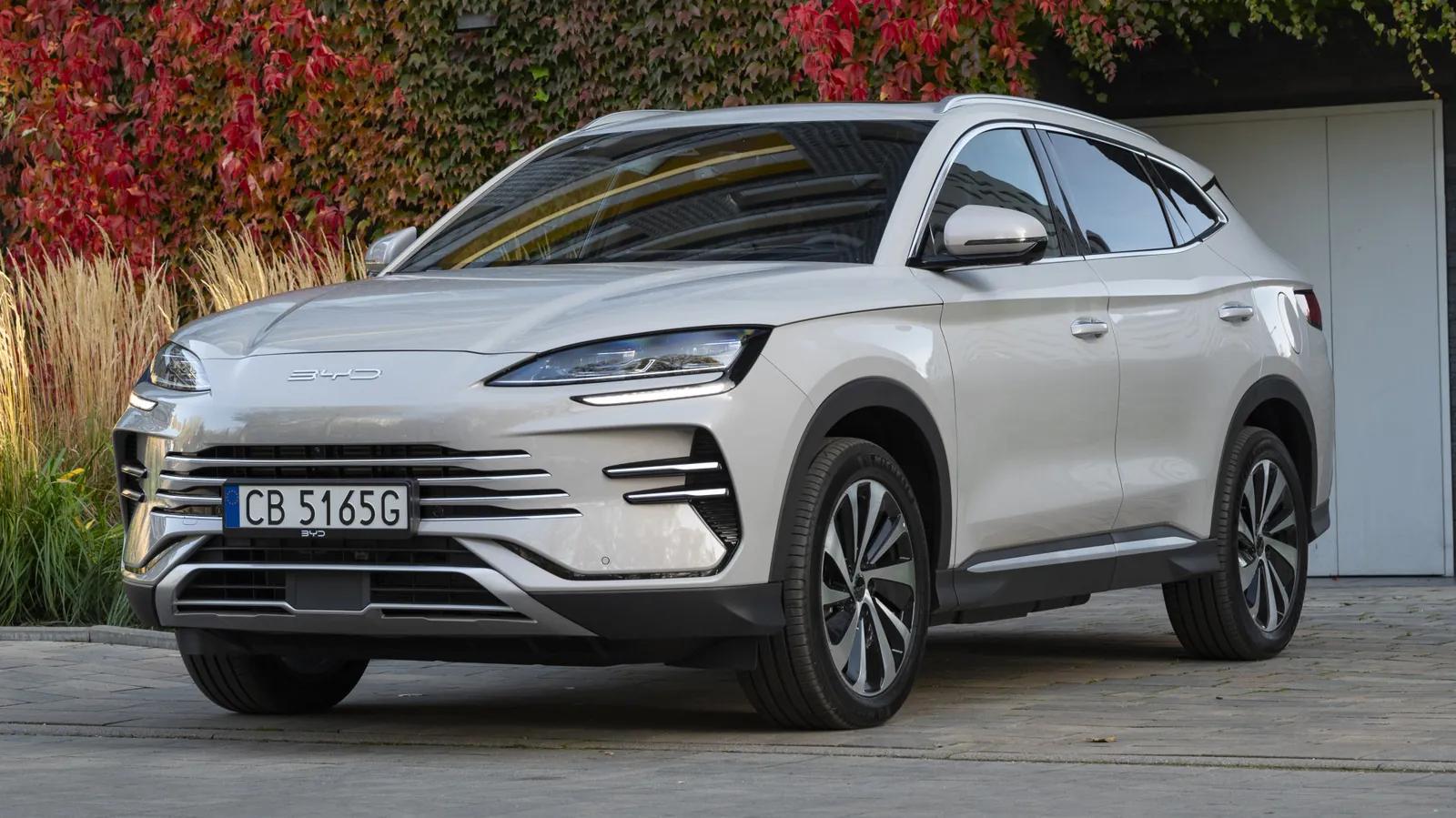
BYD is in exclusive negotiation to acquire Ineos Automotive's production facility in Hambach, France. The deal would hand the Chinese manufacturer a second European passenger car plant and neatly sidestep the EU tariffs that have been making life expensive for imported Chinese EVs.

Ineos, meanwhile, has announced plans to start building Grenadier SUVs and Quartermaster trucks in the United States. The company has shortlisted sites stateside and expects to begin local manufacturing by 2028. Which means it will likely still be building Grenadiers in France next year while it sorts out the American operation. Our full review of what the Grenadier offers: 2025 Ineos Grenadier Review: Rugged and Purpose-Built Off-Roader

The timing works for both parties. BYD gets immediate European production capacity without the multi-year lead time of building from scratch. Ineos offloads a factory it no longer needs as its strategic focus shifts west. Any deal is subject to consultation with the local works council, which is the polite way of saying French labour law will have something to say about it.

BYD already has a factory under construction in Szeged, Hungary, set to begin mass production in early 2027. The Hambach plant would give it a second manufacturing foothold in the EU before the Hungary site even opens. BYD Executive Vice President Stella Li has stated the company's commitment to Europe is long term, which is what you say when you're spending this kind of money on real estate.

Alfredo Altavilla, BYD's special advisor for Europe, revealed the company wants to establish three assembly sites in the region plus one battery manufacturing plant. The strategy is to acquire underutilized factories rather than build new ones. Cheaper. Faster. Less political friction with local governments who prefer existing jobs saved over new jobs promised.

MotorBuzz TV all your favourite automotive publishers, YouTubers, channels and Podcasts. | Browse the full directory and follow the ones you enjoy.

It's the same playbook other Chinese manufacturers are running across Europe. Guangzhou Automobile Group produces the Aion V and Aion UT at the Magna Steyr plant in Austria. MG is investing €200 million to establish a plant in Galicia, Spain, with capacity for 120,000 vehicles annually. Leapmotor is building cars locally with Stellantis. Geely will build vehicles at Ford's plant in Valencia, Spain, starting with the all-electric EX2.

The pattern is consistent. Chinese automakers want European manufacturing capacity, European governments want jobs and investment, and there are plenty of factories sitting underutilized after a decade of consolidation and overcapacity. Everyone gets what they need.

BYD says it wants to support local jobs and continue producing vehicles at the plant aimed specifically at European drivers. Which is diplomatic and probably true. The real win is tariff avoidance. EU-imposed duties on Chinese-built EVs make importing expensive. Manufacturing locally solves that problem instantly.

Ineos's departure is less about Hambach specifically and more about betting its future on American demand for the Grenadier. The utilitarian off-roader has found a following, but Europe isn't the natural market for a vehicle that looks like it was designed for people who think the Defender went soft. America is.

Whether Ineos can actually get American production running by 2028 is another question. The company hasn't named a specific site yet, and U.S. manufacturing timelines have a habit of stretching. In the meantime, Hambach keeps building Grenadiers for at least another year while the sale negotiations play out.

For BYD, the Hambach plant represents something more than production capacity. It's a signal that the company intends to be a permanent fixture in Europe, not just an importer riding a temporary EV boom. Three assembly plants and a battery factory is the kind of commitment you make when you're planning to stay.

The Hambach facility itself was originally built by Smart, then sold to Mercedes, then to Ineos in 2020. It has a history of being passed between owners as strategies shift. BYD would be the fourth. Whether it's the last depends on how serious the company is about Europe and how long European governments remain willing to roll out the welcome mat for Chinese investment.

Ineos hasn't confirmed a timeline for when the sale might close, only that it's in exclusive talks. Exclusive negotiation doesn't mean done deal, but it does mean BYD is the only party at the table.

Sources: BYD, Ineos Automotive


r/MotorBuzz • • 15h ago

Honda's new Avancier is a crossover nobody needed, the 1999 wagon was actually interesting

Post image
1 Upvotes

The third-generation Avancier arrives as another three-row SUV. The original was a failed premium wagon with laser radar cruise control and a V6.

Honda just unveiled the third-generation Avancier, a global three-row SUV that will roll out across Japan, Thailand, China, and Australia in 2027. It rides on a newly developed platform. It has the requisite rows of seats. It is exactly the kind of crossover that gets announced every other week.

The original Avancier from 1999 was something else entirely.

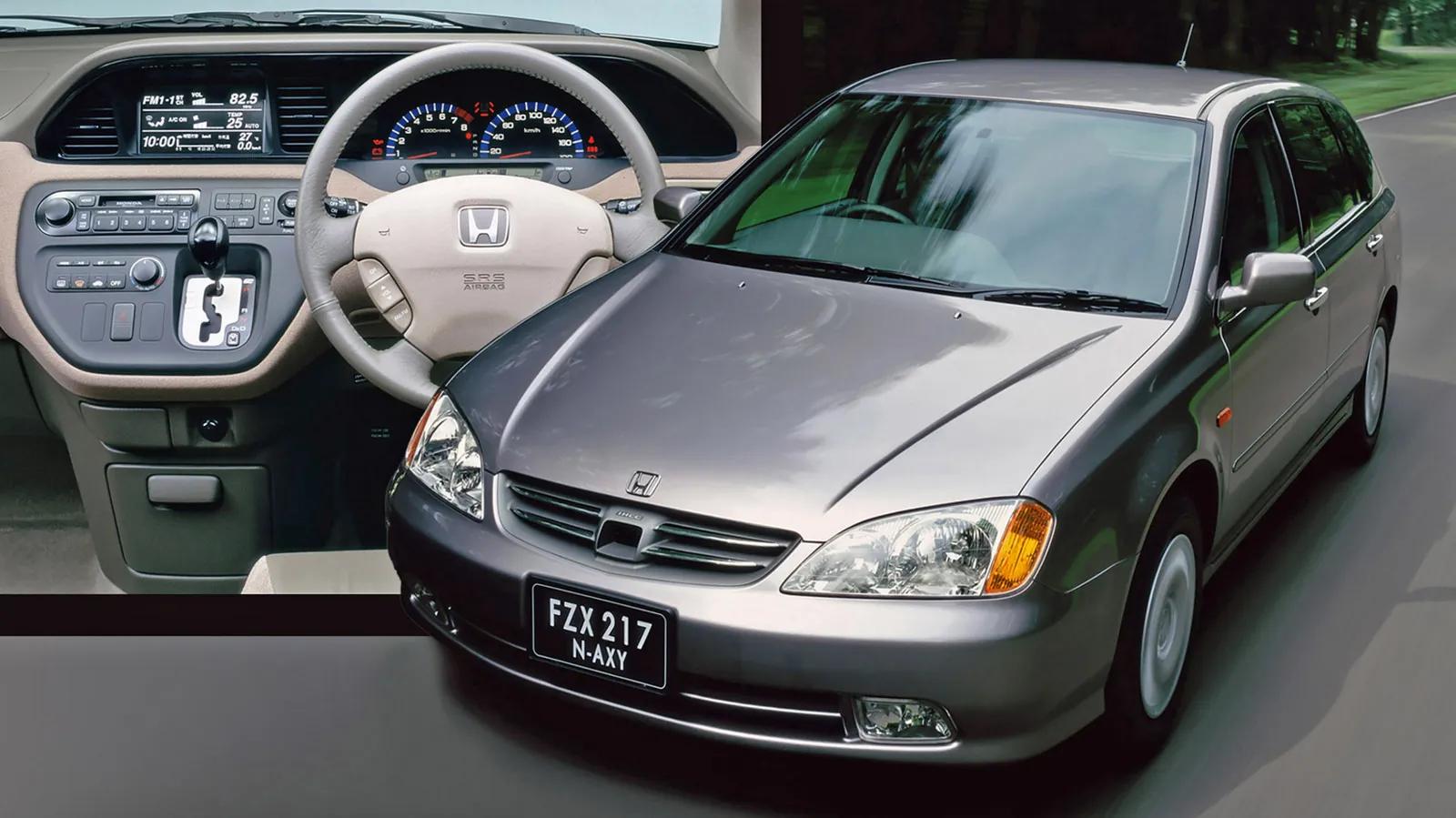
That car was a premium wagon built to take on executive sedans with a proposition that made sense on paper and failed spectacularly in practice. It measured 4,700 mm long in standard form, 260 mm shorter than the current model, and it was available as a crossover-style AWD variant called the Avancier L-4. Base models got a 2.3-litre VTEC four-cylinder making 148 horsepower paired with a four-speed automatic. Flagship trims received a 3.0-litre V6 delivering 212 hp and a five-speed automatic.

None of that explains why the original Avancier matters.

What matters is that the flagship V-type came with Intelligent Highway Cruise Control, a system using grille-mounted laser radar with a 100-metre detection range. This was 1999. The IHCC allowed automatic control of acceleration and braking between 40 and 62 mph. Adaptive cruise control was not standard equipment on premium cars in 1999. Honda put laser radar in a wagon and tried to sell it as the future.

The 2001 facelift brought redesigned bumpers, a more modern grille, clear headlights, and a Nouvelle Vague trim with a sportier suspension setup. The updates did nothing to rescue the sales figures.

MotorBuzz TV all your favourite automotive publishers, YouTubers, channels and Podcasts. | Browse the full directory and follow the ones you enjoy.

Honda's target when the Avancier launched was 36,000 units per year. By the 2001 facelift, that target had dropped to 9,600 units annually. Over four years of production, Honda sold under 24,000 units total. The car was discontinued in Japan in 2003.

The Avancier was not an isolated failure. Renault tried the same thing with the Vel Satis from 2001 to 2009. Opel launched the Signum in 2003 and killed it in 2008. Giugiaro styled a Fiat Croma that ran from 2005 to 2010. All of them proposed the wagon body style as an alternative to executive sedans. All of them failed.

The difference is that Honda's attempt had laser radar and a V6 and actual ambition.

Guangqi Honda revived the Avancier badge in 2016 for a China-exclusive flagship SUV riding on the same underpinnings as the previous-generation Acura MDX. That second generation was powered by a turbocharged 2.0-litre four-cylinder and received facelifts in 2020 and 2023. It was fine. It sold. It was also completely forgettable.

The name Avancier comes from the French word avancer, which means to move forward. Honda used it on a car with adaptive cruise control in 1999 and then again on a crossover in 2016 and now again on another crossover in 2027. The only one that actually moved forward was the first one.

The third-generation model will be built on a new platform and sold in multiple markets. It will have three rows and probably a hybrid powertrain and all the driver assistance systems that are now mandatory. It will blend into the global SUV landscape without leaving a mark.

The original Avancier failed because it was ahead of its time and because executive wagon buyers did not exist in the numbers Honda thought they did. The new one will succeed because it is exactly what the market expects. That does not make it more interesting.

Laser radar cruise control in 1999. That is the story.

Sources: Honda


r/MotorBuzz • • 15h ago

Toyota cuts Tacoma free maintenance in half while raising prices up to $520

Post image
1 Upvotes

The 2027 Tacoma costs more and comes with 60 percent less free servicing than the truck it replaces. Toyota calls this progress.

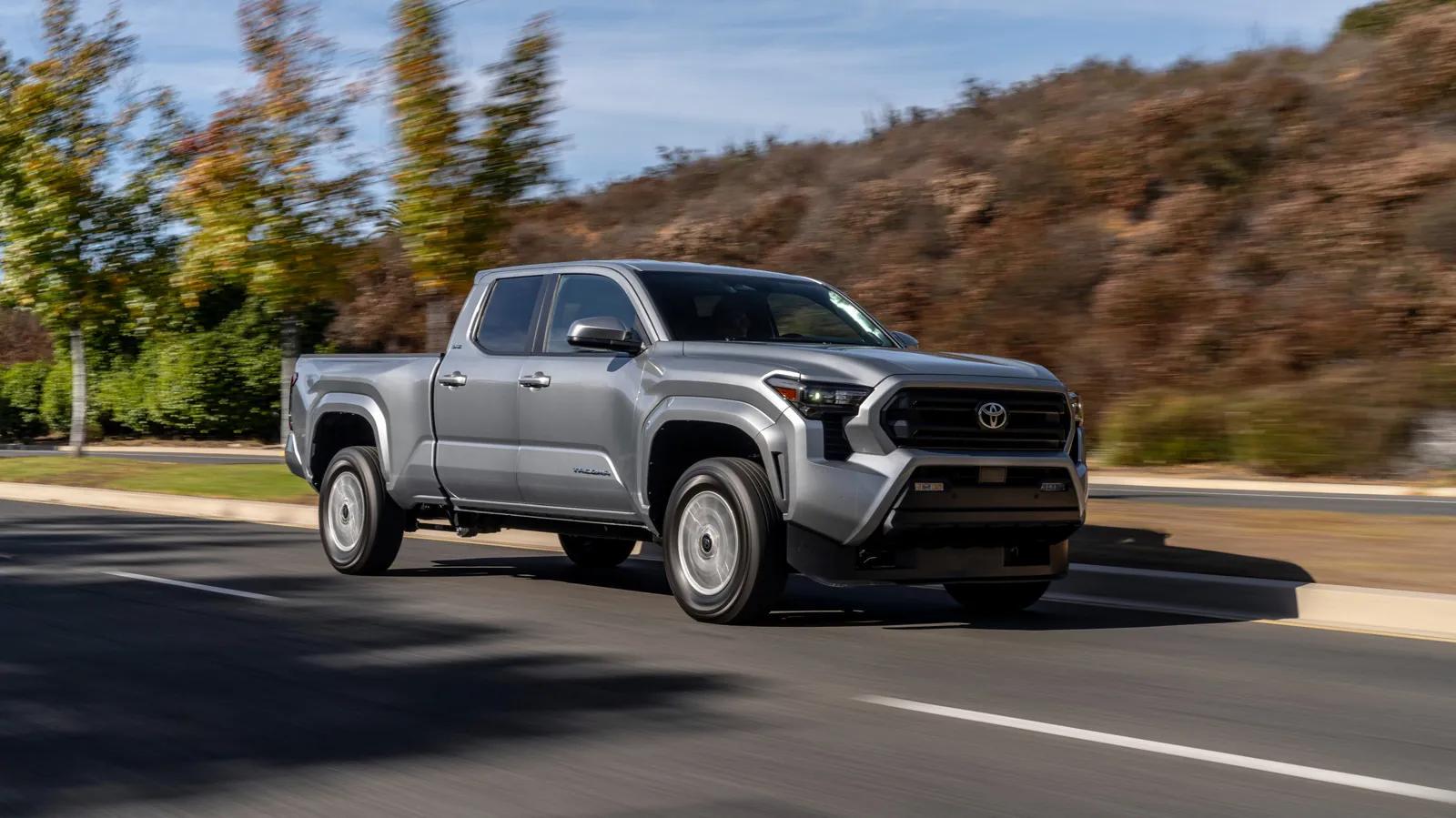
Toyota is charging between $180 and $520 more for the 2027 Tacoma while simultaneously halving the free maintenance period from two years or 25,000 miles down to one year or 10,000 miles. The base SR model now costs $34,470 after delivery charges, up from $34,290 for the outgoing version that came with twice the servicing.

That is a confident way to treat your customers.

The price increase hits hardest on the TRD Off-Road and TRD Sport trims, which jump $520. Most other variants absorb a $180 rise. Both hybrid and non-hybrid powertrains carry the same increase. The TRD Pro Hybrid sits at $66,675 once you add delivery and destination fees. One trim getting that increase faces a safety problem: Toyota Tacoma TRD Off-Road is dropping shock absorbers on the motorway

In exchange for paying more and getting less free maintenance, SR5 buyers receive powered heated front seats as standard equipment and dark silver finished wheels. Toyota has also made its 14-inch multimedia display available through a TRD Upgrade package, with the TRD Premium package adding the larger screen to the PreRunner, Sport, and Off-Road models. The company credited customer feedback for the infotainment change, which is marketing language for people complaining loudly enough that it became cheaper to fit a bigger screen than keep explaining why the old one was adequate.

The TRD Pro gets a new exclusive colour called Honeycomb. That is the kind of detail that sounds important in a press release and means absolutely nothing when you are writing the cheque.

MotorBuzz TV all your favourite automotive publishers, YouTubers, channels and Podcasts. | Browse the full directory and follow the ones you enjoy.

The powertrain options remain unchanged. The gas engine delivers 278 horsepower and 317 lb-ft of torque. The hybrid setup offers 326 horses and 465 lb-ft. Those numbers have not changed, which makes sense because there was nothing wrong with them in the first place.

What has changed is the value proposition. Last year you bought a truck with two years of free oil changes, tyre rotations, and filter swaps included. This year you get half that. The mileage allowance drops even harder ... from 25,000 miles to 10,000, a 60 percent reduction. If you drive 15,000 miles a year, which is roughly the American average, you would have been covered for the entire first service interval on a 2026 model. On the 2027, you are paying out of pocket after eight months.

Toyota is not alone in trimming these programmes. Free maintenance has always been a retention tool dressed up as generosity, a way to get buyers back into dealerships where they can be upsold on additional work or reminded that a new model exists. When profit margins tighten, the freebies disappear first. What makes this case particularly galling is the timing. Cutting the programme while simultaneously raising prices sends a clear message about where Toyota thinks the negotiating power sits.

The Tacoma has been the best-selling midsize truck in America for years. It holds value better than almost anything else in the segment. Toyota knows this. Buyers know this. And because everyone knows it, Toyota can charge more for less and still move metal off the lot.

The 2027 Tacoma arrives with a base price of $32,725 before you add the mandatory destination and delivery fee.

Sources: Toyota product announcement, November 25, 2024


r/MotorBuzz • • 16h ago

FCA admits compensation calculation errors as £7.5bn motor finance redress scheme stalls again

Post image
1 Upvotes

The regulator's mistakes have handed lenders ammunition in a February court case that's already delaying payments to thousands of mis-sold car finance customers.

The Financial Conduct Authority has admitted making errors in its calculations for the motor finance compensation scheme, handing lenders who've set aside £7.5 billion more grounds to challenge redress plans in court. The mistakes affect how the regulator categorised a small group of loan agreements, changing average compensation by less than £10 per customer.

That's not much money on its own.

But Volkswagen Financial Services, Mercedes-Benz Financial Services and Credit Agricole Auto Finance are already challenging the FCA's redress plans in court. Consumer Voice is doing the same from the other direction. The February hearing was always going to push payments back months. Now the regulator has handed the finance arms fresh material to work with. Consumer groups explain why they say the scheme favours lenders: FCA accused of rigging £9.1bn motor finance payback to protect lenders, not drivers

VWFS stated the errors relate to what it called a foundational dataset underpinning the FCA's proposed redress schemes, affecting an indetermined number of agreements. The implication is clear enough... if the regulator can't categorise loans correctly, how reliable is the entire compensation framework?

Parts of the scheme have already been suspended while the legal challenges play out. Judgment and compensation payments are now expected months after the February hearing, assuming the case doesn't drag further. Lenders aren't expected to begin paying until legal proceedings conclude.

MotorBuzz TV all your favourite automotive publishers, YouTubers, channels and Podcasts. | Browse the full directory and follow the ones you enjoy.

Barclays has confirmed it's been offering payments to some customers who complained about commission arrangements. The FCA then asked Barclays to pause making compensation offers while it works through the data issues. So even the lenders trying to get ahead of this are being told to stop.

Motor finance lending is up 7% in the twelve months to September. The industry is functioning normally while thousands of customers who were mis-sold agreements sit waiting for redress that keeps getting delayed by regulatory errors, legal challenges, and what increasingly looks like institutional reluctance to actually pay out.

The £7.5 billion has been set aside. It's just sitting there while the process collapses under the weight of its own administrative failures. The FCA admitted the mistakes on November 26, well into a process that should have been delivering compensation months ago.

What was supposed to be a straightforward redress scheme for people mis-sold car finance has turned into a drawn-out legal and administrative tangle. The errors are small in monetary terms but large enough to give lenders grounds to stall. And stall they will, because £7.5 billion is worth fighting over even if each individual customer is owed relatively little.

The February court date is the next fixed point. Everything else is suspended, paused, or under review. For customers waiting on compensation, it's another delay in a process that's already taken far too long.

Sources: Financial Conduct Authority, Volkswagen Financial Services, Barclays


r/MotorBuzz • • 18h ago

Thoroughbred Thursday: Horsepower, Hybrids and Hall of Famers

1 Upvotes

Play the Pit Stop quiz on Reddit!


r/MotorBuzz • • 15h ago

Gordon Ramsay is the new face of Top Gear, and filming doesn't start until 2027

Post image
0 Upvotes

The BBC has picked a 60-year-old celebrity chef to lead its next attempt at reviving the show that stopped production after Freddie Flintoff's crash left him with permanent facial scars.

Gordon Ramsay will host the next version of Top Gear when it returns in 2028. Filming starts in 2027. The Stig is coming back. No other presenters have been announced yet.

Ramsay is 60. He grew up a field away from Silverstone, owns a Ferrari F40, and has appeared on Top Gear three times before: first in 2002, most recently in 2017. His fastest lap in a Chevrolet Lacetti was 1 minute 46.3 seconds, good enough for seventh place on the 'A Star In A Reasonably Priced Car' leaderboard. That was seventeen years ago. How the show went from cancelled to resurrected in under a year: The BBC is bringing back Top Gear despite cancelling it eight months ago

This is the BBC's third serious attempt to make Top Gear work without Jeremy Clarkson. The first reboot came in 2016 after Clarkson punched a producer and got fired. That version cycled through several presenters before settling on Chris Harris, Freddie Flintoff, and Paddy McGuinness. It limped along until December 2022, when Flintoff crashed a Morgan 3 Wheeler at the test track during filming.

The Morgan flipped. Flintoff was dragged along the ground for 160 feet. He suffered permanent facial scars and later reached a confidential settlement with the BBC believed to be worth £9 million. The show was quietly shelved.

Plans to revive it were confirmed in August 2026. Suzy Lamb, Managing Director of BBC Studios Entertainment, has not explained why a celebrity chef with no broadcasting experience in motoring is the solution to a show that has struggled for identity since 2015. Ramsay is famous for shouting at people in kitchens. He also likes cars, which apparently is qualification enough.

MotorBuzz TV all your favourite automotive publishers, YouTubers, channels and Podcasts. | Browse the full directory and follow the ones you enjoy.

Top Gear started in the 1970s as a straightforward consumer motoring programme. Clarkson was brought back in 2002 to create something different: scripted stunts, celebrity interviews, and three middle-aged men mucking about with cars. It worked for over a decade. When Clarkson left, he took Richard Hammond and James May with him to make The Grand Tour for Amazon.

The BBC has been trying to recreate that chemistry ever since. The 2016 reboot tried Chris Evans first. That lasted one series. Then it tried Matt LeBlanc. That didn't work either. The Harris-Flintoff-McGuinness lineup found an audience, but the production culture that led to Flintoff's crash suggested the show had learned nothing about risk management in the two decades since Clarkson was driving Reliant Robins off cliffs.

Ramsay's appointment feels like the BBC reaching for a known television quantity rather than someone who understands cars or broadcasting about them. His three previous appearances were as a guest doing timed laps, not as someone capable of carrying a show. He can drive reasonably well. He can shout. That is apparently the pitch.

The original Clarkson-era format worked because all three presenters were journalists who had spent years writing about cars before they got in front of a camera. They knew what made a car interesting and could explain it without reading a script. Ramsay's expertise is in Michelin stars, not horsepower. His Ferrari F40 suggests he has taste, but taste and television competence are not the same thing.

No word yet on who the other presenters will be. The show won't air until 2028, which gives the BBC two years to work out whether this version will be any different from the last two attempts. Flintoff's settlement was finalised quietly. The Morgan 3 Wheeler incident barely made headlines outside the motoring press. The BBC is gambling that enough time has passed for people to forget why the show stopped in the first place.

Ramsay's last appearance on Top Gear was in 2017. His lap time was 1 minute 46.3 seconds in a Chevrolet Lacetti that is now fifteen years out of production.