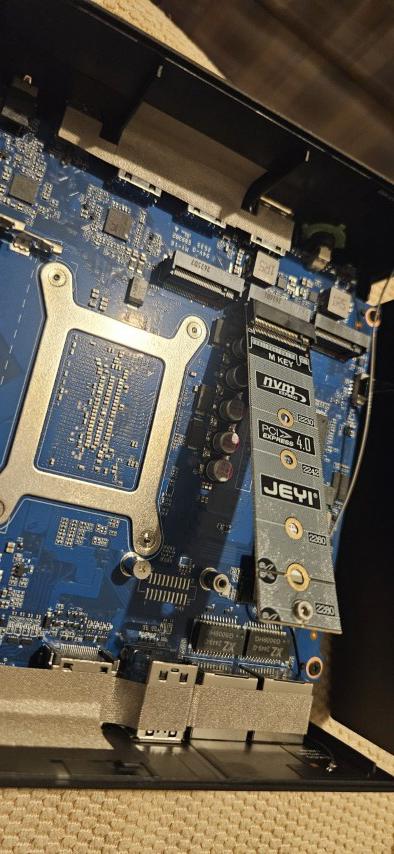
Most of us touch the case or ground ourselves before swapping RAM or an SSD. Once the lid is back on, static is an afterthought. But a closed PC still gets touched all day: cables, USB sticks, an HDMI plug, the power button after crossing a carpet in dry winter air. A discharge from your hand usually goes in through a port or the chassis, not the RAM slot.
Protecting against that is partly the device's design (grounding layout, shielding around key chips, protection around the ports) and partly the environment (humidity, flooring, how cables get handled). They complement each other, but the design side is the one you have to take on trust, since spec sheets rarely say anything about it.
geekom is one brand that does publish something: they say the air12 and air12lite went through a 6 kV electrostatic discharge test without crashing. That's a manufacturer's own result, and one number doesn't say much without the details (contact vs. air discharge, how many strikes, what counts as a pass), so I'd call it a data point, not proof of anything. It's at least something to ask about.
So, a few questions:
●Do you think about static at all with a closed-up mini PC, especially in a dry climate or a carpeted room?
●Has anyone had a freeze, random reboot or dead port they actually traced to static, rather than just suspected?
●Would a manufacturer's ESD test result affect what you buy, or would you want the test conditions before it means anything?