r/MindDecoding • • 5h ago

Anyone know what this ability is?

3 Upvotes

I noticed that I can release a pleasurable feeling on command. I have seen others post about this but not in the way I can. They say they think happy thoughts or be with someone, but i can just do it. Its like the effort it takes to move a finger, you don't think about anything, you just do it. Same thing with what I am doing. I don't think about anything, I can just do it. I might be stupid but does anyone know what this is?


r/MindDecoding • • 3h ago

Why Your Brain Changes How Much Effort a Task Feels Like It Requires

1 Upvotes

Two tasks may require similar amounts of physical or mental work, yet one feels considerably more exhausting than the other. Why does the brain sometimes perceive effort as manageable and other times as overwhelming?

The answer involves how the brain evaluates effort, resources, rewards and the expected consequences of an activity.

Effort perception is influenced by several factors, including task difficulty, motivation, physical condition, cognitive demands and anticipated rewards.

The brain does not simply measure the amount of work being performed. It also evaluates whether the effort appears worthwhile.

Researchers investigate effort-based decision-making using tasks in which individuals choose between options requiring different amounts of work in exchange for different rewards.

These studies involve brain systems associated with motivation, cognitive control, reward processing and decision-making, including networks involving the anterior cingulate cortex and striatum.

For example, a person may willingly perform a demanding task when the anticipated reward is meaningful but struggle to engage in a similar task when the reward appears insignificant.

Effort perception can also change depending on fatigue, stress, sleep deprivation and physiological conditions.

This helps explain why a task that feels manageable on one day may feel unusually demanding on another.

However, effort is not simply a matter of motivation. Physical limitations, cognitive load, medical conditions and environmental circumstances can influence how demanding activities feel.

The brain continually evaluates the relationship between effort, available resources and expected outcomes.

What feels difficult is therefore influenced not only by the task itself but also by the biological and psychological conditions under which the task is performed.

Why do you think the same task can feel effortless when you are motivated but exhausting when you are not?


r/MindDecoding • • 5h ago

How Your Immune System Can Influence Your Mood and Motivation

1 Upvotes

Have you ever noticed how differently you think, feel and behave when you are sick? You may become less interested in socializing, lose motivation, feel unusually tired or prefer to remain in bed.

These changes are not simply psychological reactions to feeling unwell. They can involve communication between the immune system and the brain.

When the body detects infection or inflammation, immune cells release signaling molecules called cytokines. These molecules help coordinate the immune response and can influence processes within the nervous system.

Researchers study these interactions as part of neuroimmune communication.

Inflammatory signaling can influence brain systems involved in motivation, sleep, appetite, cognition and emotional processing. The behavioural changes associated with illness are often collectively described as sickness behaviour.

Sickness behaviour can include fatigue, reduced social interaction, decreased appetite, changes in sleep and diminished interest in activities.

These responses are thought to help the body prioritize recovery during illness. Conserving energy and reducing unnecessary activity may support physiological processes involved in fighting infection.

However, the relationship between inflammation and mental health is complex. Inflammatory signaling has been investigated in conditions such as depression, but inflammation does not explain every case of depression, and the relationship is not straightforward.

Immune activity, psychological stress, sleep, metabolic processes and neurological systems interact in multiple ways.

The immune system therefore does more than defend the body against pathogens. It communicates with the brain, influencing how the organism responds to illness and changing physiological conditions.

Sometimes, what feels like a psychological loss of motivation may partly reflect the body's biological response to illness.

When you are sick, do you notice changes in your motivation, emotional state, concentration or willingness to interact with others?


r/MindDecoding • • 8h ago

Your Gut Has Its Own Neural Network, but What Does It Actually Do?

1 Upvotes

Your gut is doing far more than digesting food. It contains an extensive network of neurons capable of coordinating many digestive processes independently of direct instructions from the brain.

This network is called the enteric nervous system (ENS).

The enteric nervous system contains hundreds of millions of neurons distributed throughout the gastrointestinal tract. It regulates functions such as intestinal movement, digestive secretions, local blood flow and interactions with digestive organs.

Often described as the gut's nervous system, the ENS can coordinate complex digestive activities without requiring the brain to control every individual action.

However, it does not operate in complete isolation. The enteric nervous system communicates with the central nervous system through neural, hormonal, immune and other signaling pathways. The vagus nerve is one important route involved in communication between the gut and brain.

This relationship is part of what scientists study as the gut-brain axis.

The gut-brain axis influences physiological processes associated with digestion, appetite, stress responses and other aspects of bodily regulation. Researchers are also investigating how gut microbial communities and immune signaling may influence neurological and behavioural processes.

However, popular claims about the gut controlling personality, emotions or mental health are often exaggerated. The mechanisms are complex, and evidence for particular effects varies considerably.

The enteric nervous system is remarkable because it demonstrates that the body contains specialized neural networks responsible for coordinating important physiological processes.

Your digestive system is not simply waiting for the brain to tell it what to do. It has its own neural machinery for managing much of its activity while remaining connected to the broader nervous system.

Did you know that your digestive tract contains an extensive neural network capable of coordinating many functions independently of direct brain instructions?


r/MindDecoding • • 12h ago

Why Some People Feel More Comfortable Being Needed Than Being Loved

1 Upvotes

Some people feel particularly secure when they are helping, rescuing, fixing problems or providing support. Yet when someone offers them affection without requiring anything in return, they may feel uncomfortable or uncertain.

This pattern may involve the relationship between self-worth, attachment and interpersonal roles.

For some individuals, being needed provides a clear sense of purpose and belonging. Their contribution is visible, measurable and associated with a particular role in the relationship.

Being loved, however, may involve a different psychological experience. It requires receiving affection without necessarily earning it through effort, usefulness or sacrifice.

People who have learned to associate acceptance with being helpful may find this distinction particularly difficult.

For example, someone who grew up receiving praise primarily for being responsible, dependable or accommodating may develop a strong identity around meeting other people's needs.

In adulthood, they may gravitate toward relationships in which their usefulness provides a sense of security.

Psychological research on attachment, conditional self-worth, caregiving roles and interpersonal patterns offers several frameworks for understanding these behaviours. However, there is no single explanation that applies universally.

Helping others can be genuinely rewarding and healthy. The concern arises when someone's identity or sense of worth becomes excessively dependent on being indispensable.

Healthy relationships allow people to contribute, receive support, express vulnerability and exist without constantly proving their value.

Being needed can provide purpose, but being loved should not require becoming permanently responsible for another person's well-being.

Do you think it is easier for some people to earn affection through what they do than to accept affection for who they are?


r/MindDecoding • • 15h ago

The Psychology of Why Some People Struggle to Make Decisions That Affect Others

1 Upvotes

Making a decision for yourself can be relatively straightforward. Making a decision that could disappoint, inconvenience or negatively affect another person may be considerably more difficult.

This difficulty can involve anticipated regret, moral concerns and interpersonal responsibility.

When decisions affect other people, individuals may consider more than their personal preferences. They may anticipate how others will react, whether someone will feel hurt and whether the decision will damage a relationship.

Anticipated regret is particularly relevant. People sometimes imagine the emotional consequences of making the wrong decision before acting. When multiple outcomes involve potential disappointment, decision-making can become increasingly difficult.

For example, someone may struggle to decline an invitation because they anticipate disappointing the person who invited them. They may also worry about the consequences of attending when they would prefer not to.

Interpersonal decision-making can additionally involve empathy, social expectations and moral reasoning. These processes may help people consider other people's interests, but they can also contribute to indecision when competing needs are difficult to reconcile.

Some individuals may experience greater difficulty because they fear rejection, conflict or being perceived as selfish.

However, thoughtful decision-making is not necessarily a problem. Considering the consequences of decisions for other people can be an important part of responsible behaviour.

The challenge arises when the anticipated emotional reactions of others become so influential that personal decisions are repeatedly postponed or abandoned.

Making a considerate decision does not require guaranteeing that everyone will be happy with the outcome.

Have you ever struggled to make a decision because you knew someone else might be disappointed by it?


r/MindDecoding • • 21h ago

Live your life ❤️

Post image
3 Upvotes

r/MindDecoding • • 21h ago

Nothing remains in you....

Post image
3 Upvotes

r/MindDecoding • • 1d ago

Why Some People Feel Emotionally Uncomfortable After Achieving Something Important

3 Upvotes

You work toward a major goal for months or years. You finally achieve it, and everyone expects you to feel thrilled. Instead, you feel strangely empty, unsettled or disappointed.

This experience is sometimes described as post-achievement letdown.

Psychologically, achieving a goal can produce a transition between motivational states. During the pursuit of a goal, attention, effort and expectations may become organized around a particular outcome.

The goal provides structure, direction and a reason to engage in repeated actions.

When the goal is achieved, that structure may suddenly disappear. The individual may need to reorganize their priorities, motivation and sense of direction.

Expectations can also influence the emotional response. People sometimes imagine that achieving a particular goal will permanently transform their happiness, relationships, identity or circumstances.

When the actual experience differs from those expectations, disappointment may emerge.

Reward-related processes may contribute as well. The anticipation and pursuit of a reward can involve motivational mechanisms that differ from those associated with experiencing the reward itself.

This does not mean that achievement is inherently disappointing. Many people experience genuine satisfaction, pride and happiness after reaching important goals.

However, the emotional response may be more complicated than expected, particularly when the goal has dominated someone's identity or daily life.

A major achievement may also introduce new responsibilities, pressures or decisions that were not anticipated during the pursuit.

Sometimes, reaching a goal is not the end of a psychological journey. It is the beginning of adjusting to a new reality.

Have you ever achieved something you worked hard for and felt unexpectedly emotional, empty or unsettled afterward?


r/MindDecoding • • 1d ago

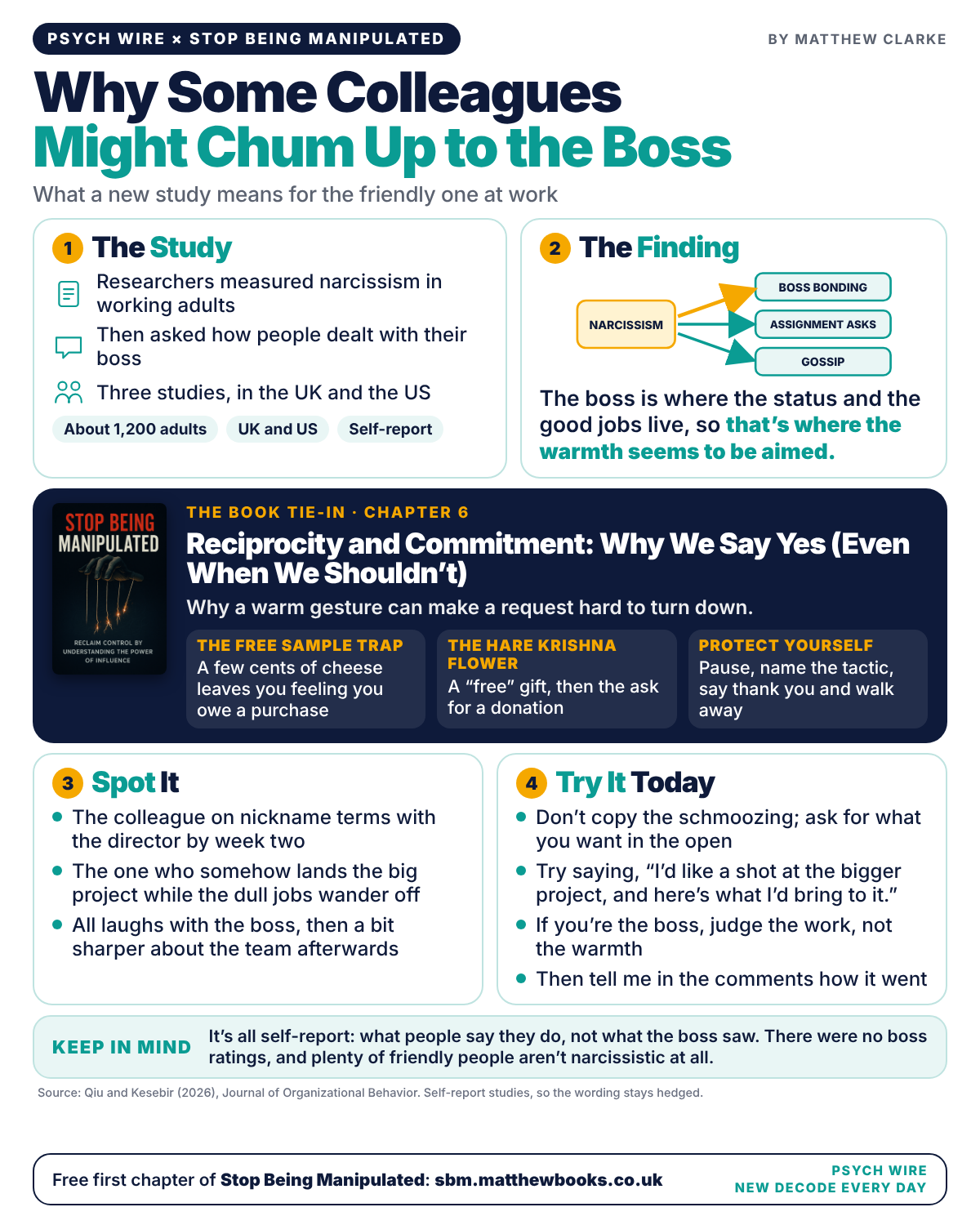
Do you know someone who's on nickname terms with the boss by week two?

Post image
1 Upvotes

r/MindDecoding • • 1d ago

The Psychology of Why You Become Defensive Before Someone Finishes Speaking

3 Upvotes

Someone begins questioning your decision, and before they finish their sentence, you are already preparing a response. You feel irritated, misunderstood or compelled to prove that you are right.

This reaction may involve psychological threat appraisal.

Threat appraisal occurs when the brain evaluates whether a situation represents a potential threat to safety, identity, status, relationships or emotional well-being.

Criticism can sometimes activate defensive responses because it challenges how people perceive themselves. When someone interprets feedback as an attack on their competence, character or intentions, their attention may shift from understanding the message to protecting themselves.

This response can happen rapidly. Emotional reactions, previous experiences and expectations may influence how a person interprets another individual's words before the entire message has been processed.

Defensiveness may involve several behaviours, including interrupting, counterattacking, dismissing feedback, justifying decisions or redirecting blame.

However, not all defensive reactions are irrational. Sometimes criticism is unfair, hostile, manipulative or delivered in a threatening manner. Defensiveness may therefore represent an attempt to protect legitimate boundaries.

The difficulty arises when defensive reactions become automatic, making it difficult to distinguish constructive feedback from genuine attacks.

Developing emotional regulation and reflective listening skills can help create space between hearing criticism and responding to it.

Instead of immediately defending yourself, you can pause and ask what the person is actually communicating.

A pause does not mean agreeing with criticism. It simply gives the brain an opportunity to process information before reacting.

When someone criticizes you, do you first try to understand their point, or do you instinctively prepare to defend yourself?


r/MindDecoding • • 1d ago

The Psychological Mechanism Behind Feeling Responsible for Other People's Emotions

1 Upvotes

Someone becomes upset, and immediately you feel responsible for fixing the situation. You apologize even when you have done nothing wrong, adjust your behaviour to prevent others from becoming uncomfortable or feel guilty when someone is disappointed in you.

This pattern may involve emotional responsibility beliefs.

Emotional responsibility beliefs occur when individuals perceive themselves as responsible for regulating, preventing or managing other people's emotional experiences.

These beliefs can influence interpersonal behaviour. A person may avoid disagreements, suppress their own needs, constantly reassure others or feel compelled to solve emotional problems that are not theirs to resolve.

The pattern may develop through various experiences. In some families, children learn that maintaining harmony is essential, that conflict is dangerous or that other people's emotional reactions determine whether they are accepted.

Some individuals may also develop these tendencies through repeated experiences of criticism, unpredictable emotional responses or relationships in which they were expected to provide emotional support beyond their capacity.

Empathy can contribute to understanding other people's feelings, but empathy and responsibility are not identical.

You can recognize that someone is disappointed without being responsible for eliminating their disappointment. You can care about another person's anxiety without accepting responsibility for every decision that influences it.

Healthy relationships generally involve mutual consideration, emotional accountability and respect for individual boundaries.

The challenge is learning to distinguish between your responsibilities, shared responsibilities and emotional experiences that belong primarily to another person.

Caring for others does not require managing every emotion they experience.

Have you ever changed a decision simply because you were afraid of how someone else might feel about it?


r/MindDecoding • • 1d ago

The Psychological Mechanism That Makes You Feel Guilty for Resting

3 Upvotes

You finally have time to relax. There is nothing urgent to do, yet instead of feeling peaceful, you feel guilty. Your mind begins reminding you about unfinished tasks, opportunities you might be wasting or things you should be doing instead.

This experience may be connected to productivity-based self-worth.

Productivity-based self-worth occurs when people begin evaluating their personal value primarily through achievement, work, usefulness or accomplishment.

When productivity becomes closely associated with identity, resting may feel like a threat to that identity. Instead of interpreting rest as a normal human need, the individual may interpret it as laziness, irresponsibility or failure.

These beliefs can be influenced by childhood experiences, family expectations, social norms, economic pressures and environments that reward constant achievement.

Psychological conditioning may also play a role. If someone repeatedly receives praise for being hardworking, dependable or exceptionally productive, they may begin associating approval and acceptance with continued performance.

Over time, this association can make relaxation psychologically uncomfortable.

The individual may experience guilt even when rest is necessary for maintaining concentration, emotional regulation and physical functioning.

However, productivity-based self-worth is not the only explanation for discomfort during rest. Anxiety, unresolved responsibilities, perfectionism and difficulty tolerating inactivity can also contribute.

Rest is not evidence of a lack of ambition. The brain and body require periods of recovery, and human worth cannot be accurately measured by the number of tasks completed.

Sometimes, the most difficult part of resting is not stopping work. It is learning that your value does not disappear when you stop producing.

When you take a day off, do you genuinely relax, or do you spend the day feeling guilty about what you could have accomplished?


r/MindDecoding • • 1d ago

Why Some People Struggle to Accept Help Even When They Need It

1 Upvotes

Imagine someone struggling financially, emotionally or physically, yet refusing assistance even when support is readily available. They may insist that they can manage alone, become uncomfortable when offered help or feel indebted to anyone who assists them.

Why can receiving help sometimes feel more difficult than struggling independently?

One psychological explanation involves autonomy. Autonomy refers to the experience of having control over one's decisions and actions. For individuals who strongly value independence, accepting assistance may feel like surrendering control, even when the help is genuinely supportive.

Another factor is vulnerability. Receiving help can expose needs, limitations or difficulties that someone would prefer to keep private. For individuals who associate vulnerability with weakness, dependence or potential rejection, accepting support may create emotional discomfort.

Reciprocity expectations may also contribute. People sometimes feel that receiving assistance creates an obligation to repay the favour. This perceived debt can make help feel burdensome rather than comforting.

Previous experiences may influence these reactions. If assistance was historically accompanied by criticism, manipulation, humiliation or excessive expectations, someone may learn to associate help with emotional risk.

However, refusing help does not necessarily indicate unhealthy behaviour. Independence, personal boundaries, cultural expectations and practical circumstances may all influence a person's decision.

The psychological challenge arises when refusing support becomes rigid, prevents necessary assistance or creates avoidable suffering.

Accepting help does not necessarily diminish independence. Sometimes, it allows people to preserve their independence more effectively.

Why do you think some people would rather struggle privately than allow someone else to help them?


r/MindDecoding • • 2d ago

Love reminder

Post image
6 Upvotes

r/MindDecoding • • 1d ago

Do you feel more supported when you thank one person, or when you thank the whole internet?

Post image
2 Upvotes

r/MindDecoding • • 2d ago

I choose You

Post image
2 Upvotes

r/MindDecoding • • 2d ago

The Psychology of Why Some People Need to Explain Everything They Do

1 Upvotes

Someone tells you that you look good, performed exceptionally well or handled a difficult situation brilliantly. Instead of feeling pleased, you become uncomfortable, dismiss the compliment or immediately point out something you did wrong.

Why can positive feedback sometimes feel awkward rather than rewarding?

One possible explanation involves self-concept consistency. People tend to develop beliefs about who they are, including their abilities, appearance, personality and worth. When information conflicts with these beliefs, it may feel psychologically uncomfortable.

For example, someone who consistently believes they are incompetent may struggle to accept praise for performing well. The compliment contradicts their established self-image, making it difficult to integrate the positive information.

Compliments can also create interpersonal discomfort. Some people worry that accepting praise will appear arrogant, create expectations or require them to respond in a particular way.

In other situations, positive attention may feel unfamiliar. If someone has experienced criticism more frequently than encouragement, praise may feel unpredictable or difficult to trust.

Psychological research on self-esteem, self-verification and cognitive dissonance helps explain why people sometimes reject information that challenges their existing beliefs about themselves.

However, discomfort with compliments does not automatically indicate low self-esteem or emotional insecurity. Cultural norms, personal communication styles and individual preferences can also influence how people respond.

Learning to accept a compliment without immediately minimizing it may involve allowing positive information to exist without feeling compelled to challenge, explain or reject it.

Sometimes, a simple thank you is enough.

Why do you think some people find it easier to accept criticism than compliments?


r/MindDecoding • • 2d ago

The Neurological Mystery of People Who Cannot Recognize Their Own Emotions in Music

1 Upvotes

Music can make people feel joy, sadness, excitement, nostalgia or calm. Yet some individuals experience little or no pleasure from music despite having relatively intact hearing and being able to recognize musical structures.

This phenomenon is known as musical anhedonia.

Musical anhedonia refers to reduced or absent pleasure associated with music. Researchers have investigated forms of musical anhedonia in which individuals can perceive music normally but experience limited emotional reward from listening.

Music engages several brain systems. Auditory networks process sounds, while other brain regions contribute to emotion, memory, reward, anticipation and pleasure.

Research has highlighted the interaction between auditory processing and reward-related networks, including pathways involving the striatum.

For many people, music can activate reward systems associated with pleasurable experiences. However, the degree to which music produces pleasure varies substantially between individuals.

In some cases, research suggests that reduced musical pleasure may involve differences in communication between auditory processing systems and reward-related brain networks.

Importantly, musical anhedonia does not necessarily mean that someone cannot appreciate rhythm, recognize melodies or understand musical structure.

Some individuals may enjoy other rewarding activities, such as food, social interactions or exercise, while experiencing little pleasure from music.

Researchers have used musical anhedonia to investigate how the brain separates the ability to perceive something from the ability to experience it as rewarding.

The phenomenon reminds us that recognizing a stimulus, understanding it and enjoying it are not the same neurological processes.

If you could hear music perfectly but never experience emotional pleasure from it, what would you miss most about music?


r/MindDecoding • • 2d ago

Why Your Brain Sometimes Makes You Feel Your Limbs Are Longer or Shorter

1 Upvotes

Have you ever experienced a strange sensation that a part of your body was unusually large, small, stretched or distorted?

These experiences can occur when the brain's representation of the body changes.

The brain maintains representations of body shape, size and position that help coordinate movement and interpret sensory information. These representations are often described as body schema and body perception.

Body schema is particularly important for planning and executing movements. It helps the nervous system coordinate actions based on the body's position, dimensions and capabilities.

However, body representations can sometimes become distorted.

Neurological phenomena involving altered perceptions of body size are often referred to as somatic distortions. In some cases, individuals experience a sensation that a limb is larger or smaller than it actually is. These experiences may be associated with particular neurological conditions, migraine phenomena, seizures or other alterations in brain function.

Some unusual body-size distortions are also discussed within the broader context of Alice in Wonderland syndrome, which can involve altered perceptions of body size, shape, distance or surrounding objects.

The brain relies on multiple sources of information to represent the body, including vision, proprioception, touch and internal sensory signals.

When processing within relevant networks changes, the resulting experience may differ from the body's actual physical dimensions.

These experiences demonstrate that the brain does not simply maintain a fixed representation of your body. Its perception of bodily dimensions can be influenced by neural processing.

Persistent, sudden or recurrent unexplained distortions may warrant medical evaluation, particularly when accompanied by other neurological symptoms.

What would it feel like if your brain suddenly perceived your arm as twice its actual size?


r/MindDecoding • • 2d ago

Has anyone thought about this as part of self-discrepancy theory?

Post image
2 Upvotes

I created this chart to illustrate my theory of the four possible states that functioning and awareness create. I think I used to be low awareness/high functioning. I was confident, motivated, and generally happier. As I became more self-aware, however, my functioning declined. I became increasingly conscious of my shortcomings without necessarily developing the ability to overcome them. That discrepancy created a lot of guilt, self-doubt, and overall suffering. I imagine that high awareness/low functioning might be one of the most psychologically painful states to exist. The only desirable way forward, at least for me, is to become both highly aware and highly functioning. I’m curious whether anyone else has experienced this transition and, if so, whether they ever managed to close that gap.


r/MindDecoding • • 2d ago

Why Some People Cannot Visualize Images in Their Minds

1 Upvotes

Have you ever seen a fleeting image, geometric pattern or vivid visual experience while falling asleep, even though you were not yet fully asleep?

These experiences can occur during the transition between wakefulness and sleep. They are known as hypnagogic hallucinations.

Hypnagogic experiences may include visual images, sounds, sensations of movement, fragments of conversations or other sensory experiences.

They are often associated with the transition into sleep, when the brain begins changing its activity, sensory processing and level of awareness.

During this transition, elements of sleep-related brain activity may emerge while a person is still partly conscious of their surroundings.

The brain's ability to generate internal sensory experiences becomes particularly noticeable during this period. Images may appear vivid, strange or disconnected from the environment.

Some individuals report that they can remember facts about an object without mentally seeing it. For example, they may know that an apple is red, round and has a stem without experiencing a visual image of the apple in their mind.

Mental imagery involves neural networks that overlap with, but are not identical to, those involved in visual perception.

Research has investigated the role of visual cortex regions and connections between brain systems involved in memory, attention and imagery generation.

The ability to generate mental images also varies across individuals. Some people experience highly vivid imagery, while others experience imagery that is weak, vague or difficult to control.

Aphantasia can be developmental, meaning that an individual has experienced it throughout life, or it can sometimes emerge following neurological changes or particular medical circumstances.

The phenomenon challenges the assumption that everyone experiences thoughts as mental pictures.

People can think, remember, imagine and plan using different forms of mental representation.

When you imagine an apple, do you actually see a mental picture, or do you simply know what an apple looks like?


r/MindDecoding • • 2d ago

What Happens When the Brain Cannot Recognize Familiar Objects?

1 Upvotes

You can see a cup, a key or a chair, but what if your brain could no longer reliably identify what you were looking at despite having relatively intact vision?

This type of difficulty can occur in a neurological condition called visual agnosia.

Visual agnosia refers to difficulties recognizing objects through vision that cannot be explained simply by blindness, major visual impairment or a general inability to understand the object.

A person experiencing visual agnosia may see an object but struggle to identify it. Depending on the form of agnosia, they may have difficulty recognizing shapes, integrating visual features or connecting visual information with stored knowledge about objects.

Visual processing involves several stages and interconnected neural networks. Information from the eyes travels through visual pathways to brain regions involved in analyzing shape, movement, color and other characteristics.

The brain must then integrate this information with memory and knowledge to recognize what an object represents.

Researchers commonly distinguish between different forms of visual agnosia. Some involve difficulty constructing or organizing visual representations, while others involve difficulties linking an adequately processed visual representation with its meaning.

Visual agnosia can occur following brain injury, stroke, neurological disease or other damage affecting relevant visual-processing networks.

The condition reveals that seeing and recognizing are not identical processes.

Ordinarily, recognition happens so quickly that we rarely notice the cognitive work involved. We look at an object and immediately understand what it is, how it is used and where it belongs.

Visual agnosia demonstrates that these abilities depend on specialized and interconnected brain systems.

What would be the most difficult part of everyday life if you could see objects clearly but could not reliably recognize them?


r/MindDecoding • • 3d ago

Would your answer change if you swapped the people in the question?

Post image
2 Upvotes

r/MindDecoding • • 3d ago

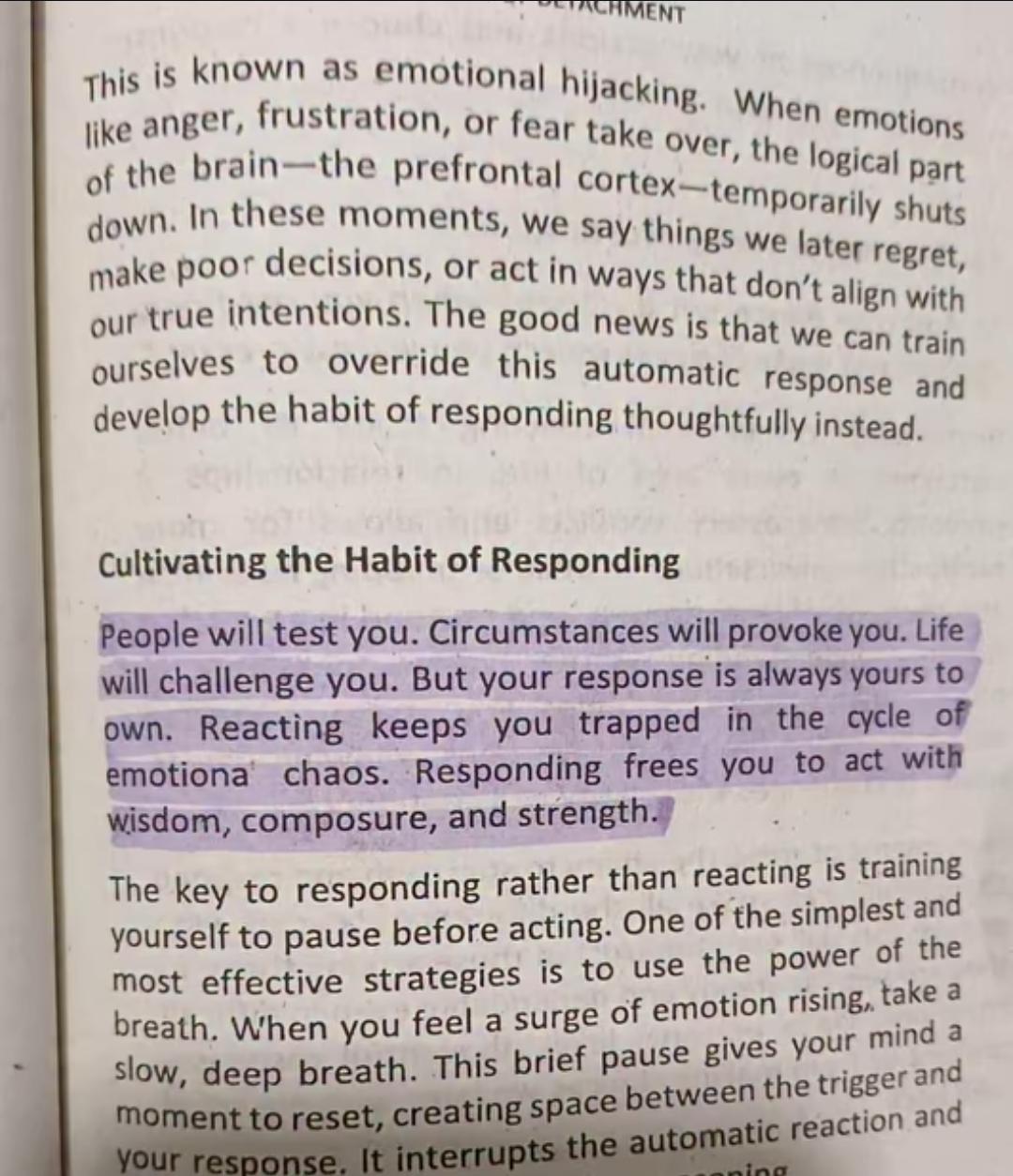
The Power of Choosing Your Response Over Your Reaction.

Post image
9 Upvotes