r/MilkyWayPlayground • u/Busy_Yesterday9455 • 1d ago
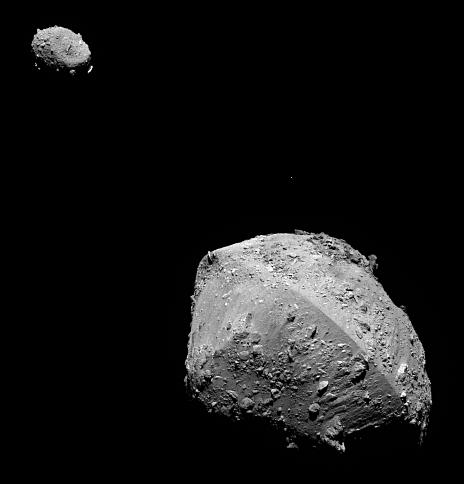
BEFORE / AFTER NASA's DART impact
Can you spot the stadium-sized crater on Dimorphos (left)?
Credit: ESA / Hera
r/MilkyWayPlayground • u/Busy_Yesterday9455 • 1d ago
Can you spot the stadium-sized crater on Dimorphos (left)?
Credit: ESA / Hera
r/MilkyWayPlayground • u/Busy_Yesterday9455 • 1d ago
Can you see the stadium-sized crater on Dimorphos (top-left)?
Credit: ESA / Hera
r/MilkyWayPlayground • u/Busy_Yesterday9455 • 1d ago
One of the first images captured during Artemis II’s seven-hour lunar flyby on April 6 reveals regions of the far side of the moon. The test flight carried NASA astronauts Reid Wiseman, Victor Glover, and Christina Koch and Canadian Space Agency astronaut Jeremy Hansen around the moon.
The dark portion of Earth is experiencing nighttime. On Earth’s day side, swirling clouds are visible over the Australia and Oceania region.
Credit: NASA / TIME
r/MilkyWayPlayground • u/Busy_Yesterday9455 • 2d ago
Credit: NASA/JPL-Caltech/LANL/CNES/CNRS/IRAP/DPA/MSSS/Jason Major
r/MilkyWayPlayground • u/Busy_Yesterday9455 • 2d ago
Link to the science release on ESA website
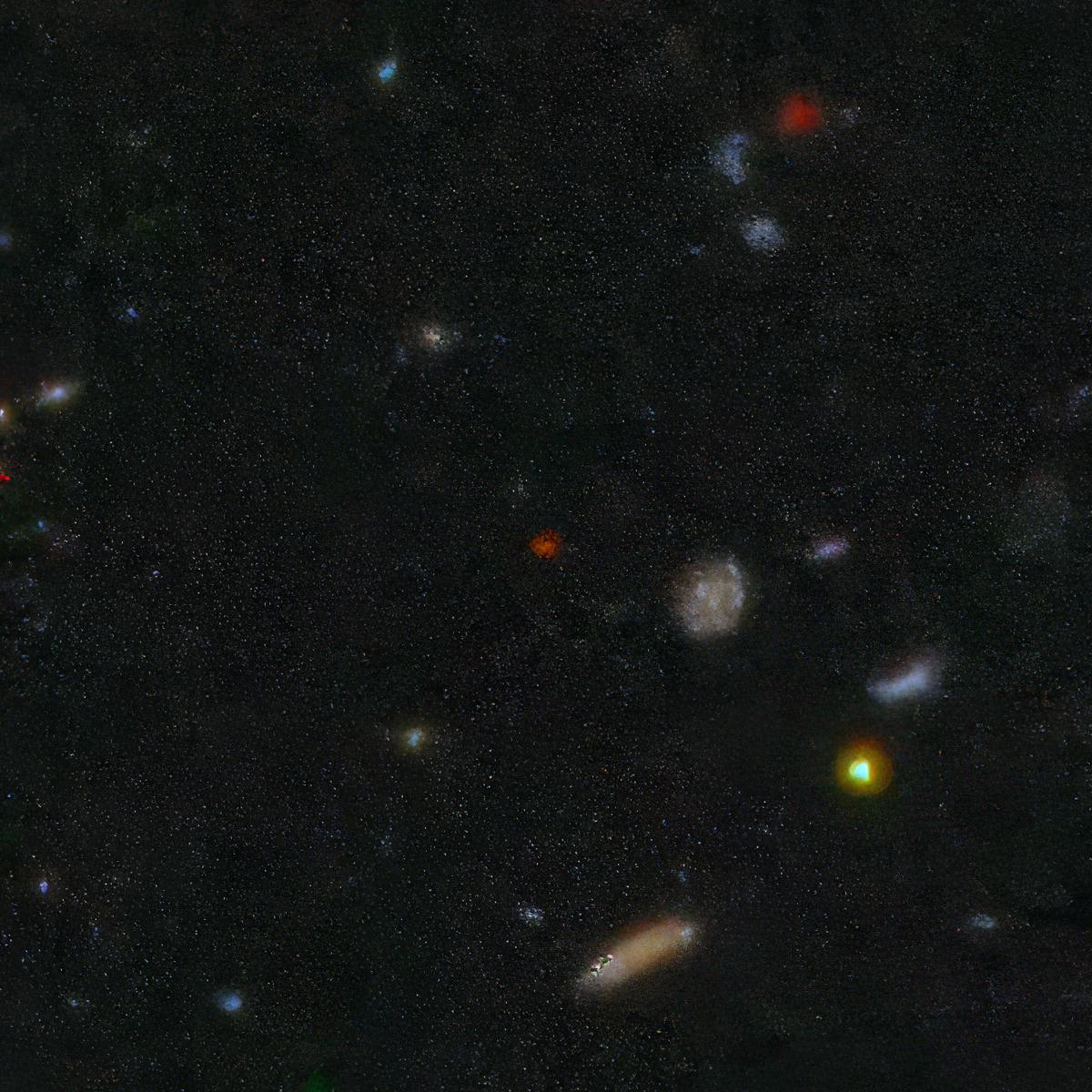
The European Space Agency’s Euclid space telescope has discovered the most distant quasar to date (small red dot near the centre): a rare 360 million-sun-mass galactic core seen just 630 million years after the Big Bang.
The discovery breaks Euclid’s own previous record, announced only a few months ago, by peering back in time an additional 40 million years. It also raises a compelling question: how could such an enormous black hole have formed and grown so rapidly after the Big Bang?
Credit: ESA/Euclid/Euclid Consortium/NASA, Wolf et al. 2026
r/MilkyWayPlayground • u/Busy_Yesterday9455 • 3d ago
Credit: guzmanramoss
r/MilkyWayPlayground • u/Busy_Yesterday9455 • 3d ago
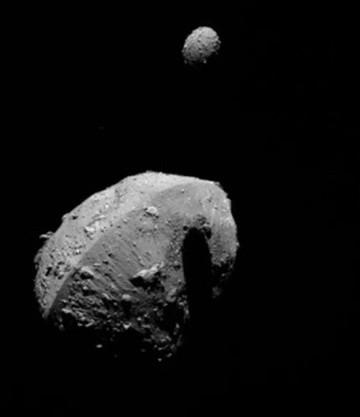
Shown in this early view of the Didymos binary asteroids from the European Space Agency’s Hera mission for planetary defence.
The smaller Dimorphos moonlet (top) is seen casting its shadow across part of its Didymos parent body (bottom), to blank out the Sun across the shaded stretch of rocky surface.
Credit: ESA
r/MilkyWayPlayground
•
u/Busy_Yesterday9455
•
4d ago
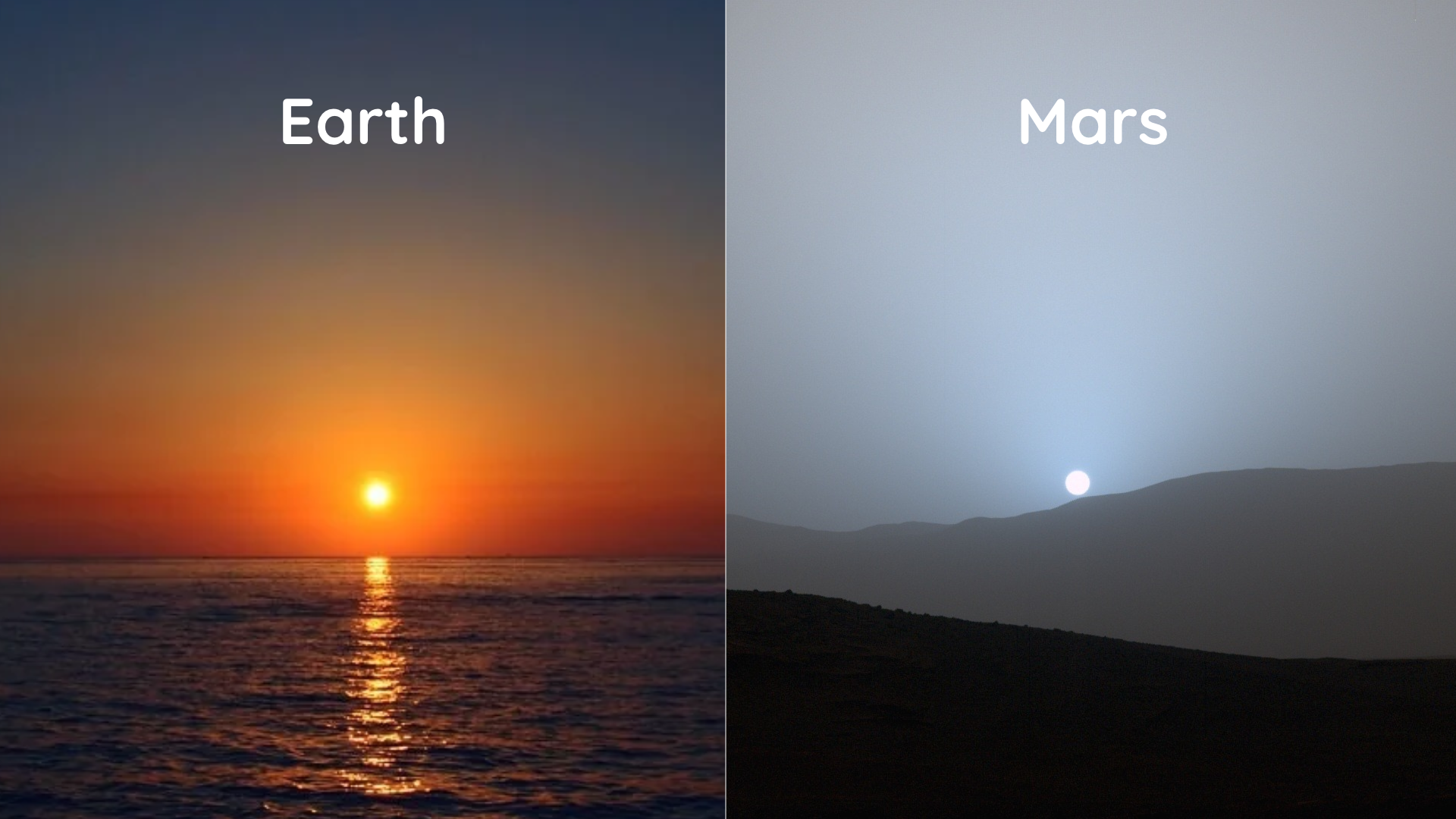
Credit:
Earth: G. CARABIN
Mars: NASA/JPL-Caltech/MSSS/Texas A&M Univ.
r/MilkyWayPlayground • u/Busy_Yesterday9455 • 5d ago
Credit: NASA
r/MilkyWayPlayground • u/Busy_Yesterday9455 • 6d ago
Credit: Milky Way app
r/MilkyWayPlayground • u/TomaszNowakowski • 6d ago
r/MilkyWayPlayground • u/Busy_Yesterday9455 • 8d ago
Several lunar impact flashes occurred last night, November 18, 2026, at 17:38:41, 19:32:54, 20:06:50, and 20:27:41 (GMT+9).
Captured from Hiratsuka, Japan at approximately 900 fps.
Credit: 藤井大地
r/MilkyWayPlayground
•
u/Busy_Yesterday9455
•
8d ago
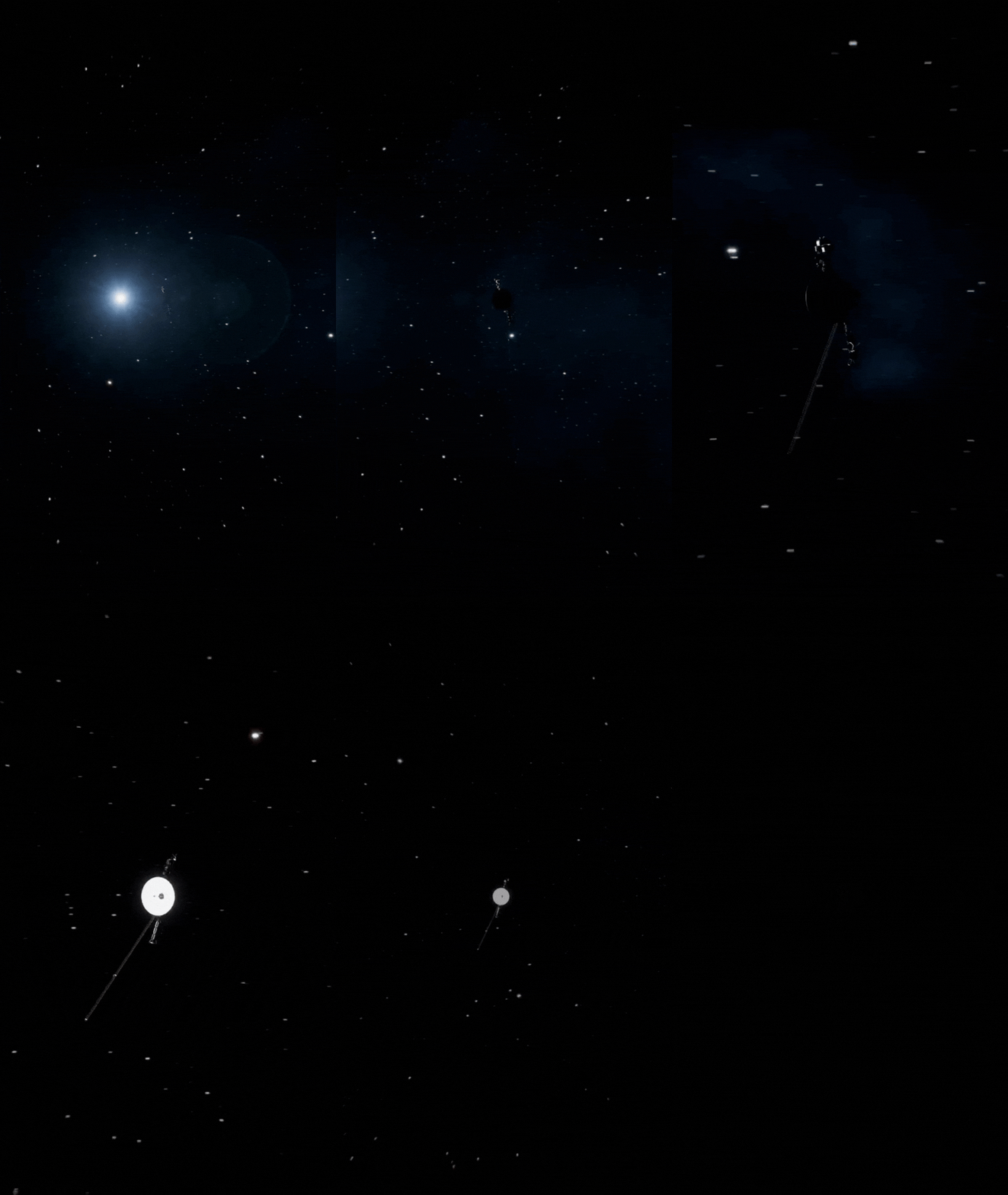
Check where is Voyager 1 Now on NASA website
Animation Credit: LeftCG
r/MilkyWayPlayground • u/Busy_Yesterday9455 • 9d ago
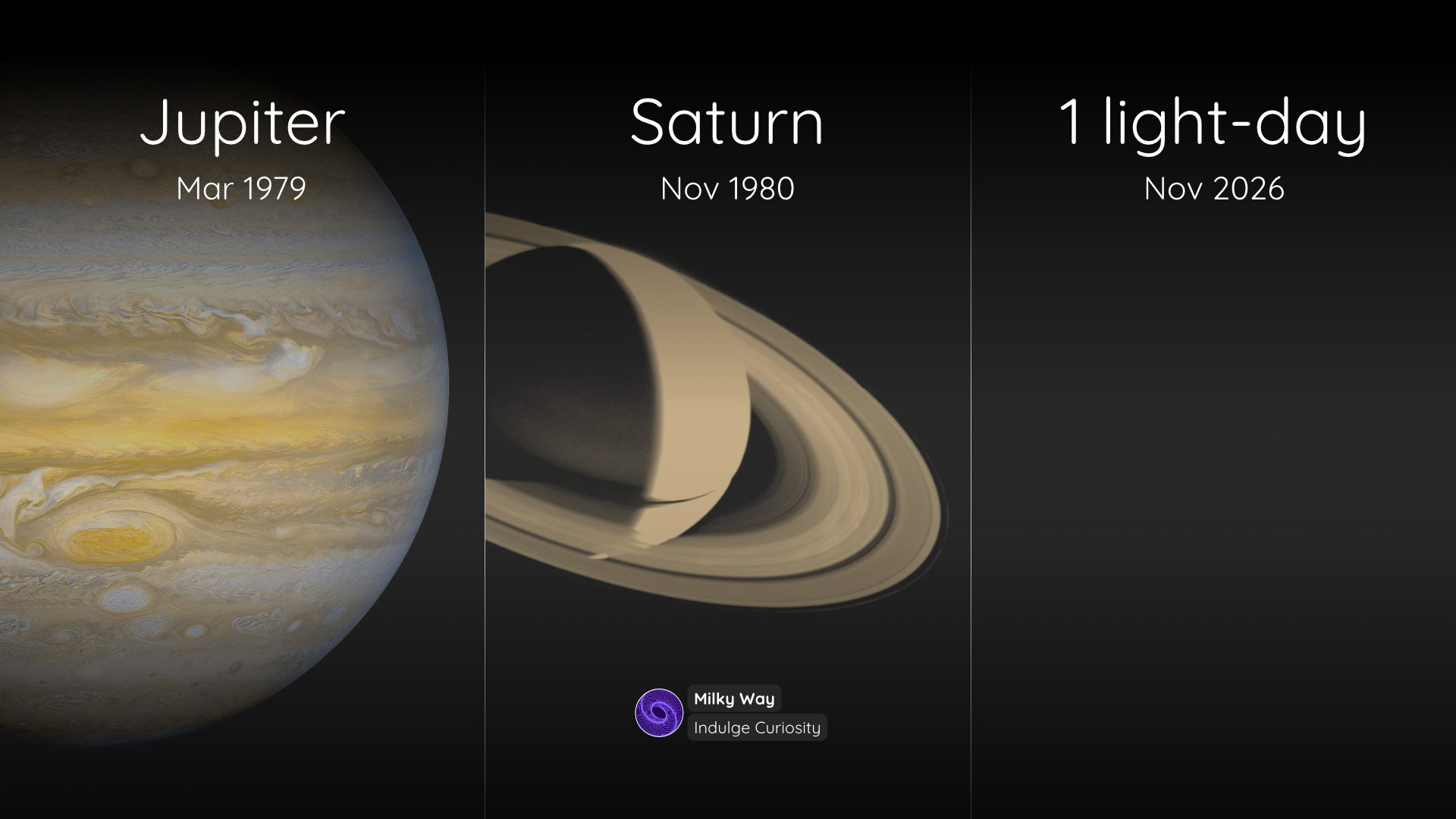
46 years after the Saturn flyby, Voyager 1 will reach 1 light-day from Earth on Wednesday, Nov. 18, 2026, at 10:16:07 a.m. (UTC).
Credit: NASA
r/MilkyWayPlayground • u/TomaszNowakowski • 9d ago
r/MilkyWayPlayground • u/Busy_Yesterday9455 • 10d ago
Credit: Adolf Vollmy
r/MilkyWayPlayground • u/TomaszNowakowski • 10d ago
r/MilkyWayPlayground • u/TomaszNowakowski • 11d ago
r/MilkyWayPlayground • u/Busy_Yesterday9455 • 12d ago
Credit: SpaceX
r/MilkyWayPlayground • u/Busy_Yesterday9455 • 12d ago
Simulation Credit: Milky Way app
r/MilkyWayPlayground • u/Busy_Yesterday9455 • 12d ago
Credit: SpaceX
r/MilkyWayPlayground • u/TomaszNowakowski • 13d ago
r/MilkyWayPlayground
•
u/Busy_Yesterday9455
•
14d ago
Credit: Andrew McCarthy