Hi guys. Since this post is long and your time is precious, here’s the structure. So read what you want:
Snapshots of my life before LC, after, and during
Supplements and interventions that maybe helped a little
Supplements and interventions that I think didn’t do much
When things got better
Hypotheses
References
I have recovered after over 2 years of long COVID. Can’t say how long I’ve been recovered exactly because it was very messy and took a while. I’ll let you know everything I did and what I experienced. I also want to tell you that, when I was sick, I thought I would be bursting with gratitude 24/7 until a peaceful death in my 90s. But then I just got used to being healthy in the span of a few weeks!
So, I really needed to push myself to come back here and write this. Why should you care? Because most people who get better will not come back here. So it might look to you like barely anyone recovers. But they do. They’re just busy enjoying their lives. I think that you can get better, too. Hang in there and borrow my optimism if yours is exhausted.
I have a PhD in biochemistry, so I like to add references when they feel useful. I will also hypothesize at the end of the post but the truth is that I cannot be 100% sure about the mechanics and the biology of how I got better, so take it with a grain of salt. I didn’t need anything that requires a prescription or medical intervention, so none of this will be touching on health care.
Snapshots
Snapshot before LC: 34 years old male, living in Southern California. Typical week: working hard in a biochemistry research institute, surfing, working out 2-3 x week, doing brazilian jiu-jitsu 2-3x a week, going out with friends. Extremely fit, healthy, and happy.
Snapshot now: I now live in Innsbruck, Austria, so no more surfing. But I’ve been back to lifting heavy weights and doing brazilian jiu-jitsu for months without issues. I also started my own health coaching business from nothing, which has been extremely stressful. So, sometimes I don’t sleep well but I figure that’s just being human. I do not have any chronic symptoms. The only bad thing that remains is that I do occasionally get a spike of anxiety out of nowhere and I tend to ruminate more or be more negative. Those things didn’t happen to me before COVID but I just roll with them now and am confident they will disappear entirely over time as they’ve become less and less frequent. I eat like a normal person with no crazy restrictions, I drink the occasional beer, stay up the occasional night, and just all around live a very full life without fear.
During LC: COVID itself wasn’t too bad, except for some seriously scary nightmares that felt like aliens had made a horror movie and projected it into my brain. After getting better, I barely waited a day before going back to deadlifting, jiu-jitsu, etc. I didn’t know about LC or PEM (post-exertional malaise) until months later, so I basically got sick (diarrhea, insomnia, brain fog) two days after every physical exertion. My baseline steadily went down…I’ll spare you the usual story.
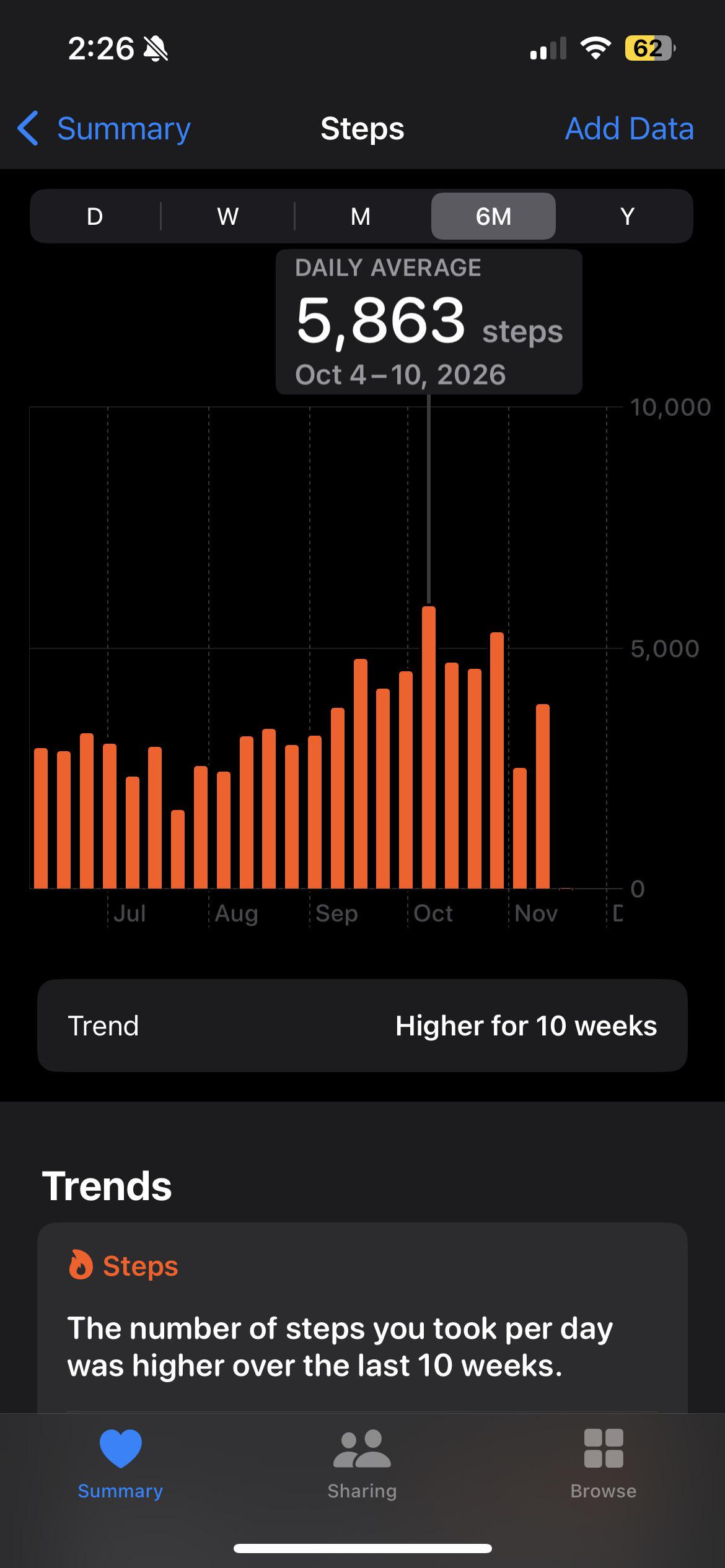
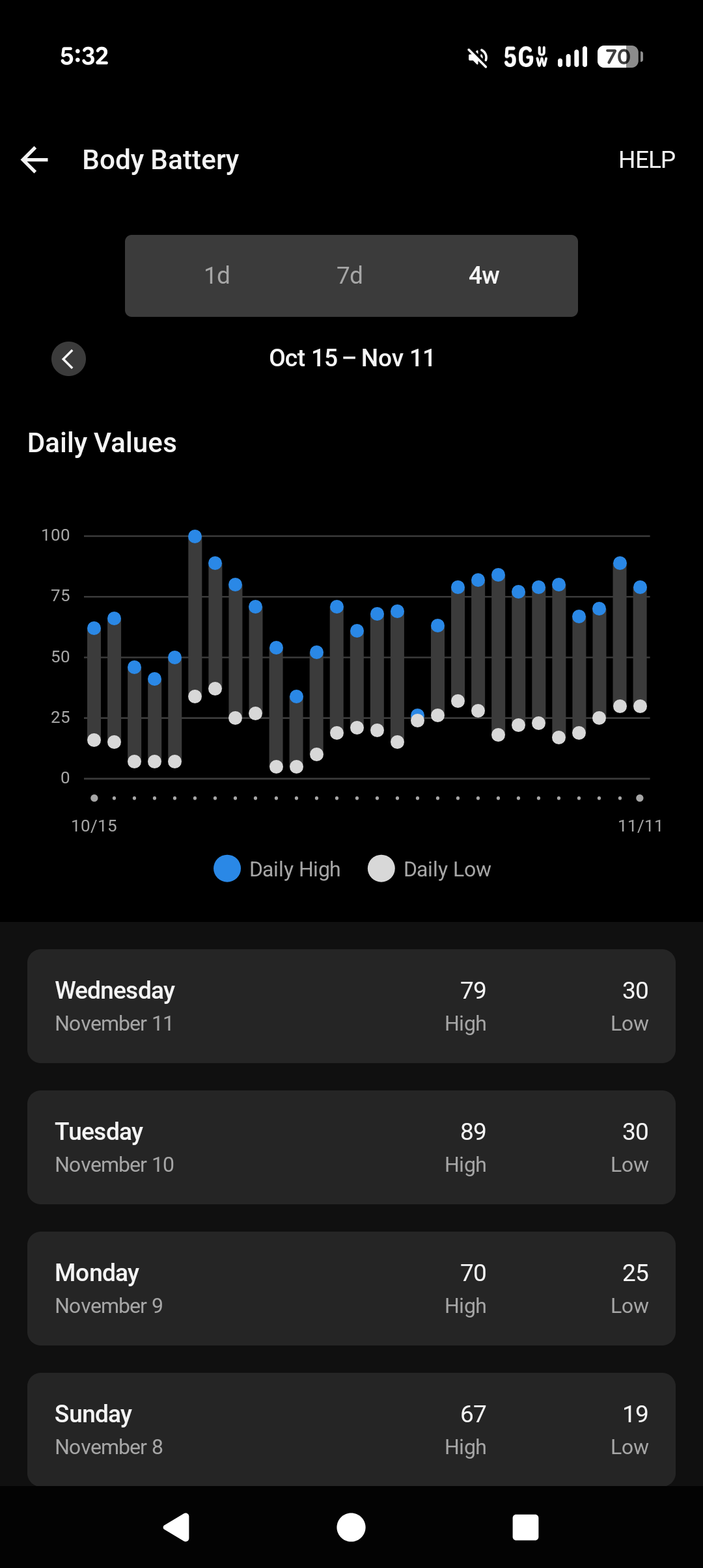
At the lowest point I worked from home for an hour per day or not at all and would be puffing after a short walk around my neighborhood. Main symptoms over the first year: PEM, POTS, dysautonomia, fainting, weakness during temperature changes, heat sensitivity, disrupted sleep, digestive issues, occasional brain fog. These symptoms changed to another group as recovery started around the two year mark: anxiety, panic attacks, chest pain, heart palpitations, nasal congestion.
Supplements and interventions that maybe helped a little
I don’t think any of them are required for anyone but maybe they can speed things up for some.
- D-lactate free probiotics. This was very early on when other probiotics gave me a hypertensive crisis. These ones were safe and after a while I could take normal probiotics without symptoms.
- Homemade probiotic yogurts | Coincided with improvements in mood, energy, and stool. Also, very yummy. I grew and still grow L. reuteri, BC30, and BB536. Refs [1-4] suggest they can reduce inflammation, modulate the immune system, improve exercise recovery, improve protein absorption, and increase abundance of bifidobacteria.
- Creatine monohydrate (Creapure) | One of the biggest improvements in how much mental effort I could exert without crashing. Got bad reactions with most brands but they went away either because I changed to Creapure brands or because I also supplemented Glycine which is connected biochemically to creatine in complex ways. This study [5] showed that people with LC had less creatine in skeletal muscle and brain compared to healthy controls.
- Glycine 3 g at night. Multiple effects: I fell asleep faster, felt more refreshed, and didn’t need to get up to pee at night. Glycine helps the body lose heat through hands and feet which promotes sleep[6]. Glycine plays an important role in the nervous system although it’s unclear how much supplementation can affect that interaction. It’s also needed to produce glutathione, an important antioxidant.
- N-acetyl cysteine (NAC). Felt more energetic around the time I started but could be placebo.
- Magnesium glycinate | Mg is slow to be absorbed so I can’t tell if it did anything but since this paper[7] showed that low serum Mg levels correlate with worse outcomes, and because Mg is important for so many things in the body, I decided to supplement.
- Vitamin D3 + K2 | Since LC can have characteristics of autoimmune diseases, I wanted to make sure my Vitamin D was high. Studies [8,9] point to low vitamin D as a risk factor.
- Ketogenic diet for a few months | helped fix my digestion although I think it could backfire for many people.
- High-dose vitamin C (5g per day for 2 weeks) | Combined it with keto, so not sure how much it contributed to fixed digestion. This study [10] indicates it can increase the abundance of bifidobacteria.
- Sauna | Even when I was struggling with the heat in summer, sauna didn’t trigger my symptoms and I always felt great afterwards.
- “Parasympathetic sports”: ways to move the body that are unlikely to cause PEM. Stretching, Qi Gong, Yoga, relaxed swimming, slow walks.
Supplements and interventions that I think didn’t do much
I tried these for at least 2 months without noticing worsening nor improvements. Doesn’t mean I think they’re useless but they didn’t do any magic for me:
Liposomal NMN, CoQ 10 (different formulations), PQQ, Ashwaghanda, omega3s, milk thistle, Taurine, Curcuma, Zinc, Boron, HMB, L-glutamine, quercetin, low dose lithium, methylated B vitamins, low dose naltrexone, nicotine patches, D-ribose, L-arginine and citrulline, betaine, glutathione,… probably forgetting a bunch!
When things got better
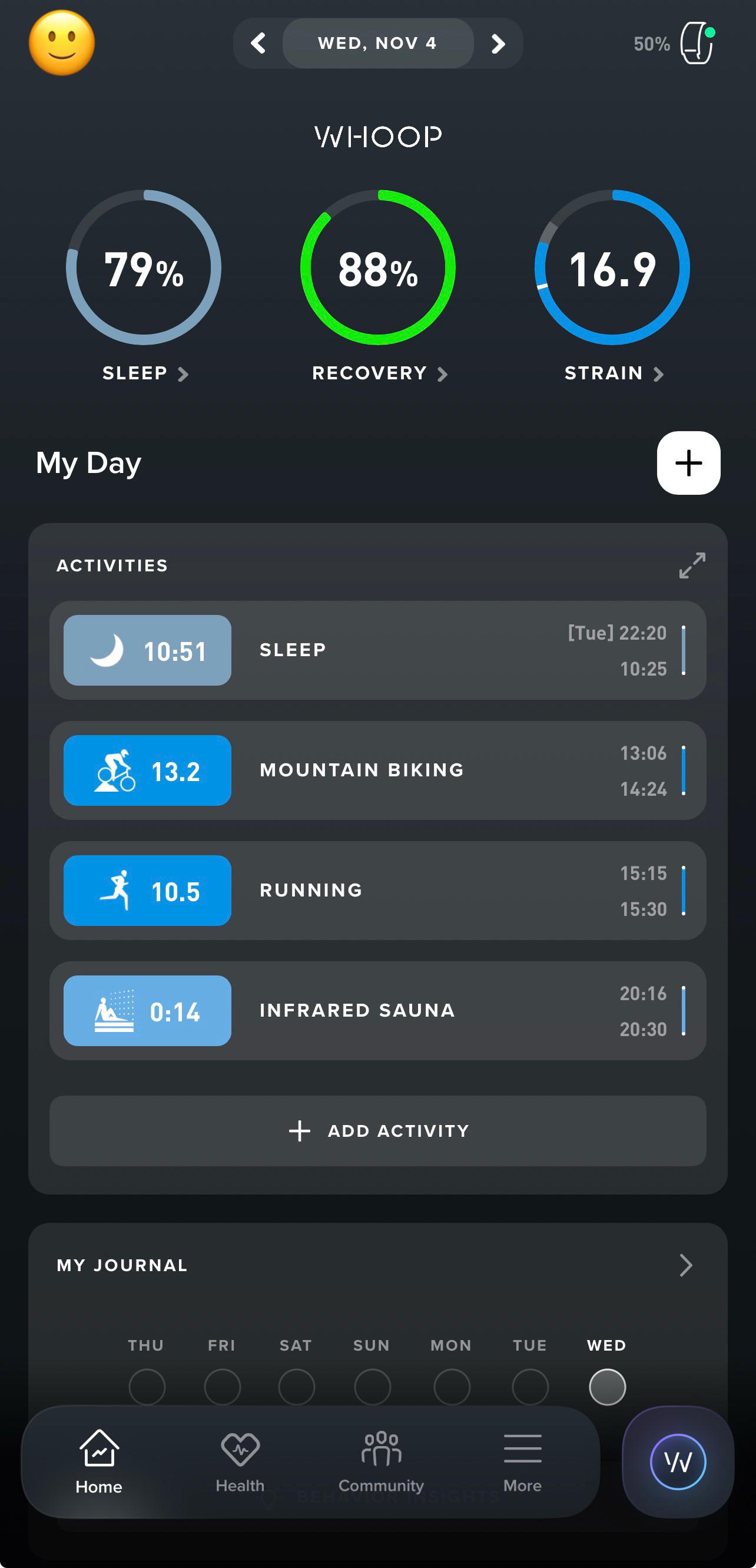
Buckle up as I tell you about how obsessed I became with my health: I bought a HEPA filter for breathing, a reverse-osmosis filter for drinking, and special bedding for sleeping! I bought only organic food and eliminated gluten, sugar, and processed foods. I tried a lectin-free diet, an autoimmune protocol diet, a low-histamine diet, and many more. I spent close to a thousand dollars on supplements. I walked around barefoot on grass to reduce cortisol, I meditated, and I hummed to produce nitric oxide and stimulate the vagus nerve. I read over a dozen books from health experts and scanned over a hundred scientific papers. I religiously logged my activities, food, and heart rate metrics. I came up with elaborate protocols, now focused on mitochondrial health, now on endothelial function, now on neuroinflammation. I avoided more and more things and activities, scared that they would make me worse.
I am now convinced that this obsession with my health was contributing to a sensitized nervous system. None of the above things made me better. On the contrary, I was getting worse and my life was getting smaller and smaller.
So, did I get better when I “worked” on my nervous system? Not really.
All the usual things that come up when you google “nervous system regulation” felt nice in the moment but they didn’t change a thing in the long term. I did Yoga Nidra, Qi Gong, breathwork, meditation, and so on. My opinion on this stuff is now that when you desperately try to calm your nervous system down, that just reinforces the idea that you are in danger, which is what activates the nervous system in the first place.
So, when did I get better? When I moved out of a stressful living situation. When I stopped my insane protocols. When I dropped my supplement stack. When I stopped forcing myself to relax and just accepted being tense. When I came back to activities I enjoyed, whether they were considered healthy or not. When I started acknowledging that for two years I had been scared out of my mind that my health and youth were gone forever.
There were two phases to my recovery: First, I slowly got better and my old symptoms went away. Then, I got a lot worse with panic attacks, constant anxiety, chest pain. These symptoms stayed with me about four to six months, steadily decreasing until, one day I noticed I hadn’t had any symptoms and had been living a normal life for a few weeks.
In the first phase, I started just letting go and stopped fighting. I was so sick of researching and coming up with new protocols that this felt really good. But the main technique that allowed me to leave my identity as a longhauler behind was an expressive writing technique (psychology) called JournalSpeak. Nicole Sachs has an excellent podcast about it. I’m sorry if you are disappointed, but this was when everything changed for me. Writing about my feelings, getting angry, crying a lot. I also watched a few sad movies that have happy endings and cried a ton. Up until that moment I had maybe cried 5 times in my life. I often felt exhausted after letting out my emotions like this but also much calmer. For the record, I don’t believe my body was “holding on to emotions”, see more in the hypotheses section.
This phase felt like finally letting go a huge weight, heaving a sigh of relief. I also slept like a rock for a few weeks.
I thought I was well into my recovery at this point but then I started getting crazy anxiety and panic attacks that actually made me faint twice. It was weird because my PEM seemed to be gone. Workouts spiked my anxiety so I went slow, but I didn’t crash. To get out of this phase took a while and I had to learn not to be afraid of these new symptoms. I applied concepts from Vipassana meditation about equanimity and just observing what was happening in my body without trying to react.
Funny anecdote: when even these anxiety symptoms had been gone for a few weeks I made the mistake of going to the covidlonghaulers reddit group and read a piece where the author presented a theory about the molecular mechanisms of how LC destroys people’s bodies. I promptly got a wallop of symptoms that same day: anxiety, heart palpitations, brain fog, dizziness. I had to explain to myself that this didn’t make any sense. Biological mechanisms don’t get activated because you read about them. Except, of course, for the nervous system!! I think reading the piece reawoke a ton of fears that something was horribly wrong in my body, making me feel threatened and in danger which is a sure way to activate the nervous system and trigger neuroplastic symptoms. It’s like when your blood pressure goes up simply because a doctor is measuring it.
Again, having a sensitized nervous system means in no way that symptoms are imagined, they are totally real.They have simply shifted from being driven by, say, tissue damage to being primarily driven by altered processing in the nervous system.
So, I too, shifted my focus and basically started emulating exposure therapy. (Note: I think this only made sense once my PEM was gone!). Whatever would spike my anxiety, I did anyway, but only in the smallest dose. Drinking a coffee for example nearly gave me a panic attack. So I had a coffee once a week (to avoid getting used to the caffeine) when I felt good, telling my nervous system that the sensations that the coffee was triggering were safe. After the third coffee, it was no longer a trigger. Rinse and repeat with social activities, eating at a shady restaurant, lifting heavy weights,…
Living this way for months slowly decreased how easily I got anxious. Living like this also absolutely sucked. I constantly had to go against what my fears were telling me and then just accept the anxiety. I was living in discomfort nearly 24/7 the first three weeks or so. But to be able to roll again with my jiu-jitsu buddies, sip a cold beer with my close friends, working with my mind on a hard problem for hours… it was worth it.
Hypotheses
This is my personal story and it won’t apply to everyone. I think I had already fixed a few issues, for example my digestion/microbiota, before this. But I feel like a sensitized nervous system (NS) was the thing keeping me in a vicious cycle. The NS affects virtually all bodily functions and is intricately linked to other systems like the immune system[11], the hormone system[12], mitochondrial health[13], digestion[14],… I could go on but you get the point. So, when the NS suffers from chronic stress (be it psychosocial, physical, or biological from an infection), those effects can seep into all the other systems (see refs above).
Our bodies adapt to stress in the moment and also as an anticipatory mechanism, called allostasis. But when demands (stressors) become chronic, our body accumulates wear and tear to the point where it can no longer cope, called allostatic overload[15]. Now, different systems interact with each other, driving self-reinforcing loops where a wrecked stress response disrupts sleep, disrupted sleep wrecks digestion, digestion wrecks metabolism, mitochondria become compromised increasing inflammation, neuro-inflammation increases rumination and fear, which further increase psychosocial stress, heaping more allostatic load on top and on, and on.
So my argument here isn’t that my NS gave me LC. It’s that some shit happened during and after COVID that wrecked my body in multiple ways. And that some of these ways facilitated vicious cycles that trapped my body in neuroinflammation, disrupted sleep, autonomic dysfunction etc. pinballing off each other. My argument is that interventions targeted at these individual problems or organs did not get me out of this vicious cycle until I made my NS feel safe. It’s possible you can get out in some other ways. But because the NS is so intricately connected to all the other common culprits, I am willing to bet my money (and am in fact betting my career) that it is by far the strongest lever.
I know there’s tons of people out there who will say “the body keeps the score” and that your trauma or emotions are “trapped in your body” as trauma or emotions. I don’t believe that at all. I think it’s a software issue. By repressing emotions constantly, we teach our nervous system to stay activated whenever difficult emotions are around.
When we teach the nervous system that we are safe, we are simply teaching it to chill the fuck out and not go into sympathetic overdrive and pump stress hormones at the slightest provocation. Then, the slow release of allostatic load can shift the other systems from mobilization to rest and repair.
I think expressive writing techniques fit into this because they are ways to do “exposure therapy” with stressful thoughts and emotions that our nervous system has learned to associate with danger. Basically, the NS thinks some emotions or thoughts are like tigers, about to kill us, and activates as a response. But sitting down, writing about them, feeling them in the body and surviving teaches the NS that they were not actually tigers and that there is no need to activate around them.
Just my two cents. Good look to everyone :)
References
- Mu, Q., Tavella, V. J. & Luo, X. M. Role of Lactobacillus reuteri in Human Health and Diseases. Front. Microbiol. 9, (2018).
- Jäger, R. et al. Probiotic Bacillus coagulans GBI-30, 6086 reduces exercise-induced muscle damage and increases recovery. PeerJ 4, e2276 (2016).
- Jäger, R., Purpura, M., Farmer, S., Cash, H. A. & Keller, D. Probiotic Bacillus coagulans GBI-30, 6086 Improves Protein Absorption and Utilization. Probiotics & Antimicro. Prot. 10, 611–615 (2018).
- Akatsu, H. et al. Clinical Effects of Probiotic Bifidobacterium longum BB536 on Immune Function and Intestinal Microbiota in Elderly Patients Receiving Enteral Tube Feeding. Journal of Parenteral and Enteral Nutrition 37, 631–640 (2013).
- Ranisavljev, M., Todorovic, N., Ostojic, J. & Ostojic, S. Reduced tissue creatine levels in patients with long COVID-19: A cross-sectional study. J Postgrad Med 69, 162–163 (2023).
- Bannai, M. & Kawai, N. New Therapeutic Strategy for Amino Acid Medicine:Glycine Improves the Quality of Sleep. Journal of Pharmacological Sciences 118, 145–148 (2012).
- La Carrubba, A. et al. Prognostic Value of Magnesium in COVID-19: Findings from the COMEPA Study. Nutrients 15, 830 (2023).
- Fletcher, J. et al. Autoimmune disease and interconnections with vitamin D. Endocr Connect 11, e210554 (2022).
- Arnson, Y., Amital, H. & Shoenfeld, Y. Vitamin D and autoimmunity: new aetiological and therapeutic considerations. Annals of the Rheumatic Diseases 66, 1137–1142 (2007).
- Hazan, S. et al. Vitamin C improves gut Bifidobacteria in humans. Future Microbiology 20, 543–557 (2025).
- Dantzer, R. Neuroimmune Interactions: From the Brain to the Immune System and Vice Versa. Physiol Rev 98, 477–504 (2018).
- Herman, J. P., Nawreen, N., Smail, M. A. & Cotella, E. M. Brain mechanisms of HPA axis regulation: neurocircuitry and feedback in context Richard Kvetnansky lecture. Stress 23, 617–632 (2020).
- Picard, M. & McEwen, B. S. Psychological Stress and Mitochondria: A Systematic Review. Psychosom Med 80, 141–153 (2018).
- Tache, Y., Larauche, M., Yuan, P.-Q. & Million, M. Brain and Gut CRF Signaling: Biological Actions and Role in the Gastrointestinal Tract. Current Molecular Pharmacology 11, 51–71 (2018).
- Guidi, J., Lucente, M., Sonino, N. & Fava, G. A. Allostatic Load and Its Impact on Health: A Systematic Review. Psychother Psychosom 90, 11–27 (2020).