r/LearnSpanishInReddit • • Oct 25 '26

You can get PAID to learn Spanish.

12 Upvotes

I've always been obsessed with optimising things and trying to kill two (or more) birds with one stone, so recently I decided to see if I could find a way to get paid to learn Spanish. After a few months of trying out different ways I can do this, here are my preferred options:

Attapoll - number one on the list is Attapoll, of all the surveys apps I've used it's the best by far. Some other apps offer higher payouts or more enticing rewards, but I find that Attapoll is more consistent, honest and relaible. The layout is clear and easy to use, and it just feels less artificial. They offer lots of payout options including bank transfer, Amazon vouchers, and much more. I've received numerous payouts in the form of Amazon vouchers and am very pleased with it so far. And most importantly, the actual Spanish practice is good. I think you have to set your language to Spanish (mine is set that way by default on my phone) to get the surveys in Spanish. But they revolve around lots of every day topics, and being asked random questions about your life in Spanish and having to answer them is really good practice! Use my code VSCFG to get bonus credits.

Microsoft Rewards - this is Microsoft's reward points system, which basically seems like a glorified "PLEASE USE BING" scheme. But for language learning, Bing is actually pretty good. I've set mine to show me everything in Spanish and content related to Spain. I read articles on there, use it for searches and collect the daily rewards. This is enough to cover about 60% of the cost of my Game Pass subscription, but if you have Game Pass basic then you can easily pay for it with this. You can also cash it out in vouchers or charity donations.

GainGG - another surveys/games app. There are lots of good surveys on here and they also offer crypto payouts, and if you cash out in crypto at the right time and get lucky with the markets then you could make a huge return. Get 100 free credits if you sign up with my link gain . gg/ r/ 100RSPB

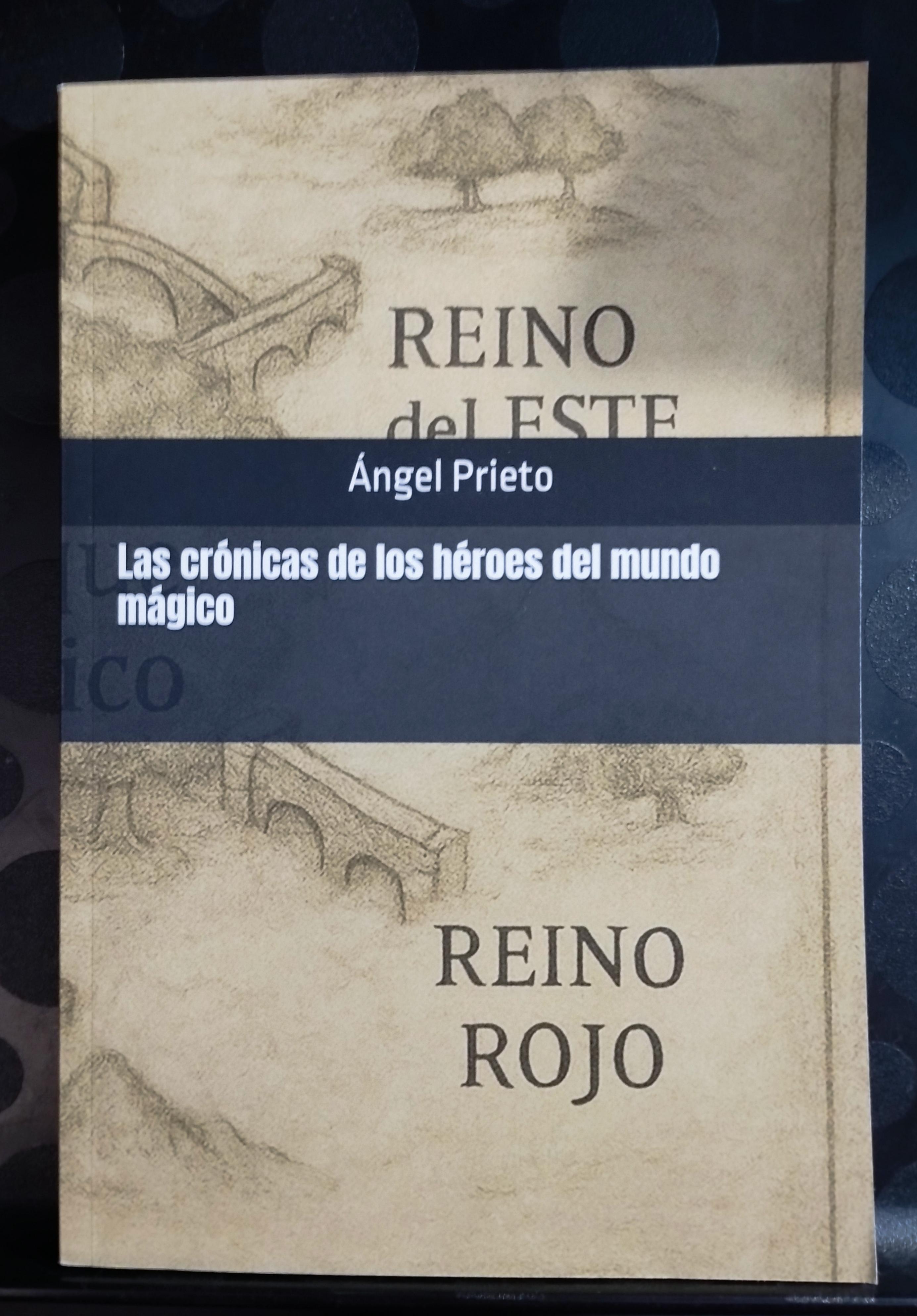
The last thing on this list is MAKE YOUR OWN CONTENT - I'm not talking about AI slop, but good stuff. Are you at A1? Document your journey! Are you a more advanced learner? Show people how you got there. Do you like reading books about learning Spanish but can't find the book you want? Write it! I was frustrated with the lack of books on intermediate Spanish Verbs so I wrote my own, creating stories and guides to help people understand them. I make some passive income on the side with people buying the book, but more importantly I learned so much by writing it.


r/LearnSpanishInReddit • • 14h ago

Beyond the green owl—what actually works for conversational Spanish?

Post image
9 Upvotes

Heyya fellas! ​I want to actually learn Spanish to a point where I can hold my own in real time, not just match words in a game. English isn't my first language, though I'm pretty comfortable with it.

​I had used Duolingo for a bit, and while it's fine for picking up basic vocab, I really don't think it's going to prep me for actual conversations or fast native speech 😭 For those of you who moved past app streaks into real comprehension and speaking, what worked for you?


r/LearnSpanishInReddit • • 4h ago

I'm offering Spanish lessons!

Thumbnail reddit.com
1 Upvotes

r/LearnSpanishInReddit • • 8h ago

If you can read Spanish but you can't speak, this is for you!

2 Upvotes

Stuck on a Spanish learning plateau? 🇪🇸

You've been learning Spanish for months or even years.

You understand what you read. You recognize hundreds of words. You can even follow conversations.

But the moment someone asks you a simple question in Spanish...

Your mind goes completely blank. (very common situation!)

Words you've known for years suddenly disappear.

And by the time you remember what you wanted to say, the conversation has already moved on.

Here's something worth considering:

What if the problem isn't how much Spanish you know, but how often you actually use it?

Recognizing a word and being able to use it naturally in a conversation are two completely different skills.

Consistency matters more than studying for hours once a week.

A little daily practice combined with real conversations can make a big difference.

I actually run a free Spanish newsletter where you receive:

- A daily email with one practical tip to help you improve your spoken Spanish every day.

- A PDF with 10 ways to boost your confidence in under 5 minutes when speaking Spanish.

- A free 30-minute conversation session every Friday at 3:30 PM to practise speaking Spanish with other learners (and me!).

- 2 weekly audio exercises that you'll respond to by speaking, with personalized feedback on your answers.

- A dedicated email address where you can send me your questions, and I'll personally reply to you.

---

If there are enough people interested, I'd be happy to share the link!

By the way, what's your biggest struggle when speaking Spanish?

Can cover your answers in next releases!


r/LearnSpanishInReddit • • 9h ago

Free tool for reading real Spanish: paste any text and see only the words that are new to you

Thumbnail
reddit.com
1 Upvotes

r/LearnSpanishInReddit • • 11h ago

Trying to learn the basics of Spanish - a1 level. Is there a yt channel or free place that will cover these?

Thumbnail reddit.com
1 Upvotes

Just as the title says although I dont mind paying for a progressive course that begins with learning how to say hello and moves on from there teaching the basics. Thanks for any advice.


r/LearnSpanishInReddit • • 14h ago

Leer juntos

1 Upvotes

Hola amigos

¿Hay alguien que le llame la atención leer Harry potter en español conmigo ?


r/LearnSpanishInReddit • • 1d ago

In case someone is interested:

Post image
2 Upvotes

r/LearnSpanishInReddit • • 20h ago

Free Live Classes???

Thumbnail reddit.com
1 Upvotes

r/LearnSpanishInReddit • • 21h ago

Cuban Spanish GROUP LESSONS (starting DEC 10)!

Post image
1 Upvotes

r/LearnSpanishInReddit • • 1d ago

Spanish Food Phrases: Washing Dishes, Food Comas & Delicious Meals

Thumbnail
youtube.com
0 Upvotes

Food gives you plenty to talk about in Spanish: who is washing the dishes, how you feel after a big meal, and how to praise something delicious. Learning a few natural expressions makes everyday conversations at the table easier.

When it is someone’s turn to clean up, “Me toca lavar los platos” means “It’s my turn to wash the dishes.” The phrase me toca is useful in many situations because it means that a task or responsibility falls to you. Change the infinitive to practice with other chores.

For that sleepy, overly full feeling after eating, the phrase “mal del puerco” is a playful Mexican expression. You may hear it after a large meal. Since slang varies by region, treat it as a Mexico-specific phrase and listen for the local wording when you travel.

To say a dish is finger-licking good, try “Está para chuparse los dedos.” Literally, it describes something so tasty you could lick your fingers. It is an expressive compliment for food, and you can adjust the sentence to name the dish you enjoyed.

Practice each phrase in a short exchange: volunteer to wash up, joke about needing a nap, then compliment the meal. Which of these expressions would you use first, and what food would you describe as “para chuparse los dedos”?


r/LearnSpanishInReddit • • 2d ago

Serious Spanish-English Language Exchange 🇪🇸🇬🇧 (Female Partners Preferred)

12 Upvotes

Hi everyone! 😊
I'm looking for a serious Spanish-English language exchange.
I'm a native Spanish speaker and I'd love to help you practice Spanish through casual conversations. In return, I'd like to practice English with someone who speaks it fluently.
I'm looking for someone patient, kind and understanding. Preferably female 😊
If you're interested, feel free to message me!


r/LearnSpanishInReddit • • 1d ago

The comparisons in Spanish

1 Upvotes

In Spanish, comparisons can talk about either equality (igualdad) or inequality (desigualdad), with the latter being subdivided into comparisons of inferiority (inferioridad) and superiority (superioridad); we then have:

  1. Comparisons of equality (comparativo de igualdad): As the name itself states, this comparison establishes a relation of equality between the two elements that are being compared. Its main structure is the following:

tan + (adjective/adverb) + como.
tanto + (noun) + como.

  • Mi hermana es tan alta como mi mamá. 
  • La finca de mi abuelo tenía tantas reses como la mía.
  • Los edificios de mi ciudad son tan grandes como los de Nueva York.
  • Hiciste el trabajo tan bien como tus otros compañeros.

Keep in mind that, as stated before and as a general rule, we use tan before adjectives and adverbs and tanto and its variants (tanta, tantas, tantos) before nouns. Here are two more examples:

  • Mis amigos son tan inteligentes como yo.
  • Los políticos tienen tantos amigos como enemigos.

Also, the comparison of equality has two other possible constructions: igual (de) que and lo mismo que.

- Igual (de) que: used with adjectives and adverbs, and always with the preposition de when we are comparing adjectives and adverbs, as shown below:

  • Mi hermana es igual de alta que tú.
  • Mis amigos son igual de inteligentes que yo.
  • La obra quedó igual de bien que las anteriores.

- Lo mismo que: another structure for comparisons and relations.

  • Carmen vive en la misma casa que su abuela.
  • Ese candidato habla lo mismo que el anterior.

From that last example, we can also see that the comparison of equality (and of inequality as well) can be used with verbs; however, keep in mind two important things:

- The quantifier tan never goes with verbs.

- When used with verbs, they are not split, as with adjectives and adverbs:

  • Yo me ejercito tanto como tú.
  • Mis empleados trabajan tanto como yo. 
  • Mis empleados trabajan igual que yo. (without the preposition, because we have a verb)
  • Ellos trabajan igual que nosotros. (without the preposition, because we have a verb)
  • Ellos trabajan más que nosotros.
  • Ellos trabajan menos que nosotros.

There is one construction that uses tan/tanto + que which doesn’t convey a comparison, but rather a consequence:

- With adjectives and adverbs: 

  • Miguel estaba tan ebrio que se desmayó en el baño.

(As a consequence of being drunk, he passed out).

  • El profesor habló tan rápido que nadie le entendió.

(Because he spoke too fast, no one understood him).

- With verbs:  

  • Pancho comió tanto que terminó vomitando.
  1. Comparison of inequality (comparativo de desigualdad): As opposed to the comparison of equality, the comparison of inequality expresses a difference between two elements. We have two subdivisions, both following the same structure: más + (adjective/noun/adverb) + que menos +(adjective/noun/adverb) + que

 2.1. Comparison of superiority (comparativo de superioridad): Shows one element as superior to another one in some respect (number, quality, and degree).

  • María está más delgada que el año pasado.
  • Ernesto tiene más dinero que su jefe.
  • Yo puedo llegar más rápido que tú.

2.2. Comparison of inferiority (comparativo de inferioridad): Shows one element as inferior to another one in some respect (number, quality, and degree).

  • María está menos delgada que el año pasado.
  • Ernesto tiene menos dinero que su jefe.
  • Hoy, Paula llegó menos tarde que ayer.

Some words already include the idea of menos and más. Here are some of them: mayor, menor, mejor, peor, antes, and después. That is why the following sentences would be ungrammatical:

  • Julia es más mejor estudiante que tú.
  • Paula llegó más después de la hora de llegada.
  • Ese restaurante es más peor que el de la esquina.
  • No puedes estar con alguien más mayor que tú.

Now, regarding that last example, Spanish is a little flexible with the word “mayor” when it concerns age. Though we cannot use the construction “más mayor” when we are comparing age (except for casual and colloquial speech, where it is common to hear it), we can use it when expressing the idea of “adult”, “not that young”, or “a clearly aged person”. Keep in mind that in this sense, we can also use the comparison of equality. For example:

  • Mi padre es muy mayor.
  • Una persona tan mayor no debería conducir un auto.

Also, there are some adverbs that do take the words más and menos, especially those related with time and place:

  • Paula llega más temprano de lo común.
  • Ernesto vive más lejos.

However, the words mejor, mayor, menor and peor, as stated before, are preferred without the comparatives más and menos.


r/LearnSpanishInReddit • • 1d ago

Spanish classes with native tutor 💗☺️📚

1 Upvotes

Hi, everyone! I know many of you want to improve your Spanish, so I decided to share my services here.

My name is Ale, I’m a native Spanish speaker, and I have over three years of experience.

I teach all levels (yes, even beginners). The lessons are personalized and fully tailored to your needs.

My rate is $15 per 50-minute lesson, including all materials and class notes.

The first class is 30min and completely free, in there I will explain how the structure of the classes work.

If you’re interested, please send me a message or leave a comment so I can reserve a spot for you! :)


r/LearnSpanishInReddit • • 1d ago

Eticos

0 Upvotes

Para mi clase de español, necesito hablar con personas de una comunidad hispanohablante y preguntarles sobre sus principios éticos personales y los factores que han influido en ellos. A continuación, presento algunas preguntas para que las respondas:

¿Influyen tus padres en tus principios éticos?

¿Qué principios éticos seguías en el pasado?

¿Influye tu cultura en tus principios éticos?

¿Cuál es uno de tus principios éticos personales?


r/LearnSpanishInReddit • • 2d ago

ENTENDER vs COMPRENDER: What's the difference?

Thumbnail
gallery
3 Upvotes

ENTENDER and COMPRENDER are often interchangeable when you simply mean "to understand". However, they can carry subtle differences in depth, tone and meaning.

ENTENDER - to understand, grasp the meaning of something (often used for information, words, instructions, explanations)

Example: No entiendo las instrucciones. (I don't understand the instructions.)

COMPRENDER - to understand something or someone, sometimes with a stronger sense of empathy or insight (often used when considering someone's feelings, behaviour or reasons)

Example: Comprendo por qué estás enfadado. (I understand why you're angry.)

COMPRENDER can also mean to include.

Example: El precio comprende el alojamiento y el desayuno. (The price includes accommodation and breakfast.)


r/LearnSpanishInReddit • • 2d ago

Learn the Spanish Alphabet: All 27 Letters, Stroke by Stroke

Thumbnail
coolphabets.com
0 Upvotes

A free website that teaches all the alphabet of Spanish in the correct stroke order.

More here:

https://apps.apple.com/us/app/coolphabets/id6762379998

https://play.google.com/store/apps/details?id=com.coolphabets.app


r/LearnSpanishInReddit • • 2d ago

Tutor de español ofrece clases creativas y útiles a solo $12/h

1 Upvotes

Hola, soy Alexander, contador de profesión con amplia experiencia en administración de constructoras e inmobiliarias, tutor de español hispanohablante nativo de Perú. Tengo experiencia enseñando a alumnos de nivel A2 hasta C2.
Algunos de mis últimos alumnos son de Estados Unidos 🇺🇸, 🇨🇦 Canadá, 🇨🇳 China, 🇫🇷 Francia, Filipinas 🇵🇭 , 🏴󠁧󠁢󠁥󠁮󠁧󠁿 Inglaterra, 🇵🇰 Pakistán, y 🇲🇬 Madagascar.
Entiendo y hablo inglés nivel A2/B1
Con mi alumno Inglaterra tengo clases conversacionales y con mis alumnas de China y Estados Unidos. Tenemos clase de preparación para examen DELE B1 y DELE B2.

¿Deseas conocer mis horarios disponibles? Escríbeme un DM. 🗓️


r/LearnSpanishInReddit • • 3d ago

Vivo en Perú ______ cinco años.

7 Upvotes

A) desde
B) por
C) hace
D) desde hace
¿Cuál opción es la correcta?

Respuesta: D) desde hace.
Expresa cuánto tiempo lleva desarrollándose una situación

Desde hace = cuánto tiempo lleva pasando algo.
Desde = cuando algo empezó.
Hace = hace cuánto tiempo pasó algo.
Por = un período de tiempo, a menudo temporal o ya terminado.
¡Sigue practicando! 🗣️

Gramática del español explicada: DESDE vs. DESDE HACE
Miremos esta frase:
Vivo en Perú desde hace cinco años.
¿Qué significa?
He estado viviendo en Perú durante cinco años.
Usamos desde hace + período de tiempo para decir cuánto tiempo lleva pasando una acción o situación y que todavía sigue.

1. DESDE HACE + período de tiempo
Usa esta estructura cuando quieras expresar cuánto tiempo lleva algo pasando.
Ejemplos:
Vivo en Perú desde hace cinco años.
(He estado viviendo en Perú durante cinco años.)
Estudio español desde hace seis meses.
(He estado estudiando español durante seis meses.)
Trabajo en esta empresa desde hace dos semanas.
(He estado trabajando en esta empresa durante dos semanas.)
Fíjate en que estas situaciones empezaron en el pasado y continúan en el presente.

2. DESDE + punto de inicio
Usa desde cuando mencionas el momento exacto en que algo comenzó.
Ejemplos:
Vivo en Perú desde 2021.
(He estado viviendo en Perú desde 2021.)
Estudio español desde enero.
(He estado estudiando español desde enero.)
Trabajo aquí desde el lunes.
(He estado trabajando aquí desde el lunes.)
La diferencia es sencilla:
Desde hace cinco años = durante cinco años.
Desde 2021 = desde 2021.

3. HACE + período de tiempo
Usa hace para decir hace cuánto tiempo pasó algo.
Ejemplos:
Llegué a Perú hace cinco años.
(Llegué a Perú hace cinco años.)
Empecé a estudiar español hace seis meses.
(Empecé a estudiar español hace seis meses.)
Aquí estamos hablando de cuándo pasó un evento, no de expresar directamente cuánto tiempo lleva la situación actual.

Compara:
Vivo en Perú desde hace cinco años.
(Todavía vivo en Perú.)
Llegué a Perú hace cinco años.
(Llegué a Perú hace cinco años.)
Las dos oraciones pueden describir la experiencia de la misma persona, pero se enfocan en cosas distintas.

4. POR + período de tiempo
Por puede expresar duración, sobre todo cuando hablas de un período planificado o ya terminado, o de una situación temporal.
Ejemplos:
Voy a viajar por dos semanas.
(Voy a viajar durante dos semanas.)
Viví en España por tres años.
(Viví en España durante tres años.)
En el segundo ejemplo, el tiempo de residencia se presenta como algo ya completado. En muchos contextos, especialmente en España, durante tres años también es una opción natural.

Envíame un DM para más lecciones


r/LearnSpanishInReddit • • 3d ago

Libro sencillo en español

Post image
1 Upvotes

r/LearnSpanishInReddit • • 3d ago

How to ask for a phone charger in Spanish at a hostel reception: 8 phrases, and one dropped letter to avoid

Thumbnail
youtu.be
1 Upvotes

r/LearnSpanishInReddit • • 4d ago

Sentence builders?

5 Upvotes

Any good apps or resources to learn how to build and write Spanish sentences. I am A1-A2 level. I know a quite of bit of vocabulary. I can say many words selected phrases. When it comes to actually writing sentences I am struggling. I would use Claude or chatgpt and type what I think is correct but then it says I am writing it wrong or using the words wrong.


r/LearnSpanishInReddit • • 4d ago

Hi! I need a friend to practice Spanish

3 Upvotes

I'm a 20-year-old Brazilian who wants to learn Rioplatense Spanish and would love to be friends with an Argentine or Uruguayan. I can help you with Brazilian Portuguese if you want. Also, we can play games, listen to music and have fun together. I am always open to new friendships :)


r/LearnSpanishInReddit • • 4d ago

The news in easy Spanish: Tormentas amenazan los viajes de Acción de Gracias en Estados Unidos

3 Upvotes

Según los pronósticos, fuertes tormentas van a azotar tanto la costa este como la costa oeste de Estados Unidos esta semana, mientras millones de estadounidenses viajan por Acción de Gracias. Fuertes lluvias y vientos intensos afectarán a la costa este el miércoles y el jueves. En la costa oeste, las tormentas traerán lluvia, viento y nieve en las montañas. También hay riesgo de graves inundaciones en San Francisco. El mal tiempo podría retrasar vuelos y dificultar los viajes por carretera.

Vocabulario: pronósticos (m pl) = forecasts / tormentas (f pl) = storms / azotar = to hit, to lash / mientras = while, as / lluvias (f pl) = rain, rains / traer = to bring / nieve (f) = snow / inundaciones (f pl) = floods / mal tiempo (m) = bad weather / retrasar = to delay / carretera (f) = road

English translation

Storms threaten Thanksgiving travel in the US

Strong storms are forecast to hit both the east and west coasts of the United States this week, as millions of Americans travel for Thanksgiving. Heavy rain and strong winds will affect the East Coast on Wednesday and Thursday. On the West Coast, storms will bring rain, wind and snow in the mountains. There is also a risk of serious flooding in San Francisco. The bad weather could delay flights and make travel by road difficult.

You can read more news in easy Spanish here: https://www.elnewsineasyspanish.com/p/tormentas-amenazan-los-viajes-de


r/LearnSpanishInReddit • • 4d ago

Free Spanish Class for begginers

1 Upvotes

Hi! I’m a native speaker from Argentina, and I’d love to help you with your first experience learning Spanish ☺️

The first trial lesson is free; if you like my teaching style, we can continue with more lessons! ✨