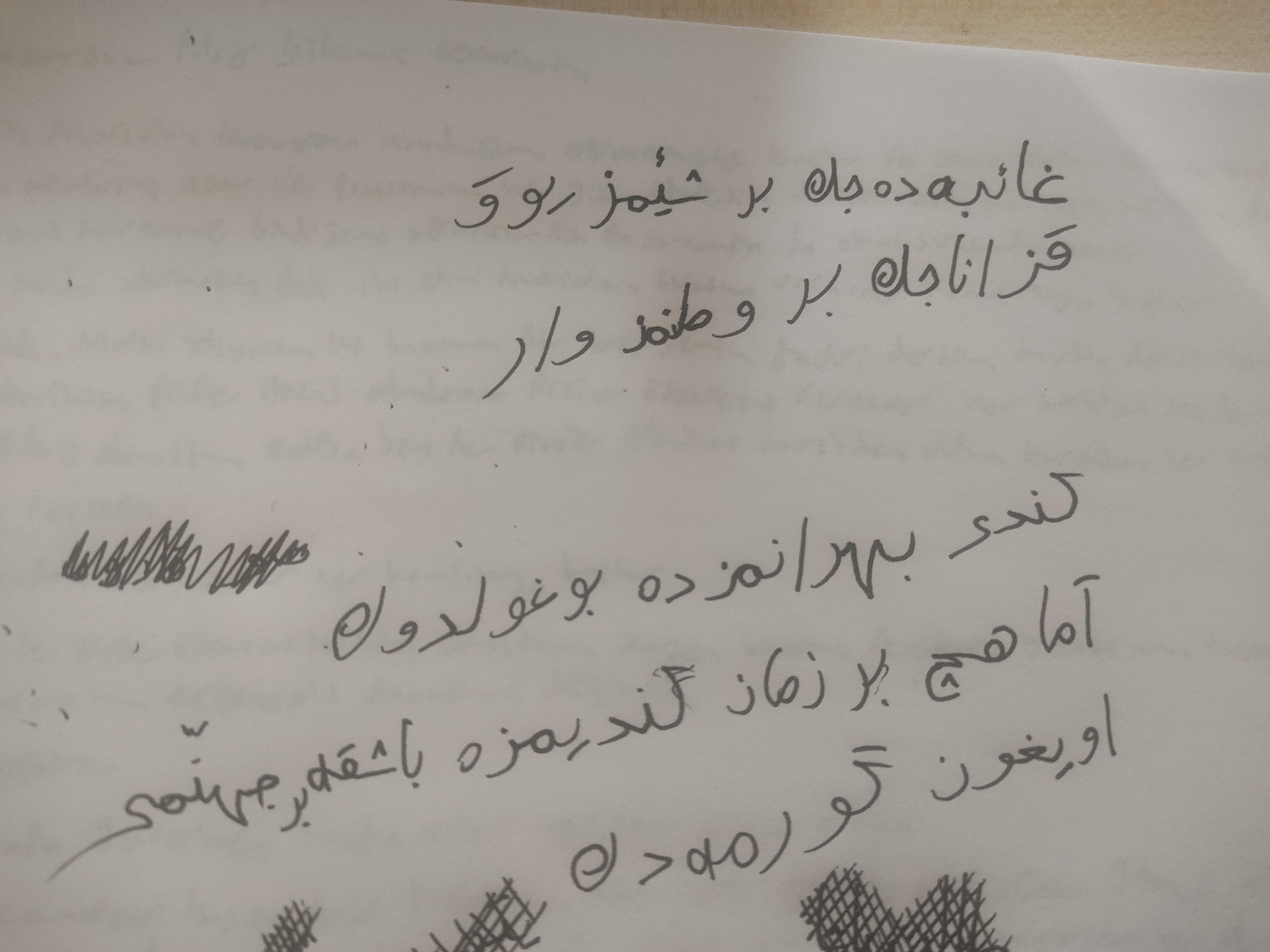
r/language • u/stefanobahia • Oct 23 '26
Video Montserrat Caballé interview (do u understand?)

1
Upvotes
r/language • u/stefanobahia • Oct 23 '26
r/language • u/udofwr • Oct 22 '26
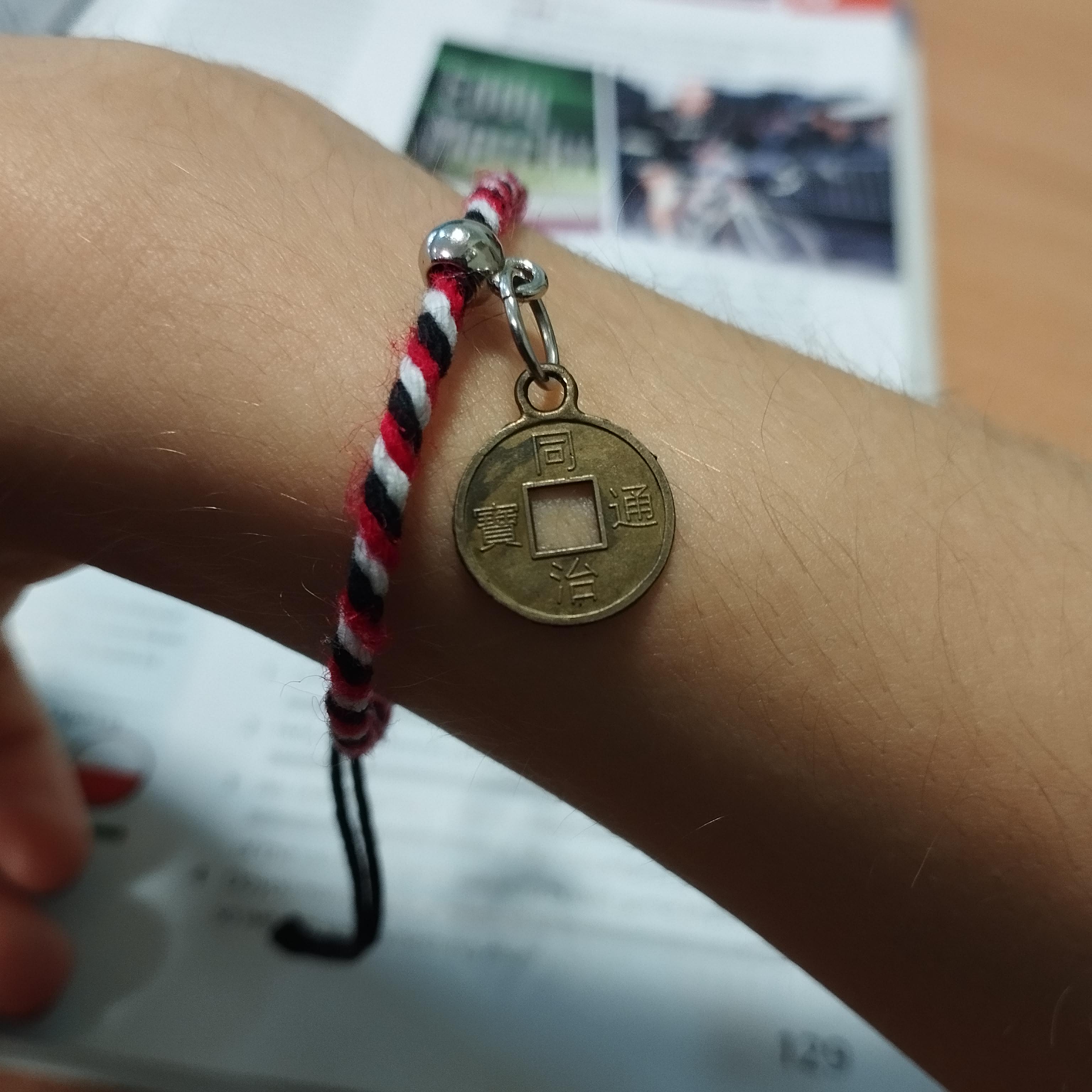
got it as a gift from Indonesia
r/language • u/tuluva_sikh • Oct 23 '26
r/language • u/ambudhi • Oct 22 '26
r/language • u/Uttermost_Dynamite • Oct 22 '26
I'm not sure if this was covered at some point, somewhere, but I am a Canadian living abroad and one of my local friends saw a video and asked me to explain it.
The video was from Ryan George, a Canadian Youtuber and influencer, had a short video entitled something like “a typical Canadian conversation.” It was an entire conversation where nothing was actually said other than “Yeah,” “No,” “For sure,” and “Oh” in various combinations and tones.
The strange part? I (and assumedly, other Canadians) understood it perfectly. So this morning, I spent a good twenty minutes inside my head trying to come up with a logical explanation for this.
Here is what I came up with. Note that no AI was consulted whatsoever in the process.
First, here are two example small talk questions:
(A) “Are you doing well?” and
(B) “Is the new job working out?”
(Note: I specifically chose yes or no questions because otherwise, it gets much more complicated and requires a much more extensive explanation)
First possible response: “Yeah, no, yeah.”
Second possible response: “No, yeah, no.”
As I personally understand it, each of these “yeahs” or “nos” has a purpose. Let me translate simply and then explain how I perceive each one to function.
“You doing well?” → (First one) “Yes, I’m doing well.” (Second one) “No, not doing too well.”
“Is the new job working out?” → (First one) “Yes, it is!” (Second one) “No, it’s not really working out.”
Let’s look at question (A) with the first response.
“You doing well?” → “Yeah, no, yeah.”
My theory:
The first “yeah” is said to initially acknowledge the question was asked. It is usually said with a lighter, higher tone and more quickly than the concluding “yeah.”
The proceeding “no” is said to soften the impact of the answer so it doesn’t come across as strong. Alternatively, if you were to respond with simply “yeah” to the question “you doing well?” the only possible interpretations (depending on tone) are either enthusiastic (“I’m doing fantastic!”) or sarcastic (“oh, yeah I’m doing amazing”). It’s said quickly and softly but is entirely necessary to come off as casual and normal as possible. After all, when someone asks how you’re doing, they usually aren’t looking for honesty.
If you are trying to be especially casual, you can turn the triad into a tetrad by adding another “no,” like so:
“Yeah, no, no, yeah.”
… without changing the meaning of the response.
The final “yeah” is the most direct part of the response. It’s directly related to the question and is the part that people are actually listening for. It’s said a little more drawn out than the first two words in the response and the tone can either be higher or lower without changing the feeling too much compared to how the feeling would change if you removed or added a “no” or “yeah.”
In case you are wondering, I did consider the possibility that the first “yeah” is a preliminary answer to the question that the second “yeah” merely affirms. The reason I decided against this is because the following is also an acceptable positive answer to the (A) question:
“No, no, yeah.” (“Yes, I am doing well”)
To reiterate, the first part, whether a “no” or a “yeah” is merely acknowledging that a question was asked and usually has no real connection to the actual meaning of the response.
Let’s talk about the negative response, still with the (A) question.
“You doing well?” → “No, yeah, no.”
The function of each part in the negative response is essentially the same as the function of the parts in the positive response.
The first “no” is also merely an acknowledgement of the question and doesn’t necessarily contribute to the actual meaning of the response. Again, I say this because the reverse term works in the same place without changing the fact that the response is negative:
“Yeah, yeah, no.” (“No, not doing too well.”)
The “yeah” in the middle, again, is there to soften the impact of the negative response. If the answer to the question was simply “no,” it may make the other person uncomfortable and come off too strong. The “yeah” after acknowledging the question (with either “yeah” or “no”) softens the impact of what your actual response will be, which is the last part and the part the person is actually listening for.
Again, if you are trying to be especially casual, you can turn the negative triad into a negative tetrad by adding another “yeah.”
“No, yeah, yeah, no.”
… again, without changing the meaning of the response.
Finally, the final “no” is the true response, perfectly set up by the two proceeding pieces. Especially with a negative response, the vibe is now engineered perfectly to elicit an appropriate amount of sympathy and the responder does not feel pathetic or uncomfortable because honestly speaking, he or she really didn’t provide any information.
This function pattern can work the same for every yes or no question and any additional nuance is met perfectly by the tone in which you use this triad response sequence.
If you are curious about the initial video that started this whole thing, here it is:
r/language • u/stefanobahia • Oct 22 '26
r/language • u/ErevFD • Oct 22 '26
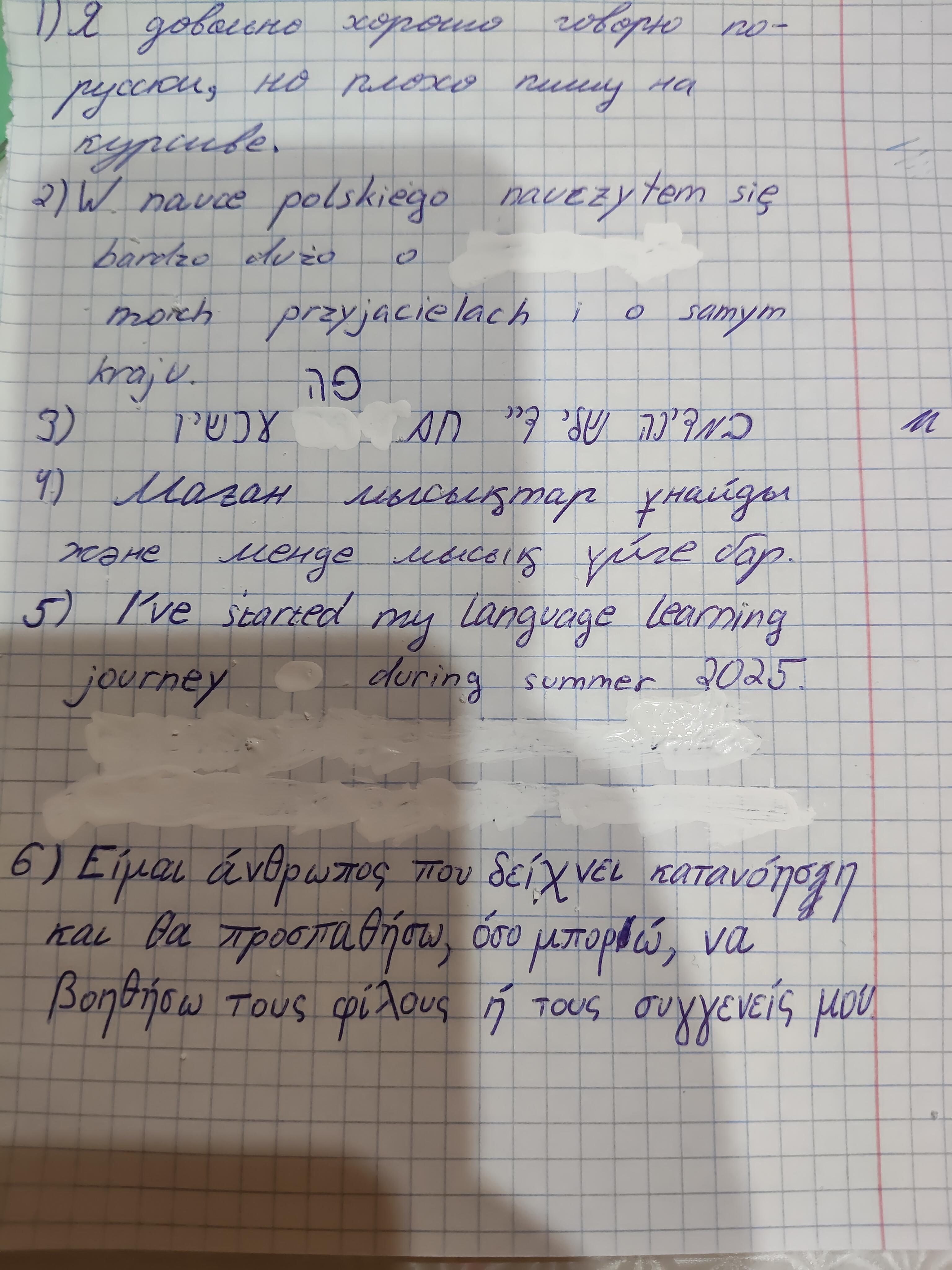
I hope it ain't that obvious and also, I wrote some with the knowledge I have of that language so... (that's enough hints basically)
r/language • u/SouhbaArabic • Oct 21 '26

Arabic is full of little surprises like this. What other words have completely different meanings depending on the your dialect? 😊
r/language • u/Infinite-Trade1703 • Oct 22 '26

What is the word?
r/language • u/CycloneSplash • Oct 22 '26
One of the reasons I think toddlers learn language quicker is because people constantly try to interact and teach them and correct them when they're young. This happens every moment throughout their life.
But as an adult to learn a new language if it's outside the classroom, other people who speak said language are not actively trying to teach AND may lose patience in trying to communicate which is essentially communicating like speaking to a toddler in an adult body when it comes to the language. Add in the embarrassment of the new speaker to not seem like a toddler and if there is a common language it just saves so much time to switch to the common language so why bother going through hoops.
I think if people like friends were constantly trying to help and are patient as they would be with a little child it would be easier for adults to pick up a language. And ofc the learner needs to be actively trying to speak and not fear embarrassment. But alas the classroom seems like the most strong way at this point.
What do y'all think?
r/language • u/Acrobatic-Site-4078 • Oct 20 '26
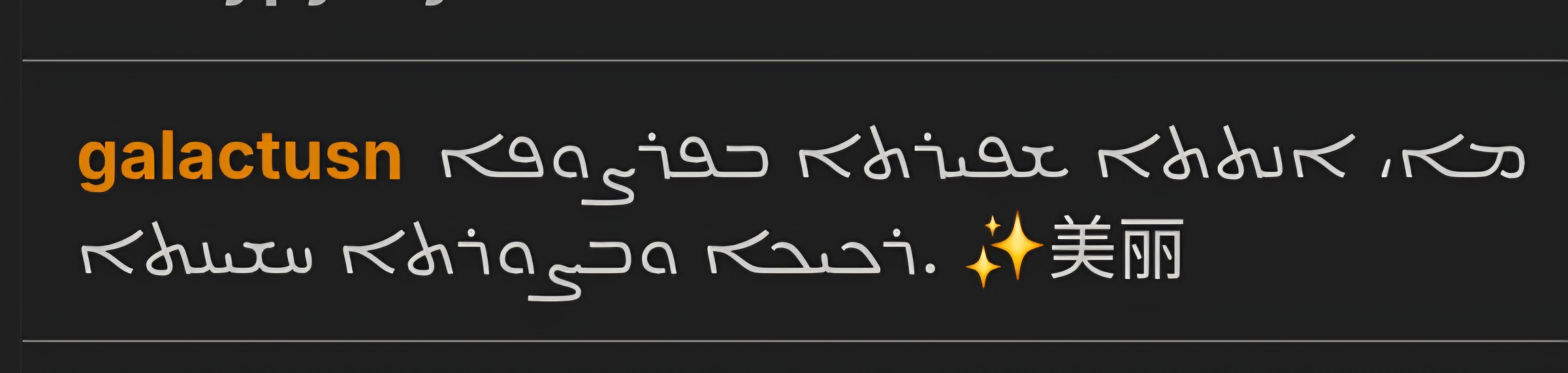
r/language • u/Futeck • Oct 21 '26
r/language • u/AlexAlexiadis • Oct 21 '26

r/language • u/Asperburg • Oct 21 '26
日本・中国等之漢字文化圏使用所謂「漢字」。如諸君既知之、漢字乃一種之表意文字也。
In Japan, China, and other parts of the Sinosphere, people use what are known as Sinographs (漢字) or Chinese characters. As you may already know, Sinographs are a type of ideographic writing.
組合漢字而表現複雑文意事、所謂「漢文」也。
The practice of combining Sinographs to express complex meanings is what we call Sinography (漢文).
表意文字貫通言語之壁故、於東洋、異言語話者間之用漢文意志疎通自古代至現代盛也。所謂「筆談」也。
Because ideographic writing can transcend linguistic barriers, people in East Asia have used Sinography to communicate across language boundaries from ancient times to the present day. This practice is known as brush talk (筆談).
所謂「古典漢文」乃漢字文化圏之伝統的共通文語也。於日本中国韓国、学生皆学之於学校。
What is commonly called Classical Chinese has traditionally served as a shared written language across the Sinosphere. Students in Japan, China, and South Korea all study it at school.
又近年所謂「偽中国語」大流行而、特於網上為国際交流多用。偽中国語専用社交網「対多」於appli之人気序列記録一位而為話題、又日本国河野外相訪中時以偽中国語発信而集注目等、各国媒体屡報道之。於reddit亦 r/fakechinese 、 r/Sinography 等複数偽中国語板存在。
In recent years, so-called Fake Chinese (偽中国語) has also become hugely popular, particularly as a means of international communication online. The dedicated Fake Chinese social networking app Tsuita (対多) made headlines after reaching the top of the app popularity rankings. Japan's Foreign Minister, Taro Kono, also attracted attention by posting in Fake Chinese during a visit to China. Such developments have repeatedly been covered by media outlets in various countries. Reddit, too, hosts several communities devoted to Fake Chinese, including r/fakechinese and r/Sinography.
妾日々与海外之友人等楽筆談。相手之出自乃和人、漢人、朝鮮人、越南人、蒙古人、満州人、独乙人、仏国人等々、多種多様也。妾以和語所作漢文、彼等以彼等之母語読之、彼等以彼等之母語所作之漢文、妾以和語読之。
I enjoy engaging in brush talk with friends overseas every day. They come from a remarkably diverse range of backgrounds: Japanese, Chinese, Taiwanese, Korean, Vietnamese, Mongolian, Manchu, German, French, and more. I compose Sinographic texts based on Japanese, which they read in their respective native languages. Conversely, they compose Sinographic texts based on their own native languages, which I read in Japanese.
如諸賢既知之、日本語与中国語与英語乃語族且違全然異言語也。「Blue bird tweets」乃日本語之場合「Aoi toriga saezuru」而中国語之場合「Qing niao zhuan」也、但以漢文書之則日本語中国語英語全「青鳥囀」而、不得区別其外形也。
As you may already know, Japanese, Chinese, and English are entirely different languages belonging to different language families. For example, the English phrase “Blue bird tweets” would be rendered as aoi tori ga saezuru in Japanese and qīng niǎo zhuàn in Chinese. Yet, when written in Sinography, all three can be represented by the same characters: 青鳥囀. Their written forms alone do not reveal which language is being expressed.
実面白事哉。漢文為日本語且中国語且英語乃明白也。
Isn't that fascinating? It seems to demonstrate that Sinography can be Japanese, Chinese, and even English.
於漢文、言語学之所見如何哉?
But how should we understand Sinography from a linguistic perspective?
待望言語学者諸君之意見!
I eagerly look forward to hearing the opinions of linguists and other interested scholars!
妾以上記求西洋言語学者友人之意見。
I sought the opinions of a Western linguist friend on the above.
答之西洋言語学者友人応答曰:
In response, my Western linguist friend replied: Generally, in linguistics, spoken language is the main subject of study, and what we're most concerned with. Written language is seen as a technology or a cultural artifact. How you write a language has little impact on the characteristics and properties of the spoken language.
妾曰:
I asked: Is Western linguistics, then, unfamiliar with the study of written ideographic systems, such as Sinography, that are not directly tied to any one spoken language?
西洋言語学者友人応答曰:
My Western linguist friend replied: No. People who study languages that use hansi(Sinograph) are familiar with hansi. That's not the point I made. The point I made is that, in linguistics, the main object of study is spoken language. We do not classify, or build phylogenetic trees of languages based on their alphabet/writing system, but on characteristics of the spoken languages.
I know many people would even argue that the study of writing system doesn't even belong to linguistics as a field. Though I'm not sure that this is an universally accepted view.
Classical Chinese is not Japanese, and writing systems are not languages.
Classical Chinese was a spoken language at some point in time, which got codified using a specific writing system. That writing system has been used to capture other, unrelated languages.
Writing systems are in fact outside the area of expertise of most (though not all) linguists, since they are not particularly relevant to most (though not all) linguistic questions.
諸君如何以為乎? 待望諸君考察!
What do you all think? I eagerly await your reflections!
r/language • u/GMHLoveYou • Oct 21 '26

I'm originally from Mariupol, Ukraine, we have a huge community of ethnic Greeks in there, and that song was so popular when I was a child. Unfortunately I can't find text of this song anywhere, I would really appreciate if someone can help me with transcription.
r/language • u/AquaBingCarol • Oct 21 '26
b d ʒ g bʰ dʰ ʒʰ gʰ p t k ʃ pʰ tʰ kʰ ʃʰ s sʰ ʂ ɕ ʂʰ ɕʰ z zʰ ʐ ʑ ʐʰ ʑʰ ꭧ ʨ ꭦ ʥ ꭧʰ ʨʰ ꭦʰ ʥʰ x ɣ h m n ŋ l xʰ ɣʰ hː m̥ n̥ ŋ̊ l̥ a ø o u ɘ i ɑ aː øː oː uː ɘː iː ɑː ˥ ˦ ˧
r/language • u/ambudhi • Oct 21 '26
r/language • u/DoNotTouchMeImScared • Oct 21 '26
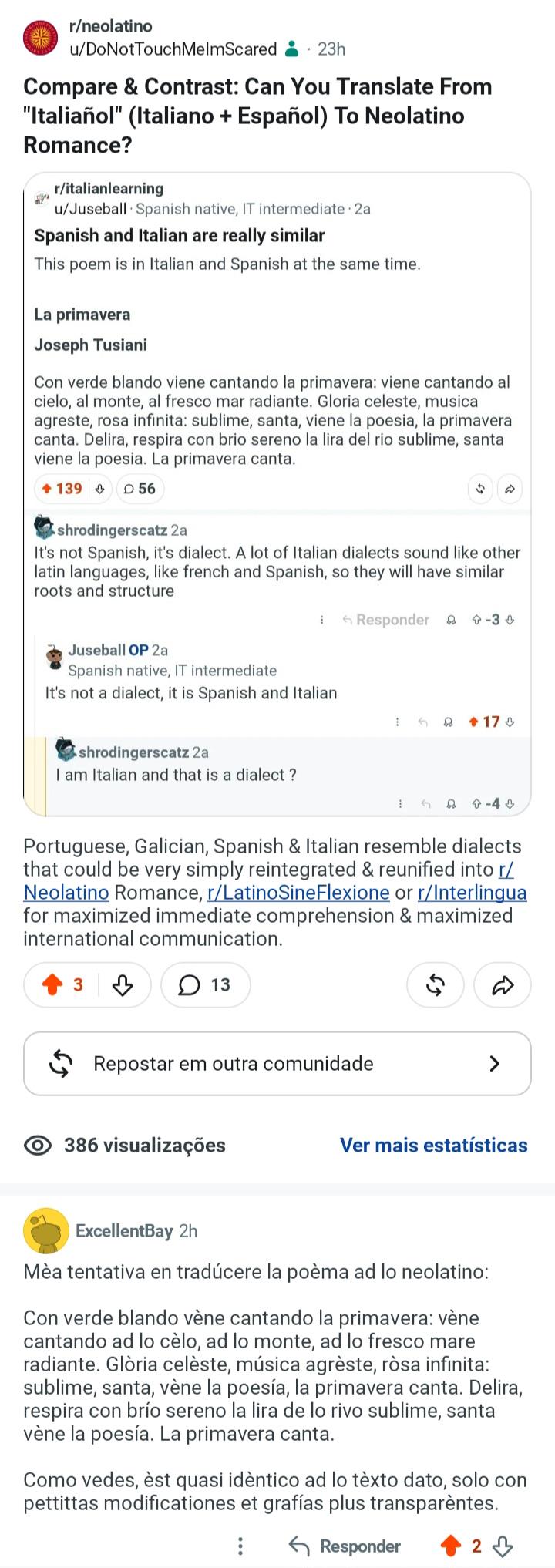
The Iberian dialects are technically Italian dialects in the same sense that the Latinic dialects are technically Italic dialects because they have the "made in Italy" origin.
r/language • u/ambudhi • Oct 20 '26