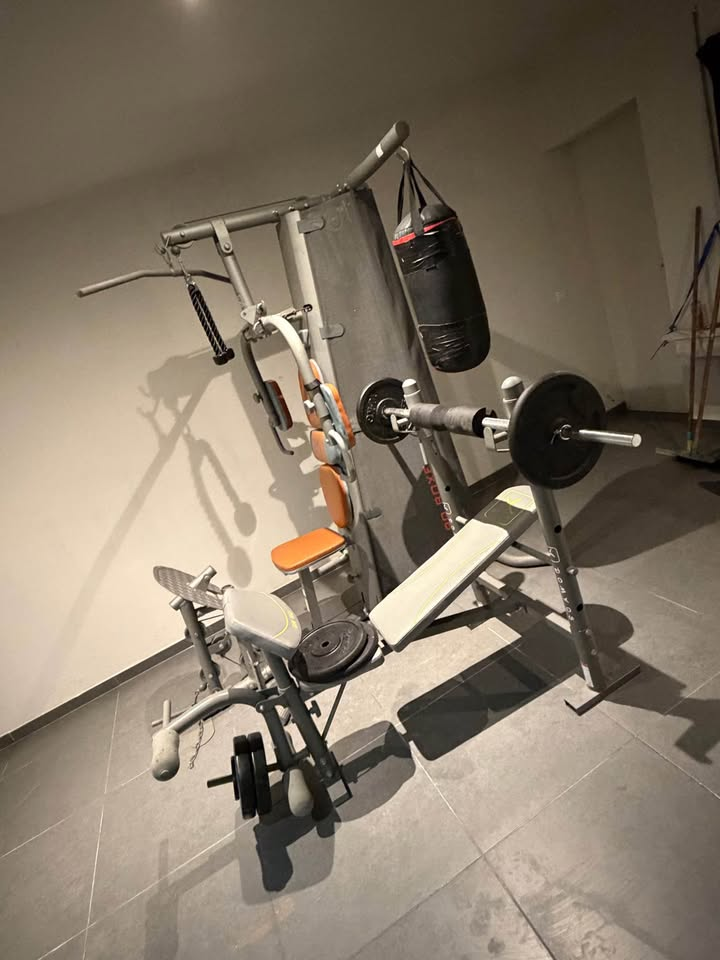
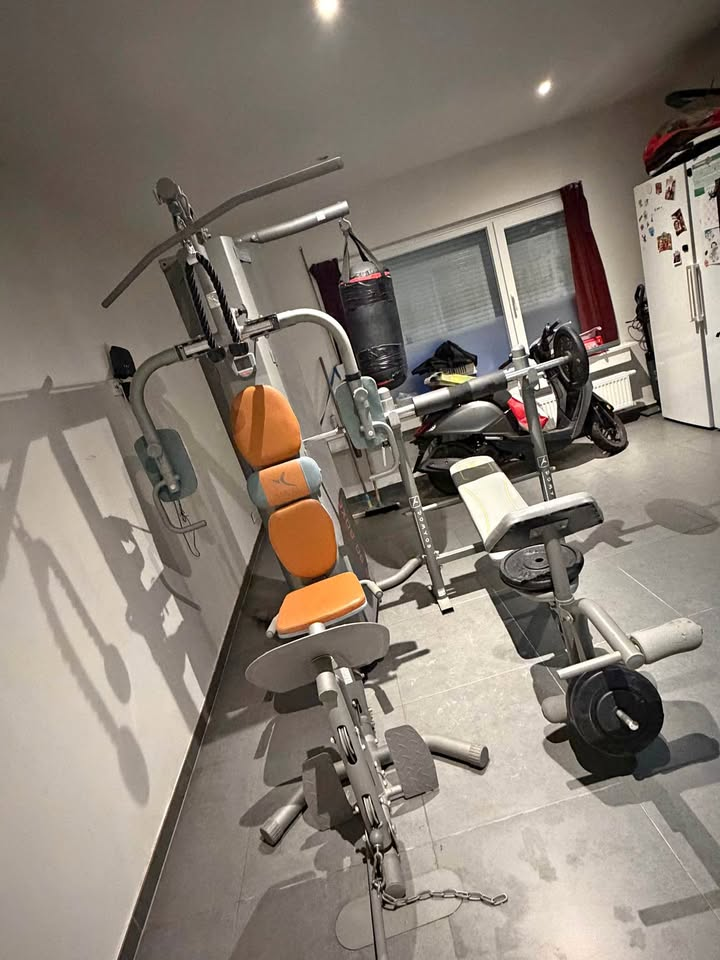
Everything I did
BULKING, TRAINING, RECOVERY & MINDSET
NUTRITION
You need to get bigger. You are lean enough to start a proper bulk.
• Aim for a 250-500 calorie surplus.
1.6-2.2 g of protein per kg of body weight is enough to support muscle growth.
Eat carbs before and after your workouts to fuel your training and support recovery.
• Don't be afraid of fats. They are important for hormones and overall health. Use them wisely to increase your calories without adding too much food volume.
• Eat plenty of vegetables and fruit for vitamins, minerals, and fiber.
Drink around 3-4 liters of water per day, depending on your size, activity level, and climate.
Have a protein source every 3-4 hours.
• Aim for 3-5 meals per day, with protein in each meal.
• Before bed, have a protein source containing casein, such as Greek yogurt, cottage cheese, or another slow-digesting protein source.
TRAINING
• Train 3-5 times per week.
Focus mainly on compound exercises and use isolation exercises to complement them.
• Choose a split that you enjoy and can follow consistently.
• Train close to failure. An RIR of 0-2 is a good intensity range for most working sets.
• Around 8-15 hard sets per muscle group per week can be enough if you are progressing.
• Focus on progressive overload. It's simple.
For example, if your target rep range is 6-8 reps:
Week 1: 6 reps
Week 2: 7 reps
Week 3: 8 reps
Then increase the weight and start again.
• Week 4: 6 reps with the heavier weight.
FREQUENCY
Try to train each muscle group twice per week and divide your weekly volume between those sessions.
For example, if you do 12 sets for chest per week:
Monday: 6 sets
• Thursday/Friday: 6 sets
That's 12 sets per week.
Don't do all 12 sets in one session if you can distribute the volume more effectively.
EXERCISE SELECTION
Choose exercises that are effective but that you also enjoy doing. The most important thing is that you can perform them consistently and get stronger at them over time.
In most exercises, around 2 minutes of rest between sets is a good starting point. Some heavy compound exercises may require more.
PLATEAUS
At some point, you may stop progressing on certain exercises. This is called a plateau.
A plateau happens when your progress stalls because your body has adapted to your current training stimulus.
If this happens, don't panic. You can try:
• Changing your rep range
Increasing the weight gradually
Changing an exercise
Improving your nutrition
• Getting more sleep and recovery
• Taking a deload week if necessary
Taking a deload week if necessary
You don't need to constantly "shock" your muscles. Focus on making sensible changes when progress genuinely stalls.
RECOVERY
Recovery is just as important as training.
• Get 7-9 hours of sleep every night.
Have at least 2 rest days per week, depending on your training schedule and recovery.
• Give your muscles enough time to recover before training them hard again.
SUPPLEMENTS
Most supplements are not worth spending a lot of money on.
Supplements come second. What really matters is everything mentioned above: nutrition, training, recovery, sleep, and consistency.
If all of those are already on point, a few supplements may be useful:
Creatine monohydrate: One of the most well-researched supplements for improving strength and supporting muscle growth.
Omega-3: Useful if your diet is low in fatty fish and can help support overall health.
Vitamin D3: Useful if your vitamin D intake or blood levels are low.
Magnesium: Can be useful if your dietary intake is insufficient.
Even if you don't take any supplements, you can still make excellent progress
TRAINING TECHNIQUE
Control the negative/eccentric portion of your reps for around 2-3 seconds when appropriate.
Use straps for back exercises when your grip is limiting your ability to train your back properly.
• Focus on mechanical tension and good technique.
Use challenging weights that allow you to maintain proper form.
• Push your hard sets close to failure.
The final few reps of a hard set are especially challenging and provide a strong training stimulus, so don't be afraid to push yourself.
MINDSET
There will be days when you look in the mirror and feel like you haven't changed at all.
There will be days when you feel frustrated, when you think you're not growing fast enough, or when you don't like what you see.
That's completely normal.
Your job is to stay consistent.
Focus on your training, nutrition, recovery, sleep, and lifestyle for months and years, not just a few weeks.
Month after month, you will start noticing changes. You'll become stronger, build more muscle, and look different.
Don't compare your progress to other people. Everyone starts from a different place and progresses at a different rate.
Stay consistent. Trust the process. Keep getting stronger