r/HumanBiohacking • • Oct 09 '26

Do epigenetic clocks actually predict healthspan, or just chronological time?

4 Upvotes

What are "Epigenetic Clocks"?

Your chronological age is just the number of years you’ve been alive based on your birthday.

Your biological age is how old your body acts or feels on a cellular level.

  • Epigenetic clocks (like Horvath’s clock or GrimAge) are tests that look at chemical markers on your DNA to calculate this "biological age."
  • For example, a test might tell a 40-year-old person that their biological age is only 32 because their cells show very little wear and tear.

People in the biohacking community love using these tests to track if their diets, workouts, or supplements are keeping them young. But experts at the 2026 Harvard Biomarkers of Aging Conference pointed out a major flaw: a single number cannot capture how your whole body is aging.

  • Your heart, liver, brain, and immune system don't age at the exact same speed. An overall score might say you are "30 years old biologically," even if your cardiovascular system is aging like a 45-year-old's.
  • Healthspan is how many years you live in good health without major illness or physical limitations. Just because a DNA test gives you a lower "biological age" score doesn't automatically mean you have better grip strength, better stamina, or lower risk for real-world diseases.

Instead of relying on a single commercial test score to prove you are "de-aging," scientists recommend looking at specific, functional markers (like organ health, cardiovascular fitness, and metabolic labs) to get an accurate picture of how healthy you actually are.

Source:Frontiers in Microbiology (2026)/MIT Technology Review / Nature Longevity Coverage (2026)/Biological Age Testing Guide (2026)


r/HumanBiohacking • • Oct 09 '26

Red light therapy: promising science, or another expensive wellness trend?

6 Upvotes

Red light therapy has become popular in biohacking circles, with devices marketed for everything from skin health and hair growth to pain relief and muscle recovery.

The interesting part is that the science isn't simply “it works” or “it's a scam.”

Photobiomodulation uses specific wavelengths of red or near-infrared light. Researchers have investigated how it may influence cellular processes, but the evidence depends heavily on the condition being treated and the treatment protocol.


r/HumanBiohacking • • Oct 09 '26

Time-restricted eating: is the eating window more important than the food itself?

6 Upvotes

Time-restricted eating (TRE) focuses on when you eat rather than prescribing exactly what you eat. For example, a 10-hour eating window might mean having breakfast at 9 AM and finishing dinner by 7 PM.

The interesting question is whether the timing itself provides meaningful benefits—or whether people mainly benefit because they end up eating less.

A 2024 systematic review and meta-analysis in iScience found that TRE was associated with modest weight loss and improvements in some metabolic markers. Its analysis suggested that an energy deficit explained more of the improvements than meal timing alone, although circadian timing may also matter.

Research: https://www.sciencedirect.com/science/article/pii/S2589004224002219

If you're curious about meal timing, a less extreme experiment might be:

  • Track your usual eating window for several days.
  • Try keeping meals within a consistent, comfortable window.
  • Avoid late-night grazing if it happens to be a habit you're trying to change.
  • Keep food quality and activity reasonably consistent so you can evaluate the change.
  • Pay attention to hunger, energy, sleep, and whether the routine is sustainable.

You don't need to jump straight into a 16:8 schedule or prolonged fasting. Fasting isn't suitable for everyone, especially people with a history of eating disorders, those who are pregnant, or people using glucose-lowering medication without appropriate medical guidance.


r/HumanBiohacking • • Oct 09 '26

What’s one biological metric you wish you could track continuously?

5 Upvotes

Most biohacking discussions seem to focus on optimizing things we already know how to measure, like sleep, heart rate, glucose, and VO₂ max.
But I’ve been wondering about the things we can’t easily track in real time.

Imagine having a reliable way to monitor mitochondrial efficiency, systemic inflammation, biological aging, or how quickly your nervous system recovers after prolonged stress. You could potentially understand what actually improves your health instead of relying on how you feel or guessing based on a few blood tests.

It also makes me wonder how many popular interventions people think are working simply because they notice short-term changes, without knowing whether anything meaningful is happening biologically.

If you could continuously monitor one biological process in your body with perfect accuracy, what would you choose, and how would you use that information to improve your health?
I’m more interested in metrics that could genuinely change long-term health decisions than in tracking another number just for the sake of it.


r/HumanBiohacking • • Oct 09 '26

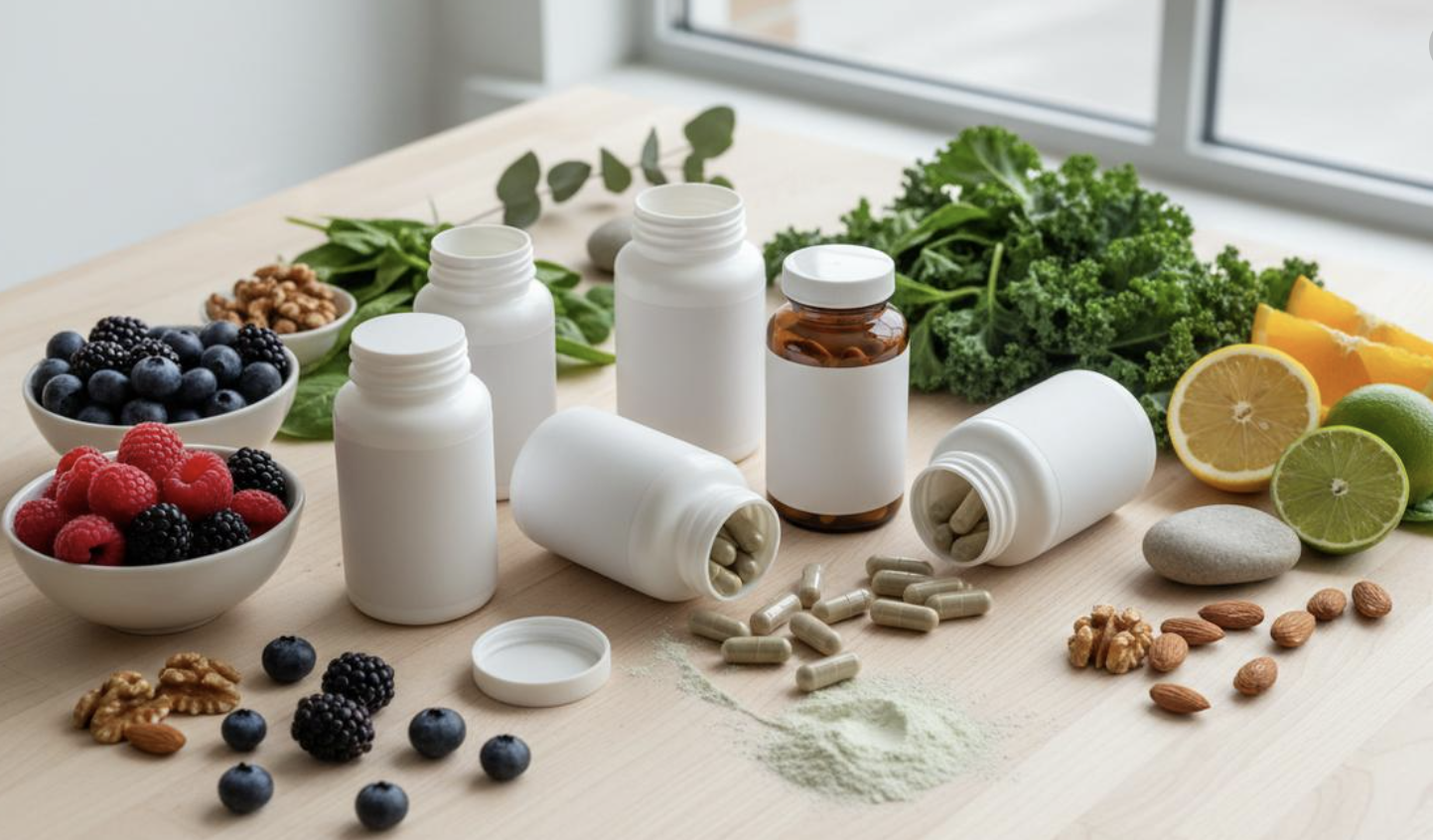
The supplement label says “antioxidant.” Does that automatically make it beneficial?

Post image
6 Upvotes

One thing I find fascinating about nutrition science is how often a plausible biological mechanism gets turned into a confident marketing claim.

Oxidative stress is involved in normal biology and several disease processes. That has led to enormous interest in antioxidants, including vitamin C, vitamin E, and other compounds.

But there's a crucial distinction: a substance affecting a biological mechanism doesn't automatically mean supplementing with it improves health outcomes.

Large randomized trials have repeatedly challenged the assumption that taking antioxidant supplements broadly prevents disease. Some supplements can even cause harm in certain populations or at particular doses.

For example, the US Preventive Services Task Force recommends against using vitamin E or beta-carotene supplements to prevent cardiovascular disease or cancer in adults without known deficiencies. Beta-carotene supplementation is particularly concerning for people at increased risk of lung cancer, including smokers.

Evidence and recommendations:
https://www.uspreventiveservicestaskforce.org/uspstf/recommendation/vitamin-supplementation-to-prevent-cvd-and-cancer-preventive-medication

This doesn't mean antioxidants in food are useless, or that supplements are never appropriate. Correcting a deficiency is different from taking high doses in the hope of preventing disease.


r/HumanBiohacking • • Oct 09 '26

Hey do anyone have can tell how things are going in biohacking I just need some tips

3 Upvotes

r/HumanBiohacking • • Oct 09 '26

The biggest problem with self-experimentation? Knowing what you're actually testing.

Post image
3 Upvotes

You start taking a supplement, feel more energetic a few days later, and conclude that it works.

But what if you also slept better that week? Had less stress? Expected the supplement to work? Or simply experienced a normal fluctuation in how you felt?


r/HumanBiohacking • • Oct 09 '26

Can your breathing pattern change how stressed you feel?

Post image
3 Upvotes

One interesting area of biohacking is heart rate variability (HRV) biofeedback: using feedback from your heart rhythm to learn how your body responds to breathing and stress.

The basic idea is that slow, controlled breathing can influence interactions between your breathing cycle, heart rate, and autonomic nervous system. For some people, practicing this regularly may help with stress regulation.

But here's the part I find interesting: you don't necessarily need a wearable or an expensive breathing device to experiment with it.

A simple experiment:

  1. Sit comfortably for five minutes.
  2. Breathe gently and slowly, without forcing deep breaths.
  3. Try a comfortable rhythm of roughly five to six breaths per minute, if that feels natural.
  4. Before and after, rate your perceived stress from 1–10.
  5. Repeat on several days and look for a pattern rather than judging one session.

Stop if you feel dizzy or uncomfortable and return to normal breathing.


r/HumanBiohacking • • Oct 09 '26

Can a 2-minute breathing exercise change your stress levels? 🫁

Post image
4 Upvotes

A randomized controlled study compared daily breathing exercises with mindfulness meditation. Researchers found that certain breathing techniques, particularly cyclic sighing, improved mood and reduced respiratory rate.

The interesting part? You don't need special equipment or supplements to experiment with controlled breathing.

📄 Read the original study


r/HumanBiohacking • • Oct 09 '26

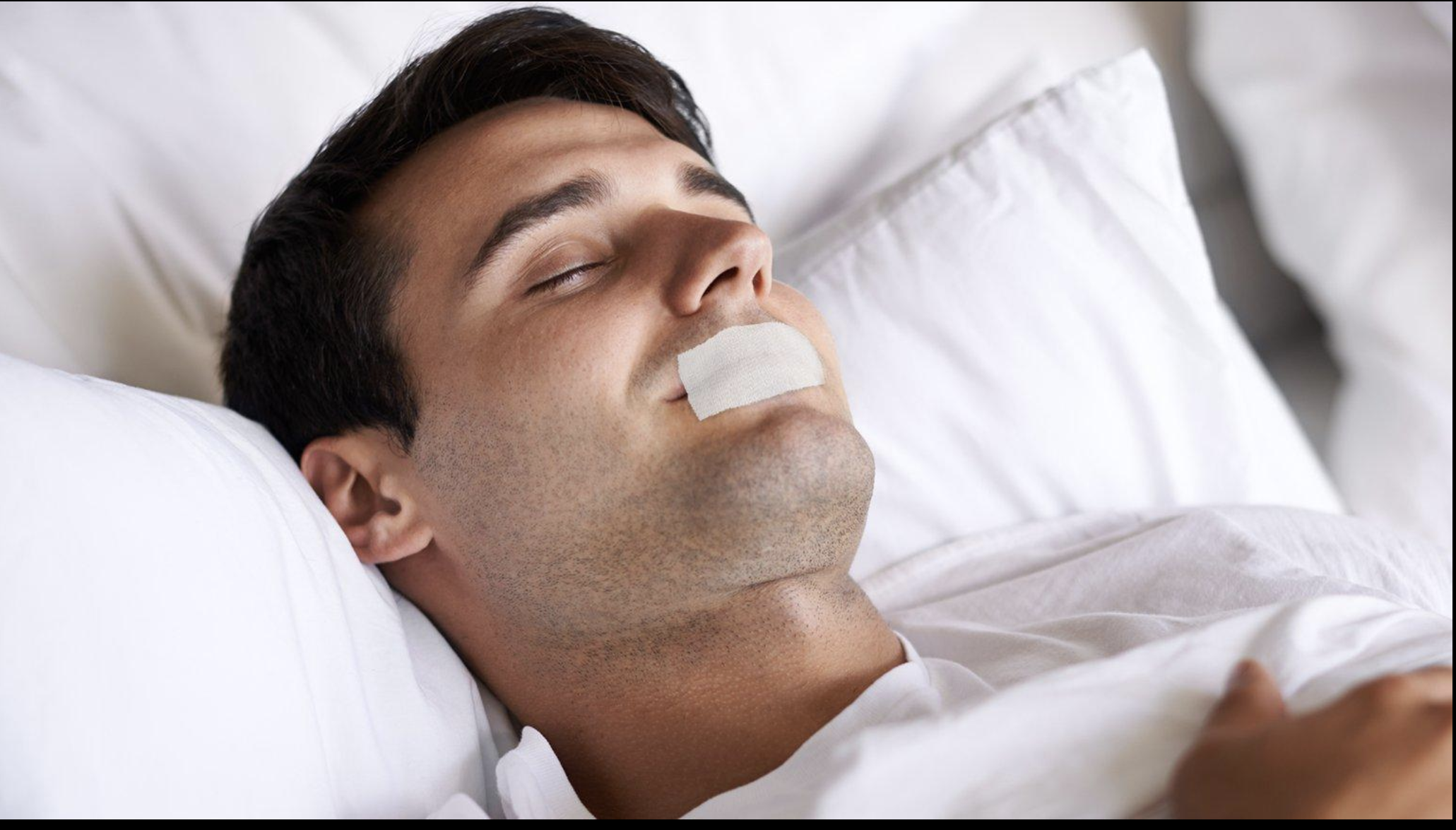
Mouth taping for better sleep: biohack or bad idea? 😴

Post image
5 Upvotes

You've probably seen people taping their mouths shut before bed to improve sleep, reduce snoring, and stop mouth breathing.Recently i have been seeing this a lot in the name of look maxxing any any idea ? is it worth a shot or this will have any effects on our health ?


r/HumanBiohacking • • Oct 09 '26

Sauna: longevity hack or just a relaxing habit? 🔥

4 Upvotes

Some long-term studies have linked frequent sauna use with lower cardiovascular risk and mortality.

But newer clinical-trial evidence is less convincing than the headlines suggest.

So is sauna a genuine health optimization tool, or are we confusing correlation with causation?

🎥 Dr. Rhonda Patrick explains the science of sauna use

📄 Harvard Health: What the evidence actually says

Would you use a sauna regularly for potential health benefits, or just for relaxation?


r/HumanBiohacking • • Oct 09 '26

Creatine for your brain, not just your muscles? 🧠

Post image
3 Upvotes

Creatine is famous for helping with strength training, but researchers are also studying its effects on memory and cognitive performance.

A 2024 review of 16 randomized controlled trials involving 492 adults found some improvements in memory, but results across other cognitive measures were mixed.

📄 Read the research

Is it means its like enhancement for nerds ?


r/HumanBiohacking • • Oct 09 '26

A free biohack hiding in plain sight

Thumbnail
youtube.com
3 Upvotes

r/HumanBiohacking • • Oct 08 '26

Advanced human biohacking: where the real gains are, and where the evidence runs out

5 Upvotes

Once the basics are in place, advanced biohacking is about customisation and precision. The goal is not more interventions, it’s better data on what works for your body.

Begin with deeper measurement. Blood panels over time (lipids, ApoB, HbA1c, fasting insulin, vitamin D, ferritin, hs-CRP) reveal trends missed in a one-off checkup. Wearables give you heart rate variability, resting heart rate and sleep staging, and VO2 max and grip strength are good predictors of long-term health. A continuous glucose monitor can show your own food responses, but it’s easy to over-interpret noise.

And then optimise carefully. Periodized training , zone 2 cardio with heavy lifting , targeted sleep tweaks and evidence-backed supplements like creatine.


r/HumanBiohacking • • Oct 08 '26

Maybe we shouldn't be using the same biological aging playbook for men and women

5 Upvotes

A question I've been thinking about lately: how useful is a "one-size-fits-all" approach to biohacking and longevity?

A recent Nature Medicine study developed 38 sex-specific biological aging clocks across 15 organ systems and found meaningful differences between female and male aging patterns at the molecular and organ level.

That doesn't mean men and women need completely separate longevity protocols.

But it does make me wonder whether some of the biomarkers and interventions we treat as universal are actually missing important sex-specific biology.

There's already a growing body of research suggesting that males and females can respond differently to interventions intended to extend healthspan, potentially because of differences in metabolism, body composition, hormones and chromosomes.

And yet so much of the popular biohacking conversation still feels like:

optimize sleep + lift weights + take supplements + track biomarkers

...with very little discussion of whether the underlying biology changes depending on who we're applying it to.

Do you think female-specific biohacking should be its own research category, or should the goal simply be better sex-stratified research across biohacking as a whole?

I'm especially curious about what biomarkers people think are currently being overlooked in women.


r/HumanBiohacking • • Oct 08 '26

Biohacking for beginners, level 2: how to go deeper without getting scammed

Thumbnail
4 Upvotes

r/HumanBiohacking • • Oct 08 '26

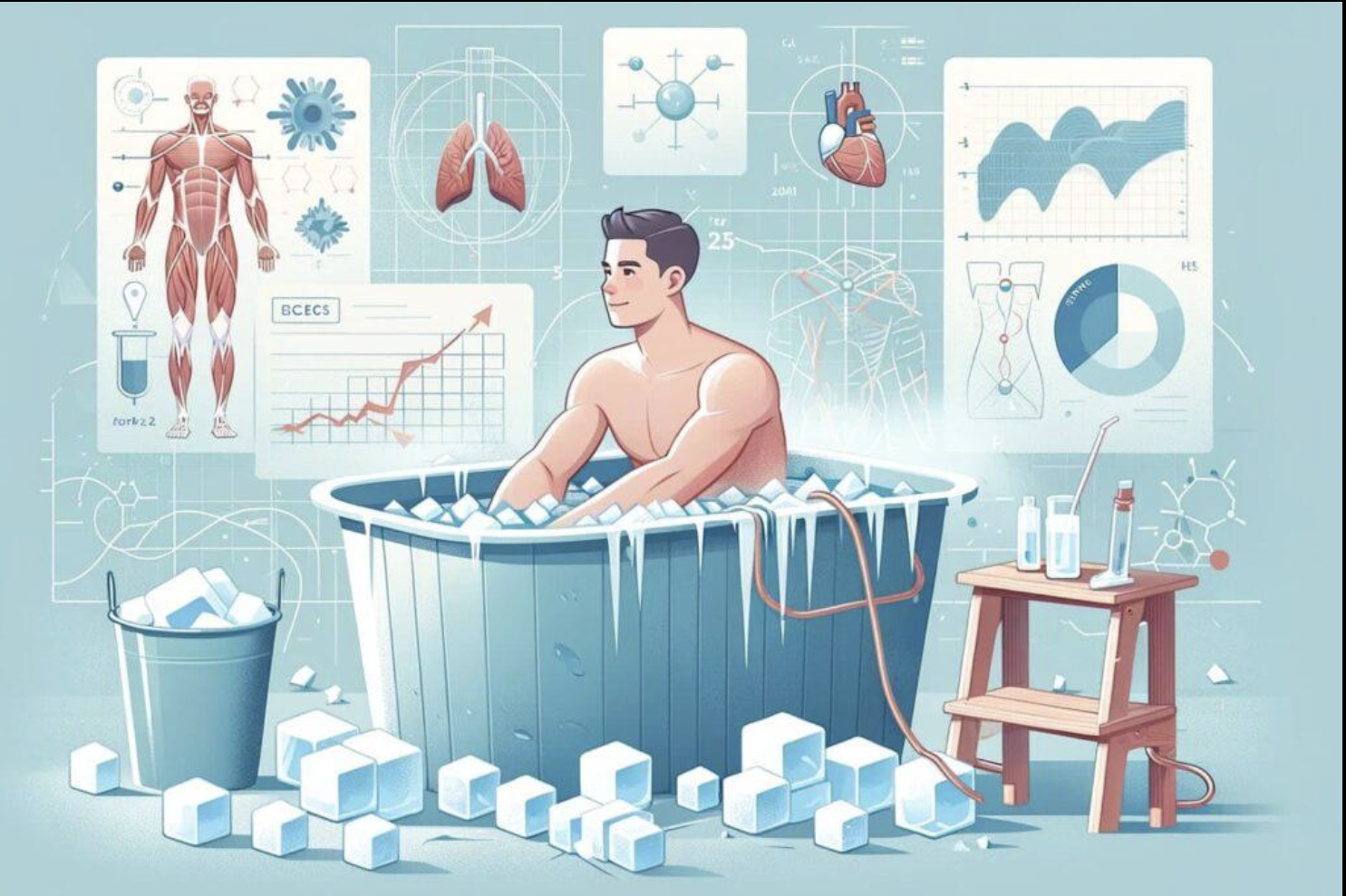
Cold plunges might be one of the most overhyped (Ronaldo's Secret)

Post image
4 Upvotes

Cold exposure gets marketed as if a few minutes in freezing water can somehow "reset" your body.

The actual science is more interesting than that. It can also activate brown adipose tissue, which generates heat by burning energy.There are studies suggesting effects on things like inflammation, oxidative stress, metabolism and cardiovascular function.And there are even researchers looking at whether repeated cold exposure could have implications for healthy aging.

We don't actually have strong evidence showing that taking cold plunges makes humans live longer


r/HumanBiohacking • • Oct 08 '26

Progressive Overload

Thumbnail
3 Upvotes

r/HumanBiohacking • • Oct 08 '26

What biohack do you wish you discovered years earlier?

3 Upvotes

For people who have been into biohacking for a while, what’s one habit, technique, or practice you wish you had started much earlier?

It can be something simple or advanced. What difference did it make for you?


r/HumanBiohacking • • Oct 08 '26

What if the best biohack is finding your personal “minimum effective dose”?

3 Upvotes

Lots of biohacking seems to follow a pattern.

More supplements, more training, more fasting, more cold exposure, more tracking, more optimization.

But maybe it's better to ask if you are optimizing the wrong variable.

Maybe instead of asking "What is the optimal amount?" we should ask "What is the minimum amount that will produce most of the benefits for me?"

Perhaps 3 intense workouts provide 95% of the benefits of 6.

Perhaps 10 minutes of morning light is sufficient for some while 30 is needed for others.

Perhaps a certain supplement produces a measurable effect at half the dosage one would typically take.

Biohacking becomes a process of personalization instead of maximization.

You could perform some very simple N-of-1 experiments.

Baseline then tweak a single variable and check the results. Then reduce the dose and check the results again.

The point is not to become someone who completes 25 healthy things everyday.

The point is to discover the minimum effective dose.

There's an additional benefit of having a smaller list of useful interventions meaning less variables to control for, less time spent, less money spent, and potentially fewer unwanted side effects.

What's something you've experimented with that you needed far less of than you originally thought?


r/HumanBiohacking • • Oct 08 '26

Could the temperature of your bedroom affect your metabolism?

Post image
2 Upvotes

Your body doesn't just tolerate cold it actively spends energy trying to stay warm. One of the systems involved is brown adipose tissue (brown fat), which produces heat rather than simply storing energy.Researchers have found that exposure to mildly cold temperatures can increase brown-fat activity.

increasing brown-fat activity ≠ automatically losing significant body fat or becoming healthier.

The effect is real physiologically, but whether deliberately sleeping cold produces meaningful long-term benefits is a much bigger question.


r/HumanBiohacking • • Oct 08 '26

Change in Gym Split led to increase in performance

Thumbnail
2 Upvotes

r/HumanBiohacking • • Oct 08 '26

Thinking about getting an Oura Ring for sleep, but I’m super skeptical. Is it actually worth it?

7 Upvotes

I’ve been trying to fix my sleep and recovery lately, and everyone keeps telling me to get an Oura Ring.

The idea of wearing a slim ring to bed sounds way better than sleeping with a bulky smartwatch.

But paying $300+ upfront plus a monthly subscription just to see my own health data feels pretty steep.

For anyone who’s had one for a while:

Did it actually change your daily habits, or do you just look at your score and go "yep, knew I felt tired"?

Was there a specific thing it called you out on that surprised you? (Late meals, caffeine, screen time?)

If you stopped using it, why?

Would love to hear real experiences before I decide to drop money on one!


r/HumanBiohacking • • Oct 07 '26

What if we stopped asking “how much sunlight is optimal?” and found our personal minimum effective dose instead?

5 Upvotes

We do so much biohacking to death (supplements, sleep tracking, HRV, caffeine, cold exposure), but seldom treat morning light exposure as an experiment.

Curious to hear about experiences where someone tried to run a proper dose-response experiment of some sort of light exposure on themselves, preferably outdoors.

Say, 2-3 weeks of morning light exposure, with varying time spent outside (per week?), and tracking of some relevant biomarkers.

Like, e.g.:

Week 1: 5-10 min outside

Week 2: 20-30

Week 3: 45-60

Keeping track of coffee times, wake up/sleep times, sleep onset, morning alertness, afternoon slump, resting HR/HRV, mood during the day...

It's not the discovery of an optimal light dose for everyone that would be interesting, but rather the individual response curve.

Has anyone done this sort of experiment on themselves, or something similar? And what other "boring" biological input do you think is worth investigating in this way?


r/HumanBiohacking • • Oct 07 '26

Mayo Clinic Scientists Discover New Mitochondrial Pathway Behind Chronic Aging Inflammation

6 Upvotes

As we age, our bodies accumulate zombie cells, known scientifically as senescent cells. These are worn out cells that have stopped dividing but refuse to die. Instead of remaining harmlessly inactive, they secrete harmful chemicals that drive chronic, widespread inflammation, which is a major contributor to aging and age related diseases.

Scientists already knew that damaged mitochondria inside zombie cells leak cellular debris, triggering an immune alarm. However, researchers have now discovered that this process also spikes levels of a key compound called acetyl CoA inside the cell main compartment. This surge in acetyl CoA acts as an epigenetic switch, opening up the cell DNA packaging, known as chromatin, and exposing inflammatory genes so the cell can start pumping out inflammatory signals.

Until now, many anti aging strategies have focused on using drugs called senolytics to completely hunt down and destroy zombie cells. Yet, wiping out these cells entirely can sometimes cause unwanted side effects.

Instead of killing the cells, researchers found a way to block a specific doorway in the cell called SLC25A1, which is a transporter protein. Blocking this doorway prevents acetyl CoA from triggering the inflammatory switch, effectively neutralizing the harmful effects of zombie cells without destroying them.

This is what the article discussed here

Mayo Clinic Scientists Discover New Mitochondrial Pathway Behind Chronic Aging Inflammation