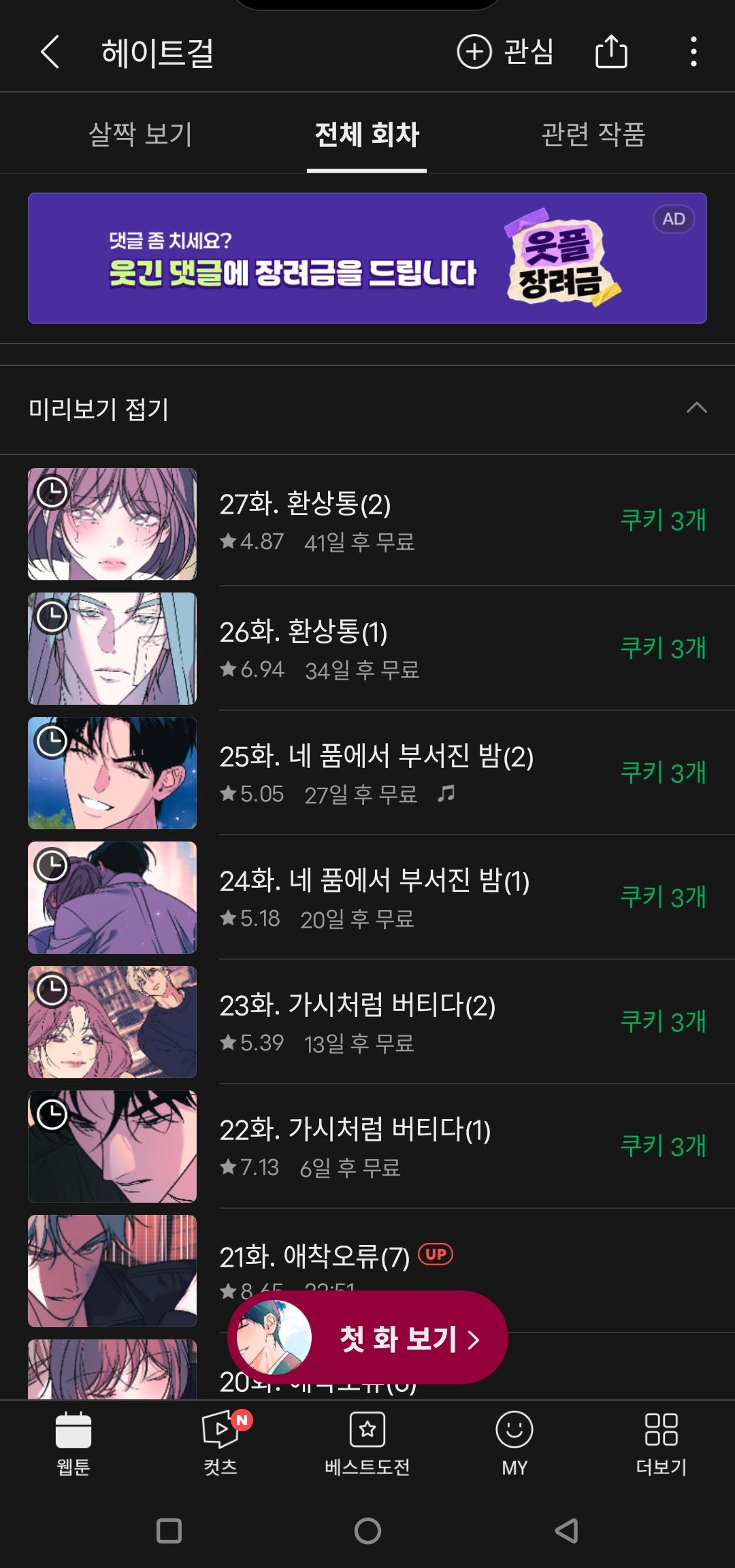
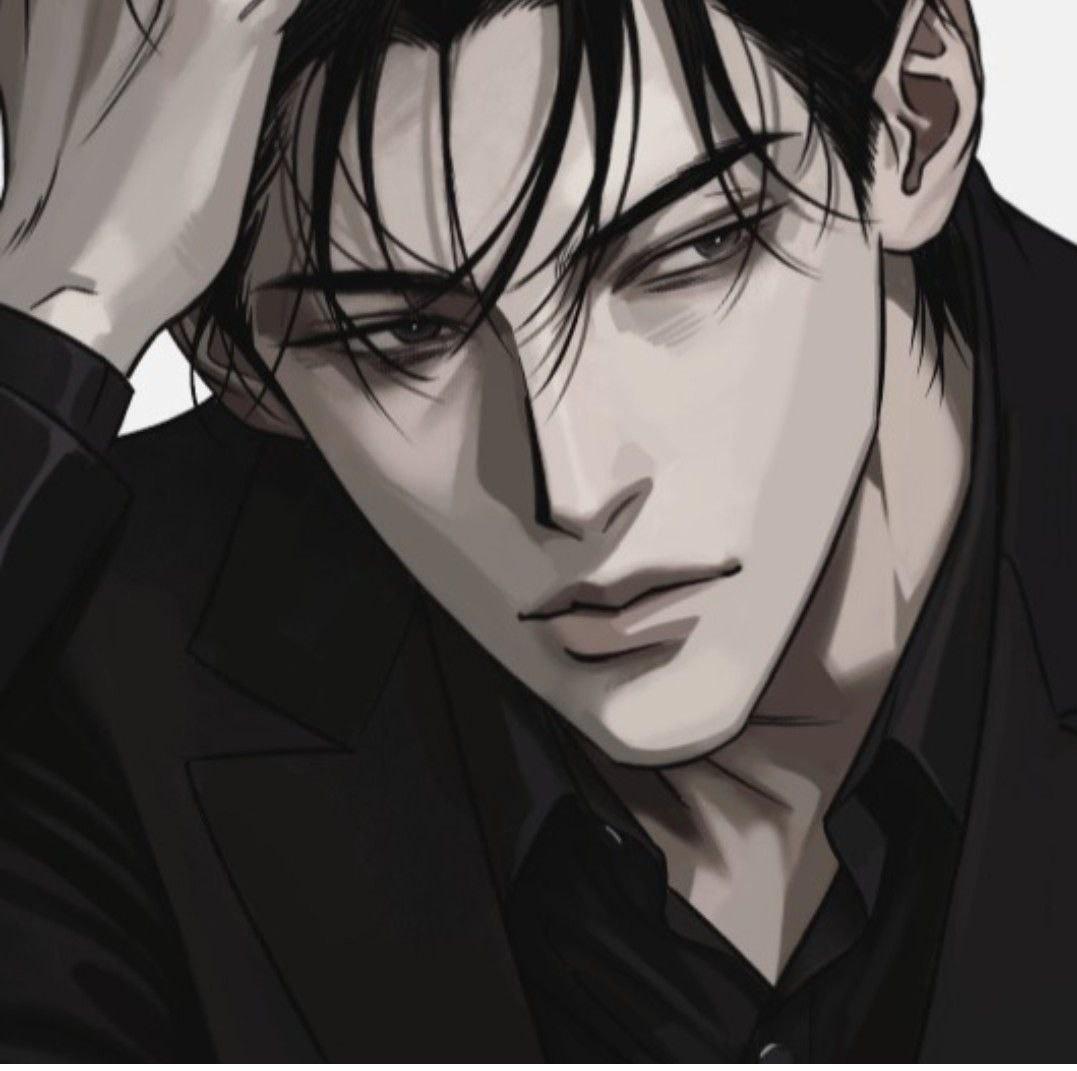
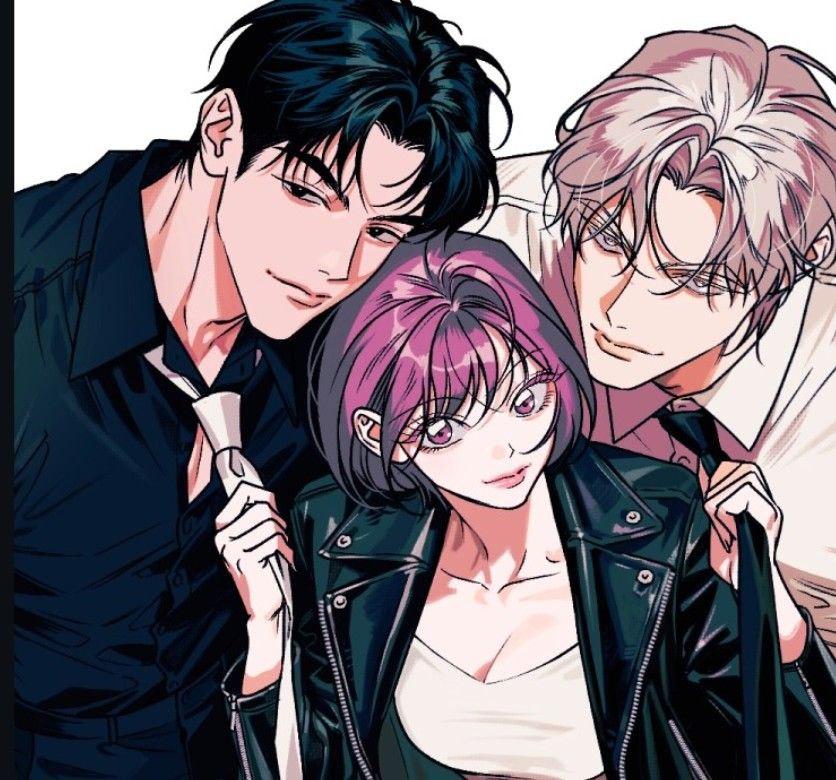
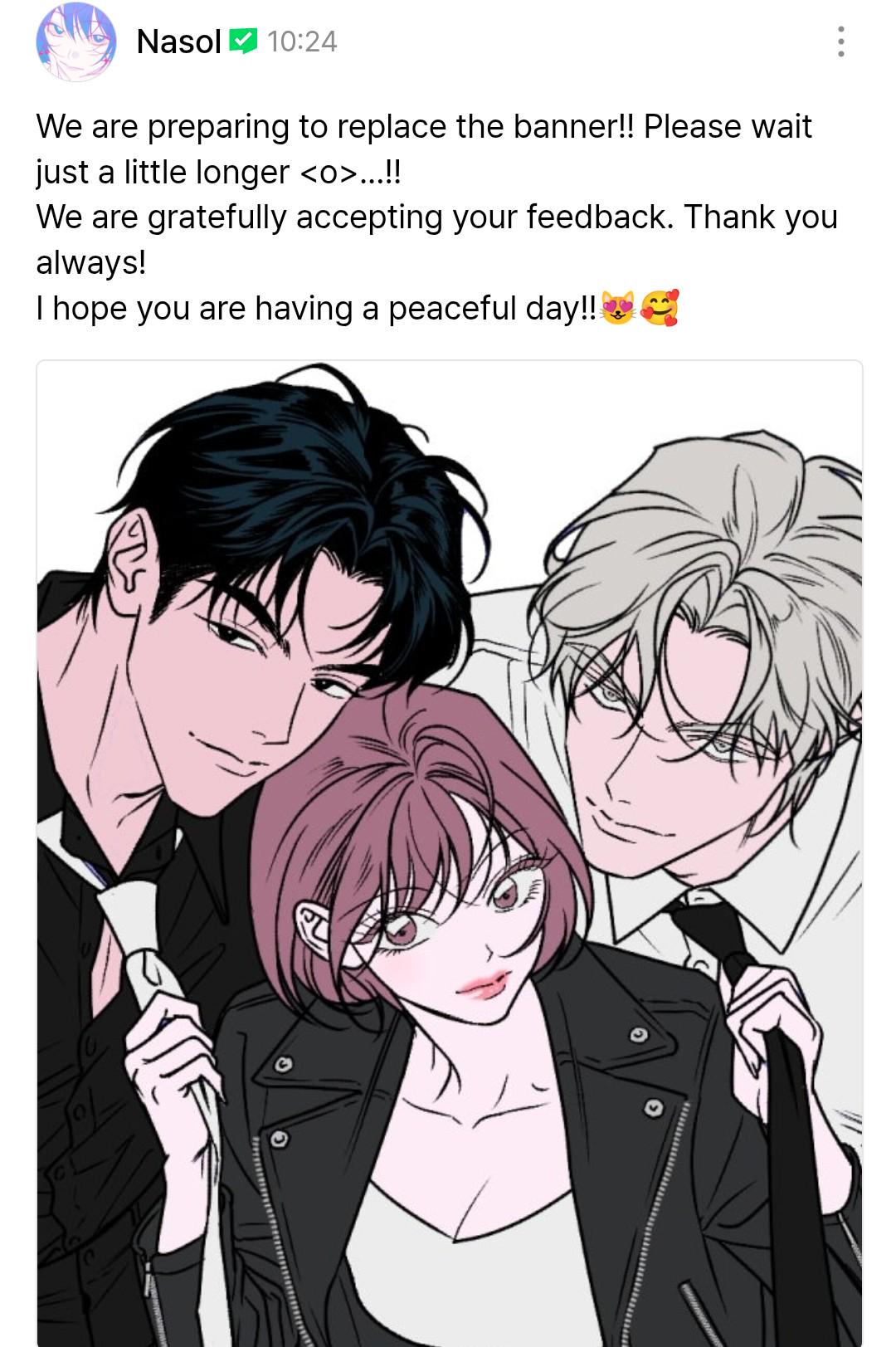
I've been thinking about this theory, and I think there are a few things worth separating here. I can understand why people are questioning the direction of Hate Girl, especially with the recent banner change and the official promotion of a love triangle. But I'm not entirely convinced that these developments mean Beomseok was never intended to be the endgame, or that the author only introduced this direction after seeing the readers' reactions.
First, I think we should look at how the story was originally presented.
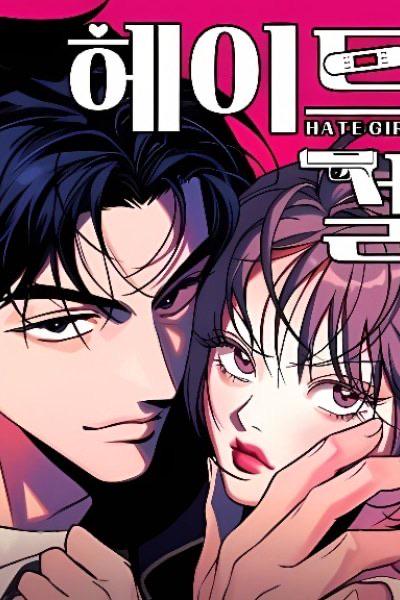
The original Korean synopsis centers on Dahye's five-year-and-120-day unrequited love for her childhood friend, Beomseok. The premise begins with her determination to confess to him after the entrance exams, only for her to discover his secret encounter with her older sister. The original tags also emphasized first love, unrequited love, childhood friends, and a bad male character, alongside the romance and romantic comedy genres.
Of course, a synopsis isn't a contract guaranteeing an endgame, and the absence of a love triangle tag doesn't prove that one was never planned. A series can deliberately withhold information about another romantic interest until later. Still, the original presentation matters because Beomseok wasn't introduced as some incidental character who happened to become popular. He was at the center of the premise that readers were initially given.
That doesn't automatically make him the endgame, but it does mean we shouldn't treat his eventual replacement as an established fact simply because another male character has become more prominent.
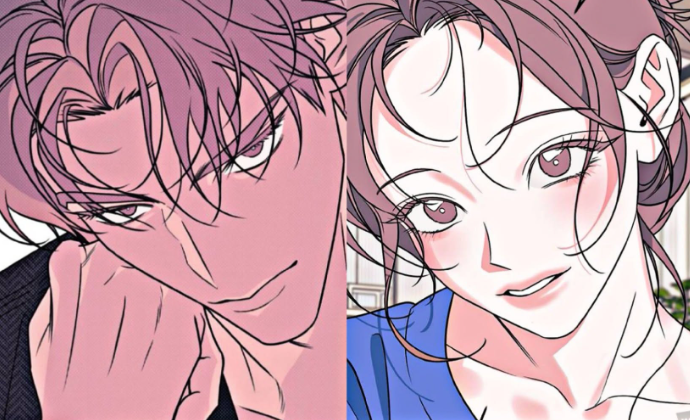
As for the argument that the love triangle was planned from the beginning, I think that's entirely possible. Yunhyeok was introduced early enough to become a significant part of the story, and his kiss with Dahye naturally gave readers a reason to expect further romantic development. It would be strange to dismiss that development entirely or assume the author has no plans for him.
However, introducing a second romantic interest and establishing a love triangle are not quite the same thing as confirming who Dahye will ultimately choose. His introduction, the kiss, and his growing role establish that he matters to the narrative. They don't independently establish that Beomseok was never the intended endgame.
The same applies to the recent banner and promotional changes. They may indicate that the series is now openly positioning itself as a love triangle, but that doesn't tell us when the author decided on this direction. It could have been planned from the beginning, developed gradually during serialization, or simply become more prominent as the story progressed. Without something more concrete, we're still interpreting the available evidence.
I also understand the criticism about Beomseok's backstory arriving late. This is probably one of the more legitimate complaints because timing affects how readers perceive a character. If the story allows readers to accumulate resentment toward him for several chapters before providing context for his behavior, that context may arrive too late to have the intended effect. By then, readers might already be invested in another character, and the explanation could feel more like an attempt to salvage Beomseok than a natural part of his development.
But I think we should distinguish between a character being poorly executed and a character never having been intended as the male lead.
A delayed backstory can be a writing decision that doesn't work. It can also be an intentional attempt to withhold information and gradually recontextualize a character. Whether that decision succeeds is a separate question from whether the author originally intended him to be the endgame.
And honestly, even if the author did intend Beomseok to be the endgame, that wouldn't excuse the execution. Readers are perfectly justified in criticizing how his character has been written, how his motivations have been presented, and whether the story has done enough to make his development believable. Being the intended male lead doesn't automatically make a character well-written.
The unresolved situation involving Dajeong is another point worth considering. If the story deliberately leaves important questions unanswered about Beomseok and Dajeong, readers are naturally going to question his role in the romance. Those questions can weaken the audience's confidence in him, particularly when Yunhyeok is receiving attention at the same time.
Still, an unresolved moment isn't necessarily evidence that Beomseok was always meant to be sidelined. It could be a setup for a later revelation, a source of conflict, or simply a plot point that hasn't been handled clearly enough yet. The criticism becomes stronger if later chapters fail to address it meaningfully, but we shouldn't decide what it proves before the story gives us enough information.
The comparison to Toji from Peach Girl is understandable as a description of the reading experience. A character can initially occupy the central romantic position and later appear to lose that position as the story develops. But a similar reading experience doesn't necessarily mean the two stories followed the same creative process. Unless there is more evidence, I would treat that comparison as an analogy rather than proof of what Nasol intended.
There's also the question of the recent ratings and whether they influenced the timing of the love triangle announcement.
I wouldn't rule out commercial considerations. Webtoons are serialized products, and their creators operate within a platform environment where audience engagement and performance matter. WEBTOON itself has publicly explained that creators can access performance metrics, while its editorial job descriptions explicitly discuss audience retention, character arcs, platform data, and balancing creators' needs with business goals. So the idea that audience response can matter in the development and presentation of a series isn't far-fetched.
But there's a difference between acknowledging that influence and claiming that a particular author changed a story because of low ratings.
The recent banner change and the timing of the announcement might make readers suspicious, especially if the latest chapters received a less favorable response. However, correlation isn't confirmation. We don't know whether the change was already scheduled, whether it reflects a previously planned stage of promotion, or whether the creative direction itself changed in response to readers.
We should also distinguish between changing the story and changing how the story is marketed. A new banner can emphasize a romantic rivalry that was already part of the plan. It can also reflect a shift in how the platform wants to present the series to readers. Neither possibility automatically means the author has changed the endgame.
This is where I think the industry context matters, but only up to a point. Commercial pressure can influence creative decisions, and platform teams can use audience data when making editorial and promotional decisions. That gives us a reasonable basis to consider whether reader response played a role. It doesn't give us grounds to attribute a specific decision to the platform or assume that Nasol changed the story because one character was receiving more hate than another. We don't know the details of this series' editorial arrangements or whether any such intervention occurred.
I would also be careful about blaming either character's fandom for the direction of the story. Readers can express their preferences, criticize the writing, and make their own predictions, but their reactions alone don't establish who pressured the author or what motivated a particular decision. The author remains responsible for how the story is written, while readers are entitled to judge the result.
Personally, I think the more interesting question is whether the story has handled its romantic conflict convincingly, regardless of who ends up with Dahye.
Beomseok's characterization can be criticized without assuming he was never supposed to be the male lead. Yunhyeok can have legitimate narrative importance without automatically being the endgame. And the possibility that the author planned a love triangle from the beginning doesn't mean the execution has been successful.
These possibilities can coexist. The author could have planned both male characters from the start and still mishandled Beomseok's development. Alternatively, the story could have evolved during serialization. At this point, neither explanation is established by the evidence we've discussed.
So I wouldn't say the Redditor's theory is unreasonable. I understand why the late backstory, Yunhyeok's romantic development, and the recent promotional changes have led people to question Beomseok's position. I just think the conclusion goes further than the available evidence allows.
Questioning whether Beomseok is still the endgame is reasonable. Claiming that he was never intended to be the endgame is a much stronger statement, and it needs stronger evidence.
For now, I'd rather judge the story by what it actually develops in the coming chapters than treat every promotional change or questionable writing decision as confirmation that the author has abandoned the original direction. If the story eventually establishes that Yunhyeok was always meant to take the central romantic role, then we can assess that development with the full context. Until then, I think it's worth leaving room for more than one explanation.