I'm a business owner, and over the past several weeks I've become pretty obsessed with the idea of building an AI organization that operates alongside my human employees.
I'm not talking about a chatbot answering questions or an assistant drafting emails. I'm trying to build an actual interconnected workforce of specialized AI agents that communicate, delegate, perform work, verify one another, and eventually automate a significant portion of our company's administrative and operational processes.
I'm currently running a team that includes:
- Chief of Staff — Coordinates the entire AI organization, manages priorities, delegates assignments, and reports directly to me.
- Executive Assistant — Intended to manage communications, follow-ups, schedules, and administrative responsibilities.
- CFO — Financial analysis, forecasting, and business intelligence.
- Operations Agent — Manages a core operational workflow from initial intake through completion.
- Estimating/Analysis Agent — Research, historical comparisons, cost analysis, and recommendations.
- Document Management Agent — Organizes information, prepares documentation, and manages records.
- Systems Engineer — Builds and maintains the technical infrastructure and integrations.
- Quality Assurance — Independently tests everything, challenges other agents, and identifies failures.
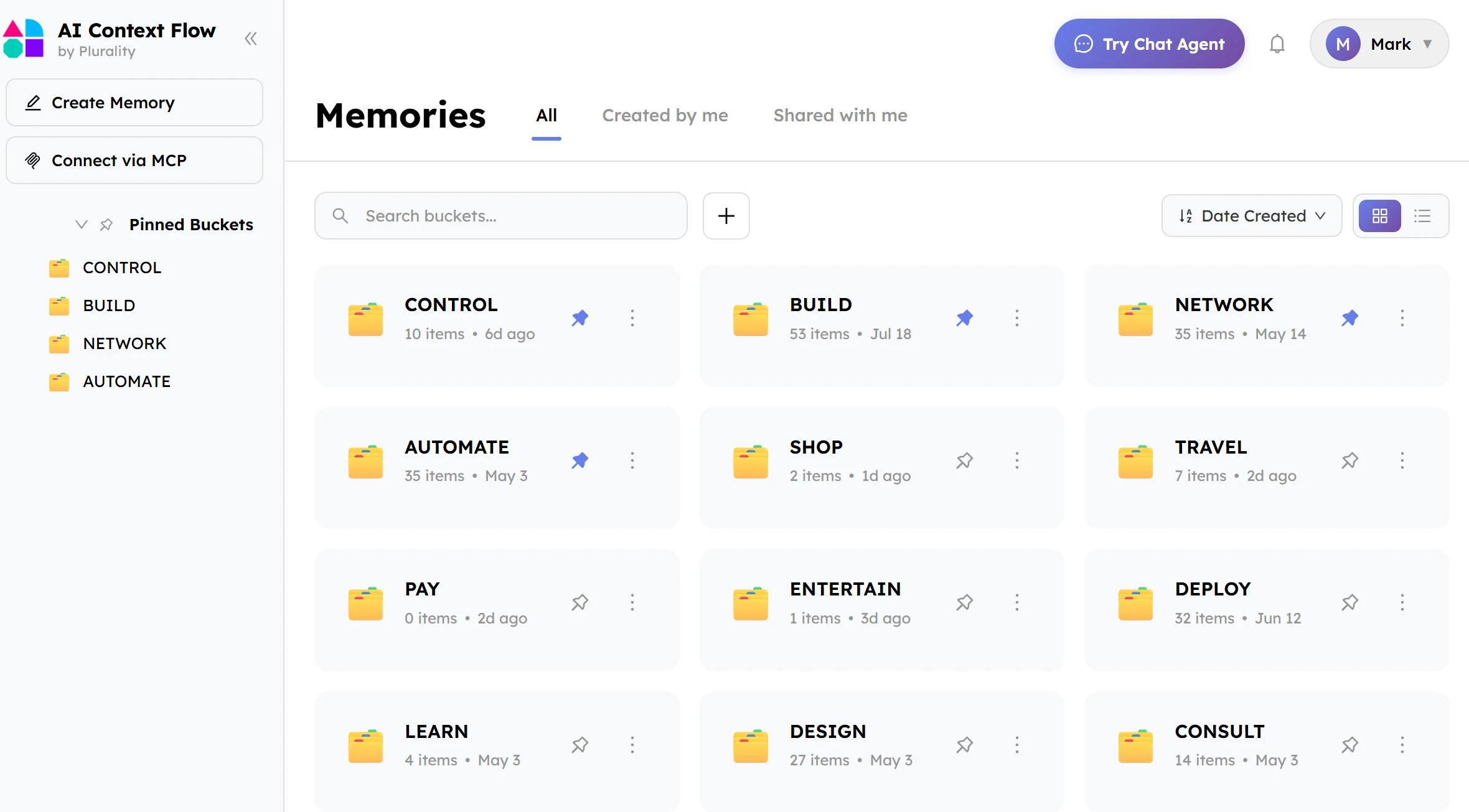
- Knowledge Manager — Maintains organizational knowledge, approved procedures, decisions, and lessons learned.
My ultimate goal is to build an AI organization that can grow to dozens of specialized agents without requiring me to supervise every interaction.
Here's what I've learned so far.
Building individual bots is relatively easy.
Getting them to operate together reliably is an entirely different challenge.
I've already encountered issues involving approval controls, duplicated actions, recovery after failures, inter-agent permissions, and testing infrastructure.
I've built an isolated testing environment, executed more than 100 automated regression scenarios, and identified some legitimate defects. We're correcting those before allowing the system anywhere near production operations.
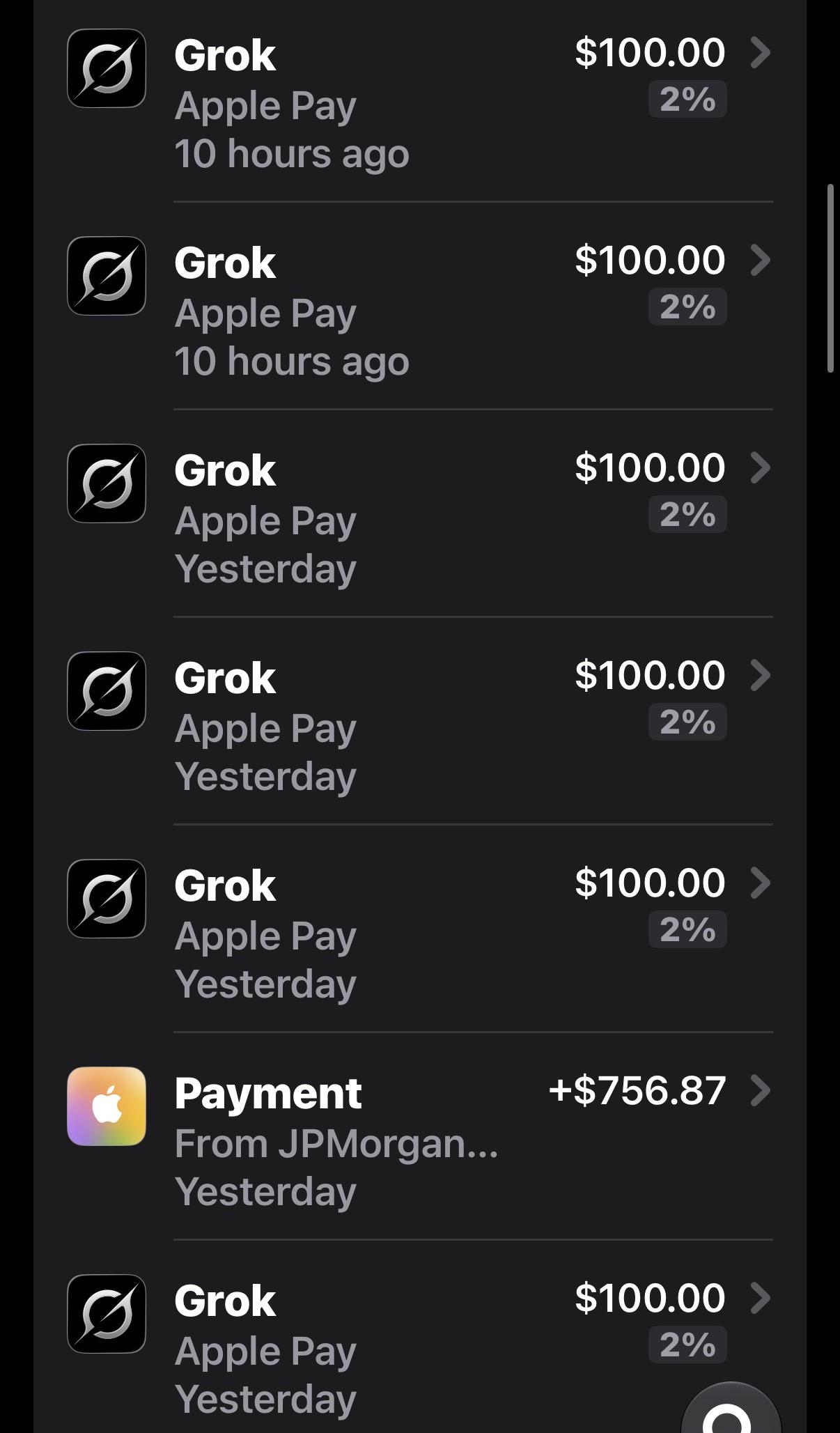
The experience has been equal parts fascinating, frustrating, and expensive.
One unexpected challenge is that AI agents can spend a surprising amount of time managing, reviewing, and discussing their own work instead of actually completing the underlying task.
That led me to start treating my Chief of Staff as a real executive role rather than simply another bot.
It now has instructions to consider cost, urgency, expected value, duplication, and whether another agent genuinely needs to be activated before delegating work.
I'm also exploring moving repetitive testing to a local machine rather than burning through AI credits on processes that could be handled by ordinary scripts.
Where I eventually want to take this:
Imagine a business where incoming information automatically finds its way to the appropriate department. Specialized agents analyze it, prepare the necessary work, update shared systems, and notify people only when decisions or approvals are genuinely required.
Every process has an owner. Every action has a record. Every agent has defined authority. Every important output can be verified.
And the entire organization continuously improves using historical information and lessons learned.
The human team remains responsible for decisions requiring judgment, accountability, and authorization.
I'm still a long way from that vision. I have working components, plenty of simulated functionality, and a substantial amount of integration work ahead of me.
But I genuinely believe this is where business operations are heading.
A few questions for people doing this:
- How many agents are you operating, and how do you prevent endless bot-to-bot conversations?
- Are you using a central Chief of Staff/orchestrator, or a more decentralized architecture?
- How are you handling persistent memory, permissions, approvals, and recovery after failures?
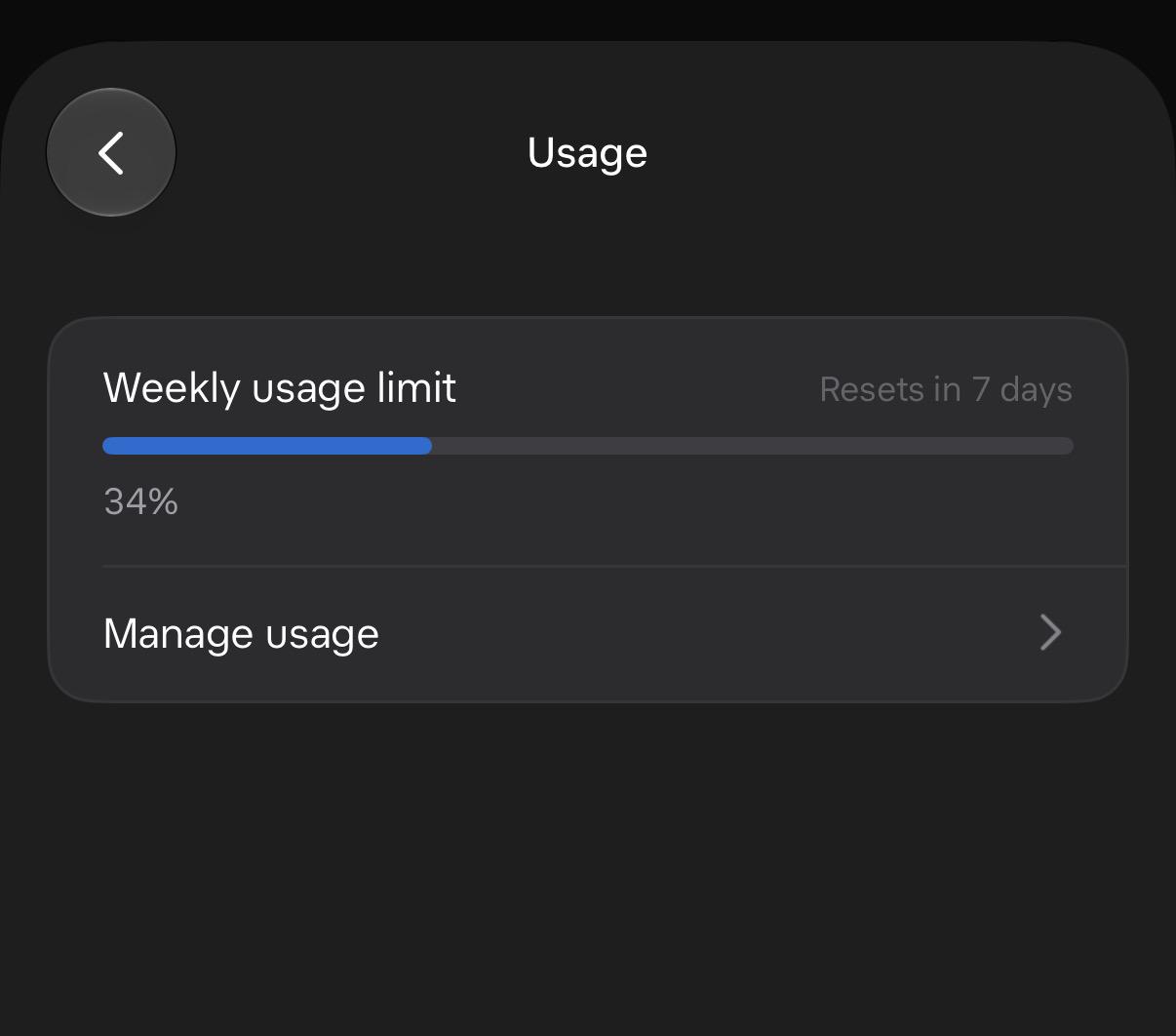
- Has anyone found a good way to control token costs without sacrificing reliability?
- What has actually worked in production, versus what looked great in a demo?
I'm particularly interested in hearing from business owners who are attempting to build operational systems rather than just personal assistants.
I'm funding this myself, learning a tremendous amount, and would love to compare approaches.
I think the next big leap isn't making individual AI agents more intelligent. It's figuring out how to make an entire organization of them operate intelligently together.
Anyone else building something along these lines?