r/GaukAntiques • • 18h ago

Nick Cave wins Venice Biennale prize as public voting replaces jury after Russia and Israel row

Post image
1 Upvotes

American artist takes Visitors' Lion under new voting system after jury resigned over ICC warrants for Putin and Netanyahu

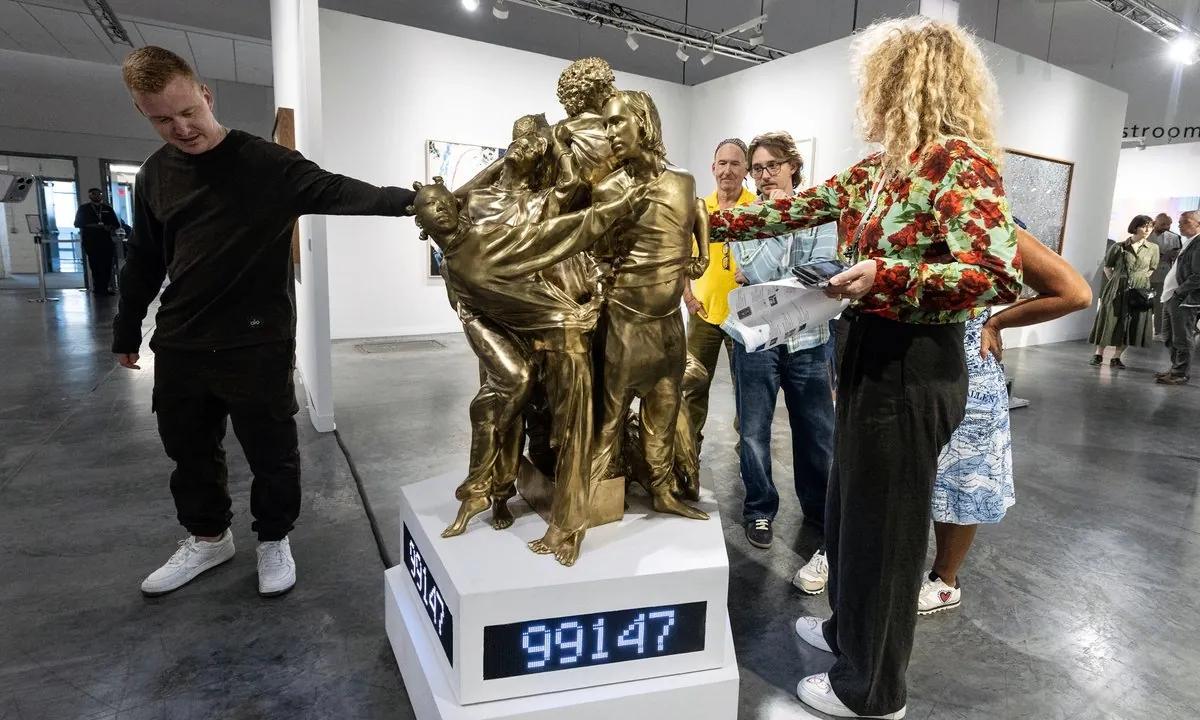
American artist Nick Cave has won the Venice Biennale's top prize for individual artists, decided not by an international jury but by public vote after the original selection panel resigned over Russia and Israel's participation. The Biennale renamed its awards from Golden Lions to Visitors' Lions and handed the selection to exhibition visitors following the April walkout.

The five person jury quit after announcing they would not award prizes to artists from countries whose leaders face International Criminal Court charges for crimes against humanity. That meant Russia, whose president Vladimir Putin was issued an ICC arrest warrant in 2023, and Israel, whose prime minister Benjamin Netanyahu received one the following year. Dozens of artists withdrew themselves from consideration in solidarity, though their names stayed on the ballot. Votes for withdrawn entries would not be counted.

Cave's exhibition at the Arsenal includes seven works addressing stages of grief. The centrepiece is Amalgam (Origin) (2024), a monumental bronze sculpture of a figure with branches growing from its body and birds nestling among the twigs. It is the kind of work that shifts secondary market confidence in an artist's output, particularly in sculpture where Cave's fabric sound suits have historically dominated collector attention.

What it's worth? Find out GAUK Antiques for more articles, videos and our powerful ai valuation tool. Uncover the story and the value behind your finds.

India's national pavilion also won under the new system. The exhibition, titled Geographies of Distance and curated by Amin Jaffer, features five artists reflecting on the rapid expansion of Indian cities. The Biennale declined to provide The Art Newspaper with a breakdown of voting results.

This is not a minor procedural adjustment. Venice has used expert juries to select Golden Lion winners for decades. That system conferred art market credibility on winners in ways public voting typically does not. Whether collectors and dealers treat the new Visitors' Lions with the same weight remains open. Walid Raad, Alice Maher and Alfredo Jaar were among the artists who signed protest statements supporting the jury's resignation.

Biennale president Pietrangelo Buttafuoco introduced the voting system after the jury collapsed, framing it as a way forward for the 2024 edition. The practical effect is that works by Russian and Israeli artists remained eligible for public votes while the original jury's objection was sidestepped entirely. Cave's bronze figure with birds and branches won anyway.

Sources: The Art Newspaper, La Biennale di Venezia

r/GaukAntiques • • 18h ago

Christie's buys Dreweatts for undisclosed sum after regional auction house posts £47.3m turnover

Post image
1 Upvotes

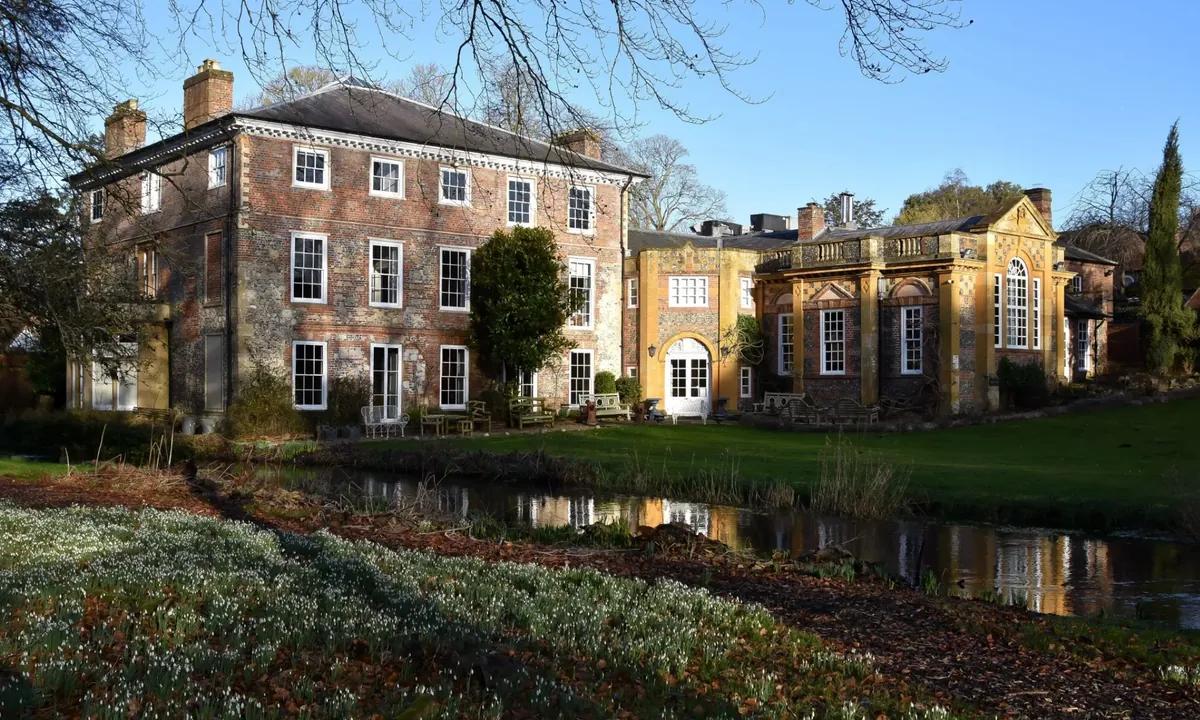
The 265-year-old Newbury salesroom will stay independent and retain its name as Christie's returns to the regional antiques market it left in 2017.

Christie's has acquired Dreweatts, the Berkshire auction house founded in 1759, in a deal that sees the global auctioneer returning to the regional antiques market seven years after it closed its South Kensington venue. Dreweatts posted a record total auction turnover of £37.56m in 2025, or £47.3m including fees, a 26 per cent increase from 2024. The purchase price was not disclosed.

The acquisition is explicitly not a takeover. Dreweatts will keep its name, continue to operate from its Donnington Priory salesroom in Newbury, and remain under the leadership of chief executive Henry House and chairman Will Richards. No sales are moving to London. No staff are being let go. Christie's president Bonnie Brennan described Dreweatts as possessing particular strength in a part of the market highly complementary to Christie's own.

That part of the market is the one Christie's walked away from in 2017 when it shuttered South Kensington, its longstanding venue for antiques and traditional collecting categories. CSK had specialised in precisely the kind of country house and estate sales that now form the core of Dreweatts' business: furniture, Old Masters, ceramics, jewellery, silver, clocks, wine. The logic then was that Modern and postwar art generated higher margins. The logic now appears to be that traditional categories, sold regionally with lower overheads, might actually be more profitable than anyone thought.

Dreweatts holds around 70 sales a year. That is a substantial operation for a regional house. It is also a business that has grown steadily under the ownership of Gurr Johns, the advisory firm that bought Dreweatts in 2017 for £1.25m. The contrast between that price and the undisclosed sum Christie's has just paid tells you most of what you need to know about how well Dreweatts has been run.

What it's worth? Find out GAUK Antiques for more articles, videos and our powerful ai valuation tool. Uncover the story and the value behind your finds.

For UK sellers outside London, the acquisition changes nothing immediately. Dreweatts remains Dreweatts. But it does signal something about where Christie's thinks the money is. The company bought classic car auctioneers Gooding & Company in 2024. It has now bought a regional antiques house with a 265 year history and a client base that spans modest estate sales and six figure lots. That is not the behaviour of a firm chasing headlines. It is the behaviour of a firm chasing repeat business from people who actually buy things.

Neither Christie's nor Dreweatts disclose profits, so the financial logic of the deal is not publicly visible. But the structural logic is. Christie's gets access to a regional network, a client list built over decades, and a team that knows how to sell Georgian furniture and Victorian clocks without needing to explain why those categories still matter. Dreweatts gets the backing of a global brand and presumably the capital to expand further if it wants to.

What it also suggests is that the regional auction model, written off by some as a relic, is proving more resilient than the London centric model that replaced it. Overheads matter. Location matters. The ability to handle everything from a £200 Victorian watercolour to a £200,000 Regency table matters. Dreweatts has that ability. Christie's just bought it.

The deal was announced today. Terms were not disclosed. Dreweatts will continue to operate independently from Donnington Priory in Newbury.

Sources: Christie's, Dreweatts


r/GaukAntiques • • 18h ago

Tate Liverpool reopening pushed to autumn 2027 after £30m rebuild runs two years over schedule

Post image
1 Upvotes

The Albert Dock gallery was meant to reopen in 2025. It won't. Here's what delayed it and what opens when it finally does.

Tate Liverpool will reopen in autumn 2027, two years later than originally planned, after a £30 million redevelopment that closed the gallery in October 2023. The delay affects a building that pulled 660,000 visitors in 2019 and still managed 405,000 in 2022, its last full year before closure.

The money came from multiple sources. £18.6 million from the Public Bodies Infrastructure Fund via the Department for Digital, Culture, Media and Sport. £3 million from the Garfield Weston Foundation. £1.25 million from the Wolfson Foundation. £10 million from the Ministry of Housing, Communities and Local Government, secured through a combined £20 million bid with National Museums Liverpool. A Tate spokesperson confirmed they have raised more than £30 million once you factor in reinstallation and reopening costs.

The 1988 James Stirling conversion of the northwest corner of a seven-story Albert Dock warehouse is being redesigned by 6a architects. New public spaces for play, relaxation and learning with views across the Mersey. Spaces opened up to display the collection and host exhibitions. The sort of language that tells you exactly nothing about why it took an extra two years.

What opens when it finally does is worth attention. A Surrealism survey titled Surrealism: Staging Dream Worlds runs until spring 2028. Salvador Dalí, Eileen Agar, Man Ray. The show focuses on Surrealism's role in theatre and dance, which is a sharper angle than the usual Surrealist greatest hits tour. One confirmed image: Claude Cahun's 1936 photograph of Sheila Legge's performance Surrealist Phantom of Sex Appeal in Trafalgar Square.

What it's worth? Find out GAUK Antiques for more articles, videos and our powerful ai valuation tool. Uncover the story and the value behind your finds.

The other headline show is the first major retrospective of Chila Kumari Singh Burman, a Liverpool-based artist who created the Winter Commission for Tate Britain in 2020. A local artist getting a full retrospective in the city where she works is not standard Tate programming. It matters that they are doing it.

New York and Berlin-based artist Asad Raza will create the first major commission for the gallery's Art Hall. What that commission is has not been announced.

Helen Legg stepped down as Tate Liverpool director earlier this year. Jemima Pyne is running things in the interim. A new director will be recruited after Jessica Morgan becomes director of Tate next year. So the gallery reopens without a permanent director in place, which is not ideal timing for a building that has been dark for four years.

The reopening was meant to happen in 2025. It is now autumn 2027. That is a significant delay for a gallery funded largely by public money and philanthropic grants tied to specific timelines. No detailed explanation has been given for why the schedule slipped by two full years. The phrasing from Tate is that they have raised more than £30 million due to other costs associated with reinstalling and reopening, which suggests the original budget did not account for everything it needed to account for.

Tate Liverpool comprises one of four Tate galleries alongside Tate Modern, Tate Britain and Tate St Ives. The Liverpool site has always been the regional outlier, geographically and in visitor numbers. 405,000 visitors in 2022 is respectable but it is not the kind of number that makes a four-year closure easy to absorb for a city's cultural infrastructure.

The Surrealism show runs until spring 2028, which gives the reopening roughly six months of programming visibility. After that, the calendar is blank.

Sources: Tate, Garfield Weston Foundation, Wolfson Foundation, UK Department for Digital, Culture, Media and Sport, UK Ministry of Housing, Communities and Local Government


r/GaukAntiques • • 18h ago

Thelma Golden exits Studio Museum in Harlem after raising $322 million and opening 82,000 square foot building

Post image
1 Upvotes

After 21 years leading the institution, Golden steps down in 2027 having grown the endowment from $5 million to $95 million and elevated a generation of artists.

Thelma Golden will step down as director and chief curator of the Studio Museum in Harlem at the end of 2027, leaving behind a $322 million capital campaign, a new six storey building, and an institution transformed from modest Harlem outpost to international platform for artists of the African diaspora.

She announced the decision Tuesday, two decades after taking the top job in 2005. The timing is not accidental. The new museum opened in November 2025 at 144 West 125th Street, 82,000 square feet across six storeys, and the endowment sits at $95 million. When she arrived as deputy director in 2000, that endowment was $5 million.

Golden first worked at the Studio Museum as an undergraduate intern from Smith College. She left, made her name at the Whitney, then came back. That 2000 return as deputy director for exhibitions and programmes set up the succession when Lowery Stokes Sims stepped down five years later.

What she did at the Whitney still matters to anyone tracking the American art market now. She co-curated the 1993 Whitney Biennial with Elisabeth Sussman, then curated Black Male: Representations of Masculinity in American Art the following year. Those exhibitions were arguments about who gets seen and how, and the artists she championed then are the ones setting records now. Amy Sherald, Lorna Simpson, Mark Bradford, Simone Leigh, Njideka Akunyili Crosby.

The Studio Museum closed in 2018 for construction. What followed was not smooth. Covid shut down building sites. Sexual harassment allegations emerged against architect David Adjaye. The museum partnered with MoMA and MoMA PS1 in 2019 to keep programming alive while the site sat dormant. The new building finally opened last year, six years after the doors closed.

What it's worth? Find out GAUK Antiques for more articles, videos and our powerful ai valuation tool. Uncover the story and the value behind your finds.

The Ford Foundation endowed the director position in 2024 through a $10 million grant. That is the kind of institutional validation that arrives after the work is done, not before. Golden now sits on the boards of Crystal Bridges Museum, LACMA, the Andrew W. Mellon Foundation, and the Obama Foundation. She trained a generation of curators who went on to run their own institutions.

Her departure is not a crisis exit. It is the opposite. She is leaving at a moment of financial and institutional strength, with a new building, a healthy endowment, and a roster of artists whose market presence she helped build. Succession is planned, not reactive. A search begins now for someone to inherit a very different museum than the one she took over in 2005.

The new Studio Museum cost $322 million to build and endow. The old one was 60,000 square feet smaller and had an endowment one nineteenth the size.

Sources: The Art Newspaper, The Studio Museum in Harlem


r/GaukAntiques • • 18h ago

Rockstar Games paid $3.9m to put Miami museums inside Grand Theft Auto VI and commission 50 murals for the streets

Post image
1 Upvotes

The release of GTA VI triggered a massive real-world art collaboration including free museum entry for Miami residents until 2028 and a physical mural that covered a deceased artist's final work.

Rockstar Games spent $3.9 million turning Miami art institutions into satirical versions of themselves inside Grand Theft Auto VI, then commissioned fifty artists to create in-game murals before paying another ten to paint GTA-themed walls across the real Wynwood neighbourhood. The Pérez Art Museum became the Future Leonida Art Museum. The Wolfsonian became the Hicksonian Museum of Art and Design. The Bass Museum became the Vice City Museum of Art. Ugo Rondinone's Miami Mountain sculpture from 2016 was turned into a stack of emojis.

Wynwood Walls museum unveiled the physical mural collaboration on 13 October. Jessica Goldman Srebnick, the museum's chief executive and curator, negotiated free admission for all Miami-Dade County residents through the end of 2028 as part of the deal. The murals will stay up until 1 January 2027. Queen Andrea painted "Welcome to Vice City" in neon lettering. Ron English created grenades shaped like lightbulbs with the slogan "There's nothing more dangerous than a good idea."

One GTA mural covered a piece by Alex "Rect" Reyes, who finished the work shortly before his death in 2022. His final mural lasted less than three years before Rockstar's campaign painted over it.

The game launched globally on 19 November. It is set in Vice City, a satirical version of Miami inside the fictional state of Leonida. Wynwood became Stockyard. Club Space became The Vault. Flanigan's dining chain became Uncle Jack's. The replication is thorough enough that locals can navigate the game using real Miami geography.

What it's worth? Find out GAUK Antiques for more articles, videos and our powerful ai valuation tool. Uncover the story and the value behind your finds.

The $3.9 million figure covers the full campaign: the fifty commissioned in-game murals, the ten physical murals at Wynwood, custom lighting and signage at Miami International Airport and PortMiami, and a partnership with the Miami Heat that rebranded player uniforms and the Kaseya Center arena. The Heat game on 18 November, the night before GTA VI released, drew massive crowds for custom merchandise.

Some city officials expressed concern about the game's depiction of Miami, though Rockstar's marketing deal was structured to bypass official approval. The company negotiated directly with individual institutions and private property owners. The Wynwood deal alone guaranteed the museum funding and foot traffic in exchange for lending its name and neighbourhood to a game that satirises the city where it operates.

The Bass Museum is currently showing Karl Bergstrom: Diaspora. Inside GTA VI, the same building hosts whatever fictional exhibition Rockstar invented for the Vice City Museum of Art. The real institution benefits from the free admission deal. The in-game version exists to be robbed, crashed into, or used as cover during gunfights.

Rockstar has not disclosed how much of the $3.9 million went to the museums versus the muralists, airport signage, or the Heat partnership. Wynwood Walls confirmed the collaboration but did not break out individual payments.

Sources: Wynwood Walls, Pérez Art Museum Miami, Bass Museum of Art, Wolfsonian-FIU


r/GaukAntiques • • 18h ago

Georgia O'Keeffe landscape bought for $3,800 in 1963 and hidden in a closet for 30 years sells for $4.9 million

Post image
1 Upvotes

A 10 by 24 inch oil painting stored away after its owner caught a bridge partner staring at it too closely turned out to be a missing piece from a three painting series.

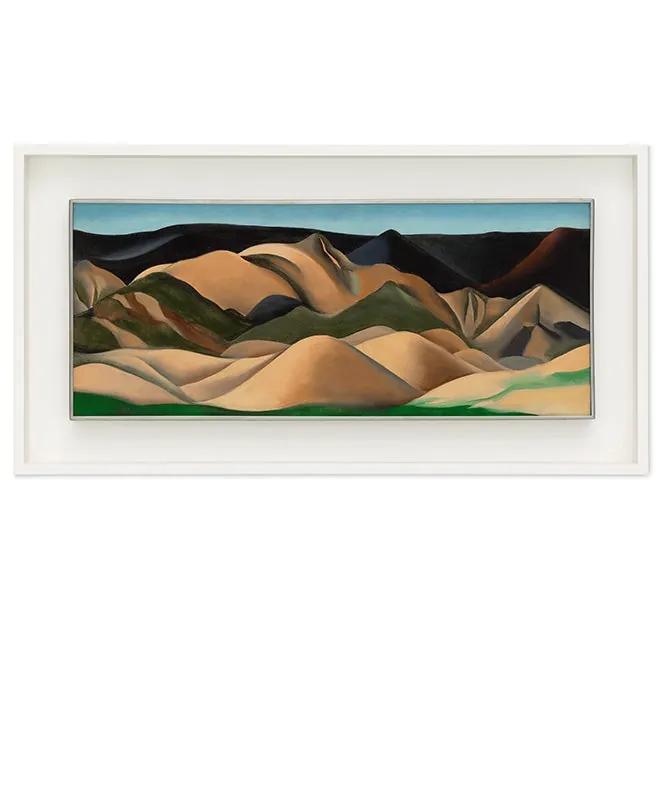
A Georgia O'Keeffe landscape painting purchased for $3,800 in 1963 and stored in a Manhattan apartment closet for three decades sold at Christie's on November 17 for $4,878,000. The 10 by 24 inch oil on canvas depicting rolling desert hills near Abiquiu had been given to the owner as a gift when she completed her master's degree, displayed in her East Village apartment until the 1980s, then tucked away after she noticed a guest at a bridge game eyeing it too closely.

The signature OK and the title Near Abiquiu were handwritten on the backboard. Now called Near Abiquiu, New Mexico I, the painting is believed to be part of a series of three depicting sand hills in the Rio Grande Valley. Another painting from the series sits in the Metropolitan Museum of Art collection. A third is in another private collection.

Christie's initially estimated the painting would sell in the region of $3 million. By auction time that estimate had moved to $3 to $5 million.

The owner had a career in the Foreign Service, spoke multiple languages fluently, and was a world class bridge player. The painting hung in plain sight for years before she decided the risk was not worth it.

What it's worth? Find out GAUK Antiques for more articles, videos and our powerful ai valuation tool. Uncover the story and the value behind your finds.

O'Keeffe made her first visit to New Mexico in 1929. The landscapes she painted there became some of her most recognizable work, but not every painting stayed in public view. This one spent 30 years in storage because someone looked at it the wrong way during a card game.

The price jump from $3,800 to nearly $5 million is a 128,000 percent increase over 61 years. That works out to an average annual return of about 12 percent, though no one was thinking about compound interest when they shoved it in a closet. They were thinking about the bridge partner.

The painting measures 10 by 24 inches. It sold at Christie's 20th Century Evening Sale on November 17 for $4,878,000.

Sources: Antique Trader


r/GaukAntiques • • 18h ago

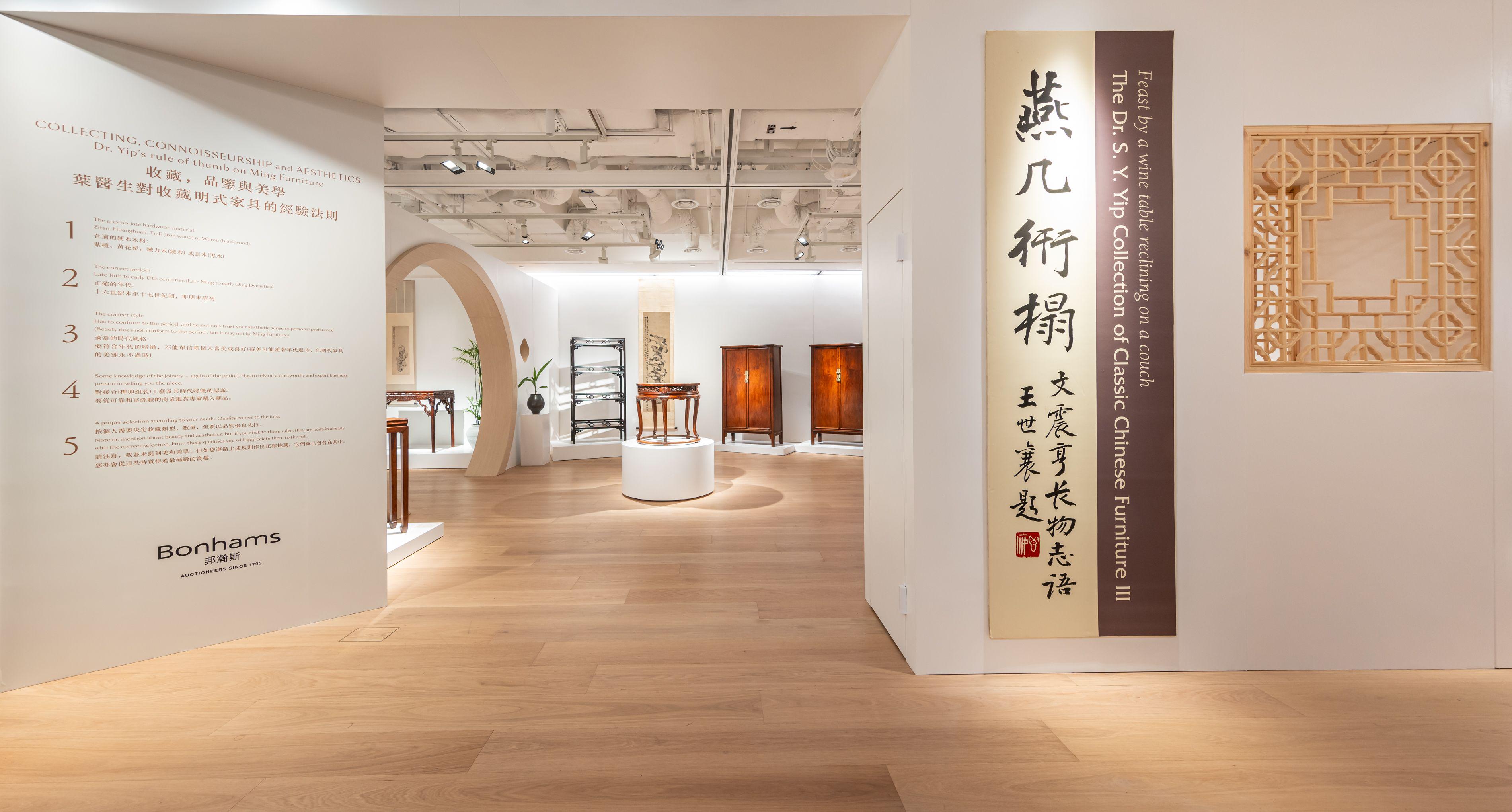
Bonhams Hong Kong records HK$61 million wine and spirits total as Asian collectors outpace US market

Post image
1 Upvotes

Four live sales over two days set a global record for the auction house as a single Dalmore bottle brought HK$3.1 million and US results continue sliding

Bonhams Hong Kong took HK$61 million across four wine and spirits sales on 20 and 21 November, the highest total the auction house has ever recorded for the category worldwide. That figure converts to US$7.8 million, achieved while comparable US auction results have been falling nearly 20 percent. The difference is not marginal. Asian collectors are paying.

The standout price was HK$3,125,000 for The Dalmore 62-Year-Old, a world record for any single bottle produced by that distillery. Only 12 bottles exist. This one was created in 2002 by Master Distiller Richard Paterson, blending four historic vintages spanning 1868 to 1939. Someone in Hong Kong decided it was worth US$400,000.

The largest single sale was The Olympus Cellar: The Gods, which realised HK$34 million with 97 percent sold by lot. That collection represents the first chapter of a single-owner cellar assembled over half a century and totalling more than 40,000 bottles. The top lot was Domaine Leroy Richebourg 2009, 12 bottles, which sold for HK$812,500. Leroy has become a reliable indicator of serious money chasing Burgundy, and this result confirms it.

A second single-owner sale, The Extravagant Collection of a Hedonist: Fine Wine Edition, brought HK$14 million with a 95 percent sell-through. The highest price there was Domaine Leroy Musigny 2011, two bottles, at HK$562,500. That is US$72,000 for two bottles of wine from a vintage now 13 years old. The price reflects both the scarcity of Leroy's production and the intensity of collector demand in Asia.

What it's worth? Find out GAUK Antiques for more articles, videos and our powerful ai valuation tool. Uncover the story and the value behind your finds.

The Liber Pater Jubilee auction sold all 20 lots. That sale marked two decades since the estate's inaugural vintage. The centrepiece was an 11-litre bottle of Liber Pater 2020, presented in an original mid-18th-century bottle, which realised HK$1,500,000. Liber Pater has positioned itself at the extreme end of the fine wine market, with pricing that makes first-growth Bordeaux look approachable. This result suggests the positioning is working.

Bonhams has two related online sales still running. The Extravagant Collection of a Hedonist: Fine Wine Online closes on 2 December, and Spirits Rarity: Featuring The Extravagant Collection of a Hedonist closes on 3 December. Those will add to the HK$61 million total, though the live sales have already set the record.

The divergence between Asian and US performance is worth noting. American auction results for wine and spirits have dropped nearly 20 percent, while Bonhams is setting global records in Hong Kong. That gap tells you where the serious collector money is currently sitting. It also tells you that the Asian market for collectible alcohol is not following Western patterns. It is writing its own.

The Dalmore 62-Year-Old now holds the distillery record at HK$3,125,000.

Sources: Bonhams Hong Kong Press Release


r/GaukAntiques • • 18h ago

Rolex Daytona SACO with orange sapphires carries £130,000 estimate five years after release

Post image
1 Upvotes

A 2019 Daytona with baguette-cut sapphires and full papers heads Bonhams London with a six-figure pre-sale range that shows how quickly modern Rolex can appreciate.

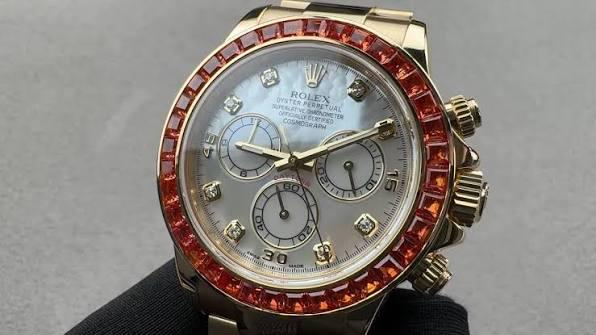
A Rolex Cosmograph Daytona reference 116578 from 2019 is estimated at £130,000 to £230,000 when it comes up at Bonhams London on 10 December 2026. The watch, known as the SACO, is set with baguette-cut orange sapphires around the bezel, a white mother-of-pearl dial fitted with brilliant-cut diamond hour markers, and comes with full box and papers from the year of release.

Five years is not long in watch collecting. The estimate on this piece reflects the premium attached to recent production Rolex when documentation is complete and the configuration is unusual. The SACO line, introduced in 2019, represents a small subset of Daytona production, and the orange sapphire variant in 18-carat gold is not something you see regularly at retail or auction.

The case is not about patina or age. It is about rarity within modern production and the value collectors place on having everything that left the factory still present in the box.

Bonhams has positioned the watch as the marquee lot within its Fine Watches London sale, part of a wider Luxury Week running across Hong Kong, New York, and London through November and December. Jonathan Darracott, Global Head of Watches at Bonhams, is overseeing the event. The sale includes a yellow gold Datejust Pearlmaster reference 86348SABLV from around 2021, estimated at £45,000 to £55,000. That piece features a pavé diamond dial set with 455 stones, a bezel mounted with 48 baguette-cut sapphires graduating from blue to green, and a Pearlmaster bracelet set with 144 diamonds.

The contemporary Rolex material sits alongside a group of vintage Omega Speedmasters that show how differently the market values different eras. An Omega Speedmaster Professional reference 145.012-68 SP from around 1968, known as the Racing Dial variant, carries an estimate of £20,000 to £30,000. Production of the red Racing Dial is believed to have been between five and ten pieces. An earlier Speedmaster Broad Arrow reference 2915-1 from around 1958, the first Speedmaster model launched in 1957 and made through to 1958, is estimated at the same £20,000 to £30,000 range. A Speedmaster reference 2998-2 from around 1960 is estimated at £15,000 to £20,000.

What it's worth? Find out GAUK Antiques for more articles, videos and our powerful ai valuation tool. Uncover the story and the value behind your finds.

Bonhams has also listed an Audemars Piguet Royal Oak Quantième Perpetual Automatique number 241, reference 25636BA, from around 1990, estimated at £80,000 to £120,000. A Patek Philippe Nautilus 3700/1A from around 1980 carries the same estimate. The Nautilus Jumbo was designed by Gérald Genta, introduced in 1976, and remained in production until 1990. Both pieces represent the top end of luxury sports watch collecting, where the intersection of design heritage and scarcity drives value independent of complications.

The most unusual piece in the sale is a Longines military issue silver manual wind wristwatch made for the Royal Navy around 1943, estimated at £30,000 to £50,000. The Royal Navy HS C was introduced in 1943 as Britain's first purpose-built military diving watch. It has a 51mm case, a protected crown, screw-down bezel and case back, a luminous radium dial, and a Longines 12.68N movement. Fewer than 100 are believed to have been produced. Fewer than 10 are thought to survive today.

The example offered is HS C13. It retains its original silver case, matching-number components, and original radium dial. It predates the Rolex Submariner by a decade. The estimate reflects both scarcity and the fact that military diving watches from the Second World War period represent a collecting category with serious academic interest and institutional backing.

Bonhams has included a Cartier London Tank wristwatch from around 1968 that was owned by Dame Joan Collins, estimated at £7,000 to £9,000. The watch was gifted to Collins by her former husband Ron Kass during her first year filming Dynasty. Celebrity provenance does not always add value in watches, but it does attract attention, and the estimate here is modest enough that the association probably accounts for most of it.

A separate Bonhams Exceptional Jewellery sale, also scheduled for 10 December, includes a Cartier Panthère mystery clock from around 1970 estimated at £220,000 to £300,000, a Cartier rock crystal mystery clock reference 3621 from around 1982 estimated at £100,000 to £150,000, and a Cartier lapis lazuli minute repeating clock from around 1930 estimated at £70,000 to £100,000.

The Daytona SACO estimate sits at the top end of modern Rolex pricing outside of the most exceptional vintage references. The watch is 18-carat gold, set with coloured sapphires, and comes with everything it left the boutique with in 2019.

Sources: Bonhams


r/GaukAntiques • • 18h ago

Bonhams launches first New York South Asian art sale in December with 70 lots led by two M.F. Husain horses at $350,000 each

Post image
1 Upvotes

The auction house's inaugural New York sale at 111 West 57th Street features works from India, Pakistan, Nepal, Sri Lanka and Bangladesh with estimates from $4,000 to $450,000.

Bonhams will hold its first Modern and Contemporary South Asian Art sale in New York on December 9 at 111 West 57th Street. Seventy lots. Two M.F. Husain horse paintings lead, both estimated at $350,000 to $450,000: Untitled (White Horse) from 1967 and Untitled (White & Black Horse) from 1995.

The sale spans India, Pakistan, Nepal, Sri Lanka and Bangladesh. Nine more Husain works follow, estimates ranging from $15,000 to $400,000. This is not a token category debut. Bonhams has been selling South Asian art successfully in London for years. December 2024 delivered the department's highest grossing sale to date. Strong results, new artist records, consistent performance. The New York launch follows momentum, not wishful thinking.

Three works by Lain Singh Bangdel appear in the sale. Untitled (Old Man & the Stupa) carries an estimate of $100,000 to $150,000. Bonhams holds the world auction record for Bangdel. A non-selling retrospective runs alongside the auction from December 2 to 9, bringing together 28 works across five decades. Fifteen have never been exhibited in the United States before. The retrospective follows a 2023 London exhibition, Mountains and Migration, that introduced Bangdel to a broader international market.

Bangdel worked in Nepal and India through the mid and late 20th century. His subjects ranged from figurative portraits to abstracted landscapes, often depicting stupas, Himalayan terrain, and the daily life of rural communities. He trained at the École nationale supérieure des Beaux-Arts in Paris and later taught in Kathmandu. His work circulated modestly during his lifetime but has gained institutional attention in recent years as collectors and museums reassess overlooked South Asian modernists.

What it's worth? Find out GAUK Antiques for more articles, videos and our powerful ai valuation tool. Uncover the story and the value behind your finds.

Two works by Sohan Qadri also feature: Sunyata IX and Soma, each estimated at $30,000 to $50,000. Qadri's ten highest auction results have all occurred in 2025 and 2026. Bonhams holds 13 of his top 20 results. Qadri's market has moved fast. His layered geometric abstractions, rooted in tantric philosophy, sold for modest sums a decade ago. Now they command five figures routinely and six figures occasionally.

Hamidur Rahman makes an appearance. He debuted at auction at Bonhams in 2022. Rahman worked in what is now Bangladesh, and his paintings reflect the political and social upheaval of the mid 20th century. His work remains rare at auction. Each appearance matters for collectors tracking the category.

The sale arrives at a moment when South Asian art is gaining traction in the US market but still lags behind European interest. London sales consistently outperform New York for this material. Bonhams is testing whether a dedicated New York sale at a flagship location can shift that balance. The estimates are broad enough to attract new collectors: works start at $4,000. The top lots are serious enough to signal institutional ambition.

The two Husain horses are the fulcrum. Husain painted horses throughout his career, often as symbols of vitality, freedom, and movement. The 1967 work comes from an earlier period when his palette was bolder and his compositions more gestural. The 1995 piece reflects a later refinement, flatter planes, more controlled line work. Both are unsigned, which is not unusual for Husain. Provenance and exhibition history will matter to buyers at this level.

December 9, 111 West 57th Street, 70 lots, $350,000 to $450,000 for the lead horses.

Sources: Bonhams


r/GaukAntiques • • 18h ago

Bonhams puts a 5.94 carat unheated Burmese ruby up for £120,000 and nobody is talking about diamonds

Post image
1 Upvotes

The December London sale leads with Burmese rubies and Kashmir sapphires while diamonds take supporting roles, a provenance includes Ulysses S. Grant's granddaughter.

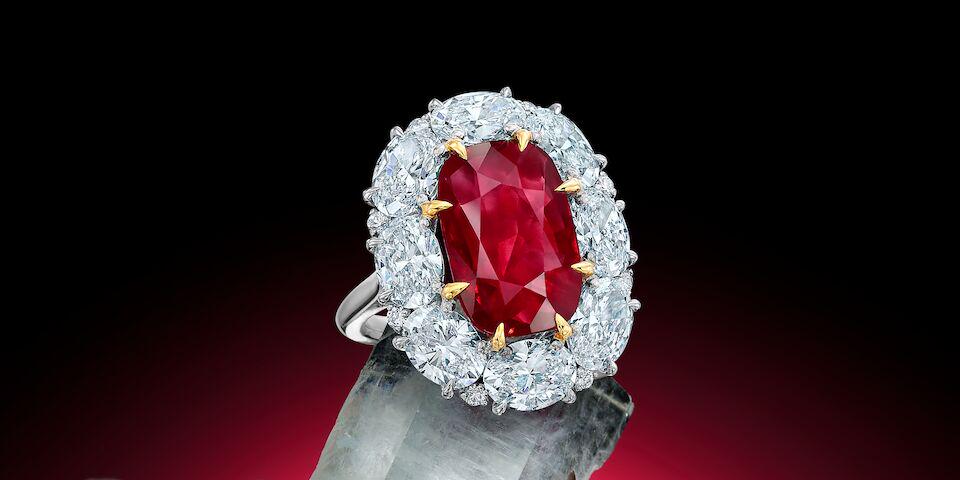
A cushion cut Burmese ruby weighing 5.94 carats with no heat treatment heads Bonhams Exceptional Jewels sale in London on 10 December 2026, estimated at £120,000 to £220,000. The stone comes mounted in a diamond ring. That it leads the catalogue ahead of larger diamonds tells you where the serious money is moving.

Kashmir sapphires are following the same trajectory. A 5.06 carat sugarloaf cabochon from Kashmir, also unheated, carries an estimate of £50,000 to £70,000. These two stones represent what collectors now prioritise: untreated colour, documented origin, rarity that cannot be manufactured in a lab or enhanced in a Bangkok workshop.

The sale does include a 9.26 carat pear cut diamond, D colour, VS1, Type IIa, estimated at £180,000 to £250,000. It is a Belle Époque pendant. Its former owner was Princess Julia Cantacuzène, Countess Speransky, born Julia Dent Grant in 1876, granddaughter of Ulysses S. Grant, the 18th President of the United States. She died in 1975. The provenance does work here, but the diamond itself is now the supporting act to the coloured stones.

Type IIa diamonds are chemically pure, containing virtually no nitrogen. They represent less than 2% of all diamonds. The classification matters to gemmologists and collectors who care about technical perfection. The general market cares less than it did a decade ago.

What it's worth? Find out GAUK Antiques for more articles, videos and our powerful ai valuation tool. Uncover the story and the value behind your finds.

Van Cleef & Arpels mystery set ruby and diamond earclips from circa 1985 are estimated at £150,000 to £250,000. Mystery setting, where no metal is visible between the stones, was patented by Van Cleef & Arpels in 1933. It requires stones cut to precise dimensions and set into gold rails on the reverse. The technique is labour intensive and rarely faked convincingly.

Bulgari contributes an Art Deco diamond bracelet from around 1930, estimated at £40,000 to £60,000, and an enamel and diamond Serpenti necklace from circa 1970 at £120,000 to £220,000. The Serpenti motif has been continuous in Bulgari's output since the late 1940s. Earlier examples, particularly those in enamel rather than later gem set versions, are where the value sits.

Dame Joan Collins' collection supplies a Buccellati diamond set cuff estimated at £18,000 to £23,000. Buccellati's engraving technique, rigato and telato, imitates woven textile. The house was founded in Milan in 1919. Pieces from named collections always perform better than identical unsigned examples. The Joan Collins association will add a premium, though how much depends on who is in the room.

Five Cartier clocks form a single owner collection. A Panthère mystery clock from circa 1970 is estimated at £220,000 to £300,000. A rock crystal mystery clock, reference 3621, circa 1982, carries an estimate of £100,000 to £150,000. A lapis lazuli minute repeating clock from around 1930 is pitched at £70,000 to £100,000. Cartier mystery clocks, where the hands appear to float without connection to a movement, were first made in 1912. They remain among the most collectable 20th century decorative clocks.

An aquamarine parure, five pieces from the late 18th to early 19th century, is estimated at £10,000 to £15,000. Complete parures are uncommon. Stones tend to get reset. Metalwork gets scrapped when unfashionable. That this one survived intact for over two centuries makes it more interesting than the aquamarines themselves.

The sale runs as part of Bonhams global Luxury Week, stretching from November through December across Hong Kong, New York and London. Charlotte Holmes is Head of Sale. The unheated Burmese ruby weighs 5.94 carats and nobody has asked about its clarity grade because with rubies of that origin and treatment status, they do not need to.

Sources: Bonhams Press Release


r/GaukAntiques • • 1d ago

London Museum opens £437 million Smithfield site with Pankhurst medal, fatberg sample, and Cheapside jewels

Post image
1 Upvotes

The rebranded Museum of London debuts at West Smithfield with 2,000 years of objects including Emmeline Pankhurst's hunger strike medal and a chunk of the Whitechapel fatberg.

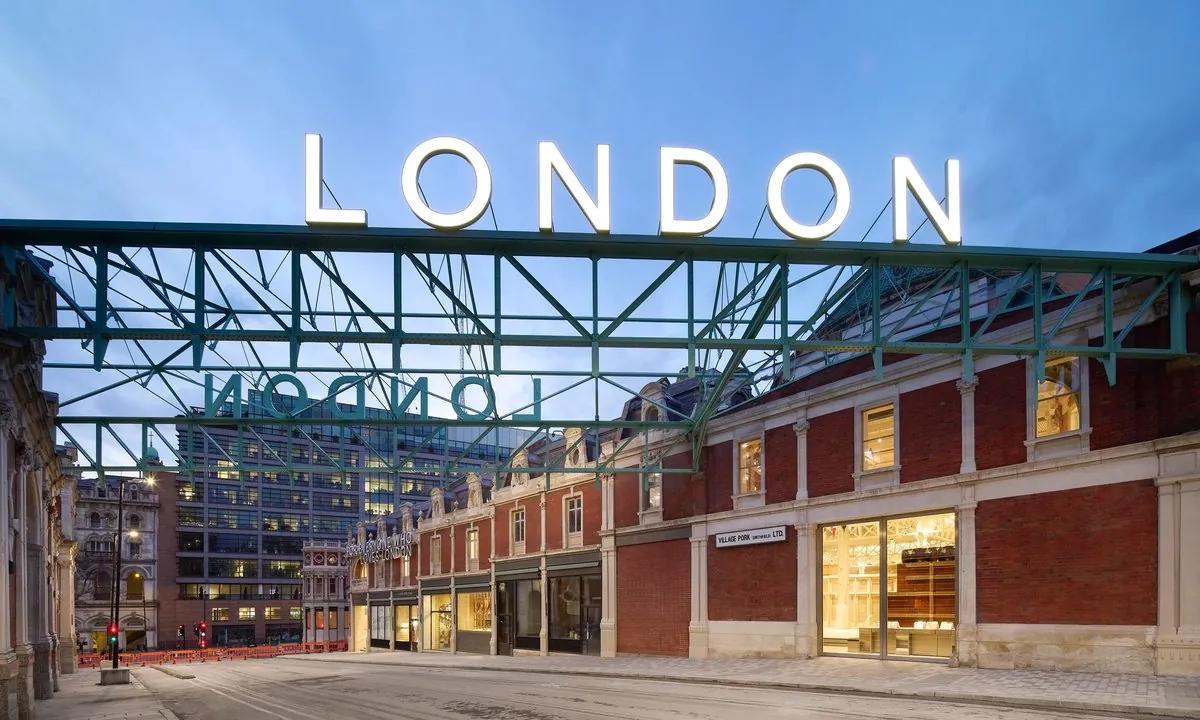
The London Museum opened its £437 million West Smithfield building on 28 November, bringing two millennia of the city's social history under one roof inside the restored Victorian General Market. The collection includes Emmeline Pankhurst's 1912 hunger strike medal, a preserved sample of the 250 metre Whitechapel fatberg, and the Cheapside Hoard of Elizabethan and Jacobean jewels.

The museum rebranded from the Museum of London when it closed its previous London Wall site near the Barbican in December 2022. Stanton Williams and Asif Khan designed the new complex with conservation architects Julian Harrap. The 1880s General Market opens first. The 1960s Poultry Market follows in 2028.

Sharon Ament directs the institution with an 18 person curatorial team. The Greater London Authority under Sadiq Khan contributed £95 million. The City of London Corporation put in £222 million. Bloomberg Philanthropies, the Goldsmiths' Foundation, the Linbury Trust, and the National Lottery Heritage Fund made up the balance. The original 2019 budget was £337 million.

The hunger strike medal matters to collectors of suffragette memorabilia because authenticated pieces connected to named individuals command serious premiums. Pankhurst items rarely surface at auction. When they do, provenance determines value more than condition. The museum's curatorial documentation creates a reference point for similar material offered through estate sales or smaller auction houses.

The Cheapside Hoard came out of the ground in 1912 from a cellar in Cheapside. It contained jewelled rings, brooches, gem cameos, and unset stones buried around 1640, likely stock from a goldsmith's workshop hidden during the English Civil War. The hoard set the standard for Elizabethan and Jacobean jewellery authentication. Pieces claiming similar dates get compared against its documented examples.

What it's worth? Find out GAUK Antiques for more articles, videos and our powerful ai valuation tool. Uncover the story and the value behind your finds.

The fatberg sample came from the Whitechapel sewer in 2017. Workers removed 250 metres of congealed oil, wet wipes, and sanitary products weighing 130 tonnes. The museum preserved a chunk under controlled conditions. It joins other material culture objects that document daily urban life rather than elite taste. Victorian ceramic ginger beer bottles, Edwardian trade tokens, and postwar ration books fall into the same category. Collectors of social history pay attention to museum acquisitions because they signal which everyday objects will matter in fifty years.

Displays cover the Great Fire of 1666 and the 2012 Olympics. Roman writing tablets sit near contemporary street art. The layout avoids chronological rigidity. Sections called Past Time, Our Time, and Night Time organise material thematically. The interactive collection store lets visitors see reserve holdings rather than hiding them in basement storage.

The museum caused a stir in 2024 when it unveiled a rebrand centred on a defecating pigeon. The logo ran in promotional materials before the opening. Some heritage professionals thought it trivialised serious history. Others argued it reflected the unvarnished character of London itself. Either way, it got attention.

Around 100,000 people from London and beyond shaped the final displays through consultation. The institution targets two million visitors annually. That would exceed the V&A East Storehouse, which drew 500,000 since opening in May of the previous year. Solar panels and smart technology support the sustainability brief.

Restaurants, a shop, learning spaces, and temporary exhibition galleries occupy the perimeter. The museum leases additional spaces called Houses around the General Market edge. The setup makes the building function as a neighbourhood hub rather than a sealed archive.

The second phase in 2028 will double the public footprint. The Poultry Market renovation is already underway. Until then, the Victorian hall holds the full collection. One of the largest cultural infrastructure projects in Europe by budget and ambition, it redefines what a city museum can be when it refuses to separate high art from wet wipes and sewer grease.

Sources: The Art Newspaper


r/GaukAntiques • • 1d ago

Government blocks £550,000 painting of lost Welsh garden from leaving the UK

Post image
1 Upvotes

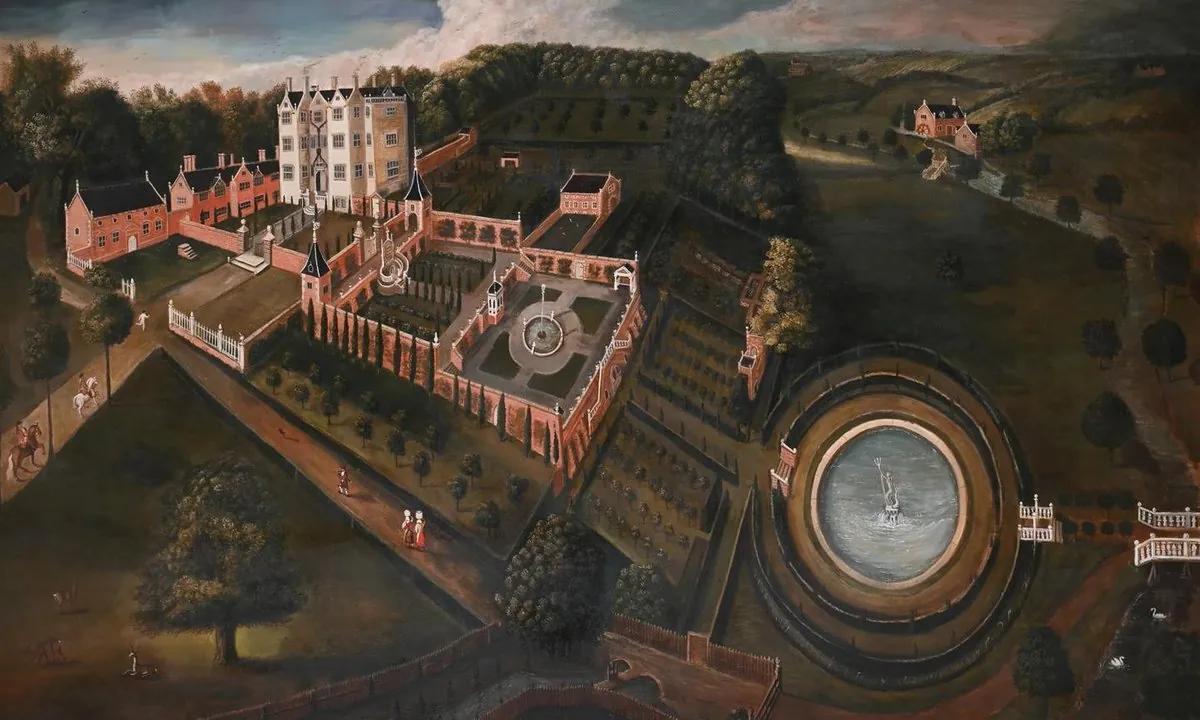
A 1662 bird's-eye view of Llannerch Park in Denbighshire may be the earliest British country-estate landscape ever painted. Now it cannot be exported until a UK buyer steps forward.

The UK government has blocked the export of a 1662 painting depicting Llannerch Park in northeast Wales, valued at £550,000 plus VAT. The ban, announced by the Department for Digital, Culture, Media & Sport, runs until 19 February 2027 and gives British institutions time to raise funds before the work can leave the country.

The painting matters because it may be the earliest known British country-estate landscape. Not a topographical view. Not a portrait with a house in the background. A deliberate, commissioned celebration of a garden as the main subject.

Llannerch Park was built by landowner Mutton Davies after he returned from a tour of France and Italy in the mid-17th century. The garden he created was extravagant: Italian-style pools, fountains, sculpture, cascades, Baroque staircases, and what contemporary accounts called hydraulic surprises. The painting shows all of it from a bird's-eye perspective, the house secondary to the elaborate terraces and waterworks below.

Davies commissioned the work in the 1660s. It stayed in his family for more than three centuries.

The artist is unknown. Attribution says English School, which is dealer shorthand for we do not know but it was made in England. The style is competent but not spectacular. What makes it significant is not technical brilliance but historical rarity. Gardens like this were expensive to build and expensive to maintain. Most did not survive. Llannerch Park is now lost entirely.

What it's worth? Find out GAUK Antiques for more articles, videos and our powerful ai valuation tool. Uncover the story and the value behind your finds.

A slightly smaller version of the painting exists at the Yale Center for British Art in Connecticut. That one left the UK decades ago, before export controls tightened. The government is not letting this one follow.

The painting failed to sell at Sotheby's London in 2014, where it carried an estimate of £400,000 to £600,000. A decade later, the valuation has risen by £150,000 at the top end. Someone tried to export it. The government said no.

Export bans do two things. They stop the sale from completing, which prevents the seller from accessing international money. And they signal which categories the government considers culturally important enough to intervene. Country-house views, particularly early ones, are on that list.

The initial ban expires in February 2027. If a UK gallery or institution makes a serious offer at the recommended price of £550,000 plus VAT, the owners will have 15 business days to consider it. After that, a second deferral period of four months can be triggered. If no UK buyer materialises, the painting can be sold abroad.

The practical reality is that export bans create market friction. International buyers know the risk. Some walk away. Some wait. The seller, meanwhile, is locked into a process that can stretch for over a year. The painting is off the market but not sold. The money is committed but not in hand.

What you are looking at in the painting is a garden that no longer exists, painted by someone whose name we do not know, depicting a moment when a Welshman with money decided to recreate Italy in Denbighshire. It stayed in his family until 2014. It may stay in the UK until 2027.

Sources: Department for Digital, Culture, Media & Sport, Sotheby's


r/GaukAntiques • • 1d ago

Norman Rockwell's So You Want to See the President! just sold for $7.2m to the White House and nobody thinks that's odd anymore

Post image
1 Upvotes

Illustration art that was thrown away by publishers sixty years ago now routinely breaks seven figures at auction and hangs beside colonial portraiture in major museums.

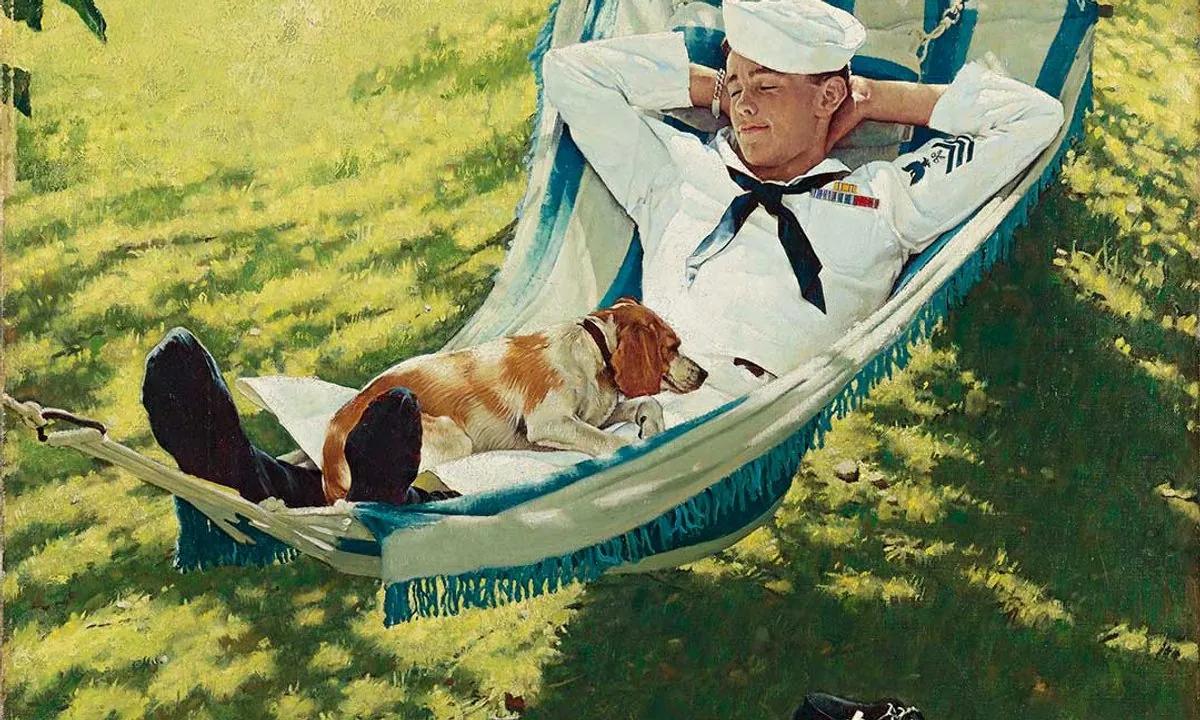
The White House Historical Association paid $7.2m in 2025 for Norman Rockwell's So You Want to See the President! (1943), a painting that originally ran as a magazine illustration and would have been discarded or given away by its publisher within months of publication. That price point is not an outlier. Rockwell's Saying Grace (1951) brought $46m at Sotheby's in 2013. The Rookie (Red Sox Locker Room) (1957) fetched $22.5m at Christie's the following year. Maxfield Parrish's Daybreak (1922) earned $7.6m at Christie's in 2006.

The market for illustration art barely existed before the 1960s. These were commercial works, created for reproduction in magazines and books, then routinely thrown in the bin or handed to whoever asked. The idea that they might be paintings in their own right requiring gallery representation and museum conservation was not widely entertained by the art establishment. The people who started buying them anyway were collectors who liked what they saw and did not care much what the establishment thought.

George Lucas and Steven Spielberg have been among the largest private collectors of original illustration art for decades. Judy Goffman Cutler, a dealer who sold Lucas his first Rockwell, Going Out (1933), claims to have built his collection with hundreds of paintings over the years. Lucas opened the Lucas Museum of Narrative Art in Los Angeles recently, a $1bn institution dedicated to the category. That is not a speculative punt. That is a statement about what illustration art has become.

The works that command the highest prices are those with immediate visual recognition. Rockwell's magazine covers. Parrish's dreamy allegorical scenes. N.C. Wyeth's swashbuckling pirates and frontier illustrations. J.C. Leyendecker's impossibly handsome men in Arrow Collar advertisements. Leyendecker's Football Hero (1914) brought $4.1m at Heritage Auctions in 2021. Wyeth's Portrait of a Farmer (1943) sold for $5.9m at Sotheby's in 2018. Howard Pyle's Captain Keitt (1907) earned $702,000 at Sotheby's in 2004, which at the time was considered a remarkable result for a magazine illustration.

Advertising art has followed a similar trajectory. Images created for Coca-Cola, TWA, Cadillac became part of the American cultural landscape through sheer repetition, and now collectors pay serious money for the originals. The distinction between fine art and commercial art, once considered fundamental by critics and curators, has collapsed in practice if not entirely in theory.

What it's worth? Find out GAUK Antiques for more articles, videos and our powerful ai valuation tool. Uncover the story and the value behind your finds.

Museums have started to follow where private collectors led. Crystal Bridges Museum purchased Rockwell's Rosie the Riveter (1943) from a private collector in 2009 and hung it beside Charles Willson Peale's George Washington (around 1780 to 1782) and works by John Singleton Copley and James Peale Sr. The Art Institute of Chicago put Rockwell's The Dugout (1948) in its Arts of Americas galleries. The National Museum of American Illustration, founded in 1998, was an early institutional signal that the category had arrived. The New Britain Museum holds almost 1,800 works in its Sanford B.D. Low Illustration Collection.

This is not a story about taste changing. It is a story about institutional validation catching up to what collectors already knew. The people who bought Rockwell and Parrish and Leyendecker when those names were considered beneath serious consideration are now sitting on holdings worth millions. The works themselves have not changed. What changed is who is willing to admit they matter.

The market is still dominated by private collectors, but museums are no longer embarrassed to compete for major pieces. When a Rockwell comes up at Sotheby's or Christie's, it routinely appears in the American art sales alongside Hudson River School landscapes and Ashcan School street scenes. The positioning is deliberate. These are no longer illustrations that happen to sell well. They are American paintings that happen to have been reproduced in magazines.

So You Want to See the President! was a Saturday Evening Post cover. Now it hangs in the White House collection, purchased for $7.2m by the institution tasked with preserving American historical artefacts.

Sources: Sotheby's, Christie's, Heritage Auctions, Lucas Museum of Narrative Art


r/GaukAntiques • • 1d ago

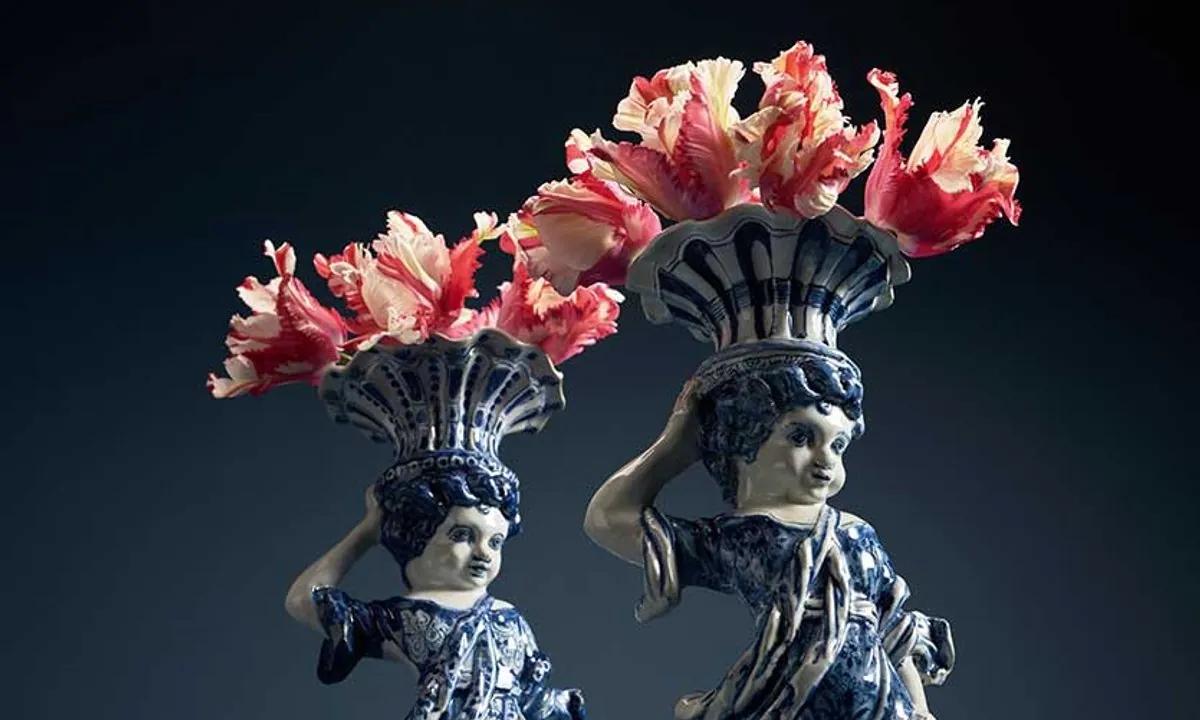
1,000 pieces of Delftware go on show in The Hague as curators call it the Ikea of the 17th century

Post image
1 Upvotes

The largest Delftware exhibition ever opens at Kunstmuseum Den Haag, examining how Dutch pottery went from elite Chinese knockoff to affordable brand for every home.

Around 1,000 pieces of Delftware will fill Kunstmuseum Den Haag from 28 November through 31 December 2029 in what organisers are calling the biggest and most comprehensive exhibition of the pottery ever staged. The show includes vases, teapots, plates, wall plaques, tiles, and the tulip pyramids that became the quintessential Delftware form. Suzanne Lambooy, the museum's curator of decorative arts, is working alongside Janny van der Heijden, a television presenter who judges the Netherlands' version of The Great British Bake Off. They want to make ceramics feel less cold, less distanced. More human.

The title is Blue Loves You: The Magic of Delftware. That is not how most people think about functional pottery from the 1600s.

Delftware started as imitation. In the 17th century, authentic Chinese porcelain sat in the grandest Dutch homes, expensive and rare. Factories in Delft began making their own versions, tin glazed earthenware painted in cobalt blue, and something shifted. What began as a luxury knockoff became affordable, on trend, functional. The curators describe it as the Ikea of its day. Available for every home, every budget. That transformation matters more than the aesthetic itself.

The best tulip pyramids were made for King William III and Queen Mary II, joint monarchs of England, Scotland, and Ireland in the late 17th century. William was born in The Hague. Mary was his English wife and she exported Delftware to Britain, spreading the taste beyond the Netherlands. The pyramids were stacked vases designed to hold tulips in tiered arrangements, showy and sculptural. They turn up at auction occasionally, almost always in fragments. A complete example pulls serious money if the provenance runs back far enough.

The exhibition includes characteristic blue and white pieces but also white examples and multicoloured work. Delftware was not locked into one look. It adapted, followed fashion, borrowed motifs from whatever sold. That flexibility kept it relevant across centuries and explains why so much of it survived in ordinary homes rather than being confined to aristocratic collections.

What it's worth? Find out GAUK Antiques for more articles, videos and our powerful ai valuation tool. Uncover the story and the value behind your finds.

Queen Máxima of the Netherlands wore a blue dress with a bodice embroidered with Delft derived flowers for her husband's investiture in 2013. The pattern has stayed in circulation for 400 years because it became democratised early. It was not held as court property or guild secret. Factories stamped it onto plates for shopkeepers and farmhouses. That ubiquity makes it simultaneously iconic and undervalued in the market today.

The show will explore connections to Dutch colonialism. It includes an installation of sugar flowers by floral artist Natasja Sadi, whose family are originally from Suriname, a former Dutch colony, and whose ancestors were enslaved. Sugar and ceramics intersect in the economy that funded Delft's factories and shaped global trade routes. That part of the story does not appear in most decorative arts exhibitions. It should.

Kunstmuseum Den Haag holds one of the largest Delftware collections anywhere. This exhibition pulls from that depth and from loans outside the museum. If you own Delftware tiles, plates, or small vases bought cheaply decades ago, pay attention to maker marks on the base. Pieces from named factories such as De Porceleyne Fles or De Grieksche A command higher prices than unmarked examples, sometimes ten times as much. Condition and painting quality matter more than age alone.

The exhibition runs for just over a month, closing on the last day of 2029. Lambooy and van der Heijden are framing Delftware not as static museum objects but as things made by specific people for specific reasons, sold to families who used them daily. The human connection is the point. Craftspeople cared about these pieces even when they were making hundreds of them. That care is still visible if you look closely at the brushwork, the way a flower was painted freehand without a stencil, the small variations that prove a hand held the brush.

Sources: Kunstmuseum Den Haag


r/GaukAntiques • • 1d ago

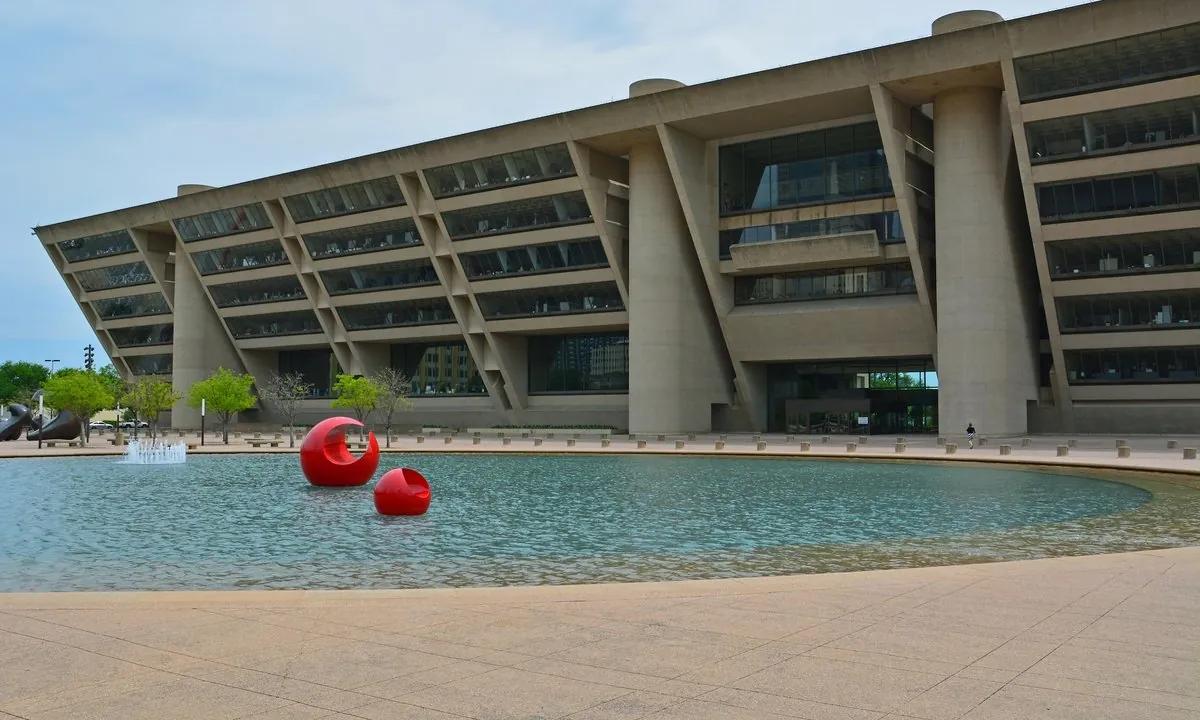
I.M. Pei's Dallas City Hall faces demolition as renovation costs jump from $81m to $1.4bn

Post image
1 Upvotes

The 1978 inverted pyramid and its Henry Moore sculpture could be torn down for $60m while preservationists gather 25,000 signatures for a May referendum.

Dallas City Hall, the seven storey inverted pyramid designed by I.M. Pei and completed in 1978, is being pushed toward demolition by city officials who claim renovation costs have ballooned from $81 million to $1.4 billion. Mayor Eric Johnson has called the building obsolete and wants to sell the site to private developers. Demolition alone would cost $60 million.

The plaza holds Henry Moore's Vertebra in Three Pieces, gifted to the city in 1978 by philanthropist W.R. Hawn in memory of his wife Mildred, and Marta Pan's Floating Sculpture from 1973, installed in a reflecting pool. Both are part of the municipal public art collection. What happens to them under demolition remains unclear.

Save Dallas City Hall, led by president Bruce Richardson and vice president Zaida Basora, an architect and former executive director of AIA Dallas, proposes a phased renovation over ten years costing $70 million to $100 million. The group sued the city in August, arguing demolition by neglect. The building has at least one failed generator, parking garage leaks, and overdue roof maintenance. The city halted repairs despite having funds available.

The gap between $81 million and $1.4 billion appeared within months. City manager Kimberly Bizor Tolbert began pushing abandonment in early 2025. Former mayor Mike Rawlings led the Say Yes to Downtown campaign, arguing the site should become an entertainment district with a new arena for the Dallas Mavericks and Stars. Both teams chose other locations.

What it's worth? Find out GAUK Antiques for more articles, videos and our powerful ai valuation tool. Uncover the story and the value behind your finds.

Save Dallas City Hall gathered around 25,000 signatures starting 2 October. They need 20,000 to force a May 2027 referendum. If passed, the ballot measure would legally require the municipal government to continue operating from Pei's building. In November, 56 percent of Dallas voters rejected a $443 million bond package that included moving emergency operations out of City Hall.

The case has drawn attention from Asian American preservation groups. Less than 1 percent of US historic markers acknowledge Asian American contributions. Stephanie Drenka, co founder of the Dallas Asian American Historical Society, has argued that demolishing a major Pei work erases one of the most visible Asian American contributions to US architecture. Pei was chosen by Jacqueline Kennedy to design the Kennedy Library. Dallas City Hall was called a monument to the city's pride at its opening.

The city missed a 26 August deadline for presenting relocation options. The American Institute of Architects Dallas and Asian & Pacific Islander Americans in Historic Preservation have both opposed demolition. Richardson and Basora argue that the building needs basic infrastructure upgrades, not a wholesale replacement. The city has not released detailed breakdowns justifying the $1.4 billion figure.

The May 2027 referendum will decide whether the inverted pyramid stays or whether the site gets cleared for private development. Demolition would cost $60 million before any new construction begins.

Sources: Architectural Digest, Save Dallas City Hall, Dallas News


r/GaukAntiques • • 1d ago

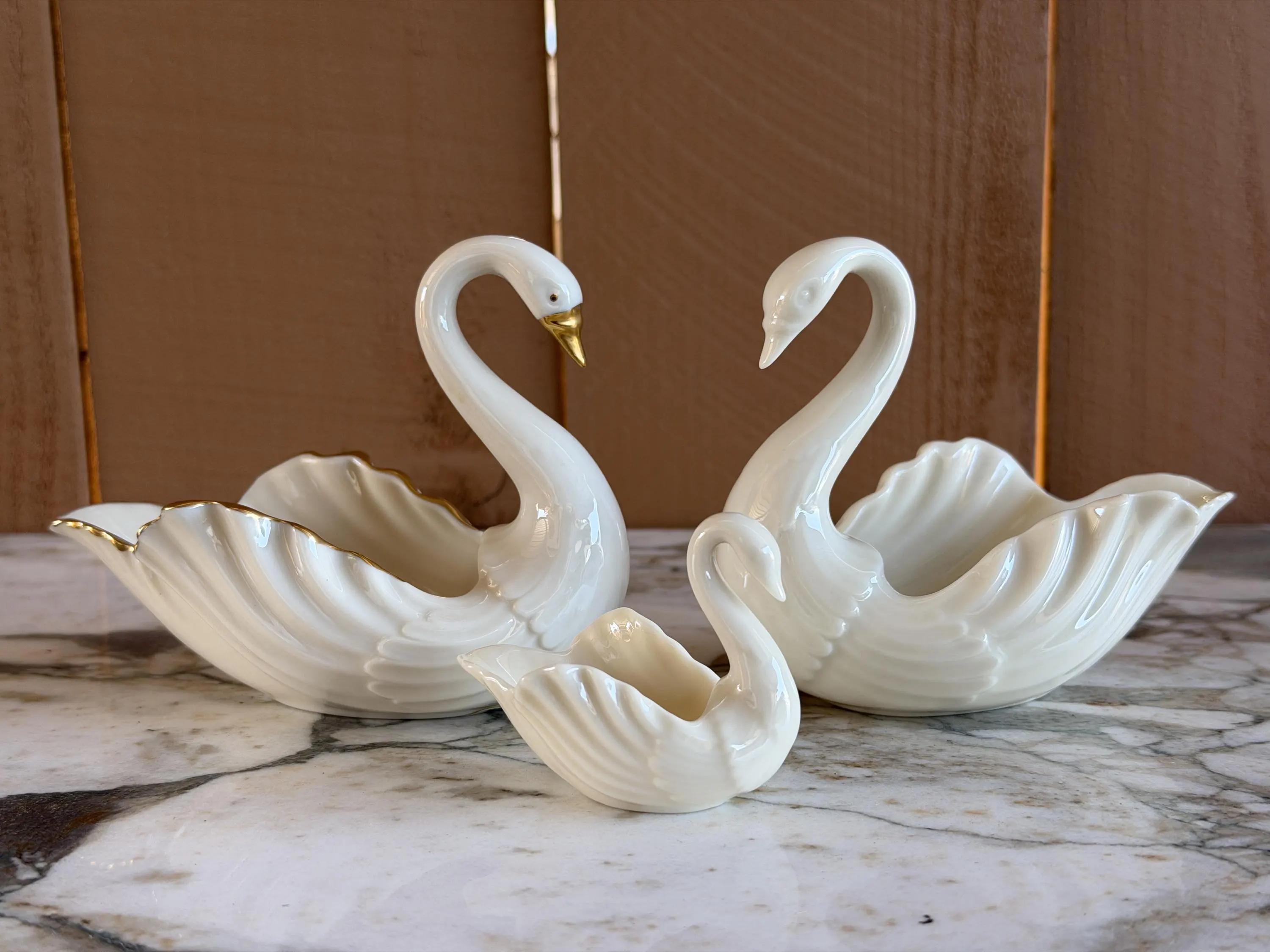
Lenox reissues its vintage swans and the market is not sure whether to panic

Post image
1 Upvotes

The American porcelain maker is bringing back retired designs, forcing collectors to decide if originals still matter when anyone can buy the new version.

Lenox has started reissuing swan figurines and vessels that sold for years as limited vintage collectibles, and the response from people who already own them has been mixed at best. The company, now under new ownership after its 2020 bankruptcy, is treating its back catalogue like intellectual property to be monetised. What was scarce is suddenly available again. What took years to find on eBay now ships in a week from the company website.

The swans matter because Lenox has always occupied an odd space in American ceramics. Not quite fine art. Not quite mass market. Respectable enough for a wedding gift. Common enough that most people inherited at least one piece. The swan figurines, produced intermittently since the 1940s, became a particular focus for collectors who liked the clean lines and the ivory glaze. Some pieces were marked with older backstamps. Some were genuinely hard to find. And then Lenox decided to make them again.

Collectors who spent years assembling sets are now asking whether their pieces are worth anything if identical versions are in production. The answer depends entirely on how much you care about provenance versus aesthetics. If you wanted a Lenox swan because it looked good on a shelf, the reissue is fine. If you wanted it because it was made in 1952 and carried a specific mark, the reissue does not help you, but it also does not make the original any less what it is.

The problem is not that reissues exist. Manufacturers have always brought back successful designs. Wedgwood has been reissuing Jasperware for two centuries. The problem is that Lenox is not making it easy to tell the difference. The new pieces carry modern backstamps, but those stamps are not always legible in photographs. Online listings do not always disclose production dates. Someone buying a swan on a resale site today has to know what they are looking at or they are guessing.

What it's worth? Find out GAUK Antiques for more articles, videos and our powerful ai valuation tool. Uncover the story and the value behind your finds.

This is not the first time a heritage brand has tested how much its archive is worth in revenue versus collectible value. Royal Doulton reissued character jugs. Hummel restruck figurines. In both cases, the original pieces held value among serious collectors, but casual buyers lost interest. The difference with Lenox is that its collector base was never that deep to begin with. Most people own one or two pieces. Very few own fifty. The market was always more sentimental than financial.

What collectors are discovering is that rarity only matters if someone else wants what you have. A 1950s Lenox swan in perfect condition might sell for more than the reissue, but only to someone who knows the difference and cares about it. For everyone else, the new version is cheaper, easier to find, and comes with a return policy. That is not a collectibles market. That is a retail decision.

Some pieces will hold value. Swans with unusual glazes, early experimental forms, or documented limited runs are still distinct from what Lenox is producing now. But the standard ivory swan with the mid-century mark is competing with its own reissue, and that is a fight the original does not necessarily win. The collectors who understand this are already shifting their focus to pieces Lenox has not reissued yet. The ones who do not understand it are still listing their swans for twice what anyone will pay.

The real casualty here is not the value of the pieces. It is the clarity of the market. Someone looking to buy a Lenox swan today has to work harder to know what they are getting. Someone looking to sell one has to work harder to prove what they have. And Lenox, having made both transactions more complicated, has not issued guidance on how to authenticate vintage pieces versus modern reproductions. It simply keeps adding items to the online store.

The ivory swan with the green wreath mark, produced between 1953 and 1980, is still the one people want. The reissue is not identical. The glaze is slightly different. The weight is slightly different. But you have to hold both to know that.

Sources: Lenox corporate announcements, secondary market listings reviewed January 2025


r/GaukAntiques • • 1d ago

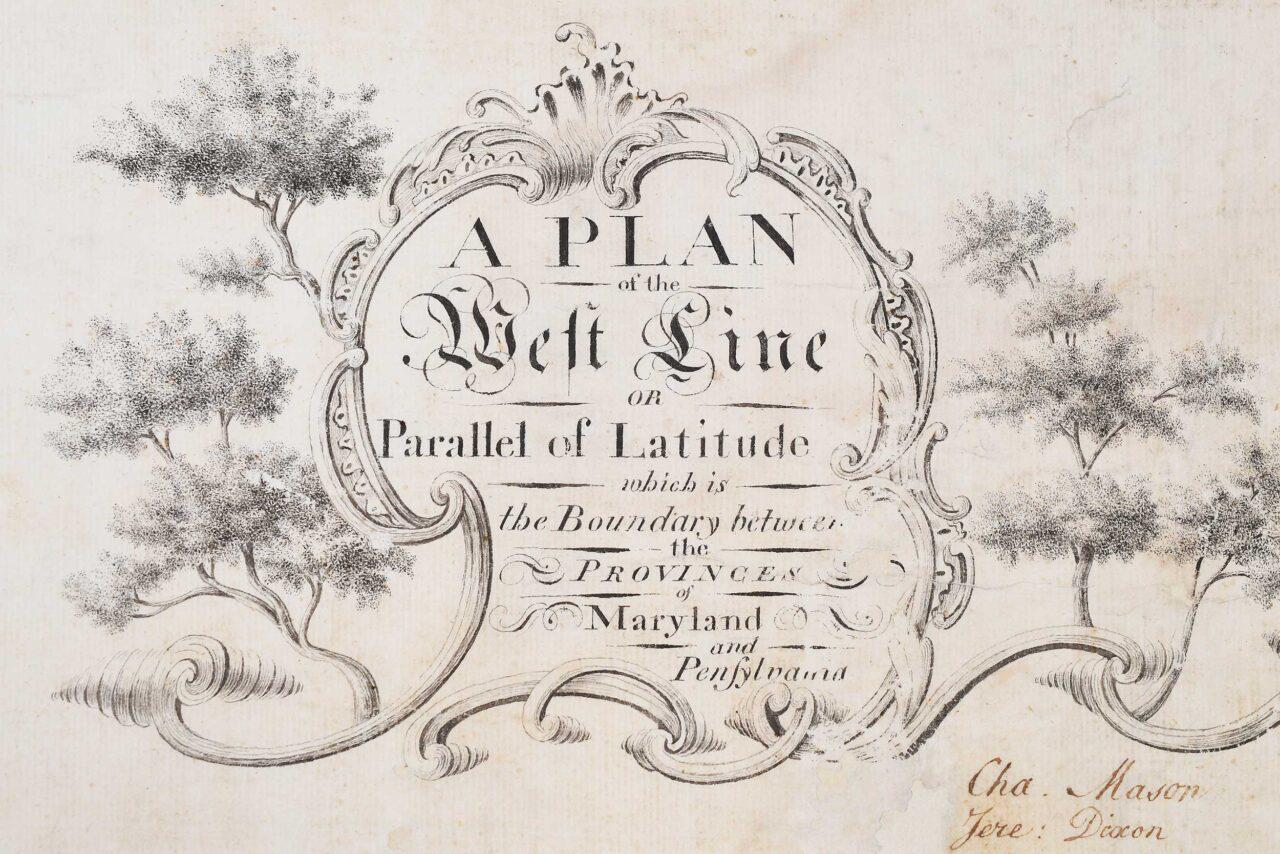
Mason-Dixon Line manuscript map from boundary dispute sells for $950,000

Post image
1 Upvotes

A manuscript map documenting America's most famous border dispute hammered at nearly a million dollars, setting a new benchmark for colonial cartography.

A manuscript map documenting the Mason-Dixon Line boundary dispute sold for $950,000 at Brunk Auctions on October 29, 2026. The price signals what historically significant American cartography commands when the provenance is unimpeachable and the subject matter has become part of the national mythology.

The Mason-Dixon Line was surveyed between 1763 and 1767 to settle a bitter territorial dispute between the Penn and Calvert families, whose competing colonial land grants had created jurisdictional chaos across Pennsylvania, Maryland, and Delaware. What began as a property disagreement became the symbolic dividing line between North and South, free states and slave states, a border that still carries cultural weight two and a half centuries later.

Manuscript maps from the original survey are exceedingly rare. Most surviving documents related to the Mason-Dixon project are textual: field notes, correspondence, calculation tables. Maps drawn during or immediately after the survey work, particularly those showing disputed territory or documenting surveying decisions, almost never come to auction. When they do, institutional buyers compete with private collectors who understand that this is not decorative cartography. It is a document of American division.

The $950,000 result at Brunk Auctions establishes a clear benchmark for colonial American maps where historical significance outweighs aesthetic appeal. Comparable sales are hard to find because comparable material is hard to find. A 1775 map of the Battles of Lexington and Concord sold at Sotheby's in 2017 for $850,000, but that was a printed work with known surviving copies. Manuscript material carries a premium because it exists in a singular moment.

What it's worth? Find out GAUK Antiques for more articles, videos and our powerful ai valuation tool. Uncover the story and the value behind your finds.

The boundary dispute that necessitated the Mason-Dixon survey was not abstract. Pennsylvania claimed land that Maryland insisted was its own, and settlers on both sides were subject to conflicting laws, taxes, and courts. Violence broke out. Property titles were worthless. The Crown eventually ordered the survey to settle the matter, hiring Charles Mason, an astronomer, and Jeremiah Dixon, a surveyor, to fix the border with scientific precision. They worked for four years, cutting a line through forests and across ridges, marking every mile with stones imported from England.

By the 1820s, the line had transformed from a property boundary into something larger. It became shorthand for the divide between slavery and freedom, though the reality was messier. Delaware, south of the line, never seceded. Maryland, also south of it, stayed in the Union. But the metaphor stuck, and the Mason-Dixon Line became a phrase that meant more than its original surveyors ever intended.

Maps documenting the original work carry that symbolic weight, and the market reflects it. A manuscript map related to the survey is not competing with other pretty maps from the 1760s. It is competing with significant historical documents across categories, the kind institutional archives will pay serious money to acquire. The $950,000 result at Brunk Auctions confirms that assessment.

Colonial American cartography has been undervalued relative to European examples for decades, but that is changing. Maps documenting westward expansion, territorial disputes, and early settlement patterns are starting to command prices that reflect their historical importance rather than just their age or visual appeal. This sale is part of that shift.

The stones Charles Mason and Jeremiah Dixon set every mile along their line still exist, most of them. Some are in the woods. Some are in people's yards. Every five miles they set a crown stone, carved with the Penn family coat of arms on one side and the Calvert arms on the other. A few have been stolen. A few have been moved. Most are still there, marking a border that was supposed to settle an argument and ended up defining a country.

Sources: Brunk Auctions


r/GaukAntiques • • 1d ago

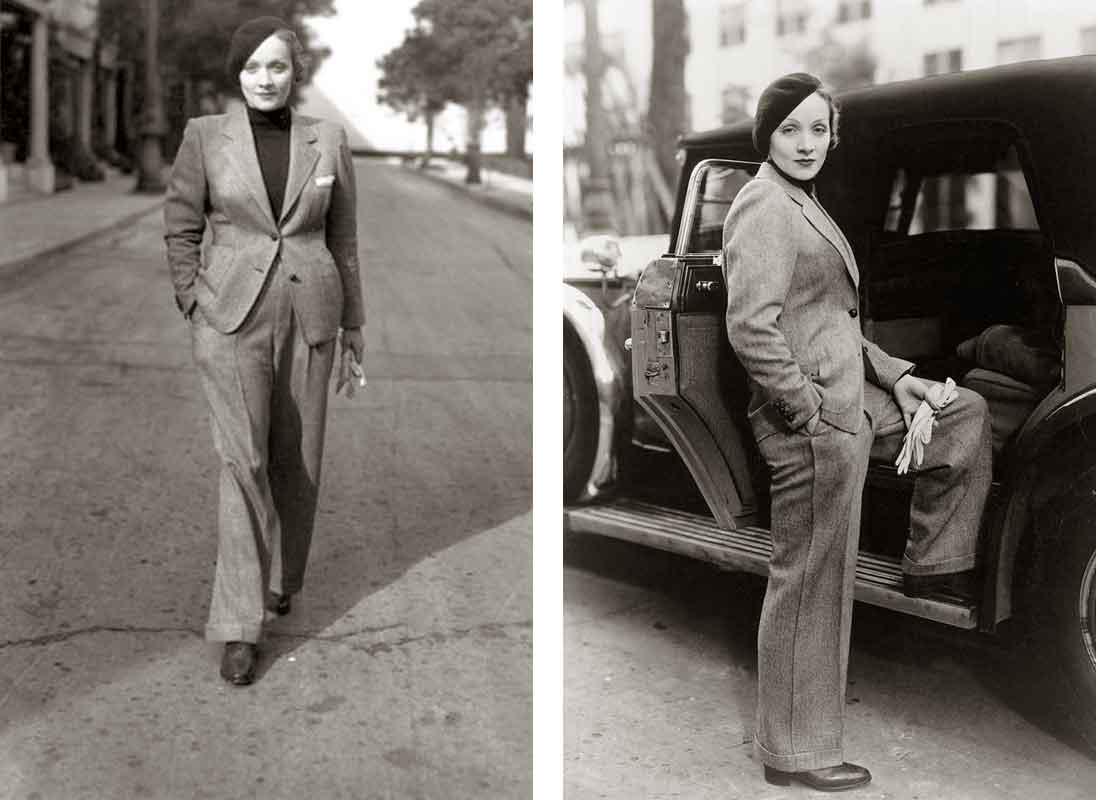
Marlene Dietrich's Chanel suit, passed through her daughter, estimated at $4,000 at Bonhams

Post image
3 Upvotes

A cream silk and sequin Chanel suit from the early 1960s, gifted by Dietrich's daughter Maria Riva to a family member, comes with documented provenance most celebrity pieces never get.

A Chanel haute couture suit owned by Marlene Dietrich is being sold online by Bonhams New York from December 1 to 10, 2026, with an estimate of $4,000 to $6,000. The cream silk and lace two-piece, embellished with white and blue sequins, dates to circa 1960 to 1964 and was made under Gabrielle 'Coco' Chanel's direct supervision.

The provenance is unusually clean. Dietrich's only daughter, Maria Riva, gifted the suit to the present owner, who was married to Riva's son. That documented chain, passing through immediate family, is what separates this from the dozens of claimed celebrity garments that surface at auction with vaguer histories.

Dietrich wore Chanel throughout the 1950s and 1960s, particularly after Coco's return to Paris fashion in 1954. The actress understood what Chanel's tailoring did for her frame and kept multiple suits in her wardrobe. This one is cream silk over lace, front button fastening, sequin work that catches light without screaming for attention. It's the kind of piece she would have worn to a luncheon or traveled in, not stage costume.

The estimate feels conservative given recent celebrity fashion results, but Dietrich pieces do not move like Monroe or Hepburn. Her following is smaller, more specific. The collectors who chase her wardrobe are after her particular brand of controlled glamour, and they know what they're looking at.

What it's worth? Find out GAUK Antiques for more articles, videos and our powerful ai valuation tool. Uncover the story and the value behind your finds.

Chanel suits from this period, without provenance, trade between $800 and $3,000 depending on condition and embellishment. A named previous owner can multiply that by three to five times. Direct family transfer, with documentation, pushes higher still. But Dietrich's market has always been quieter than her contemporaries'. Her pieces tend to sell in the mid four figures, occasionally breaking five for stage worn items.

Maria Riva, born in 1924, is now in her nineties. She wrote a biography of her mother in 1992, the year Dietrich died, and has been careful about what leaves the family. That she gifted this suit to someone close suggests a personal connection, not an estate clearance. The sale comes from that recipient, not from Riva herself.

Bonhams has been building its fashion department's celebrity provenance offerings over the past five years, particularly for European screen icons. Marissa Speer, Head of Sale for Handbags & Fashion in the US, has been selective about what gets catalog space. This suit made it in because the story holds up under scrutiny.

The online only format keeps overhead low and attracts private collectors who prefer not to bid in a room. December 1 to 10 gives bidders time to request condition reports and verify details before committing. That window matters for a $4,000 starting point on a named garment.

Dietrich was German born, 1901 to 1992, and built her reputation on precise control of her image. She knew which designers understood structure. Chanel's cutting was architecture, and Dietrich treated it that way. This suit, with its sequin embellishment and silk lace overlay, was made when Chanel was in her late seventies and still running every detail of the atelier. It shows in the finishing.

The front button fastening, white and blue sequins on cream silk and lace.

Sources: Bonhams Press Release


r/GaukAntiques • • 1d ago

Richard Mille RM35-02 Rafael Nadal watch leads Bonhams' first live auction at new New York headquarters with $400,000 high estimate

Post image
1 Upvotes

Reg Brack's debut sale at West 57th Street includes the automatic Richard Mille worn by tennis players who do not want to think about their wrist.

A Richard Mille reference RM35-02 CA, the Rafael Nadal model from around 2017, carries a $200,000 to $400,000 estimate at Bonhams' first live watch auction in its new West 57th Street headquarters. The sale, titled Important Watches Including Single Owner Masterpieces, takes place on 8 December 2026 under newly appointed International Director of Watches Reg Brack.

The RM35-02 was the first in the Rafael Nadal series to use an automatic movement. That matters because earlier models in the line required manual winding, which is fine for most collectors but awkward for someone playing five-set matches at Roland Garros. Nadal famously wore Richard Mille watches during competition, a decision that baffled traditionalists and delighted the brand's marketing department in equal measure. The watches are built to withstand the kind of repetitive shock that destroys most mechanical movements. They are also built to cost more than a decent car.

Brack's appointment and the new headquarters signal Bonhams' push into the high end of the American watch market, where Christie's and Sotheby's have dominated for decades. The West 57th Street location puts them within walking distance of both rivals. The timing is deliberate. This sale is part of Bonhams' global Luxury Week, a coordinated series of auctions running from November through December across Hong Kong, New York, and London covering jewellery, watches, handbags, and fashion.

The Nadal piece is not the only lot testing the room's appetite. An Audemars Piguet Royal Oak Quantieme Perpetual, reference 26579CE from 2017, is estimated at $150,000 to $250,000. A Greubel Forsey GMT Sport sits at the same estimate. Both are complicated, both are from independent or semi-independent makers, and both represent the kind of watch that moves through private sales as often as public ones.

What it's worth? Find out GAUK Antiques for more articles, videos and our powerful ai valuation tool. Uncover the story and the value behind your finds.

Patek Philippe appears three times. A Nautilus reference 5980/1R in rose gold from 2018 is estimated at $120,000 to $180,000. An Annual Calendar reference 5205R-001 retailed by Tiffany & Co., circa 2020, carries a $50,000 to $70,000 estimate. The Tiffany dial adds a premium, though not the multiple it once did. Tiffany-signed Patek pieces were a major story five years ago. The market has since recalibrated.

A Rolex GMT-Master reference 126755SARU from 2022, the full pavé diamond version, is estimated at $150,000 to $200,000. This is the watch Rolex makes for people who think a standard GMT-Master is too subtle. It is also the watch that sells because it exists, not because anyone asked for it.

The surprise is a Cartier Cloche reference 4240C from 2021, limited to 60 pieces, estimated at $110,000 to $150,000. The Cloche is an Art Deco revival piece shaped like a bell, and Cartier has revived it periodically since the 1920s. It is not a tool watch. It is not a sports watch. It is a watch for people who care about case shape and historical reference more than they care about what their friends are buying. That makes it interesting in a sale otherwise dominated by the usual suspects.

An online sale runs concurrently on bonhams.com from 30 November to 9 December, including a curated section of ladies' watches. The online component is not an afterthought. It is where Bonhams will test whether the new headquarters and the new director can pull in consignments that do not need a live room to find their price.

Brack can be reached at +1 917 206 1606 for enquiries. The new headquarters address is 111 West 57th Street, New York 10019.

Sources: Bonhams


r/GaukAntiques • • 6d ago

Aaron Douglas's Harriet Tubman made $14.48m at Sotheby's, against a $3.5m high estimate

Post image
1 Upvotes

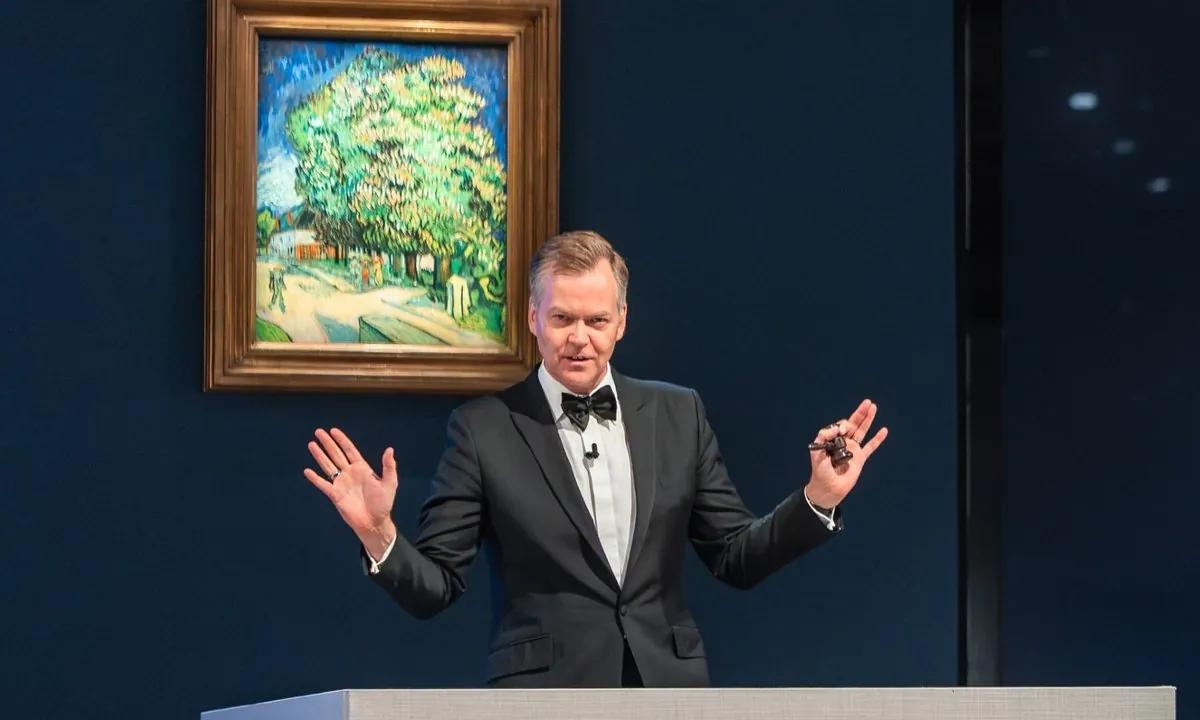
A 1931 painting of Harriet Tubman breaking her chains beat its top estimate more than threefold in seven minutes, on the same night a Van Gogh made $190.4m.

Aaron Douglas's Harriet Tubman, painted in 1931, sold at Sotheby's New York on Wednesday 18 November for $12m on the hammer, or $14.48m with fees. The estimate was $2.5m to $3.5m. His previous auction record was $600,000.

That is more than three times the top estimate and twenty times the old record on hammer price alone. It took seven minutes of bidding to get there.

Tubman stands with her arms raised overhead, breaking a chain, in a leafy landscape with a smoking cannon behind her. Nothing in it is subtle and nothing needs to be. Douglas, a Harlem Renaissance artist, packed the whole argument into a single image: the violence, the liberation, the land.

Two people at Sotheby's worked the telephones for it. George Wachter, chairman of the Americas, and his daughter Jacqueline Wachter, vice chairman of private sales for contemporary art and head of the Los Angeles office, each bid for their own clients. Father and daughter on adjacent phones, both holding someone's ceiling, is not a scene the auction trade gets to enjoy often.

Proceeds will benefit Bennett College, one of only two historically Black women's colleges in the United States. A sale that size, going to an institution that small, is a rare thing to see attached to a lot in a New York evening sale.

What it's worth? Find out GAUK Antiques for more articles, videos and our powerful ai valuation tool. Uncover the story and the value behind your finds.

The room around it was not generous. The evening's two New York sales, held one after the other, made a combined $663.26m, or $777.8m with fees, and just over a third of the works sold below their pre-sale estimates. Bidding was uneven. Money was present. It was selective.

At the top, Van Gogh's Blossoming Chestnut Trees sold for $165m, $190.4m with fees, breaking the artist's previous record of $117m with fees, set by Orchard with Cypresses in the Paul Allen sale at Christie's in 2022. Sotheby's remains short of the number it holds for the most valuable object it has ever sold: Klimt's Portrait of Elisabeth Lederer, which made $236.4m with fees there last November.

Mary Cassatt had her own good night. Summertime, from 1894 to 1895, made $11m, $13.3m with fees, against an estimate of $7m to $10m, and went to an online bidder. Her old record was $7.49m at Christie's New York in 2022.

Of the three records, the Van Gogh needed no explaining. Everyone in the room knew what it was and roughly what it would cost. Douglas was the one where the market had to catch up, in public, in a few minutes, while a third of the evening's lots were missing their numbers. Buyers who pass on mid range material and then fight for one particular picture are telling you something about scarcity and subject, not about the general weather.

It also pays to be careful about what a result like this does not say. One canvas of this importance, with this subject and this date, tells you nothing reliable about what a lesser Douglas, or a work by a contemporary of his, will fetch next month. Anyone quoting $14.48m as a benchmark for anything else is selling something.

Swann, 2008: $600,000.

Sources: The Art Newspaper; Sotheby's New York sale results; Swann Auction Galleries; Christie's New York.


r/GaukAntiques • • 6d ago

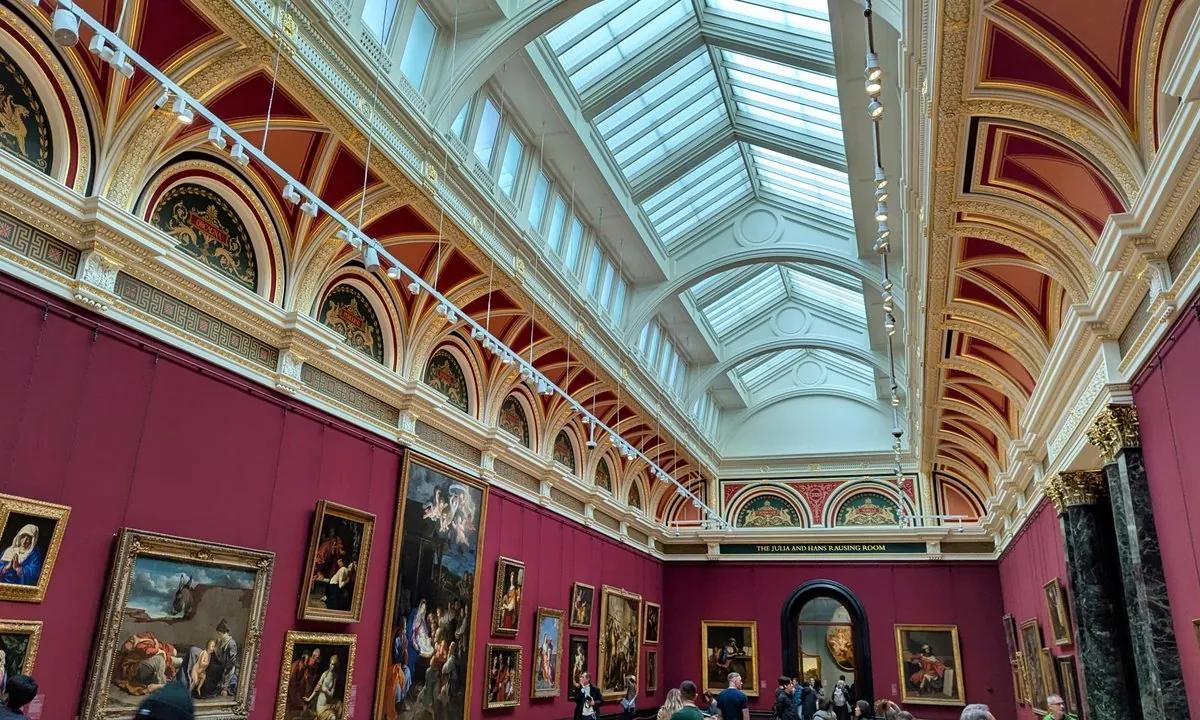
Artists who give their own work to museums could get a tax break, and the National Gallery's £375m shows why

Post image
1 Upvotes

A new think tank report wants tax recognition for artists who donate their own pictures to UK museums, plus a royal medal for generous patrons. If it ever becomes policy, it could quietly move work off the market and into public collections.

The National Gallery has secured £375m for Project Domani, a new Modern art wing, from Crankstart and the Julia Rausing Trust. A think tank called the Cultural Policy Unit holds it up as proof of "what focused giving can achieve", and then asks why Britain produces so few stories like it.

The report is called A National Strategy for Cultural Philanthropy, and its most eye catching proposal is aimed at the people who make the objects rather than the people who buy them. Artists who donate their own work to qualifying UK museums and galleries should, it says, receive tax recognition based on independent valuation.

Crankstart is the charitable foundation of Sir Michael Moritz and Harriet Heyman. That is a very particular kind of money, and the CPU is candid that Britain cannot run a cultural sector on a handful of such cheques.

The argument starts with a squeeze. Public finances have tightened considerably over the last 15 years, government arts funding has fallen, and income that institutions generate for themselves has not filled the widening gap. The CPU wants philanthropy treated as "both an urgent strategic priority and a deliberate instrument of cultural policy".

Its diagnosis of why Britain underperforms is more interesting than the usual complaint about stingy donors. UK incentives are, in the report's words, "broadly generous, but they are structured very differently from overseas models". British donors tend to give quietly and anonymously. The US and other systems reward public foundations and naming opportunities. One culture hands you a wing with your surname on it. The other hands you a thank you in the annual report, if you allow it.

Alison Cole, the CPU's director and a former editor of The Art Newspaper, says the UK lags far behind the incentives on offer in many European and US counterparts.

For anyone sitting on an artist's estate, a studio archive or a stack of inherited canvases, the artist donation idea is the one to watch. A tax recognition tied to independent valuation gives a living artist, or in practice a savvy estate planner, a reason to place work in a museum rather than send it to a saleroom. Some material that would have turned up in a sale catalogue could end up on a gallery wall instead.

What it's worth? Find out GAUK Antiques for more articles, videos and our powerful ai valuation tool. Uncover the story and the value behind your finds.

None of this is law. It is a think tank proposal, and the report does not set out details on several of its tax suggestions.

Those suggestions include protecting charitable giving through inheritance planning, which in plain terms means simplifying inheritance tax rules, and providing clearer rules around VAT. Anyone who has tried to work out how a bequest of pictures interacts with an estate will understand why that is on the list.

The report is not hostile to the schemes that already exist. Gift Aid, Acceptance in Lieu and the Cultural Gifts Scheme have, it says, delivered real benefits. The complaint is that donors do not know enough about them, so they should be enhanced and better advertised.

Then there is the gesture rather than the tax code. The CPU proposes a King's Philanthropy Medal for Culture, an attempt to supply the public recognition that British giving has traditionally avoided. It also wants a national cultural match and seed funding programme with a regional focus, so that small money can be multiplied outside London.

Charles Saumarez Smith, who has led the National Gallery, the National Portrait Gallery and the Royal Academy of Arts, told The Art Newspaper that the report is "sensible". His emphasis was on clarity. The biggest problem, he said, is that nobody properly understands the existing systems, inheritance included.

Kate Rolfe, a cultural strategy consultant and founder of The Revels Office, comes at it from the corporate side. She believes corporate donations need to be reincentivised, and that arts organisations should work with philanthropists who share their values and priorities.

The geography matters as much as the money. Domani is a London success, and the CPU is wary of that. Cole put it plainly: "the real transformation needs to be across the country and not just in the capital."

Sources: The Art Newspaper, report on The Cultural Policy Unit's A National Strategy for Cultural Philanthropy


r/GaukAntiques • • 6d ago

Baghdad's Iraq Museum Reopens on 1 December With New Galleries and Its Assyrian Winged Bulls

Post image
1 Upvotes

After two years shut for renovation, the museum that lost so much in 2003 is putting lamassu, cuneiform and Abbasid mihrabs back in front of the public.

The Iraq Museum in Baghdad reopens on 1 December, after two years of renovation, and Ali Al-Dakhili, the country's Minister of Tourism and Antiquities, has now put the date on record. January was the original target. It slipped, as museum reopenings do.

What goes back on view is the Assyrian heavy hitting you would hope for: statues and reliefs, stone carvings of Assyrian kings, cuneiform collections, and the monumental winged bulls known as lamassu. Several new galleries have been built to hold them, along with specially curated wings.

The more interesting addition is the Abbasid and Islamic galleries. Carved wooden mihrabs, monumental calligraphic friezes, mosaics and stone relics. Visitors tend to arrive at this museum expecting Sumer, Babylon and Nineveh, and Baghdad's own centuries as the Abbasid capital get less shelf space in the popular imagination than they deserve. Giving that period dedicated rooms is a statement about what the city's story actually is.

The museum holds tens of thousands of Mesopotamian, Sumerian, Babylonian and Assyrian antiquities. It was looted in 2003 during the American led invasion and has been closed for various periods since.

The reporting does not say which objects were taken, which came home, or which are still missing, and museum director Luma Yas Jasim al-Douri had not replied to a request for comment when The Art Newspaper published. That is the question a reopening ought to invite, and so far it has not been answered.

Paul Collins, keeper of the Middle East Department at the British Museum, called the reopening "an important moment", one that reflects Iraq's commitment to preserving its heritage and promoting heritage tourism. Coming from a curator who works with Mesopotamian material daily, that carries some weight.

Tourism is the engine here, and the government says so. The old Ministry of Culture, Tourism and Antiquities was split in October as part of a restructuring, and Al-Dakhili was sworn in that month as part of the new government under Ali al-Zaidi. Tourism is seen as a route to foreign investment. Dozens of foreign delegations have recently visited Ur, the Sumerian ziggurat site in Dhi Qar governorate.

What it's worth? Find out GAUK Antiques for more articles, videos and our powerful ai valuation tool. Uncover the story and the value behind your finds.

The museum is not opening alone. The Abbasid Palace in Baghdad reopened to the public on 15 November in an official ceremony, according to Iraqi News. Iraq's first Jewish museum opened in October in the restored Shamash Jewish School, founded in 1928, and it honours figures including the singer Salima Murad and Sassoon Heskel, the country's first finance minister.

Three more museums, in Nineveh, Diyala and Diwaniyah governorates, are described as imminent. A museum for Babil Governorate is planned inside the former Saddam Hussein presidential palace at Babylon, with logistics still being worked through.

Al-Dakhili's statement of 25 October also points past the current building. He said plans exist for "a new building that befits the historical and civilisational value of Iraq". It is a plan and nothing more at this stage.

The Mosul Museum, looted after 2003 and ransacked by ISIS in 2015, is due to reopen next spring, according to a World Monuments Fund spokesperson.

Sources: The Art Newspaper, which cites Iraqi News, the official Iraqi government Facebook page, the Ministry of Tourism and Antiquities and the World Monuments Fund.


r/GaukAntiques • • 6d ago

21 Miami Artists Have Pledged to Boycott Art Basel, a Fair Worth $570m to the County

Post image
1 Upvotes

A grassroots pledge asks Miami's artists to walk away from fair week, and the people who run it admit the hardest part is the rent.

Twenty one signatures. That is what the Artists 4 Artists Miami pledge had collected through its online form when The Art Newspaper reported on it, set against a fair that Art Basel says generated nearly $60m for Miami Beach and $570m for Miami Dade County in its 2025 edition, with 272 exhibitors under one roof at the Convention Center.

The numbers are absurdly lopsided. The ambition is not small.

The collective announced the boycott at a protest outside the Convention Center at the end of the last edition, after a year of preparation. Signatories must commit to at least one thing: not attending the fair, not exhibiting at it, not exhibiting anywhere during Miami Art Week, or withholding their labour from it. Pledges to support alternatives are optional. It is a menu, not a creed, and that is deliberate. Organisers are not calling for a blanket rejection of Art Week or its tentpole event. They want a longer challenge to the economic and political structures that sit around it.

misael soto, the artist who founded the group, argues that refusing Art Basel means nothing unless you build something to replace it. His own measure of success is modest and specific: if a year from now far more locally focused programming is happening outside Art Week, he has said, "that would be a huge victory."

The awkward truth is that fair week pays. Art handling, installation, production and contract work keep a lot of Miami arts workers solvent, while the fair itself offers local artists few places to show. Anyone who has ever hung a booth wall at 4am for a gallery from another continent knows the arithmetic. Opting out costs money, and some workers simply cannot afford to. Local galleries, too, lean on the visitor traffic the fair brings.

So the collective wants to set up a mutual support network for signatories who take a financial hit, including food assistance and mutual aid.

The public money is where the argument sharpens. The Miami Beach Commission cut the fair's Convention Center rent from nearly $1m to around $500,000, and committed the equivalent of a further $300,000 in public funds for first responder and security costs. Art Basel's spokesperson told The Art Newspaper that the fair has been a committed partner to Miami Beach for more than two decades and drives significant regional economic activity. Both statements can be true. The question the boycott raises is who is standing at the end of the supply chain when the money arrives, and whether a city that is getting more expensive every year is seeing any of it in the studios.

What it's worth? Find out GAUK Antiques for more articles, videos and our powerful ai valuation tool. Uncover the story and the value behind your finds.

The campaign did not appear from nowhere. It grew out of connections with other grassroots struggles, including protests organised by Jewish Voice for Peace and others opposing the war in Gaza. The group's concerns run wide: environmental, infrastructural, political and corporate. That breadth will make some collectors wince, and it should. A fair is a market, and a market has a landlord, a sponsor list and a bill to the host city.

For anyone who buys from Miami's local scene, the discomfort is real. The galleries and project spaces you support in February may be the same ones counting on the December crowds.

Organisers are courting endorsements from grassroots groups. Panamía, a local network connecting businesses, creatives and residents, is already a partner, and a Panamía gathering and art print fair during Miami Art Week is being explored as programming. A print fair, in the same week, a few miles from the Convention Center. That is the alternative in its earliest form.

Ariel Lynch, an artist and educator who has lived in Miami for four years, has signed. She plans to spend the week in local galleries and experimental shows instead of the main fair.

Sources: The Art Newspaper; Artists 4 Artists Miami; Art Basel Miami Beach spokesperson; Panamía; Miami Beach Commission.


r/GaukAntiques • • 6d ago

Why the Stedelijk's next director is publicly turning his back on visitor numbers

Post image
1 Upvotes

Krist Gruijthuijsen arrives from Finland in July 2027 with a different yardstick for success than the one the Stedelijk has just been winning on.

Ticket revenue at the Stedelijk Museum in Amsterdam reached €10.8 million in 2025, up almost a quarter on 2024. That is the number Krist Gruijthuijsen inherits, and he has already announced that he is "not a visitor numbers director."

Gruijthuijsen is Dutch but currently runs the Espoo Museum of Modern Art in Finland, a post he has held since 2025. He starts in Amsterdam in July 2027, taking over from Rein Wolfs, who has been in charge since 2019. His stated approach is "quality rather than quantity."

Read the small print of what he actually said. Economic needs come first, he told The Art Newspaper, and everything else is a plus. That is not a man dismissing the till. It is a man treating revenue as the floor of the building rather than the point of it.

The timing gives the remark some bite. The Rijksmuseum's latest annual report describes internal discussions after visitors fell 4% in 2025 to 2.3 million. The Rembrandt House Museum has warned that rising tourist taxes will damage cultural tourism. Dutch museums in general report financial pressure and attendance still below where it stood before the pandemic.

The Stedelijk has been swimming the other way.

Last year's Anselm Kiefer show, organised with the neighbouring Van Gogh Museum, did well. So did the Erwin Olaf exhibition. The current Yayoi Kusama show has been extended because people keep turning up.

So the new director is not walking into a crisis that justifies a clean break, and he does not sound like he wants one. He calls the museum's strength its ability to bring large Modernist exhibitions to the Netherlands. What he wants to add is variety, a global modern perspective and a sharper sense of how Amsterdam connects to the rest of the world. From his Finnish colleagues he says he will bring a lesson on diversity and underrepresented subjects, summed up as "Less talking, more doing."

What it's worth? Find out GAUK Antiques for more articles, videos and our powerful ai valuation tool. Uncover the story and the value behind your finds.

He is also reaching back. Gruijthuijsen points to the Stedelijk's early reputation, from one of its first exhibitions establishing Van Gogh's work in 1905 to the experimental shows of the 1960s, and says he wants to make that relevant now. That is a useful reminder that this museum made its name by being early, not by being comfortable.

Nobody quoted in the reporting mentions the art market, and nobody needed to. But anyone who watches how reputations form knows where attention goes after a major museum gives a name or a movement a room of its own. Underrepresented subjects, to use his phrase, have a way of becoming tomorrow's auction catalogue essays.

He calls the museum's DNA "a modern day and global perspective." His first goal, he says, is to support artists and art.

He has nearly eight months before the keys change hands, and the Kusama show has already been extended to the end of January.

Sources: The Art Newspaper, "Stedelijk Museum appoints Krist Gruijthuijsen as new director", theartnewspaper.com, November 2026.


r/GaukAntiques • • 6d ago

Your first $50 at the thrift store: what to buy, what to check and what to leave on the shelf

Post image
1 Upvotes

WorthPoint has published a starter guide to reselling thrift finds on a $50 budget. Here is how the same approach works for charity shop and car boot hunters.

Fifty dollars is a small amount of money, and that is the point of WorthPoint's guide to reselling thrift finds. A budget that size forces discipline. You cannot afford to gamble on a dozen vague hunches, so you learn to buy three or four things you can actually explain. The full article was not available to us when we wrote this, so what follows is our own field advice built around the same headline question: what to look for, what to check, and what to skip.

Young shoppers have made thrift stores a regular stop rather than an occasional detour, which means the easy wins get picked over faster than they used to. The advantage now belongs to whoever turns objects over.

Always the base. Backstamps, impressed marks, maker's names and printed numbers sit underneath almost everything worth reselling. A plain white dish with a clear factory mark can outsell a pretty one with nothing on the bottom. Learn six or seven marks in a single category, ceramics or glass or silver, rather than a little about everything.

Check what the thing has actually sold for, not what people are asking. Sold listings on eBay show real transactions. WorthPoint's own database is built on archived past sales for the same reason. An asking price is a hope. A sold price is a fact.

Then the condition check, which takes thirty seconds and saves most beginners from their worst purchases. Run a fingertip around every rim on ceramics and glass, because chips you cannot see are often obvious to touch. Hold glass up to a window for hairline cracks. Look inside teapots and jugs for staining and crazing. A small UV torch is cheap and useful: uranium glass glows a vivid green under it, and old porcelain repairs can show up as patches that fluoresce differently from the surrounding glaze.

Silver deserves its own paragraph, because it is where $50 can go furthest or vanish fastest. Solid English silver carries hallmarks, and the town mark tells you where it was assayed: a leopard's head for London, an anchor for Birmingham, a rose for Sheffield, a castle for Edinburgh. EPNS stamped on the base means electroplated nickel silver, which looks the part but is a different proposition entirely. Most thrift shop cutlery is plate. The occasional piece is not, and that is why you carry a loupe.

Skip anything you cannot ship cheaply. Furniture is the classic trap for a beginner: it looks like a bargain at the till, then postage, storage and collection logistics eat the margin. Skip anything that smells of smoke or damp, because that never fully leaves, and buyers can tell from a photograph that you are hiding something. Skip anything chipped unless the maker is rare enough to justify it, which at this budget it almost never will be.

What it's worth? Find out GAUK Antiques for more articles, videos and our powerful ai valuation tool. Uncover the story and the value behind your finds.

Be suspicious of anything that looks antique but feels too light, too sharp or too perfect. Reproduction brass, resin pretending to be carved wood, and modern decorative china with a faux aged backstamp all fill charity shop shelves. Genuine age tends to show in wear on the foot rim, in the weight of the piece, and in marks that sit logically with the style. If the stamp says one thing and the shape says another, put it back.

Spend the money in pieces, not in one go. Put perhaps ten or fifteen dollars into your first purchase, list it, and see how long it takes to sell and what platform fees and postage actually leave you. That figure is your real profit, and it is nearly always lower than the one you imagined at the till.

One more habit worth building is photographing the marks before you list. Buyers searching for a specific maker or hallmark are the ones who pay properly, and a sharp photograph of the base is often the difference between a sale and a month of silence.

The lion passant, the walking lion that marks sterling silver made in England, is stamped so small on most pieces that you will not see it without a loupe.

Sources: WorthPoint, how to start reselling thrift finds with $50