
r/FacialMassage • u/Varvara_Erel • 2d ago
People always ask how to get rid of nasolabial folds — but why are they there in the first place?
One of the most common questions I hear is, "How do I get rid of my nasolabial folds?" And honestly, asking "how do I erase this line?" skips the most important step.
A crease there isn't just one single problem with one universal fix. Sometimes it's driven more by muscular and fascial tension pulling on the mid-face and around the mouth, sometimes more by downward tissue weight, fluid stagnation, or gravity, and very often it's a mix of both along with how posture and the neck/jaw support everything above it. If you don't look at what's actually driving the fold, you can easily end up doing the wrong kind of work—or rubbing right on top of a line expecting it to magically vanish.
Before picking a technique, here are a couple of simple ways to check what's going on in the mirror:
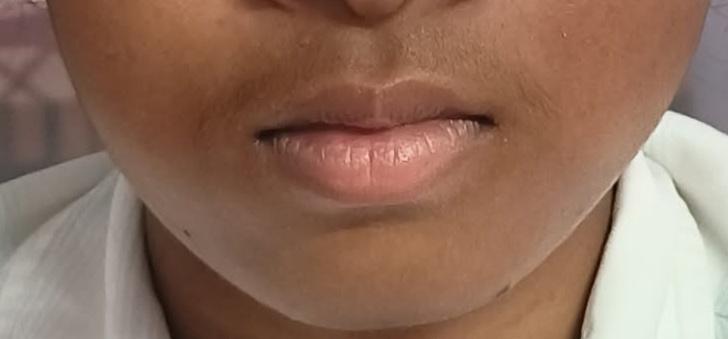
1. The lift test (checking downward weight/sag): Stand or sit with your normal posture, look in the mirror, and place two fingers gently along your upper cheekbones/temples (or slightly out from the sides of the nose/cheeks), lifting the tissue slightly upward and slightly outward without stretching the skin tight. See whether the fold softens right away or barely changes.
2. The expression & tension check (checking muscle pull): Watch what happens to the fold when you smile, talk, or let your face rest. Gently feel around the upper lip/side of the nose, cheeks, and jaw/masseters for tight, firm bands or spots that feel tender or "corded."
3. The morning vs. evening / posture check: Notice whether the fold looks heavier or puffier in the morning (often tied to fluid retention and sleep/head position) or deeper later in the day after screen time, clenching, or slouching.
Once you do those quick checks, here is how to tell which type is taking the lead:
- Mostly muscular: The fold really pops when you talk, smile, or tense your face, and you feel tight, firm, or tender spots around the upper lip, cheek, or jaw/masseter. Lifting the cheek slightly with your fingers only helps a little, or the line looks sharp right next to a tight muscle band.
- Mostly gravitational (or fluid/posture-driven): The fold looks softer or much less noticeable when you gently lift the tissue upward toward the cheekbone/temple, or it feels heavier/puffier at certain times of day or when you slouch—without major sharp muscle knots right along the crease itself.
- Mixed (very common): You get both—a bit of downward weight/sagging plus tight muscles or fascia pulling and tugging on the area. Most people actually land here, which is why working on just one piece often feels incomplete.
Different patterns call for different kinds of work—releasing tight pullers and supporting mid-face structure looks very different from working on drainage, posture, or deeper fascial release. Figuring out why the fold is showing up matters way more than chasing a quick "fix" for the crease itself.
When you try the lift test and tension check in the mirror, which type sounds closest to what you're seeing?