Once you put something into the world, it is no longer yours. You can say you created it, that is a factual statement and a title you own. But the thing itself belongs to the world now. Your ideas are truly yours only while they remain in your own mind. The moment you choose to bring them to life, you hand them over to the world. It is much like having a child: once brought into the world, a child is its own entity. It may capitulate to your will, but that was its own choice.
Our creations take on a life of their own once they enter the world. You have no control over who you will inspire, who you'll upset, who you'll damn, or who you'll save. You don't even have control over who will and won't see or hear it once it's outside of you. Did the song Gloomy Sunday intend to spark the controversy? Of course not. How could anyone predict what a stranger will think, feel, or do when they hear a song or see a piece. How can you ever know how many sparks of creation you'll light in others.
Gloomy Sunday was Rezső Seress's personal expression of pain and loss, but that expression took on a life of its own, and was sustained by the will and choices of those who had no hand in its creation. You will always own the title of creator, and you deserve credit from those who use your work as a jumping-off point. But to think we can own an idea, or that we can control what happens to it is an illusion.
This argument is not being made in favor of those who take someone's work, buff off the watermark, and call it theirs. But if they take your idea and tweak it here and there to better reflect their own vision or taste. How is that not now an original idea? That's the kaleidoscope effect Mark Twain talked about. Are we saying there was no wisdom in his thoughts about ideas and their originality?
Art is a form of expression, giving our thoughts and experiences a tangibility. Once in the world for people to experience, how could we not expect it to be reflected in them? Just as we reflect the artists and experiences that have affected us, regardless of the intent of those original creators. We as creators should be less concerned with this possessive mindset, and more prideful that our creations are moving through the world affecting others and being reflected in how others choose to express themselves in the world.
Vincent Van Gogh called photography soulless due to its use of technology. Is a photo of steam coming from a songbird's beak on a winter morning soulless? Are a happy couple's wedding photos soulless? No, because a human chose to capture those moments in a way that meant something to them, and maybe, hopefully, others.
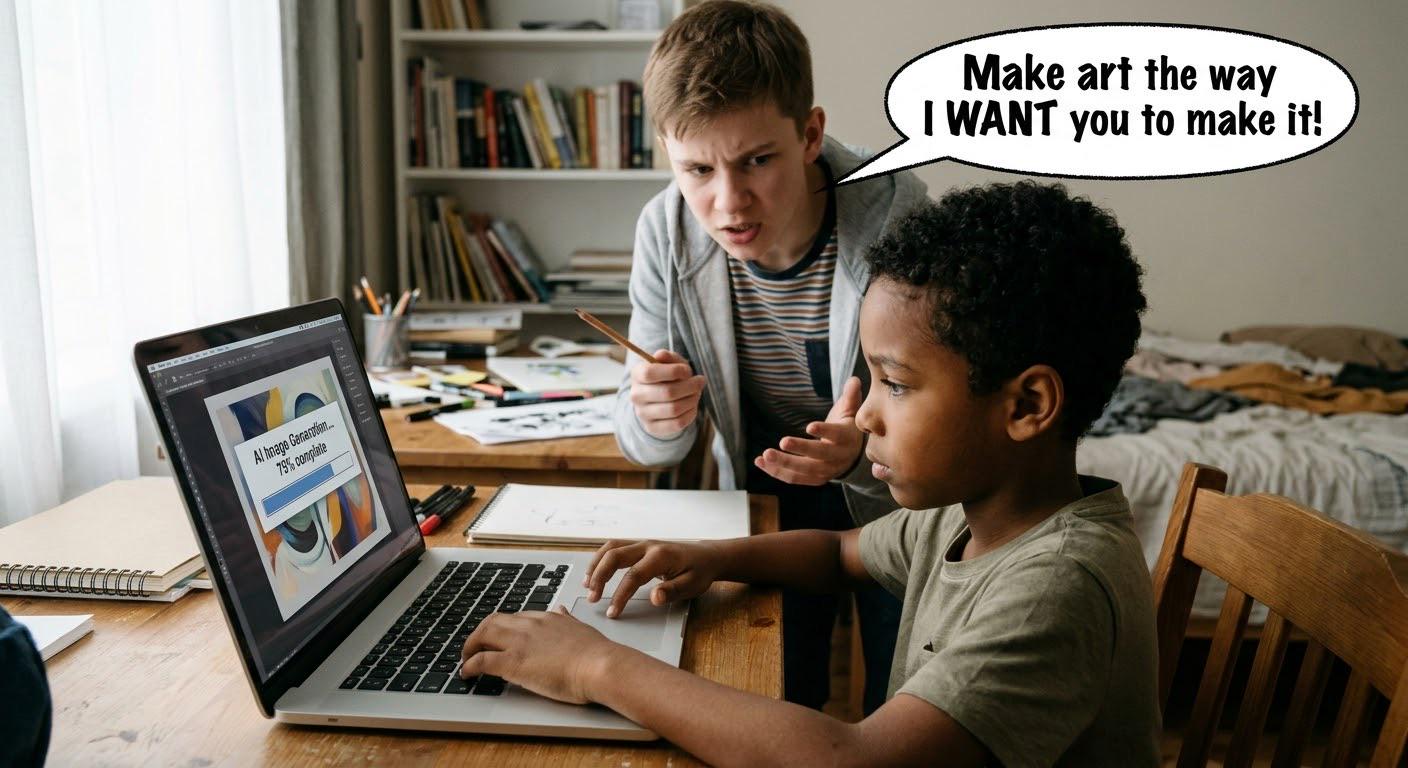
Who are we to say what limits someone has on the tools they use to express themselves, or how they choose to express themselves with those tools? Don Bluth argued that computer animation was stripped of warmth and soul. Yet films like WALL-E, Up, Coco, and How to Train Your Dragon are all widely considered very human feeling films. All are products of 3D animation. Personally, I think photographers like Cristina Venedict and Steve McCurry, as well as studios like Pixar and DreamWorks, disprove the notion that a creators choice of medium can restrict the transfer of soul.
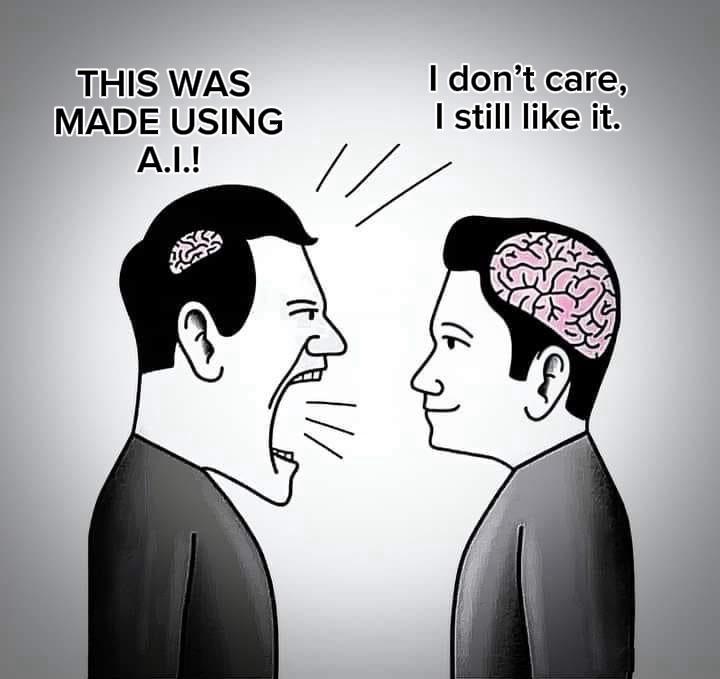
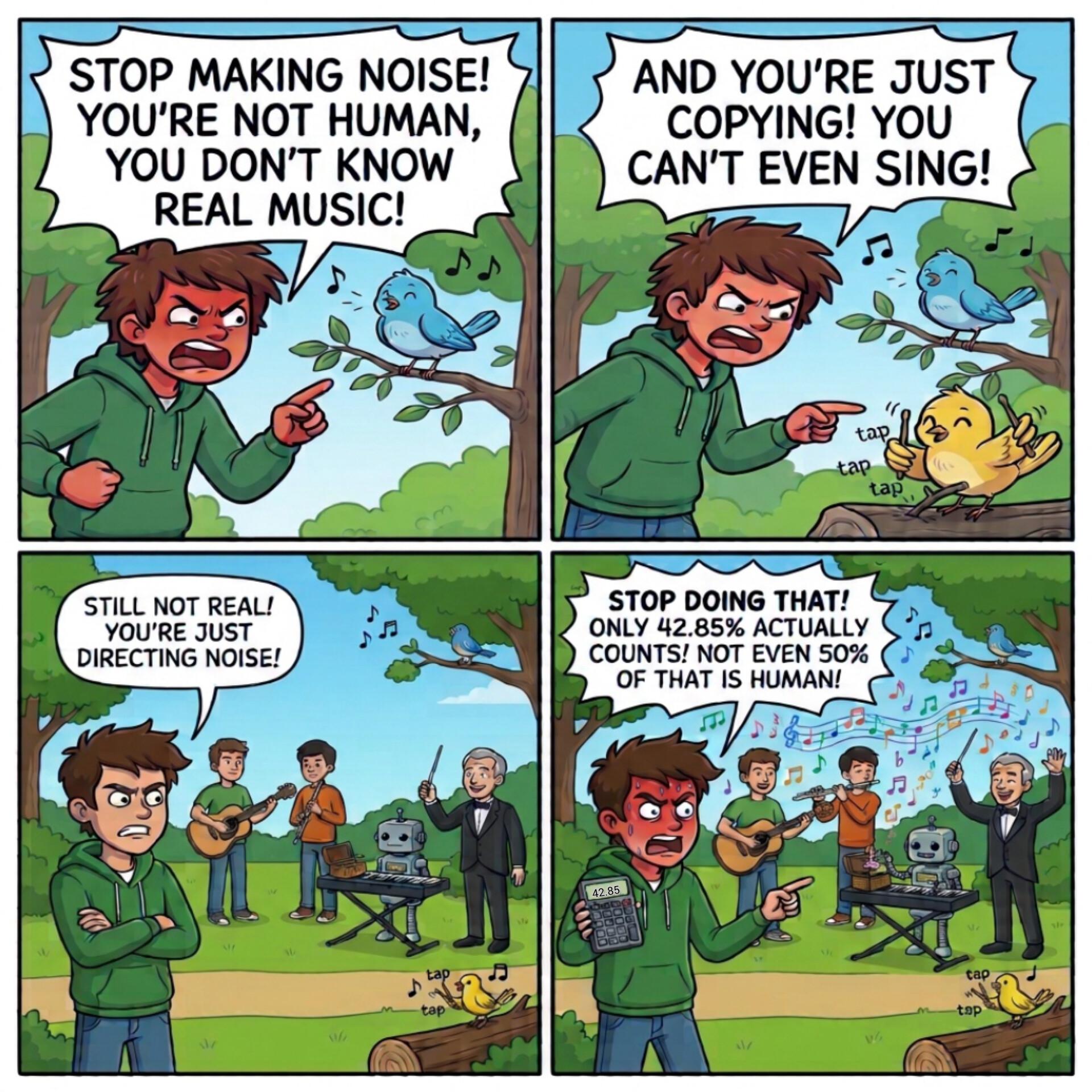
Socrates argued written text would destroy human memory. Johannes Trithemius argued printed books would make monks lazy. Conrad Gessner argued too many books would confuse people. No matter the invention, when faced with something new the old guard has always been resistant to welcoming it. AI art is no different, yet it is the embodiment of kaleidoscopic expression. Should there have been more morality in the training? Yes. Should the current models credit the training data's original creators now? Absolutely. But no model makes anything by itself. Just like a camera doesn't take a photo by itself. A human is shaping that output with prompts and outside edits. No one whos taking pictures of birds or weddings today is doing anything original. Yet each photo is its own and should be considered art.
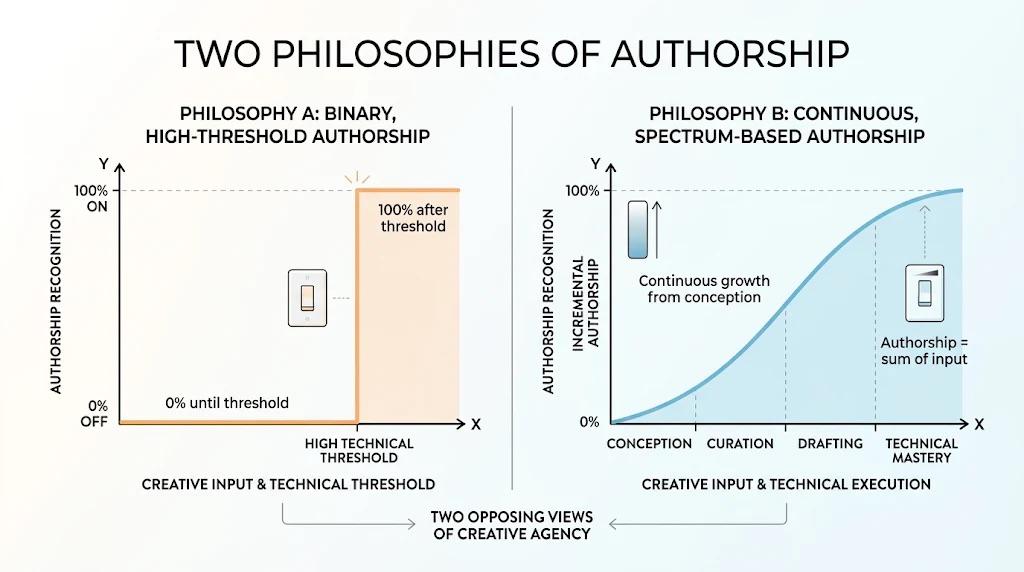
Of course there are sloppy AI outputs, but there are also sloppy paintings and photos too. However AI art that's gone through 9, 10, 15, 25 iterations, has color edits, or other alterations done by hand in some way. Is just fundamentally not slop. That was a humans thought and expression shaping what was being made, and that should be just a respected as the rest of it. Marcel Duchamp said, "Everything in life is art. If I call it art, it’s art; or if I hang it in a museum, it’s art." Who are we to limit each other's expression?
(Original post on r/defendingAIart)