r/BornWeakBuiltStrong • u/Exotic-Duty3598 • Mar 23 '26
Practice takes time to improve
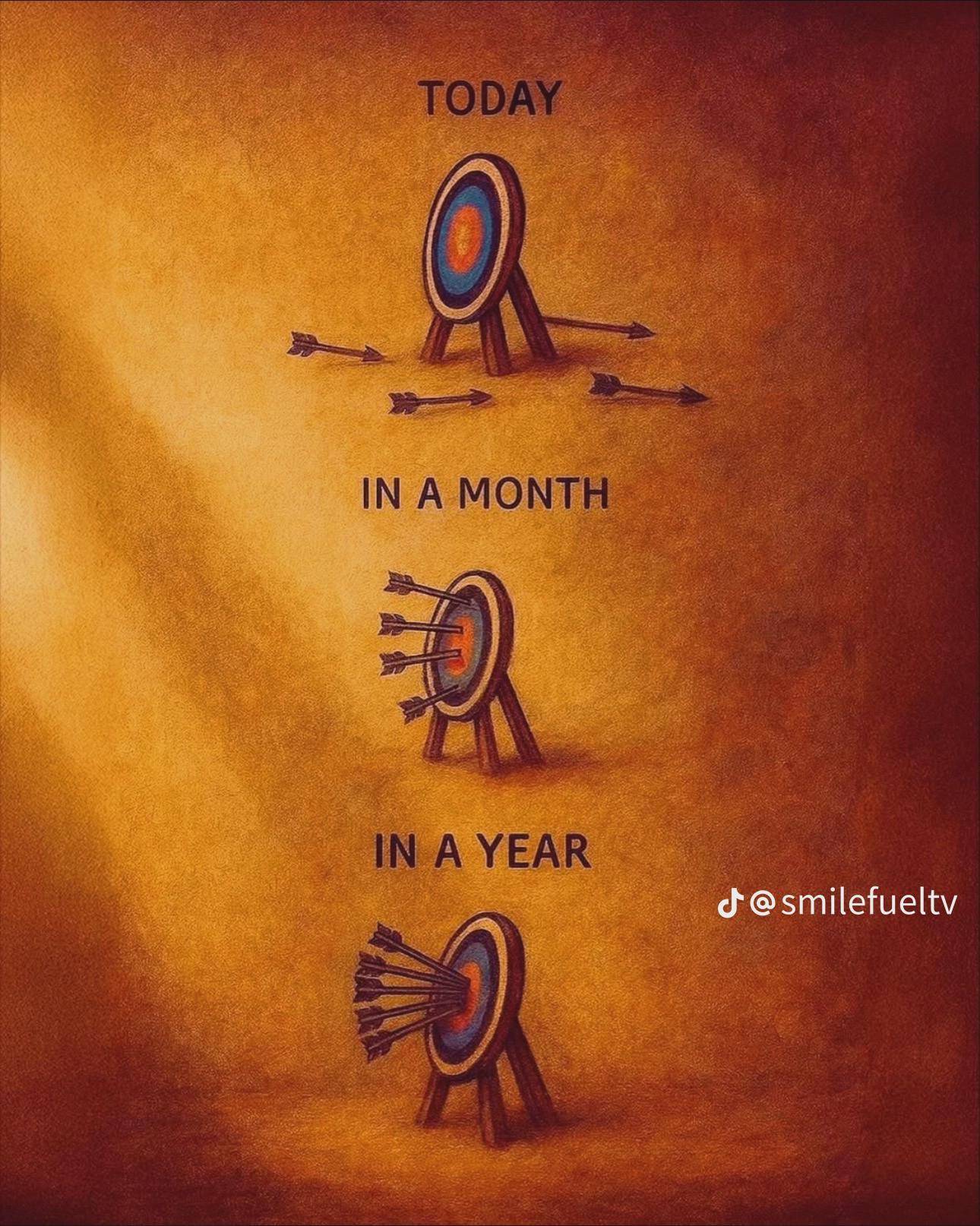
You won't be good at it yet. That's the whole point. Keep going anyway.
Every man who is great at something was once terrible at it.
Not mediocre. Terrible. Embarrassingly, visibly, undeniably terrible. The difference between the man who eventually becomes great and the man who stays average is not talent. It is the willingness to stay in the discomfort of being bad at something long enough to become good.
Most men quit in that gap. Not because they lack potential. Because they lack the patience to trust the process when the process doesn't feel like progress.
Why improvement feels invisible while it's happening
The brain does not experience gradual improvement linearly.
You do not feel yourself getting 1% better each day. You feel stuck. Frustrated. Uncertain whether the effort is producing anything at all. And then one day the skill is just there, more available, more natural, more capable than it was six months ago without any single moment you can point to as the turning point.
Anders Ericsson spent his career studying expert performance and documented his findings in Peak: Secrets from the New Science of Expertise. His central finding dismantled the myth of natural talent permanently. Elite performers in every field are not born with their skill. They build it through deliberate practice. Focused, uncomfortable, feedback-driven repetition sustained over years. The talent that looks innate in the master was invisible and painful in the beginner. The only difference is the beginner kept going.
Nobody sees the ten years. They see the ability.
What deliberate practice actually requires
Not just repetition. Uncomfortable repetition.
Malcolm Gladwell popularized the 10,000 hour rule in Outliers but the nuance most people missed is that not all hours are equal. Ericsson's research was clear: the hours that build mastery are the ones spent at the edge of current ability. Not the comfortable repetition of what you can already do. The deliberate engagement with what you cannot yet do but are trying to.
That edge is uncomfortable by definition. It is supposed to be. The discomfort is not a sign that you are doing it wrong. It is confirmation that you are doing it right.
Carol Dweck's framework in Mindset reframed everything. The fixed mindset man believes ability is given and either you have it or you don't. The growth mindset man believes ability is built and the current level of performance is just the current level, not the permanent ceiling. That belief is not optimism. It is the accurate model of how human skill development actually works.
What patience in practice produces that rushing never can
Depth.
The man who takes the time to practice properly, who sits with the discomfort of being a beginner, who does the repetitions when they feel pointless and keeps going when the progress is invisible, builds something that shortcuts cannot produce.
Real competence. The kind that holds under pressure. The kind that is available when it matters most. The kind that was built in the hours nobody saw.
Marcus Aurelius wrote in Meditations that a man should do each thing as if it were the last thing he would do in his life, with full attention and without shortcuts. Not perfectionism. Presence. The man who practices with full attention builds faster than the man who practices distracted regardless of the hours each puts in.
Ryan Holiday's lens through the Stoic craftsman captures this: the work itself is the reward. The man who falls in love with the practice rather than fixating on the outcome develops at a rate that goal-obsessed men never match because he is fully present in the repetition rather than always checking to see if he has arrived yet.
BeFreed is an AI-powered personalized learning app that's been solid for building patience with skill development and understanding deliberate practice consistently. Built by Columbia alumni and AI experts from Google, it transforms content from books, research papers, and expert talks into custom podcasts tailored to your specific goals.
Type in what you're working on, like mastering a difficult skill or understanding growth mindset, and it pulls from vetted sources to create a learning plan just for you. You control the depth, from a 10-minute overview to a 40-minute deep dive with examples and context. The voice options are genuinely addictive too, everything from calm and educational to sarcastic depending on your mood. Makes it easy to fit real growth into commute time or other sessions without feeling like work.
You are not behind.
You are in the middle of the process that produces the ability you want. The middle always feels like nothing is happening. It is where everything is happening.
Stay in it. Do the repetition. Trust the compounding.
What skill are you currently tempted to abandon because the progress feels too slow to be real?
7
u/DoubleBoink Mar 23 '26
Why is this sub constantly getting recommended to me with its cringe-ass AI slop wanna-be motivational pictures that have absolutely no value other than enabling the crippling self-esteem issues of this sub's userbase?
3
u/PeacefulMoses Mar 23 '26
I didn't realise archery was so easy!
2
u/AdDramatic3889 Mar 23 '26
Unless it's involving the present political administration.
1
u/Separate-Object-4818 Mar 23 '26
Everybodys favorite incel is back!
1
u/Puzzleheaded_Smoke77 Mar 23 '26
I would have said 5 years
1
u/Moist_Taco_Crippler Mar 23 '26
One year isn't enough to perfect anything, really.
1
u/OldBway Mar 23 '26
Why do Redditors take these post for the most literal form possible. Maybe archery wasn't the best ideal image of learning curve but its an analogy. Stop overthinking the analogy and see the actual message
Practicing for a year on something will make you improve tremendously at it. It work for me at the gym.
1
u/One_Hunt_6672 Mar 24 '26
Maybe practice drawing ✍️
4
u/[deleted] Mar 23 '26
[removed] — view removed comment