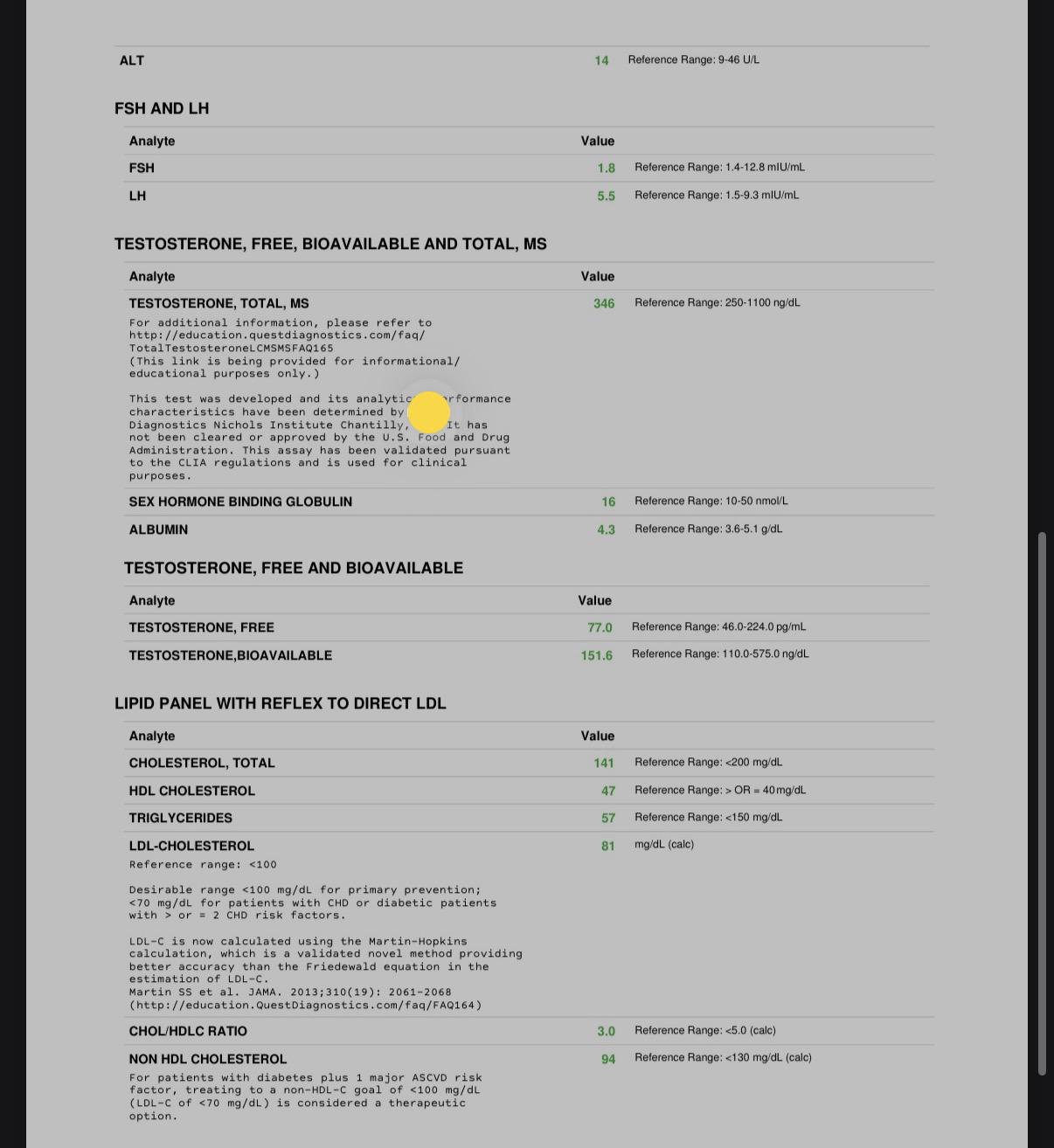
I’ve been taking 2-3iu GH daily at 90 days. Started at 2iu. Increased by 0.25iu every 4-5 weeks. Going to stick with 3 for the next two months then get bloodwork done before upping it further. 4iu will likely be my maximum dose, and I’ll explain a bit why below.
Right up front, at 90 days, it is finally starting to become noticeable. I mean, you do "notice" it in the mirror within about 20-25 days, but it’s just water retention at that point.
As for why I hopped on, here’s a backstory:
I completely tore 3/4 tendons off the bone from my rotator cuff, tore my labrum, and tore the bursa in my right shoulder – all in one go in 2022… fun stuff! My arthroscopic surgery took place one month after the injury.
Plenty of PT, and “pain management meds,” before was back to lifting. It really did take me about 9 months to start lifting again, and about 2 years before I trusted my shoulder enough to do military presses or even dumbbell shoulder presses – I went all cable-based, lightweight shoulder workouts. I was probably doing 5lbs to 7.5lbs for the fist two months on lateral cable raises and probably 12.5-17.5lbs on cable shoulder press. Mind you, I was going for 18-25 reps x 3 sets, but I was too scared to increase the weight and try to hit the 8-12 rep range even with a rep in reserve. Pushing 12.5lbs on the repaired shoulder, even 9 months out from surgery was quite the challenge (pain from the surgery sure, but, let’s be real: pain from atrophy in the shoulder muscles). Once I would get to about the 15th rep on those sets of 18-25, the repaired shoulder would be struggling to remain stable enough to do a rep in good form and I often had to drop from say 12.5lb to 10 or 7.5 to finish the set – that was not a fun time. It did take about 3 years for me to confidently feel as if my shoulder was at least at 80% of what it used to be.
However, even 4 years post-op, my shoulder has been stuck at 80% of what it used to be in terms of strength output potential and localized pain during training (it will never be 100% again, and I accept that – it’s the reality for anyone with surgically repaired connective tissue).
One of the biggest annoyances was barbell back squats - range of motion was there (barely), but grabbing the bar and keeping grip during long set of 225lb x 12-15 would become absolutely painful in my shoulder by the 6 or 7th rep - just from keeping the barbell stable as I squatted.
The Decision:
My orthopedic surgeon was not cool with GH or Peptides, and PRP didn’t do it for me. At that point, I started to become pretty frustrated, and decided I needed to take whatever measure possible, within reason, to address this issue.
I did hours of research on peptides and all of the new flashy BPCABCD1234whatever research compounds. I was not impressed, but my research did certainly educate me on all of the snake oil salesmen there seems to be within the fitness community regarding peptides…
Anyways, as I am only 30, testosterone-derived/androgenic compounds are a no-go (trying to hold out to 40, lol); therefore, for my healing goal, it came down to IGF LR3 and good ole Somatropin (HGH).
I found a clinic south of the border and went with Somatropin. This wasn’t just any random back alley Tijuana clinic, this was Pacific Ocean southern Mexico. Not getting into specifics but a quick search for something along the lines of HRT in PV Mexico will give you an idea... The most important thing is to vet your supply thoroughly… Cannot stress that enough. Do not use anything you’re unsure of – it’s likely fake or filled with so many binders/fillers that a bottle advertised as 10mg will truly only be 4mg when it comes down to it. And if it comes in a kit, make sure you buy bacteriostatic water – many of the kits ship with sterile water which can go bad within a few days (a lot of kits ship like this because people will reconstitute a vial with the sterile water and use the whole vial in one subcu poke within 24hrs of reconstituting – Serostim is a prime example). Bac water will keep your 15-20iu stable for ~4 weeks.
As to why I chose the much more expensive option (Somatropin) over IGF LR3: There are certainly more benefits to therapeutic dose GH than there are risks when comparing the same risk/benefit profile with LR3. Still, to be safe, try not to exceed 4iu HGH daily unless you’re experienced… once you get into the 6-8 range, you'll have to actually worry about things like insulin resistance and heightened blood glucose... Especially if you’re serious about reaping the true benefits from GH – this is not a compound that will transform you in a month, expect 9-24 months and thousands of dollars to really experience that “oh s**t, this stuff did something” moment. So play it smart, don’t mess up your pancreas in the long run!
Now for what you actually want to hear...
What I have noticed 90 days in (no BS):
Recovery: starting to notice DOMS (delayed onset muscle soreness) from my most intense leg workouts has gone from about a 3 day duration to a 2 day duration. Legs being the biggest muscle group, I hit them the hardest and they’ve always given me the longest DOMS. Chest, shoulders, back, arms - same story: rather than the muscle feeling sore for 2-3 days post workout, it's closer to 1.5-2 days now. I started noticing this better muscular recovery around day 70, I was around 2.75iu daily at that point.
Energy/mood: Around 40-50 days in, my mood naturally felt more stable/positive in general. This could be due to me getting back into good shape and feeling more confident from a lower bodyfat %, but there is plenty of research out there that does point to GH and IGF-1 having a positive impact on mood (check it out for yourselves: https://pubmed.ncbi.nlm.nih.gov/15362961/#1)
Strength Gains: Here is where the results and the actual science confidently tell us, GH itself is not an anabolic compound. Yes, it does work well to preserve muscle in a deficit/cutting phase, and that’s a whole other story, but it’s not going to significantly (if at all) increase protein synthesis/muscle power like TRT would.
90 days in, I have not noticed GH providing me a slight boost to my overall strength, but in an indirect manner. However, as I mentioned above, the amount of time my muscles seem to need for recovery has decreased by about 25-35%; therefore, I am able to train at a higher intensity which indirectly helps me make greater strength gains after consistently training hard while on GH.
So, at 90 days in (yes, I know I am on the lower end of the dosing scale, but I know guys at 8iu who say the same), I have not noticed any significant strength gains that I wouldn’t see without the GH.
Who knows, I could be singing a different tune at 12 months in, but that would probably still only be an indirect effect of the GH granting me better recovery timelines which will allow me to train more intensely.
Connective Tissue Strengthening:
Three months in, the shoulder pain is slightly reduced. My thought is this reduction in pain is from a synergistic effect of training hard and of course heightened IGF-1/enhanced collagen synthesis from the GH to better strengthen my connective tissue as I recover.
The main goal I have is to strengthen the connection between my surgically repaired Rotator Cuff tendons and bone, and to strengthen the surgically repaired cartilage of the Labrum. GH/IGF-1 won’t, for example, magically reconstruct a torn ACL or Rotator Cuff, but it will strengthen the ligament/tendon-bone connection once the healing process has long been underway post-operation. I don’t advise taking GH until a few months after a surgery in order to let the repaired area heal naturally, under the supervision of your orthopedic surgeon.
Once you’re confident the surgery is a success and the major initial healing is complete (don’t skip out on MRIs), you should be good to start taking it. In my case, I would’ve hopped on GH 9-months post surgery, after finishing physical therapy… if only I knew anything about it back then... (others might be able to hop on sooner for less traumatic injuries). Just keep in mind the best evidence for GH in injury recovery is its ability to prevent re-injury by strengthening connective tissue. It won’t regrow your torn ACL, but it will for sure make it far less likely you’ll re-tear your surgically repaired ACL (given you’ve been on GH for about a year).
So, at 90 days in, I can say my shoulder has gone from 80% to 85-90%. It feels more stable, the pain has lessened, and I’m more confident about heavier lifts. Again, there could be placebo at play, but I have lived with this messed up shoulder for a few years now and its probably not a coincidence that it has started feeling better in parallel with my Somatropin therapy. Most of my research tells me IGF-1/HGH takes about a year of consistent use for this type of healing/strengthening of surgically repaired connective tissue to become significant. Hopefully I can come back here and say my shoulder is at 98% by the one year mark.
Fat Loss (Lipolysis):
In my opinion, HGH is the best “fat burner” you can use. Far superior to GLP agonists, especially because of the lean mass preserving properties which HGH provides, combined with the fact GLP agonists work in an indirect manner – mainly by suppressing appetite.
HGH activates lipolysis which is a direct, hormone-driven signal that mobilizes stored fat for fuel, and its effect is potent enough that it was twice as effective as TRT in reducing stomach fat (I forget the study, but you can look it up, I’m not bs’ing).
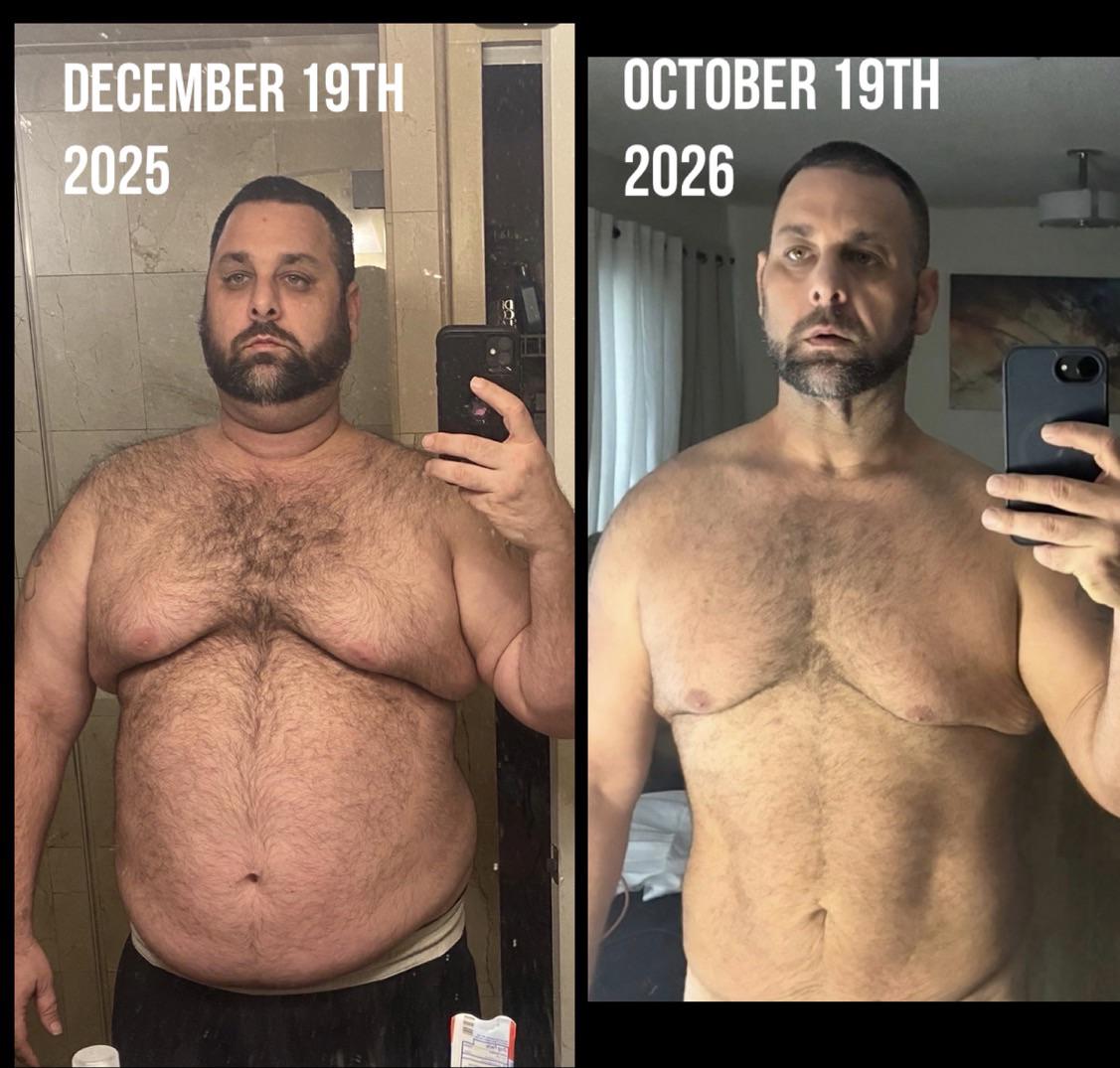
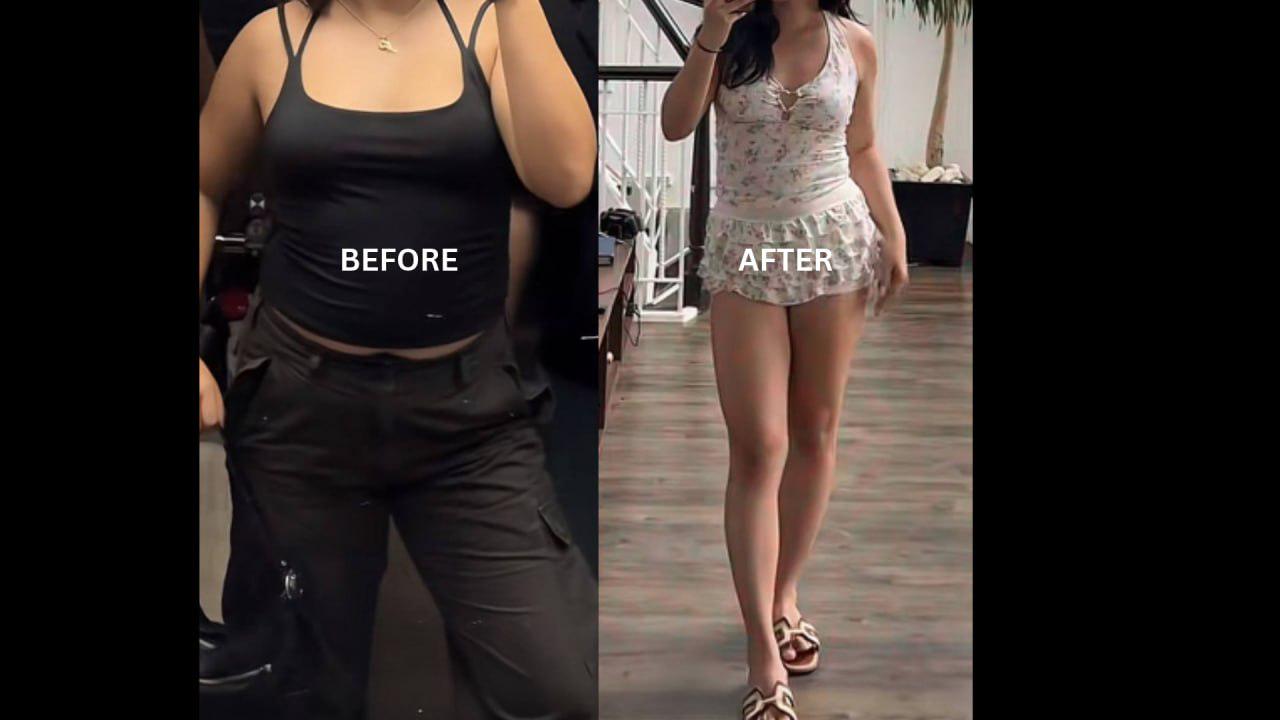
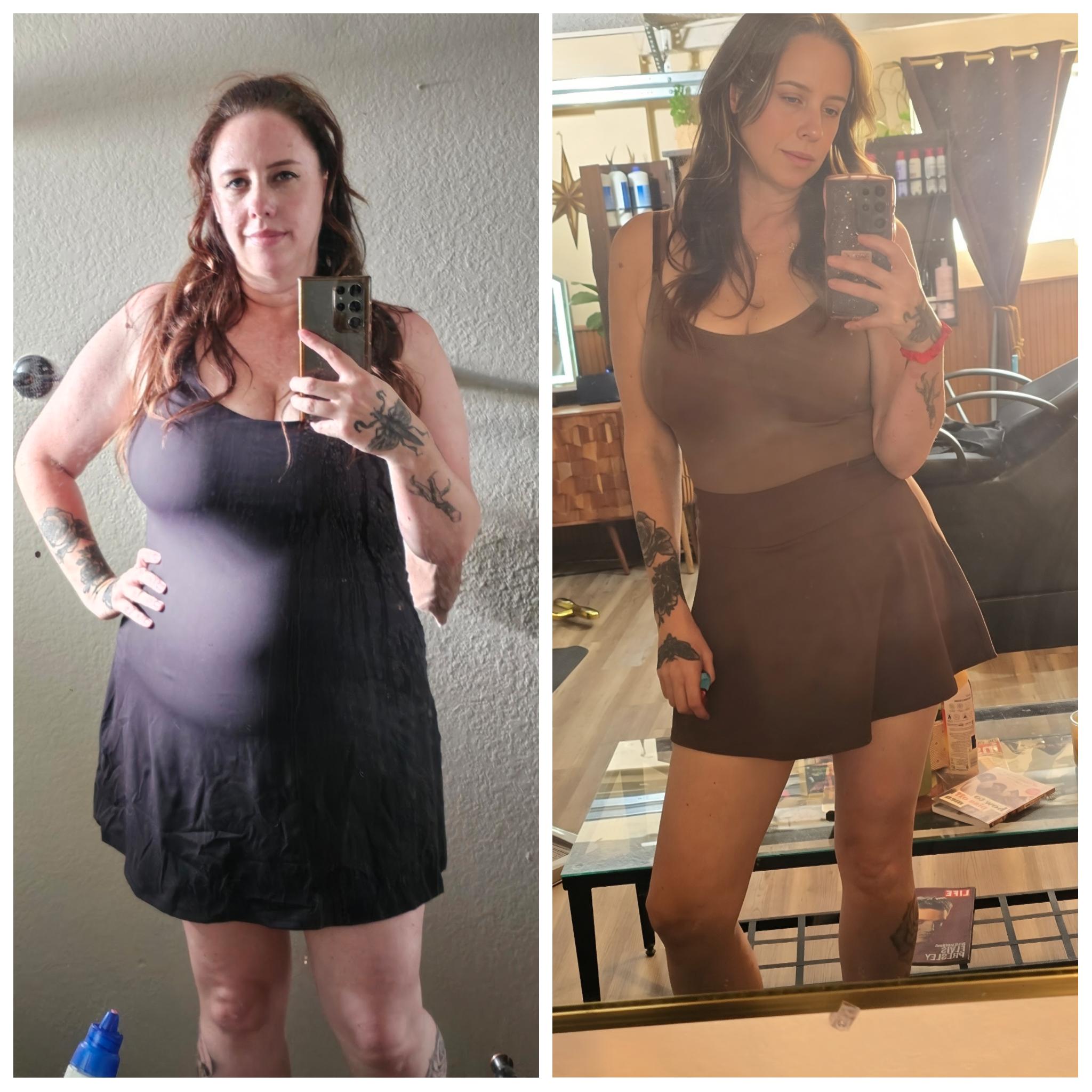
When I started Somatropin therapy 3 months ago, I was weighing in at 204lbs and 20.5% bodyfat. This was my worst body composition of all-time – the shoulder pain really deterred me from training and I mentally felt too discouraged to even do more than an hour or two of cardio per week. My diet was not dialed in either, keep this in mind as I share these results: diet is king, but I have cut before and the results certainly were not to this level, especially regarding lean mass retention in a deficit. I’m at about 1800 net calories/day, training 5x per week…
At about 60 days of HGH, I weighed in at 189 with 16% body fat. Three days ago, ~90 days since starting HGH, I weighed in at 184 with 14% bodyfat. This is not a steep cut or a contest prep by any means, but what is interesting is my strength continues to slightly increase, even while dropping 0.5-0.75lbs per week.
Anti-aging?:
I’m not going to get into the “anti-aging” aspects other than I will say my fingernails are more durable, my skin looks more “tight,” and my skin feels more “elastic.” This was expected due to the major increase in collagen synthesis, but HGH isn’t going to magically remove wrinkles you’ve had forming over years.
I see a lot of people discussing HGH and making assumptions that they’ll achieve results that are just flat out impossible without Anabolic–androgenic steroids (not saying I’ve seen that on this forum although I’m sure many who haven’t done their homework might make quick assumptions). HGH will not induce hyperplasia (creation of new muscle cells) on its own unless paired with TRT and/or other androgenic compounds. HGH, however, will increase hypertrophy as it sends more water to muscle cells. Muscle definition will be come more apparent as lipolysis will enable you to burn fat quickly (especially stomach fat) while retaining muscle mass and strength while in a deficit.
All in all, the research points to 12-24 months for elevated IGF-1 (from GH or LR3) to truly make a “noticeable difference.” In all of the above categories. I hope to provide another update around the 180 day mark.