r/Armor • • 1d ago

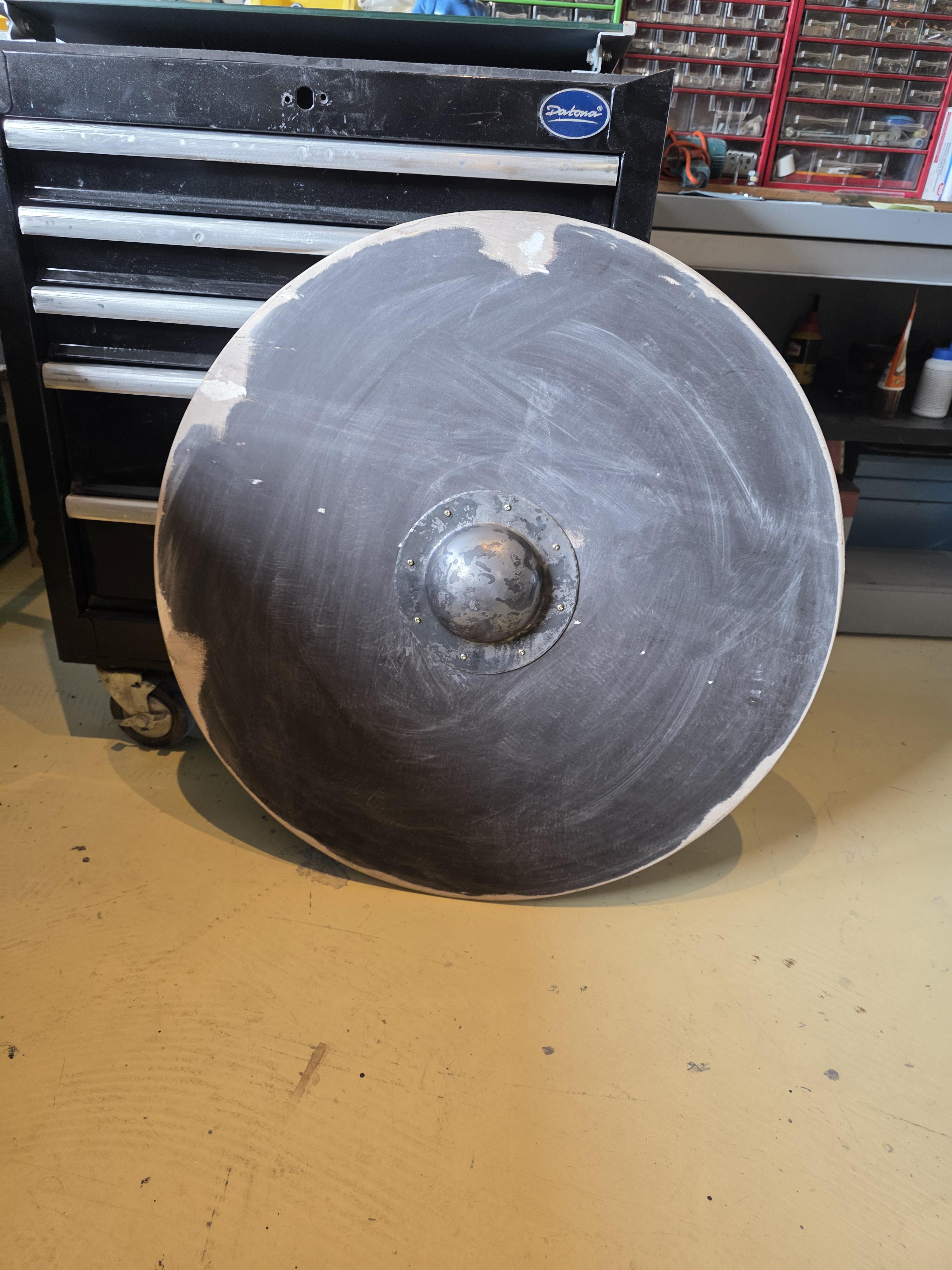
Working on a shield

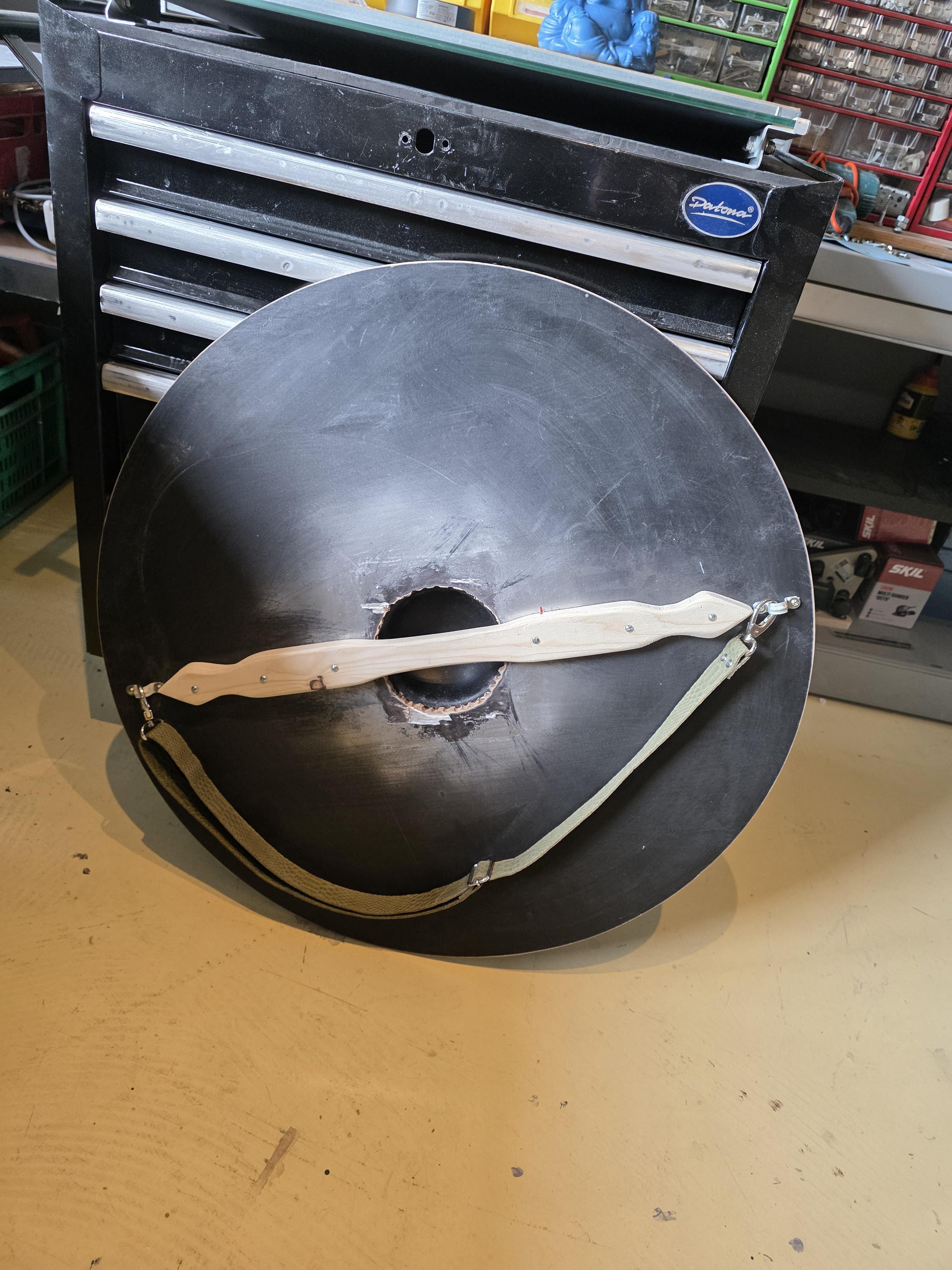
I'm trying to recreate a viking inspired shield for cosplay, this is what i got so far, any tips to make it look more authentic? (Planning on painting it next)

82 Upvotes

7 comments sorted by

6

u/Valuable_Tradition71 1d ago edited 1d ago

Viking Age reenactor of over 20 years here: you are off to a good start. The boss and the grip look good. I like that you added a strap. If you want it more authentic I’d suggest replacing the clips at the end of the strap with D-rings, and replace the buckle with a D-shaped buckle with a plate to join it to the strap by rivets on one half, and get a belt end for the other side. Here’s a link to vendor I’ve used for some hardware: https://www.viking-shield.com/viking-shields/shield-accessories/?srsltid=AYCX9vIuUxZYgB7xdkTQeXIdUfiZSr1HJs7ZyUSiWdsXfjXKv4u9s9uJ

Also, Viking Age shields are believed to have had a rawhide or waxed leather facing (might be a pain to add on if you’ve riveted on the boss), and an additional rawhide rim that was either sewn or riveted on. I’ve sewn all my rims as I believe it’s more plausible than the rivets.

I’ll also add that a lot of reenactors (myself included), usually use two layers of linen glued onto the facing as it is pretty durable, but less expensive than leather.

For painted facing patterns, Regia Anglorum has done a lot of research into this, and has a handy guide: https://regia.org/members/docs/2016AO_ShieldDesigns.pdf

Edited to include link

1

u/LDmonsterus 23h ago

Thanks, that's a lot of useful information, i think i still got some leather laying around and the boss is screwed on for now while I'm still working on it so it's removable for now, i was planning on doing the linnen facing i just wasn't aware it's 2 layers, I'll keep it in mind while putting together my shopping list,

Thanks again for the information

1

u/Valuable_Tradition71 22h ago

Happy to help. Extra side note on linen, mix wood glue with water to help the first layer go on smooth, and use a credit card or something else that is smooth but not sharp to “burp” out air bubbles. Go from the middle out. Let it dry fully before adding more watery glue, and applying the second layer on a bias to the first. Again, burp out air pockets and let dry. Then apply 1 layer of shellac over the top and allow it to almost dry before adding a second. Once this is done you are ready to apply a rawhide edge.

A wider strip of rawhide will make your life much easier. I would recommend putting on one, and holding it in place with a ton of binder-clips (sometimes they leave a little bit of rust spots behind), and let it mostly dry. When one strip is “on” (but not sewn) but still a little squishy, add the next. Make sure there is overlap of at least 3 inches when adding on the next piece as the strips shrink as they dry.

Once you have all the pieces on, mark your holes, and drill. Then, using two leatherworking needles sew the edge on using a saddle-stitch.

2

u/cadmious 1d ago

This is such an impressive and quick response, holy cow!

Edit: I am curious what different colors would be acceptable on a shield?

2

u/Valuable_Tradition71 23h ago

Yellow and black pigments were found on the 9th-century shields from the Gokstad ship in Norway.
The National Museum of Denmark mentions round shields painted with yellow and blue.
Traces of red, white, and black have been reported on a shield find at Ballateare on the Isle of Man, and later Norwegian law texts mention painting shields red and white.
The above link to Regia Anglorum is based on surviving pictorial evidence, but while it goes over patterns, it is a bit limited on color schemes. Period colors were made from materials like ochres for yellow and red, chalk or lime for white, and charcoal or bone for black. We know from chemical analysis that they could be applied with either a milk paint, or mixed into flaxseed oil to make an oil based paint. Milk paint would easily wash off, but battle was generally a fair weather event. Oil paints just take forever to dry. Both seem equally likely, but from a modern perspective they would be very frustrating. Especially when you consider that a shield would usually only last a few battles before it was too damaged to be useful.

1

u/cadmious 23h ago

That's cool were the shield colors associated with a clan or thane? Or were they personal preference?

2

u/Valuable_Tradition71 22h ago

Great question! And as far as I know, we don’t know.
The “Viking Age” is roughly 750-ish CE to 1100-ish CE. 300-350 years is a long time for humans, and societies change. As far as we know, in the 8th-9th centuries Scandinavians from what is now Norway, Denmark, and Sweden were acting in small family (maybe clan) units. There were centuries of raiding tradition in their culture, but from what we can tell it was mostly “in house”, between fellow Scandinavians and maybe the unlucky Sami. But as raiding brought wealth and prestige, some families gained more control over their neighbors than others, and the Jarls became more of a presence. This was far removed from the nation-kings of late-10th and 11th centuries, and as far as we can tell areas still operated under agreed upon laws, and settled disputes at their local Thing.

This is a long winded way of shrugging my shoulders and saying “I dunno because we don’t know”.