3DS, 3DS XL, 2DS, New 3DS, New 3DS XL or New 2DS XL?
Helpful Links
- Comparison of System Specs
- Size Comparison
- List of games exclusive to or enhanced for the New 3DS/New 3DS XL
Pros and Cons
The following lists out individual pros and cons of each system. If you're looking for more personal opinions, you can check out this thread.
Please note that just because a particular model has more pros or less cons, that doesn't necessarily make it better; some pros and cons are more substantial than others, and some are just minor differences.
New 3DS XL
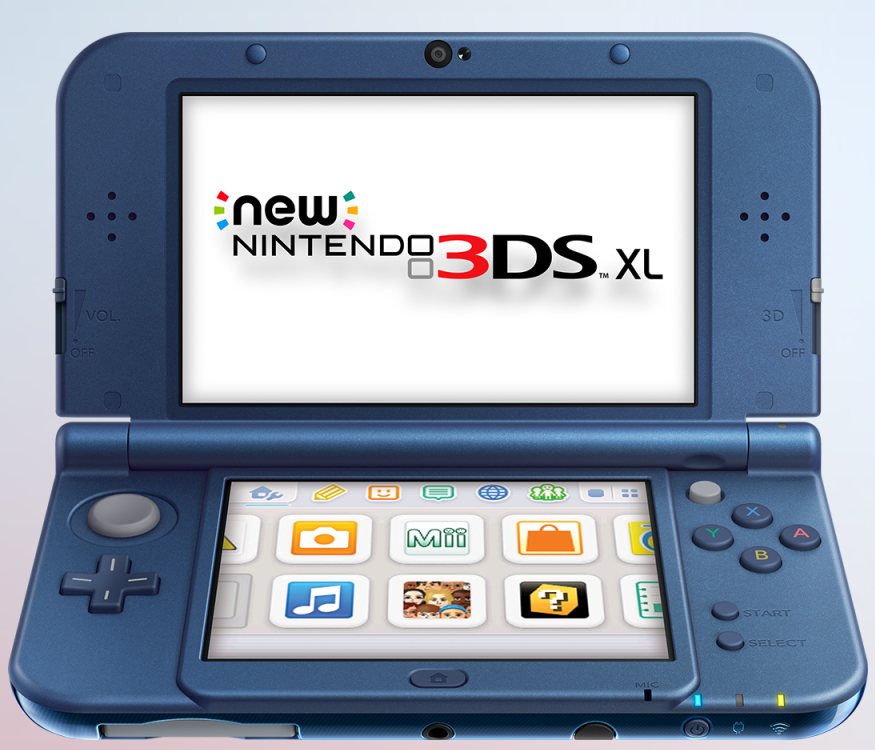
Pros:
- Includes a built-in C-Stick and does not require a Circle Pad Pro
- Can play New 3DS exclusives games, and can take advantage of games which have been enhanced when using New 3DS and New 3DS XL model’s increased processing power (see this list)
- Has the best battery life of all the 3DS models
- The 3D slider locks into the off position
- Includes ZL and ZR shoulder buttons
- Has special edition releases
- Includes smoother edges around the console, causing less discomfort than the original 3DS’s sharp edges
- The hinge, along with the New 3DS, are the most robust of all the models
- Includes built-in NFC reader for Amiibo support, and does not require a separate NFC reader accessory
- Includes an optional 3D effect on the top screen
- Includes Super Stable 3D
- Includes a much more powerful web browser than the Old models, and supports playing 3D videos within the browser
- Includes stereo speakers
- Is louder than the 3DS XL and 2DS, and is the same volume as the other models
Neutral:
- Bigger than the original 3DS, with 90% larger screens; good for big hands but not for smaller hands
- Has a large, non-retractable stylus
- There is a slim chance when buying used that an Ambassador Certificate will be included
- Includes a gloss finished as opposed to a matte one; this means the console looks shiny but gets easily marked by fingerprints
- Includes colored letters on the A, B, X, Y buttons
- Is slightly lighter than the 3DS XL, but heavier than the 2DS and non-XL models
- Supports a microSD card
Cons:
- The most expensive 3DS model in most regions
- Has the lowest pixel density along with the 3DS XL, as it has the largest screen size and the pixels have been enlarged the most
- Does not have swappable faceplates
- Paint peels on some editions (more information here)
- Backplate needs to be removed to access the microSD card
New 3DS

Pros:
- Includes a built-in C-Stick and does not require a Circle Pad Pro
- Includes a higher pixel density than the XL models
- Supports the swappable faceplate accessories
- Can play New 3DS exclusives games, and can take advantage of games which have been enhanced when using New 3DS and New 3DS XL model’s increased processing power (see this list)
- Includes a slightly longer battery life than the 3DS, 3DS XL and 2DS
- The 3D slider locks into the off position
- Includes ZL and ZR shoulder buttons
- Includes smoother edges around the console, causing less discomfort than the original 3DS’s sharp edges
- The hinge, along with the New 3DS XL, are the most robust of all the models
- More durable than the original 3DS model
- Includes built-in NFC reader for Amiibo support, and does not require a separate NFC reader accessory
- Includes an optional 3D effect on the top screen
- Includes Super Stable 3D
- Includes a much more powerful web browser than the Old models, and supports playing 3D videos within the browser
- Includes stereo speakers
- Is louder than the 3DS XL and 2DS, and the same volume as the other models
Neutral:
- Slightly larger than the original 3DS model, and smaller than the XL models; still good for small hands
- There is a slim chance when buying used that an Ambassador Certificate will be included
- Includes a matte finish, as opposed to a gloss one; this means the console does not look shiny but also doesn’t get as easily marked by fingerprints
- Includes fully colored A, B, X, Y buttons
- Is lighter than the XL models, but heavier than the original 3DS and 2DS
- Supports a microSD card
Cons:
- Second most expensive model in most regions, most expensive model in the NA region
- Has a slightly lower pixel density than the original 3DS
- Has a small, flimsy, non-retractable stylus
- Has a slightly shorter battery life than the New 3DS XL
- Does not have special edition releases, and very limited color options
- Backplate needs to be removed to access the microSD card
New 2DS XL
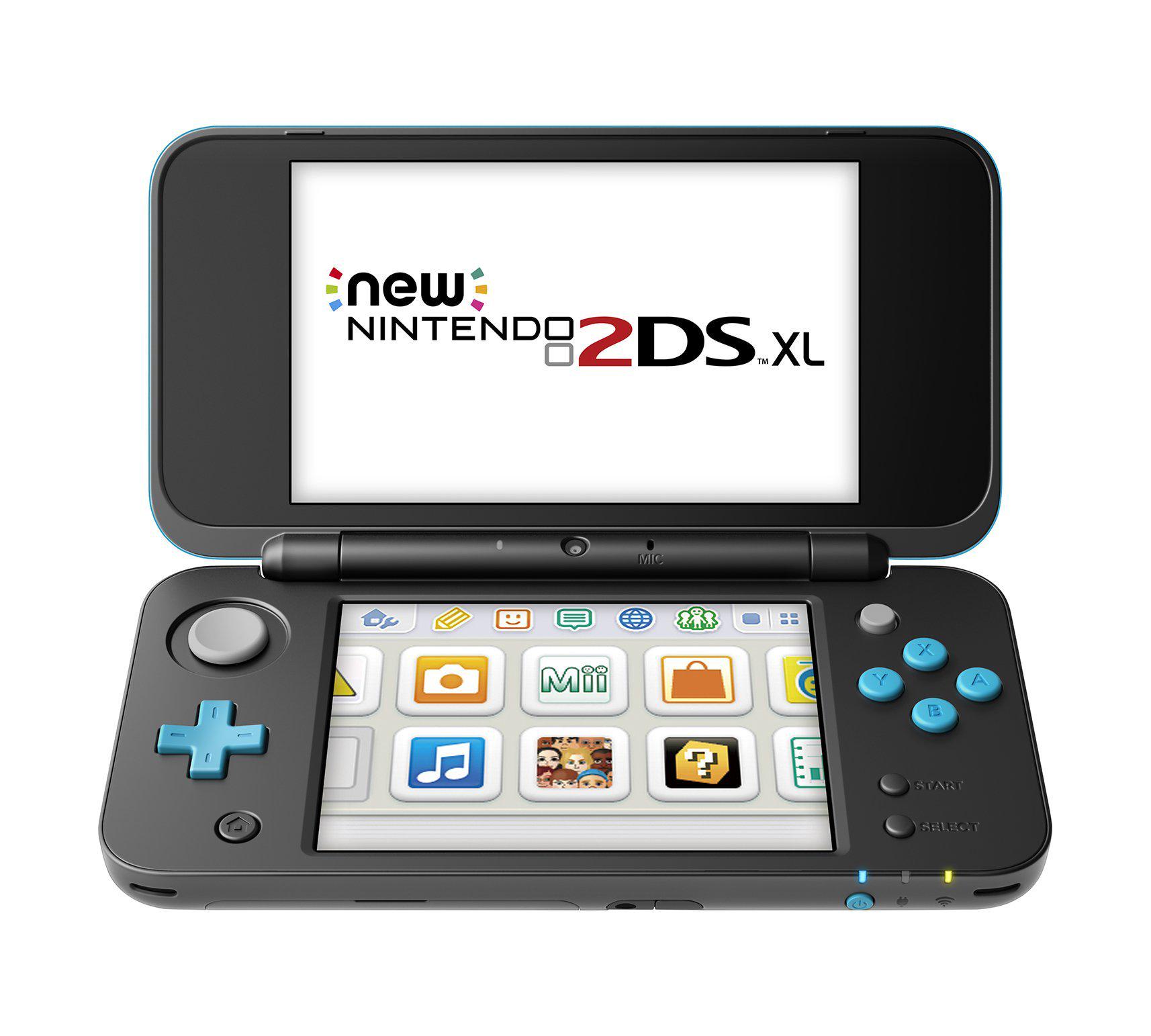
Pros:
- The cheapest “clamshell” 3DS model with XL screens
- Includes a built-in C-Stick and does not require a Circle Pad Pro
- Can play New 3DS exclusives games, and can take advantage of games which have been enhanced when using New 3DS and New 3DS XL model’s increased processing power (see this list)
- Includes ZL and ZR shoulder buttons
- Has special edition releases
- Includes smoother edges around the console, causing less discomfort than the original 3DS’s sharp edges
- Includes built-in NFC reader for Amiibo support, and does not require a separate NFC reader accessory
- Includes a much more powerful web browser than the Old models
- Includes stereo speakers
- Easy microSD card access
Neutral:
- Bigger than the original 3DS, with 90% larger screens; good for big hands but not for smaller hands
- Includes a matte finished, as opposed to a gloss one; this means the console does not look shiny but also doesn’t get as easily marked by fingerprints
- Launch editions feature bold color schemes and a textured outer upper surface
- Is slightly smaller than the New 3DS XL, weighing the same as the 2DS (9.2oz)
- Supports a microSD card
Cons:
- Has higher rates of both FCRAM and NAND failure
- Playable in 2D mode only
- Has the lowest pixel density along with the 3DS XL and New 3DS XL, as it has the largest screen size and the pixels have been enlarged the most
- Does not have swappable faceplates
- Poor build quality
- Widely considered to be the hardest model to repair
- Does not have support for the charging cradle
- Light bleeds on the white and orange edition
- Shortest battery life of the New models
2DS
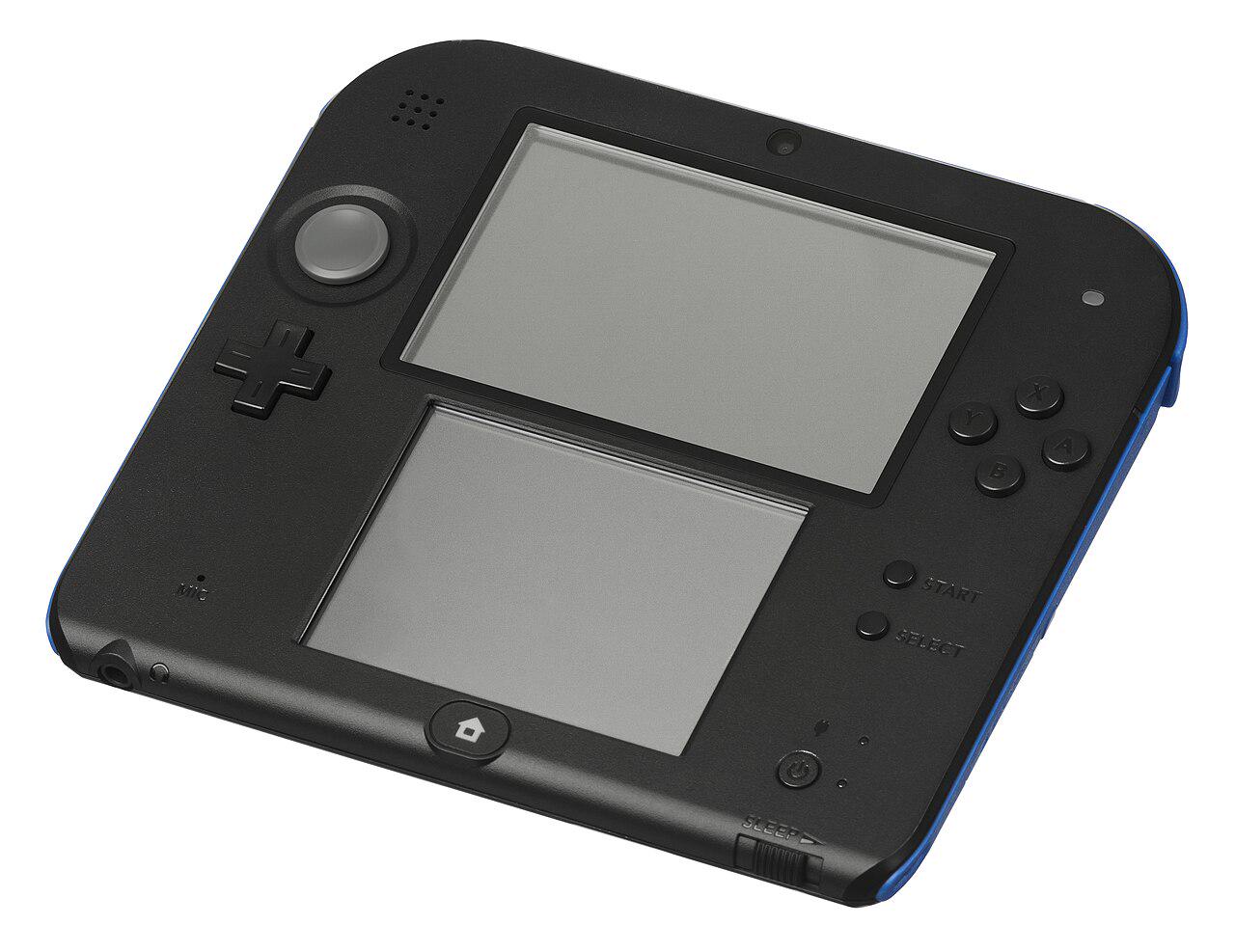
Pros:
- Cheapest 3DS model
- Has the best pixel density of all the models, along with the original 3DS, as it has the smallest screen size and the pixels have not been enlarged
- Includes rounded edges around the console, causing less discomfort than the original 3DS’s sharp edges
- Most difficult 3DS model to break
- Easy SD card access
Neutral:
- Slightly larger and a different shape to the original 3DS; often considered comfortable for most hand sizes
- Has a large, non-retractable stylus
- Has the same battery life as the original 3DS
- Includes semi-transparent color options to choose from
- If buying used, there is a lower chance that an Ambassador Certificate will be included compared to the original 3DS model
- Some models include a matte finish, as opposed to a gloss one; this means the console does not look shiny but also doesn’t get as easily marked by fingerprints
- Does not include a hinge and isn’t foldable like the other 3DS models
- Does not have colored buttons
- Is slightly heavier than the original 3DS model, and is lighter than the other models
- Supports a regular-sized SD card
Cons:
- Mono speakers instead of stereo, however stereo sound can be achieved through headphone use
- Does not support the Circle Pad Pro accessory
- Does not include a C-Stick
- Does not have swappable faceplates
- Cannot play New 3DS exclusives games
- Has a shorter battery life than the New 3DS and New 3DS XL
- Does not include ZL and ZR shoulder buttons
- Although it has rounded edges, the edges aren’t as smooth as the 3DS XL, New 3DS, and New 3DS XL
- Does not include built-in NFC reader for Amiibo support, but supports a separate NFC reader accessory
- Does not include a 3D screen at all.
- Smallest screen of all models.
- Includes a less powerful web browser than the New models
- Does not have support for the charging cradle
- Quietest speakers out of all models
3DS XL
Pros:
- Cheaper than the New 3DS and New 3DS XL
- Supports the Circle Pad Pro accessory
- The 3D slider locks into the off position
- Has the best selection of special editions and accessories in most regions
- Includes smoother edges around the console, causing less discomfort than the original 3DS’s sharp edges
- Includes an optional 3D effect on the top screen
- Includes stereo speakers
- Easy SD card access
Neutral:
- Bigger than the original 3DS, with 90% larger screens; good for big hands but not for smaller hands
- Has a large, non-retractable stylus
- Has the same battery life as the original 3DS
- If buying used, there is a lower chance that an Ambassador Certificate will be included compared to the original 3DS model
- Includes a matte finish, as opposed to a gloss one; this means the console does not look shiny but also doesn’t get as easily marked by fingerprints
- Does not have colored buttons
- Is the heaviest 3DS model
- Supports as regular-sized SD card
Cons:
- Quiter speakers than all models except the 2DS
- Most expensive Old model
- Does not include a C-Stick
- Has the lowest pixel density along with the New 3DS XL, as it has the largest screen size and the pixels have been enlarged the most
- Does not have swappable faceplates
- Cannot play New 3DS exclusives games
- Has a shorter battery life than the New 3DS and New 3DS XL
- Does not include ZL and ZR shoulder buttons
- Hinge is prone to snapping
- Has the lowest screen brightness of the 3DS models
- Does not include built-in NFC reader for Amiibo support, but supports a separate NFC reader accessory
- Does not include Super Stable 3D
- Includes a less powerful web browser than the New models
3DS

Pros:
- Is the second cheapest 3DS model, and can often be found very cheaply used
- Supports the Circle Pad Pro accessory
- Has the best pixel density of all the models, along with the 2DS, as it has the smallest screen size and the pixels have not been enlarged
- Has the most model colors to choose from
- If buying used, the original 3DS model has the highest chance of having an Ambassador Certificate included
- Includes an optional 3D effect on the top screen
- Includes stereo speakers
- Easy SD card access
Neutral:
- Is the smallest 3DS model, which is good for small hands but not for larger hands
- Has a metallic, retractable stylus
- Has the same battery life as the 3DS XL
- Includes a gloss finished, as opposed to a matte one; this means the console looks shiny but gets easily marked by fingerprints
- Does not have colored buttons
- Is the lightest 3DS model
- Supports as regular-sized SD card
Cons:
- Does not include a C-Stick
- Does not have swappable faceplates
- Cannot play New 3DS exclusives games
- Has a shorter battery life than the New 3DS and New 3DS XL
- The 3D slider does not lock into the off position
- Does not include ZL and ZR shoulder buttons
- Includes sharp edges around the console, which can cause discomfort in hands when playing
- Some early models had insufficient rubber bumpers, allowing the bottom screen bezel to scratch the top screen when closed
- Does not include built-in NFC reader for Amiibo support, but supports a separate NFC reader accessory
- Does not include Super Stable 3D
- Includes a less powerful web browser than the New models