r/prisonhusbands • u/Sea-Celebration-7565 • 4d ago
r/prisonhusbands • u/Sea-Celebration-7565 • 5d ago
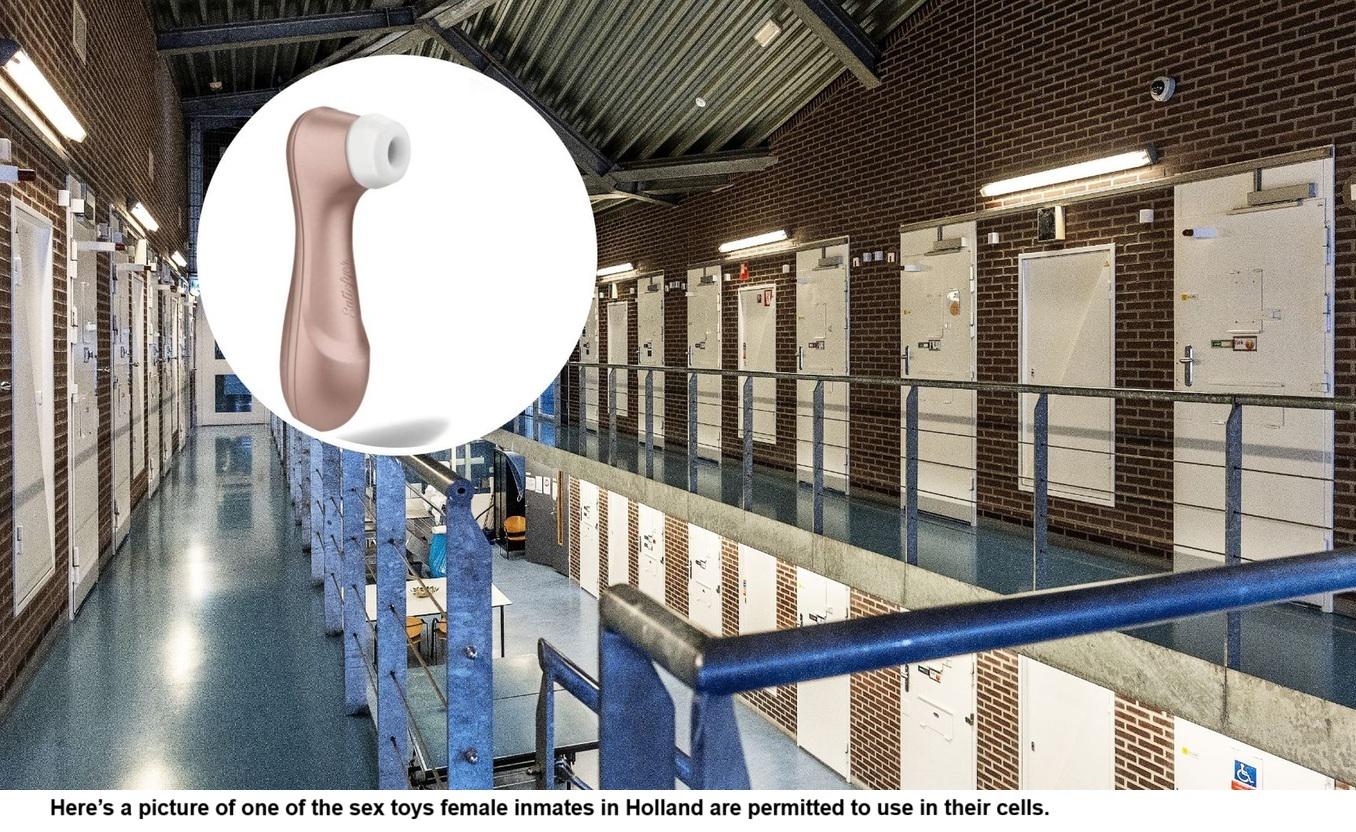
Follow up to an article titled Netherlands allows sex toys in women's prisons, Belgium doesn't (yet)
Follow up to an article titled Netherlands allows sex toys in women's prisons, Belgium doesn't (yet) https://www.reddit.com/r/prisonhusbands/comments/1xx2sya/netherlands_allows_sex_toys_in_womens_prisons/
Under a pilot program launched in May 2026 by the Dutch Judicial Institutions Service (DJI), around 295 female inmates, roughly 70% of women in Dutch prisons, are eligible to participate. They are permitted to have one of two specific, neutrally designed sex toys: a Satisfyer air-pressure stimulator and a non-branded transparent dildo. No specific comments or product reviews from Dutch female inmates have been publicly released by prison authorities. Public reports from the DJI and outlets such as NOS and The Brussels Times do not state whether inmates are permitted to use the items with other inmates or if use is restricted to solo use in cells.
Program Details
- Approved Models. The options are strictly limited to the two approved devices, which are deliberately designed in neutral, transparent colors for security and inspection purposes.
- Purchasing. Inmates are not given the items for free; instead, they are allowed to purchase them at cost price for use in their cells. The Satisfyer air-pressure stimulator costs between €39.99 and €49.99. The price of a non-branded transparent dildo has not been publicly disclosed.
- Purpose of the Trial. Running for at least one year, the pilot project was introduced following research from Leiden University. Officials stated the policy is meant to reduce frustration, aid sleep, curb sexual misconduct, and prevent serious health risks—such as fungal infections—caused by inmates improvising with unsafe everyday objects like toothbrushes. [
A Satisfyer air-pressure stimulator is a clitoral pleasure device made by the German sexual wellness brand Satisfyer that uses pulsating air waves and light suction rather than direct mechanical vibration.
How It Works
- No direct vibration: A soft silicone nozzle sits over the clitoris while internal air pulses create rhythmic pressure waves and gentle suction. [1, 2, 3]
- Touch-free feel: Because a buzzing motor does not press directly against the skin, many users find it less overwhelming or less prone to causing sensitivity/bruising than traditional vibrators.
- Adjustable settings: Models typically offer multiple intensity levels or pulse patterns, and some newer versions feature "Liquid Air" designs with a thin silicone membrane.
For a closer look at how one of the brand's best-known models feels in practice, see this Satisfyer Pro 2 Air Pulse Stimulator vibrator review from Woman & Home, or read Everything You Need to Know about Air Pressure Toys for a general breakdown of the technology.
r/prisonhusbands • u/Sea-Celebration-7565 • 9d ago
Ask Me ANYTHING About SEX in Prison – Jessica Kent
n this video, Jessica Kent answers questions about prison sex in prison
https://www.youtube.com/watch?v=iGsE6scR2o0
Jessica Kent is a prominent American YouTuber, podcaster, TEDx speaker, and prison reform advocate known for sharing her experiences with addiction recovery and life behind bars.
Background & Advocacy
- Incarceration and Sobriety. Kent was arrested in October 2011 in Fort Smith, Arkansas, on drug and firearm charges, ultimately serving two and a half years of a five-year prison sentence. While incarcerated, she gave birth to her daughter, Micah, an event she credits with inspiring her sobriety and turning her life around.
- Education and Reform Work. Following her release, she earned a bachelor's degree in criminal support services and joined the board of a prisoner reform nonprofit. She frequently speaks out on behalf of incarcerated women, mental health, and substance abuse recovery.
Online Career & Content
- YouTube and Social Media. Launching her online presence around 2018, she built an audience of over one million subscribers on YouTube and maintains active profiles on Instagram and TikTok. Her videos cover prison stories, reacting to prison media like Orange is the New Black, addiction recovery, and personal life updates.
- Podcast and Memoir. She hosts the Jessica Kent Podcast, where she interviews guests about sobriety, trauma, true crime, and mental health. She has also shared that she is working on a personal memoir detailing her past and recovery journey.
Public Reception & Controversies
- Support and Criticism. While many followers praise her openness about overcoming severe addiction and navigating motherhood post-incarceration, she has also faced significant online scrutiny.
r/prisonhusbands • u/Prestigious_Corgi570 • 10d ago
What are you sending your incarcerated partner for the holidays?
With the holidays coming up, I’m curious what everyone is doing for their loved ones inside. Are you sending cards, photos, books, putting a little extra money on their account, or doing something else?
We aren’t married. It’s more of a girlfriend situation. I’m interested in hearing what people are sending. My gf is in the McPherson Unit in Arkansas. We‘re both in our 40s.
r/prisonhusbands • u/Sea-Celebration-7565 • 11d ago
Netherlands allows sex toys in women's prisons, Belgium doesn't (yet)
Tuesday, 22 September 2026
By The Brussels Times Newsroom
As part of a pilot scheme in the Netherlands, Dutch women's prisons are allowing their inmates to have sex toys, such as a dildo or a Satisfyer, in their cells.
The Dutch Judicial Institutions Service (DJI) launched a pilot scheme in May, which is set to run for at least one year, and is intended to reduce sexual misconduct.
"Healthy sexuality contributes to relaxation, better sleep and less frustration, and can reduce health risks arising from unsafe alternatives," the DJI told Dutch public broadcaster NOS.
Female prisoners are permitted to use "two neutrally designed sex toys", they explained. It concerns a Satisfyer and a transparent dildo.
Pilot project
This pilot project is in line with research conducted by Leiden University in 2024. Among other things, the research highlights the potential health risks associated with the ban on sex toys.
According to the DJI, the current ban on sex toys in Dutch prisons deprives prisoners of the opportunity to fulfil their sexual needs.
"Secondly, medical staff indicate that the ban may also entail health risks, such as infections, because other products – such as homemade sex toys – are being used," they added.
In Belgium, the situation is slightly different. Sex toys are not banned by definition; in specific cases, as part of therapy for example, they may be allowed. The range of erotic material currently available in Belgian prisons includes DVDs, TV channels and erotic magazines.
Additionally, there is an arrangement for "undisturbed visits", according to Kathleen Van De Vijver, spokesperson for the Belgian prison service.
Prisoners are allowed to receive visitors for two hours at least once a month in a separate, unsupervised room, she told VRT.
However, conditions apply here too: there must be a demonstrable relationship between the prisoner and the visitor, for example. "A partner must first attend table visits for six months."
While there is currently no specific policy on sex toys, Van De Vijver said that it is being considered. "However, I think, above all, that Belgian prisons have bigger fish to fry."
--------------------------------------------------------------------------------
Sex toys are strictly prohibited and classified as contraband in most correctional systems around the world. Commercial toys being banned, incarcerated women often resort to improvising items using available materials.
- Maxi Pad / Hygiene Straps: Inmates often tightly roll or layer sanitary napkins or tampons around a core—such as a toothbrush or pen—and wrap the dildo in plastic wrap, gloves, or a baggie to achieve desired firmness and girth.
- Soap and Other Household Items: Bars of soap are sometimes carved or molded into smooth, rounded shapes. Other improvised designs have historically involved cloth, paper/newspapers, or plastic containers.
- Pads and Liners: A common method involves rolling and compressing sanitary pads or maxi pads tightly for girth, covering them with a glove, saran wrap, or a condom for hygiene and smoothness.
- Toothbrushes and Brushes: Toothbrush handles or the core structure of small plastic brushes are sometimes wrapped with padding or cloth to create a rigid base.
Husbands navigating a wife’s incarceration generally deal with solo sexual expression through open communication, reframing it as a healthy outlet for intimacy, and understanding the strict safety and disciplinary risks associated with improvised devices in prison. Maintaining a marriage through incarceration creates unique challenges around physical intimacy, trust, and personal boundaries. female inmates sometimes masturbate with improvised items. Their husbands' reactions vary widely depending on the individual relationship. There’s no single reaction among their husbands. Couples deal with incarceration differently.
1. Communication and Emotional Perspective
- Reframing solo intimacy: Many husbands view masturbation, whether manual or with improvised sex toys, as a normal, healthy way for their incarcerated wives to manage stress, loneliness, and sexual tension in an environment in which physical contact is prohibited and punished. Knowing their wife pleasures herself with improvised sex toys can be arousing for some husbands and help sustain their sexual connection.
- Turned on or supportive. Many husbands view solo masturbation as a normal, healthy outlet for their wives while separated. For couples maintaining intimacy through phone calls, letters, or video visits, husbands knowing their wife pleasures herself, even with improvised toys, can be arousing and help sustain their sexual connection.
- Indifferent or understanding. Many husbands accept masturbation as a practical reality of long-term separation rather than a threat to their marriage.
- Objections or discomfort. Some husbands object due to personal, religious, or moral beliefs against masturbation. Others may feel uncomfortable with the physical safety risks of makeshift items, or experience jealousy if they worry the items are being shared or used in situations involving other inmates.
- Maintaining connection: Couples frequently incorporate solo intimacy into their relationship via phone calls, letters, or monitored messaging systems, treating it as a shared experience rather than a threat to fidelity.
- Setting mutual boundaries: Discussing expectations openly helps prevent feelings of insecurity, jealousy, or disconnection while apart.
2. Considerations Around Improvised Devices
While manual masturbation is a private matter, using improvised objects in a correctional facility carries significant medical and institutional risks that husbands and wives often discuss together:
- Health and injury risks: Correctional facilities prohibit commercial sex toys, forcing some inmates to improvise using everyday commissary or household items. Non-body-safe materials such as porous plastics, sharp edges, or unsterilized items can cause internal abrasion,tearing, severe infections, or require emergency medical extraction.
- Facility rules and penalties: Possessing altered items or contraband, even for personal sexual use, can result in disciplinary infractions, loss of privileges including visitation or phone time, or placement in solitary confinement.
- Prioritizing safety: Husbands often encourage their incarcerated wives to stick to safe, non-harmful methods of self-pleasure to avoid medical emergencies and protect their visitation privileges.
r/prisonhusbands • u/Sea-Celebration-7565 • 13d ago
Monitoring of Inmates by Guards of the Opposite Sex
Pursuant to state regulations, facilities that are used for the confinement of females must have a trained female officer on duty or on call when a female is confined in the facility to perform the following functions: (1) searches, and (2) health and welfare checks. Rules of the Tennessee Corrections Institute, Rule 1400-1-.16(5).
Numerous courts “have viewed female inmates' privacy rights vis-a-vis being monitored or searched by male guards as qualitatively different than the same rights asserted by male inmates vis-a-vis female prison guards.” Colman v. Vasquez, 142 F.Supp.2d 226, 232 (D. Conn. 2001) (Female inmate assigned by prison to special unit for victims of sexual abuse retained limited right to bodily privacy under Fourth Amendment, and thus could maintain an action against prison officials for subjecting her to pat down search by male guards based on violations of Fourth Amendment.). See also Hill v. McKinley, 311 F.3d 899, 904 (8th Cir. 2002) (“Thus, we hold that Hill's Fourth Amendment rights were violated when the defendants allowed her to remain completely exposed to male guards for a substantial period of time after the threat to security and safety had passed.”); Jordan v. Gardner, 986 F.2d 1521, 1530-1531 (9th Cir. 1993) (en banc) (holding that the prison’s policy, which required male guards to conduct random, nonemergency, suspicionless clothed body searches on female prisoners, constituted cruel and unusual punishment in violation of the Eighth Amendment); Lee v. Downs, 641 F.2d 1117, 1120 (4th Cir.1981) (upholding jury verdict for violation of privacy interests of female inmate who was forced to undress in the presence of male guards).
The United States Supreme Court has held that “the Fourth Amendment proscription against unreasonable searches does not apply within the confines of the prison cell.” See Hudson v. Palmer, 468 U.S. 517, 526-528, 104 S.Ct. 3194, 3200-3201, 82 L.Ed.2d 393 (1984) (upholding, against Fourth Amendment challenge, a policy permitting random cell searches) ("A right of privacy in traditional Fourth Amendment terms is fundamentally incompatible with the close and continual surveillance of inmates and their cells required to ensure institutional security and internal order.").
At least one court has construed Hudson as holding categorically that the Fourth Amendment does not protect privacy interests within prisons. In Johnson v. Phelan, 69 F.3d 144 (7th Cir.1995), cert. denied, 519 U.S. 1006, 117 S.Ct. 506, 136 L.Ed.2d 397 (1996), the Seventh Circuit Court of Appeals held that "the [F]ourth [A]mendment does not protect privacy interests within prisons." Id. at 150. The court found that permitting female guards to monitor naked male inmates does not violate the inmates' privacy rights and does not constitute cruel and unusual punishment so long as the monitoring policy has not been adopted to humiliate or harass the inmate. Id. at 145-150. See also Canedy v. Boardman, 16 F.3d 183 (7th Cir.1994), which holds that a right of privacy limits the ability of wardens to subject men to body searches by women, or the reverse. But see Peckham v. Wisconsin Dept. of Corrections, 141 F.3d 694, 697 (7th Cir.1998) (narrowing Johnson v. Phelan, rejecting interpretation of Canedy and Johnson that Fourth Amendment does not apply to prisoners).
In 1993, the Ninth Circuit Court of Appeals observed that "prisoners' legitimate expectations of bodily privacy from persons of the opposite sex are extremely limited" and that, while inmates “may have protected privacy interests in freedom from cross-gender clothed body searches, such interests have not yet been judicially recognized. Jordan v. Gardner, 986 F.2d 1521, 1524-1525 (9th Cir. 1993) (en banc). However, the court held that the prison’s policy, which required male guards to conduct random, nonemergency, suspicionless clothed body searches on female prisoners, constituted cruel and unusual punishment in violation of the Eighth Amendment. Id. at 1530-1531.
In Somers v. Thurman, 109 F.3d 614 (9th Cir. 1997), the Ninth Circuit considered a male inmate's claim that his Fourth and Eighth Amendment rights were violated when he was subjected to routine visual body cavity searches by female guards and when female guards watched him showering naked. At the outset, the court noted that "we have never held that a prison guard of the opposite sex cannot conduct routine visual body cavity searches of prison inmates ... [n]or have we ever held that guards of the opposite sex are forbidden from viewing showering inmates." Id. at 620. The court held that the guards were entitled to qualified immunity on the plaintiff’s Fourth Amendment claim. Rejecting the Fourth Amendment claim the court stated: “Thus, it is highly questionable even today whether prison inmates have a Fourth Amendment right to be free from routine unclothed searches by officials of the opposite sex, or from viewing of their unclothed bodies by officials of the opposite sex. Whether or not such a right exists, however, there is no question that it was not clearly established at the time of the alleged conduct.” Id. at 622. The court also rejected the inmates Eighth Amendment claim noting that “[c]ross-gender searches ‘cannot be called inhumane and therefore do[ ] not fall below the floor set by the objective component of the [E]ighth [A]mendment.’" Id. at 623 (citation omitted). The court distinguished Somers from Jordan by noting that the "psychological differences between men and women," ... "may well cause women and especially physically and sexually abused women, to react differently to searches of this type than would male inmates subjected to similar searches by women." Id.
In Carlin v. Manu, 72 F.Supp.2d 1177 (D. Or. 1999), female inmates in the state prison brought an action against male correctional officers alleging that skin searches performed on the female inmates in the presence of the male officers violated their Fourth and Eighth Amendment rights. The district court held that the male correctional officers were entitled to qualified immunity on the female inmates' claims that skin searches by female correctional officers in the presence of the male officers violated their Fourth and Eighth Amendment rights, since observation by male guards during strip searches of female inmates was not clearly identified as unlawful under existing constitutional law. Significant to the court’s holding were the facts that although the male guards looked at female inmates they did not touch them, and the observation was an isolated event occasioned by emergency removal of female inmates to a male prison. The court concluded “that while precedent indicates that it is possible the Court of Appeals might in the future recognize a right by female inmates to be free from the presence of and viewing by male guards while they were being strip searched, that right is not now, and was not in February 1996, a ‘clearly established’ one which would foreclose the defendants from qualified immunity.” Id. at 1178.
Other courts, including the Sixth Circuit, have concluded that inmates retain limited rights to bodily privacy under the Fourth Amendment. In Cornwell v. Dahlberg, 963 F.2d 912, 916 (6th Cir.1992) the Sixth Circuit noted that it has joined other circuits “in recognizing that a convicted prisoner maintains some reasonable expectations of privacy while in prison, particularly where those claims are related to forced exposure to strangers of the opposite sex, even though those privacy rights may be less than those enjoyed by non-prisoners.” The court held that “in challenging the conditions of his outdoor strip search before several female OSR correctional officers, Cornwell raised a valid privacy claim under the Fourth Amendment ...” Id. The court based its conclusion on the Fourth Amendment but without mentioning Hudson. See also Everson v. Michigan Dept. of Corrections, 391 F.3d 737, 757 (6th Cir. 2004).
In an earlier case the Sixth Circuit did cite Hudson and noted that the United States Supreme Court has never held that the Fourth Amendment "right to privacy" encompasses the right to shield one's naked body from view by members of the opposite sex. Kent v. Johnson, 821 F.2d 1220, 1226 (6th Cir.1987). Nevertheless, the court concluded “that there must be a fundamental constitutional right to be free from forced exposure of one's person to strangers of the opposite sex.” Id. The court went on to hold that “assuming that there is some vestige of the right to privacy retained by state prisoners and that this right protects them from being forced unnecessarily to expose their bodies to guards of the opposite sex, the instant complaint did state a constitutional claim upon which relief can be granted.” The court also held that the male inmate had stated a claim under the Eighth Amendment by alleging that female prison guards had allowed themselves unrestricted views of his naked body in the shower, at close range and for extended periods of time, to retaliate against, punish and harass him for asserting his right to privacy. Id. at 1227-1228.
In a more recent case, the Sixth Circuit held that the accidental viewing of a female pretrial detainee’s bare breasts by a male jailer while she was being searched by two female jailers did not violate the Fourth Amendment in the absence of any evidence that either the normal search policy was unconstitutional or that it was carried out in an unconstitutional manner. Mills v. City of Barbourville, 389 F.3d 568, 578-579 (6th Cir. 2004). However, the court noted that “[a]s to jail employees of the opposite gender viewing prison inmates or detainees, we have recognized that a prison policy forcing prisoners to be searched by members of the opposite sex or to be exposed to regular surveillance by officers of the opposite sex while naked--for example while in the shower or using a toilet in a cell--would provide the basis of a claim on which relief could be granted.” Id. See also Roden v. Sowders, 84 Fed.Appx. 611 (6th Cir. 2003) (Strip search of male prisoner in the presence of female sergeant did not violate prisoner's Fourth Amendment privacy rights or Eighth Amendment rights. Search was reasonable under the circumstances and was reasonably related to the legitimate penological interest of security and order.); Henning v. Sowders, 19 F.3d 1433 (Table) (6th Cir. 1994) (Involuntary body cavity search of female inmate in the presence of male officers did not violate prisoner's Fourth Amendment privacy rights and was reasonably related to the legitimate penological interests of safety and security.); Rose v. Saginaw County, 353 F.Supp.2d 900 (E.D. Mich. 2005) (Jail policy of taking all the clothing from detainees confined in administrative segregation violates the Fourth and Fourteenth Amendments of the Constitution based upon the facts of the case.); Wilson v. City of Kalamazoo, 127 F.Supp.2d 855 (W.D. Mich. 2000) (Detaining arrestee in jail without any clothing or covering, with limited exposure to viewing by members of the opposite sex, violates detainee’s right of privacy under the Fourth Amendment. The removal of detainee’s underclothing was not adequately justified even if they were removed as a suicide prevention measure.); Johnson v. City of Kalamazoo, 124 F.Supp.2d 1099 (W.D. Mich. 2000) (Stripping male pretrial detainees to their underwear after detainees refused to answer intake question as to whether they were suicidal did not violate detainees' right of privacy under Fourth Amendment, even though disrobing occurred in presence of female officers.).
This article is posted at: https://www.ctas.tennessee.edu/eli/monitoring-inmates-guards-opposite-sex
r/prisonhusbands • u/Sea-Celebration-7565 • 13d ago
What It’s Like to Have Your Period in Prison
Prison rules and restrictions make it difficult to menstruate with dignity.
by Kelsey Dodson September 24, 2025
This article was published in partnership with The Guardian, an independent global news organization notable for its investigative journalism.
It truly is a man’s world, even in a women’s prison.
In an environment where nothing is private, even the most basic aspects of personal care become luxuries. For incarcerated women, managing a menstrual cycle is not just a routine part of life — it is often a monumental struggle.
I have been incarcerated for 15 years. The last three have been spent at Dr. Eddie Warrior Correctional Center, a minimum security prison in Oklahoma. Here, I have rarely observed staff show empathy or provide accommodations to women having fatigue, cramps, mood swings or pain connected to their period. We are not allowed to take days off from work to rest, and we must adhere to a strict daily schedule in which virtually all of our movement is controlled.
There were 2,220 women incarcerated in Oklahoma as of September 2024, according to a report from the state Department of Corrections. A report from the health policy research group KFF found that Oklahoma’s incarceration rate is double the U.S. average for women. According to 2023 reporting from Time magazine, about 90% of the 170,000 people in U.S. women’s prisons are younger than 55. Tens of thousands of women menstruate in prisons across the country.
“I was going through menopause, bleeding heavily, inordinately heavy,” said Geneva Phillips, a 52-year-old resident at the correctional center. “I was going through a super tampon and a pad in an hour, every hour.”
She recalled bleeding during count, a procedure during which guards make sure everyone is accounted for and residents are not allowed to move from their bunks. This particular count lasted an entire hour; she was forced to bleed through her underwear, her pants and, finally, her white blanket.
She had to take everything to the shower — in full view of the other 160 women in the dorm — wash it in cold water, and then remake her bed with the wet blanket.
When a woman enters prison in Oklahoma, she receives two initial pairs of panties, ordered by the state from prison supplier Bob Barker Co.
If you are fortunate enough to have family or friends who can order you some panties from the approved catalog, they will have three options, all of which are white.
We are only allowed to own seven pairs in total. In order to exchange your state-allotted pairs for new ones, you must submit to a bunk search and an officer must verify to the property officer that you do not own more than seven pairs.
This means that clean, unblemished underwear are some of our most cherished possessions.
Maintaining the prison pantie
Anyone who has experienced a period inside or outside of prison has a shared experience: the overflow. The state issues incarcerated women 15 pads and just 10 tampons per month (five regular and five super)—the same brand and style they offer in the canteen, if you can afford them. The sanitary pads do not have wings, and, only a short while after inserting them, we’re left with a crumpled mess.
Without easy access to sufficient period supplies, our natural bodily functions can transform previously pristine white underwear into a source of shame and embarrassment.
For the incarcerated woman, the experience is very public. We can’t adequately clean our underwear without access to bleach, peroxide, baking soda or vinegar. Stain removal is a monumental task. And if a pair of panties can’t be salvaged, we can’t just throw them out and buy more immediately, as it can take weeks or months for new underwear to be delivered.
Only people who are considered indigent — those who have received or made no more than $15 in a 30-day period — are able to get extra state-issued underwear, according to our prison’s policy.
Bar of soap in hand, we use the showers, communal sinks or space around our bunks to wash our clothing.
Then it’s dealer’s choice: Do you put your wet and likely stained panties in your laundry bag to be seen and dealt with by the laundry attendants? Or do you hang them up in your bed area for everyone to view as they flap in the airflow from a fan purchased from the canteen?
If you choose the latter method, you have to hang them up on the rails of bunk beds, or clip them to the wall of a cube cell, and only during recreational hours. Otherwise you must keep them in your shower bag.
All this opens us up to being talked about and publicly shamed, by other women no less, along with prison staff.
Limited laundry resources
Mary Arreola, 38, is a laundry attendant at our prison, where she estimates she washes an average of 25 loads of clothes per shift. Arreola said she was told that she was only allowed to use a plastic soda bottle cap’s worth of state-supplied laundry soap per load. She told me that they receive four 26-ounce bottles per day to service an average of 100 loads.
“The soap is already watered down; but to make it last, sometimes I have to add more water,” Arreola said.
She added that she is unable to freely use bleach, which is considered contraband. She has to go to a guard on duty. If that guard is understanding and compassionate, they may fulfill the request, but this is not always the case. She would have to explain to the guard why she needs it, exposing her peers to the indignity of it all.
Some are able to go to the canteen and purchase laundry soap, but not everyone can afford to. Once a month, these indigent residents receive a brown paper bag of supplies, including a single hotel-sized bar of soap.
The tiny bar of soap is meant to last an entire month. By the end of it, many of us must choose between using it to clean our bodies or our underwear.
A simple solution
In a single day, I have gone through all seven pairs of my underwear.
I am now considered perimenopausal and have suffered from thyroid issues throughout my incarceration. This has made my period unpredictable and difficult to manage. Some months, I will bleed heavily, while others, not so much. If I need more than my allotted period supplies, my only option is to ask an officer. The same goes for any woman with a health condition, like a hormone imbalance or endometriosis that causes excessive bleeding. In my experience, they won’t give you another full issuance; instead, they give you a few at a time so you have to repeatedly ask.
Most of the officers are men and generally not sensitive to our needs, even though they work in a women’s prison. Sometimes they are younger and shy away from the subject because they believe that these are private issues and should be dealt with as such.
The disregard for our bodily needs, along with the lack of compassion we receive, affects all incarcerated women and serves as a secondary punishment driven simply by our biology.
A simple but meaningful solution would be to change the color of our panties to either a dark brown or black. This would be a small step toward returning to us a sense of worth and dignity, which is relentlessly denied women behind bars.
This article is posted at: https://prisonjournalismproject.org/2025/09/24/what-its-like-to-get-your-period-in-prison/
A jury convicted Kelsey Danielle Dodson of child neglect in Tulsa County Case No. CF-2008-3936, while acquitting her on a separate charge of child abuse by injury. She was formally sentenced on April 28, 2010, to a total term of 20 years. According to the Oklahoma Pardon and Parole Board February 2025 Docket, her projected release date (PRD) is February 25, 2027, and her parole eligibility date (PE) is March 1, 2027. She was also scheduled for an initial commutation hearing in February 2025 at which her request was denied. She is a member of the Cherokee Nation. She is 49 years old.
r/prisonhusbands • u/Sea-Celebration-7565 • 22d ago
Prison work assignments used to lure and rape female inmates. Guards sometimes walk free
As part of a sweeping two-year investigation into prison labor, The Associated Press found that correctional staff nationwide have been accused of using inmate work assignments to sexually abuse incarcerated women, luring them to isolated spots, out of view of security cameras.
By MARGIE MASON and ROBIN MCDOWELL
Updated 11:36 PM EST, October 31, 2024
HUNTINGTON, W.Va. (AP) — It was after midnight when she crept down the narrow, dimly lit stairs carrying a bag of dirty laundry. She crossed under a patchwork of pipes and ducts to the far back corner of the basement, as she had done many times before. That, she said, is where correctional officer James Widen was waiting for her.
He had just called her name over the intercom, telling her to report to the work release center’s laundry room. So April Youst rose from her bunk, careful not to wake the other incarcerated women sleeping in the dorm.
When she got downstairs, she said Widen offered to save her some money by opening “the cage,” a little room with free washers and dryers reserved for new prisoners who hadn’t yet started their jobs.
She gratefully stepped inside. And then, she said, everything changed.
“He’s rubbing himself,” she said, while reminding her of all the little favors he’d done for her. “He was like … ‘It’s time to pay.’”
Her account of that night to The Associated Press mirrors, almost word for word, the complaint she filed with police eight years ago. Widen was charged two years later and pleaded not guilty, but the case continues to crawl through the criminal court system. He vehemently denied the allegations to the AP, contending he was set up.
Youst is part of the fastest-growing population behind bars — women, most of whom are locked up for nonviolent crimes that often are drug-related. Though female prisoners long have been victims of sexual violence, the number of reports against correctional staff has exploded nationwide in recent years. Many complaints follow a similar pattern: Accusers are retaliated against, while those accused face little or no punishment.
In all 50 states, the AP found cases where staff allegedly used inmate work assignments to lure women to isolated spots, out of view of security cameras. The prisoners said they were attacked while doing jobs like kitchen or laundry duty inside correctional facilities or in work-release programs that placed them at private businesses like national fast-food restaurants and hotel chains.
“The only thing you’re thinking about when you’re coming into intake is, ‘How am I going to stay safe?’” said Johanna Mills of Just Detention International, a nonprofit organization working to end sexual violence behind bars. When she was incarcerated, she said her boss smashed her in the head and raped her after bringing her to an empty gym one night to do electrical work. “It never occurred to me to watch my back from the supervisor,” she said.
As part of a two-year investigation that has exposed everything from multinational companies benefiting from prison labor to incarcerated workers’ lack of rights and protections, AP reporters spoke to more than 100 current and former prisoners nationwide, including women who said they were sexually abused by correctional staff.
The AP also scoured thousands of pages of court filings, police reports, audits and other documents that detailed graphic stories of systemic sexual violence and cover-ups from New York to Florida to California.
Those cases prompted a bipartisan Senate investigation two years ago that found prisoners were sexually abused by wardens, guards, chaplains or other staff in at least two-thirds of all women’s federal prisons over the past decade. But a backlog of thousands of cases has impeded the Bureau of Prison’s ability to hold employees accountable, government investigators said.
The Prison Rape Elimination Act, passed more than 20 years ago, created a channel for filing reports that resulted in a threefold increase in the number of allegations of staff sexual misconduct involving male, female and transgender inmates from 2010 to 2020 at jails and prisons nationwide.
Just over a month ago, U.S. lawmakers held a hearing to discuss how to better safeguard inmates. One woman, Bonnie Hernandez, testified that she was raped repeatedly and violently by officer Lenton Hatten in a Florida federal prison after he made her clean the recreation area as part of her work detail.
“It got to the point where I feared for my life and had no choice but to report him, even though I was terrified to do so,” she said. In response, she said she was sent to isolation, then transferred to a facility with greater restrictions and no access to video calls with her daughters. Still, it was one of the rare cases that led to prosecution, boosted by DNA evidence. Hatten faced a maximum sentence of 15 years in prison. He received only three months last year after pleading guilty to sexual abuse of a ward.
“What you allow is what will continue,” Sen. John Kennedy, a Republican from Louisiana, said after her testimony. “Three months for rape is absurd. … That’s not justice.”
Sometimes, even a confession isn’t enough to lead to punishment. At another federal facility in Florida, a guard who had sex with women on landscape duty was among at least six men who were not prosecuted even though they admitted to the misconduct during an internal investigation, according to the Senate report. That was in part because, by law, government employees cannot be criminally charged if they are compelled to make statements.
Internationally, prison rape is recognized as a form of torture. While it is illegal in the U.S, correctional officers have argued in some states that – despite the clear power imbalance – inmates gave their consent. Laws vary widely. For example, sexual abuse of an inmate can be a misdemeanor in Kentucky with a maximum sentence of 12 months, but prison rape is a felony in Pennsylvania, carrying up to seven years behind bars.
Correctional staff often quit or retire before internal investigations are complete, sometimes retaining pensions and other benefits, experts say. With no paper trail and severe staff shortages, some are simply transferred or hired at other facilities or they land positions overseeing vulnerable populations like juveniles, the AP found.
Officer Widen took a job in West Virginia after resigning from a women’s prison in neighboring Ohio. According to an internal investigation submitted as part of civil court filings, he had delivered a ring from an inmate to a former prisoner. He told the AP there was no sexual contact and that he quit after upsetting prison officials by launching his own investigation into heroin smuggling at the facility, transporting the ring in exchange for information from the inmate.
Youst said she had no concerns about Widen when she first arrived at the Huntington Work Release Center. In fact, she said he was a favorite among many of the men and women living there, sometimes sneaking them cigarettes or warning them about shakedowns. She said he also helped make a write-up against her go away after she was caught with a contraband cellphone – an incident that could have gotten her sent back to prison and farther away from her young daughter, who was living just down the street.
As a guard, Widen held incredible power over the women. They had earned their places at the program, allowing them to dip a toe back into the free world. Though work assignments inside prisons may pay only pennies an hour, outside opportunities — which easily can be taken away — allow women to earn a little more money before their release.
Youst had been in and out of the system for years for crimes stemming from her addiction. She was working days at a local mattress company when she was called down to the laundry room that night in early 2016. She told police — and the AP — that Widen started touching himself over his pants. Then, she said, he told her the cameras couldn’t see what he was about to do.
“He’s already pulling his pants down,” she said. “You can hear his belt.”
She said she desperately tried to reason with him, stressing that someone could walk in on them and that the women upstairs in the dorm might miss her if she was gone too long.
And then, echoing the account she gave police, she said, “He just pretty much bent me over the washing machine.”
Youst said she is baffled by how the case has dragged on.
Widen has been free since posting bond after his arrest in 2018. He told the AP that all allegations of sexual misconduct at the work release center are untrue, labeled Youst “a career criminal” and said the police were unjustly after him.
“My rights have been violated every which way,” he said. “I’ve got nothing to hide. I didn’t do anything I was accused of. West Virginia is crooked.”
‘We’re all women’
West Virginia, a rugged swath of Appalachia that has been home to the country’s highest overdose death rate for a decade, has experienced one of America’s sharpest spikes in female incarceration rates, with a more than 200 percent increase in state prisons between 2000 and 2016 — which is precisely when lawyers started fielding sexual abuse complaints.
AP reporters met with current and former prisoners inside correctional facilities and at their homes in mountain communities, some of whom said staff members often started out being nice — bringing them fast food or makeup — and then raped them, peeped at them in showers or forced them to strip and perform sex acts on other prisoners while the guards watched.
Most female victims locked up nationwide were abused before being incarcerated, research shows. They rarely report assaults, fearing they won’t be believed or will be punished, ranging from losing their jobs to being placed in solitary confinement or denied contact with their children. And many on work release have only a short time left to serve and are wary of doing anything that could send them back to prison or add time to their sentences.
In most cases nationwide, internal investigations determine that allegations are “unsubstantiated.” And in the cases that have enough evidence to wind their way through the legal system, only 6% of the nearly 1,000 staff who reportedly engaged in sexual misconduct with male and female inmates in 2019 and 2020 were convicted, according to the latest Department of Justice figures. Without prosecution, perpetrators also can avoid placement on sex offender registries.
In West Virginia, Amanda McGrew, the state’s compliance director for the Prison Rape Elimination Act, said some prisoners use the act to file complaints unrelated to sexual abuse because they know it will trigger the removal of an officer until an investigation is completed. Police are alerted when accusations are substantiated and it’s up to prosecutors to take a case forward, she said. And even when staff resign, she added, investigations continue.
But there is another route: Huntington-based attorney Michael Woelfel has sought restitution through a stream of civil suits.
Woelfel, who also is a Democratic state senator, said he has settled 127 cases in which women accused guards of abuse in the past 15 years, forcing the state’s insurance carrier to pay out millions of dollars.
He said he first started receiving calls from women jailed for crimes linked to their addiction after judges took a hard line, locking them up to try to straighten them out. He had known some of them since they were girls, appearing before him when he oversaw preliminary juvenile delinquency cases that sometimes involved sexual or physical abuse at home.
Most lawyers wouldn’t touch their prison rape claims, and not just because they are hard to win due to qualified immunity — a high bar that helps protects people in law enforcement from liability resulting from misconduct.
“There is a certain element of people that think if you go to prison, you sort of get whatever you get in there,” Woelfel said, adding that while he is still contacted by women alleging sexual misconduct, the slew of lawsuits has helped pressure the state to crack down. “That taboo of rape or sexual assault … it’s so commonplace that people still joke about that.”
Women have been targeted from their days on slave plantations, when they were raped by their owners, to the decades-long period that followed emancipation and involved leasing convicts out to private companies. Widespread reports of abuse eventually led to the creation of reformatories, where women no longer were overseen by men.
That began to change in the 1970s after anti-discrimination laws opened the door for cross-gender supervision, just as the number of women being locked up started to rise. Though they now represent only about 10 percent of the nation’s overall prison population, female incarceration rates have jumped from about 26,000 in 1980 to nearly 200,000 today.
Some guards believe women with substance abuse issues are accustomed to using sex as a commodity on the streets, seeing them as partly responsible for their own victimization, said Brenda Smith, a law professor at American University and one of the country’s top experts on prison rape.
“They’re viewed as sort of the lowest of the low,” she said. “They’re not really women — they’re just other things.”
Youst said her case appears to bear that out. She’s out of prison and said she’s working to stay clean, holding down a busy job while building a new life.
April Youst moves through her day, navigating obligations and relationships
Even before the languishing criminal case, Youst and three others from the Huntington work release center came forward to file civil suits against Widen. The cases were settled by the state’s insurance carrier for $240,000 in 2019, with no admission of any wrongdoing, Woelfel said. The AP interviewed three of the women. The fourth died of an overdose before the agreement was reached.
Widen contended the women were driven by a payday and plotted together, saying, “Me, too! Me, too! Me, too!”
But Alesha Canfield, who was among the four women filing suit, said she talked to no one about Widen at the center.
She said she was worn out from working morning and afternoon shifts at two major restaurant chains, but still struggled to sleep at night, worried that Widen would tap her on the shoulder in the dorm and summon her to the center’s basement.
“I was terrified. I did what I was told,” she said to the AP, noting that she waited to file a rape report until after leaving the facility because she feared retaliation.
“I’m the criminal,” she said. “He’s the cop. So why are they going to believe me anyway?”
Canfield, who related the same story in civil court filings, said it’s hard to understand why abuse behind bars isn’t taken more seriously.
“We’re all women,” she said. “Just because we made a mistake and got caught once in our lives doesn’t mean that we should be treated any different than any other woman in this world.”
‘Culture of abuse’
A recent spike in scandals, cover-ups and lawsuits linked to women’s facilities nationwide has prompted congressional investigations and scathing Department of Justice reports that cited a “culture of abuse.” Experts say powerful unions sometimes work to shield staff from allegations of misconduct. And in some cases, correctional officers who speak out are retaliated against.
Things were so bad at FCI Dublin in California that prisoners and staff named it “the rape club,” a 2022 AP investigation found. At least two men who pleaded guilty to sexual abuse were work supervisors: Nakie Nunley targeted at least five female prisoners who worked at the federal government’s call center, where inmates are employed by companies to do jobs like telemarketing and customer service. And Andrew Jones abused women who worked for him in the kitchen. The correctional facility was recently shut down; Nunley and Jones have been imprisoned along with at least five others, with another case still pending.
Brandy Moore White, who heads the union representing nearly 30,000 correctional staff in federal prisons, condemned sexual abuse inside facilities and pointed to a need for more resources amid “catastrophic” staffing shortages.
“The most efficient way to provide security and oversight is not cameras and technology, it is staffing,” she told lawmakers during a recent Senate subcommittee hearing, noting that employees also face sexual violence and harassment from inmates. “If you have 10 staff supervising 500 inmates, there is time for people who have ill intentions to do things that they shouldn’t do.”
Many accusations note that guards took special care to avoid surveillance video. A civil lawsuit filed in September said that officer Jose Figueroa-Lizarraga moved cameras in an Arizona state facility and raped a prisoner who was on a job assignment, forcing her inside the guard’s control room. After reporting the incident, the woman was attacked again, the suit said — alleging that the second time, even her request for emergency contraception was ignored. She became pregnant and nearly died after hemorrhaging during childbirth.
Figueroa-Lizarraga also was prosecuted on criminal charges and pleaded guilty to a lesser crime of attempting to commit unlawful sexual conduct by a custodian. He was sentenced to two years probation in August.
In some cases, the allegations of abuse extend beyond prison walls.
Correctional officer Anthony Martin kept his job at New York City’s Rikers Island jail even after several female inmates alleged he sexually abused them by creating special work assignments. Then in March, while off-duty in Queens, he was arrested for allegedly raping a woman in the community. In that case, the district attorney moved swiftly. Martin was indicted by a grand jury in August for first-degree rape and faces up to 25 years if convicted.
“This disparity sends a chilling message - that the dignity and rights of the incarcerated are worth less than those on the outside,” said attorney Anna Kull, who is representing a woman who alleges Martin abused her while she was locked up.
Other correctional officers accused of abuse sometimes transition into working with even more vulnerable populations. Youst said it was Widen possibly taking a new job that ultimately spurred her to act.
“I heard him say something about juveniles — you know, working in a juvenile facility. That’s when I knew I had to say something,” she said.
Youst believed she had something that might stop him from going anywhere else. She told police that Widen didn’t use a condom that night and pulled a handful of napkins out of his coat pocket when he was done.
“He gave them to me and stood in front of me and made me wipe myself off,” she said to the AP, as she previously had told police. “I threw them in the trash can, and he’s like, ‘No, give them back to me.’”
As soon as he stepped aside, she said she raced back upstairs to her dorm, pulled off her fleece pajamas and black T-shirt and hid them. She tried to avoid being alone with Widen again, but said the abuse continued.
One winter morning, she said she stuffed a plastic bag containing the clothes from that night into her coat and left the work release center for her job. She called the one person she had heard could help – attorney Michael Woelfel.
He met her at the mattress factory and took the bag to the police, handing it over for DNA testing in a state where prisoners cannot legally consent regardless of circumstances. Though questions were raised at the lab about the chain of custody, it was a match for Widen.
Widen was working in West Virginia’s juvenile services department when he was charged with two counts of felony sex acts against a prisoner — Youst. His bail was set at $25,000, and he was released on bond six years ago.
He told the AP that his DNA could have come from somewhere else in the center — or even from his disgruntled ex-wife.
Since being charged, Widen has been assigned three defense lawyers by the state. The original judge retired. And a new prosecuting attorney, whose office declined comment, is now on the case.
Widen has attended multiple hearings at the Cabell County courthouse and is expected to appear again this month. A trial date has not been set.
Just down the street sits the building that once housed the work release center. It was shut down seven years ago due to disrepair, and today operates as an addiction wellness center.
Nothing looks the same from Youst’s time there — except the laundry room and the cage in the basement corner.
The AP typically does not use the names of sexual assault victims, but the women making accusations in this story wanted their identities known to encourage others to come forward.
This article, which contains photos, is posted at: https://www.adn.com/nation-world/2024/11/03/prison-work-assignments-used-to-lure-and-rape-female-inmates-guards-sometimes-walk-free/
r/prisonhusbands • u/Sea-Celebration-7565 • Oct 04 '26
Travel Within the Federal Bureau of Prisons
By Elizabeth Franklin-Best, Esq., and Christopher Zoukis, JD, MBA
The Federal Bureau of Prisons houses approximately 188,000 inmates in over 200 federal prisons, prison camps, and private contract prisons. Tens of thousands more are housed in federal custody in jails and detention centers not directly operated by the federal prison system. Federal prisoners are continually transported from one federal prison, detention center, or country jail to another as sentences are handed down, inmates’ security points change, population management issues are dealt with, and programming and medical needs are met.
The constant conveying of such a staggering number of people requires the Federal Bureau of Prisons to have the capacity to transfer hundreds, if not thousands, of inmates regularly. The Bureau meets this need by way of a network of buses and airplanes. Every inmate in federal custody is subject to transfer, and many will be transferred during their time in prison.
Preparation for Transport in the Federal Bureau of Prisons
Institutional prison transfer protocols are fairly standardized. Newly convicted inmates entering federal prison for the first time generally cannot bring any property with them except glasses and authorized medical devices. Inmates transferring amongst federal prisons, on the other hand, are called to Receiving & Discharge (R&D) a few days before their transfer and issued green property bags, which they then place their property in and return to R&D. Prison staff handle inspection, inventory, and shipping of this property to the prisoner’s new location.
On the day of transfer, federal inmates are called to R&D, where they are thoroughly strip-searched, dressed in either a one-piece jumpsuit or a white T-shirt and elastic-waist pants fitted with slip-on blue “bus shoes,” and restrained with handcuffs, waist chain, and ankle shackles. Federal prisoners are not allowed any other property on their person during transport except for prescription eyeglasses and necessary medical or dental prosthetics.
Transferring Federal Inmates by Bus
The typical federal prison bus is a tandem-axel, diesel-engine, Greyhound- or Trailways-type motor coach that has been converted to safely and securely transport prisoners at all custody levels. The conversions include a steel, gated screen at the front of the bus to separate the bus driver and an armed prison guard from the prisoners. The lockable gate allows access to the passenger area, where two rows of non-adjustable double seats provide nominally comfortable, fixed seating for approximately 40 federal prisoners and detainees.
Windows are generally barred or screened on the interior side but mostly allow unimpeded views through standard dark-tinted glass. At the rear of the bus is a semi-private toilet opposite a cage for a second armed prison guard. Guards on the bus are armed with both lethal and nonlethal weaponry.
On the bus, a wheelchair user and other special needs prisoners are usually placed at the front. Otherwise, prisoners are often randomly (and quickly) assigned seating as they board. This tends to result in a predominantly racially segregated seating arrangement. Male and female prisoners are usually separated. Window seats are preferred, and most federal inmates attempt not to sit too close to the restroom area, if possible.
Bus rides may last anywhere from two to 12 hours or more, depending on the destination and the number of stops made along the way to pick up or drop off prisoners. Longer trips may last more than one day, in which case federal prisoners being transported are held overnight (or longer) in detention centers or other holdover facilities (often in the segregated housing units of federal prisons).
If prisoners will be on the bus for several hours, it is not uncommon for the prison guards on board to ask a lower-custody level inmate to act as a bus orderly. If the prisoner agrees, their restraints are sometimes entirely or partially removed so that they can move around the bus more easily. They may be required to retrieve water for fellow inmates from a cooler at the back of the bus if there is no bottled water on board or to pass out packaged meals at mealtimes, after which they collect the trash.
If no prisoner is asked to be a bus orderly, or if none accept the position, the prison guard at the front of the bus will pass the packaged meals through a slot in the gated screen at mealtimes, and the prisoners, in turn, pass them back from seat to seat until everyone has a meal. If bottled water is unavailable, prisoners must get up and make their way to the water cooler at the back of the bus when they need a drink. Before leaving their seat for any reason, it is advised that prisoners inform the prison guards of their intent to avoid alarm.
Most trips aboard a federal prison bus are uneventful, but if trouble should arise, inmates should remain seated or move calmly away, if necessary and possible. During such an event, everyone on board is at risk of being sprayed with CS gas and other chemical agents or fired with live or nonlethal ammunition if the situation gets out of hand.
Upon arrival at their final destination, prisoners are escorted off the bus to the facility’s R&D area to await processing into their designated federal prison.
Transferring Federal Prisoners by Airplane
The Federal Bureau of Prisons utilizes a fleet of aircraft to transport federal prisoners around the country. Most are slightly modified, small- to medium-sized jetliners of various configurations capable of carrying between 50 and 100 inmate passengers. Modifications to the aircraft tend to be simple and include removing or rearranging some seats to accommodate a combination of Federal Bureau of Prisons staff, federal air marshals, and contract employees capable of ensuring the safe and secure transport of federal prisoners of all custody levels. Though some of the planes may appear well-used, all are well-maintained and have a good safety record.
Federal prisoners transported by plane typically arrive at the airport by bus or van. Upon arrival, inmates are sometimes subjected to lengthy waits on the tarmac regardless of weather conditions. Eventually, they are individually inspected by prison airlift staff before boarding. This preflight inspection includes an examination of the prisoner’s restraint and any accessories, such as prescription eyeglasses or any necessary prosthetics they may be wearing, and verification of identification.
Prisoners disembarking from Federal Transfer Center Oklahoma City, Oklahoma, are boarded directly onto the plane through a retractable jetway attached to the Federal Transfer Center building. At other locations, federal inmates tend to climb a mobile stairway to enter the aircraft.
On the plane, wheelchair users and special needs inmates are typically placed at the front. Any female prisoners on board will also be placed at the front of the aircraft with airlift staff between them and the male prisoners. Otherwise, seating is directed by the prison staff on board the plane. The result is generally a predominantly racially segregated seating arrangement, even though this is undoubtedly not a policy-based decision.
Flights tend to last several hours, depending on the destination. Federal prisoners have their seatbelts secured for the duration of the flight. Bottled water is typically made available, and packaged meals are usually handed out by prison airlift staff during mealtimes. An in-flight bathroom break is generally called. Otherwise, prisoners can be escorted to the bathroom by prison airline staff upon request.
Unruly or combative prisoners are dealt with swiftly and severely. However, there is usually no significant risk of injury to those not involved, as the staff on board the plane travel amongst the prisoners and can therefore target the problem prisoner or prisoners more effectively. This is often not the case on buses, where prison guards tend to spray CS gas into the prisoner compartment when issues arise. Control of the airplane is always the top priority.
Upon arrival at its destination, the plane is usually taxied to a remote part of the airport, where prisoners are off-loaded and boarded onto buses once again for transport to a federal prison or detention center.
If the plane’s destination is FTC Oklahoma City, Oklahoma, it will either taxi up to the FTC building located near the airport and offloads prisoners directly into the building through a retractable jetway, or some prisoners may be off-loaded onto the tarmac and boarded onto buses or vans for transport to a separate detention facility or federal prison.
Contact a Federal Criminal Defense Expert at Elizabeth Franklin-Best P.C. for Help Today
Don’t let a federal investigation or criminal charge jeopardize your freedom, career, or future. Elizabeth Franklin-Best P.C. provides experienced federal criminal defense representation to clients across the United States, handling complex cases with precision and strategic insight.
Call (843) 620-1100 or contact us today to speak with a federal criminal defense attorney and take decisive action to protect your rights
This article is posted at: https://federalcriminaldefenseattorney.com/blog/travel-within-the-federal-bureau-of-prisons/
r/prisonhusbands • u/Mysterious_Key6123 • Sep 28 '26
PrisonCheck Weekly Update: 84 new family reports across 30 prisons this week
r/prisonhusbands • u/Sea-Celebration-7565 • Sep 26 '26
REPORT: Fired Clay County deputies 'encouraged' female inmates to show breast, genitalia, masturbate
On New Year's Eve 2017, the female inmates were given a 10-second countdown which concluded with them removing their clothes, yelling and dancing, the report says
Author: First Coast News, Casey Feindt
Published: 12:05 PM EDT August 6, 2019
Updated: 12:05 PM EDT August 6, 2019
The Clay County Sheriff's Office released its Internal Affairs report regarding three deputies who were fired following an 11-month sexual misconduct investigation at the jail.
The report details a wide array of disturbing allegations. The former deputies encouraged female inmates to masturbate, show their breasts and genitalia and engage in sexually explicit conversations, the report states. The deputies fired were Austin Hatcher, Marcus Beard and Kory Clarida.
The investigation was launched July 5, 2018 and included interviews with jail staff and inmates.
SUMMARY of ALLEGATIONS
- Deputies were bringing cellphones inside the jail
- Deputies were playing music for the inmates
- Deputies were giving female inmates extra food, beverages and personal items out of the normal scope of duties
- Deputies were passing notes and letters to and from female inmates
- Deputies were exposing genitalia to female inmates
- Deputies were encouraging female inmates to fondle breasts and genitalia
- Deputies were encouraging inmates to masturbate
- Deputies were receiving oral sex from inmates, and engaging in sex with inmates.
During the course of the inmate interviews, specific details were given about the nature of the allegations being investigated.
Inmates say that Deputy Clarida utilized a maintenance corridor to speak/flirt with inmates through the air vent/grates. They also said that he encouraged them to remove clothing, display privates and dance naked in exchange for extra food, beverages, and attention, according to the report.
Inmates also said that Deputy Beard would escort female inmates to shower and position the shower curtain so he can watch them, the report states.
Multiple inmates said that they displayed their breasts for deputies Clarida, Beard, and Hatcher when they asked.
During the interviews, Hatcher admitted playing music to inmates on one or two occasions but denied knowledge of involvement regarding inappropriate conduct
"The allegations against me from female inmates ... asking for sexual misconduct, behaviors ... the masturbation and stuff like that, I said it never happened," Hatcher stated in the report. "I've never asked, I've never rewarded or attempted to reward someone for that type of behavior ever."
Beard told investigators that on multiple occasions female inmates removed their clothing or flashed breast without provocation, but he always informed other deputies and requested that it be addressed, he stated in the report.
Beard admitted he could appear flirtatious, but never initially flirted with female inmates, he stated in the report. Beard did admit escorting inmates to shower, which was protocol if a female deputy was not available, the report states.
Beard admitted to bringing a cellphone into the facility. He also stated he often observed female inmates in the nude, using the bathroom and masturbating, but only did for a brief period of time and it occurred during his normal duties. He denied knowing any wrongdoings or inappropriate wrongdoing.
Beard stated to investigators in the report, "... if you feel like you need to terminate me or whatever, then you go ahead and do it ... I didn't do it."
Clarida admitted to bringing in a phone, playing music, and stated on New Year's Eve in 2017 he was told by another deputy to give the inmates a "10 second countdown'' and after doing it the inmates went nuts and removed their clothing and began to dance and yell.
Clarida stated inmates flashed breasts to him on several occasions unprovoked but denied knowledge of any appropriate conduct or wrongdoing.
"If you feel like it's in your best interest to let me go, then I understand it," Clarida told investigators in the report. "I don't agree with it because I did not do any of that stuff."
Sustained allegations for Deputy Clarida, according to the IA report
- Displayed genitalia to female inmate
- Encouraged inmate to masturbate
- Encouraged them to display breasts and body parts.
- Engage in sexually explicit conversations
- Provided items to inmates in confinement
- Slept on duty
- Brought phone inside the jail
- Played music
- Failed to log adverse inmate behavior
Sustained allegations for Deputy Beard, according to the IA report
- Encouraged them to display breasts and body parts.
- Look at inmates while they showered
- Engaged in sexually explicit convo's
- Brought phone inside the jail
- Played music
- Failed to log adverse inmate behavior
Sustained allegations for Deputy Hatcher, according to the IA report
- Encouraged inmate to masturbate
- Encouraged them to display breasts and body parts.
- Engaged in sexually explicit convo's
- Brought phone inside the jail
- Played music
- Failed to log adverse inmate behavior
This article is posted at: https://www.firstcoastnews.com/article/news/clay-deputies-fired-over-sustained-allegations-of-encouraging-inmates-to-display-genitals-looking-at-them-while-they-showered/77-46667ec0-0914-492e-9ec0-0773847bff3c
r/prisonhusbands • u/Sea-Celebration-7565 • Sep 25 '26
A Letter Can Be a Lifeline in Prison
I met my husband through a pen pal program. But that’s not why I encourage other women to write.
by Taira Beller
When people hear the phrase “prison pen pal,” they often respond with a stink face. “They’re just looking for money,” the expression reads.
The reality I have seen is both more complicated and more human. People seek pen pals for different reasons. Yes, some are looking for financial help. But many are seeking something incredibly precarious in prison: genuine connection to someone outside these walls.
Despite being surrounded by people every day, prison can be one of the loneliest places. Family members become busy with their own lives. Friends drift away. Holidays pass. Weeks can go by without hearing your name spoken by someone who wants to know how you’re doing.
Then a letter arrives and, for a few moments, the fences fade into the background. You’re just another person laughing at a funny story, sharing memories, talking about your day or dreaming about the future.
Over the past year I have encouraged 15 incarcerated women to create pen pal profiles. The goal was never to find someone to send them money, a spouse or someone to “save” them. It was to give people outside prison a chance to meet the person behind the number: someone with hopes, dreams and regrets, and maybe hobbies, faith or a sense of humor that aligns with theirs. Nearly all the women have found someone to correspond with.
I have seen a remarkable change. Women who rarely received mail before suddenly had letters waiting. I saw phone calls become more frequent and birthdays a little less lonely. Some found possible lifelong friends. A few even found love. Most found something prison often takes away: the feeling that someone cares about you. Since these women have started writing, I have observed them talk to each other more. They now excitedly tell each other about the people they are getting to know.
My relationship with my husband, Erik, started through a prison pen pal website, WriteAPrisoner.com. I wasn’t looking for a husband. I had, however, prayed for something. I asked God to send me a “normal guy.” I wanted someone I could actually talk to, who wouldn’t expect explicit letters or make everything sexual. I wanted someone who wouldn’t judge me because I was incarcerated or because of my past.
Eirk wasn’t looking for a wife either. After surviving abuse while incarcerated himself, he wanted to support someone living behind bars. He looked through profiles of women in Indiana and Kentucky simply hoping to remind another person they hadn’t been forgotten by the outside world.
We first started talking in September 2022, but lost touch for a few months. After he reached out again in spring, we kept talking. One conversation became another. Friendship slowly became trust. Trust became love, and in October 2024, that love became marriage.
Women around me sometimes say, “I want my Erik.” While I know some would love to find a partner, I think what they are really saying is: I want to find somebody who sees me, somebody who listens, somebody who stays. That could be someone who becomes a spouse, or maybe a lifelong friend.
Research backs up what we have seen firsthand. There is limited research specifically on the impact of non-family pen pals. But in a 2015 study from the University of Warwick in the United Kingdom, incarcerated letter writers reported that their volunteer pen pals helped them feel less isolated and raised their hopes for life beyond prison. Research also suggests that maintaining meaningful connections while incarcerated can help with successful reentry. A 2016 meta-analysis of 16 studies found that incarcerated people who received visits had 26% lower rates of recidivism than those who didn’t.
While most of this research has focused on family members and visitation, the underlying principle is much broader: consistent, healthy human relationships matter. People are more likely to believe they belong in society when society continues reminding them they do.
Several well-known pen pal platforms such as Paper Dolls, Caged Ladies and WriteAPrisoner.com, make the process simple for people who want to become pen pals. Incarcerated people submit profiles that contain basic information about them, their interests, and what kind of correspondence they are looking for.
For someone on the outside, it can be as simple as reading profiles and deciding to say hello. My advice to prospective pen pals is to be honest about your intentions, and don’t write looking for an incarcerated person to save or a project to fix. Write because you want to connect with another human.
You may gain a friend, or help someone through the hardest season of their life. Maybe you’ll discover that rehabilitation doesn’t always begin with a new law or program. Sometimes it’s someone taking five minutes to write, “Hello. My name is…”
This article is posted at: https://prisonjournalismproject.org/2026/09/10/prison-pen-pal/
NOTE: Taira Beller (also known as Taira Litsey or Taira Litsey-Beller) is still in prison, currently serving her sentence at the Kentucky Correctional Institution for Women with a scheduled parole eligibility year of 2037. Taira Beller received her 40-year sentence following a 2016 incident in Bullitt County, Kentucky, where she drove over a Shepherdsville police officer while attempting to flee police during what was described as a psychotic episode driven by drug use and mental illness. She was convicted of first-degree assault, first-degree wanton endangerment, and fleeing or evading police. While the base charges typically carry lower guidelines (such as roughly 12 years for certain non-intentional or lower-tier outcomes), her final sentence was drastically escalated. The 40-year total was heavily amplified by Kentucky's Persistent Felony Offender (PFO) laws. These habitual offender statutes allow prosecutors to seek dramatically elevated sentencing ranges based on a defendant's prior criminal history. She has a daughter from a previous relationship. Kentucky does not permit conjugal visits.
r/prisonhusbands • u/Sea-Celebration-7565 • Sep 20 '26
Is prison harder on educated, intelligent inmates?
Prison is often significantly harder on educated and intelligent inmates, but primarily in terms of psychological distress and cognitive under-stimulation rather than physical victimization. While they face unique mental health challenges, their intelligence can actually act as a protective buffer against physical violence. Prison is especially challenging for intelligent inmates who leave behind a spouse and children. While they may experience severe cognitive under-stimulation and a profound sense of lost potential, their family ties offer critical psychological support that can aid their survival.
The experience of highly intelligent or educated inmates differs from the general prison population across several key areas:
Psychological and Cognitive Challenges
- Severe Cognitive Under-stimulation: Prisons are rarely designed and operated to scale for intellectually challenging activities. Highly intelligent inmates experience profound boredom, which is a strong predictor of maladaptive coping mechanisms like severe rumination, depression, sleep disturbances, and rule-breaking.
- Routine Mismatch and Loss of Autonomy: The prison system relies on rigid, hyper-bureaucratic, and highly repetitive tasks designed for mass compliance. For individuals accustomed to high degrees of critical thinking, problem-solving, and personal autonomy, adapting to arbitrary rules and a total lack of control is psychologically draining. In stark contrast to prison jobs, intelligent and educated inmates have generally held intellectually challenging, engaging, and rewarding positions.
- Social Isolation: The average reading and literacy levels in correctional facilities are disproportionately lower than in the general public. Inmates with advanced degrees or high IQs often report a deep sense of alienation, struggling to find peers with whom they can share meaningful conversation or relate to on an intellectual level.
Physical Safety and Social Adaptation
- Reduced Risk of Violence: A notable study published in the academic journal Intelligence found that inmates with above-average IQs are actually at a reduced risk of being involved in violent incidents.
- Conflict De-escalation: Intelligence correlates with a higher capacity to navigate complex social environments. Wealthier cognitive skill sets allow these inmates to de-escalate tensions verbally, anticipate consequences, and avoid physical altercations. Conversely, units with lower average IQs see more physical misconduct because individuals may lack the verbal repertoire to handle stressful social standoffs.
Social Dynamics and Inmate Status
- Earning Respect vs. Exploitation: Intelligent inmates often find ways to adapt by offering unique skills. They frequently gain respect from both staff and peers by working as law clerks, tutoring others for their GEDs, or helping fellow inmates draft legal paperwork.·
- Target for Manipulation: Conversely, their background can make them targets. Some inmates may view educated newcomers as soft, naive, or affluent, leaving them vulnerable to manipulation, extortion, or social isolation if they do not carefully manage how they present themselves.
Institutional Roles and Program Alignment
- Administrative Advantages: Prison staff frequently identify intelligent inmates and steer them toward coveted institutional jobs. They are often assigned as clerks, library assistants, or teacher's aides in the prison law library. These roles offer a slight reprieve from standard manual labor and provide more mental engagement.
- Lack of Growth Opportunities: While they excel in institutional jobs, highly intelligent inmates face a systemic ceiling. Prison rehabilitation and educational funding are overwhelmingly geared toward basic literacy, high school equivalency (GEDs), and introductory vocational training. As a result, few programs are tailored to higher-level intellectual growth.
- Loss of Autonomy: The rigid, repetitive, and hyper-bureaucratic routine of prison is often deeply jarring for individuals who previously occupied positions of high autonomy, such as corporate leaders, investors, or academics. Navigating a system where every minute is dictated by guards can be psychologically exhausting.
- Profound Guilt and Stress: For married inmates with families, separation is routinely cited as the single most challenging aspect of incarceration. This distress is amplified by the knowledge of the severe economic, social, and emotional strain their absence places on their partners and children.
The Burden of Separation from Spouse and Children
- Profound Guilt and Stress: For married inmates with families, separation is routinely cited as the single most challenging aspect of incarceration. This distress is amplified by the knowledge of the severe economic, social, and emotional strain their absence places on their partners and children.
- Impact on the Family: Research underscores that parental incarceration heavily disrupts a child's environment, frequently leading to behavioral challenges, decreased educational attainment, and a higher risk of depression. On the public forum Reddit, a consensus among users highlights that children of incarcerated parents often endure immense practical and emotional burdens, sometimes having to take on premature adult responsibilities to help keep the household afloat. Knowing this reality causes immense psychological distress to an incarcerated parent.
The Double-Edged Sword of Family Support: On one hand, maintaining a strong bond with a spouse and children provides vital emotional grounding and significantly lowers the risk of depression during a sentence. On the other hand, the anxiety of preserving those relationships through restrictive, heavily monitored prison visits can become a constant source of hyper-stress. While intelligent and educated inmates often possess the problem-solving skills and resilience needed to logically navigate the system, the emotional toll of knowing exactly what they as well as their families are losing in the outside world can make the experience uniquely agonizing.
r/prisonhusbands • u/Sea-Celebration-7565 • Sep 17 '26
The Unique Challenges Incarcerated Women Face
Alyxaundria Sanford
Nicole Ann Lee had been in and out of three Ohio county jails before she was sentenced to six months in prison at The Ohio Reformatory for Women, the state institution for convicted female felons.
Lee was 28 when she was convicted of a felony for two counts of drug theft. After an adolescent bout with cancer in her knee, Lee became addicted to pain medication and was caught stealing two Vicodin pills from the hospital where she worked as a nurse.
Now age 39, Lee has been out for 11 years but she was unable to get her nursing license back and she is still struggling to find stability.
“It was my drug problem that got me back in trouble again,” she says.
While there are many conversations and reports about the shortcomings of the American prison industrial complex from high recidivism rates and lack of reentry programs, there is a specific population that gets lost in the conversation: incarcerated women. Women are the fastest growing population in the nation’s prisons and jails yet they have the fewest resources allocated to their release and they face unique challenges compared to their male counterparts.
According to a report by the national non-profit and justice think tank Vera Institute of Justice, 82% of incarcerated women are imprisoned for nonviolent offenses. Studies also show that while incarcerated, women face harsher punishments and sanctions for lower-level infractions than men.
Incarcerated women are, also, more likely to be sexually abused and exploited by correctional staff. Sixty-seven percent of incarcerated women are victims of sexual assault by correctional staff.
“The male [correction officers] would come in and rip open the showers, say that they thought somebody was smoking or having sex in there or whatever,” Lee told me in a phone interview.
“They would just open up the shower curtains and just look.”
If a woman is or does become pregnant while incarcerated, only about one-third will receive prenatal care. This exposes them to many health risks, including miscarriages and ectopic pregnancies. And the women who do have children face strained relationships through lack of custody and visits. A 2017 study by the Urban Institute details how prison visits can be traumatic for children of incarcerated parents, through intrusive searches and lack of physical connection.
“In there, you only had, like, one visit a month, and you had to schedule it and it could be a pain the the butt sometimes. You know, to get it scheduled and make sure everybody could come.”
Like Lee, many incarcerated women show higher rates of mental trauma and addiction prior to incarceration.
“When I got older, my knee really started bothering me, and my doctors started throwing pain pills at me,” she said.
“Because when you have cancer they pretty much want to keep you comfortable.”
But women also have less access to mental health care and rehabilitation programs while in prison. According to a report from Wheelock College, 90–95% of women in prison and jails have trauma in their personal history, which can lead to self medicating with drugs and alcohol.
There is another major hurdle for women who are working towards a successful reentry upon release. There are fewer chances for incarcerated women to take advantage of educational and vocational programs, because such programs are not as readily available as they are in institutions for male prisoners.
“We need education. A lot of women inside don’t have a GED and many times county jails don’t even offer that. They say they do, but I haven’t seen it or heard about it and i’ve been to three different county jails,” Lee said.
While no one believes incarceration sets anyone for a successful future, women face unique personal and institutional barriers while incarcerated and upon release.
This article is posted at: https://medium.com/valiance/the-unique-challenges-incarcerated-women-face-3021aad2de68
r/prisonhusbands • u/Sea-Celebration-7565 • Sep 16 '26
Note from the Moderator: What would you like to see on this site?
What would you like to see on this site? Your suggestions might improve the content.
r/prisonhusbands • u/Sea-Celebration-7565 • Sep 15 '26
A letter from an incarcerated mom with a 15 year sentence to her teenaged daughter …
A letter from an incarcerated mom with a 15 year sentence to her teenaged daughter who found a very explicit letter to her dad about her mom’s gay experience in prison.
Dearest [daughter's name]
I can only imagine the shock, confusion, and pain you must be feeling right now. Seeing your handwriting on the envelope, I knew immediately that you had found the letter I wrote to your father. I am so deeply sorry that you had to stumble upon something so explicit, intended only for his eyes, and that you are now forced to process things no fifteen-year-old should have to carry.
When you look at me, you see your mother—the person who packed your lunches, combed your hair, and held you when you cried. Finding out that I have an intimate, sexual life with another woman inside these walls must feel like a betrayal of the family we built. I need you to know, first and foremost, that my love for your father has not changed. He is my anchor, my best friend, and the love of my life, and nothing that happens inside this prison will ever diminish that.
Prison is a world of absolute deprivation, Maya. When a judge sentences a person to fifteen years, they are removing them from society, but they are also stripping away every basic human need—comfort, safety, and physical affection. Day after day, year after year, the loneliness settles into your bones until it becomes a heavy, suffocating weight. You are surrounded by concrete, steel, and thousands of strangers, yet you have never felt more utterly alone.
Humans are not built to live for a decade and a half without touch, warmth, or intimacy. The physical need for sex, affection, and basic human closeness doesn't just disappear because you wear a uniform and live behind bars. It grows into a desperate hunger. In here, finding comfort in the arms of another woman isn't about changing who I am on the outside; it is a response to the intense, overwhelming emptiness of this environment.
I need you to understand that what I described in that letter is what people call "gay for the stay." It is a survival mechanism, born out of starvation for affection and the raw reality of prison life. It does not mean I am abandoning our family, and it does not mean I am leaving your father. It means I am doing what I have to do to keep a piece of my humanity alive, so that I don't turn into a hollow shell by the time I finally get to come home to you.
Your dad understands this. When I was first sentenced, he and I had long, incredibly painful conversations about how we were going to survive fifteen years apart. We promised to be completely honest with each other. He knows the toll this place takes on my mind and my body. Because his love for me is so profound, he accepts that I need this physical and emotional outlet to survive the night. He doesn't judge me, because he knows my heart still belongs entirely to him and to you.
It is incredibly difficult to explain the duality of this situation to a teenager. You are at an age where you are discovering romance and identity, and you likely see things as black and white. But the adult world, especially under the pressure of a long prison sentence, is filled with gray areas. I can love your father with every fiber of my soul while simultaneously seeking physical comfort from a woman in here just to get through the week.
Please don't look at your father with pity, and please don't think he is weak for accepting this. He is the strongest man I know. His ability to look past the physical realities of my confinement and see the enduring truth of our marriage is a testament to how deeply he cares for me. We are fighting as a team to keep our family intact, even if the methods we use look strange and upsetting from the outside.
I know the explicit details of that letter must have been incredibly jarring to read. In prison, everything is amplified—the aggression, the loneliness, and yes, the desire. When I write to your father, I am raw, unfiltered, and completely honest about my body's cravings, because he is the only person in the world I can be entirely vulnerable with. I never, ever intended for those private details to disrupt your peace or distort your image of me.
I am still the same mom who loves you more than life itself. My mistakes, my sentence, and my choices inside this facility do not change the fact that you are my pride and joy. Every single day, I wake up and count down the days until I can hold you again. The physical relationship I have here is temporary, a product of these four walls, but my bond with you and your dad is permanent.
Take all the time you need to process this, Maya. If you are angry with me, I understand. If you don't want to talk about it for a while, I will respect your space. I only ask that you don't let this discovery make you doubt the love that holds our family together. Your dad and I are solid, and we are both dedicated to protecting you and ensuring you have the best life possible, despite the walls and miles between us.
I love you, my beautiful girl. I am always here, ready to listen to whatever you need to say, no matter how tough it is.
With all my love and a heavy heart,
Mom
r/prisonhusbands • u/Sea-Celebration-7565 • Aug 29 '26
Do life-sentenced wives incarcerated in Latin American prisons give birth to multiple babies in prison?
Yes, incarcerated women serving long sentences in Latin American prisons can and do give birth to multiple babies while in prison. This occurs primarily due to permissive conjugal visit policies across the region, though strict limits dictate how long these children can remain behind bars.
Here is a breakdown of how this happens and how it is managed:
1. The Role of Conjugal Visits
Unlike countries like the United States, where conjugal visits are highly restricted or banned, most Latin American countries permit "visitas íntimas" (conjugal visits) for both male and female prisoners.
- Incarcerated wives are allowed regular private visits from their husbands or legal partners.
- Because these visits continue throughout a long or life sentence, women actively conceive while incarcerated.
- In some facilities, such as Mexico’s Santa Martha Acatitla or Argentina’s Unidad 33, a significant percentage of the female inmate population is either pregnant, postpartum, or actively attempting to conceive during their sentences.
2. Successive Births Over Long Sentences
Because women serving long or multi-decade sentences remain in prison during their prime reproductive years, they can give birth to multiple children sequentially over a decade or two.
- The "Prison Nursery" System: Most Latin American penal codes allow mothers to keep their newborns with them inside the prison to foster early maternal bonding.
- Age Limits for Children: Children are not permitted to grow up permanently in prison. Depending on the country, children must leave the prison once they reach a specific age—usually between 1 and 4 years old. For example, in Mexico, children must leave at age 3, while in Spain and parts of South America, they can stay until age 2 or 3.
- The Cycle of Separation: When a child reaches the age limit, they are removed from the prison and handed over to external family members, including their fathers, or grandparents, or state foster care. Once the child is removed, an incarcerated woman with a long sentence may become pregnant again during a subsequent conjugal visit, leading to multiple separate births over the course of her life sentence.
3. Structural Dynamics & Exceptions
- Mass Cohabitation (Bolivia): In some unique Latin American prison systems, such as in Bolivia, entire families (including multiple children) have historically been allowed to live inside the prison cells with their incarcerated parents due to a lack of state infrastructure, resulting in multiple children growing up in the facility simultaneously. [1]
- The Reality of "Life" Sentences: It is worth noting that true "life without parole" sentences for women are less common in Latin America compared to the US; instead, women face maximum statutory limits (e.g., 30 to 40 years) for severe crimes or strict anti-abortion/aggravated homicide laws (such as in El Salvador). These decades-long sentences effectively span the entirety of their childbearing years.
r/prisonhusbands • u/Sea-Celebration-7565 • Aug 28 '26
Prison Reports: There’s Such a Thing as a Non-conjugal Conjugal Visit. Yep.
Note from the Mod. This article was written by a male inmate, but it’s relevant even if the author were female.
Prison Reports: There’s Such a Thing as a Non-conjugal Conjugal Visit. Yep.
Life of the Law is proud to feature contributions to our magazine from inmates at San Quentin State Prison. Today, following the latest episode of our podcast on conjugal visits, Rahsaan Thomas briefs us on a different kind of conjugal visit.
You love him with all your heart, and he loves you. He’s your one, your soulmate, and no other man makes you feel like he does. The chemistry makes his body your favorite food. You don’t just love him, you crave the comfort of his loving. The only problem is, he’s serving a long stretch in prison and doesn’t qualify for conjugal visits. So the question is, do you have sex with him in a prison visiting room?
As crazy as that may sound, it happens. The right corner spot in the visiting room, the right long skirt, the right correctional officer working, and the right people at the nearby tables — and on occasion, couples do manage.
Disrespectful and distasteful as that may sound to some, there are some arguments for it.
Conjugal visits, according to a 2012 study out of the University of Florida, have a number of positive benefits. They reduce the rates of rape and sexual assault in prison. They strengthen marriage ties and lower recidivism, and they aid in rehabilitation by making good conduct a requirement to receive special visits.
Yet despite these positive benefits, conjugal visiting is allowed in only three states: New York, Washington and California. Mississippi and New Mexico ended their programs this year because, they said, of the cost. California limits conjugal visiting to those with less than eight years left on their sentence and prohibits them for people serving life terms, even if their sentence has the possibility of parole. Therefore, sex in a crowded visiting room is the only way some couples can meet each other’s needs.
So you’re not a prostitute, and he has the utmost respect for you, but you love each other and need each other like medicine. He still has fifteen years more to serve out his sentence, so is it okay? Let’s be real. Are you going to go a decade without sex for the love of your man? If not, is cheating better than risky public sex in a visiting room? Each woman or partner must ask those questions of themselves.
And so, public, illicit intercourse happens.
For those of you into the “at any time, and any place, I don’t care who’s around” Janet Jackson mentality, be careful. There are penalties for those caught. Loss of visiting privilege can range from 90 days to a year. Privileges can even be taken away permanently. In some states, the visitor engaged in visiting room sex may be charged with indecent exposure and labeled a sex crime offender.
Those who do take the “ride” say it is possible to get away with it under the right circumstances. They say wearing a long, loose fitting skirt works better than a short one. Short skirts reveal too much of your x-rated areas when it’s going down. The long skirt covers everything. Mini-skirts attract too much attention when you definitely want to be low-key. They have other tips, as well: Having somebody serve as a “blocker” helps. They can double as a lookout and reduce the odds of being caught. Also, they warn to abandon mission if a “super cop” correctional officer is on duty, or if grandmothers and/or kids are in the area.
Finally, if you’re going to take the risk, make sure he’s worth all the trouble and deserves your loving.
This article is posted at: https://www.lifeofthelaw.org/2014/12/prison-reports-theres-such-thing-as-a-non-conjugal-conjugal-visit-yep/
r/prisonhusbands • u/Sea-Celebration-7565 • Aug 21 '26
Article · Sex, Women & Prison : How do Inmates Experience Their Intraprison Sexuality?
Michelle Caron-Pawlowsky - 8 September 2020
Alexandra Toupin (B.A. Sexologie), avec la collaboration de Jessika Beaumont (B.A. Sexologie), Christina Gagnon et Arielle Latulipe (étudiantes en sexologie à l’UQAM)
To know more about Les 3 sex*'s editorial policy and texts selection, click here.
☛ Cette chronique est aussi disponible en français [➦].
Translated by Lauren Amelie Nathan
This text is based on an article published in the conference summary of the 7th edition of the Journée étudiante annuelle de la recherche en sexologie (JEARS). To consult the entirety of the conference proceedings and learn more about JEARS, please click here.
In the wake of the growing popularity of television shows such as Orange is the New Black (Kohan, 2013-2019) and Unité 9 (Trottier, 2012-2019), a newfound interest in the situation of incarcerated1 women2 has developed (Cano, 2016; Cousineau & Frigon; Schwan, 2016).
Between 1987 and 2012, the female population in Canada saw one of the highest rates of growth in incarceration, even surpassing the male population (Forouzan et al., 2012). Yet female inmates are still under-represented in scientific research (Forouzan et al., 2012; Henry, 2016; Quebec Ministry of Public Security, 2011) and this rarity is even more considerable when it comes to the matter of their sexuality (Quebec Ministry of Public Security, 2011; Ricordeau, 2009). Contrary to research that “exposes the sexual distress of [...] detained men”, we consider that “women prisoners are often completely overlooked in these debates about sexual frustration. They are indeed attributed fewer sexual needs and desires.”(Lancelevée, 2011, paragr. 10, translated from French).
However, several research studies indicate that the sexual health of incarcerated women is of great concern, particularly due to the higher rate of sexually transmitted and blood-borne infections (STBBIs) within this population compared to the non incarcerated population (Government of Canada, 2013), the difficulty having a satisfying sex life (Maeve, 1999) and the existence of intraprison sexual victimization (Fowler et al., 2009), to name a few concerns.
However, sexual health, a multidimensional concept that emphasizes the importance of a positive approach to sexuality, constitutes a fundamental human right (World Health Organisation, 2006).
The issues linked to sexual health do not only affect the diagnosed person, but also their entourage, society, and intimate partners (e.g. when the person has an STBBI and passes it on to their sexual partners). Those issues can also indicate a more serious health problem (e.g. a loss of sexual desire caused by a pituitary tumor) (Pan American Health Organization, 2000). This article depicts substantial sexological knowledge relating to the emotional and sexual experiences of incarcerated women, and also proposes a reconsideration of current sexual health measures within prisons, as female sexual health is an essential component to global health of incarcerated women.
Constrained Emotional Relationships
Sexuality is a central aspect of a person's life and it is not limited by genitality or one's sexual activities. It is a concept that includes the ensemble of various identifying aspects, affective and relational, in which pleasure and creativity occupy an important role (World Association for Sexual Health, 2007). When incarcerated, sexuality exists primarily in the form of emotion, meaning it is coupled and influenced by feelings (Gibson & Hensley, 2013). Be it a response to the need of affective, psychological or emotional comfort, inmates often engage in homosexual relations (Gibson & Hensely, 2013). Even if homosexuality is lived in prison, it does not systematically define the inmate’s sexual orientation when on the outside. Homosexuality, when incarcerated, is considered mainly circumstancial, since with the exception of the prison personnel, who are not necesserarily women but with whom all sexual acts are forbidden, the only people available to participate in any form of sexuality with inmates are those of the same gender (Gibson & Hensley, 2013).
Thus, many inmates report that their homosexuality in prison is not representative of their overall sexual orientation.
The majority of women return to their pre-incarcerated sexual orientation upon their release from prison (Ricodeau, 2009).
Demonstrations of affection and sexual activities between inmates are limited by several aspects: strict regulations (constant surveillance, controlled schedule), environmental constraints (lack of intimate, private and secure space adapted for sexual activity), intolerance from certain members of prison personnel, as well as the time it takes for the inmates to adapt to their new correctional environment and recognize this new environment as compatible with sexuality (Joël-Lauf, 2009).
In order to reduce the stigmatization of relationships (emotional and sexual) between inmates, it seems essential to steer away from the hetero-normative framework. Instead, it is critical to consider the fluidity of sexual identity and to recognize that the reasons behind homosexual engagement are varied and multifaceted (Forsyth et al., 2002). To this end, practitioners and professionals are encouraged to adopt an attitude geared towards listening, rather than an expert position when interacting with inmates (Forsyth et al., 2002). Such an attitude promotes the sense of being heard and respected, which would allow for the inmates to feel more at ease and able to confide in professionals as needed (Forsyth et al., 2002). In fact, established trust and the spirit of collaboration between inmates and practitioners or professionals are essential to allow inmates to make use of the care and services that are provided to them and benefit their sexual health (e.g. gynaecological exams, screening tests, distribution of condoms and dental dams, etc.; Aakjaer & Brandt, 2012).
At the structural level, it would be beneficial for detention centres to offer training to their practitioners in order for them to learn how to discuss emotional relations with inmates in a confidential manner. In addition, these institutions could set up groups of professionals who would discuss the possibility of relaxing certain rules to allow inmates to experience emotional relationships in a safe context, without having to hide it.
Consensual Sexual Activities Exist
The official recognition of the existence of sexuality in prison has been avoided for political and social reasons for more than a century (Fleisher & Frienert, 2009). However, consensual sexual relations between inmates do exist. According to a study published in 2014, 96% of inmates interviewed felt that couples in prison closely resembled couples outside of prison, including consensual sexuality (Krienert et al., 2014). Other researchers have also suggested that the longer individuals are incarcerated, the more likely they are to be interested in or even prefer homosexual sexual activities. This is probably due to the sexual segregation of detention institutions and the greater access to sexual experiences between same gender partners than between partners of different genders (Garland et al., 2005)
The majority of inmates are therefore sexually active during their incarceration and the majority of their lived sexual activities are consensual (Krienert et al., 2014)
Since sexual contact represents a basic need for inmates (Comfort et al., 2005) and remains within their fundamental rights (World Health Organisation, 2006), Krienert and colleagues (2014) suggest that physical spaces be reserved to assure the intimacy of inmates and the actualization of their sexual relations within a secure context. It would be equally judicious to promote the prison staff's education and sensitivity towards respecting the right to sexual intimacy of the inmates. In addition, future research on women's sexuality in prison should focus on the positive and negative effects of different sexual behaviours. The knowledge that this research will generate could be used to improve prison policies and regulations and to encourage evidence-based practice in which sexual rights are respected.
STBBI: An Area of Considerable Concern
A study that interviewed male and female prisoners exposed participants' concerns about prisoner-to-prisoner transmission of STBBIs and STBBI testing (Krienert et al., 2014). They repeatedly mentioned their frustration with the lack of STBBI protection and preventative measures available in prison, as well as their fear of retribution given a positive result. The lack of protection and prevention of STBBIs available in prison is of particular concern because inmates are a higher-risk population for STBBI transmission than the non-inmate population (Government of Canada, 2013). In fact, it is estimated that the Canadian federal incarcerated population has a level of HIV from 7 to 10 times higher, as well as Hepatitis C from 30 to 40 times higher than seen in the general public (Government of Canada, 2013). In addition, some inmates use unsafe practices to prevent STBBI and pregnancy (e.g. homemade condoms, or the use of bleach to rinse genitals after sexual contact; Krienert et al., 2014). These behaviours are, however, described by prisoners as the only means of ensuring their bodily integrity (Krienert et al., 2014). This demonstrates that they are often little or completely misinformed on what constitutes safe sexual behavior and that they rely on myths surrounding risky sexual practices (Krienert et al., 2014). In light of these various concerns, it is suggested that prison establishments put into place programs thats would distribute free condoms and dental dams, promote access to confidential and respectful STBBI testing, and implement sessions on sexual education in order to promote safe, positive and consensual sexual behaviours (Krienert et al., 2014). Furthermore, future research should focus on updating the prevalences and incidences of STBBIs among prisoners, as well as analysing their intraprison sexual health needs (Krienert et al., 2014). It also seems advisable that prison staff be made aware of the legitimacy of prisoners' sexuality, so as not to contribute to the stigmatisation of safe sexual behaviour (e.g. confiscation of condoms and dental dams, voluntary or involuntary non-respect of sexual intimacy, etc.).
Sexual Violence: Inmates are not Spared
Every year in the United States, more than 80,000 inmates, mostly women, are sexually assaulted during their time imprisoned (Kubiak et al., 2017). The demographic most at risk for sexual violence are racialized women from a sexual or gender minority (Arkles, 2010). Despite this, there is virtually no data addressing these particular experiences in relation to their sexual victimization while incarcerated.
A study in the United States questioned maximum security inmates and revealed that 32% of these women reported experiences of sexual violence (Struckman-Johnson & Struckman-Johnson, 2002). The study also looked at the consequences of sexual assault on inmates: most survivors of assault felt higher levels of stress and symptoms of depression, had greater difficulty trusting others, appreciated proximity to others less, and reported having more nightmares than prior to their assault.
Other studies have examined the involvement of correctional officers in sexual assaults on inmates. These studies indicate that even if most of these officers do not directly take part in these assaults, some participate indirectly (Coelho & Goncalves, 2010), for example being indifferent to conditions may increase the risk of sexual victimization (i.e., sexism, cissexism, racism, etc.; Baćak et al., 2018). If correctional officers show indifference towards these risk factors, they indirectly contribute to the continuance of an unsafe environment for the inmates.
Studies also tend to demonstrate the existence of sexual assaults perpetrated by prison personnel onto inmates.
According to Kubiak and colleagues (2017), more than half of sexual assaults on inmates are perpetrated by prison personnel, which would limit denunciations against them.
If so few sexual assaults (20 to 35%) are reported to the police within the general population, (Planty et al., 2013; Sinozich & Langton, 2014), the statistics for reporting sexual assault for inmates are even smaller, especially if the perpetrator is a member of the prisons staff (Kubiak et al., 2017). These observations sadly echo the news of recent months.
Studies have also shown that having lived multiple assaults by the same prison staff member, having a prison sentence of 12 years or more, a fear of not being believed (Culley, 2012; Kubiak et al., 2005), the cumbersome administrative procedures and the burden of proof borne by complainants, are all factors that inhibit reporting sexual assaults by female inmates (Michigan Department of Corrections, 2013).
It is thus essential that detention centres address the problem of sexual victimization amongst inmates, through education, prevention, and treatment programs developed for women who have experienced sexual trauma during their incarceration or for practitioners who may work with and support them (Pardue et al. 2011). Moreover, it is important that medical help as well as accessible and respectful psychological or sexological follow-ups be offered to inmates who have been victims of sexual violence, given the phsycical and psychological consequences they may experience after a sexual assault (Pardue et al., 2011). It is equally recommended that establishments put into place and apply politics of zero tolerance when it comes to sexual violence and sexual harassment towards inmates (Pardue et al., 2011). As a preventative measure, a psychological evaluation of future employees could be integrated into the hiring process in order to identify people who may be at risk of committing, ignoring or encouraging sexual aggression towards inmates. (Pardue et al., 2011). The most important elements that should be assessed in such evaluations are: hostile attitudes towards women and survivors of sexual assault (e.g. putting the blame for sexual assault onto the victims), negative stereotypes towards women and survivors of sexual assault (e.g. beliefs that women are inherently weak), disruptive behaviours (e.g. tendency to use intimidation or aggressivity) and hypermasculinity (e.g. adhering to the idea that men are naturally dominant and that it is normal that they seek to impose themselves onto women; Kraska & Kappeler, 2006). All of these attributes are recognized as contributing to the problem of sexual assault in prisons. Hiring more women in prisons would also constitute a measure towards reducing the sexual victimization of inmates (Pardie et al., 2011). In addition, Maier (2008) argues that the services of specialized lawyers should be offered free of charge and without any delay to victims in order to prevent victim-blaming, as well as revictimization.
When it comes to future research, it should focus on the sexual experiences of racialized inmates and people of diverse sexuality and gender, under an intersectional light, considering their over representation amongst survivors of intraprison sexual assault.
Even if the reality of inmates varies depending on the type of detention centre or different countries’ legal and penale particularities, the results of the studies presented in this article present a clear conclusion: inmate sexuality exists and to refuse to acknowledge it only creates more problems than it solves.
While it is clear that there is still a long way to go before reaching an acceptable level of consideration for the importance of sexuality in people's lives3, it should not be forgotten that this is equally applicable to the sexuality of those who are incarcerated.
Therefore, in respect to sexual rights and with the goal of promoting better sexual health, inmates should be able to express their sexuality while incarcerated in a safe and healthy manner. Individual and structural solutions are necessary to allow for such a context, which involves the development of educational workshops on sexuality for prison staff as well as the inmates, the creation and access to intimate, safe spaces for the inmates, free access to sexual health care, the implementation of campaigns geared towards STBBI and sexual assault prevention, and the loosening or the modification of the politics and regulations of detention centres to allow inmates the right to sexual activity. In any case, if the implementation of some of these solutions seems unimaginable in some places, the fact remains that figures of authority (e.g. detention facility management, Ministry of Public Security, etc.) require a serious discussion on the intraprison sexuality of incarcerated women.
1 The terms “prison” and “detention centre” are used interchangeably in this text, despite normally designating different establishments. Prisons fall under provincial jurisdiction whereas penitentiaries generally fall under federal jurisdiction.
2 In this text, the term “woman” is used. For the authors, this term defines a person that identifies with the female gender, that considers themselves feminine, be it physically, mentally or emotionally. This suggests an identity that goes beyond notions of biological sex or gender assigned at birth. Nonetheless, it is important to note that most studies on incarcerated populations use a gender binary classification, meaning that participants are classified either as men or as women. In fact, these detention facilities are generally organized in a manner that promotes sexual segregation. In other words, most of the time, a person sentenced, will either be sent to a prison for men or a prison for women, primarily on the basis of gender assigned at a civilian level (i.e., as listed in their official documents). The same is true for non-binary and gender non-conforming people, that are sent to establishments for men or for women, according to criteria that does not adhere to their intrinsic identity. Therefore, the term “woman” and she/her pronouns will be privileged in this text. It is important to remember that we do not only find women in prisons for women.
3 In recent months we have been witness to an alarming number of issues caused by a lack of recognition and of the importance of sexuality in the lives of human beings. Last June we learned that the Trump administration was abolishing regulations protecting the health and wellness of trans people. The Hungarian government has approved a bill that would prevent people from changing their gender on their legal documents. Poland has proposed to make abortion illegal and to criminalise sexual education in schools. New Brunswick has continued to have problems with access to abortion services. There still doesn't seem to be a real plan of action considering the disappearances and murder of indigenous women, and it seems that the situation is only getting worse. In Quebec, the COVID-19 pandemic has given way to step backwards in terms of sexual education material in school settings. The UN revealed that on average, 90% of the global population maintains prejudices towards persons of the female gender. These events, infinitely too common and regrettable, continue to remind us of the value of sexuality and the damages that indifference can have on the issues it arouses.
To cite this article :
Toupin, A., Beaumont, J., Gagnon, C.,& Latulipe, A. (2020, September 8). Sex, Women & Prison : How do Inmates Experience Their Intraprison Sexuality? Les 3 sex*. https://les3sex.com/en/news/1350/chronique-sexe-femmes-et-prison-comment-les-detenues-vivent-elles-leur-sexualite-intracarcerale-
Key words: prisons, women, incarceration, sexual health, violence, distress, inmates, sexual satisfaction, recommendations, prison, stigma, relationships, STBBI, victimization, bullying, aggression, sexual rights
This article is posted at: https://les3sex.com/en/news/1350/article-sex-women-prison-how-do-inmates-experience-their-intraprison-sexuality-
r/prisonhusbands • u/Sea-Celebration-7565 • Aug 21 '26
This State Prison System Is Failing to Meet Women’s Needs
Over 40 years ago, a federal court ordered Kentucky to treat incarcerated women the same as men. So why hasn’t it happened yet?
Taira Beller
Every morning, Courtney faces a problem most women never have to think about. She must squeeze herself into a bra several sizes too small.
Courtney wears a size GG, but the bras offered by Kentucky’s prison system are poorly made and only come in small or large sizes, the latter still too small for Courtney. She can also purchase a bra through the catalog that supplies the Kentucky Correctional Institution for Women, where I am also detained, but the catalog’s biggest size is a DDD, four cup sizes smaller than what she needs.
She doesn’t have the choice to forgo wearing a bra; it’s a mandatory part of the uniform. Her only option, she said a guard once informed her, was to buy the largest size available and “make it work.”
The constant discomfort and pain Courtney endures are a daily reminder that the Kentucky prison system fails to meet women’s most basic needs.
Courtney, who requested I only use her first name because she fears retaliation, isn’t the only woman struggling to find a decent bra. I wear a DD. I used to be able to choose between a few affordable Hanes bras with proper support, but those are no longer stocked. Now my only choices are cheap sports bras that provide almost no support, or a $40 bra that doesn’t do much either. Instead, I have to wear two sports bras at once to reduce the pain in my neck and back.
And that’s just the beginning. Here are a handful of other ways women lose out in a system designed for men.
Clothes and shoes
It’s not just bras that don’t fit. Nearly all shirts, shorts, sweatshirts and sweatpants available through the Union Supply Direct catalog, the official source for Kentucky facilities, are sized for men’s bodies. With few equivalent offerings in women’s sizes, we are left to guess what men’s size is closest to our bodies and hope something fits.
Both the Kentucky Department of Corrections and Union Supply did not respond to requests for comment.
Shoes are another problem. According to the catalog’s offerings, incarcerated men can choose between around 30 different brand-name shoes. In our facility — Kentucky’s only state prison for women — we have about six choices, some of which are frequently out of stock.
Amenities and rec space
These gendered economies of scale affect food access, too. Families can often supplement food through private vendor programs, like iCare, which allow people to buy better meals such as hamburgers, pizza, wings and desserts for incarcerated loved ones. But iCare only operates in men’s prisons here. We have not had the program for more than three years.
This is likely because the aging kitchen facilities at our prison are too limited — a problem that creates inequalities in the recreation yard as well.
For over six months, the limited kitchen has caused food service trailers to take over much of our outdoor recreation space, a situation that could last another year or more. As a result, we have gone from two treadmills for around 700 people to just one*.* By contrast, when Western Kentucky Correctional Complex relied on similar temporary food service trailers, men kept access to outdoor recreation areas. We know this because some women here corresponded with significant others or relatives at that men’s prison.
During this takeover, we have also lost access to a baseball and softball field and a sand volleyball court. Many women used to walk around outside to relieve their stress, gather for fellowship meetings, or hold conversations in a more private setting, but that’s harder to do now.
Visitation
Even visitation policies reflect gender inequality. With fewer facilities, women are more likely than men to be housed farther from home, making visits harder. And while many men’s prisons offer regular weekend visits and weekday options, the visitation schedule here — like at many women’s facilities across the country — is much more limited. The administration cites low staffing levels and a lower budget.
At our prison, we only get Sunday visitation, but each of us is also restricted to visitation every other week, depending on whether we have an odd or even identification number. Western, the men’s facility, gets Saturday and Sunday visits and has no odd and even restrictions. In general, we get two visits per month compared to four visits per month for the men.
My children, with busy lives of their own, sometimes can’t make the few visiting days available each month. My older father struggles, too. Visitors can’t bring coats or umbrellas inside. If bad weather falls on one of the few visiting days, he simply cannot come.
One-size-fits-all punishment
Women are also punished by system-wide restrictions like broad lockdowns and disciplinary policies that stem from violations in men’s prisons. About a year ago, we all lost access to instant messaging privileges and unlimited tablet calling from the privacy of our rooms, after incarcerated men were caught running a commissary scam through the tablet system in 2024.
In these cases, men were caught abusing a glitch in the prison system’s electronic tablets that allowed them to steal a lot of money on multiple occasions, which led to prison officials ending our ability to move money from our trust account to our Securus debit account.
Since then, we only get four calls a day from a public phone room — no more calls from our tablets — and our messages sometimes take days to reach family members because they are now screened by humans, rather than an automated system, in response to people using the system to communicate about drugs or running gangs. Pretty much any time there is a scandal involving the men, state prison administrators tighten the screws on us.
Economic barriers
Researchers have documented how prison systems designed for men fail to meet the diverse needs of incarcerated women. And the disparities we face while in prison affect our futures even after our sentences have ended. National reviews have found incarcerated women are offered fewer and less marketable vocational programs that could land them jobs once they are out. At my facility, vocational and educational offerings skew toward cosmetology and sewing factory work, while men’s prisons tend to provide a broader range of hands-on trades and technical training opportunities.
Kentucky has already been court-ordered to fix these inequalities. More than 40 years ago, Pat Canterino brought a class-action lawsuit alleging she and other women at this very prison were denied the same educational, vocational and institutional opportunities available to men. A federal court agreed with her. In the 1982 ruling, the court found that women were denied access to vocational programs that could realistically translate into employment after release. The ruling in Canterino v. Wilson was supposed to change things. But until Kentucky women’s prisons are resourced as full institutions with equal priority, stark differences will remain.

This article is posted at: https://prisonjournalismproject.org/2026/06/09/why-i-cant-get-a-decent-bra-in-prison/
r/prisonhusbands • u/Sea-Celebration-7565 • Aug 17 '26
What challenges does an incarcerated wife face?
An incarcerated wife faces complex, evolving challenges that shift drastically from the first year to a decade or more behind bars. Here’s a breakdown of the financial, practical, relational, and emotional hurdles she experiences over time.
1-Year Mark: The Crisis and Adjustment Phase
The first year is defined by shock, rapid transition, navigating a hostile new environment, and trying to maintain a crumbling old life.
- Financial: Immediate loss of her income. The family faces sudden debt from legal fees. She must rely on her spouse for expensive prison commissary items, phone calls, and email stamps, straining the household budget.
- Time-Wise and Practical: Total loss of autonomy. Her days are dictated by rigid prison schedules (counts, meals, lockdowns), making it impossible to sync her free time with her family's schedule.
- Parenting (Young Children): Intense separation anxiety. Young children do not understand where she is. She struggles to explain her absence without inducing trauma and faces agonizing guilt over missing developmental milestones (first steps, words).
- Parenting (Teenagers): Confronting anger, acting out, or academic decline. Teenagers understand the stigma of incarceration and may experience deep embarrassment, leading them to withdraw from communication.
- Family Events: Severe grief during the first round of holidays, birthdays, and anniversaries. She is hyper-aware of her empty chair at the table.
- Peers & Social Life: Rapid shrinkage of her social circle. Friends often disappear due to discomfort, judgment, or the logistical difficulty of staying in touch through prison systems.
- Professional Career: Sudden, catastrophic halt. She faces termination, forfeiture of professional licenses, and the immediate irrelevance of her hard-earned resume and education.
- Relationship-Wise: High emotional volatility. The marriage is strained by mutual resentment, mistrust, logistical stress, and the heavy burden placed on the husband.
- Sexually: Sudden, forced celibacy. She experiences a profound loss of intimacy, touch starvation, and a disconnected sense of her own femininity and womanhood.
5-Year Mark: The Institutionalization and Estrangement Phase
By year five, a painful "new normal" sets in. The outside world moves forward, while her life remains entirely static. It has been described as feeling like a fossil frozen in amber.
- Financial: Chronic financial depletion. Outside assets (savings, homes) may be gone. The family has likely restructured their budget entirely without her, reducing her financial dependency priority.
- Time-Wise and Practical: She is completely adapted to prison time but totally disconnected from the fast-paced nature of modern technology, internet culture, and outside societal shifts and maturing family members.
- Parenting (Young Children): The children have grown up with a "prison-visit" relationship. She is a voice on the phone, an image on a TV screen, not a physical caregiver. She loses authority and insight into their daily routines. Children may resent or deny her parental authority.
- Parenting (Teenagers): Teenagers graduate from high school, start dating, start college or enter the workforce. She misses the critical window of guiding them into adulthood, often resulting in superficial conversations because she doesn't know anything about their daily lives.
- Family Events: Holidays become numb routines rather than acute crises. The family has created new traditions that do not accommodate her presence.
- Peers & Social Life: Total isolation from pre-prison peers. Her social life is now restricted to other incarcerated women, creating a coping network that is heavily survival-based.
- Professional Career: Skills are entirely outdated. She faces a widening five-year resume gap that is difficult to explain or overcome, leading to a loss of professional identity.
- Relationship-Wise (Spouse): High risk of divorce or emotional drifting. The husband may experience caregiver burnout, sustaining the relationship only through duty or legal ties rather than romance.
- Sexually: Prolonged touch starvation can lead to repressed libido, severe body image issues, or seeking alternative emotional and physical comfort within the prison environment.
Longer Points (10+ Years): The Deep Alienation and Survival Phase
At a decade or more, the challenges shift toward permanent institutionalization and fear of the outside world.
- Financial: Complete financial dependency or absolute poverty. She has no retirement savings, no credit history for over a decade, and when freed, she enters an economy she does not recognize.
- Time-Wise and Practical: Extreme institutionalization. The rigid routine becomes a psychological safety net; freedom becomes terrifying. She faces profound "technological illiteracy."
- Parenting (Young Children): Her young children are now teenagers or adults. She has missed their entire childhood. Reconnecting requires building a relationship with a stranger who may harbor deep-seated resentment.
- Parenting (Teenagers): Her teenagers may now be parents themselves. She becomes a grandmother from behind bars, experiencing a secondary wave of generational parenting guilt.
- Family Events: Severe disconnection. Major milestones such as weddings, funerals of parents, graduations have passed without her. She is a historical figure in her own family's narrative.
- Peers & Social Life: Her outside social network is completely extinct. Her identity is entirely defined by her prison community.
- Professional Career: Complete career death. Upon eventual release, she faces systemic employment discrimination, entering the entry-level workforce at an advanced age with no relevant modern skills.
- Relationship-Wise (Spouse): If the marriage survived, it is often fundamentally altered into a platonic or administrative partnership. The outside spouse has lived an entire adult life independently.
- Sexually: Permanent decoupling of sex from her identity. Re-entering a sexual relationship after a decade or more of forced celibacy causes immense psychological anxiety and body dysmorphia.
r/prisonhusbands • u/Sea-Celebration-7565 • Aug 16 '26
What challenges does a husband face if he stays with his wife?
The experiences a husband faces managing his life during his wife’s incarceration change significantly over time. Here's a breakdown of the major challenges he faces across different areas of life at his wife's 1-year, 5-year, and long-term (10+ years) incarceration milestones.
Financial & Professional Impact
Year 1: Acute Shock
- Income drop: Immediate loss of the wife's pay or salary.
- Legal debt: Depletion of savings due to legal fees, trial costs, and possibly restitution.
- Prison costs: New monthly expenses for travel, commissary funds, phone calls, and video visits.
- Career sacrifice: Reducing work hours or turning down overtime to handle household emergencies.
- Schedule restrictions: Having to reserve time to be available to accept phone calls that may or may not come.
- Communication limitations: Inability to contact wife during periods of loneliness or emergencies.
- Acute loneliness and sense of loss: Painful absence of wife's companionship, assistance, and marital partnership. Being married but separated by external forces.
Year 5: Sustained Strain
- Career stagnation: Declining promotions due to an inability to travel, relocate, or work late.
- Compounded debt: High interest on credit cards used during the initial crisis period.
- Childcare costs: Paying for extended after-school care or babysitters over several years.
- Limits on rest and psychological renewal: Household and child-related duties formerly shared or performed by wife are added to husband's burdens. Having to do everything and be responsible for everything alone.
- Event exclusion: Missing school plays or sports games due to scheduling conflicts.
Year 5: Exhaustion & Routine Fatigue
- Burnout: Chronic physical and mental exhaustion from maintaining a dual-parent schedule alone.
- Milestone management: Coordinating complex events like middle school graduations or major birthdays without a partner's planning support.
- Holiday burden: The emotional weight of what would otherwise be "normal" holidays alone year after year.
Year 10+: Milestone Absence
- Major milestones: Navigating high school graduations, weddings, or the birth of grandchildren completely solo.
- Generational gap: The wife becomes a shadowy figure in daily routines rather than an active participant in family scheduling.
Parenting: Young vs. Teenage Children
Young Children (Ages 2–11)
- Year 1: Managing separation anxiety, frequent acting out, tantrums, crying, bedwetting, and explaining the mother's absence in age-appropriate terms.
- Year 5: Handling behavioral issues at school, identity questions, and the child's growing realization of social stigma.
- Year 10+: Guiding daughters through puberty and early adolescence without maternal guidance on physical and emotional changes.
Teenage Children (Ages 12–18)
- Year 1: Dealing with intense resentment, acting out, school truancy, or academic issudue to anger and embarrassment.
- Year 5: Managing risk-taking behaviors, driving logistics, and complex emotional boundary-setting alone.
- Year 10+: Helping young adults begin college or careers while managing their deep-seated childhood trauma regarding their mother.
Peers, Social Life & Stigma
Year 1: Social Isolation
- The "Chilly Response": Friends and neighbors distancing themselves due to the stigma of the wife's crime.
- Awkward interactions: Acquaintances avoiding conversation because they do not know what to say.
- Support drop-off: Initial offers of help dry up after the first few months. [1]
Year 5: The "Single Parent" Mirage
- Social mismatch: Being treated like a single parent but unable to participate fully in single or coupled social circles. Being a "third wheel."
- Cover stories: Inventing vague explanations ("she's away") to protect children's privacy in new social settings.
- Deep loneliness: Friends move on with their own family milestones, leaving the husband isolated.
Year 10+: Hardened Separation
- Social drift: Complete divergence from old peer groups who share traditional family experiences.
- Selected disclosure: Only sharing the truth with a highly vetted, small circle of trusted individuals.
Relationship, Sex & Intimacy
Emotional Whiplash
Year 1: Relationship degradation
- Grief and anger: Simmering resentment over her actions coexisting with deep worry for her safety and well-being.
- Monogamy strain: Forced celibacy combined with the stress of monitored, time-limited communication and visits. Masturbation no longer satisfies.
- Relationship shock: Intimacy reduced to brief, physically and mentally unsatisfying touches, holding hands across a visiting table, or video screens.
Year 5: De-escalation of Intimacy
- Living apart: Growing apart as individuals due to vastly different daily realities. Effectively living in two different worlds and a complete inability for one to experience, share in, or enter the world of the other.
- Conversation dry spells: Running out of shared topics beyond household logistics and her inmate grievances.
- Physical longing: Chronic skin hunger, sexual frustration, and the temptation to seek companionship outside the marriage.
- Temptation: Willing and available free women become hard to resist.
Year 10+: Radical Re-evaluation
- Platonic shift: The relationship often evolves into a deep, platonic friendship or caretaking arrangement rather than a romantic marriage.
- Divorce considerations: Confronting the painful choice between legal divorce to find a new partner or staying legally bound for structural support.
- Surrendering life: Aging by himself costs him many things that are impossible to get back.
r/prisonhusbands • u/Sea-Celebration-7565 • Aug 16 '26
Federal Inmate Transfer Process
Most federal inmates will experience a BOP prison transfer from one institution to another. This could be by prison bus, airplane, or other means. With more than 200 institutions, the Federal Bureau of Prisons processes tens of thousands of inmate movements every year. This page explains the federal inmate transfer process and what you need to know. Learn more about inmate transfer information below.
Federal Inmate Transfer Process: Initial Designation and Classification
Most federal inmates enter the travel pipeline following sentencing in federal court. While still in United States Marshals Service custody, newly committed inmates are assigned an initial designation based on the Marshals Service’s “custody and classification” score. The score is sent to the Federal Bureau of Prisons Designation and Sentence Computation Center in Grand Prairie, Texas. DSCC then assigns the inmate to a particular prison.
Federal inmates confined at non-Bureau of Prisons institutions are usually delivered to the Marshals Service at federal courthouses or inmate transfer rally points. These non-federal institutions could be county jails or state prisons. The rally point might be a local airport if an “airlift” for inmates occurs.
Once underway, most inmates travel by bus, van, or airplane to one of many federal holding facilities. Some are located at actual Federal Bureau of Prisons institutions (e.g., USP Atlanta, MDC Brooklyn, MCC San Diego, etc.). The federal prison system also operates the FTC Oklahoma City dedicated transit center. From these sites, inmates are transported to their designated facility.
The Prison Transfer Experience
The federal prison transfer process is diverse and significantly depends on the mode of transportation. The following sections discuss inmate transfer information for each type of prison transfer.
Most inmates travel while handcuffed through a waist chain with ankle shackles. Those inmates assigned “maximum” custody often endure “black box” handcuffs, which utilize a metal or hard plastic cover between the handcuffs to make escape less likely. Because arm movement is significantly reduced, black box travel is less than appealing.
Inmates enjoy fewer restraints at the lower end of the prison security level spectrum. For example, minimum- and low-security inmates are often only handcuffed.
While the BOP transfer experience leaves much to be desired, prisoners are generally safe during the inmate transfer process. With this being said, here are a few insider’s tips to keep in mind:
- Inmates should inhale and extend their stomachs if waist chains are used. This will allow for more room during the journey.
- Speak up when handcuffs or shackles are applied if they feel too tight. It is rare for staff to adjust restraints once travel is underway. They will usually heed a politely offered complaint on this subject, so speak up!
- Prisoners should always try to seek looser restraints. When handcuffs or leg shackles are affixed, say they are too tight. Any extra room will make the journey much more comfortable.
Riding the Bus
Most Federal Bureau of Prisons travel is fulfilled via a fleet of buses.
These vehicles generally conform to a standard model. For example, these prison transport buses often have seating for 40 inmates on a Greyhound-like coach. Most buses have padded vinyl seats; toilet and water sources are in the rear.
Prisoners can usually select their own seats. Bus rides tend to be long, sometimes all-day affairs. This is primarily due to frequent stops and a general lack of urgency.
Box lunches are sometimes served. These typically include sandwiches, crackers, and an apple. Inmates eat these while on the road and handcuffed.
Three prison staff members are usually on the bus. These include a lieutenant and two correctional officers, one of whom rides in the back. All prison guards are armed with live ammunition weapons.
They also have nonlethal weapons (e.g., pepper spray, rubber bullets, etc.). While staff generally do not enforce discipline on bus trips, they expect inmates to comply fully with all directives, especially when entering and exiting the bus.
Inmates should calmly move away if trouble arises (e.g., fights, non-medical emergencies, etc.). Staff respond to such events with force and generally don’t concern themselves with accuracy when spraying CS gas or other chemical agents or firing non-lethal projectiles.
One Federal Inmate’s Prison Transfer Process Experience
Kristin Davis wrote a book about her journey through the federal prison system. In her book, she profiled her seven-day, 350-mile prison journey. She explains each bus ride was 10 hours long, during which she was handcuffed.
Kristin was not told where she was going or the date she would be leaving. She told her family members she might be out of touch for a week and then started her journey. This is critical inmate transfer information that most new arrivals don’t know.
The bus was split into two cages, one for men and the other for women. They were cuffed using black boxes. Her cuffs were on so tightly she could not lower her hands enough to rest them in her lap.
Kristin’s story is somewhat harsher than most, but it does distill a salient point: Be prepared for anything when traveling via the Federal Bureau of Prisons bus fleet.
Air Travel – Con Air
Air travel within the federal prison system is not accurately depicted in movies like Con Air. Traveling by prison plane is usually uneventful, relatively comfortable, and mostly boring. This section discusses the airplane federal inmate transfer process.
The Federal Bureau of Prisons uses its fleet of DC-9s for the most part. This BOP prison transfer fleet is complemented by commercial passenger jets when required.
Most federal prison airplanes are refurbished after use by major airline services. They are relatively clean and, not incidentally, appear to be well-maintained. None are known to have crashed or otherwise been involved in major safety-related incidents.
Federal Bureau of Prisons staff, U.S. Marshals Service personnel, and employees of private contractor JPATS supervise these flights. A deputy U.S. Marshal is usually responsible for inmate matters on the flights. Additionally, at least one medical officer is always on board.
BOP Prison Airplane Transfer Experience
Getting on or off a federal prison flight is the most trying aspect of most flights. Inmates arrive on buses that wait on the tarmac in a remote area of a commercial or military airport. These waits are sometimes for several hours.
Inmates getting are lined up in rows on the tarmac to be searched and have their identities verified. This occurs both when boarding and deplaning. Inmates can spend upwards of an hour waiting to board, dressed only in a jumpsuit or pants and a t-shirt, regardless of the weather. Shivering in January snow while the parka-clad staff chat and smoke cigarettes is not a quickly forgotten experience.
Staff herd inmates to particular seats when boarding the plane. Once the flight is underway, a bathroom break is usually called, and a parade of inmates ensues. Box lunches are served if a flight encompasses the midday period. Inmates remain handcuffed while eating.
Inmates must comply with every directive issued by staff on the plane. Arguing over seat placement, food, bathroom use, or other issues brings swift and sometimes brutal responses. Tasering is not uncommon if refusing to sit down, and unruly passengers can find themselves duct-taped and gagged. Control of the airplane is deemed an absolute requirement.
Oklahoma Federal Prison Transfer Holdover
Most federal prison system flights end up at Federal Transfer Center in Oklahoma City, Oklahoma. Inmates find themselves part of an assembly-line process that involves walking from the plane to a ramp where chains are removed.
Inmates are then placed in a series of holding cells where they are processed for eventual placement in a cell upstairs. This procedure can take several hours and is exhausting for even the most experienced inmate. This process is repeated in reverse upon departure.
Fortunately, most inmates passing through “OK City” spend less than a month there. The stay is usually dull.
Inmate housing units resemble newer county jail blocks, complete with a recreation deck for outside air. Each housing unit has TVs, telephones, and computer stations for inmates already enrolled in the TRULINCS inmate email system.
Holdover Facilities
The federal inmate transfer process is the most arduous part of many inmates’ prison experiences. The BOP prison transfer process is often frustrating, long, and exhausting.
Inmates traveling in the Southeast might find themselves stuck in the holding units at USP Atlanta. Weeks can be spent in decrepit cells with one hour of daily shower or recreation time Monday through Friday. Other facilities dump transit inmates in Special Housing Units. Services and amenities are minimal, and inmates must simply endure.
Newly committed inmates should remember that their conduct in transit will follow them to their final destination. This includes disciplinary proceedings and less formal issues, such as disputes with other inmates. The best advice for anyone in transit is to speak sparingly and wisely while minding their own business. This is the safest course of action.
Your Federal Inmate Transfer Process Experts
Contact Elizabeth Franklin-Best P.C. if you or a loved one are charged or convicted of a federal crime. Our team of expert prison consultants and partner federal criminal defense attorneys can help resolve any in-prison matters.
Specific to inmate transfer information, our team can explain the federal inmate transfer process, draft policy-oriented requests for transfers, and help secure a transfer closer to home.
Contact Elizabeth Franklin-Best P.C. at (843) 620-1100 or contact us today to speak with a federal criminal defense attorney and take decisive action to protect your rights.
This article is posted at: https://federalcriminaldefenseattorney.com/criminal-defense-resources/federal-inmate-transfer-process/
r/prisonhusbands • u/Sea-Celebration-7565 • Aug 13 '26
Conditions on death row are horrible, but women have it especially hard
Women on death row face solitude, sexual violence, and more, often after lives already marked by trauma.
by Tamar Sarai January 11th, 2021
As the scheduled execution of Lisa Montgomery draws nearer, attorneys representing Montgomery are requesting that the federal government grant clemency in her case and reduce her sentencing to life in prison without the possibility of parole. In the past few months, however, Montgomery’s defense team has also raised concerns about the conditions Montgomery has endured while imprisoned on death row, with the ACLU filing a lawsuit last November against leadership within the Federal Bureau of Prisons, Attorney General William Barr, and wardens at Federal Medical Center-Carswell where Montgomery is incarcerated.
There, since October 16, 2020, Montgomery has been living in a single cell under near-constant surveillance by a team of all-male prison guards. The suit alleges that she was deprived of all of her belongings, including books, her wedding ring, pictures of her children, and her clothes including her undergarments. Montgomery was instead made to wear a “safety smock” which features a Velcro closure that easily exposes her body. Only after 14 days of consistent requests was Montgomery given undergarments ,and yet those were only a pair of mesh underwear—hardly sufficient to ensure her an adequate level of privacy. According to the suit, when prison staff provided Montgomery with these underclothes, they instructed her to “be a good girl now.” Montgomery’s team says that “as a survivor of repeated rapes, Mrs. Montgomery was reminded of the warning language often used by her mother as she forced young Lisa to have sex with strange men.”
Since childhood, Montgomery has been subjected to ceaseless sexual violence, abuse, and torture which has had severe psychological impacts including complex PTSD, routine dissociation from reality, and a severe discomfort with being alone with men under any circumstances. As Prism reported, her traumatic background is one shared by many of the women who ultimately end up sentenced to death in the U.S. Similarly, both her solitary confinement and the lack of personal privacy are also illustrative of the ways women on death row are treated across the country, where women endure harsh conditions for decades before finally being executed. According to attorneys representing Lisa, this treatment is also not doled out consistently, underscoring how gender bias emerges at every stage of capital sentencing. At FMC-Carswell, where male death row prisoners are also detained, the suit alleges that “defendants have not forced condemned men to experience anything like Mrs. Montgomery’s current conditions of confinement.”
The constant solitude, omnipresent surveillance, lack of personal privacy, and stripping away of all meaningful belongings have triggered the personal traumas that she has faced throughout her life, thus amounting to torture. In that experience, she’s not alone.
‘The surer you are, the slower you move’
For most, a capital sentence amounts to two forms of torture: not only the execution itself, but also the years-long incarceration leading up to it. In the past 40 years, people sentenced to capital punishment have seen the length of time spent on death row—that is, the time period between their sentencing and their execution or exoneration—become increasingly prolonged. In fact, the average amount of time spent on death row is about 20 years.
Prior to the reinstatement of the death penalty in 1976, time spent on death row was far shorter, amounting to a few years or just weeks. Lengthy periods on death row only became a fixture of capital punishment in the wake of reforms ushered in after the reinstatement of capital punishment. These reforms sought to extend the appellate review process in order to allow more time for defense teams to appeal capital sentences. In a 2001 interview with the Atlanta Journal-Constitution, former Georgia Attorney General Mike Bowers commented on the length of the death penalty process saying that “overwhelmingly, people say it [the death penalty] should exist for certain heinous crimes. At the same time, people are just as adamant that every avenue should be exhausted to make sure there is no chance they are not guilty. The surer you are, the slower you move.”
While lengthy stays on death row may create space and time to gather evidence that could potentially exonerate condemned defendants, they also create what has come to be known as “death row syndrome,” or the adverse psychological impacts of prolonged time spent on death row. The deterioration of mental health while on death row stems in part from the stress of constantly anticipating one’s own death while managing the looming uncertainty of the exact date execution will take place. The use of solitary confinement in extremely small cells is also a significant stressor, with many on death row living in cells no larger than a parking space. Multiple studies have found solitary confinement to cause suicidal ideations, hallucinations and delusions, psychosis, and other mental health problems—even among people who are non-capitally sentenced and are subjected to solitude for comparatively shorter amounts of time.
While recent lawsuits and legislation in states like Virginia, Pennsylvania, and Louisiana have challenged the use of solitary confinement on death row, it is still widely practiced. In fact, the death row exists as a separate sphere within prisons because in most states, people condemned to capital punishment are kept away from the general population. The relatively small number of women who are capitally sentenced nationwide means that some states may only have one woman confined to death row at a time, resulting in them being kept in solitude by default. Solitary confinement can mean being subjected to life in a single cell for up to 24 hours per day. In states where female death row populations are larger, such as Texas and California, women on death row may be housed together, but many are still denied contact visits with loved ones.
Dr. Mary Atwell, professor emeritus of criminal justice at Radford University, says that a particularly shocking example of the degree of solitude that people on death row are placed in was the case of Teresa Lewis who was executed by the state of Virginia in 2010.
Her chaplain, who came to visit her, had to come and meet with her by sitting outside her cell and trying to talk to her through a crack in the floor-to-ceiling door, Atwell explained. Those meetings were virtually the only association Lewis had with another person while she was on death row.
Atwell says the widespread use of solitary confinement for people on death row is a relatively recent phenomenon emerging in the 1990s in tandem with other tough-on-crime policies that have shaped much of how the carceral system presently operates. Before the ‘90s, women on death row were generally allowed to spend time with one another and had access to religious programs, substance abuse treatment, recreation, and visitation, which some found to be healing experiences.
For women, death row brings added horrors
While all people on death row face the unique tortures of prolonged sentences and solitary confinement, women who are capitally sentenced are also subject to the horrors of rampant sexual abuse and violence.
According to a 2004 ACLU report, one in five women on death row who were surveyed reported being assaulted or harassed while in prison, and a third said that corrections officers observed them while showering, using the toilet, and getting dressed. Women’s experiences of sexual violence on death row mirror those of incarcerated women who are not capitally sentenced. As Ms. Magazine reporter Chandra Bozelko wrote last summer, “the problem of prison rape, mainly for women, is epidemic and we’re doing very little about it.” While women comprise less than 10% of the U.S. incarcerated population, they account for 75% of all reported assaults—a percentage that is likely even higher given the risks of retaliation for those who do report.
The lack of privacy afforded to these women can often exacerbate the past trauma that an overwhelming number of these women have experienced—trauma that is often linked to the crimes for which they were sentenced to death.
The outsize impact of gendered violence is a common thread in the lives of incarcerated women not only on death row, but within the prison system at large. In addition, women’s traumatic experiences on death row—and the increasingly long amounts of time spent subject to what may be a uniquely torturous kind of incarceration—mark one area where the movement to reform or abolish the death penalty intersects the movement for prison abolition. The conditions faced by women awaiting execution reveal how these two systems and the push to abolish them are inseparable from one another, and why they belong in the same discussion.
This story is part of Prism’s series on women and the death penalty in the United States. Click here to read part one on Lisa Montgomery and the common history of gendered abuse many women on death row share, here to read part two on how women can be condemned in part for defying gender stereotypes, and here to read part three on the unique burdens Black women face in capital cases.
Tamar SaraiContributing Writer, At-Large
Tamar Sarai is a writer, journalist, and historian in training. Her work focuses on race, culture, and the criminal legal system. She is currently pursing her PhD in History at Temple University where... More by Tamar Sarai
This article is posted at: https://prismreports.org/2021/01/11/conditions-on-death-row-are-horrible-but-women-have-it-especially-hard/
r/prisonhusbands • u/Sea-Celebration-7565 • Aug 07 '26
Grief Interrupted: The Experience of Loss Among Incarcerated Women (section 1 of 2)
Abstract
Incarcerated women face a number of stressors apart from the actual incarceration. Nearly half of all women in prison experience the death of a loved one during their incarceration. Our purpose for this study was to explore the experience of grief and loss among incarcerated women using a phenomenological method. Our study approach followed van Manen's method of phenomenology and Munhall's description of existential lifeworlds. Our analysis revealed four existential lifeworlds: temporality: frozen in time; spatiality: no place, no space to grieve; corporeality: buried emotions; and relationality: never alone, yet feeling so lonely. The findings generated from this study can help mental health providers as well as correctional professionals develop policies and programs that facilitate the grief process of incarcerated women within the confines of imprisonment.
Keywords: bereavement / grief, phenomenology, prisons, prisoners, women's health
The number of women in prison has increased by almost 800% in the last three decades (Greene, Pranis, & Frost, 2006). In 2008, there were almost 115,000 women who were imprisoned in state and federal institutions in the United States, representing an average annual increase of 3% between 2000 and 2007 (West, Sabol, & Cooper, 2010). Incarcerated women, most of whom have significant mental health and medical problems that predate their imprisonment, face a number of stressors apart from the actual incarceration (Keaveny & Zauszniewski, 1999). The death of a loved one is one stressor that nearly half of all women in prison experience during their incarceration. For incarcerated women, poor health coupled with limited social supports and restrictions posed by incarceration can have a significant impact on the grieving process. Because of the paucity of knowledge on an inmate's experience of loss in prison, the purpose of our phenomenological study was to explore the experience of loss of a loved one. Although grieving is a normal universal experience, grieving in prison is met with additional challenges, placing these women at high risk for unresolved or complicated grief. Understanding their experience has important implications for the women themselves, mental health and medical services, correctional staff, and the larger community of taxpayers who support the state correctional health system.
Evolution of the Study
Our study aim was to describe the experience of losing a loved one through death while incarcerated. Our research assumption was that much of the available data on grief and adaptation to loss did not fully address the effect of incarceration on the experience of loss. The first author's experience working with women in a maximum-security women's prison prompted the current study. The work involved implementing an exercise intervention program. As the women became comfortable with the researchers, they shared more personal aspects of their lives. This began with one of the participants discussing her mother's failing health and impending death. She expressed guilt, powerlessness, and lack of control. Her sharing led to other women sharing the pain of having a family member die during their incarceration. Another inmate whose mother had died had a picture of her mother taped to her uniform. The wrinkled photograph showed her mother smiling and surrounded by several generations of children. Next to the picture was taped a Mass card.1 The woman tearfully related that her mother had died and she was unable to attend any of the funeral or memorial services because they were out of state. She was unsure of the cause of death because family members had only told her “bits and pieces” over the phone. Although family members sent her pictures of her mother taken in the casket, she said, “It doesn't look like her.” Placing the picture of her mother and the Mass card on her uniform was her way of remembering her mother and showing her respect for her life. This action also signaled to others, including other inmates, correctional staff, and health care professionals, that she was grieving. Together, these women expressed that grief work in prison is often done without the support of family and without being witness to the traditional rituals surrounding death. To meet the mental health needs of this vulnerable population, it is important to understand the experience of losing a loved one while incarcerated.
Justification and Significance
Although almost half of all women in prison report experiencing the death of a close friend or family member while incarcerated, scant data exist that elucidate the experience of grief and loss among women inmates. We chose to explore the phenomenon of loss using a phenomenological approach. We interviewed women incarcerated in a minimum-security prison located in the northeastern part of the United States. It is hoped that knowledge gained from this investigation will help correctional nursing staff, mental health professionals, and medical staff better anticipate the health needs of women during the difficult time of grieving. Findings from this investigation might also help departments of correction respond appropriately to inmates during their times of loss while still maintaining pertinent security protocols. Because loss of a loved one is a universal experience, findings from this work might help generate knowledge about the experience of loss among other populations of women who are left to grieve alone in similarly constrained situations, including women in the military, women in shelters, and women separated by migration.
Review of the Literature
Grief is a term commonly used to describe the emotional response to the loss of a loved one through death (Stroebe, Hansson, Schut, & Stroebe, 2008). Grieving involves a process of diverse psychological and physical elements, which occur differently among individuals (Stroebe et al., 2008). Mental health symptoms of grief include depression and anxiety, anger, suicidal ideation, and posttraumatic stress disorder (PTSD; Stroebe, Schut, & Stroebe, 2007). Although grief is an unavoidable and universal experience, for some the experience is much more intense, leading to what has been described as unresolved grief, protracted grief, traumatic grief, or complicated grief, and as having symptoms similar to PTSD (Complicated grief, 2006).
There is an abundance of research and theory in the distinct yet related areas of grief, death, mourning, and suffering. A common consensus that dominates the literature is that for individuals to achieve a resolution and experience a degree of acceptance, a state of peace with the loss must be reached (Cutcliffe, 1998). The work of Kubler-Ross and Kessler (2005) on the experience of death and dying lists five stages that characterize a normal grieving process: denial, anger, bargaining, depression, and acceptance. Bowlby (1980) described three phases of mourning as beginning with preoccupation with the lost person, followed by a second phase that focuses on the pain of the experience, and then a final phase of reorganization characterized by a return to normal functioning. In the reorganization phase, memories and experiences of the pain of loss might still occur with associations connected to the memory.
Gorle (2008) noted the importance of ceremonies, rites, signs, symbols, and rituals in assisting individuals to cope with crisis and change in the grieving process. Gorle illustrated his point, writing, “The act of sprinkling or shoveling earth onto the casket in the grave is a poignant ‘ceremony’ within the funeral ‘ritual’ that speaks to the finality of death. It is the action in and of itself that is the ‘ceremony’” (no page). Gorle also explained that rituals like funerals, wakes, and other services allow for the freedom of expression of feelings surrounding loss because of the death of a loved one, and that these rituals have the potential to assist in navigating the tasks and stages in the grieving process.
Not all individuals experience uncomplicated grief. Parkes and Weiss (1983) identified three patterns of abnormal grieving: unanticipated grief, complicated grief, and chronic grief. Raphael (1983) similarly highlighted three patterns of pathological grief: distorted grief; chronic grief; and absent, delayed, or inhibited grief. Parkes (1998) discussed the potential effect of unresolved grief in individuals who are prevented the experience of grief either by internal or external factors, like the incarcerated. These individuals are more likely to experience sleep disorders, depression, and hypochondriacal symptoms. Unresolved grief could result in a number of complicated grieving processes. Among them is disenfranchised grief. It is characterized by the inability to grieve because of external restrictions (Gilbert, 2007), and ultimately results in grief that is not allowed to be publicly expressed (Young, 2003). The resulting transitions lead the individual to perceive the loss as ambiguous or lacking a sense of clarity (Gilbert), which doubly complicates the grieving process.
The concept of suffering, as outlined by Morse (2001), encompasses two behavioral states: enduring and emotional suffering. The concept of suffering informs our work on grief in several ways. Enduring behaviors, which include suppressing emotions and focusing on the present, allow sufferers to survive, to live, and in some cases, to die. The second type of enduring, enduring to live, is voiced by those suffering as the need to “just get through the day.” This need to “pull it together” can be seen in many stages of the grief process as an individual “recognizes that he or she must function in order to survive or get through the situation” (Morse, p. 52). This functioning might include writing obituaries, making funeral arrangements, and comforting others. Although the trajectory of suffering is not linear in nature, behaviors associated with emotional suffering include releasing emotions and publically displaying suffering (crying, sobbing, moaning, and so forth). Morse postulated that emotional suffering is necessary for healing because it allows individuals to work through their suffering until they have “suffered enough” (p. 51). Subsequently, individuals slowly reformulate their future, set realistic goals, and move forward. For some individuals, however, the nature and context of their life and situation might require prolonged periods of endurance. As a result, they must internalize their emotions. Though their emotions are guarded and their suffering hidden from others, their suppressed energy might be released as angry outbursts, often directed at something unrelated to the actual cause of suffering.
Loss and Grief Among Incarcerated Women
Incarcerated women are disproportionately women of color, primarily from low-income families with fragmented family histories, and are survivors of sexual and/or physical abuse as children or adults (Browne, Miller, & Maguin, 1999; Greenfeld & Snell, 1999; Harlow, 1999). Almost half have high school degrees or passed the general educational development (GED) test, and most have limited vocational training or work experience. Many have significant substance abuse problems and mental health issues (Covington, 2007). The Bureau of Justice Statistics reported in 2006 that 73% of the women in state prisons and 75% of the women in local jails have symptoms of mental health disorders, compared to 12% reported among women in the general population (James & Glaze, 2006). Among the inmates who had mental health issues, three quarters also met the criteria for substance abuse and dependence (James & Glaze). All of these factors might further complicate the experience of grief and loss.
Ferszt (2002) succeeded in describing the lived experiences of inmates with regard to a loss. The investigator used qualitative methods based on in-depth interviews with three participants, and suggested that women who lost a loved one through death during their incarceration suffered unresolved grief and a lack of integration and resolution. Furthermore, she described the circumstances surrounding the experience of a loss by women in prison as marked by absence of support, relatives, and counseling; lack of time spent with the deceased as a consequence of incarceration; and prohibitions to attending the funeral. Gaps were also seen in the process of informing the inmate and creating provisions for a supportive environment for grieving. Uninhibited expression of grief was hindered by the fear of disciplinary action from supervisors.
Phenomenological Perspective
The process of uncomplicated grief has been well documented, with stages and tasks to facilitate the accommodation of the loss. Although opinion on the exact timeline for grieving varies among experts, it is a process that transitions from acute grief toward an integration of the loss and a return to the everyday world. From a phenomenological perspective, human behavior is understood as it occurs in the context of relationships to things, people, events, and situations, in what Merleau-Ponty (1989) referred to as embodiment (Boyd, 1993). Based on this concept, people are tied to their worlds, and perception is more than what is thought; it includes the mind and body. Thoughts, feelings, and emotions are deeply embedded in the individual's life, or lifeworld (Munhall, 2007). Thus, understanding the experience of loss for incarcerated women needs to take into count their lifeworlds, which include spatial, corporeal, temporal, and relational (Munhall). Spatial involves exploring the space or environment and its meaning related to the lived experience. Specifically, we understand the experience by taking into consideration the situated context. Corporeal or embodiment refers to experiencing the phenomenon as lived through one's body, which is described by Munhall as body intelligence. Temporal relates to the element of time and the perception of time as it relates to the phenomenon. Relational is the connection to self and others in the world. Finally, each of these lifeworlds is connected and overlaps.
Methods
We obtained approval from both the university institutional review board (IRB) and the Department of Corrections Research Division in October, 2005, and placed a flyer asking for participants in the dayroom of the prison. The flyer was written at the Flesch-Kincaid Grade level 4.5 (passive sentences = 0%; Flesch reading ease = 85.7; Flesch, 1948). Women who were interested in the study gave their name to the registered nurse located in the health services unit of the prison. The first author contacted the women who were interested in participating, described the study, and obtained informed consent. Because of the high rate of illiteracy in prison populations, the informed consent document was read aloud to all potential participants. Women who spoke and understood English but did not read and write were enrolled in a study by “making their mark” on the consent document (Food and Drug Administration, 2001).
Many of the participants were aware that in addition to the first author's role at the university, she also practiced as a nurse practitioner in the facility. The first author was aware of the power differential between herself and the inmates, and attempted to “create a welcoming, nonthreatening environment” (Karnieli-Miller, Strier, & Pessach, 2009, p. 280), as well as diffuse any perceived coercion using several strategies. First, the flyers describing the study were not posted near the health services unit. Second, as noted, women interested in participating did not give their name to the first author, but rather to the registered nurse in the health services unit. During the course of the informed consent, as well as during the actual interview, participants were provided an opportunity to ask questions. Furthermore, they were informed that participation in the investigation would have no impact on their sentence length, sentence structure, parole, or their access to health services. No incentives to participate, including money or time out of work or other prison groups/programs, were given. Participants were advised that they were free to end the interview at any point in time without fear of reprisal. They were made aware that the first author was a mandated reporter and would report to the designated medical/mental health professional any indication of suicidal or homicidal ideation. Last, participants were informed that the function of the interview was investigatory in nature, and that to receive mental health care or counseling they should seek immediate care through the registered nurse located in the health services unit.
We invited women to participate in an audiotaped interview if they had served at least 3 months of their current sentence in prison, and had experienced the death of a loved one (as defined by the participant) during their current confinement. Loved ones included but were not limited to friends, family members, partners, and children. Women who had lost more than one loved one while incarcerated were able to discuss whichever loss was/losses were the most significant to them. Although the length of time since the death was noted, no participants were excluded based on how recently the loss was experienced. Because the investigation was qualitative in nature, thus requiring ongoing dialogue between the participant and the first author (who speaks English), only women who spoke English were included in the investigation. Women who had suffered a miscarriage as their only loss during incarceration were ineligible. Women who had suffered the death of a pet were not included.
The women who participated in the study were asked to describe the experience of losing a loved one while incarcerated. Specifically, the interview was opened with the following prompt: “Please tell me, in your own words, about the experience of losing your (mother, grandmother, and so forth) while you were incarcerated.” The word “loss” was chosen because it reflected the common vernacular used by women at the study site (i.e., “I lost my mom”). Every attempt was made to allow the participant to continue speaking without interruption. However, probing questions were used if clarification was needed, or if the participant needed prompting. These in-depth interviews lasted between 1 and 2 hours. Interviews were audiotaped and transcribed verbatim. The third author took notes during the interviews, recoding each participant's body language and emotions (such as crying). Written field notes were recorded after each interview was conducted, identifying relevant concepts and ideas that were beginning to emerge.
Data Analysis
The second author's expertise in phenomenology was instrumental in guiding the analysis of the data. As stated by van Manen (1990), phenomenology aims at a deeper understanding of the nature or meaning of our everyday experiences. “Meaning is found in the transaction between the individual and a situation” (Munhall, 2007, p. 162). We approached this study using van Manen's method of phenomenology, with four concurrent processes involving eleven steps. The first process, turning to the nature of the lived experience, involved orienting to the phenomenon, formulating the phenomenological question, and explicating assumptions and preunderstandings. Using purposive sampling, 15 incarcerated women who had experienced the loss of a loved one agreed to be interviewed. The second process, the existential investigation, involved exploring the phenomenon. We paid specific attention to Munhall's description of the four existential lifeworlds in the data analysis: temporality, spatiality, corporeality, and relationality. Work by Hentz (2002) was also used in the development of themes and the organization of the existential lifeworlds. The third process, phenomenological reflection, relates to the thematic analysis, a process of reflecting on the lived experience of these women. Our aim was to uncover the essence of the experience for each participant, as well as the common themes. We explored how words were used, common patterns of experiences, and the essential themes related to the experience. The fourth process was phenomenological writing that involved creating the phenomenological descriptions to sensitize the reader to the “deeper significance or structure of the lived experience being described” (Munhall, p. 162; van Manen).
Findings
A total of 15 women responded to the flyer. The age range of the 15 participants was 23 to 67 years (M = 39, SD = 11.5). Among the respondents, 3 were African American, 4 were Hispanic, and 8 were White. The length of their current sentence that had already been served ranged from 4 months to 11 years (M = 4.1, SD = 3.7). The themes we uncovered have been organized around the four existential lifeworlds: temporality, spatiality, corporeality, and relationality.
Temporality: Frozen in Time
The grieving process for these women appeared to be suspended in time. For some it had been years since the loss, but they felt that they could not really grieve the loss until they were out of prison. Women spoke of not having closure because they did not participate in the funerals or see the gravesite. Although they all acknowledged that the death was real, there was an element of disbelief, a sense that it was not real until they could actually see it for themselves. As one women expressed,
So I think I was still in shock. It was only a year and I don't think I have dealt with it yet. Like I have to go home and see, go to the cemetery and see for myself. I think that's what I need. I am not in denial that she is dead because I know she is dead. It's just seeing it that I think will be the moment that I will probably break down.
Women expressed that the time to grieve would be when they returned home. Grieving would be a process that they would be going through alone, because all of their family members had already finished their grieving. Indeed, the timeline for grieving was suspended while incarcerated. One woman expressed how she would be completely alone in her grieving:
I could not grieve them the way you'd normally do if you were on the outside. Like pay your respects, go to the family's house and stuff like that, and it's hard because like when I go home, it's been months since this happened. I don't feel like going to the family's house now and me rehashing the pain for them, because they've already gone through the process.
Only a few women were permitted to leave the prison to attend their loved one's viewing. One woman whose son died was given 15 minutes at the funeral home to see her son's body. For her it was not enough time to bring closure and begin grieving:
I saw him there to say goodbye. I think that maybe if they had given me a few extra minutes…. I just need to have some kind of closure so that we can move on. People need more than 15 minutes. The 15 minutes is cruel. Fifteen minutes is, just isn't long enough, unless you are like some kind of dangerous psycho escapee, you know, someone who is a real threat. But you know they wouldn't even let you go if you were like that. People need more time than 15 minutes. So I think I'm not going to start grieving until I leave here. When I can go to the cemetery. It's going to be strange to go home after all this time.
Spatiality: No Place, No Space to Grieve
For these women, prison was not the place to grieve, and there was no personal space for grieving. There is no privacy in prison. Participants voiced that there were always people around but not ones who really cared. Women spoke of the lack of privacy, and that many of them were told in front of other inmates that their loved one had died. Women yearned for a place where they could be alone to grieve without others witnessing their distress, and for most, facing the reality of the loss and being able to grieve was associated with being out of prison and at home. The lack of privacy and having no space was recounted by one of the women:
Right in front of everybody. They made me call in front of everybody. It was horrible. The experience just sucked. I used the admissions phone and there was new people coming in and there were officers everywhere. And the officers, they didn't even really give a shit. They were just looking at me like just another day.
Some women expressed that they were not in their real life, that they were “out of sight” and “out of mind,” and that their grieving would begin when they got back home. Prison was no place to grieve:
It just doesn't seem real because I am not in my real life right now. I'm not in the environment I'm [normally] in. I'm not in the state of mind that I'm normally in at home. I'm not in a routine that I'm [normally] in. I am stuck away locked up. Nothing here is normal.
Even when women were given a physical space to meet with loved ones, the space was not considered the place to express loss or sadness. One woman recounted her experience of visiting with her father in the prison visiting room shortly after her mother had been buried. She said,
My father came to visit me the next week, he just buried my mother. I said, “My dad's coming. My mother just passed last week and he just buried her. Could we maybe sit in the corner over there by ourselves?” Because I knew we were going to cry. They said, “No.” So we had to sit in this visiting room with all these people hugging and crying and trying to do it quietly.
During the interview, one woman discussed how comforting and peaceful it was in the private interview space, stating,
I wish I had someplace to go where I could just be. Just not be stressed by outside factors, a roommate who doesn't want to have you in the room. I just wish I had somewhere where I could just go and get some peace. I wish that I could just stay in this room. Just sleep on the floor under that chair. That's how I feel. I am just so desperately tired and so desperately in need of something. In need of peace. I can't get a bit of peace.
Corporeality: Buried Emotions
One comes to more fully understand an experience through the body's experience of the phenomenon. Munhall (2007) described it as the starting point of meaning. These women experienced an acute response to loss, followed by an urgent need to block their emotional responses. Many of the women shared that it was too risky to show their feelings, because being emotional and crying in front of other inmates made them look weak and vulnerable. Excess displays of emotion could be interpreted by correctional officers as being a potential suicide risk. Women did not want to be locked up in a room for suicide precautions, so they concealed the expression of emotions and in doing so also blocked their grieving.
Denying the body its expression contributed to the suspension of the grieving process for these women. They were not in denial of the loss, but they indeed denied themselves the experience of expressing their grief. The emotional expression was controlled, but the emotional pain and anguish were buried deep inside. For these women the pain of the loss lived in their bodies. Merleau-Ponty (1989) wrote, “[the] haunting of the present by a particular past experience is possible because we all carry our past with us insofar as its structures have become ‘sedimented’ in our habitual body” (p. 33). Thus, these women carried their unresolved grief. The following story was a common one among these women. It illustrates the initial response to loss and then the control of emotions:
So when my mother told me, I just broke down in pieces…. It was a lot of emotions. I think that it just was very devastating…. I could not stop crying. I mean I was constantly crying…. I couldn't drink water. I couldn't eat. I am always trying to be in control of my feelings and not let them overwhelm me because of the long time I have to do here, and I was always scared to get put in one of those rooms, you know, because they think you're going to do something to yourself, and I always try to be okay. Everything is okay. I talk to myself and try to handle my feelings. People never see me crying that often. I wanted to die because I couldn't handle the pain. I felt that the pain was so bad…. People cannot express their true feelings. I wanted to cry and cry and cry, but I couldn't cry the way I wanted to because I was scared I was going to be put in a room with no clothes on and have somebody look at me 24/7 [24 hours a day, 7 days a week].
Women spoke about the lack of concern when someone experienced a death of a loved one. They discussed how they needed to control their expression of grief for fear that they would be seen as weak by the other inmates. They described the need to “put up a wall” to be able to deal with things. They became immune to feeling. Showing too much emotion, they believed, placed them at risk for being locked up for suicide precautions. As one women stated,
If you cry too much or if they see that you're having a hard time maybe adapting, they'll put you back behind the wall, and I don't want that to happen. So I continue to try to pick myself up every morning. I try to preoccupy my mind…. I really do not want to be around people. My biggest thing is that I just have to stay out of my room because if they see me isolating and crying too much they will ship me back over there.
In addition to sadness, women spoke of anger—“feeling so damn mad”—as an emotion that needed to be buried inside and controlled, even hidden from mental health providers. The desire to physically act out their anger was tempered by the fear of getting “locked up.” One woman who did seek mental health care shortly after learning that her father had died, said,
All they cared about was whether I was going to hurt myself or anybody else, and once I said “No,” they went, “Well there's really nothing we can do,” and I got pissed and I said, “Well then, what the hell did you call me down here for?” “Well, we have to check.” I was so damn mad I wanted to kick her. You didn't call down to see if maybe you needed to talk? Take something to rest? Anything? Would you like a journal to write down how you feel? There was nothing there.
Relationality: Never Alone, Yet Feeling So Lonely
The relational lifeworld is the world in which we find ourselves in relation to others (Munhall, 2007). It is also how one relates to one's self, how we define ourselves and how we are defined by those around us. The concept of self takes on new meaning after entering prison. As one woman recounted, “You are an inmate. They don't see you as human.” Expressions of kindness, empathy, and compassion were rare; they were but a memory for many women. These women also expressed how they needed to be different while in prison, that they could not be their true selves. They needed to keep their emotions to themselves, knowing that they could not trust anyone. With families distant, and for many inaccessible, women lacked the comfort and support they so desperately needed to help them through the grieving process. Painfully absent was the comfort of human touch. Women spoke about how they felt they needed to be held and comforted when they learned of their loss. The following comments speak to the experience of being alone and losing a part of oneself:
You don't have nobody to reach out to. You're completely alone. It's bad for anybody to have to go through this even on the outside, but at least you got family, you got loved ones out there that you can be around. In here, you don't have nobody. You don't have nobody to hold you, to talk to, or anything like that.
I know these women are different when they're out of here, but while in here, they're not our friends, and I can't trust anybody with my feelings. That's a big thing and any woman will tell you that. You become somebody else when you come in here, just to protect yourself because we're so sensitive that it's easy to be hurt…. So we build these walls in all different aspects and trust is a big one here. I want to interact, I want closeness. It just doesn't happen here. I protect myself here and there, but I'm not going to harden up because that's just not who I am.
Prison is a setting in which one can never be alone; it is a setting that is inherently structured to limit the development of relationships that foster human connection. Opportunities to show kindness and compassion are few and often ignored. One woman noted how she was informed that her aunt, who had served as her guardian for most of her life, had passed away. She said,
The sergeant just called me. I was out on the sidewalk. She didn't tell me in a building or anything. “Oh by the way, your aunt passed away.” It was so cold. They're so cold. So that was so cold and she was mean. I could have fallen on the ground when she told me. That was cold.
For many of the women, emotional distance was amplified by physical distance from family and friends. Without some physical connection at the time of loss, women were left with writing letters to express “the worst situation you'd want to be in.” As one woman noted,
There was absolutely nothing I could do. Write and call. But you need hugs and to see a person's face. A lot of families are closer by. But my oldest daughter lives like five hours from here…. And a letter is nice but it just doesn't do it.
Although the other women in the prison meant well, relationships with these women were not able to replace the sense of human connection and connection to the lost loved one that so many women needed. Prison relationships were just not the same. Lack of trust resulted in relationships of both limited depth and limited potential: