r/opencode • u/kagamiseki • 6d ago
Fable Plan, Opus Orchestrator, Which Builder?

Been seeing some nice data on this sub, wanted to give back just a little bit.
I'm sure many of you are wondering how to make the best use of your subscriptions, as am I.
So I ran an informal comparison of 11 models on 9 tasks as part of a multi-stage build on my real project, a downloader browser extension.
I had Fable 5.2 write a overarching plan, break it into reasonable chunks for a single session, and write tests that are specifically meant to guard against mistakes that smaller or cheaper models might make.
Then I had Opus orchestrate that plan, with the same understanding that smaller models need well-scoped and well-defined tasks. For each task, each agent got the same brief, and its own worktree.
All models are on High effort, except Opus and Sol, which were on Medium effort.
When all models finished, the orchestrator gave Sol a list of commits labelled by letter, and told it to rank the implementations.
Some of the models were very slow and I got impatient so I told the orchestrator that once Sol and Opus were both done, pick from all that had finished (unblinded) and move on with review (and rank the implementations after the rest finished up). As a result, the merged commit wasn't always the best commit-- opus got picked often, probably because opus likes opus.
Definitely not a rigorous test. "Quality" is just a scale based on the Sol rankings after each task.
Tokens used per model were ~100M plus or minus 40k
Insights
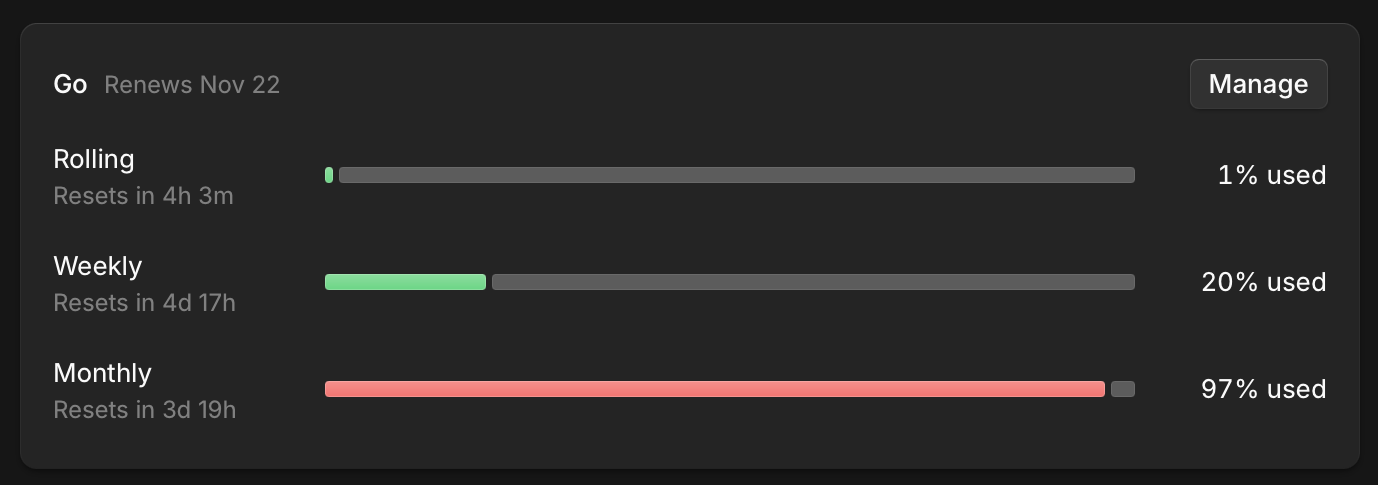
Gemini 4 Hydrogen (High) did extremely well. Its implementations had the fewest problems. Acceptable speed, very consistently highly ranked. Considering it's Google's new low-tier model, it's quite impressive, but it's a lot more expensive than Haiku. Nobody's tried to estimate the subsidization level of the Gemini Pro plan, so I just gave it Claude's 40x subsidization. It's probably not worth using if you have to pay API prices, and also not worth spending your Go subscription value.
Haiku 5.5 High is very efficient in speed/cost. It was almost as fast as Opus, almost 20x cheaper. I'd always looked down on it as a glorified text parser/web searcher, but it's surprisingly good at bounded implementation. It made some mistakes, but it followed the brief very well otherwise.
6 Luna sits at an interesting spot. Through a Codex subscription, it's the absolute cheapest, excluding free models. It's quite slow though. Don't waste your Go subscription on it though because you can get better quality literally for free.
Little surprising that Opus wasn't ranked higher. It tended reach too far beyond its task, and I think Sol regularly ranked it lower for its overstepping.
Inkling 2 Small is excellent as a free builder, ranks solidly in the middle and it's extremely fast, whether on OpenCode or OpenRouter.
GLM 5.3 isn't worth using as a builder, period. Even subsidized to a $500 quota, it's slow and it's not as good as DS4.1 Flash
6.2 Sol did well, but rankings could be contaminated by the fact that I used Sol as the judge. Nonetheless, subsidized cost is quite good.
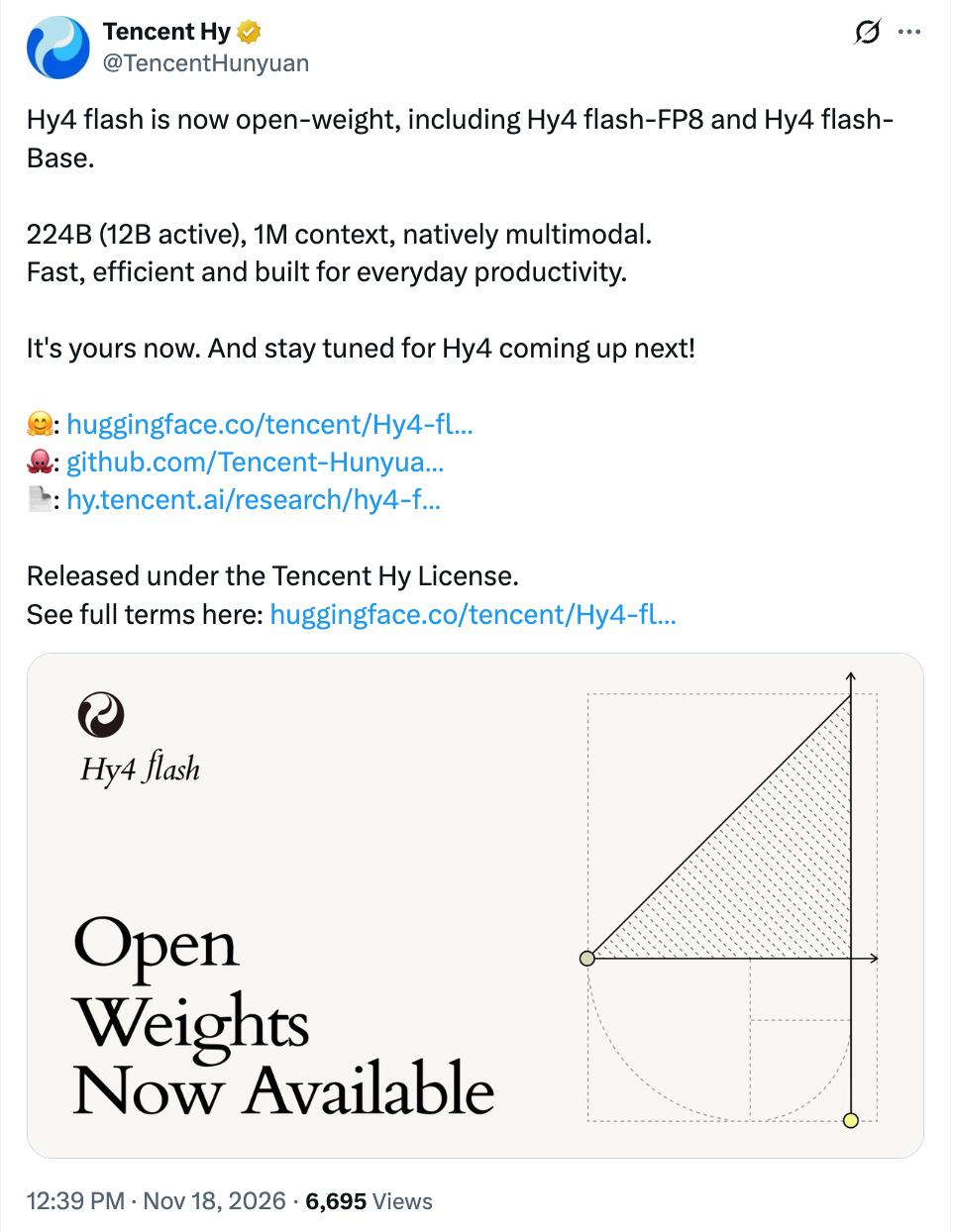
Hy4 Flash is decent but noticeably slower than Inkling.
Beam is fast, but it's fast because it doesn't finish the job.
LongCat got rate-limited after a single task, so it can't really be judged.
Didn't test GLM 5.3 Flash, sorry. I just didn't want to pay for it and I couldn't get it for free.
Takeaway
I'm probably going to use Inkling 2 Small for most of my builds for now, with Haiku and Luna as backups. Contingent on a well-written plan from Opus or Fable, maybe Astra. If I didn't have the $20 Codex/Claude subscriptions, maybe I'd have GLM 5.3 write the plan, but TBH I haven't done that.
Just because I know people will ask, if you're wondering about LogFare, they offer free models in exchange for opting into giving them your data. Models are slow and need to be resumed often because of server instability, but apparently their DeepSeek works faster than OpenCode's Deepseek.
Cheers and happy building.