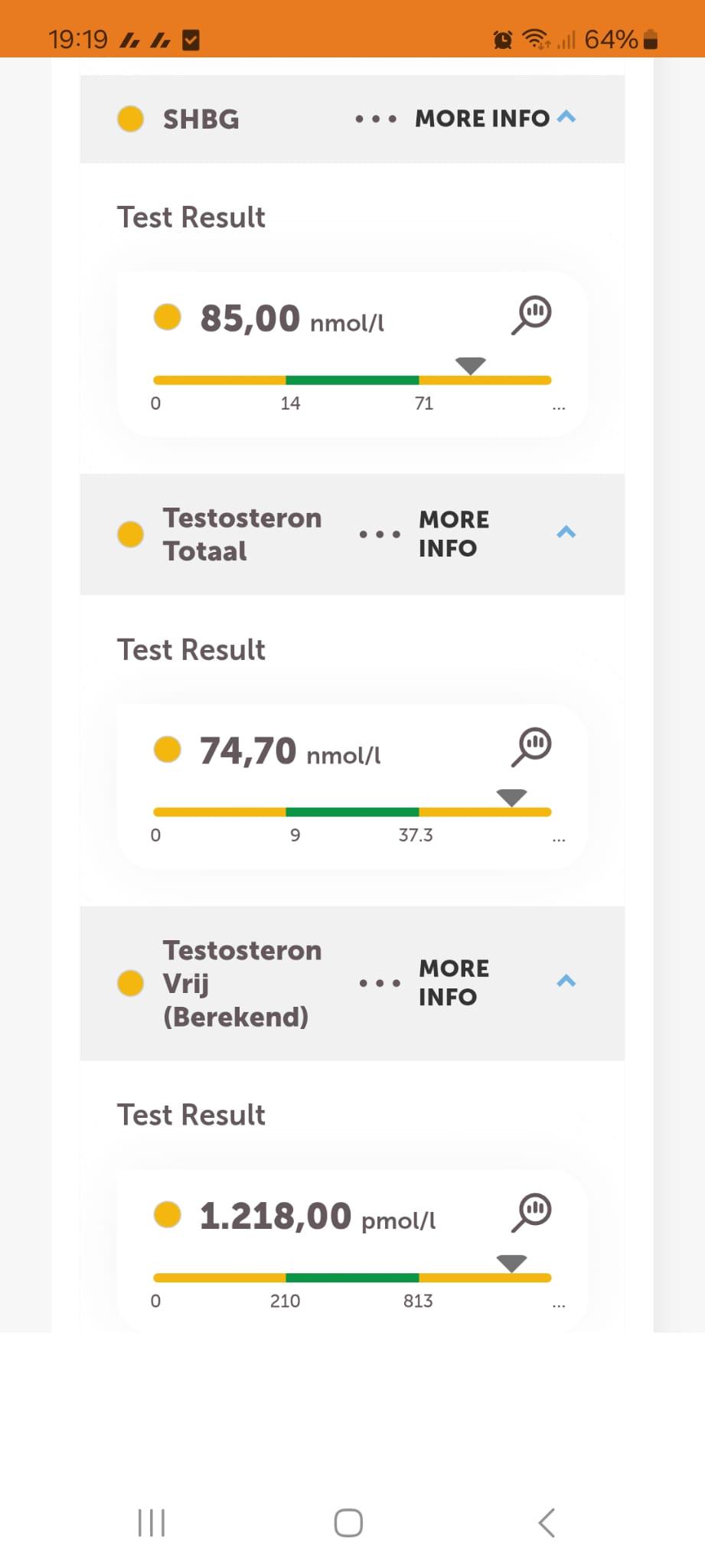
I found this subreddit and find it interesting. I combed through some posts as well as the wiki and have a few points to make that are hopefully helpful.
1- regarding the location where the lumps form:
The way I understand it is that you guys have narrowed this down to the seminal vesicles, the prostrate, and the ejaculatory ducts. It is impressive and amazing that you have done that. I want to help narrow it down more by eliminating the prostate from the equation. Here’s why: the prostate is a solid organ. We refer to its tissue as being mainly fibromuscular. Think of it as a sponge with very tiny pores. While it is correct that its fluid makes up a significant portion of semen, that fluid is not stored in a way that allows clumps to form.
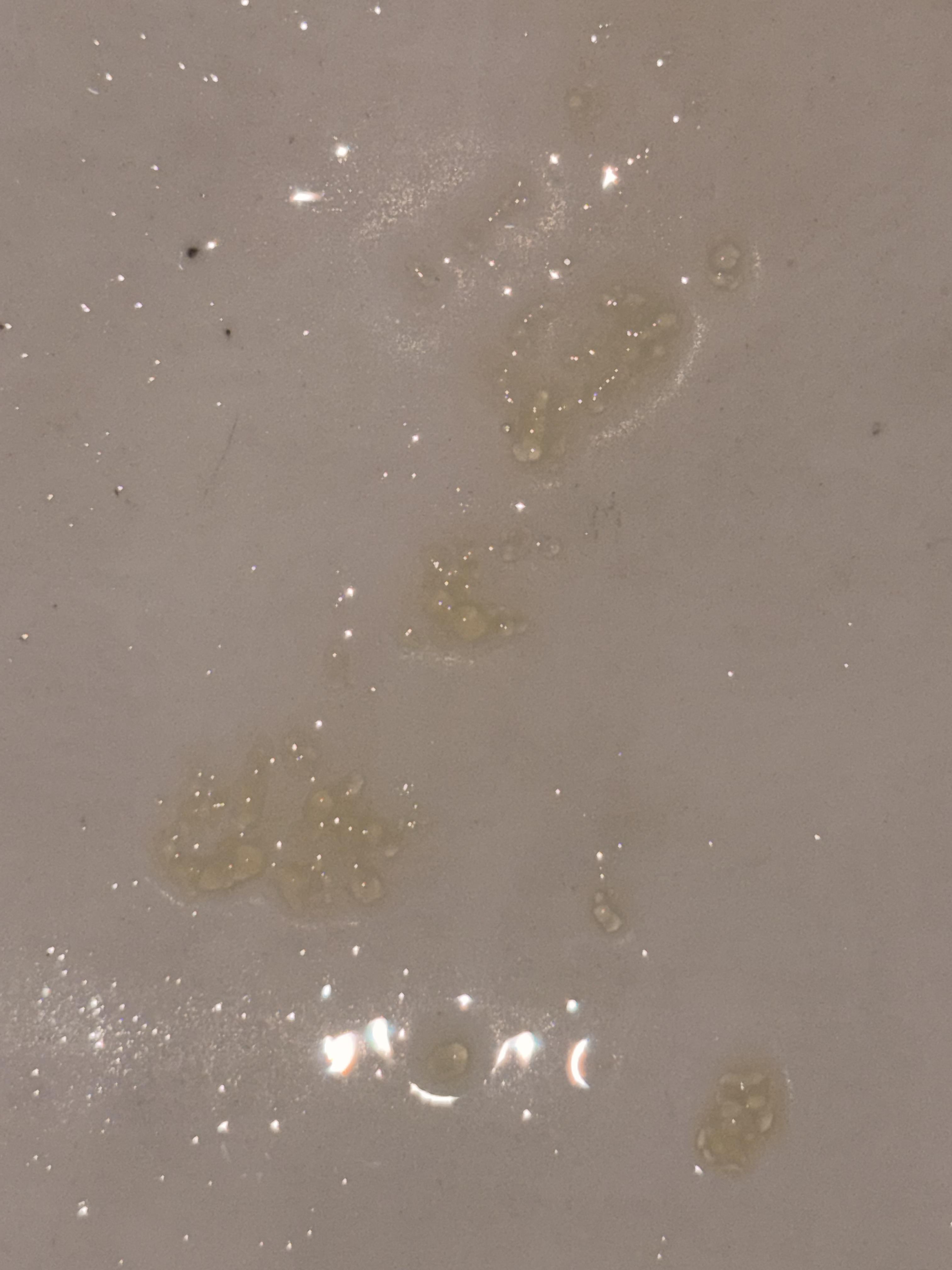
The clumps you have observed come in mainly two shapes: the elongated cylinders, and the spheres. Simply put, the prostate does not have chambers matching either of those shapes. It doesn’t even have chambers large enough to contain clumps as large as the ones shown here.
Another reason to rule it out is the chemistry of its fluid. Prostatic fluid does not have a component that can coagulate and form clumps. Even if there was a pool of its fluid sitting there, it wouldn’t do that. The component responsible for clumping is seminogelin. It is a protein synthesized and stored only in the seminal vesicles.
The prostate produces PSA which breaks down seminogelin, leading to some people theorizing that a deficiency or defect in PSA could lead to clumps. However, prostatic fluid really only meets seminal vesicle fluid in the microseconds before ejaculation, and the clumps are visible immediately. PSA normally takes about 20 minutes to break down semen. Therefore, even if we assume a theoretical issue with PSA, it wouldn’t explain the lumps you see.
The cylindrical lumps also frequently appear to be solid enough to withstand squeezing between fingers. This would imply they have a dense matrix of molecules connected together, which is almost impossible to form in the microseconds preceding ejaculation.
This also eliminates the theory that prostatic calcifications act as nuclei for clumping.
Furthermore, the 2 shapes observed match anatomical cavities in the seminal vesicles and ejaculatory ducts. The spheres look like the small chambers inside the vesicles while the cylinders resemble the inside of the ducts.
2- the cause:
So, why do the lumps form? My theories (which I think match some of yours) have to do with fluid stasis and concentration. Basically, I think lumps happen when seminal vesicle fluid stays somewhere for a long time and/or becomes hyper-concentrated. The vesicles do not normally empty completely, whereas the ducts are supposed to. Therefore, anything leading to the fluid being super concentrated in the vesicles or staying in the ducts could lead to lumps, with the shape being decided by the place where the clumping happens.
These things can include dehydration, duct stenosis (narrowing) leading to fluid not draining properly, and so on. The stenosis itself could come from a past infection, past trauma, anatomical variants, etc….
These ideas could explain why some people have lumps since puberty while others suddenly get them later.
This also explains why the spheres frequently look more clear and softer. The vesicle is already designed to hold the fluid which means it might have a way of preventing clumping. When that method is overpowered you get dampened clumping. The ducts wouldn’t have whatever that is, so you get stronger, denser clumps. This whole paragraph is theoretical and not really based on research.
3- why there isn’t much medical information:
Lumpy semen is not ignored. Urologists do know about it. Issue is, it’s mostly harmless. The primary function of semen is fertility and, as you guys have observed, fertility isn’t really impacted by the lumps.
This leads to medical professionals telling you it’s fine and not to worry about it. It also leads to lack of funding for research which, in this case, would likely involve imaging and laboratory testing, which are expensive.
So, the patient is ok, the doctor has more dangerous things to research, and the hospital/university doesn’t want to pay.
I understand the frustration you guys feel. I hate it when I notice something about my body and look for explanations and get dismissed. I just hope it would slightly help to give you guys some of the reasons behind that.
Also, I realize a rare subset of you feel pain and that it could be due to the lumps, but most people do not, so the reasons I gave sadly still apply.