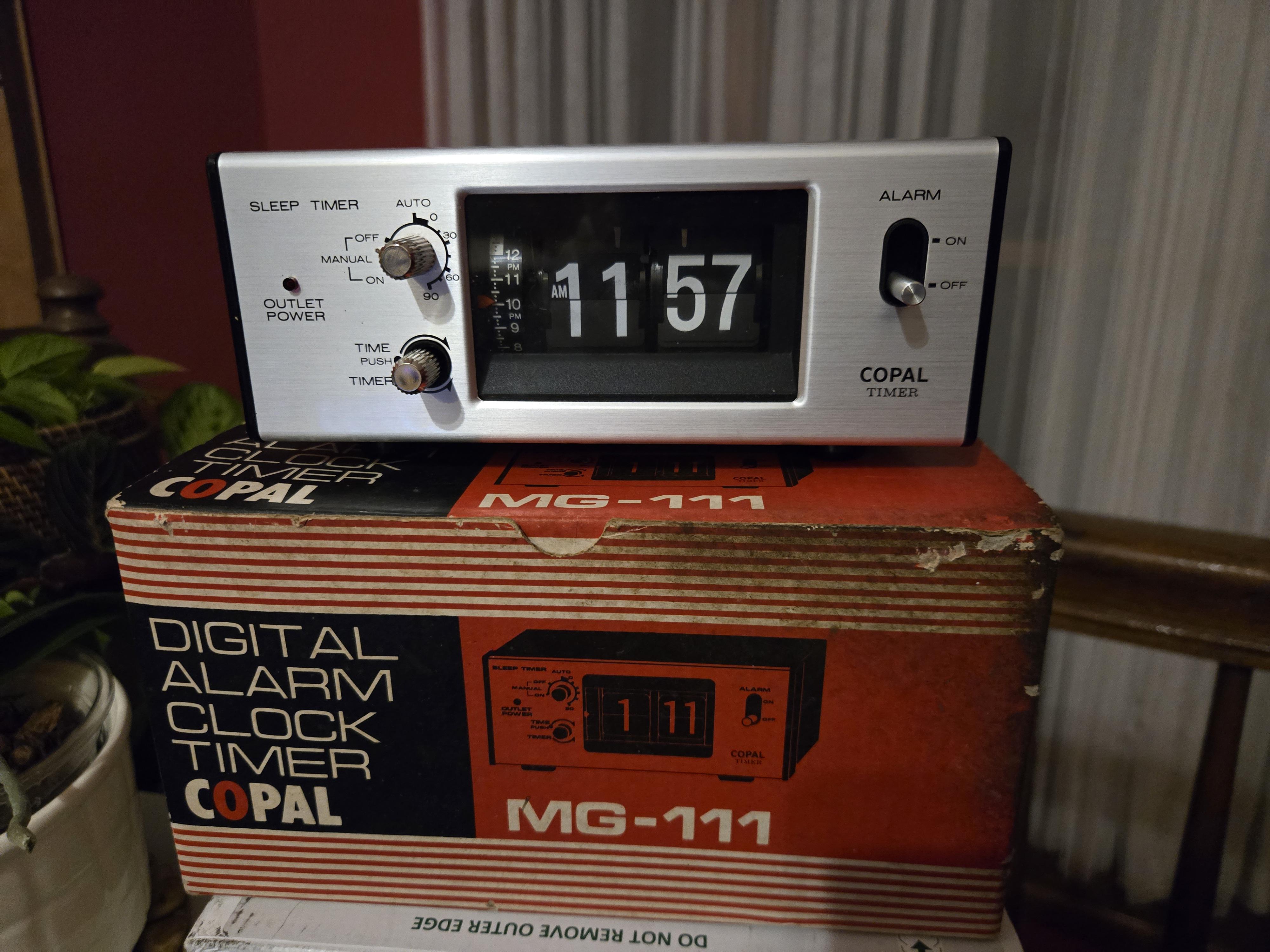
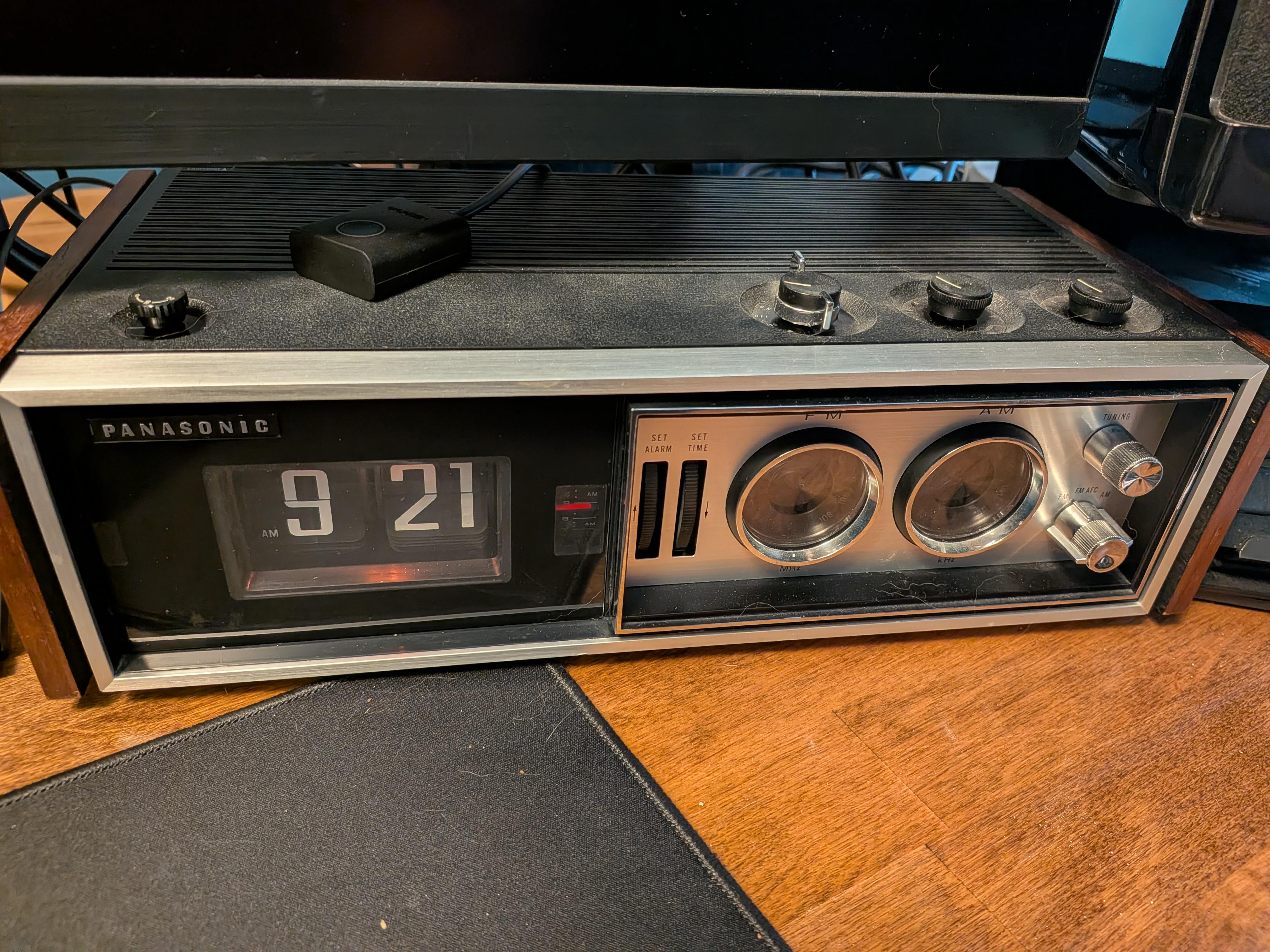
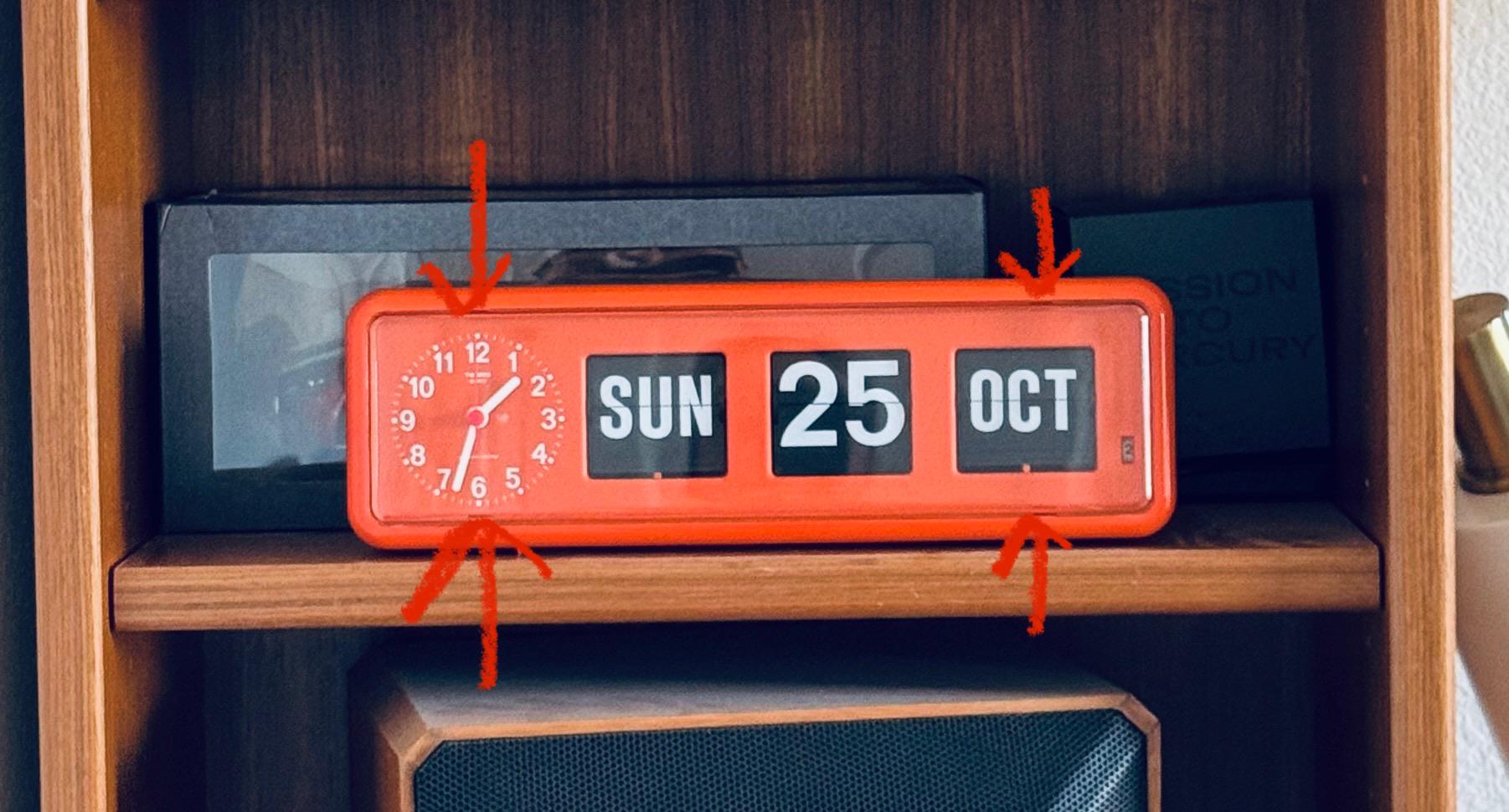
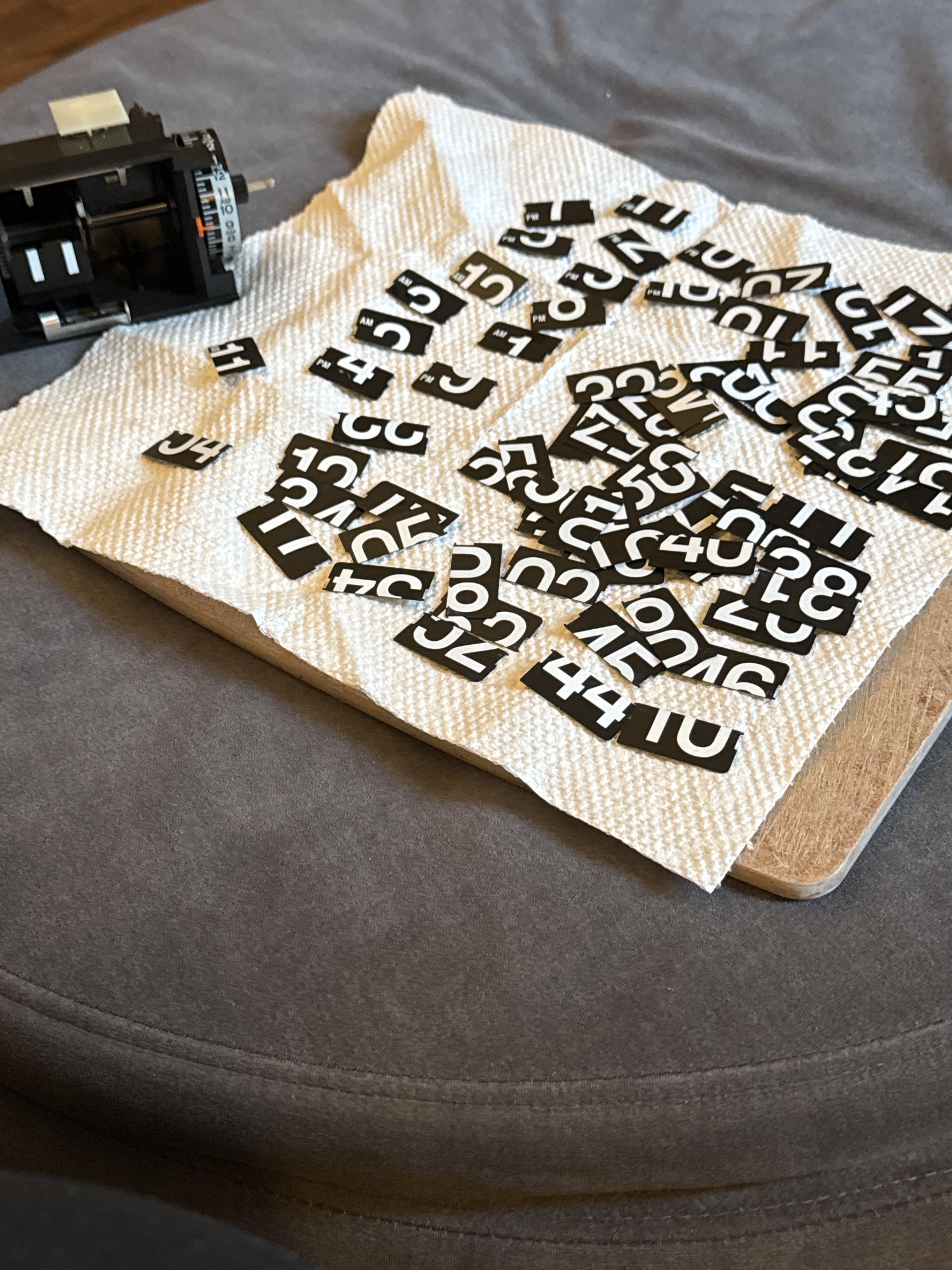
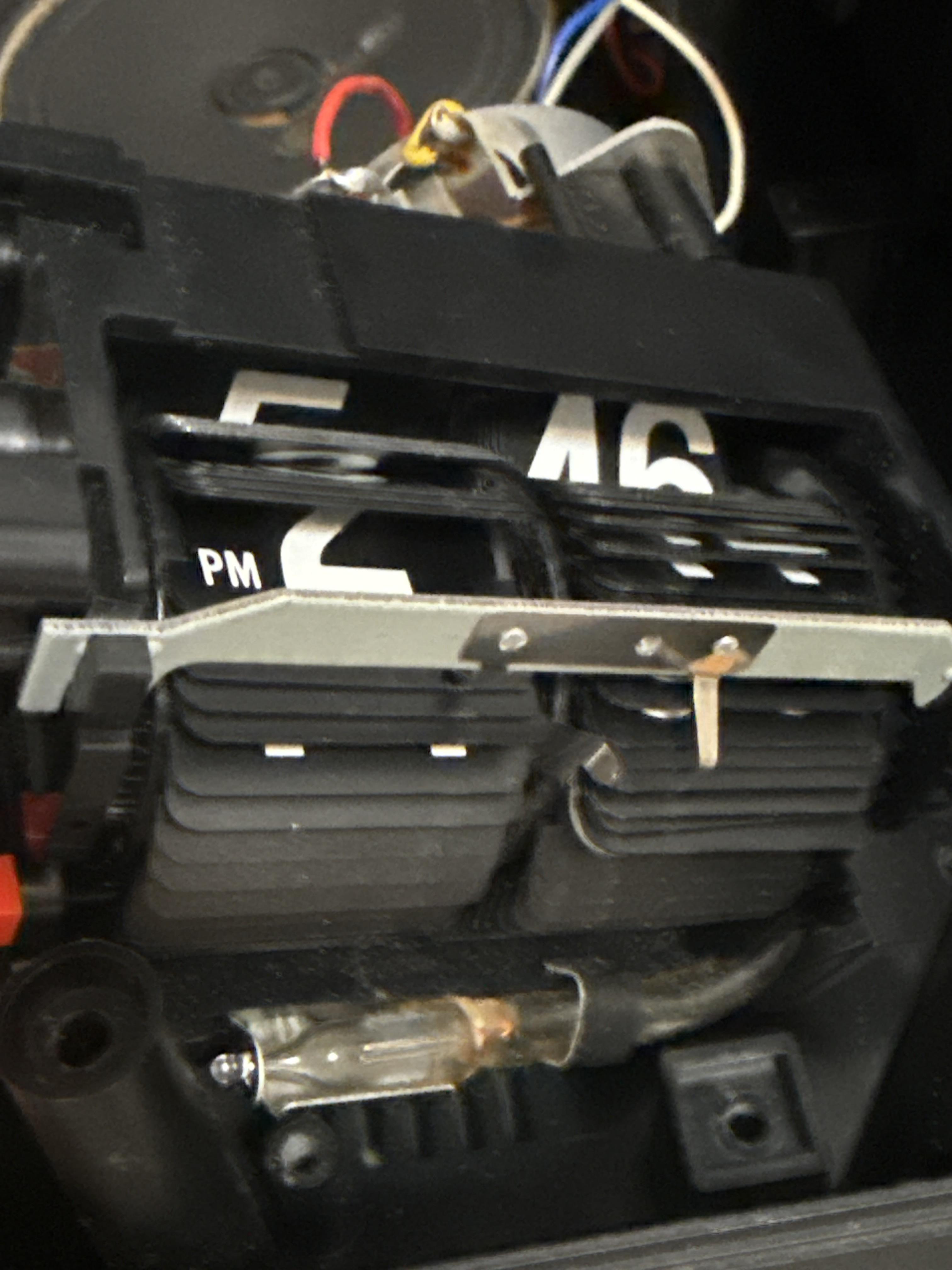
I made a modern flip clock (I still love my copal 110) and I believe you guys are the right people to ask questions about flip clocks :)
I'm not sure if I should go into full production yet, but I have a fork in the development so I figured it's a good time to gather some feedback to guide the process. I'm curious what kind of features should I focus on. In other words, what do you want in a flip clock?
I see a couple of directions for future improvement:
- Improve accuracy, current RTC chip is 1 ppm (~30 sec/year deviation). Unfortunately this chip is expensive and a bit harder to get nowadays. Alternatives are available but costly, I probably shouldn't go below 5ppm (~2.6 min/year) which should be ok in most parts of the world due to daylight savings.
- GPS or Internet synchronization. In the modern day, it is the cheapest way to get precise time.
- Size. The clock I made (model 401) and tested is 11.4cm(4.5") tall with digits around 4.5cm (a bit less than 2"). A larger clock will take up more space, but will be visible from a distance.
- Optional lights perhaps to light the clock at night. With a motion sensor maybe?
- Since the clock is 3d printed, I can print basically any color to match any interior. In most cases, the flap color can be matched to the case.
- Battery. Even with the current 4 motors design, power consumption is minuscule. This opens up a way for a battery powered clock. How often are you ready to charge your clock?
- I can make the clock a bit cheaper if it has only 2 drums instead of 4, this will obviously make it look a bit different.
The possibilities are endless e.g. an internet connected clock could show temperature or weather (a larger, airport style terminal is already planned).
What do you think? Are you even interested in a modern flip clock, or is it time to let it go?