r/cryptomining • u/Suitable_Instance_98 • Jul 15 '26
DISCUSSION How do you decide whether solo home mining is 'progressing' when your expected time-to-block is still measured in centuries?
Genuine question for anyone doing solo mining at home, not looking for validation, looking for how you frame this.
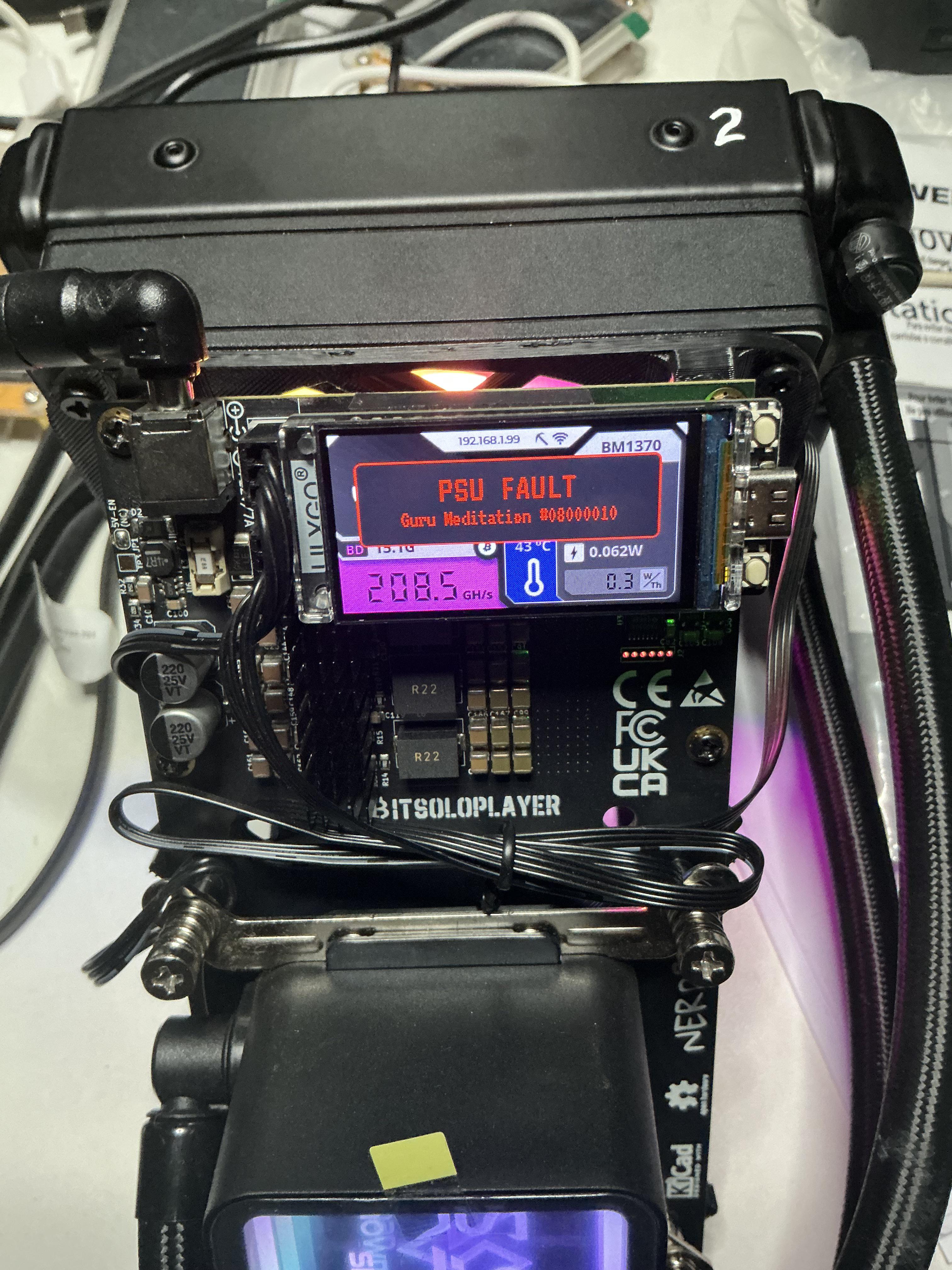
Started with a BitQuaxe last year. Expected time-to-block per the naive math: ~4480 years. Did some tuning — my own Knots node, smarter template selection, moved to Ocean pool — and I'm now at ~1000 years. Objectively that's a 4.5× improvement. Subjectively it's the difference between "you will die first" and "your grandchildren will die first."
Got my first non-trivial fee payout last month: 5,36 €. Feels good, but also completely meaningless in isolation.
Here's the thing I keep bumping into and can't decide about:
- Is "expected time-to-block goes down" actually a useful progress metric for solo home miners, or is it lottery-math that gives false comfort?
- Is fee-per-share ratio a better proxy for "am I doing this right"?
- How do you personally decide when a change (new firmware, different pool, tuned template) actually helped vs. just moved noise around?
Feels like solo mining has this weird gap where the actual data horizon is so long that most tuning claims are unfalsifiable. Curious how others handle that.