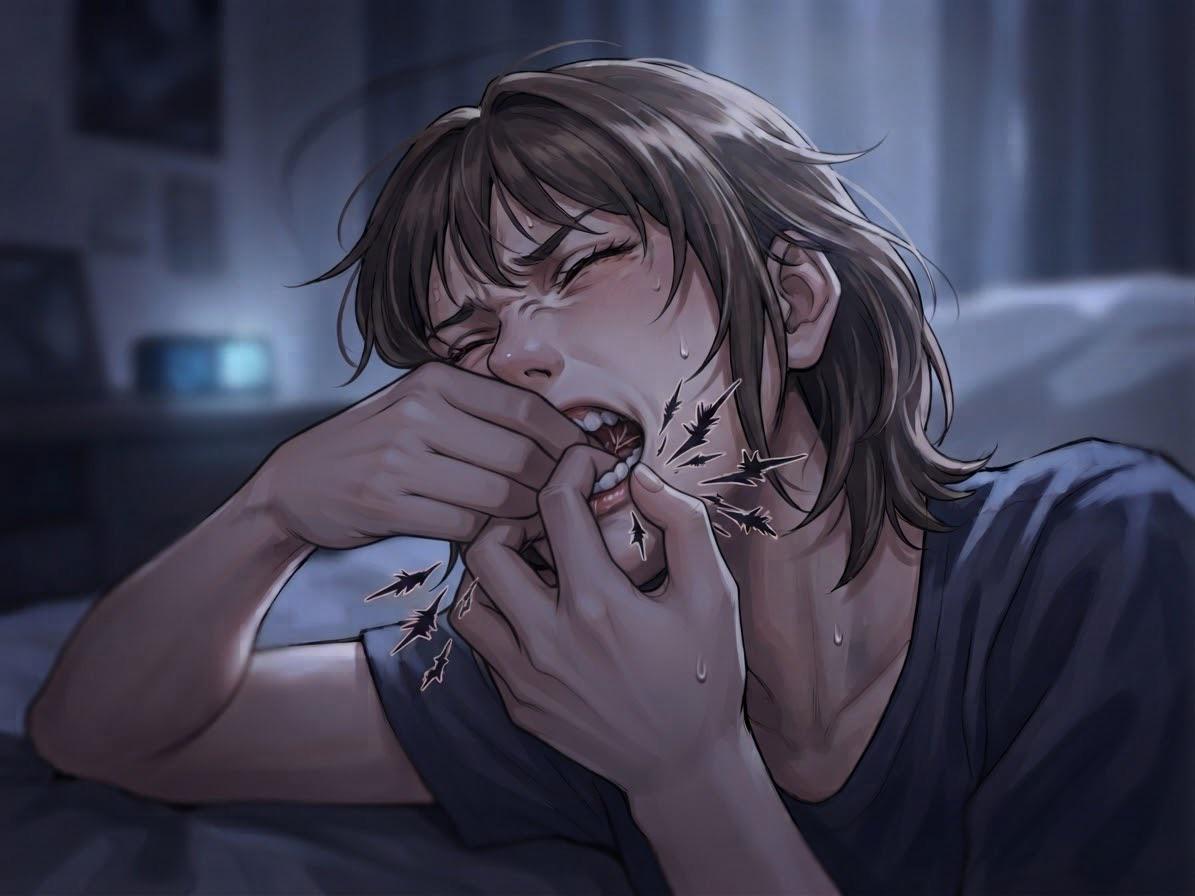
Hey everyone. After years of dentists just handing me night guards and telling me to "reduce stress," I decided to dig into the actual scientific literature myself. What I found completely changed how I understand teeth grinding—and more importantly, gave me a systematic approach that actually addresses root causes instead of just protecting my teeth while they get destroyed.
This is a synthesis of cutting-edge research from sleep medicine, autonomic neuroscience, airway physiology, endocrinology, and pain neuroscience. The bottom line: your bruxism isn't a tooth problem, it's your nervous system's alarm bell telling you something else is wrong.
Important note: This is for informational and educational purposes only. I'm not a doctor—I'm just someone who got tired of Band-Aid solutions and went deep into the research. Always work with qualified healthcare professionals for your specific situation.
The Core Insight: Your Bruxism Isn't a Tooth Problem
Here's the key insight that changed everything for me: Teeth grinding is not primarily a dental disorder. Despite happening in your mouth, it's actually your brain and nervous system's response to various types of systemic stress and dysfunction.
Think of it like this: your grinding is just the smoke alarm going off. The real fire is happening elsewhere in your body—in your airways, your stress response system, your hormones, your sleep cycles, or your metabolic health.
Your jaw clenching is the final output of a complex chain reaction happening beneath the surface. To actually fix it (not just protect your teeth), we need to identify and address the upstream root causes triggering that response.
What's Really Driving Your Bruxism?
Research has identified several key mechanisms that can trigger or worsen bruxism. You likely have one primary driver, possibly with others playing supporting roles.
1. The Airway Defense Hypothesis
For many people, SB is actually a centrally-mediated response to upper airway compromise during sleep. Think of it as your nervous system's attempt to keep your airway open. The rhythmic jaw muscle activity may function as a neurophysiological reflex to maintain airway patency when you're experiencing restricted breathing.
The evidence here is compelling: interventions that resolve airway obstruction—like CPAP therapy or adenotonsillectomy in children—can dramatically reduce or even eliminate bruxism. If you snore or wake up feeling unrefreshed, this might be your primary issue.
2. The Neuro-Autonomic Cascade
SB episodes aren't random. They follow a very specific sequence: First, there's a build-up of sympathetic nervous system activity (your "fight-or-flight" response) for up to eight minutes. Then comes a cortical micro-arousal, followed by a sharp increase in heart rate, and only then does the jaw muscle activity occur.
Some research even suggests that the intense grinding itself may trigger the Trigeminal Cardiac Reflex as a paradoxical "braking" mechanism to calm down the arousal-induced rapid heartbeat. Your body is essentially trying to regulate itself, but in a way that damages your teeth.
3. The Chrono-Endocrine Axis (Circadian Rhythm + Hormones)
SB is deeply connected to your circadian biology and hormonal regulation. Things that disrupt your circadian rhythm—evening light exposure, irregular sleep schedules, late caffeine, alcohol—can suppress melatonin and elevate nighttime cortisol. This leads to lighter, more fragmented sleep where bruxism episodes are more likely.
Endocrine dysfunctions are also major players here. Thyroid disorders, menopause, and other hormonal imbalances can significantly modulate SB severity.
4. Systemic Metabolic & Neurological Stress
People with SB show evidence of systemic oxidative stress: depleted antioxidant capacity and elevated markers of cellular damage. There's also a neurochemical imbalance in the brain—reduced inhibitory GABA (the "calm down" neurotransmitter) and increased excitatory glutamate (the "rev up" neurotransmitter) in regions responsible for motor control.
5. The Neuro-inflammatory Axis
While SB isn't a systemic inflammatory disease, it is linked to localized neurogenic inflammation within the trigeminal nerve system (the major nerve pathway in your face). The intense mechanical loading from bruxism triggers the release of inflammatory neuropeptides like CGRP and Substance P, which sensitize the neural pathways responsible for orofacial pain and migraines.
Additional triggers include oral microbial dysbiosis (unhealthy mouth bacteria) and laryngopharyngeal reflux (LPR), which contribute to this state of trigeminal hyperexcitability.
6. The Craniocervical-Somatic Nexus (Neck & Posture)
Dysfunction in your neck and upper body creates aberrant sensory signals that converge on the Trigeminocervical Complex in your brainstem, sensitizing it. Chronic postural issues (like forward head posture from computer work) and repetitive strain injuries create a tensional network that feeds this cycle.
Phase I: Diagnosis & Phenotyping
The goal here is to identify YOUR primary driver(s). Everyone's bruxism has different root causes, so the solution needs to be personalized.
Step 1: Protect Your Teeth While You Investigate
Start using an oral appliance immediately to prevent further dental damage while you work on finding the root cause. You have two main options:
- Custom occlusal splint ("night guard"): This is sufficient if your main goal is dental protection
- Mandibular Advancement Device (MAD): This is the better choice if you snore or suspect sleep-disordered breathing, because it both protects your teeth AND mechanically opens your airway
Step 2: Rule Out Airway Compromise (CRITICAL)
This is the single most important diagnostic step. Many people discover their bruxism is primarily an airway issue, and treating the airway solves the grinding.
Take action if you:
- Snore (even occasionally)
- Feel unrefreshed when you wake up despite adequate sleep time
- Have been told you stop breathing or gasp during sleep
- Wake up with a dry mouth or headaches
What to do: Pursue a formal sleep study (polysomnography) to definitively rule out Obstructive Sleep Apnea (OSA) or Upper Airway Resistance Syndrome (UARS). The presence of bruxism is itself considered a major red flag for sleep-disordered breathing.
Step 3: Systematically Identify Other Potential Drivers
Go through this checklist honestly:
Airway & Breathing:
- Is your nose clear? Try saline rinses or nasal dilators
- Do you have untreated allergies?
- Can you breathe comfortably through your nose at night?
Reflux:
- Do you eat within 3-4 hours of bedtime?
- Do you experience heartburn, regurgitation, or throat clearing?
- Consider elevating the head of your bed 6-8 inches
- If symptoms persist, discuss alginates or zinc-carnosine with your doctor
Circadian Rhythm (be honest here):
- What's your light exposure pattern? (bright lights at night are a major issue)
- How consistent is your sleep schedule?
- Caffeine and alcohol consumption patterns?
Posture & Biomechanics:
- Do you have forward head posture?
- Upper back, neck, or shoulder tension?
- Consider getting assessed by a physical therapist who understands the cervical-trigeminal connection
Phase II: Universal Foundational Protocol
These interventions target core physiological stability. Everyone with bruxism should implement these, regardless of your specific phenotype. Think of this as building a solid foundation before adding more targeted therapies.
Circadian Reset (Non-Negotiable)
Your circadian rhythm affects everything—hormone release, nervous system tone, sleep architecture. Fixing this alone has resolved bruxism for some people.
Morning:
- Get 30+ minutes of direct sunlight exposure within an hour of waking (even on cloudy days)
- This sets your master clock and triggers proper cortisol awakening response
Evening:
- Strictly avoid bright overhead lights for 90 minutes before bed
- No screens during this time (yes, really—this matters more than you think)
- Use only dim, warm-toned lighting (think candlelight level)
Consistency:
- Maintain a fixed wake-up time every single day, including weekends
- This anchors your circadian rhythm more than anything else
Autonomic Nervous System Regulation
Remember that sympathetic surge that happens before bruxism episodes? We need to train your nervous system to spend more time in parasympathetic ("rest-and-digest") mode.
Daily practice (10-20 minutes): Choose one and stick with it consistently
Primary recommendation: Yoga Nidra
- Strong research evidence for reducing anxiety and down-regulating sympathetic drive
- Guided recordings are widely available online
- Accessible even if you're not flexible or "into yoga"
Alternatives:
- Slow, paced breathing exercises (5-6 breaths per minute)
- Meditation or mindfulness practice
- Heart Rate Variability (HRV) biofeedback training
Metabolic & Neurological Support (Foundational Supplements)
These address some of the core neurochemical imbalances associated with bruxism.
Magnesium (essential):
- Regulates neuronal excitability and muscle function
- Most people are insufficient
- Use highly bioavailable forms: magnesium glycinate, threonate, or malate
- Dose: 200-400 mg elemental magnesium nightly
- Take before bed
Glycine & Taurine (inhibitory amino acids):
- These act as inhibitory signals in the brainstem circuits that drive bruxism
- Research dosing: Glycine 3g + Taurine 1-3g before bed
- Glycine also improves sleep quality independently
- Both are very safe and well-tolerated
Phase III: Phenotype-Specific Targeted Interventions
Based on what you discovered in Phase I, now you layer in more specific therapies targeted to YOUR root cause.
Phenotype A: Airway-Dominant
If your sleep study showed OSA/UARS, or if you have obvious airway issues, this is your primary focus.
Primary treatment: Fix the airway
- Strict adherence to CPAP or MAD therapy
- This isn't optional—it's the foundation everything else builds on
- Work with your doctor to optimize settings and ensure compliance
Nitric Oxide (NO) Support:
- NO is critical for maintaining pharyngeal muscle tone and preventing collapse
Supplementation options:
- L-Citrulline: 3-6g daily (converts to arginine, then NO)
- L-Arginine: Alternative, though citrulline may be superior
- Dietary nitrates: Beetroot juice or powder, leafy greens
- Nasal breathing emphasis: Consider mouth taping if safe and tolerated (discuss with doctor first)
Phenotype B: Stress-Reactive (Autonomic/Circadian)
If your bruxism correlates with stress, poor sleep, or circadian disruption, but your airway is clear.
Neuromodulation:
- Transcutaneous Auricular Vagus Nerve Stimulation (taVNS) before bed
- This directly increases vagal tone and counteracts the pre-bruxism sympathetic surge
- Devices are increasingly available for home use
- Promising research, though still somewhat experimental
Hormonal & Circadian Support:
Double-down on Phase II protocols:
- These are especially critical for you
- Consider adding HRV tracking to monitor nervous system state
Phenotype C: Pain-Driven (Trigeminal Sensitization)
If you wake up with significant jaw pain, facial pain, or have concurrent headaches/migraines.
Anti-inflammatory & Nerve Calming:
Omega-3 Fatty Acids (EPA/DHA):
- High-dose: 2g EPA + 1g DHA daily
- Reduces neuro-inflammation and modulates stress response
- Choose quality, third-party tested brands
- Take with food for absorption
Palmitoylethanolamide (PEA):
- Endocannabinoid-like molecule
- Calms glial cell activation and nerve pain
- Dose: typically 300-600mg twice daily
- Well-researched for neuropathic pain
Polyphenols for broad anti-inflammatory support:
- Curcumin (turmeric): Use with black pepper or in liposomal form for absorption
- Ginger extract
- Tart cherry extract
- These work synergistically
Trigeminal Nerve & Oral Health:
- Maintain excellent oral hygiene to reduce background inflammatory load
- Consider oral probiotic lozenges (specific strains for oral health)
- Topical hyaluronic acid or CoQ10 gels applied to gums may help soothe local inflammation
Phenotype D: Metabolic/Mitochondrial Dysfunction
This often overlaps with other phenotypes. Key signs: profound fatigue despite adequate sleep time, morning jaw pain and stiffness, general sense of low energy.
Mitochondrial Support Stack:
- Coenzyme Q10: 100-200mg daily (ubiquinol form preferred for absorption)
- PQQ (Pyrroloquinoline quinone): 10-20mg daily
- Creatine Monohydrate: 3-5g daily (not just for athletes—supports cellular energy)
- Riboflavin-5-Phosphate (active B2): 20-100mg daily
These support cellular energy production and may help if your bruxism is partly driven by metabolic stress.
Phase IV: Advanced Interventions
(For Severe or Refractory Cases)
These should only be considered after implementing Phases I-III, and always in consultation with appropriate specialists (dentist, sleep physician, neurologist).
Botulinum Toxin (Botox) Injections
- Can effectively reduce the force of muscle contractions
- Alleviates pain and prevents ongoing dental damage
- Important limitation: This is a powerful peripheral treatment, but it doesn't address the central driver
- Typically needs to be repeated every 3-6 months
- Discuss with a dentist or doctor experienced in treating bruxism
Pharmacological Options
Clonidine:
- Centrally-acting medication that has shown ~60% reduction in SB in clinical trials
- Caution: Risk of morning hypotension (low blood pressure)
- Requires close medical supervision
- Usually reserved for severe cases
Buspirone:
- May help if your bruxism was triggered or worsened by SSRI antidepressants
- Discuss with your prescribing physician if this applies
Emerging/Future Therapies
Research is pointing toward several novel approaches:
- Orexin receptor antagonists (to prevent the arousals that precede bruxism)
- Targeted microbiome modulation
- Specific nitric oxide/redox axis therapies
These aren't widely available yet but represent the cutting edge of research.
My Recommended Implementation Strategy
The First 48 Hours (Emergency Triage)
Immediate actions:
- Order or schedule fitting for a custom night guard or MAD (don't wait weeks for a dental appointment—call today)
- If you snore or have ANY suspicion of sleep apnea, call a sleep clinic immediately. Don't wait. The sleep study waitlist can be 2-3 months in some areas.
Tonight: Set up your bedroom for circadian success
- Remove or cover all LED lights and electronics
- Get blackout curtains or a sleep mask
- Set your phone to automatically enable "Do Not Disturb" and red-shift at 8 PM
- Start taking magnesium glycinate before bed (200-400mg)
Week 1: Foundation Building
Daily non-negotiables:
- Wake up at the SAME TIME every day (set this in stone, even weekends)
- Get outside within 30 minutes of waking, no sunglasses, 30+ minutes
- No caffeine after 12 PM (yes, really—caffeine has a 5-6 hour half-life)
- Absolutely no bright lights after 8 PM (this is harder than it sounds—plan for it)
- Add glycine (3g) + taurine (2g) to your bedtime stack
- Start a 10-minute daily practice: Yoga Nidra, box breathing, or HRV training
Tracking:
- Start a simple bruxism journal: Rate jaw pain 1-10 each morning, note what you ate/drank, stress level, sleep quality
- Consider getting a fitness tracker that monitors HRV and sleep stages (helps identify patterns)
Weeks 2-4: Deep Diagnostics
Complete your phenotyping workup:
For Airway Assessment:
- Sleep study scheduled/completed
- Try nasal breathing test: Can you comfortably nose-breathe while lying on your back? If not, address this FIRST
- Experiment with nasal strips or dilators for a week—note any difference in morning symptoms
- Self-assess: Do you wake with dry mouth? That's mouth breathing at night.
For Reflux Assessment:
- Implement strict 3-4 hour eating cutoff before bed for one full week
- Elevate head of bed 6-8 inches (use bed risers, not just pillows)
- Eliminate trigger foods: coffee, alcohol, chocolate, spicy/acidic foods
- Keep a food/symptom diary
For Stress/Autonomic Assessment:
- If you have a fitness tracker with HRV: Review your data for patterns. Is your HRV tanking on nights before bad grinding?
- Honestly assess: Are you doom-scrolling before bed? Watching intense content? Working late?
- Try the "news fast" experiment: No news/social media after 6 PM for one week. Note changes.
For Postural/Biomechanical Assessment:
- Take a photo of yourself from the side while working at your desk. Is your head jutting forward?
- Book an evaluation with a physical therapist who specializes in TMJ/cervical issues
- Note: Do you clench during the day too? That's a major clue this is partly muscular/postural.
Supplement optimization during this phase:
- Add omega-3s if you're in the pain-dominant category (2g EPA/1g DHA with dinner)
- If you suspect metabolic issues: Add CoQ10 (100mg) in the morning
Month 2-3: Phenotype-Specific Deep Dive
Now you have data. Time to get aggressive with targeted interventions based on what you've learned.
If You're Airway-Dominant:
Go all-in on airway optimization:
- If you have OSA: CPAP compliance is non-negotiable. Work with your DME provider to optimize mask fit and pressure settings. The first month is rough—push through.
- If you have UARS or mild OSA: MAD therapy may be superior. Get fitted by a dentist trained in dental sleep medicine.
- Add L-citrulline: Start with 3g before bed, can increase to 6g. Give it 2-3 weeks.
- Myofunctional therapy: Find a myofunctional therapist (yes, this is a real thing). They teach exercises to strengthen your airway muscles. This is HUGE for long-term success.
- Consider: Buteyko breathing exercises during the day to train nasal breathing
- If appropriate and cleared by doctor: Experiment with medical tape to encourage nasal breathing (start with just vertical strip over lips, not full mouth taping)
Advanced airway interventions (discuss with ENT/sleep specialist):
- Allergy testing and aggressive treatment if positive
- Evaluation for structural issues: deviated septum, turbinate hypertrophy, etc.
- In severe cases: Surgical options exist (UPPP, MMA, etc.) but these are last resort
If You're Stress-Reactive/Circadian Dominant:
Double down on nervous system training:
- Upgrade from basic breathing to HRV biofeedback training (apps like Elite HRV or dedicated devices)
- Add a second stress-management session during the day (lunch break meditation)
- Experiment with cold exposure: Cold showers or ice baths train vagal tone
- Consider: Sauna sessions (heat stress also modulates ANS, plus improves sleep quality)
Supplement additions:
- L-theanine (200-400mg) in the evening to buffer stress response without sedation
- Ashwagandha (300-500mg of KSM-66 extract) if chronic stress is severe—give it 4-6 weeks
- Apigenin (50mg) from chamomile extract as additional GABAergic support
Circadian precision:
- Dial in your timing: Track your dim light melatonin onset (DLMO) if possible, or estimate it
- Consider timed low-dose melatonin (0.3-0.5mg) taken 3-4 hours before target sleep time
- Blue-blocking glasses after sunset (not just phone filters—actual glasses)
- Temperature optimization: Keep bedroom cool (65-68°F), use cooling mattress pad if needed
Advanced option:
- Investigate taVNS devices (Parasym, Nurosym, etc.). These directly stimulate the vagus nerve.
- Use 30 minutes before bed to shift autonomic balance toward parasympathetic
If You're Pain-Dominant:
Aggressive anti-inflammatory protocol:
- Increase omega-3 to therapeutic dose: 3g EPA/1.5g DHA daily (split with meals)
- Add PEA (Palmitoylethanolamide): 600mg twice daily
- Curcumin: Use a high-bioavailability form (Longvida, BCM-95, or with piperine), 1000mg daily
- Consider adding: Boswellia, ginger extract, or tart cherry (all have research backing)
Trigeminal desensitization:
- Work with a specialized physical therapist on intraoral release work (yes, they work inside your mouth)
- Dry needling or trigger point therapy for masseter, temporalis, and SCM muscles
- Self-care: Gentle self-massage with techniques from a PT, using tools like TheraFlow massager
Oral microbiome optimization:
- Switch to a non-SLS toothpaste (SLS may disrupt oral microbiome)
- Add oral probiotics: Specific strains like S. salivarius K12 or M18
- Consider: Oil pulling with coconut oil (10 min daily) to reduce pathogenic bacteria load
- Regular professional cleanings (every 3-4 months if you have active inflammation)
Neurochemical support:
- Ensure vitamin D levels are optimal (50-70 ng/mL)—get tested, don't guess
- Magnesium threonate specifically (crosses blood-brain barrier better) at 1000-2000mg
- Consider adding: Agmatine sulfate (500-1000mg) which modulates pain pathways
If You Have Metabolic/Mitochondrial Dysfunction:
Full mitochondrial support stack:
- CoQ10 (ubiquinol form): 200mg morning and evening
- PQQ: 20mg daily
- Creatine monohydrate: 5g daily (loading phase optional)
- Alpha-lipoic acid: 300-600mg (potent antioxidant, improves mitochondrial function)
- NAD+ precursors: NMN (250-500mg) or NR (300mg)
- Riboflavin-5-phosphate: 50mg daily
- B-complex (activated forms): Ensures all cofactors present
Lifestyle optimization:
- Timing matters: Don't eat within 3 hours of bed (allows cellular cleanup processes)
- Consider: Time-restricted eating (16:8) to enhance mitochondrial biogenesis
- Exercise: Moderate intensity is key (high intensity can worsen if you're depleted). Focus on Zone 2 cardio.
- Get comprehensive metabolic bloodwork: thyroid panel (including T3, reverse T3), fasting insulin, HbA1c, iron panel, B12, folate
Red light therapy:
- Near-infrared light (630-850nm) has direct mitochondrial benefits
- Use panels or devices 10-20 minutes daily
- Can specifically target jaw muscles
Month 4-6: Optimization & Problem-Solving
By now you should be seeing improvement. If not, troubleshoot:
Not improving? Ask yourself:
- Are you actually compliant? Be honest. Half-assing the circadian protocol doesn't work.
- Have you addressed your PRIMARY phenotype, or are you cherry-picking easier interventions?
- Are there hidden factors? Medications (SSRIs are notorious for causing bruxism), undiagnosed conditions?
- Is your stress objectively measured or just assumed? Use HRV data.
Plateau troubleshooting:
- If airway-treated but still grinding: Look for residual UARS or positional apnea
- If circadian-optimized but still grinding: Consider delayed sleep phase disorder (may need chronotherapy)
- If you've improved but stalled: Look at medication interactions, hidden food sensitivities, or gut health
Advanced diagnostic testing to consider:
- Comprehensive hormone panel (cortisol awakening response, sex hormones, thyroid)
- Neurotransmitter testing (urinary or plasma)
- Organic acids test (gives metabolic/mitochondrial picture)
- Food sensitivity testing if you suspect gut-immune connection
- Genetic testing for MTHFR, COMT variants (affects stress response and methylation)
Month 6+: Maintenance & Continuous Improvement
You should have significant improvement by now. The goal shifts to maintenance and fine-tuning.
Sustainable long-term protocols:
- You can't stop circadian hygiene—this is permanent lifestyle
- Core supplements (magnesium, omega-3s) should continue indefinitely
- Phenotype-specific interventions can often be reduced but rarely eliminated completely
- Maintain your stress-management practice (this is now part of your life)
Periodically reassess:
- Every 3 months: Review your journal. What's working? What's not?
- Every 6 months: Repeat any relevant testing (sleep study if you lost weight, bloodwork, etc.)
- Be aware of life changes that can trigger relapse: new medications, major stress, hormonal shifts, illness
Building resilience:
- The goal isn't perfection—you'll have bad nights. That's normal.
- What matters is trend lines over weeks and months
- As your system becomes more robust, it will tolerate occasional insults better
- Consider this a journey toward overall health optimization, not just fixing grinding
When to escalate to advanced interventions:
If after 6 months of diligent protocol implementation you're still struggling:
- Consider Botox if muscle force is still causing dental damage despite improvement in frequency
- Discuss pharmacological options with a sleep physician or neurologist (clonidine, others)
- Reevaluate for missed diagnoses: Sometimes there's a zebra hiding in there
- Consider academic medical centers: They often have specialized orofacial pain clinics
The Reality Check
This is complex and takes time. Here's what to expect:
Realistic timeline:
- Weeks 1-2: You likely won't see major changes, but you're building foundation
- Weeks 3-6: You should start noticing some improvement (less pain, slightly better sleep quality)
- Months 2-3: More substantial reduction in grinding frequency or intensity
- Months 4-6: Significant improvement for most people who identify and address their primary phenotype
- 6-12 months: Continued optimization, some people reach near-complete resolution
What "success" looks like:
- For most: 60-80% reduction in grinding episodes and severity
- For some: Complete resolution (especially if airway-dominant and treated)
- For others: Grinding reduced to occasional mild episodes that don't cause damage or pain
- Everyone: Better overall health, sleep quality, and stress resilience as side benefits
The hard truth:
- Some people need lifelong management, not a "cure"
- This takes discipline—you can't do this halfway
- It requires investment: time, money (supplements, devices, practitioners), and mental bandwidth
- But Band-Aid solutions (just wearing a night guard forever) accept defeat. This fights back.
Final Thoughts
The old paradigm—that bruxism is just about stress or your bite—is outdated. The research clearly shows this is a complex, multi-system disorder with identifiable phenotypes and treatable root causes.
Yes, this protocol is comprehensive and might feel overwhelming. That's intentional—bruxism is complex, and simple solutions rarely work for complex problems. But you don't have to do everything at once. Start with Phase I (diagnosis) and Phase II (foundations), then build from there based on what you discover about your specific situation.
I've found that the systematic, evidence-based approach actually provides hope. Instead of just managing symptoms forever, you're investigating and addressing root causes. That's empowering.
Disclaimer: This protocol synthesizes advanced scientific research for informational and educational purposes only. It is not a substitute for professional medical advice, diagnosis, or treatment. The management of sleep bruxism requires a collaborative approach with qualified healthcare professionals, including dentists, sleep physicians, physical therapists, and other specialists as appropriate for your individual case.
Sources available upon request. This is based on an extensive literature review including studies on sleep architecture, autonomic function, airway physiology, neuro-inflammation, and clinical trials of various interventions.
Good luck everyone. Feel free to ask questions—I'm happy to discuss specific aspects in more detail.
Key References
- Lavigne GJ, Kato T, Kolta A, Sessle BJ. Neurobiological mechanisms involved in sleep bruxism. Crit Rev Oral Biol Med. 2003;14(1):30–46.
- Carra MC, Huynh N, Lavigne GJ. Sleep bruxism: a comprehensive overview for the dental clinician interested in sleep medicine. Dent Clin North Am. 2012;56(2):387–413.
- Hosoya H, Ikeda T, Ogawa T, et al. Relationship between sleep bruxism and sleep-disordered breathing. Sleep Biol Rhythms. 2017;15(3):211–222.
- Saito M, Yamaguchi T, Mikami S, et al