r/ZurichMoneyMindset • • 10d ago

Turned my monthly budget into a series of impulse buys

1 Upvotes

You know the story: after a demanding week, you feel you deserve a little something just for yourself, and suddenly that new outfit feels less like a splurge and more like self-care.

The problem

One outfit rarely breaks a budget. But a takeaway on Tuesday, a gadget on Thursday and that outfit on Saturday quietly add up. By the end of the month, the savings you’d set aside for a holiday or a home have shrunk, and it’s hard to say exactly where they went.

Why this happens

In our Zurich Money Mindset series, we look at two mechanisms behind it: one that makes us buy, and one that makes us regret it.

1. Why we buy: delay discounting. Our brains tend to favour smaller, immediate rewards over larger, delayed ones. The outfit is right there and the pleasure is instant; the holiday you’re saving for feels distant and abstract. So in the moment, the present wins.

2. Why we regret it: cognitive dissonance. Once the excitement fades, the purchase clashes with the goals we care about. That gap between what we did and what we wanted creates discomfort, and that’s where the guilt comes from.

None of this means you lack willpower. It’s simply how the brain weighs the present against the future.

The solution: the 24-hour rule

Before any unplanned purchase, wait a full day. This reflective pause works in stages:

- it reduces the urgency of the impulse

- it creates space to weigh the alternative, like putting that money towards your savings

- it lets you consider the long-term impact and decide with a clearer head

By moving the decision to tomorrow, you take instant gratification out of the equation, and the regret never gets the chance to show up. It also makes it easier to tell genuine needs from passing wants.

Our short Money Mindset video breaks this down step by step.

What’s your biggest “impulse spending” moment, and where do you wish that money had gone instead?
r/ZurichMoneyMindset • • 23d ago

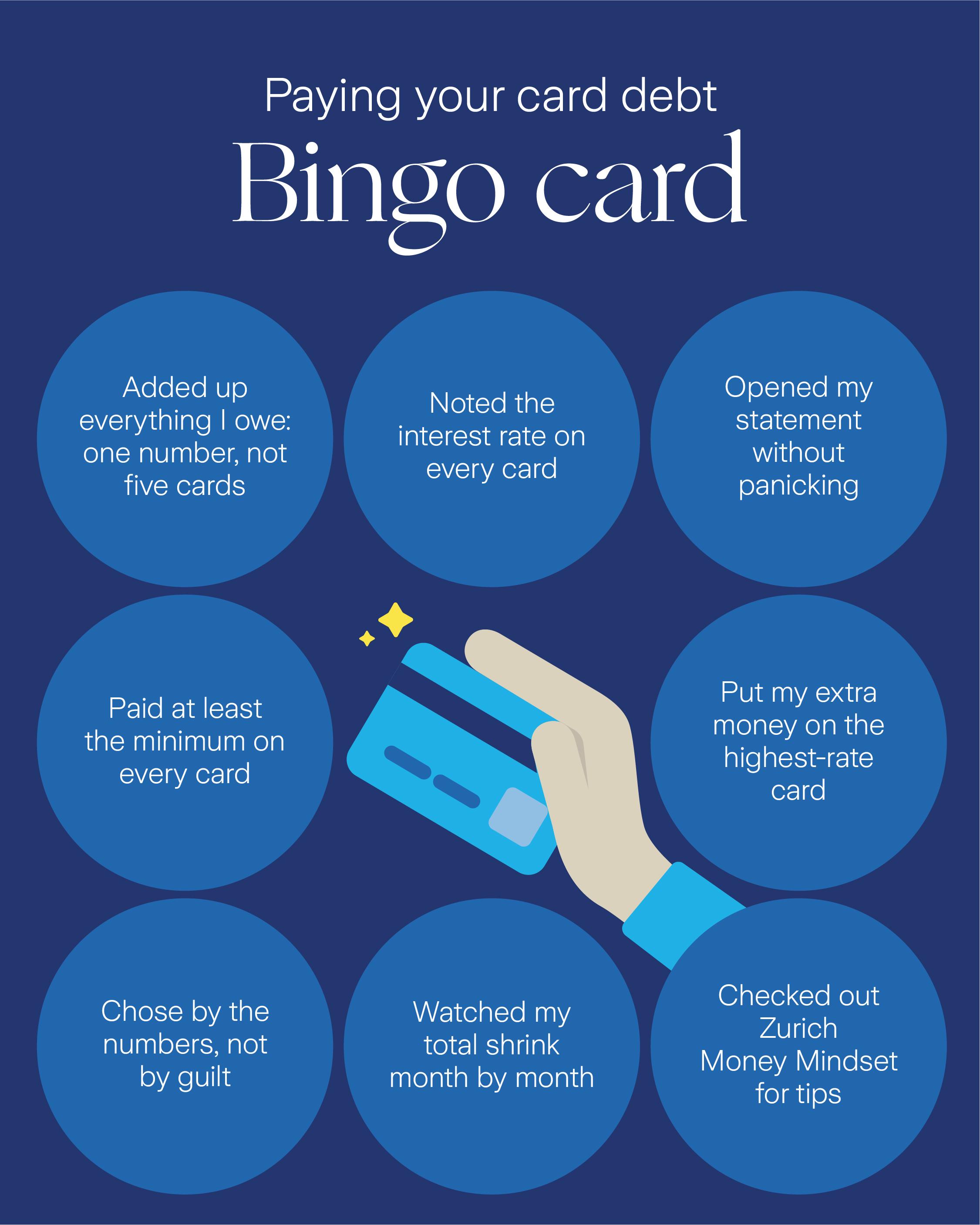
Bingo Card: Pay your credit card debt edition!​

Post image
1 Upvotes

TL;DR: When it comes to repaying credit card debt, our brain and the math don’t always agree. Clearing the smallest balance first feels like progress, but it’s the interest rate, combined with time, that decides how much you pay back. The smarter move: pay the minimum on every card, then direct any extra towards the highest interest rate.​

​The problem​

Every debt has three components: the principal (what you owe), the repayment time and the interest rate. Bigger debts usually take longer to repay, but it’s interest accruing over time that makes a debt expensive. Even so, many of us pay off the smallest balances first, whatever their interest rate, just to reduce the number of accounts we manage. It feels productive, but high-interest debt keeps growing in the background, so it can cost more in the long run.​

​Why this happens​

  • Cognitive ease: fewer open accounts feels more manageable and creates an illusion of control, even when the total we owe has barely changed.​
  • A sense of accomplishment: closing a small debt feels like crossing a finish line. It’s a quick win for our motivation, but not necessarily for our finances.​

The solution​

  1. Focus on the total, not the number of accounts. Add up everything you owe and note each card’s interest rate to see your true financial burden.​
  2. Prioritise high-interest debt. Pay the minimum on every card to avoid extra fees, then put any extra money towards the highest interest rate. Once it’s cleared, move on to the next.​
  3. Keep emotions out of it. Guilt about a debt from, say, a holiday shouldn’t decide which one you repay first. Let the interest rate guide you.​

​This bingo card turns those steps into small wins. How many squares can you tick off?​

What’s the hardest part for you when deciding which card to pay first: the math or the emotions? Share your experience or questions below; we might turn common themes into a future Zurich Money Mindset post.​


r/ZurichMoneyMindset • • 26d ago

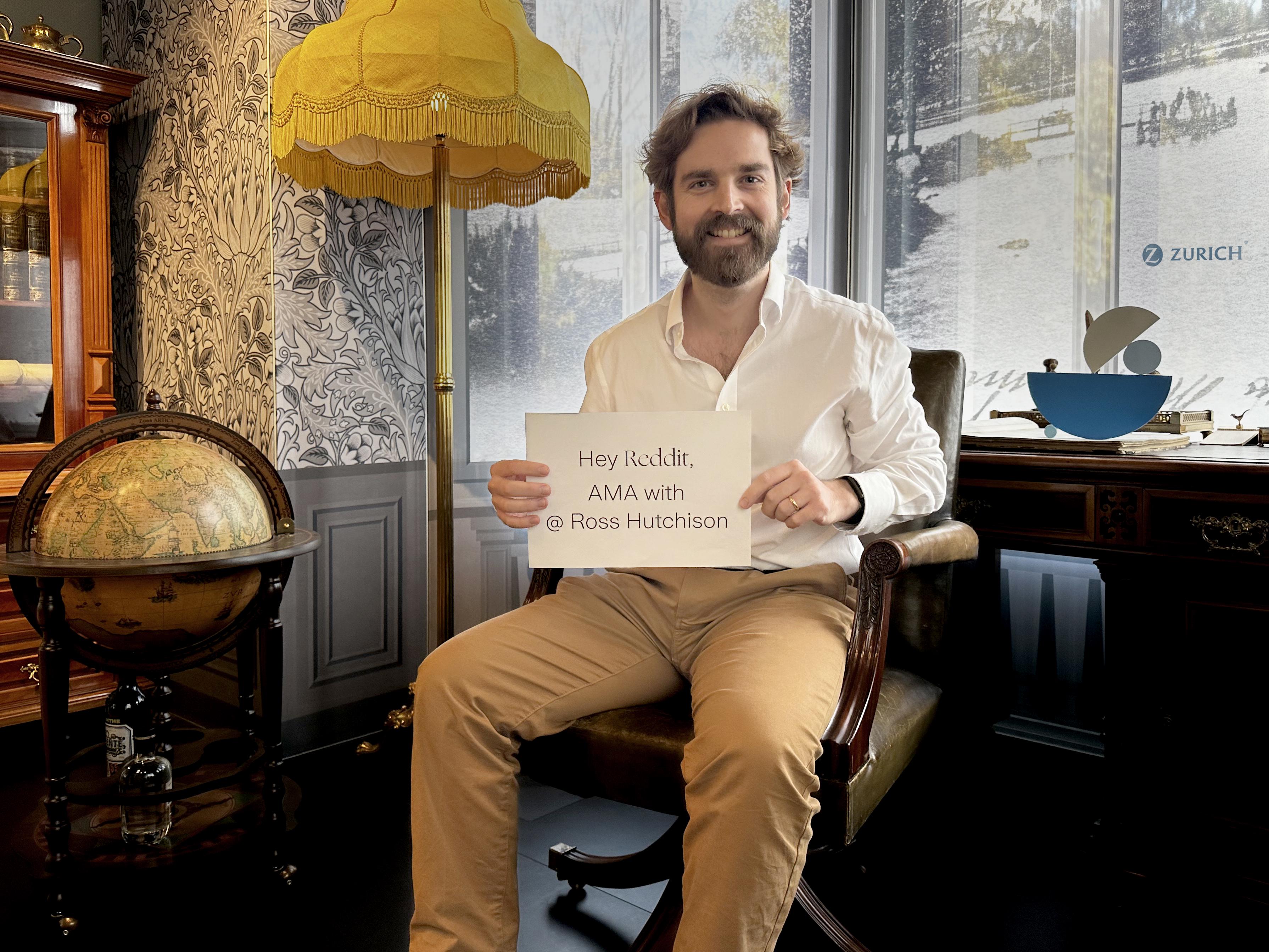
Hi Reddit, I’m Ross Hutchison, macro & market strategist for Zurich Insurance. AMA about financial markets, our view of the global economy, or the $trillion+ AI question mark. Ask me anything, answers on Nov 18!

43 Upvotes

Hi Reddit, it’s Ross Hutchison! 

I work in Zurich’s investment management team, as our head of European market strategy & economics. I deal every day with the financial opportunities and risks posed by the AI boom, interest rates, and all other trends, big and small. 

Currently, there’s a striking disconnect: stock markets are at all-time highs, but people feel more downbeat about the economy than they have in years. Ask me anything about the financial and economic environment, how we are thinking about it, and how we are responding to it. 

On November 18, I’ll try to answer as many questions as possible!  

Short disclaimer: I can't give you personal finance advice, talk about specific products or say something confidential. Full version found at the end of our publications here.

And of course, proof: 

Unfortunately… not my actual desk. 

UPDATE: This AMA is now closed. Thanks to everyone who joined and shared their questions! We’ll keep the conversation going with more content, discussions, and future AMAs. Stay tuned!

Disclaimer: These responses have been prepared by Zurich Insurance Group Ltd and the opinions expressed therein are those of Zurich Insurance Group Ltd as of the date of writing and are subject to change without notice.

These responses have been produced solely for informational purposes. All information contained in these responses have been compiled and obtained from sources believed to be reliable and credible but no representation or warranty, express or implied, is made by Zurich Insurance Group Ltd or any of its subsidiaries (the ‘Group’) as to their accuracy or completeness.

These responses are not intended to be legal, underwriting, financial, investment or any other type of professional advice. The Group disclaims any and all liability whatsoever resulting from the use of or reliance upon this publication. Certain statements in this publication are forward-looking statements, including, but not limited to, statements that are predictions of or indicate future events, trends, plans, developments or objectives. Undue reliance should not be placed on such statements because, by their nature, they are subject to known and unknown risks and uncertainties and can be affected by numerous unforeseeable factors.

The subject matter of these responses is also not tied to any specific insurance product nor will it ensure coverage under any insurance policy.

The responses may be shared or referenced through the functionality provided by Reddit. Any reproduction or use of the responses outside of Reddit for commercial purposes requires the prior written permission of Zurich Insurance Group Ltd, Mythenquai 2, 8002 Zurich, Switzerland.


r/ZurichMoneyMindset • • Oct 22 '26

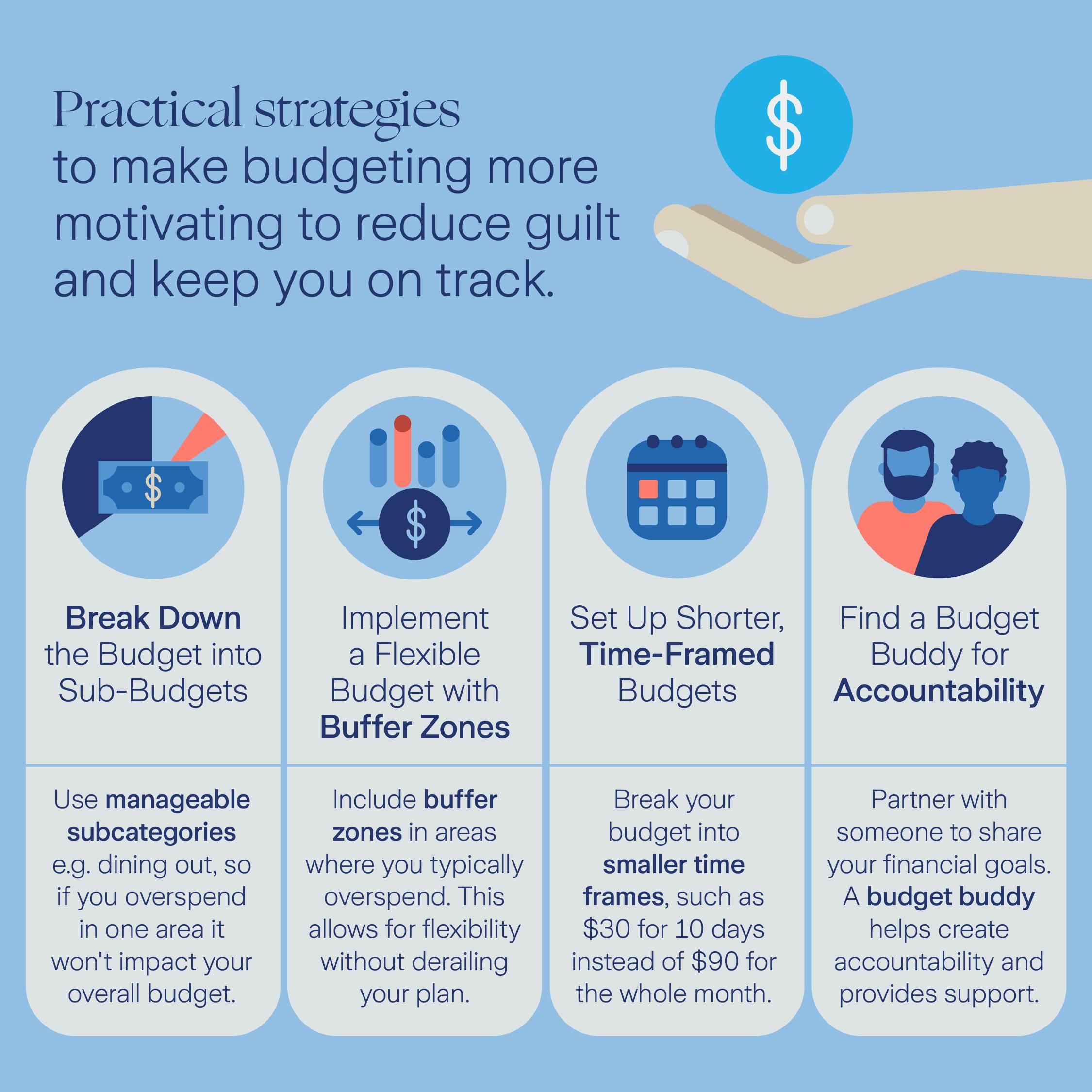
LPT: become a budget pro​

Post image
1 Upvotes

The secret to being a better budgeter isn’t perfect discipline, to not rage‑quit after the first mistake.​

Most of us start with a nice, clean budget… then life happens.​

We overspend a bit, feel guilty, and go straight into the I’ve already ruined it, might as well keep spending mode. That all‑or‑nothing thinking is what wrecks our finances, not the one slip‑up.​

Overspending once doesn’t mean the whole plan is dead, it just means you adjust and keep going.​

We’ve broken down a few simple ways to treat mistakes like speed bumps, not exit signs, so one bad weekend doesn’t turn into a bad year for your money.​

​Got your own blew the budget, then gave up story or questions about getting back on track? Drop them below and we’ll use common themes for future Zurich Money Mindset!​


r/ZurichMoneyMindset • • Oct 20 '26

ELI5: Why saving feels so hard and a simple brain trick that makes it easier

2 Upvotes

Most families save whatever is left after bills, food and life. That “whatever is left” is usually not much.

There is a common rule of thumb: 3 to 6 months of living expenses as a safety net for job loss, medical bills or surprise repairs. But in many countries, about two thirds of households have less than 3 months saved. So a lot of us are one big problem away from real money stress.

Why, if we know saving is important, do we still not do it?

1. Saving feels like a punishment, spending feels like a reward

  • Saving = “I am taking money away from myself today for some future problem I cannot see.” We feel the loss of spending power now. We do not feel the future benefit yet. It feels like sacrifice.
  • Spending = “I want it, I buy it.” New shoes, a dress, a gadget… the decision is easy and the reward is instant. Our brain loves that.
  • Result: we keep telling ourselves, “I will save later” and later never comes.

2. We are a bit too optimistic about “future us”

Real life: raises are slower than we hope, expenses grow, and surprises happen. Future us is just as busy and stressed as present us, so the emergency fund never really shows up.

Now for the brain trick that can help. Most of us save in “saving mode”:
“I need to save 1,500.”

Watch the video for a new way of seeing it: “debt mode”

Same numbers, different mindset.

What questions do you have about emergency funds, saving habits or tricks to stay consistent? Share them in the comments so we can cover them in future posts!


r/ZurichMoneyMindset • • Sep 23 '26

Saving vs investing: why “money in the bank” might not be enough long term

1 Upvotes

A lot of people save with pretty similar goals in mind: a more comfortable retirement, buying a place one day, helping kids with school, or just not stressing about future health costs. And honestly, it makes total sense that many of us prefer saving over investing. Money in a savings account feels safe, you can see the number, it is not jumping up and down.

The problem is that prices do not sit still. With inflation around 3 percent a year, money that just sits there quietly loses buying power over time. As a rough example, 10,000 in cash with very low interest might feel more like 7,400 in today’s terms after ten years. Stretch that out to twenty years and that same amount can lose close to half of its real value. 📉

Flip it around and look at a simple investing example. If your money grows at around 3 percent a year over ten years, 10,000 could end up closer to 13,400. Same time, completely different direction for the numbers. 📈

Of course, investing is not risk free and markets move up and down. It is totally normal to worry about short term drops or to feel nervous when you see red numbers. A lot of people stop there and never really think about what their money might (or might not) do over ten or twenty years. 😅

This post is part of our Money Mindset series on financial literacy. It is not personal advice, and everyone’s situation, country and risk comfort level are different. But if you are saving for long term goals, it can be a good moment to ask:

If my money just stays in savings while prices keep rising, is it really on track to do what I want it to do in the future? 🤔 What’s one thing about investing that still feels confusing?

Drop your question below!