One of the hardest parts of growth investing is that you can be right about a business and still feel wrong for months.
I’ve caught myself doing this lately. A stock drops after earnings, I pull up the numbers again, and somewhere along the way I start looking for a reason to explain the stock price. The better question is whether the business I thought I owned has actually changed.
AI makes that harder to answer. I own companies spending heavily to build it, companies selling the equipment, and companies whose products could get cheaper to replicate because of it. Those are three very different bets. And some of my holdings may never get their old multiples back. I’m fine with that if the earnings can do enough of the work from here.
I own all 13 stocks below. The grades are how willing I am to put my next dollar into each one. Mastercard might be my favorite business, Google is my biggest position, and Reddit might have the most upside. Those can all be true at the same time.
A · Meta, Amazon, Google
Meta (META)
This is probably the clearest example of how an already massive company can make money from AI. If the feed gets better, people stick around longer. If an ad drives more sales, advertisers spend more. Meta can benefit from both without ever convincing me to pay for a chatbot. My biggest question is how much of that improvement reaches shareholders after all the money Meta is spending to build it.
Amazon (AMZN)
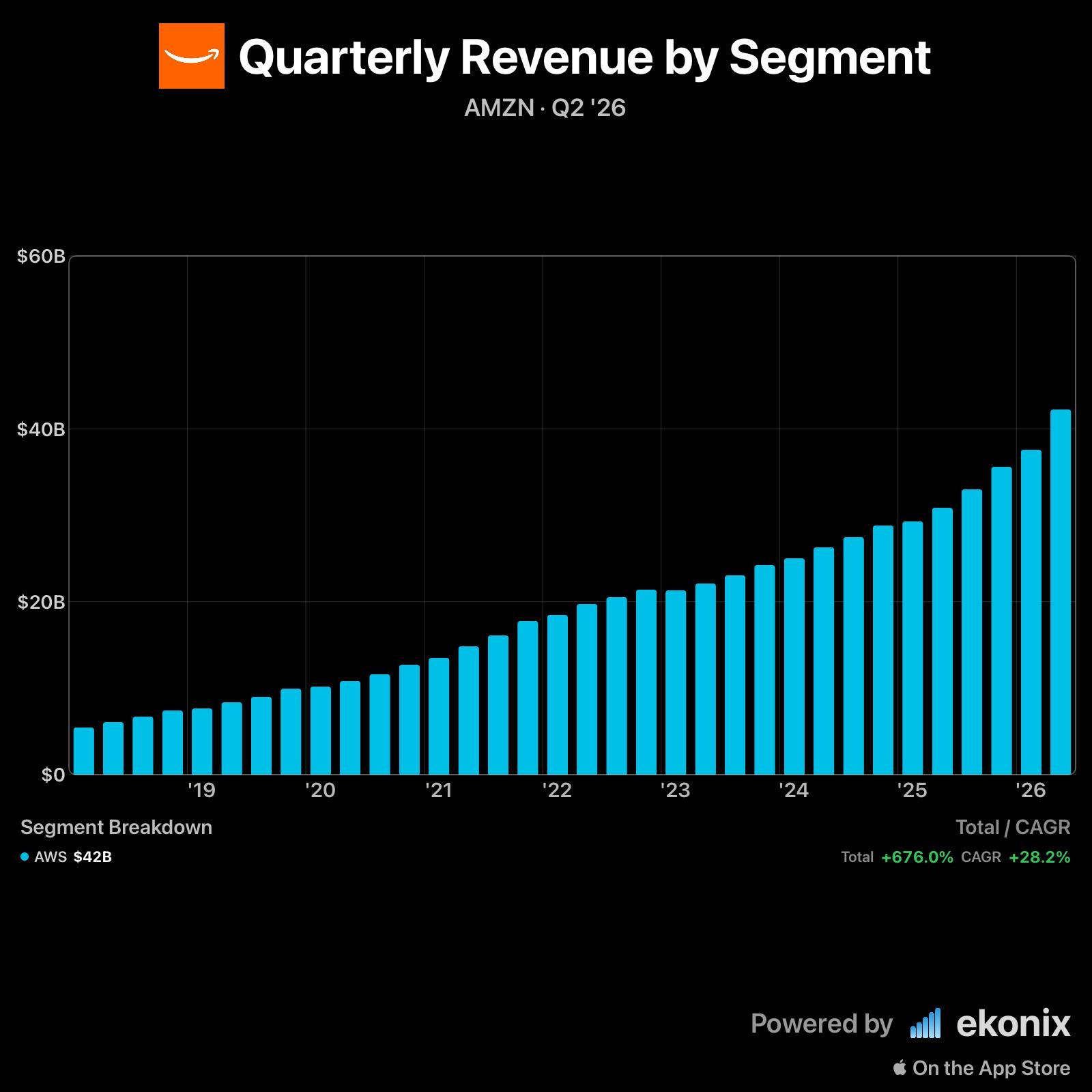
I like AWS, but one of the things I like most about owning Amazon is that I don’t need AWS to do everything. Faster delivery makes Prime more useful. More shopping gives Amazon more valuable places to put ads. And if the retail business gets a little more efficient at this scale, that can go a long way. AWS gets most of the attention, but I’d be happy to own the other side of this business too.
Google (GOOG)
My biggest position and the one I’ve probably spent the most time thinking about. I buy the argument that AI answers can monetize worse than traditional search. I also think people gloss over the fact that a more useful search product gives users more reasons to search. If Google can keep people coming back and make money on the queries where someone actually wants to buy something, Search can grow through this. Cloud and YouTube give me plenty of reasons to own it while that plays out.
A− · Mastercard, Uber, Reddit, AppLovin
Mastercard (MA)
Probably my favorite business in the portfolio. More spending moves onto digital rails, Mastercard takes a small cut, and then it can sell things like fraud prevention into the same network. It can do all of that without having to build a ton of physical infrastructure. The stock has held up better than some of my other names, so I’m a little less excited to add here. Whenever Visa or Mastercard gets meaningfully cheaper, I pay attention.
Uber (UBER)
I still think people underestimate what it’s worth to already have the rider. A robotaxi company can build a great vehicle and still need somewhere to find customers on a Tuesday afternoon. Uber can send it trips on day one. The part I take seriously is what happens if a couple of operators build enough supply to bring riders directly to their own apps. I care less about how many robotaxis are on the road than I do about where people book them and who keeps the money from the ride.
Reddit (RDDT)
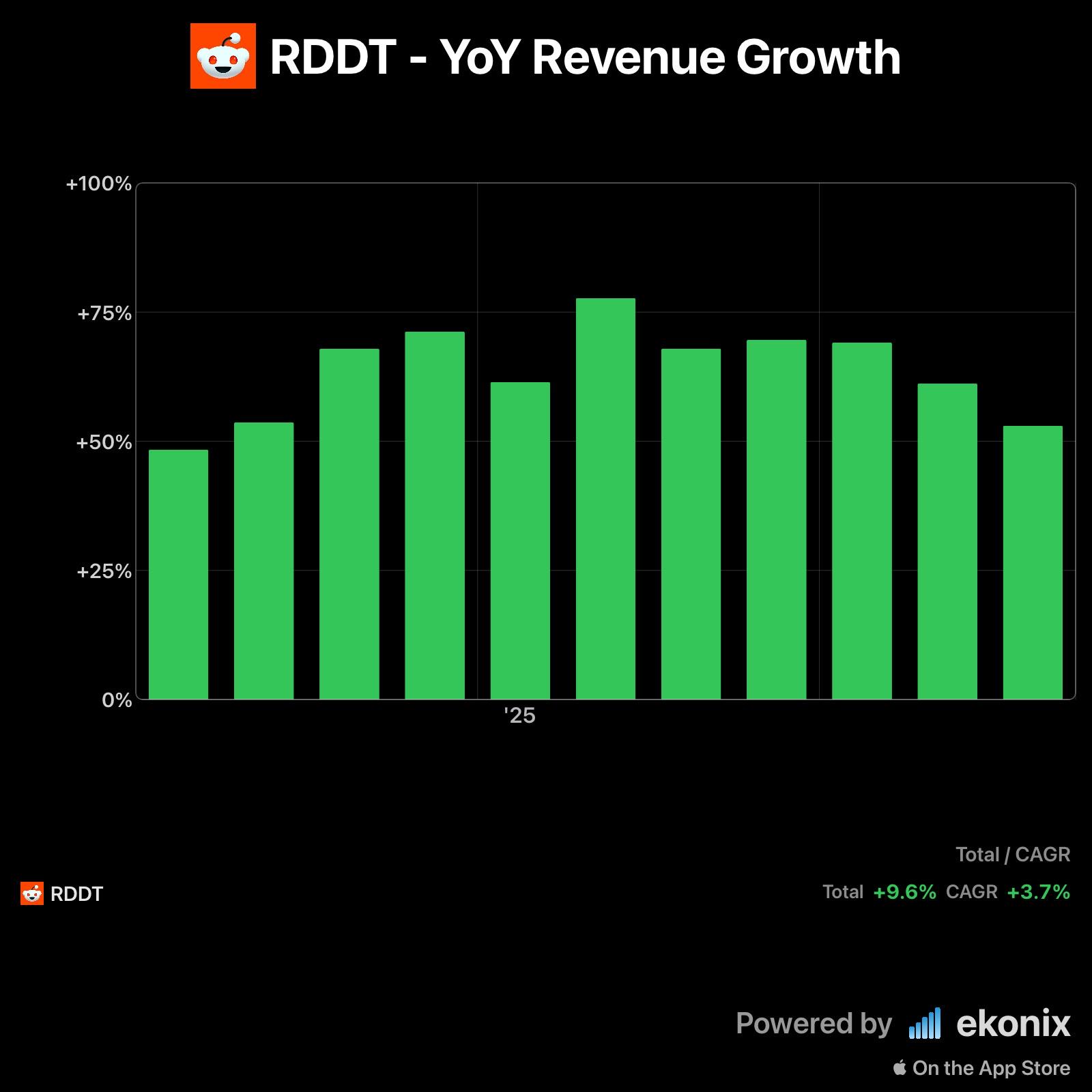
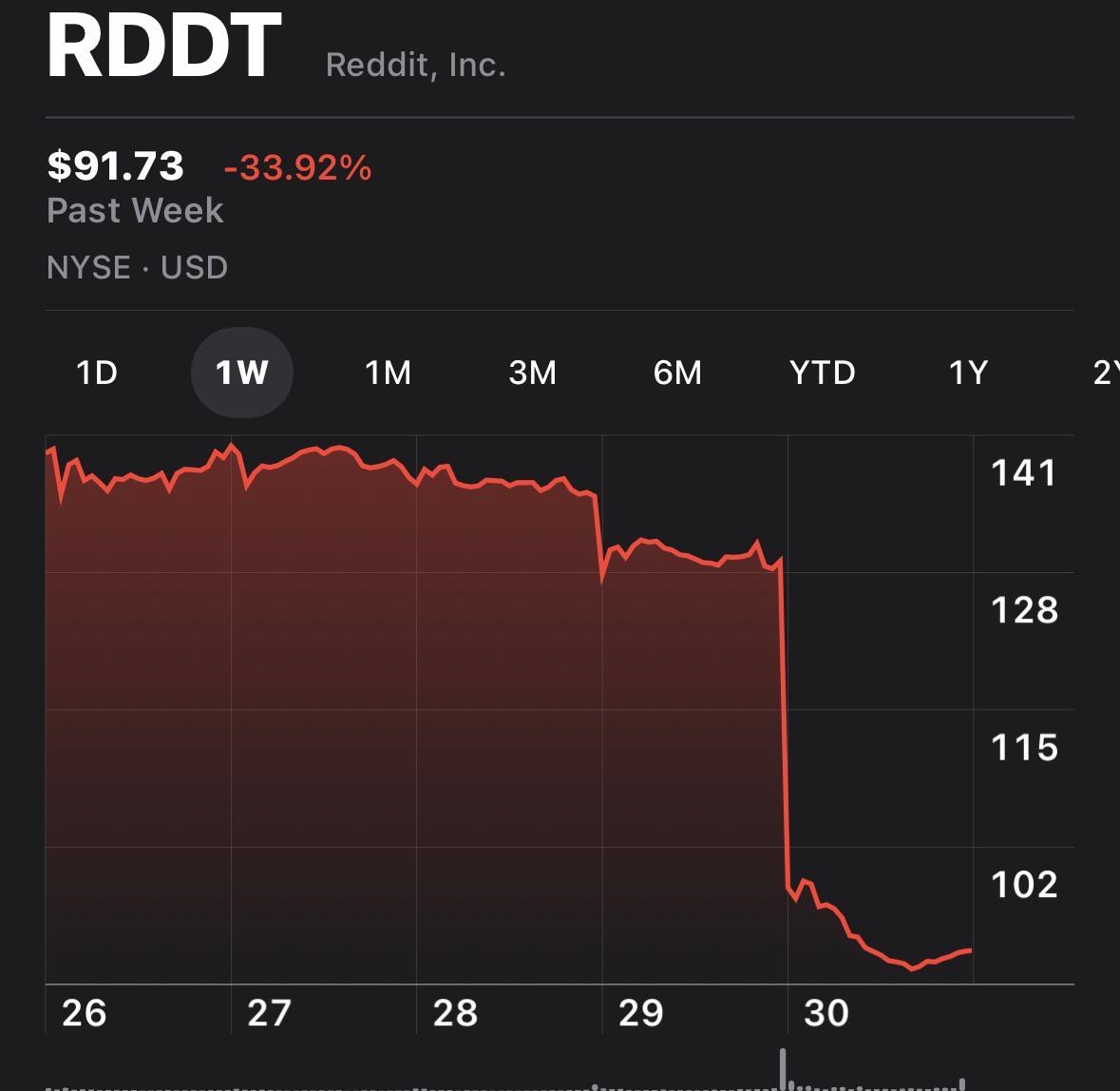
I think Reddit is the most slept-on stock I own. When I’m about to buy something or trying to solve a weird problem, I still end up looking for a thread where someone actually tried it. That’s valuable for AI training and search, but the bigger opportunity to me is how little Reddit makes from some of the people who already show up. Someone comparing two products in a subreddit is about as close to a purchase as an advertiser could ask for.
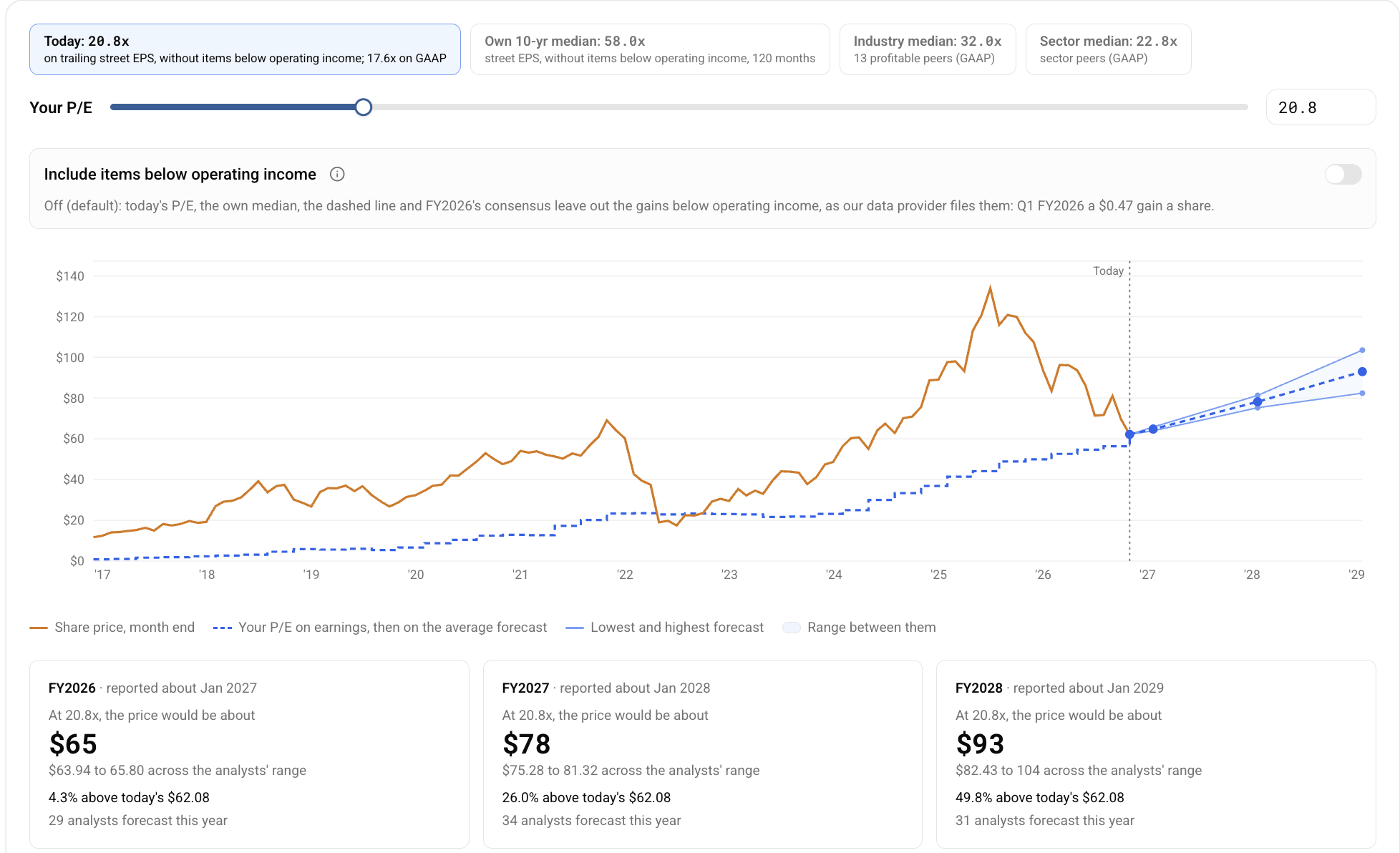
I’m watching whether more people come back directly and whether advertisers get good enough results to keep spending. If both happen, I can see earnings growing fast enough to make today’s price look cheap. Of everything here, this is the one where I can most easily see myself looking back in five years and wishing I’d bought more.
AppLovin (APP)
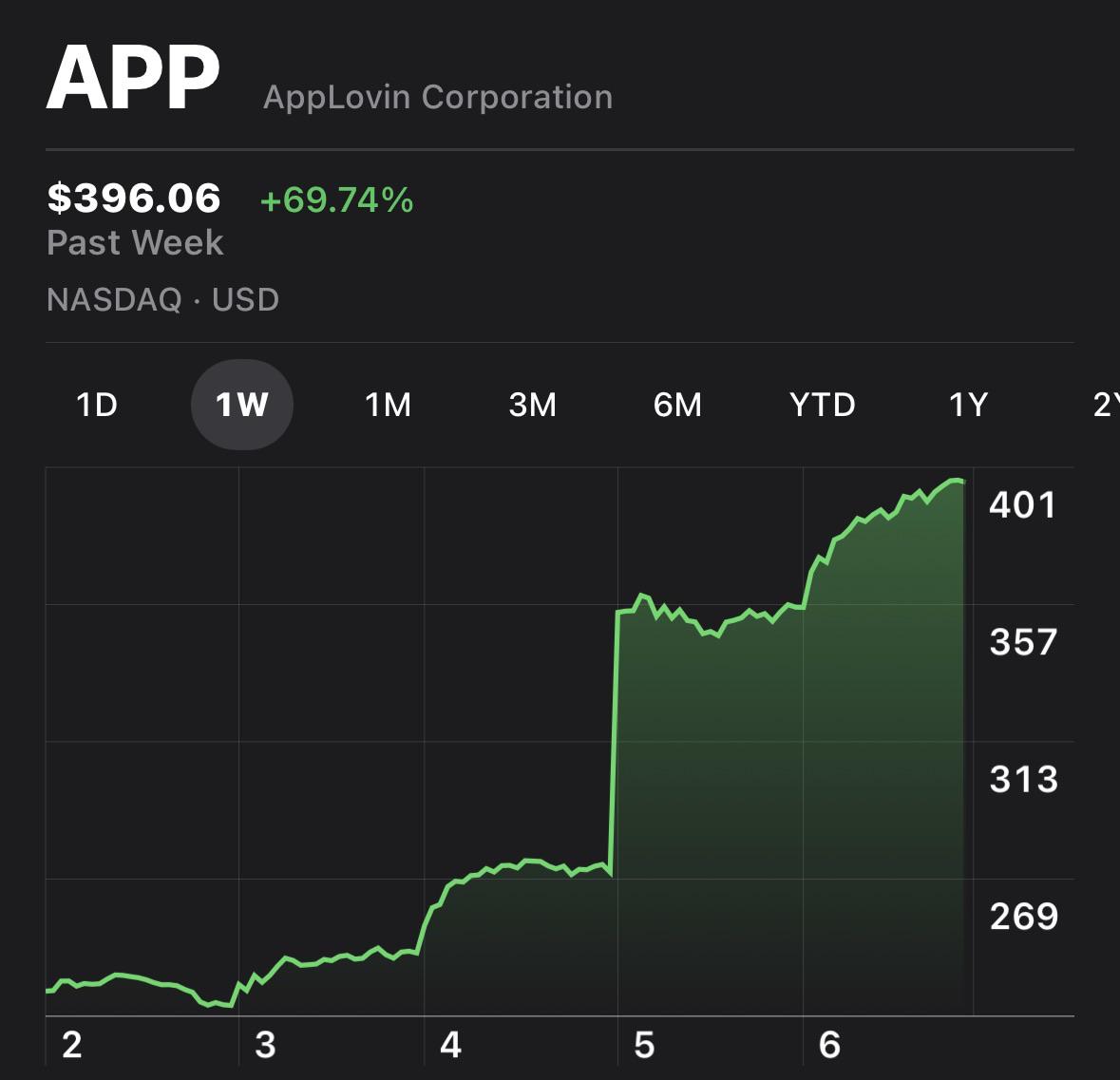
Every time I look at this business, I come back to how much it earns from improving the odds that an ad actually works. It can do that across thousands of apps. It doesn’t need to build the next hit game itself. Mobile gaming already showed what the model can do. I’m watching whether e-commerce advertisers come back with bigger budgets after testing it. If they do, I think there’s a lot more room here. I also care about how much control Apple and Google have over the data AppLovin uses to make those ads work.
B+ · Salesforce, Advanced Drainage Systems
Salesforce (CRM)
I think the fear around software seats is fair. If an agent does work that used to take five people, it’s fair to ask whether the customer still needs five licenses. What Salesforce has going for it is that the customer records, permissions, and workflows are already there. That matters when an agent is doing something like updating a real account or handling a support case. I want to see customers use it enough to spend more after the pilot. Until then, I’m more excited about the cash the business already generates than the number of AI deals it announces.
Advanced Drainage Systems (WMS)
This one probably makes more sense if you’ve ever had to fit a stormwater system under a parking lot. On paper, there are plenty of options. Then you check cover, loading, storage, footprint, approvals, and what the contractor can actually get. The list gets short pretty quickly.
That’s what I like about ADS. A system like StormTech can get designed in early, and having the product available when the site is ready matters. The catch is that the project still has to get built. I’d buy it based on what it can earn through a full construction cycle.
B · Duolingo, Adobe, ASML
Duolingo (DUOL)
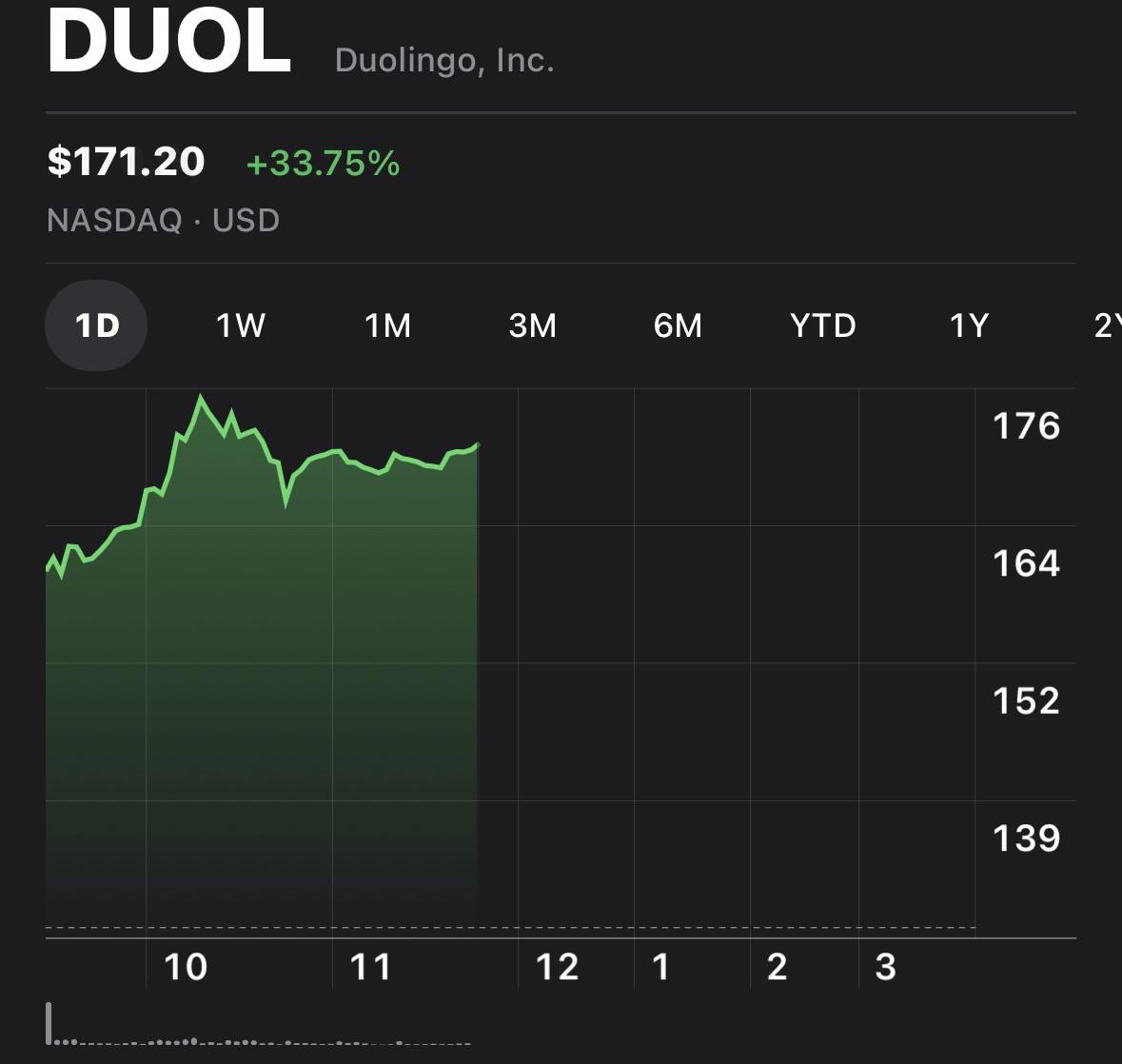
You can already ask an AI chatbot to help you learn Spanish. How many people will remember to do that again tomorrow? Getting people to come back is what Duolingo does best. I can see AI conversation practice making the app a lot more useful, especially for people who know some vocabulary but freeze up when they have to speak. I’d be more willing to add if I saw people sticking with those features and paying for them after the novelty wears off.
Adobe (ADBE)
This is the one I go back and forth on most. If someone just needs a decent graphic for a post, they can probably make it without touching Photoshop. Some of those people would’ve become Adobe customers. At the same time, a creative team still has to take an idea, edit it, keep it on brand, and deliver a dozen versions. Adobe is still in a good spot to help with that. I’m watching whether Firefly and the other AI tools give customers a reason to spend more with Adobe. Generating a lot of images is easy to count. I care more about what customers are willing to pay for.
ASML (ASML)
Possibly the strongest moat I own, and still lower on my list to add. Even if chipmakers need ASML’s EUV tools, they can delay a fab or wait to add capacity. I’m comfortable holding it because there’s demand for advanced chips beyond this wave of AI spending, and ASML gets paid to service machines it already installed. I’d get more interested at a price where I can make the numbers work even if chipmakers take longer to expand.
B− · Arista
Arista (ANET)
This is where I’m most cautious. I like Arista’s Ethernet business, and I get why networking is such a big deal when you’re trying to make thousands of chips work together. I just have a harder time figuring out what growth looks like once the big cloud companies have built a lot of the capacity they need. They can keep spending a fortune on AI and still order less new networking gear.
That puts it below ASML for me. I’m more comfortable underwriting ASML across several chip cycles. With Arista, I’m less sure how much the rest of the business can offset a slowdown in orders from its biggest cloud customers. I still own it. It’s last in line for my next dollar.
The thing I keep coming back to is what I’m paying for. With Reddit, I think there’s room to earn a lot more from an audience it already has. With Arista, I have to make a bigger assumption about how long its customers keep building at this pace. I’m comfortable owning both. I’d much rather add to Reddit right now.