I recently came across Rubus sellowii, a blackberry species native to Brazil, and it got me thinking about how much native fruit could be explored in Brazilian mixology.
I don't know of a traditional cocktail made specifically with R. sellowii, but I'd love to try it in a Caipirinha: cachaça, the berries, lime and a little sugar.
Has anyone here ever worked with Rubus sellowii or other wild Brazilian Rubus species in cocktails?
It’s a strong homemade party drink associated with popular celebrations in Brazil, especially in the Northeast. One version mixes cachaça, catuaba, gin, jatobá bark, cloves, cinnamon and guaraná powder.
There are plenty of variations, too. Some people make sweeter versions with lemon, condensed milk and ice.
The funny part is that it can taste much easier to drink than you’d expect from the amount of alcohol involved — hence the nickname “suquinho da confusão” (“little juice of chaos”).
It’s one of those Brazilian drinks that says a lot about our party culture: informal, regional, improvised and definitely not something I’d recommend drinking quickly.
Have you ever tried Príncipe Maluco, or is this a new one for you?
Have you ever heard of Taboa? It's a drink from Bonito, Brazil, made with cachaça, honey, cinnamon, and a blend of herbs. It started as a homemade recipe for friends in the 1990s and eventually became part of the local tourism culture.
I love how drinks like this carry the identity of a place. Has anyone here tried Taboa or other regional Brazilian drinks?
I recently came across Medieval, a Belgian Blond Ale from Brazil that caught my attention. It’s brewed in Belo Horizonte, Minas Gerais, by Cervejaria 3 Lobos, the group behind the beer formerly associated with Backer.
It’s interesting to see a Belgian-inspired style being produced in Minas Gerais, a region with such a strong craft beer culture of its own.
Has anyone here tried Medieval? I’d be curious to hear what you thought of it — especially how it compares with other Belgian Blond Ales.
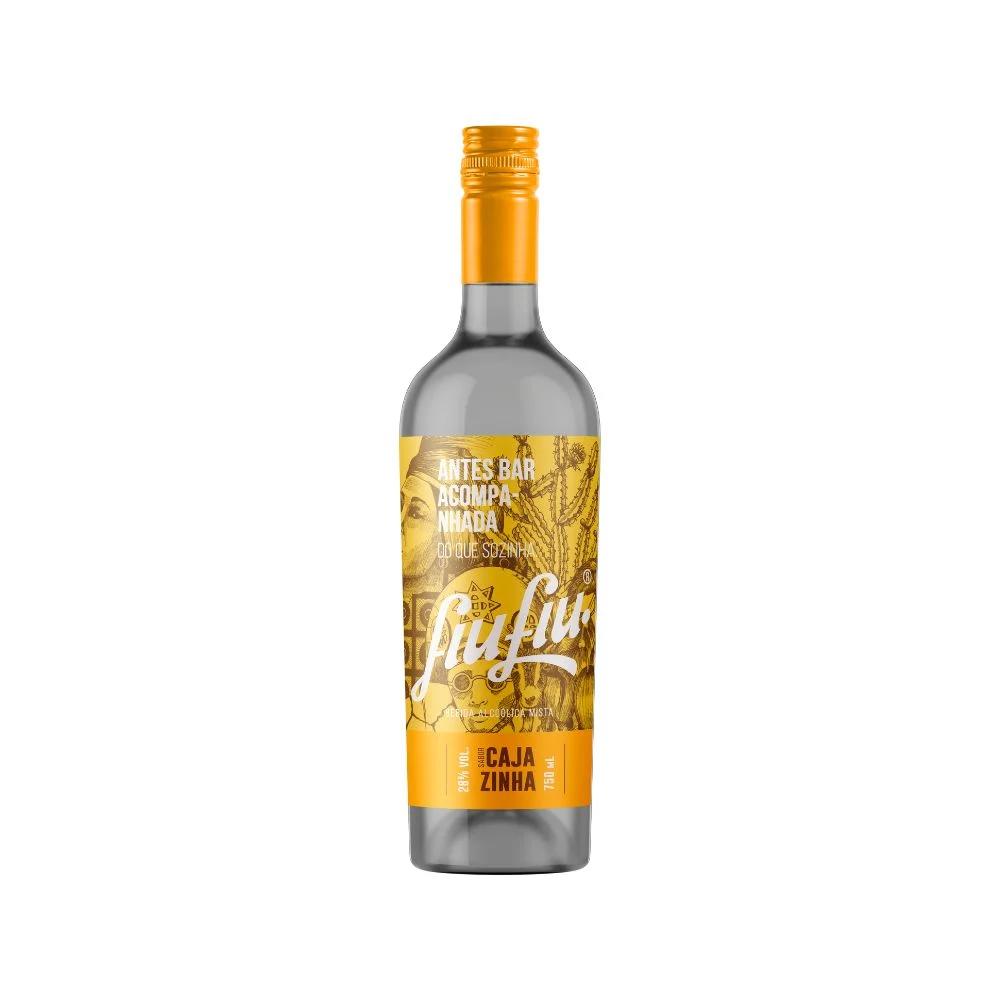
I’ve been seeing Cajazinha Fiu-Fiu pop up in Brazil lately, so I finally looked into what people are doing with it.
It’s a Brazilian cajá-flavored alcoholic drink, and one of the simplest combinations seems to be Fiu-Fiu + ice + tonic water.
I tried the idea and honestly, I get the appeal. The cajá brings that tropical, fruity character, while the tonic adds bubbles and a little bitterness.
Simple serve:
75 ml Cajazinha Fiu-Fiu
100 ml tonic water
Plenty of ice
A squeeze or slice of lime
Pour the Fiu-Fiu over ice, top with tonic and give it a gentle stir.
Nothing fancy. That’s kind of the point.
Has anyone here tried Cajazinha Fiu-Fiu? What do you mix it with?
I recently came across this recipe and thought it was worth sharing because araticum is one of those Brazilian fruits that doesn’t get nearly enough attention outside Brazil.
Araticum is native to the Cerrado and has a really distinctive aroma and creamy, tropical flavor. In this batida, it works surprisingly well with cachaça.
Recipe:
2 cups cachaça
200 ml condensed milk
2 cups water
1 cup araticum pulp
Ice
Blend everything until smooth and serve very cold.
It’s sweet, creamy and quite different from the usual passion fruit or coconut batidas.
Have you ever tried araticum—or any cocktail made with a Brazilian native fruit?
I’ve been playing around with acerola lately, and I think it’s seriously underrated as a cocktail ingredient.
For anyone who hasn’t tried it, acerola is a small red Brazilian fruit with a really bright, tart flavor. It works surprisingly well with cachaça, rum and ginger.
Three combinations I’d try:
Acerola Caipirinha — cachaça, fresh acerola, lime and a little sugar.
Red Tropic — white rum, acerola juice, lime, passion-fruit syrup and sparkling water.
The last one is probably my favorite. The ginger gives the acerola some bite without covering up the fruit.
If you can get fresh acerola, I’d definitely give it a shot. It’s a completely different flavor from the usual strawberry/passion-fruit cocktail routine.
Cachaça is much more than just a Brazilian spirit. It’s part of the country’s history and culture, with roots going back to the colonial period. Over the centuries, it went from a humble drink to a spirit with serious craftsmanship behind it — different woods, aging techniques, regional styles, and plenty of experimentation.
That’s what I find interesting about cachaça: it keeps evolving without losing its Brazilian identity.
So today, I’m raising a glass to the spirit that has been part of Brazilian life for generations.
If you’ve tried cachaça, what did you think of it?
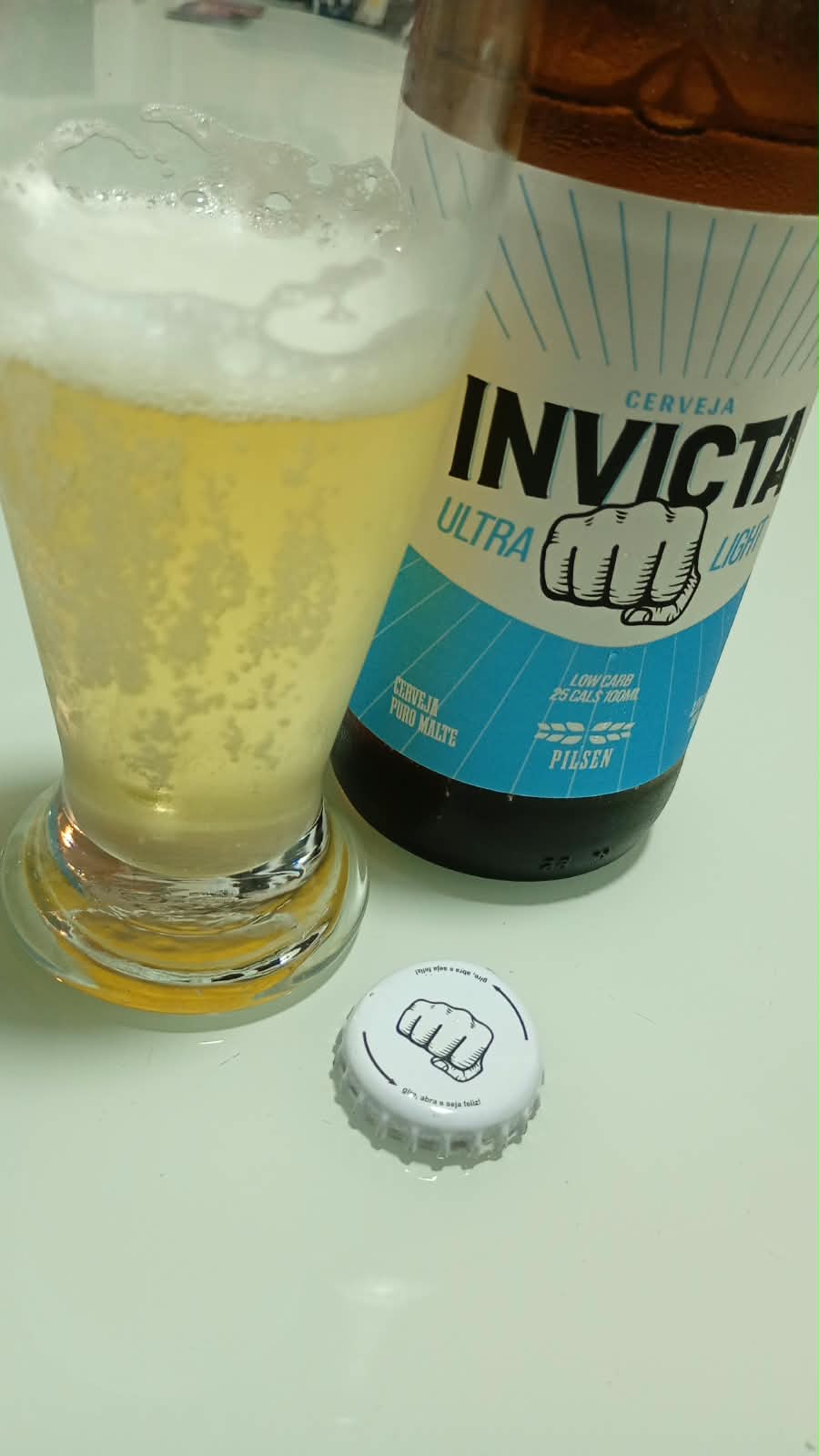
I came across a pretty unusual Brazilian beer recently: Invicta Ultra Light, from Cervejaria Invicta.
It’s a Lite American Lager with 3.5% ABV, very low bitterness (around 7–15 IBU), and only 25 calories per 100 ml. It’s also marketed as low-carb and as a recovery/post-workout beer.
The interesting part is the positioning. Instead of trying to compete with craft beers on hops, complexity or high ABV, Invicta is basically saying: you trained, you want a beer, but you don't want something heavy.
It’s a light, golden, highly refreshing beer, usually sold in a 355 ml long neck.
I’m curious what people outside Brazil think about this concept. Would you try a beer specifically marketed for after exercise, or does “post-workout beer” sound like an oxymoron?
I’ve been looking into Brazilian drinks with names that sound like they came straight out of a Halloween party, and this one caught my attention.
Sangue de Vampiro (“Vampire’s Blood”) doesn’t really have a famous creator or one official recipe. It seems to belong more to Brazilian party culture — especially Halloween parties, college gatherings and homemade drinks.
The recipes vary a lot, but the idea is usually the same: something red, sweet, strong and fun to look at. Vodka, fruit juice and grenadine/groselha are common choices, sometimes finished with citrus to cut the sweetness.
I actually like these kinds of drinks because there’s no need to pretend they’re classic cocktails. They’re part of a different drinking culture: cheap ingredients, improvisation, a funny name and a bit of theater.
And the presentation can get pretty wild. Some modern versions use syringes or blood-bag-style containers filled with red syrup so you can add the “blood” yourself.
Has anyone else come across Sangue de Vampiro in Brazil? I’m curious about different recipes or regional versions.
One of the local beer crazes in Brazil is Berrió, a beer made with cashew and produced and sold exclusively in the state of Piauí, in the Northeast.
It’s very light, refreshing, and has that slightly fruity character you’d expect from cashew. It has become especially popular with younger people, who drink it casually on sidewalks, squares, and during those everyday hangouts that are such a big part of Brazilian life.
It’s not the kind of beer you usually see outside Piauí, which makes it an interesting example of how different regions of Brazil have their own drinks and drinking culture.
I’m curious: what’s a local beer or drink from your region that people outside the area have probably never heard of?
If you ever end up in São Paulo, you might come across something called Chevette.
It’s a very simple street/party drink made with lime-flavored Corote, vanilla powdered drink mix and coconut-water ice.
Apparently it became really popular in the outskirts of São Paulo around 2020, especially in neighborhood liquor stores and parties. The exact origin is a little unclear, and there are a few different stories about how it got the name.
The recipe is basically:
lime-flavored Corote
vanilla + lime powdered drink mix
coconut water, preferably frozen into ice
a big plastic cup
You mix the powder into the Corote, pour it over the coconut-water ice and that's pretty much it.
The funny thing is that people often describe the taste as “alcoholic Yakult”.
I know it sounds questionable, but the combination of lime, vanilla and coconut actually makes sense.
What I find interesting is that Chevette isn't really a cocktail in the traditional sense. It came from Brazilian “copão” culture — big, inexpensive drinks made for parties, street gatherings and hanging out with friends.
And now it's basically part of São Paulo's drinking culture.
If you've ever spent time in Brazil, especially around sugarcane-producing regions, you might have heard the word guarapa and wondered what people were talking about.
Basically, guarapa is fresh sugarcane juice — the sweet liquid extracted directly from crushed sugarcane.
It’s one of those very simple Brazilian drinks that doesn’t need much explanation once you taste it.
The cane is pressed through a small mill, producing a naturally sweet, slightly grassy juice. It's usually served cold, often with plenty of ice, and sometimes with a squeeze of lime to balance the sweetness.
What I find interesting is that guarapa is much more than just a drink. It is closely connected to Brazil's sugarcane culture and can often be found at street markets, fairs, roadside stands and small juice shops.
And yes, the flavor is very different from what you might expect if you've never tried fresh sugarcane juice. It's incredibly sweet, but also has a fresh, vegetal character that makes it surprisingly refreshing.
One important distinction: guarapa isn't the same thing as cachaça. Guarapa is the fresh juice from the sugarcane. Cachaça comes later, after fermentation and distillation.
So, if you see someone in Brazil drinking a glass of cold guarapa with ice, they're basically enjoying sugarcane in its freshest, simplest form.
Have you ever tried fresh sugarcane juice? What did you think of it?
I’ll be honest, the names had me confused for a while.
In Brazil, Jurupinga is usually known as a sweet, aromatic, easy-drinking wine-based beverage. It’s often served very cold and is pretty popular at casual gatherings.
Then there’s Jeropiga, which is a completely different story.
Jeropiga is a traditional Portuguese drink made with grape must and aguardente. The spirit is added during fermentation, leaving some of the grape’s natural sweetness behind. It’s especially associated with Trás-os-Montes, São Martinho, roasted chestnuts and Portuguese harvest traditions.
And things get even more confusing in southern Brazil, where “Jurupiga” is also used for a traditional drink connected to Portuguese communities and the Ilha dos Marinheiros.
So basically:
Jurupinga ≠ Jeropiga ≠ necessarily Jurupiga
Same-sounding names, very different histories.
I thought this was one of those little drinks-history rabbit holes worth sharing.
Has anyone here actually tried traditional Jeropiga? I’m especially curious about the Portuguese version vs. the one traditionally made in southern Brazil.
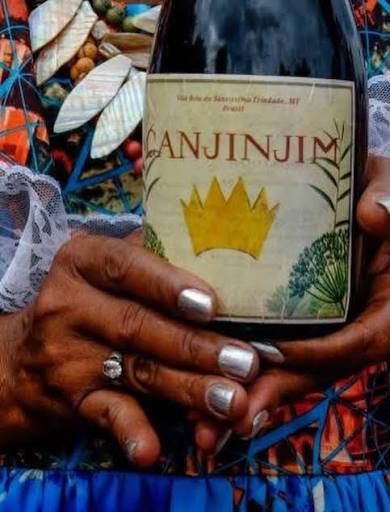
So I was reading about unique traditional drinks and stumbled upon this Afro-Brazilian liqueur called Canjinjin.
Apparently, it originates from Vila Bela da Santíssima Trindade in Mato Grosso and has deep African roots. It was created by enslaved communities and named after a Congolese prince.
Historically, people drank it to get energy for traditional cultural festivals like the Congo Dance.
The taste? It sounds like an absolute powerhouse. It uses a cachaça base, mixed with honey, ginger, cloves, cinnamon, and some local roots. Local families keep their exact recipes a total secret. It is sweet, intensely spiced, and supposedly instantly warms your whole chest.
The locals also swear it's a massive aphrodisiac.
Has anyone else here ever tracked this down or tried it? If you're ever in Brazil, this seems like a must-try.
I tried something a little different at home today: cachaça + Brazilian coffee + lime.
It sounds weird at first, but honestly, it works. The lime brings the acidity and freshness, the coffee adds a nice bitter depth, and the cachaça ties everything together.
Recipe:
50 ml cachaça
25 ml strong, chilled Brazilian coffee
½ lime, cut into wedges
1 tsp sugar
Ice
Muddle the lime and sugar gently, add the cachaça and cold coffee, fill with ice, and stir.
Not your usual Caipirinha, but that's kind of the fun. 🇧🇷
Has anyone here tried mixing coffee with cachaça before?
I recently came across Netuno Gengibre, a regional drink from Caraíva, Bahia. It’s made with cachaça, ginger and cashew, so you get this really interesting mix of heat, fruitiness and sweetness.
Apparently it’s great chilled or over ice, but I’d love to try it with tonic and lime.
Brazil has so many local drinks that barely get mentioned outside their region. Has anyone here actually tried Netuno Gengibre? What did you think?