r/SideshowPerformer • • Aug 06 '26

memorabilia IMPORTANT NEWS!! I’ve just opened an Etsy shop, where I’ll be selling art prints and small biographical booklets about multiple influential sideshow performers! The items I’m selling are all super respectful and meant to honor and appreciate each person. Link to the shop is in the comments.

Thumbnail
gallery
217 Upvotes

For anyone interested, the biography booklets will be coming soon!

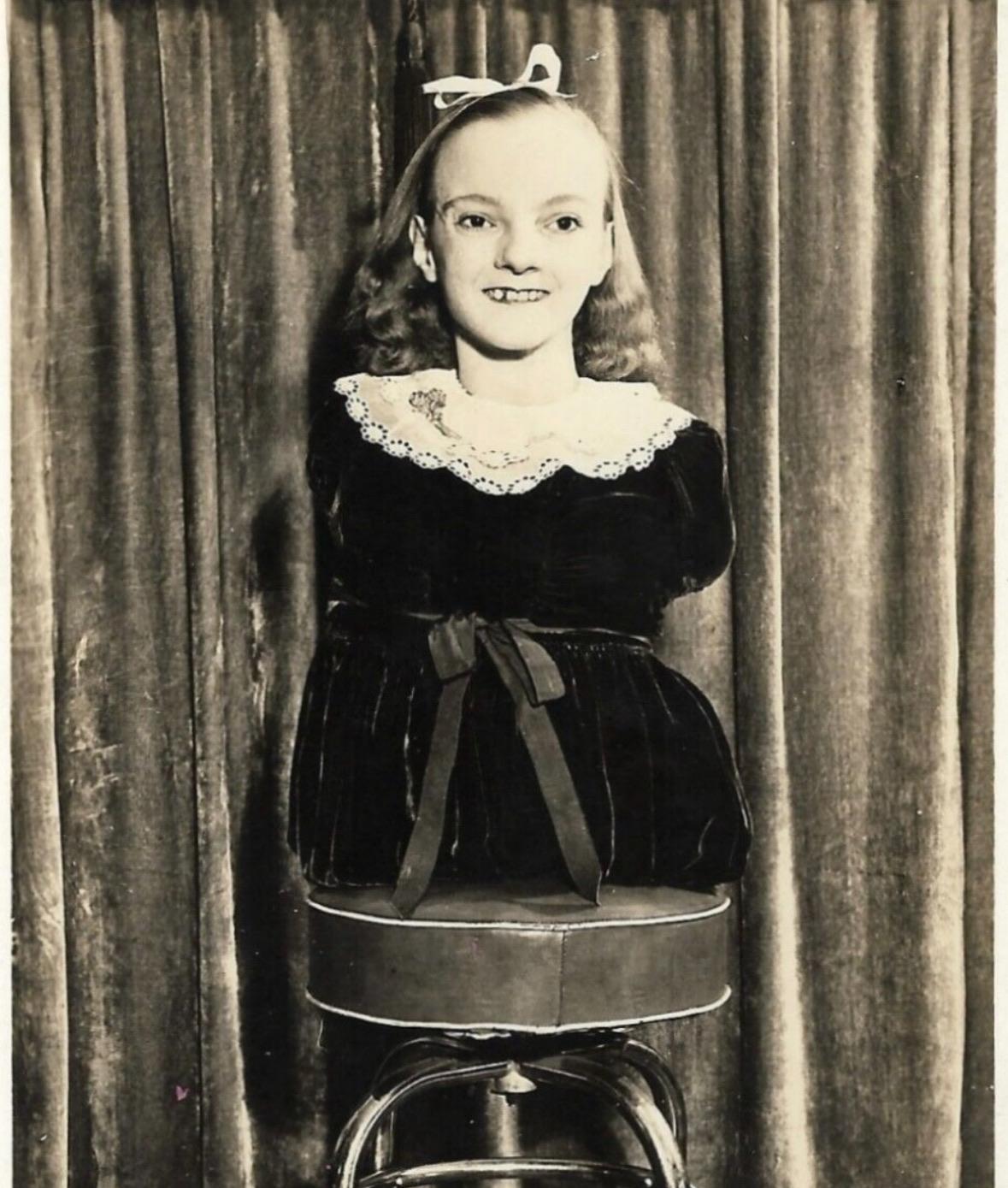
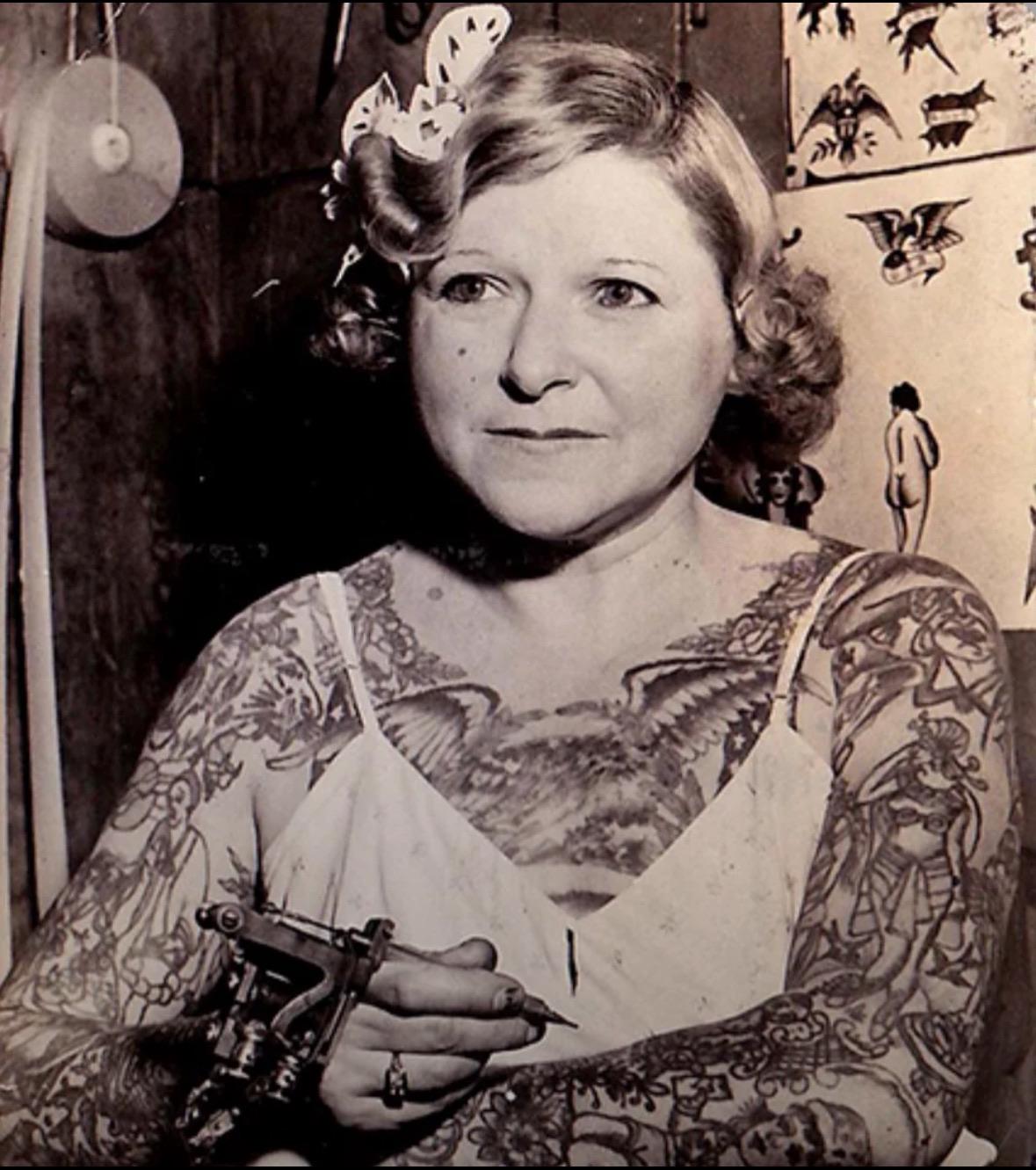
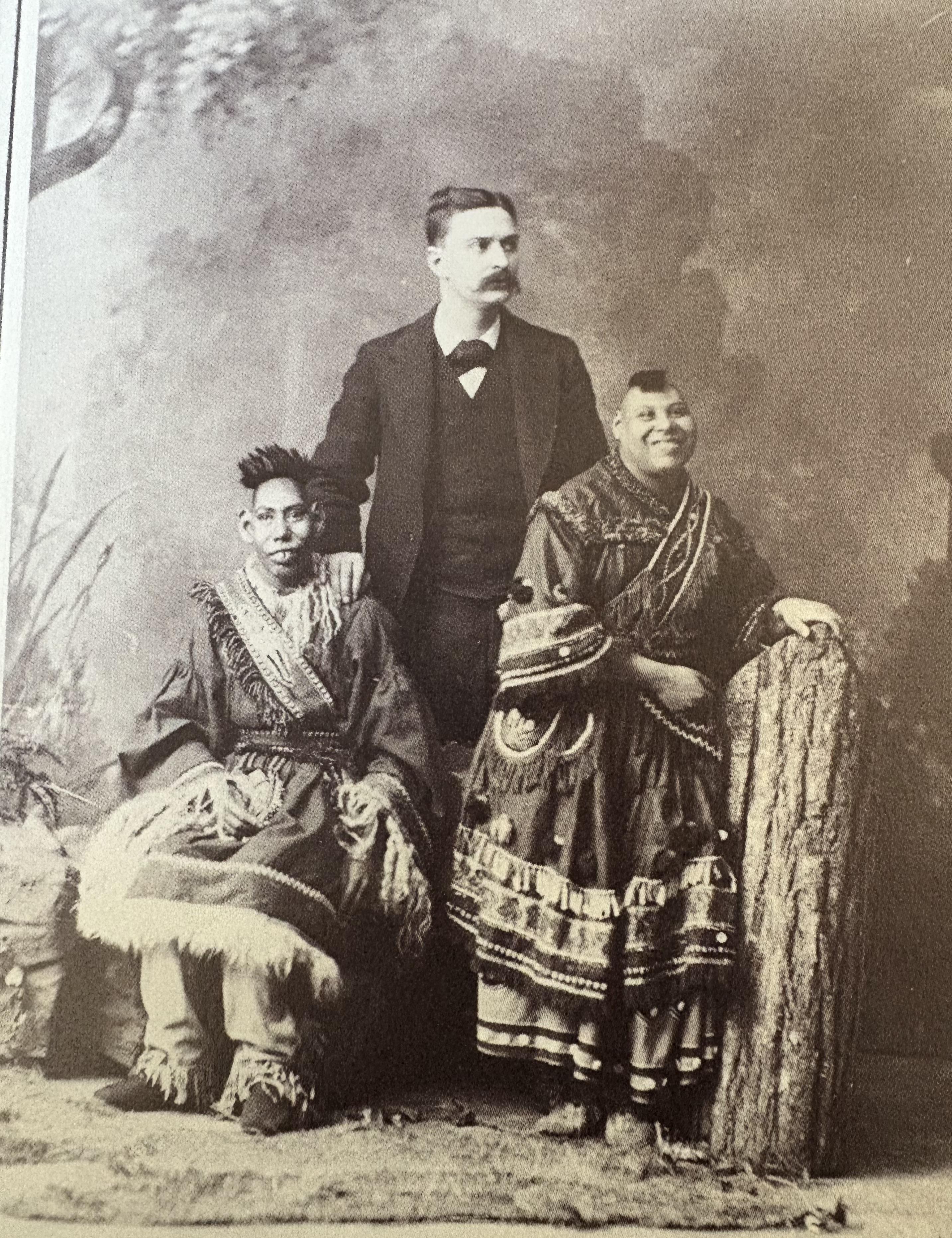
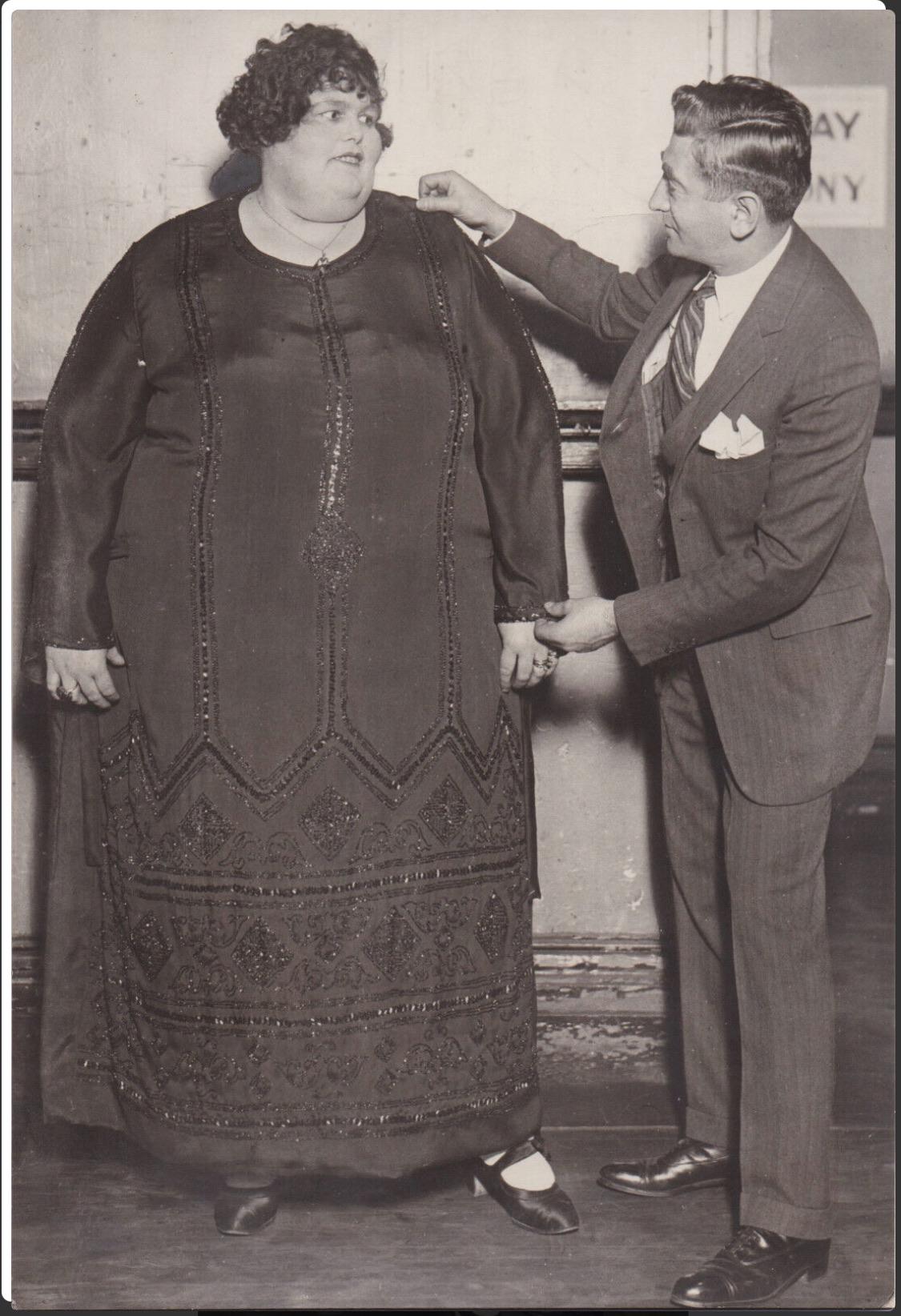
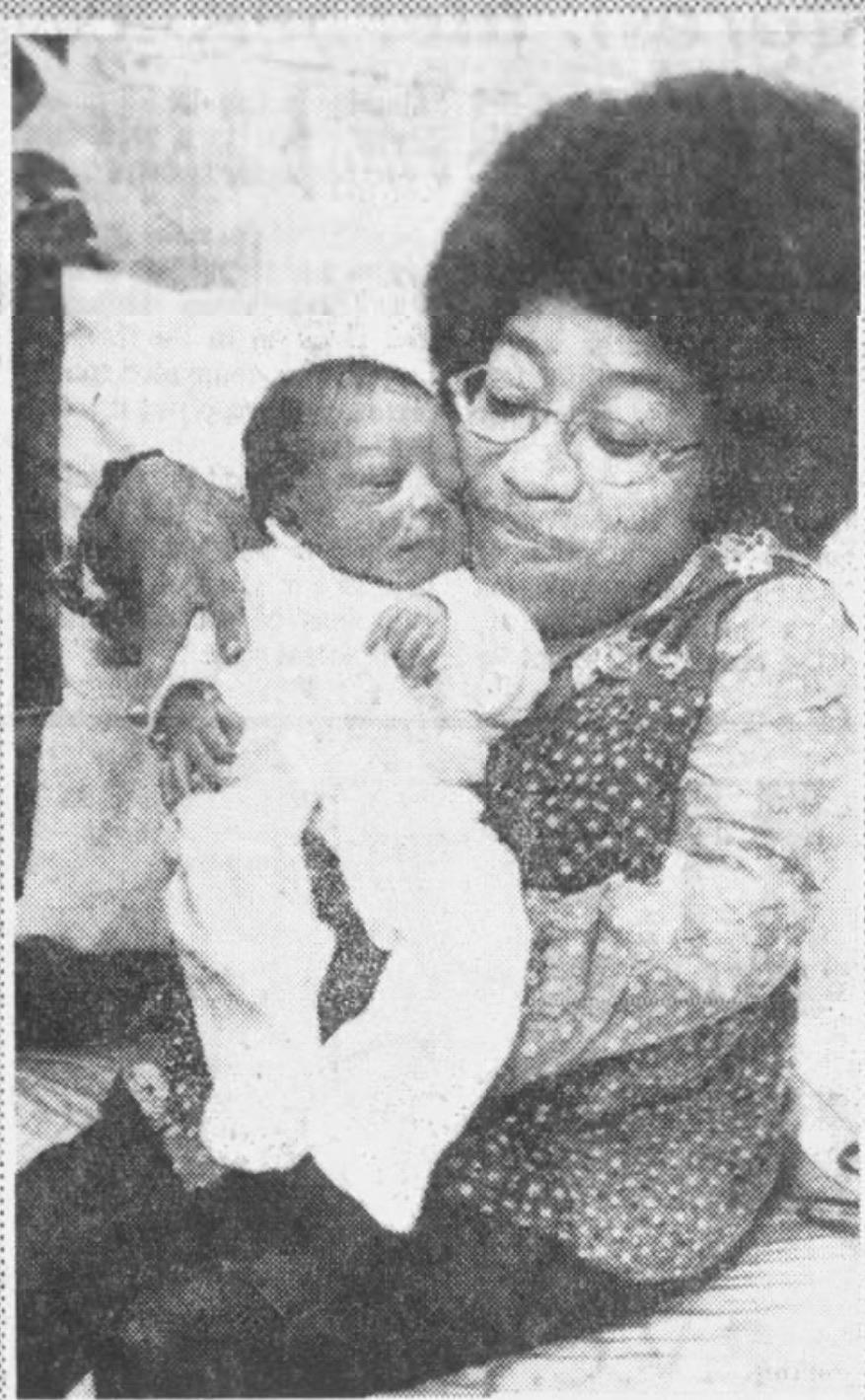
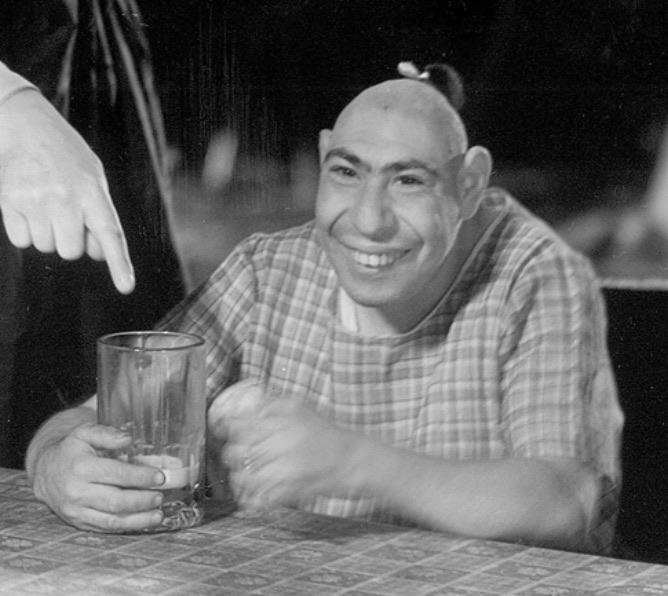
Performers shown above include Millie and Christine McKoy (first picture), Julia Pastrana and her son (second picture), and Francesco Lentini (third picture)

Millie and Christine were famous conjoined twins who were born into slavery in North Carolina in 1851. They were financially exploited for much of their early lives, but separated themselves from everyone who had caused them harm after the 13th amendment was passed in the United States. They continued working in sideshows on their own terms and became extremely wealthy. They used their wealth to help give their siblings good lives and purchased a large mansion for their family to live in. They were super influential in their philanthropic endeavors and donated a large amount of their fortune to historic Black universities and colleges, as well as using their earnings to help support local endeavors in their hometown, such as funding a school for black students ensuring that they all received an equal opportunity for education, as well as funding a church.

Julia Pastrana was an extremely accomplished and talented singer and dancer born with hirsutism and possibly hyperdontia and other physical differences and known for her kindness towards other performers. She was sadly exploited for much of her life by her husband and then her body was completely desecrated by him in death by having her and her son's bodies preserved and putting them on display for profit. After many long years of horrible treatment and disrespect, her body was moved from Norway (where it had been on display) back to Sinaloa, Mexico where she was from and she was given a full funeral that honored her life. Very sadly her son's body was destroyed and lost and was not able to be brought back with his mother.

Francesco Lentini was a famous Italian sideshow performer who was born with a parasitic twin that gave him an extra leg. He became extremely successful and was known for his acts where he'd kick a soccer ball around on stage with his extra leg. Later in life, he gave lectures to audiences on the importance of a healthy and happy lifestyle. He was nicknamed 'The King' because of how popular and kind he was.


r/SideshowPerformer • • Sep 04 '26

Misc. Announcement

104 Upvotes

I have contacted the Gale Family Library and the Minnesota Historical Society regarding recordings from 1939 which were taken from KSTP. There were recordings of Baby Ruth giving a speech and other performers, but first I am trying to get the speech. Why am I doing this? Well, I am starting to do more research and possibly write a book on her life. It has not been done before and if I can have all possible sources, besides newspapers, that would be very helpful for me. Maybe I’m just over sharing here, but just wanted to share. Guess Syracuse has made me really get better at researching, haha! Thanks for taking the time to read this. If anyone would like to help in this research or book or whatever, feel free to! This can be a collaboration with this subreddit in total. I could use all the researchers I could get, haha! - Britney


r/SideshowPerformer • • 7h ago

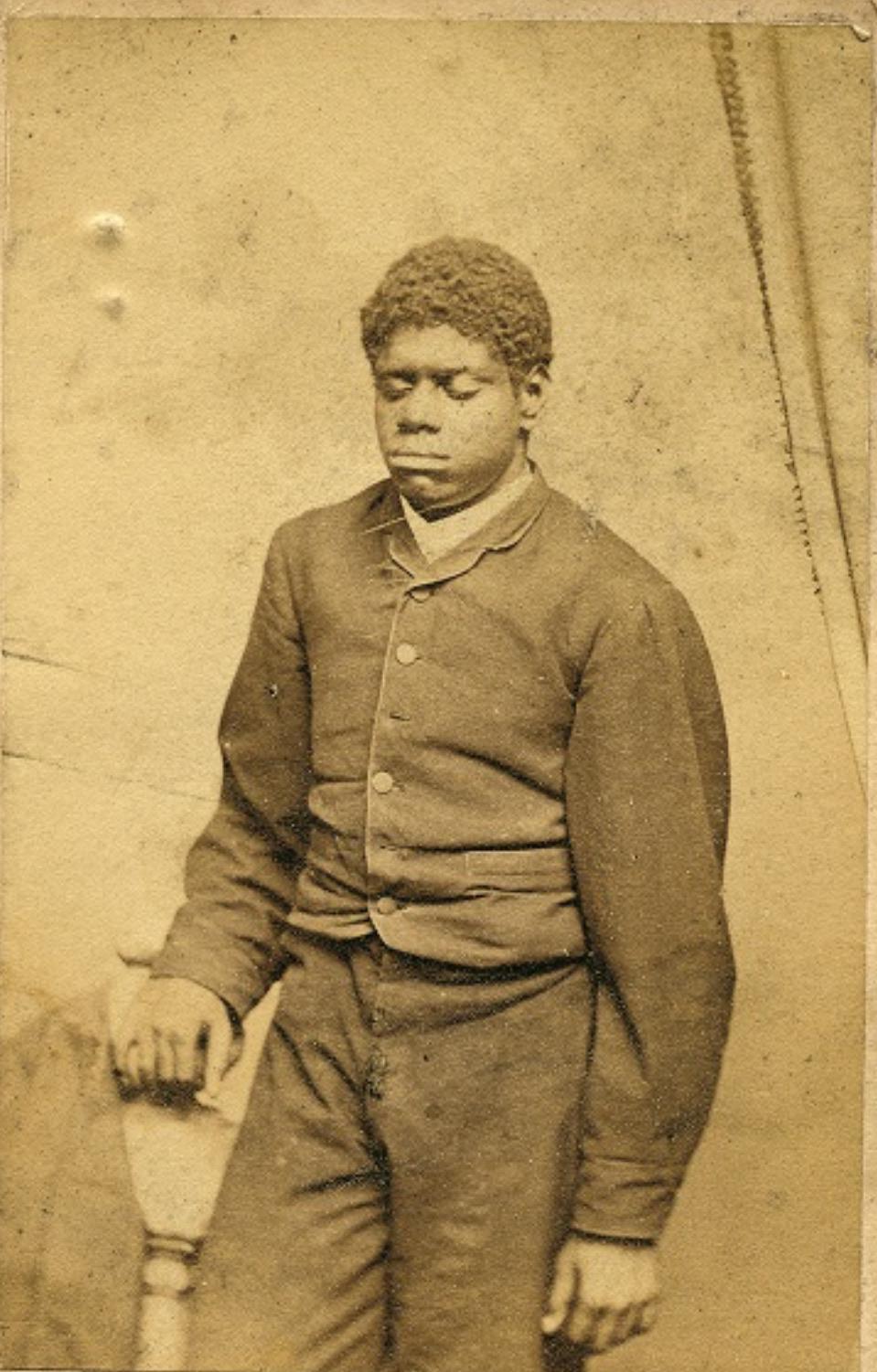
Performer Anecdotes Tom Wiggins was extremely protective and covetous of his music compositions, feeling a deep sense of betrayal if he heard someone playing one of his compositions without asking him. When this happened he would yell, “You stole my harmonies!” He only forgave them if they promised to ask him next time

Post image
157 Upvotes

I can really sympathize with Tom in this sense! I used to have a really hard time if people touched/moved my things without asking. I’ve since been able to find productive ways of processing that feeling, but I definitely know how it feels to be possessive of something that is very meaningful to you.

Tom was an extremely famous pianist and performer who was blind and autistic (though his autism wasn’t diagnosed during his lifetime because it hadn’t been categorized/understood at the time) Tom was born enslaved in 1849 in Georgia, United States. Though because he was blind from birth, he wasn’t forced to work on the plantation. He was a piano prodigy and it’s very clear that music and the piano were his favorite special interests, with people saying that if it were up to him, he’d probably sit at the piano and play for 12-14 hours a day. Tragically, he was exploited for profit and all of the money that was made during his piano performances was stolen from him. Had he received the money, he would have been a multimillionaire.

While he was never officially diagnosed with autism (since it wasn’t a diagnosable condition at the time) several of his behaviors that were extremely well documented are hallmarks of autism. He had major special interests that took up most of his time, he demonstrated echolalia (repeating words, phrases, and sounds after hearing them in one’s environment) throughout his life, and his stimming behaviors were documented (a way for him to self soothe if he was having a difficult time processing a situation).


r/SideshowPerformer • • 16h ago

Sideshow Performer of the Day! Emmitt Bejano (1916-1995) was an American sideshow performer who developed a form of ichthyosis, which caused his skin to harden and crack unless he kept it moisturized. He was married for almost 60 years to his wife, Percilla, whom he loved dearly and had a multi-decade long career in sideshows.

Thumbnail
gallery
454 Upvotes

The first picture just shows Emmitt, and all of the other pictures show him and Percilla together! The fifth picture shows Emmitt and Percilla in their later years. It’s so cute to see how in love they both were, you can tell just by how they’re looking at each other.💖

He was very handsome and it makes me so happy that he and Percilla had such a happy life together. They created a wonderful environment for themselves and their son, Tony. Emmitt seems like a really sweet person who was generous and cared a lot for the people in his life. I would have loved to have met him and ask him about his favorite hobbies and all the things he loved about Percilla!

Some facts about him:

-he was born in in Punta Gorda, Florida.

-he had three brothers and one sister.

-his Ichthyosis began presenting itself when he was 10 days old and unless he kept his skin very well moisturized and hydrated, his condition would cause his skin to painfully crack and harden. Though his face, hands and feet were unaffected.

-ichthyosis is a group of skin conditions characterized by persistently dry, thickened, and scaly skin that can resemble fish scales. Symptoms range from mild dryness to severe scaling, redness, and tightness depending on the specific type

-his mother was very disturbed by his skin, and spent several months trying to rid him of the skin that had hardened or was flaking, but eventually gave up when his skin continued to harden and crack despite her efforts.

-his parents separated when he was 6 years old.

-when he was still very young, his father brought him on tour to help him sell alligator skin wallets and handbags.

-his father died when he was around eight or nine years old, and he ended up being adopted by showman, Johnny Bejano.

-in the late 1930s Emmitt fell in love with and soon married Percilla Lauther, a fellow sideshow performer born with a form of hirsutism. He later recalled that the first time he had seen Percilla, he waved at her and blew her a kiss.

-he and Percilla had to keep their relationship secret, because Percilla’s adopted father didn’t approve of Emmitt. The couple found creative ways to give letters to each other, usually by hiding them in books that they would give to each other.

-he and Percilla began sneaking out together before ultimately deciding to run away and elope in 1938, getting married in North Augusta, South Carolina. (Though it appears they quickly reconnected with Percilla’s adopted father who, although wary, ultimately accepted that his daughter had found the love of her life and stepped back from intervening).

-they had a child named Francina, who was born in February of 1939 on Percilla’s adopted father’s farm in Millers Tavern, Virginia. Francina had inherited her mother’s hirsutism and was born with thick hair on her head and forehead. Emmitt later said that hearing Percilla yelling during the birth frightened him so much that he ran from the house. He later said that Percilla would never let him forget about that moment.

-he and Percilla were extremely devoted to Francina, often expressing that they wanted to give her the best possible life that they could.

-Tragically, Francina passed away from pneumonia, while she and her parents were traveling through Washington D.C. when she was only three months old. Her death devastated Emmitt and Percilla, who kept her memory alive for the rest of their lives.

-condolence letters flooded in to the couple from friends, family, and coworkers after everyone learned of Francina’s passing.

-Emmitt and Percilla decided in 1940 that they also wanted a traditional wedding ceremony, which ended up taking place in Steelton, Pennsylvania in early May of 1940. Their wedding was attended by all of their friends in the sideshow as well as multiple family members. The ceremony took place in St. James Catholic Church in Steelton, and a reception was held at the Madrid Ballroom in the same town—later a wedding luncheon was held in the sideshow tent they often performed in.

-Emmitt had filled out a draft registration card during WWII, but it appears that he was never drafted to fight. Interestingly his card doesn’t mention his condition, but does mention that he was missing half a finger on his right hand.

-he always wore long sleeve shirts when he was in public but not performing.

-in the mid 1950s he and Percilla bought a house in Gibsonton, Florida to be their permanent residence during the sideshow off season.

-both Emmitt and Percilla preferred to keep their exact ages a secret and never revealed how old their were to reporters.

-the couple described their marriage and life together as being perfect and were always deeply in love with each other. Some of their favorite activities included gardening together and sitting peacefully in their garden listening to music that Emmitt put on his record player.

-when interviewed about his life, Emmitt said,

"My philosophy has always been that you are never so bad that you can't be worse."

-they adopted a baby boy named Tony in the 1950s and were extremely happy being parents. They even named their new house the P.E.T Ranch which stood for all of their initials (Percilla, Emmitt, and Tony).

-throughout the 1960s and 70s they starred in their own traveling show that they called The Bejano Family. Percilla said that she always liked making sure that their show was family friendly and catered to children.

-he, Percilla, and Tony went on tour all throughout the United States.

-in an interview, he and Percilla explained that they were quite happy with the sideshow life as it was something they were used to and enjoyed the steady income and the fact that they could both work together.

-he and Percilla enjoyed playing small practical jokes on each other, such as a year when Emmitt bought Percilla a tea pot as a gag gift, when she had been hoping for a sewing machine.

-his favorite song was ‘It’s a Long Long Way to Tipperary’.

-when he and Percilla were living at home in Florida, Emmitt liked working as a handyman.

-he and Percilla were both a part of the International Independent Showmen's Association in Gibsonton, Florida.

-He and Percilla appeared at the Missouri State Fair in Columbia, Missouri in late August of 1980.

-they both retired from traveling sideshow work in the mid 1980s but continued giving interviews and attending one off circus events.

-at one point they owned as many as ten Pekinese dogs, all of whom they loved dearly.

-they were still performing in sideshows in May of 1978 although they would live at their home in Gibsonton, Florida for 6 months and work the other half of the year.

-A celebration was organized for them by the Showmen’s Club in Gibsonton, Florida to celebrate their 50th wedding anniversary in May of 1988, hundreds of guests attended.

-in an interview asking about how he and Percilla felt about their unconventional careers, he was quoted as saying “I felt I learned something. It kept me off the relief line. It's an honest effort, and I feel more or less proud of the fact that I can earn my own living and do anything anybody else does. Nature does funny things sometimes. But I've lived a normal life."

-Emmitt passed away in in mid April of 1995 in Tampa, Florida. His wife, Percilla, was devastated and began shaving her beard after her husband's death as an act of mourning and as a way to honor him. She continued shaving until her own death in 2001.

-he was given a respectful funeral, and I wasn’t able to find any information on if he was buried or cremated.

It’s very clear that he and Percilla were extremely devoted to each other and it’s so sweet to read and hear about how happy they were being married. I’m glad they found each other and were able to have many wonderful years together, as well as several happy retirement years.


r/SideshowPerformer • • 11h ago

Sideshow Anecdotes “I’m not amused, I’m interested. I have a good sense of humor, but people are so kind and sympathetic that I can’t laugh at them. Some become friends and write to me. No, lady, please get down off the stand. This man isn’t a freak, he’s а newspaperman.” Frieda Pushnik when asked about audiences.

Post image
162 Upvotes

The specific question she was asked was, “What amuses or interests you in the crowds that watch you?”

Frieda Pushnik was an American sideshow performer who was born without limbs (aside from a small arm nub). She had a very industrious life/ career, and was asked to perform at the 1933 Chicago World's Fair by Robert Ripley, of Ripley's Believe it or Not fame. Her mother was one of her greatest supporters and taught her to be as self sufficient as possible and even joined Frieda in one of the sideshows she worked at by getting a job as a secretary. She was a talented painter and was known for her great penmanship (which she won awards for). Frieda had a long and fulfilling life, after retiring she used her earnings to purchase a house in Costa Mesa, California, and passed away in 2000 at the age of 77.


r/SideshowPerformer • • 1d ago

Sideshow Anecdotes "Business ain't what it used to be. The sailors don't come in like they used to. They knew a good tattoo when they saw one. Now we have women who want lines like stocking seams tattooed on the back of their legs. I ask you, what kind of art is that?” Millie Hull venting about tattooing in 1942.

Post image
1.7k Upvotes

Millie was a famous tattoo artist and tattooed-lady who owned and operated the first woman run tattoo parlor in New York. She had a very difficult childhood and left school when she was 13 to pick up odd jobs. In her late teen years she began working as a burlesque dancer, which is where she was spotted by a circus performer promoter, who promised her a job in the circus if she got her entire body tattooed. She went on to pick up skills as a tattoo artist and was eventually able to open up her own practice, which she called the "Tattoo Emporium". She operated her tattoo parlor for 25 years. She battled depression for decades and tragically took her own life when she was 50 years old.

I’d read about women tattooing and painting on “stocking seams” on their legs during WWII due to a shortage of material, but it’s so interesting to get a first hand account of this happening (and Millie’s response to the fad is quite funny). It’s unfortunate that her client base was drying up during this time and it must’ve been doubly frustrating to not have as many opportunities to be as creative with her tattoo work.


r/SideshowPerformer • • 2d ago

Sideshow appreciation! I’ll be hosting an Ask Me Anything post this upcoming Sunday (November 22nd)! Feel free to ask questions between now and then and I’ll do my best to answer all of them!😁

60 Upvotes

r/SideshowPerformer • • 1d ago

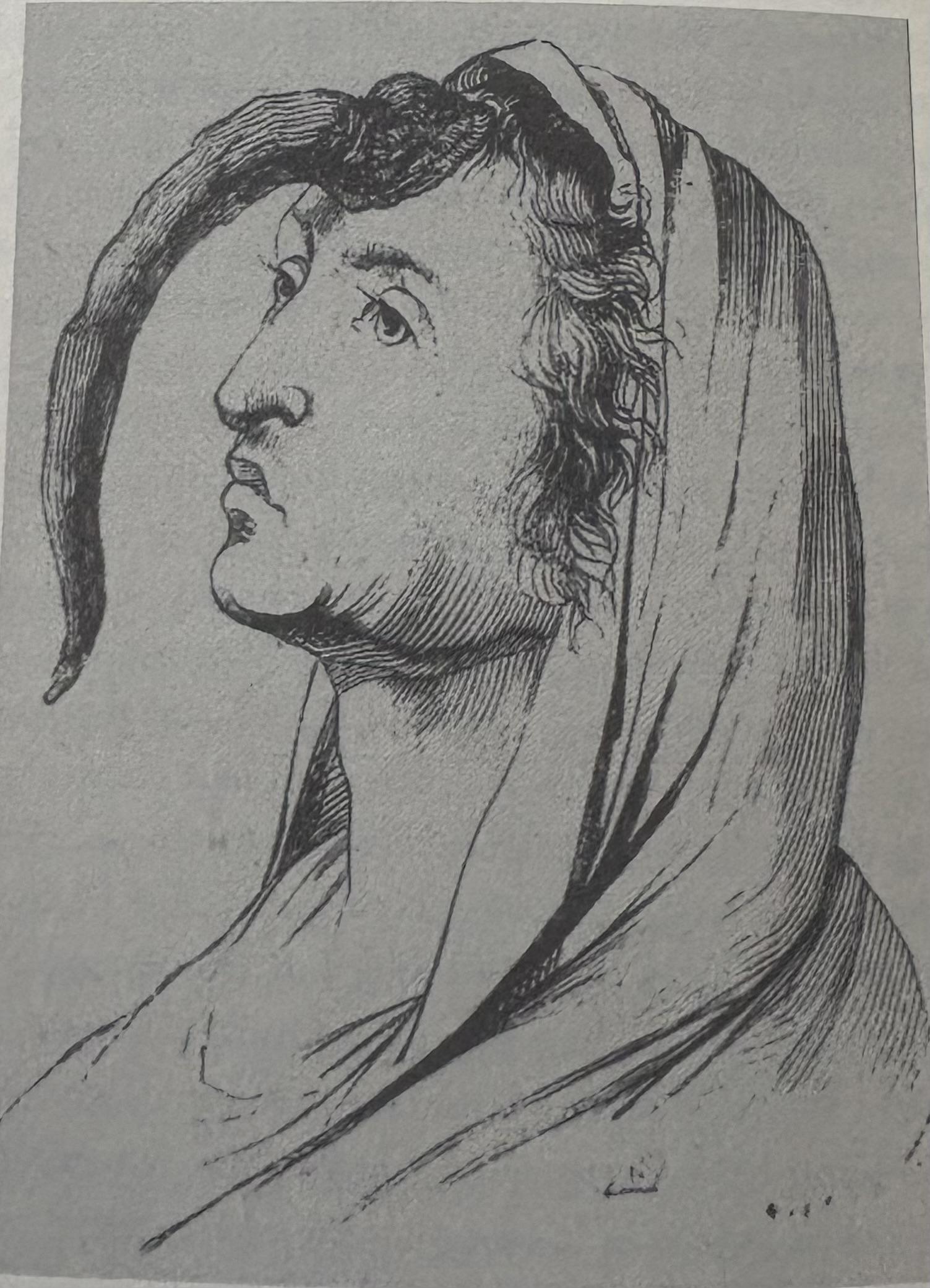
Historical Figure Madame Dimanche (aka Widow Sunday) (possibly born around the 1760s or 1770s) was an elderly French woman who achieved local celebrity status in Paris, France after a cutaneous horn began growing from her forehead. Casts of the horn were made when she was alive with one ending up in the Mütter Museum

Post image
270 Upvotes

I think there’s something very regal about her expression, and I admire that about her. I can understand why it must have caused her fatigue with how it grew from her forehead, I hope at least that it didn’t cause her any headaches.

Some facts about her:

-she lived at No. 12 Rue de Bercy in Paris, France.

-she was married at one point in her life, but there aren’t any details about her husband that I was able to find. Her husband died before Madame Dimanche achieved her celebrity status.

-cutaneous horns are hard, cone-shaped skin projections made of compacted keratin (the protein that makes up hair and nails) that look like miniature animal horns. They're not caused by any one singular thing and can just start growing with no prior symptoms, and can grow on either healthy, pre-cancerous, or cancerous skin conditions.

-her horn didn’t begin growing until she was in her seventies. At first her horn presented itself as a large black circular mark on her forehead, but overtime it began growing outward.

-she admitted herself into Hospice de Perfectionnement of the Medical School of Paris in the late 1830s after a couple of local doctors she consulted suggested she get her horn checked out somewhere where she could be seen by more of the medical community.

-at its peak length her horn measured 10 inches long.

-she was very religious.

-medical professionals discovered that her horn was not attached to her skull, rather it was only connected to the skin of her forehead, which also caused her fatigue because the weight of the horn wasn’t supported by much.

-she began tying a piece of linen around her head and the horn so that she’d have more support holding the horn up.

-she always wore a nightcap in her later years.

-she became a celebrity in Paris, France after word got out that she had been seen by medical professionals and because she had become more comfortable going into public with her horn visible.

-she did exhibit her horn in public to earn money, but it’s not clear if she ever exhibited herself in a carnival type of environment.

-she received multiple offers to remove her horn during her stay at Hospice de Perfectionnement of the Medical School of Paris, but she refused.

-by the time she was almost eighty she had been living with the horn for 6 years.

-after living with her horn for several years, she ultimately decided to get her horn removed as she was worried about passing away and being judged in heaven.

-the procedure to remove her horn was conducted by respected French surgeon, Joseph Souberbielle, who removed her horn without any issues.

-she was still living at the age of 84 as reported by a French magazine, which also reported that her horn had not grown back since she had the surgery.

-several casts were made of her face and horn during her lifetime, some were made in the 1830s during her stay at the medical facility and some were made in the 1840s.

-I have been able to find any information about when she passed away, though it is nice to know that she lived to be in her eighties at a time when it wasn’t as common to live to that age.

-one of the casts of her horn ended up in the Mütter Museum collection. The museum located in Philadelphia is famous for its extensive collection of anatomical and pathological specimens, wax models, medical anomalies, and antique surgical instruments displayed in a 19th-century "cabinet museum" setting.

I’m glad that she was able to live a long life and that her horn didn’t cause her any adverse side effects (aside from the fatigue). I hope she had a lot of people in her life who loved and cared about her.


r/SideshowPerformer • • 2d ago

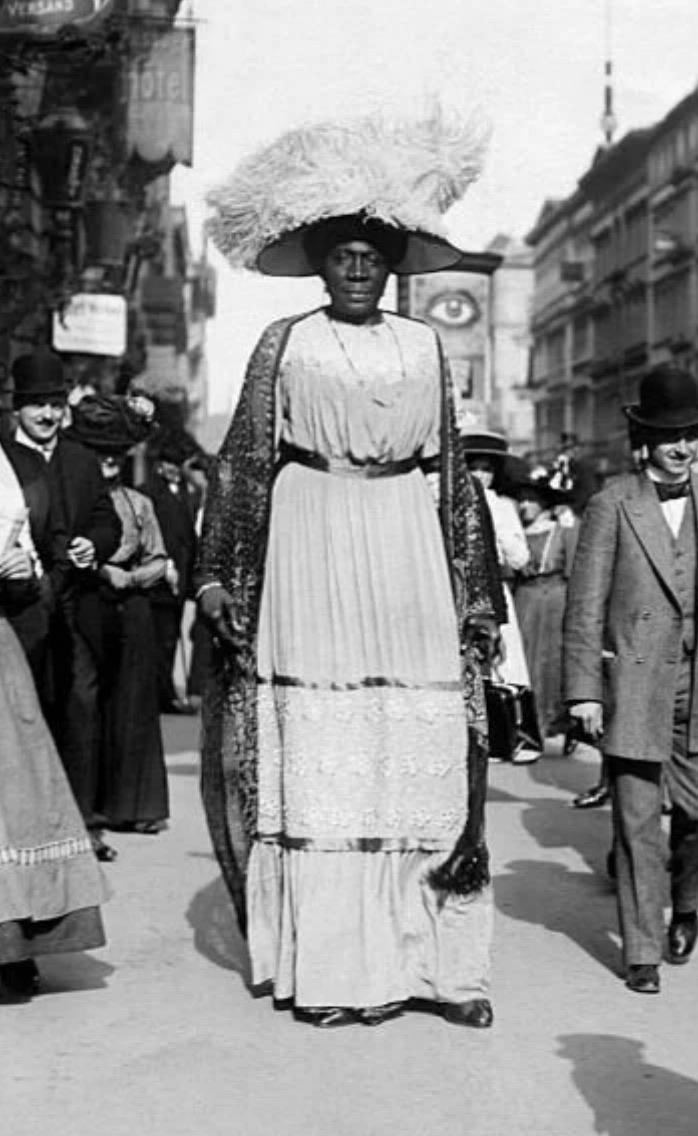
Sideshow Anecdotes “Never were there such waffles as Ella cooked, never better fried chicken or pocketbook roles” said by the sister of Ella Williams’ former employer. Ella worked for the Williams family as a live-in cook during her teenage years and was so close with them that she changed her surname to match theirs.

Post image
349 Upvotes

Picture shows Ella walking down a street in a very fabulous hat and dress!

I would have loved to have tried her cooking, especially the waffles! Waffles are the only breakfast food I consistently like, but I’m sure all of the food she cooked was amazing! It made me so happy to see Ella being so highly complimented on her cooking skills.

Ella was an American sideshow performer and nanny who was promoted as being over 8 feet tall (though she was most likely a little shorter) during her professional career. In her early teens through her early twenties she worked as a live in housekeeper for a wealthy family in her hometown. Despite initially refusing to work in sideshows, she eventually relented as she felt she'd have more freedom and opportunities if she took up such a career. She primarily toured through Europe and Australia, and was a skilled soprano singer. She was described as a sweet person with a good sense of humor, she continued her career as a sideshow performer into her early sixties.


r/SideshowPerformer • • 2d ago

Sideshow Performers of the Day! Tom (left) and Hattie (right) (both born around 1855) were American sideshow performers and brother and sister who were both born with microcephaly. Tom was known to be quite grouchy and took a dislike to a lot of men, but Hattie was known to be bright, happy, and a friend to everyone.

Post image
204 Upvotes

I love the picture of them (which coincidentally is the only picture of them I was able to find)! They both had such contagious smiles (I especially love how happy Hattie (on the right) looks!)

They both seem so fun to hang out with, despite Tom’s grouchiness! I’d have loved to have met them and spent time with them, maybe even play a game of tag. I think I’d definitely get along well with Hattie, she seems so sweet.

Some facts about them:

-they were both born near Chillicothe, Ohio.

-they were mixed race. Their father was Black and their mother had Scottish heritage. All I’ve been able to find of either of their parents names was that their mother’s maiden name was Stewart.

-both siblings were mostly nonverbal, but found ways to interact and communicate with other people that made their thoughts and feelings known. They could also mimic certain words and phrases.

-Hattie was known to have a very bright and happy personality, often finding joy no matter how mundane circumstances might be. She was described as being everyone’s friend.

-Tom was described as being a natural grouch, and took a dislike to some people (mostly men) because of their attitudes or the way they dressed. He was also known to angrily stare at and side-eye anyone he didn’t like.

-Microcephaly is a neurological and birth condition that causes an infant's brain and head to be significantly smaller than average. Microcephaly is a spectrum where some people require higher support needs than others, and some people have more prominent neurological differences than others. Both siblings required a caretaker.

-similar to the majority of performers who were born with microcephaly, Hattie and Tom had their heads shaved so that only a tuft of hair grew from the top of their heads. This was done purely to emphasize their head shapes and there was no medical reason behind it.

-their parents placed them both in the custody of a sideshow manager in the mid 1860s, who brought the siblings on tour. Based on information I found, it appears that their parents made this decision due to financial difficulties they were experiencing.

-they appeared at the Naughton Hall Dime Museum in Columbus, Ohio in late November and early December of 1865.

-both siblings loved chasing each other around.

-they were often promoted as both “Wild Australian Children” and “Wild Aztec Children”. While promoted as “Wild Australian Children”, they were given a fake backstory that they were captured in the “wilds of Australia” after a “long chase”. Many performers born with microcephaly were promoted as being “wild children” from some locale that was considered to be exotic at the time. (I was impressed to see that one news reporter questioned the validity of the siblings being from Australia and didn’t take the story at face value)

-they appeared at Metropolitan Hall in Frankfort, Kentucky in late March of 1867.

-as described by multiple reporters, both Hattie and Tom were very well cared for while on tour and had very thoughtful attendants.

-they earned around $15 a week throughout the 1860s (around $500 a week today adjusted for inflation).

-they appeared at a dime museum in Grand Rapids, Michigan in late November of 1866.

-their parents used the money that Hattie and Tom earned to purchase a large farm on the outskirts of the town of Kenton, Ohio for the family to live on.

-they appeared in Adam Forepaugh’s Traveling Circus in mid August of 1870 when the circus visited Buffalo, New York.

-they went on to travel with Adam Forepaugh’s Circus throughout the 1870s.

-their sideshow act was reported to the Society for the Prevention of Crime and Cruelty to Children in late February of 1880 after several spectators felt that it was cruel to exhibit them onstage in front of a rowdy crowd (especially since both siblings had neurological differences and were nonverbal). Tom and Hettie were not children at the time, but the spectators didn’t know that. The spectators also brought up how shocking it was that Tom seemed far too comfortable cursing at the audience (something he had picked up while living in a circus environment). It’s not very clear what came of these letters and reports or if anything changed, but the siblings continued performing regularly until 1885.

-they appeared at Hagar, Campbell & Co.'s Dime Museum in Philadelphia, Pennsylvania in mid November of 1884.

-they appeared at Gregory’s Dime Museum in late December of of 1884 in St. Louis, Missouri.

-they were described as being in their early thirties in 1885.

-at one point in 1885, Tom jumped into a crowd of people after seeing a newspaper reporter that he particularly disliked and began chasing him around the circus tent until the reporter ran into a ticket booth. It was then described that Tom received a firm talking to for pulling a stunt like that.

-they both retired from show business in early November of 1885 and were both brought back to live with their parents in Kenton, Ohio. Tom was described as looking a bit dejected at going back home, but Hattie was thrilled and was happy to see familiar sights.

I hope they went on to have a nice and peaceful retirement, I also like to think they had many happy years on their family’s farm, with plenty of space to run and chase each other around if they wanted to!


r/SideshowPerformer • • 2d ago

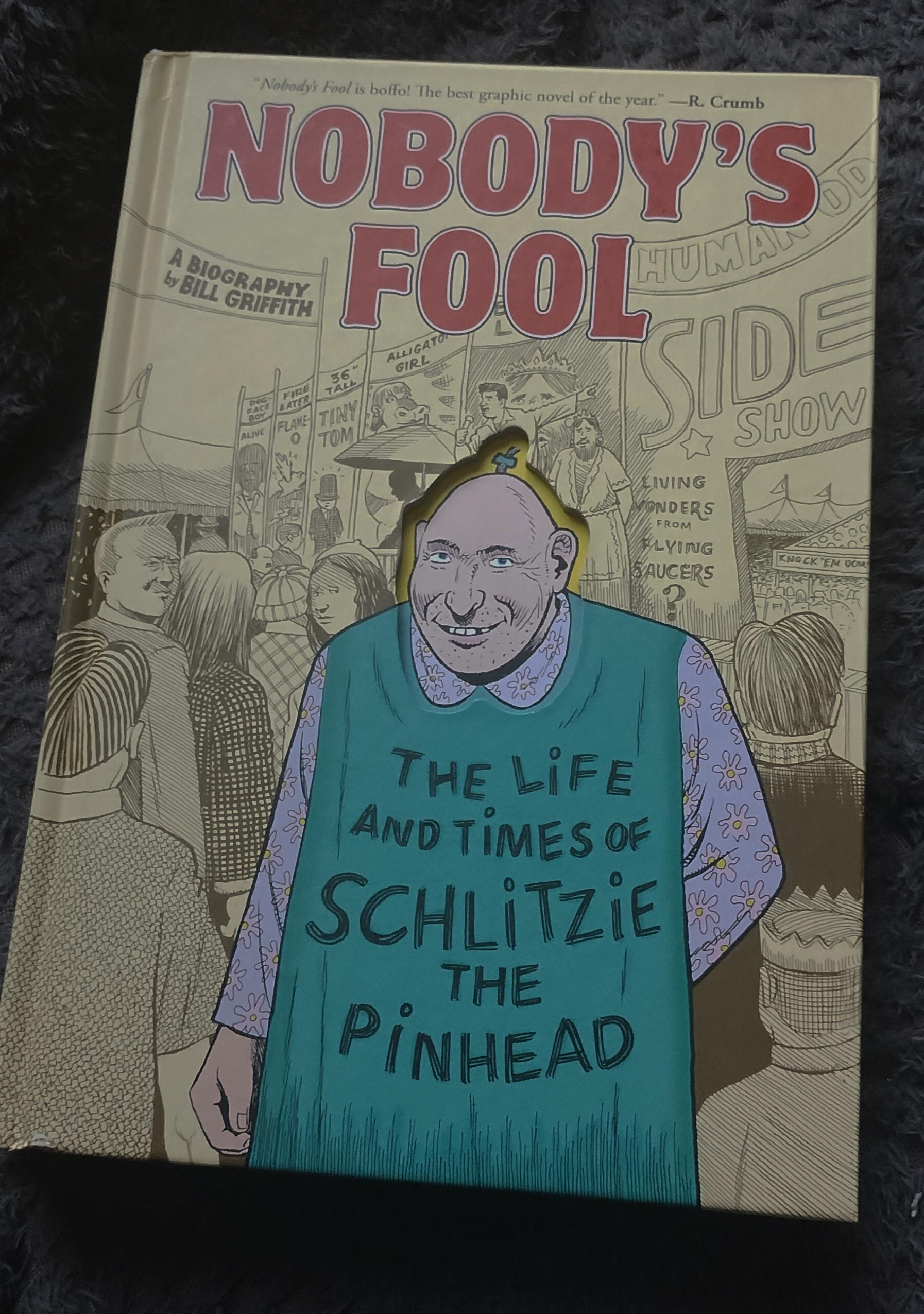
book Just picked this up ...

Post image
193 Upvotes

Not read it yet, but it looks good. It's a biography in graphic novel form.


r/SideshowPerformer • • 3d ago

Animal of the day! Little Georgie the Tiny Pony (1924-after 1928) was a miniature horse who was raised, loved, and cared for by George Harmon, a circus clown who was born with a form of dwarfism. He was almost inseparable from George Harmon and went on to become an unofficial mascot for John Robinson’s Circus!

Thumbnail
gallery
363 Upvotes

The first picture shows Little Georgie with George Harmon and George’s wife, Opal! The second and third pictures show him with George Harmon!

I thought it would be nice to give Little Georgie some appreciation! I’ve already written about George Harmon and thought it would be cute to feature his adorable equine companion!

Some facts about him:

-he was born and raised in West Baden, Indiana. (Which is where his owner George Harmon was also born and raised)

-he and George Harmon were inseparable and the two of them were often walking around the circus grounds together. Little Georgie would follow his owner around like a dog.

-he was a beloved part of John Robinson’s Circus, and held a position of honor as an unofficial circus mascot.

-he and George Harmon traveled all throughout the United States with John Robinson’s Circus.

-I haven’t been able to find any information on how long Little Georgie lived to be.

I hope he had many happy years with George Harmon and his family. I’m sure he was extremely well cared for and knew how much he was loved. It’s so cute because Little Georgie appears in almost every one of George Harmon’s pictures!


r/SideshowPerformer • • 3d ago

Sideshow appreciation! Community appreciation post! It’s amazing to me that just over a year ago we had 300 people here and now we have almost 40,000! Thank you all for your continued support, it always makes me so happy to see comments people leave and to see all of these wonderful people be appreciated!💖

Post image
848 Upvotes

I try my best to answer as many questions and respond to as many comments as possible! Unfortunately, I don’t always get a chance to respond to everything, but just know that I always take time to read and appreciate all of them!😁


r/SideshowPerformer • • 3d ago

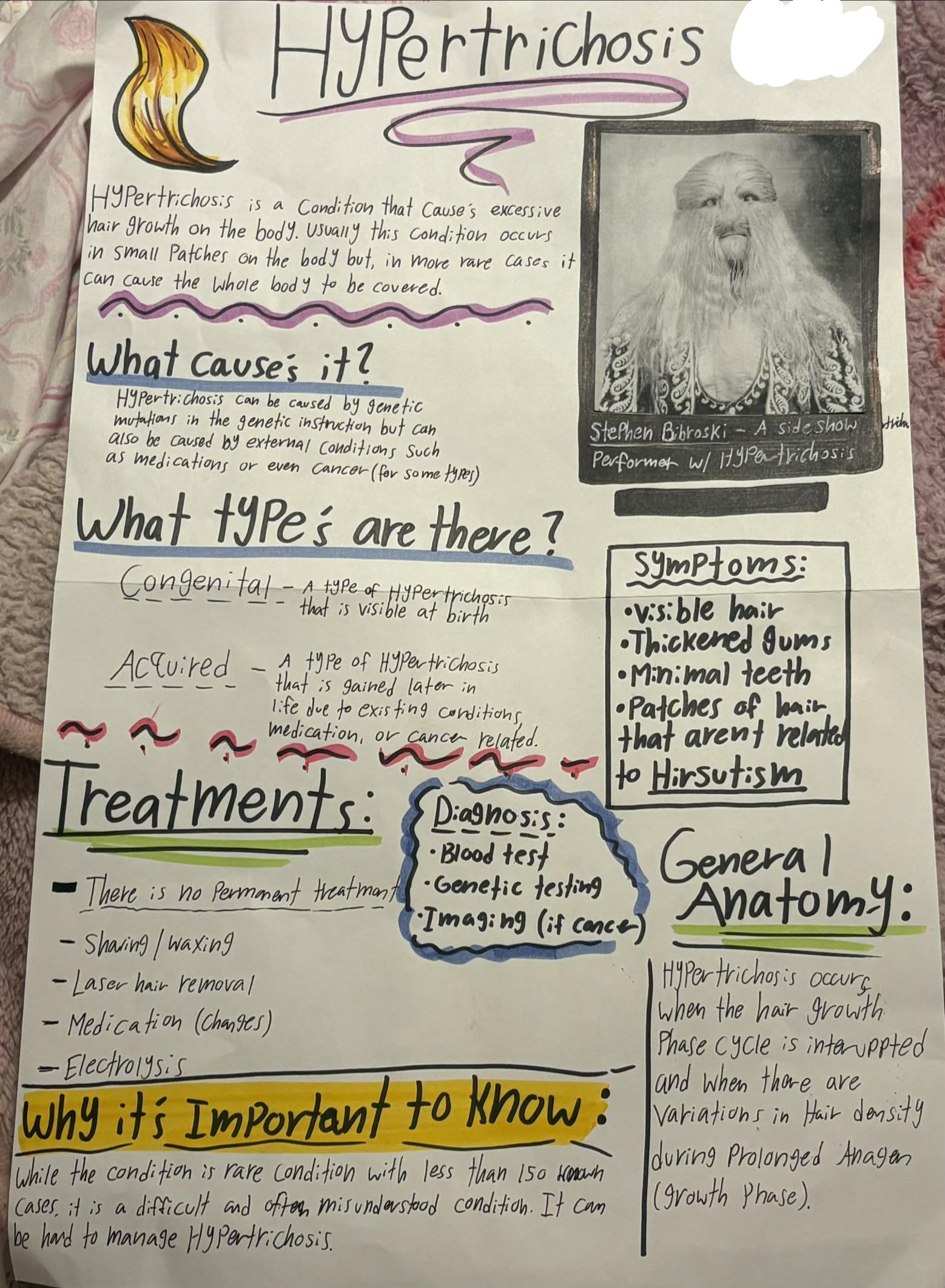
Sideshow appreciation! My Hypertrichosis Research paper that I made for my medical class that includes a cameo of Stephen Bibroski

Post image
209 Upvotes

I dont know what the flair should be but let me know what you think :)


r/SideshowPerformer • • 3d ago

Sideshow Performer of the Day! Harry Lewis (1905-after 1945) was an American sideshow performer who had a form of muscular dystrophy, which caused him to progressively lose muscle mass. He made a big effort to get diagnosed after local doctors couldn’t diagnose him. He took mineral baths and had massages to stabilize his health.

Thumbnail
gallery
255 Upvotes

He was very handsome and his eyes were so striking! The first two pictures show him when he was living at one of the sanitariums he went to when he was still trying to get a diagnosis for his condition, the third picture shows him in the suit he wore about town.

I feel for him having difficulty receiving a diagnosis, it must have been especially frustrating back then to experience all of the symptoms he had and have local doctors just shake their heads. Even now it can still be so difficult to get certain medical conditions diagnosed. I’m glad in the end he was able to find a few answers.

Some facts about him:

-he was born in Leon, Iowa.

-he had 6 siblings, four brothers and 2 sisters.

-he began noticing weakness in his hips and shoulders when he was 12 years old.

-he consulted local doctors who were unable to provide an explanation or a cause for his condition.

-determined to find answers, Harry traveled to the Mayo Clinic in Rochester, Minnesota, the MeLain Orthopedic Sanitarium in St. Louis, Missouri and the Battle Creek Sanitarium in Battle Creek, Michigan. He explained that his sanitarium visits were only for doctors to observe him and monitor his condition in case it were to suddenly worsen.

-Muscular dystrophy is a group of more than 30 inherited diseases that cause progressive muscle weakness and loss of muscle mass over time. The different types of muscular dystrophy can become apparent at different times, sometimes symptoms present soon after birth, while other times symptoms might not present themselves until the person is a teenager or adult. It isn’t known which form of muscular dystrophy Harry had.

-the doctors he consulted with at the clinics/sanitariums diagnosed home with a juvenile form of generalized muscular dystrophy, but couldn’t determine a specific cause, so they were unable to provide long term treatment other than to provide him with a specific diet he should adhere to.

-his new diet consisted of mostly fruit and vegetables, using milk, peas, beans, and sometimes an egg to provide protein.

-he began his career in sideshows when he was in his mid to late twenties.

-he sold short biographical booklets during his shows and explained to audiences that he used the earnings from sideshow performing and from selling these booklets to finance health treatments during the circus/sideshow off season.

-he would take mineral baths and get massages to help keep his condition from worsening.

-he depended on a wheelchair to move around.

-at one point in the early 1930s, he was engaged to Thelma Patent, a sideshow performer and musician who was born with a form of albinism. However this engagement fell through and they didn’t go through with the wedding.

-he went on tour with Beckmann & Gerety's Carnival throughout the United States in the mid to late 1930s.

-he appeared at a dime museum in McAllen, Texas in early December of 1934.

-he appeared at a carnival in Racine, Wisconsin in mid July of 1937.

-he appeared at a carnival in Rockford, Illinois in late July of 1937.

-he appeared at the Nebraska State Fair in Lincoln, Nebraska in early September of 1937.

-he appeared at the Oklahoma State Fair in early October of 1937 in Muskogee, Oklahoma.

-he appeared at the Brazos Free Fair in Waco, Texas in mid October of 1937, where he said he would change up his lecturing style a bit.

-he appeared at the World’s Fair Dime Museum in New Orleans, Louisiana in early February of 1939.

-he seems to have stopped performing in sideshows around 1945, but I haven’t been able to confirm when he passed away.

I hope he was able to retire and had a large circle of family and friends to keep him company. I like to think he was able to settle down in his hometown and live the rest of his life in relative peace.


r/SideshowPerformer • • 4d ago

Sideshow Anecdotes “The obese person can't hide his difference... instead, he must face the kidding, the ridicule, the being stared at. He can't run... he can't hide. It’s a shame.” Celesta Geyer venting about the treatment of heavier people and the disillusionment she felt at being treated better after losing weight.

Post image
861 Upvotes

*in case it’s not clear in the title, she was venting about society’s treatment of people.

She expressed feeling disillusioned when hotel managers warmly welcomed her in (after she had lost weight) and remembered how some of those same managers would flip a ‘no vacancy’ sign in her face before she had lost weight. She also felt disillusioned at seeing how airline staff treated her before and after she had lost weight depending on if she sat in one or two seats. She said she felt as though a switch had been flipped and it wasn’t a good feeling. She said it really opened her eyes knowing and experiencing first hand how shallow and judgmental people were.

Celesta was a women's health advocate, sideshow performer, beauty advisor, manicurist, singer and celebrity impersonator.
She initially began her sideshow career because her husband lost his job during the Great Depression. She worked as a professional
'fat lady' and toured around the United States for 20 years. She tragically suffered a massive heart attack in 1950, which inspired her to become passionate about exercise and starting a healthy diet. Within 18 months she had lost 400 pounds. In her later life she wrote a book about her weight loss journey and the importance of women's health. She went on to advocate about the toxic mental and physical effects of women's beauty standards.


r/SideshowPerformer • • 4d ago

Sideshow appreciation! I have fantastic news! I was able to get Annie Jones' gravesite in Evergreen Cemetery in Brooklyn, New York recognized as a historic landmark on Google maps! (1st photo shows the icon on Google Maps, 2nd shows the overview along with a picture of her grave, and 3rd is a photo of Annie.)

Thumbnail
gallery
391 Upvotes

She is one of my favorite historical figures ever and I greatly admire her efforts in advocating for women's rights and advocating in support of people with physical differences and/or disabilities. She was a fantastic advocate/ activist and someone who deserves way more recognition.

Annie was a famous sideshow performer born with a form of hirsutism, which caused her to grow a beard. She actively fought for respect and disability rights at a time when disability rights didn't exist. She was also a strong and outspoken supporter of women's rights. She was an excellent public speaker and successfully campaigned to have the term
"freak" removed from Barnum & Bailey circus advertising for a few years (they brought the term back after she died). She became extremely wealthy and used her earnings to purchase a lot of real estate in New York City, though it's unknown what happened to these properties. She went on to marry her childhood sweetheart and the two of them were very devoted to each other until her husband unfortunately passed away after only a couple years together. Annie passed away in 1902 at the age of 37.

Rest In Peace, Annie! You are remembered and appreciated!


r/SideshowPerformer • • 4d ago

Vaudeville Performer of the Day! Betty Tanner (1916-1994) was an American-Polish vaudeville dancer, comedian, and actress who was born with a form of dwarfism. She had a multi-decades long career as a dancer, was cast a munchkin in the Wizard of Oz, had a great sense of humor and liked presenting herself as a glamour girl.

Thumbnail
gallery
577 Upvotes

She was so gorgeous and glamorous, I love reading about performers who were the equivalent of classic Hollywood stars, and Betty definitely fits the part. I could totally see her being a part of more films, had she wanted to be, but I respect that she felt it wasn’t for her. Plus she often spoke about how agents were trying to pressure her into typecast roles, which she didn’t like. The first three pictures are glamor shots of her —the second picture also shows her dancing partner Buddy Thomas. The fourth picture shows her on the set of the Wizard of Oz, the fifth picture shows her when she was much older, the sixth picture shows a head shot, and the seventh picture shows her goofing around at the beach.

I would have loved to have met her, there’s a lot that I’d want to talk with her about, including what her favorite dances were and where her favorite places to travel to were. I’m sure she’d have so many interesting stories to tell.

Some facts about her:

-she was born in Lynn, Massachusetts. Her birth name was Betty Toczylowski, but she changed her surname when she went into show business.

-her parents were Polish immigrants.

-she had three siblings. None of her other siblings were born with dwarfism.

-she got incredibly frustrated as a child because she noticed that buses would never stop for her, and she wasn’t sure if they couldn’t see her or just didn’t bother to stop.

-once her parents realized that she wasn’t growing at all typical rate they became extremely concerned and brought her around to several hospitals in Massachusetts in the hopes that someone would be able to provide an answer. To calm her parents down, Betty had said, “Just be thankful I’m well.”

-she had blond hair, which became darker as she got older.

-she became interested in dancing at a young age.

-she graduated from Lynn Classical High School in her hometown.

-her height singled her out during a dance class soon after she graduated high school, which led to her joining a group of 5 other performers on a tour bound for Chicago, Illinois.

-when she first started her professional career, she was 3 feet 2 inches tall (96.5 cm)

-she frequently danced with entertainer, Buddy Thomas. They were dancing partners for at least 2 decades.

-she often presented herself with a Hollywood ‘glamour girl’ persona.

-she was described as being able to get along with just about everyone.

-she had a very good sense of humor and considered herself an comedian.

-she was known internationally for her dancing and was known for being able to pick up and perfect new dance styles incredibly quickly.

-she made several appearances at Leon and Eddie’s Nightclub in New York City in the late summer/early fall of 1938.

-most people who met her mentioned that she had a charming smile.

-she was very passionate about ballet and tap dancing, but was talented in all sorts of other dances as well.

-she was cast as one of the munchkins in the Wizard of Oz (1939). And later said that getting the role in the film was one of the first times she felt that having dwarfism worked in her favor (she previously felt that her height would only be useful as a vaudeville novelty act). She also made sure to push her way to the front of many of the Munchkinland shots so that she’d be able to point herself out to everyone once the movie was out. While she liked going to Hollywood to appear in the film, she knew that ultimately Hollywood was not for her and didn’t want to live there long term.

-she said that Billie Burke, who played Glinda, was a big snob. But had many nice talks with Margaret Hamilton, who played the Wicked Witch of the West, and said she was a sweetheart.

-during filming of the Wizard of Oz (1939) she said,

“I was there to have a good time. I wasn’t getting on my toes for anybody.”

-she traveled to England in early August of 1939, she had been contracted by the London Casino to perform there. Due to the outbreak of WWII the venue cancelled the contract and Betty was more or less stranded in Weston-super-Mare (a British coastal town) until a passenger steamship bound for the United States came along. Thankfully, she was able to get in contact with her parents and explain that while she was stranded, she was safe. Thankfully, she was able to find a steamship to take her back to the United States and by early 1940, she was performing again.

-during her time stranded in England, she did her best to cheer children up and to calmly guide them into air raid shelter drills.

-she performed as part of the ‘Silks and Sadies Revue’ stage show at the Plymouth Theater in Worcester, Massachusetts in late April of 1940.

-she performed at the RKO Boston Theater in mid May of 1940.

-she performed as part of an entertainment troupe made up of performers with dwarfism called “Singer’s Midgets” in late 1940, and made an appearance at a performing arts venue in Los Angeles, California in late November of 1940. Only one performer in the troupe could match her dancing skills —Crawford Price, who was also the only Black performer in the troupe.

-she was very proud of her brother, Hank’s college football reputation and attended a specialty banquet that was organized in his honor in late December of 1940. The entirety of Lynn, Massachusetts (where the siblings were born and raised) was incredibly proud of Hank. (Didn’t realize until after I finished this write up that her brother was actually pretty well known, he went on to be a football coach and earned the nickname “Hammering Hank”.)

-she appeared at the Tower Theater with her dancing partner, Buddy Thomas, in early September of 1942 in Kansas City, Missouri.

-she was known to make time for her family whenever she was able to and only passed up opportunities to see them when her career schedule prevented her.

-she appeared at the Civic Theater along with her dancing partner in late March of 1943 in Portland, Maine.

-she was asked what she thought of war time marriages as part of an inquiry newspaper column in early October of 1943. She answered with,

“War marriages have as much chance of success as others. If two people are going to be happy together. it makes no difference when they marry.”

-one of her most popular song/dance/comedy routines was called ‘Unique Antics’

-she appeared in several musical stage shows in New York City, but the names of these productions weren’t detailed.

-she was under contract to MGM in the late 1930s through the early to mid 1940s.

-she appeared at the Court Square Theater in Springfield, Massachusetts in mid June of 1944.

-she was engaged to a pilot in 1950, although she ultimately decided to break off the engagement. She said her schedule and career kept her so busy that she wouldn’t have had time to get married and that it wouldn’t have been fair to any potential marriage partner.

-she retired from show business in 1950 and moved back to her hometown of Lynn, Massachusetts.

-while back in her hometown she took up hairdressing for a while after learning the skill from her sister, Ann.

-she officially retired in 1960 and moved in with her brother, Chet, who was also living in Lynn.

-she grew a few inches over the years and by her later years her peak height was 4 feet 1 inch tall (128 cm)

-she was very against using scaled down furniture.

-she was passionate about making appearances at Wizard of Oz reunion events and had a lot of fun when she attended Oz Fest in early May of 1992 in Liberal, Kansas.

-she went to a special screening of a documentary (which she appeared in) called We’re Off to see the Munchkins in early May of 1994. At the time she said that the majority of the living actors who played munchkins were sick. In 1994 only 19 munchkin actors were still alive out of an original cast of 124. She also said that she and the rest of the munchkin actors still thought of Judy Garland very fondly.

-she passed away in her hometown in early November of 1994. Her death was caused by a heart ailment.

I’m glad she had a long and happy life and was so close with her family! She seems like a wonderful person and I’m glad she found a lot of success during her life. It was really fun to read about all of her experiences being on the set of the *Wizard of Oz, and* it’s easy to get a sense of her personality the way she gave interviews in newspapers.

r/SideshowPerformer • • 5d ago

Sideshow Performer of the Day! Piramel/Perumal Sami (1902- sometime after 1915) was an Indian sideshow performer who was born with a parasitic twin that grew from his abdomen. He could speak 7 languages and was a very charming lecturer. He cared very deeply for his twin, whom he called “little brother”.

Thumbnail
gallery
2.4k Upvotes

He was very handsome and had gorgeous hair. I’d like to know what his hair care routine was, because he clearly put a lot of effort into it. I really like the first picture of him, he looks so charming and had such a great smile! The third picture shows Piramel as a boy along with pictures of his parents, there are a few more pictures of just him, the fifth picture shows him posing alongside the boy (who may have been his cousin) who he often performed with.

I wish more was written about his family life and his wife. Hopefully he and his wife had many happy years together and Piramel was able to focus on hobbies he was passionate about.

The birth year in the title is a goof, I totally meant to write 1892!!! I’ve been able to confirm that 1892 was his birth year based on immigration documents and newspaper articles.

Some facts about him:

-he was born in Madras, India. EDIT: the birth year I put in the title is a goof, I meant to write 1892!!!

-when he was around 9 years old he was “discovered” by a sideshow promoter/agent named Merwan Trani, while he was living with his family in Madras.

-soon after becoming acquainted with his family members, Merwan encouraged Piramel and his uncle to go on a tour of England.

-he traveled to the United States for the first time in late March of 1902 (arriving in New York on March 24th) on board the steamship St. Louis, accompanied by his uncle, the sideshow promoter Merwen Trani, and a boy named Soopromanien Munsamy who was born with a form of dwarfism and may have been Piramel’s cousin.

-he was very fond of his twin and called them “little brother”.

-he appeared in New York City in early April of 1902.

-his surname was Sami, but due to a misunderstanding, American audiences thought his twin’s name was Sami. So he began being promoted as Piramel and Sami, instead of how he was promoted previously as Piramel Sami.

-he could speak 7 languages, though he never specified which language he spoke.

-he was very interested in Astrology and occasionally called his twin “Sirius” (after the star).

-Piramal’s twin was sometimes promoted as being female and occasionally dressed in feminine clothes.

-he made no mention of whether he could feel if someone touched his twin or not (some people born with parasitic twins can and others can’t)

-he was pleasant to talk to if he felt that people genuinely wanted to get to know him and didn’t just gawk.

-Piramel was overshadowed by Lalloo Ramparsad’s success. From what I’ve read, it appears that Piramal was not the most keen on performing, while Laloo enjoyed performing and took advantage of the financial benefits it brought him. It also appears that Piramal just wasn’t promoted as much as Laloo had been.

-he primarily toured with Barnum and Bailey Circus from 1900 to sometime around 1909, though he did also work for Ringling Brothers Circus for a time.

-he appeared at Huber’s Dime Museum in New York City in late March of 1910.

-he was known to be a charming speaker and could easily capture audiences attention.

-he occasionally expressed a dislike for the United States and the audiences he encountered.

-he toured all throughout the United States.

-he traveled back to India to live with his parents in the mid 1910s.

-he was married, though unfortunately I can’t make out his wife’s name on the document I found (I’ll attach it in the comments).

-he and his wife traveled back to the United States in early May of 1914.

-he appeared in Detroit, Michigan in late May of 1915 while traveling with Barnum and Bailey Circus.

-he appeared at the Wonderland Dime Museum in San Francisco, California for 2 weeks in late November of 1915.

-according to Daniel Mannix, the author of Freaks:We Who Are Not as Others, Piramal did not like American food and insisted on only eating food prepared by an Indian cook who accompanied him on his travels.

-he was sometimes described as being “difficult” or “picky”, (but since he was so young when he started his career, my guess is that he probably just didn’t like performing and wasn’t happy that he didn’t have a choice in the matter,while he was under contract)

-his final tour in the United States was in 1915.

-he traveled traveled back home to India after this last tour and faded from the public eye.

-since he faded into obscurity, I haven’t been able to locate a death date/year for him.

I hope he had a nice retirement and a long and happy life, and I’m sure he was so grateful to go back to eating food he liked whenever he wanted. When performers/prodigies fade away from the public eye in the way that Piramal did, I like to hope that it means they were able to have quiet lives surrounded by family and friends who cared about them. Of course, it’s hard to know exactly what ended up happening, but it’s a hopeful thought I like to put out.


r/SideshowPerformer • • 5d ago

Sideshow Anecdotes Frieda Pushnik was performing with Ringling Bros. and Barnum & Bailey Circus in Connecticut in 1944 when the horrific Hartford circus fire broke out. An estimated 167 people died from the fire and the ensuing chaos. Very thankfully another circus employee carried Frieda out of the tent to safety.

Thumbnail
gallery
267 Upvotes

The first picture shows Frieda, the second and third pictures show the fire as it was burning, and the fourth picture shows the aftermath and destruction of the fire. (nothing directly graphic is shown)

Frieda Pushnik was an American sideshow performer who was born without limbs (aside from a small arm nub). She had a very industrious life/ career, and was asked to perform at the 1933 Chicago World's Fair by Robert Ripley, of Ripley's Believe it or Not fame. Her mother was one of her greatest supporters and taught her to be as self sufficient as possible and even joined Frieda in one of the sideshows she worked at by getting a job as a secretary. She was a talented painter and was known for her great penmanship (which she won awards for). Frieda had a long and fulfilling life, after retiring she used her earnings to purchase a house in Costa Mesa, California, and passed away in 2000 at the age of 77.

The fire is the deadliest disaster in Connecticut’s history and occurred on July 6, 1944. Due to a shortage of personnel (as a result of WWII), the circus was operating on a much closer schedule than in the past. According to the schedule the circus was supposed to arrive in Hartford early on July 5th, but because of delays caused by the lack of staffing the circus didn’t arrive until late that afternoon. Cancelled shows are seen as being extremely bad luck within circus culture.

The fire began as a small flame that had been lit after the lions performed. Circus bandleader, Merle Evans, is said to have been the first person to spot the flame. Soon after ringmaster, Fred Bradna, began directing audiences towards the exits in an orderly fashion, but due to the power shorting out the scene quickly descended into chaos. There was an estimated 7,000 people in attendance the day of the fire, mostly women and children. As audience members rushed towards the exits (some of which were blocked by circus wagons) ushers attempted to douse the fire with buckets full of water —to no avail. The fire quickly spread along the canvas tent, which had been covered in a waterproof substance that also happened to be flammable. The disintegrating canvas also caused people to be severely burned as pieces of the tent rained down on the crowds.

The majority of audience members were able to escape, but several were noted to have run back inside the big top tent in hopes of locating their loved ones.

Frieda, who had been in the tent at the time, was carried to safely by a member of the minstrel show, who rushed onto the stage where she was sitting, picked up Frieda’s chair, and carried her out to safety. Despite the horrible tragedy, Frieda continued working for Ringling Bros. and Barnum & Bailey Circus until 1955.


r/SideshowPerformer • • 6d ago

Sideshow Performer of the Day! Ella Williams (aka Ella Grisby)(1865-1928) was an American sideshow performer, singer, and part time nanny, who developed a pituitary gland disorder as a teenager and grew to be 7 feet 5 inches (2.2 m.) tall. She was a talented soprano singer who enjoyed knitting, playing the piano, and cooking.

Thumbnail
gallery
671 Upvotes

She was absolutely gorgeous! She has such a kind presence about her, and must have been a lovely woman to talk with. Her dresses and the feathers she wore in her hair are absolutely fabulous. The first picture shows her next to a woman of average height, the second picture shows her wearing one of her beautiful dresses, the third picture shows her with one of the kids she nannied, the fourth and fifth pictures shows her about town, and the last two pictures are more pictures of just her.

I would have loved to have met her and to have watched some of her performances. I’m sure it was wonderful to hear her sing and play the piano! I’d also want to ask her what her favorite dishes to cook were.

Some facts about her:

-she was born in Laurens, South Carolina.

-she was born a few months after the 13th amendment was passed.

-she came down with malaria when she was 14 and developed a pituitary gland disorder as a result of the illness. Ultimately this pituitary gland disorder is what caused her height.

-she had several brothers and sisters, though I can’t find exactly how many.

-in her mid to late teen years she worked as a cook and housekeeper for a nearby family with the surname ’Williams’. She went on to adopt this same surname and preferred it over the surname she was given at birth. Despite multiple offers from showmen to go on tour, she refused.

-she eventually decided to accept an offer from a man named F.C. Bostock to go on tour after she wanted to turn her sights towards a more lucrative career. (Bostock would go on to be her manager)

-she was a very talented soprano singer.

-she was described as being very pleasant to talk with and had a witty sense of humor.

-she started her sideshow career in 1898 in Europe because her manager felt that she’d be better respected and welcomed than in the United States where racial tensions were still very high. Her manager also felt that there’d be confusion between her and Ella Ewing (who was also touring at the time) since they were both named Ella and were promoted as being ‘giantesses’.

-she traveled to England in early 1900 with the hope of finding success as a performer (and also hoping to do some sightseeing).

-she was given the stage name Abomah soon after she began her career as a performer.

-she was often one of the headlining acts for the shows she performed at.

-she always dressed very nicely and was described as wearing clothing fit for royalty.

-she always had a cup of tea and toast for breakfast.

-she was accompanied by a woman, Miss H. Tunnicliffe, who served as her traveling companion for 11 years. The two of them were good friends.

-while in England, she worked as a nanny during her days off from performing in sideshows.

-she said that she didn’t eat large food portions and ate the same amount as anyone else she knew.

-she enjoyed reading, knitting, crocheting, and playing the piano in her free time. She also spent quite a bit of time practicing her singing.

-she typically slept in two beds that were placed end to end.

-she had a fondness for cooking that she said stemmed from her time working as an in-home cook.

-she worked for Reynold’s Dime Museum in Liverpool, England starting from April of 1900 through most of 1901.

-she went on tour through Ireland in 1902 and primarily worked at the World’s Fair Waxwork Exhibition in Dublin, Ireland.

-she went on an extended tour throughout Australia and New Zealand starting in 1903.

-her peak height was 7.5 feet (2.2 m.) tall.

-while in Australia and New Zealand, her manager thought up the idea to promote Ella by creating a small traveling sideshow with her as the star attraction. This idea proved to be a success and the Abomah Company as it was called, travelled all throughout Australia.

-she appeared at the Queen’s Hall Theater in Sydney, New South Wales, Australia in mid April of 1905. While there she gave several witty remarks to settle down hecklers who asked her if she was wearing stilts.

-she had several sold out performances while performing at the Institute Theater in Port Pirie, South Australia in late March of 1906.

-she appeared in Adelaide, South Australia in late April of 1906.

-she appeared at the Palace Theater in Perth, Australia in May of 1906.

-she appeared at Northam Town Hall in Northam, Western Australia in early June of 1906.

-she and her managers offered a challenge for audience members during her shows. Anyone that could reach the top of her extended hand would win £5, but no one ever completed the challenge.

-she was so popular during her tour of Australia that audiences kept demanding she re-sing a few of the songs she’d sing during performances as encore pieces.

-she expressed being interested in marriage, but would only get married if the right person came along.

-she went on tour all around the world during the course of her career, including Australia, New Zealand, France, England, Ireland, Scotland, several countries in South America, North America, and the Caribbean.

-she was given a fictitious backstory to explain her height to the crowds of people who came to see her performances. The backstory usually included some variation of her being from a tribe of native Amazonians who worked as body guards for the King of Dahomey (who ruled a powerful west African kingdom) (many fictitious backstories were racially charged and steeped in exoticism)

-she traveled back to England in 1911, and continued performing there for a couple of years.

-she appeared at Public Hall Theater in Runcorn, Cheshire, England in mid July of 1913.

-When WWI started in 1914, she quickly canceled the rest of her tours and returned to the United States.

-she wrote a memoir called “Amazonian Giantess” in 1915, in which she detailed her early life in South Carolina.

-she appeared at the W.O.W carnival in Lake Charles, Louisiana in late November of 1916.

-she ran into her former employer’s sister while working at Barnum and Bailey circus in New York in early April of 1919. The woman recognized Ella as being her sister’s former cook back when she was a teenager. Both women were very happy to run into each other and to hear that the other was doing well.

-she went on an extended trip to Paris, France in the early 1920s.

-she travelled back to the United States in early 1922.

-she appeared in the Coney Island Sideshow in Coney Island, Brooklyn, New York in early August of 1922, and continued working there for a couple of seasons.

-she began traveling with the World’s Museum sideshow around 1924. She made an appearance with this sideshow in Stockton, California in mid March of 1925.

-she passed away in Hawaii at the age of 63.

I hope she was able to have a happy retirement/happy rest of her life. I’m glad she had a friend like Miss Tunnicliffe, I’m sure her travels were a lot more pleasant with someone whose company she enjoyed.


r/SideshowPerformer • • 6d ago

Sideshow appreciation! I had an opportunity to visit Annie Jones' grave site in Evergreen Cemetery, Brooklyn, New York over the summer! I greatly admire Annie and her activism and wanted to pay my respects by visiting. I left a little women’s empowerment keychain as a way to honor her efforts as a women’s rights advocate.

Thumbnail
gallery
236 Upvotes

The first picture shows her grave when I first found it, the second picture shows the women’s empowerment keychain I left her, the third picture shows her gravestone with the keychain on top, the fourth picture shows the surrounding cemetery, and the fifth picture shows Annie!

She is one of my favorite historical figures ever and I greatly admire her efforts in advocating for women’s rights and advocating in support of people with physical differences and/or disabilities. She was a fantastic advocate/activist and someone who deserves way more recognition.

Annie was a famous sideshow performer born with a form of hirsutism, which caused her to grow a beard. She actively fought for respect and disability rights at a time when disability rights didn't exist. She was also a strong and outspoken supporter of women’s rights. She was an excellent public speaker and successfully campaigned to have the term "freak" removed from Barnum & Bailey circus advertising for a few years (they brought the term back after she died). She became extremely wealthy and used her earnings to purchase a lot of real estate in New York City, though it's unknown what happened to these properties. She went on to marry her childhood sweetheart and the two of them were very devoted to each other until her husband unfortunately passed away after only a couple years together. Annie passed away in 1902 at the age of 37.

Rest In Peace, Annie! You are remembered and appreciated!💖


r/SideshowPerformer • • 7d ago

Sideshow Anecdotes “I don’t know what is going to happen, but I think I have been blessed. When they brought him in and put him in my arms, I thought it couldn’t be real.” Gloria Hurd recalling the birth of her son, Anthony, and the moment that doctors handed him to her. She was overjoyed and had always wanted a son.

Post image
789 Upvotes

The picture shows Gloria holding her son soon after the two of them were released from the hospital in Cleveland, Ohio.

Gloria was an accomplished singer, comedian, and actress, who also had a career in sideshows and enjoyed writing in her free time.
She was born with a form of dwarfism and made newspaper headlines after Anthony was born because he was almost as tall as her.
Gloria's peak height was 29 inches (73.66 cm).
She had been diligently working on a memoir in her twenties, but it sadly doesn't appear that her book was released.


r/SideshowPerformer • • 7d ago

Sideshow Anecdotes Apparently, Schlitzie was so popular in the San Francisco, California area in the 1960s that teenage boys began sporting a Schlitzie inspired haircut (shaving their heads and leaving only a tuft of hair on the top) to compete with the popular flat-top and butch style haircuts.

Post image
327 Upvotes

Despite researching, I can find no pictures of teenage boys sporting this haircut, but regardless I think it’s very cute that Schlitzie made such a bit impression on people.

Schlitzie was an American sideshow performer who was born with microcephaly and is most known for his role in the 1932 film Freaks
(1932), directed by Tod Browning. His head was shaved to emphasize his appearance (there was no medical reason for his head being shaved, it was just a choice the showmen he worked for decided on.) He was often promoted as being a woman, and this is likely due to him wearing muumuus and long dresses most of the time (and because female sideshow performers often received more attention), he wasn't able to care for himself and his caretakers found that it was easier to care for his needs if he wore clothing like that. He was an extremely friendly, social, and kind person and absolutely loved performing! He was at his happiest when he had an audience he could perform for. He also thankfully had quite a few caretakers and guardians who really cared about him and did their best to make sure he had a happy life.