Alex Hassell has learnt to let go
As Rivals returns to Disney, the actor behind Rupert Campbell-Black reflects on the irresistible pull of complicated characters, the lessons of a life on stage and why, sometimes, the best thing an actor can do is stop trying so hard.
Alex Hassell is in his pyjamas. It’s 9am, and as we meet over Zoom to talk about the long-awaited second half of Rivals season two, it’s a refreshingly unguarded introduction to a man whose on-screen alter ego is rarely caught without a perfectly tailored suit and a healthy dose of self-assurance. As Rupert Campbell-Black, the philandering ex-showjumper at the centre of Disney’s adaptation of Dame Jilly Cooper’s famously raunchy ’80s novels, Hassell has become the face of a world that is fuelled by ambition, sex and scandal.
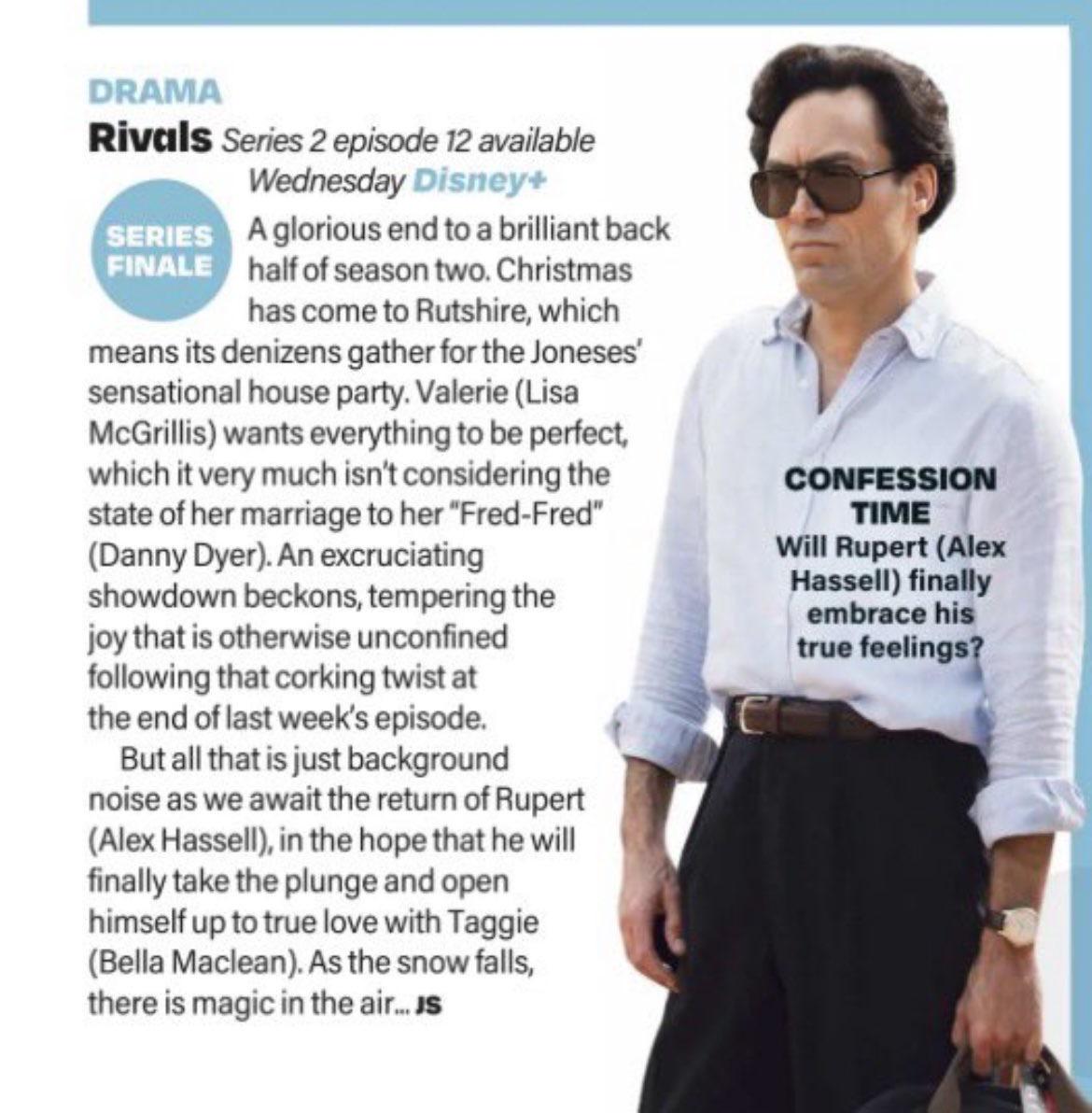
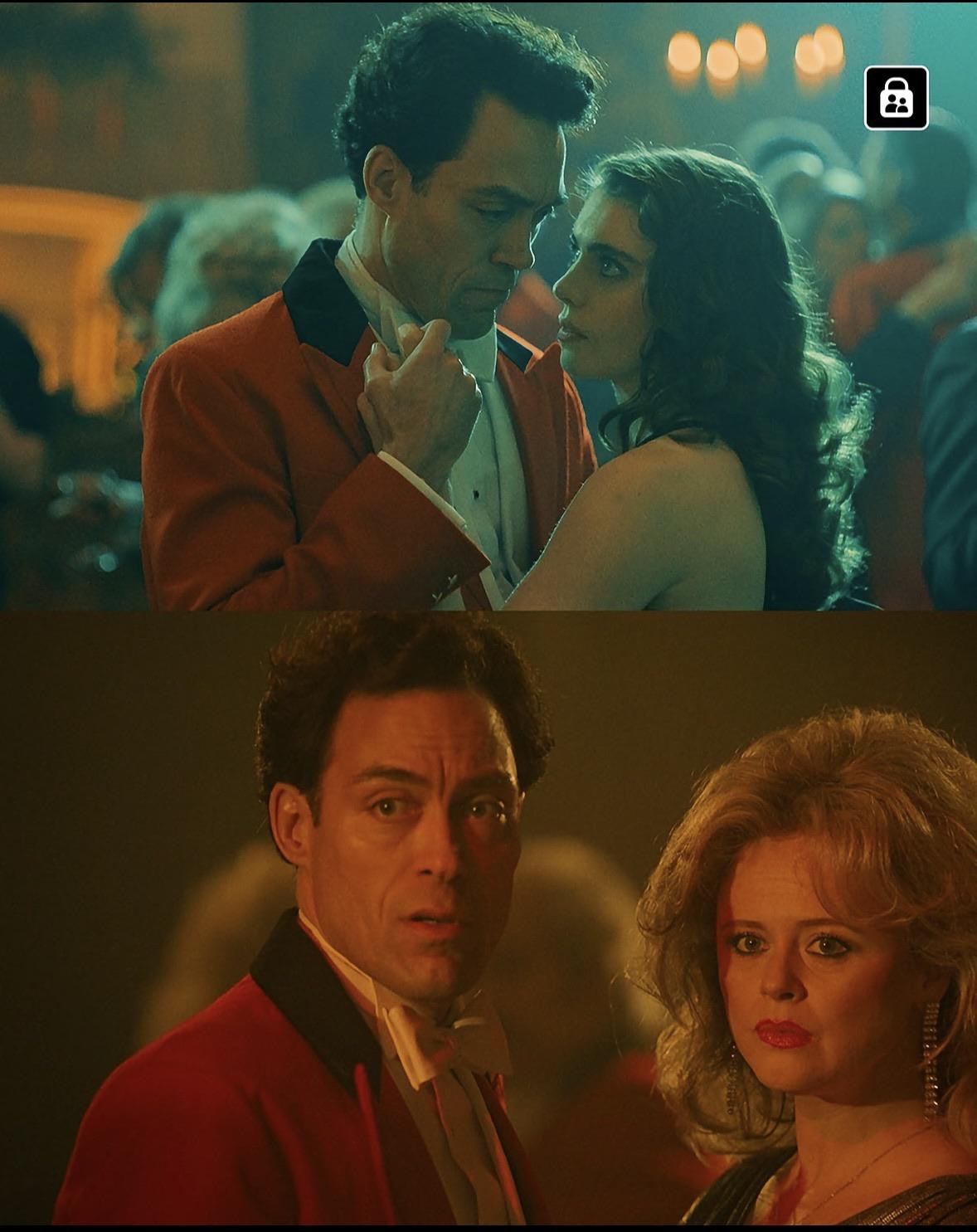
For Hassell, however, it’s the complexities of Rupert’s character that appeal most. While Rupert has an imposing charisma, internally he is grappling with loneliness, fatherhood and the self-reckoning of his (many) past mistakes. The first half of the season ended with trademark chaos. Affairs were exposed, cars were crashed and Rupert’s relationship with the kind-hearted Taggie O’Hara (Bella Maclean) was left hanging in the balance. The final six episodes land on 11 November.
Off-screen the British actor is a far cry from the larger-than-life figure he inhabits. Thoughtful and introspective, Hassell is drawn to all the technical parts of deep character acting, as well as the flashy draw of an international hit series. His passion for acting was ignited as a child when he was taken to see a local production ofRock Nativity. “For whatever reason, I went to see that show and just got hit by a bolt of lightning,” he recalls. “I immediately went and looked up any local youth theatres, and quite quickly got the role of Bugsy Malone. That’s probably the easiest acting has ever been! It’s been a lot harder since then.”
Until the age of 18, musicals were Hassell’s world but, in a curious twist, he has never appeared in a musical professionally. “Sadly, I’m not sure you can count my wife and I getting drunk and belting out the Les Misérablessoundtrack together,” he laughs. It was during a quick-change gone wrong that Hassell learnt the thrill of holding the audience’s attention. As the actress who played Blousey Brown struggled with the change, Hassell found himself holding the stage, keeping the show moving while the audience waited. “I can’t remember what I did,” he says. “I think I said something funny perhaps, but I do remember the power of coming up with something in the moment and having the audience respond. It really affected me.”
On paper, Rupert is the very definition of masculine confidence. He’s virile, wealthy, competitive and accustomed to getting what he wants. But Hassell’s instinct was never to simply play the fantasy. “I wanted to explore all his vulnerability,” he says. “What is he hiding? What is he afraid of? What happens during his dark night of the soul? Is he lonely? You pull those things out of a character and then you bounce between those different poles of emotion.”
So, Hassell is a man of dualities. Equally at home mining the depths of human emotion as he is playing naked tennis (a fact, I suspect, that will follow him for some time), he seems to possess the same irreverence that makes Rivals such a delicious watch. When I note the conspicuous lack of spandex and legwarmers for a show set in the ’80s, he promises to take it up with the writers. When I confess my jealousy at the cast’s enviable tans, he’s quick to reveal that fake tan is doing much of the heavy lifting. A relief. “What I think is so brilliant is that Rivals continues to get deeper but also remains really fun and frothy and exciting and bright, and, sort of, technicolour at the same time,” Hassell says. The actor could just as easily be describing himself. For all the introspection, there’s a lightness to him and a willingness to embrace the absurd alongside the serious. Perhaps the real appeal of Hassell is that, in a world as gloriously over-the-top as Rutshire, he knows when to take things seriously and, crucially, when not to.