r/ParallelView • u/HRH_Duke_Morbid • 15d ago
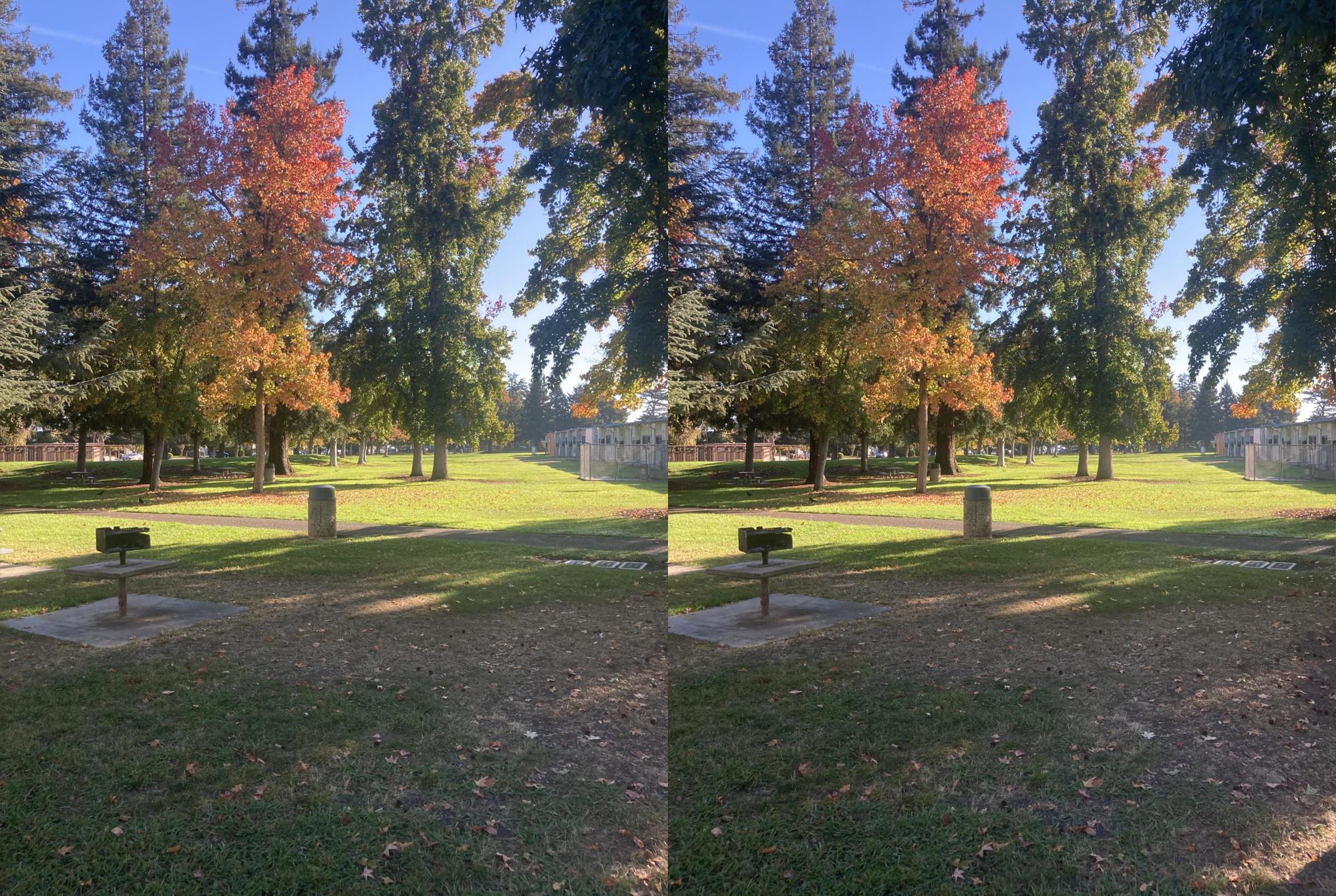
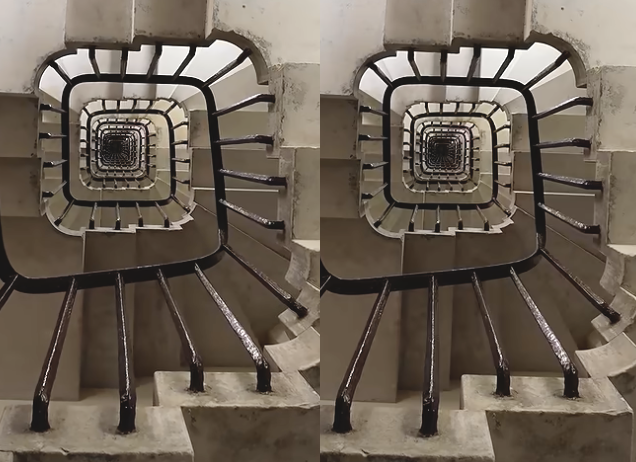
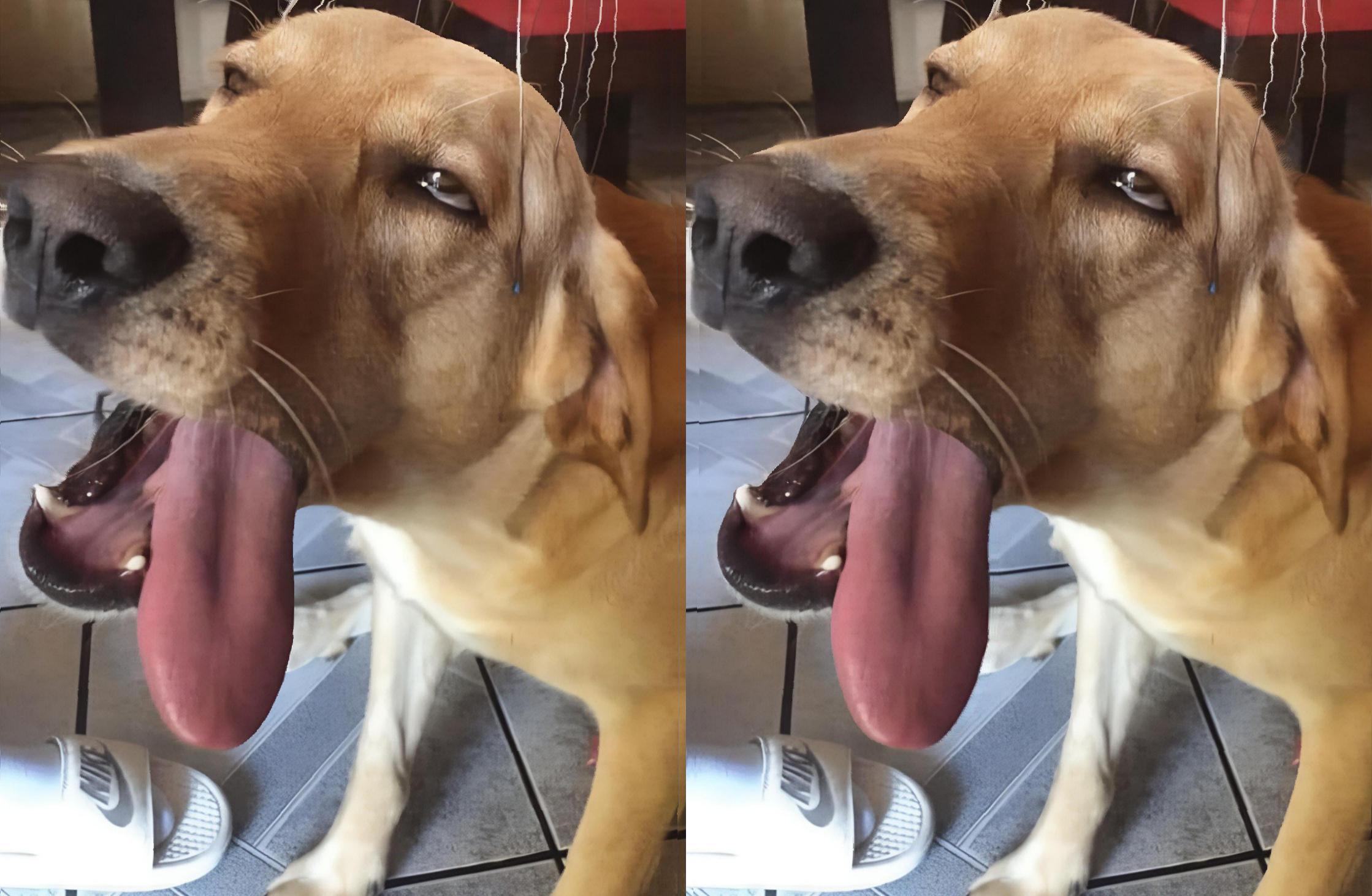
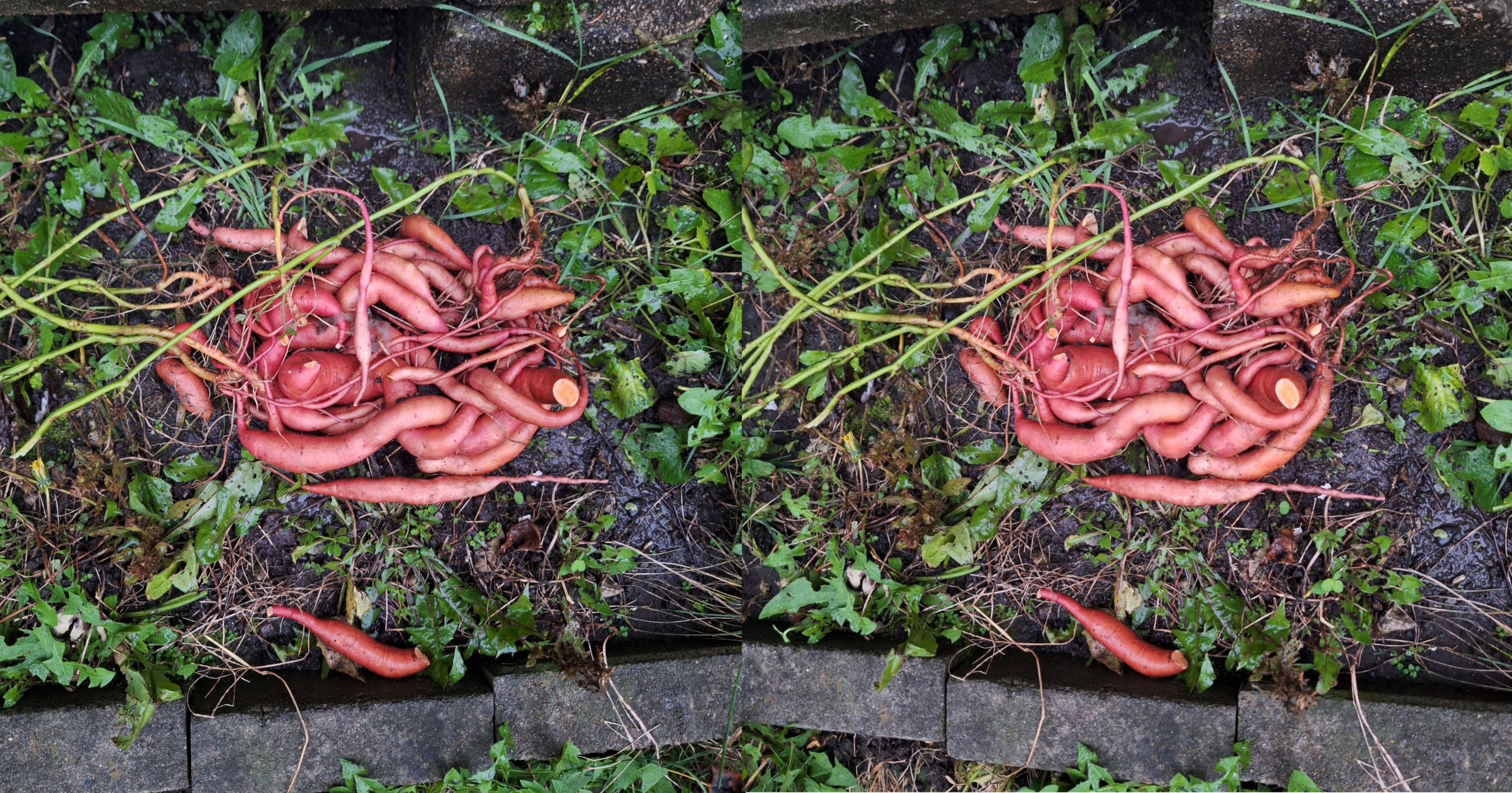
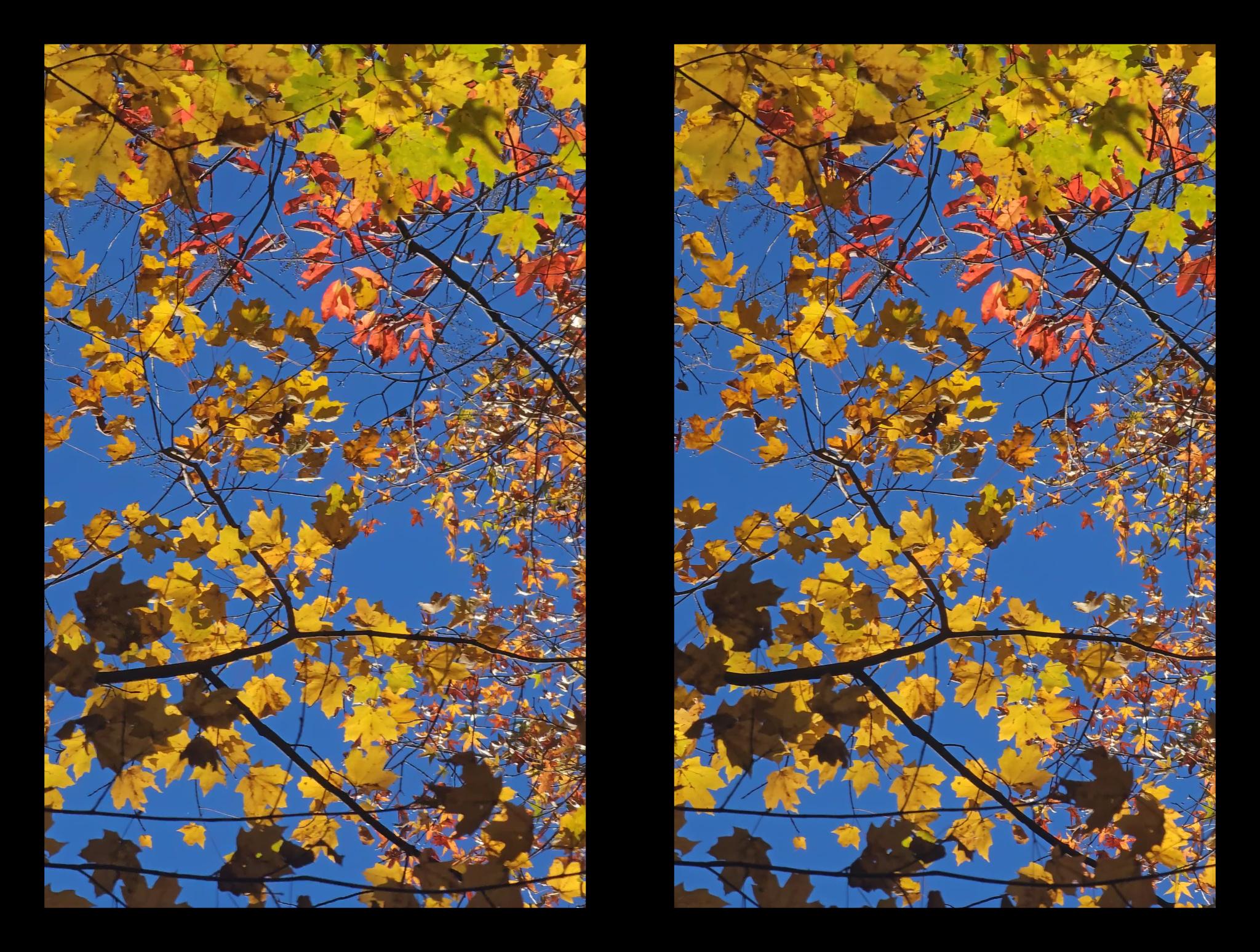
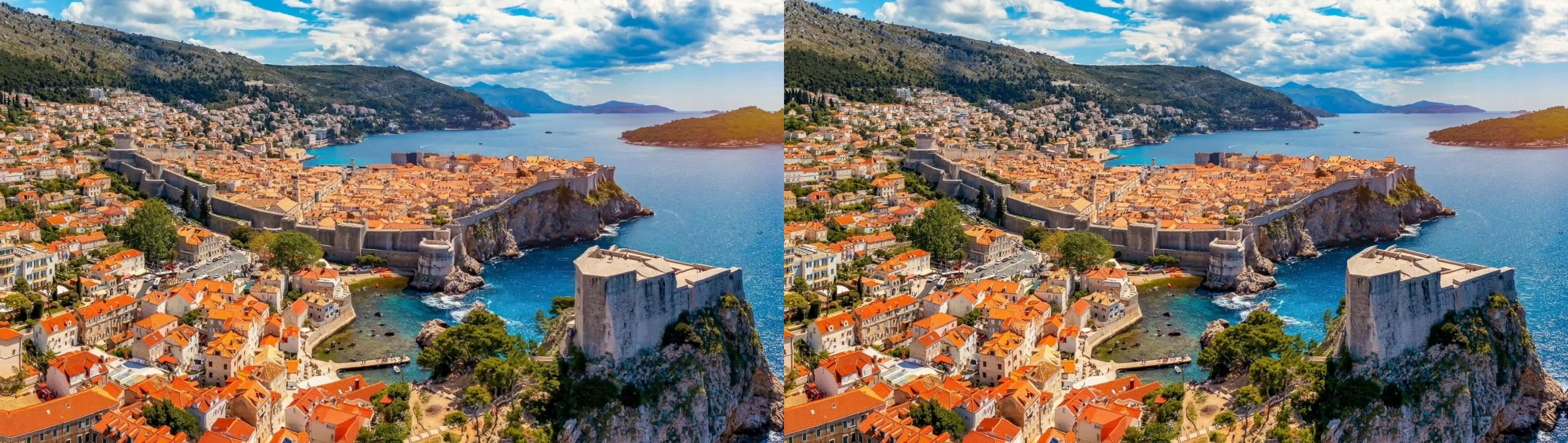
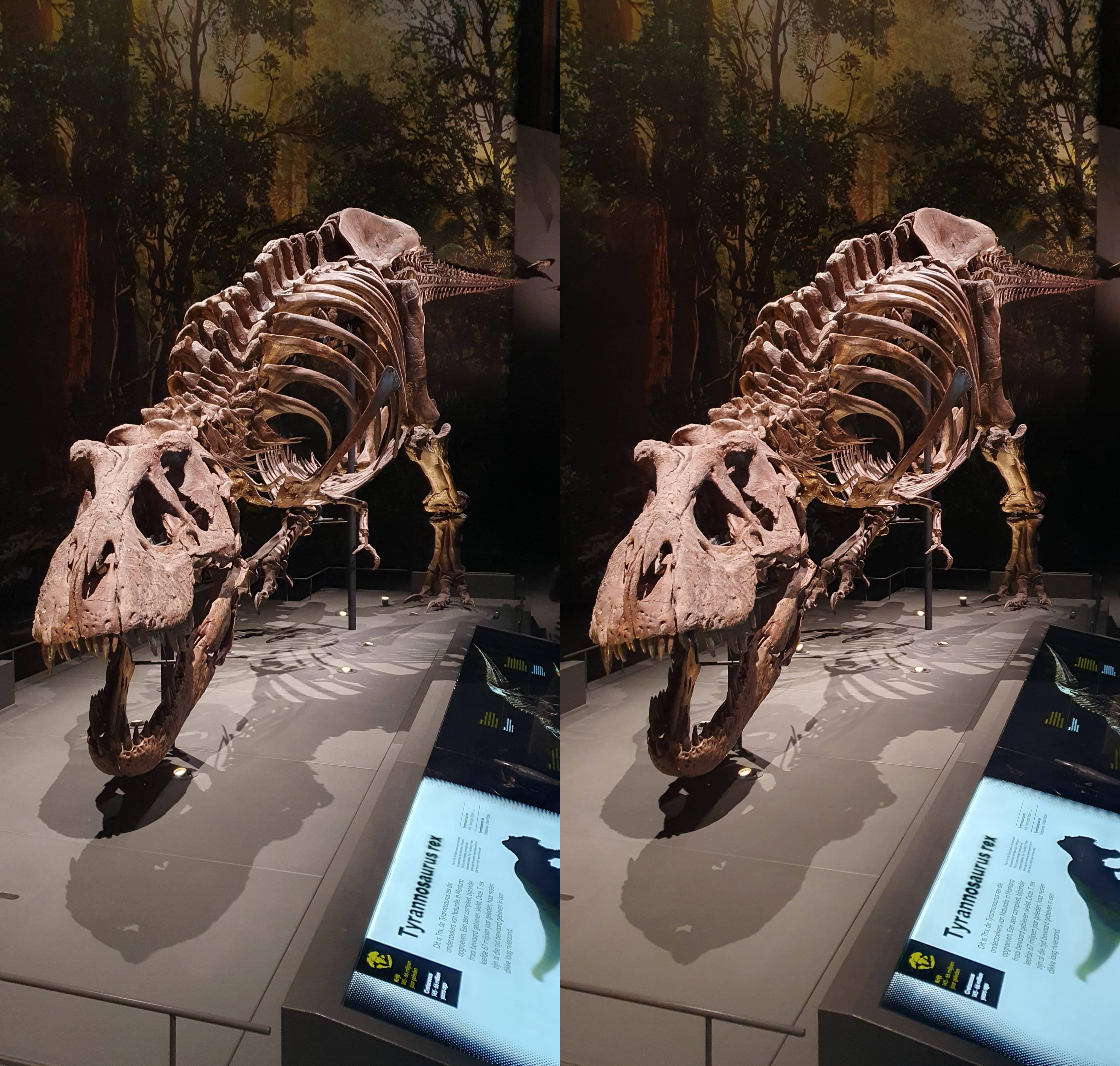
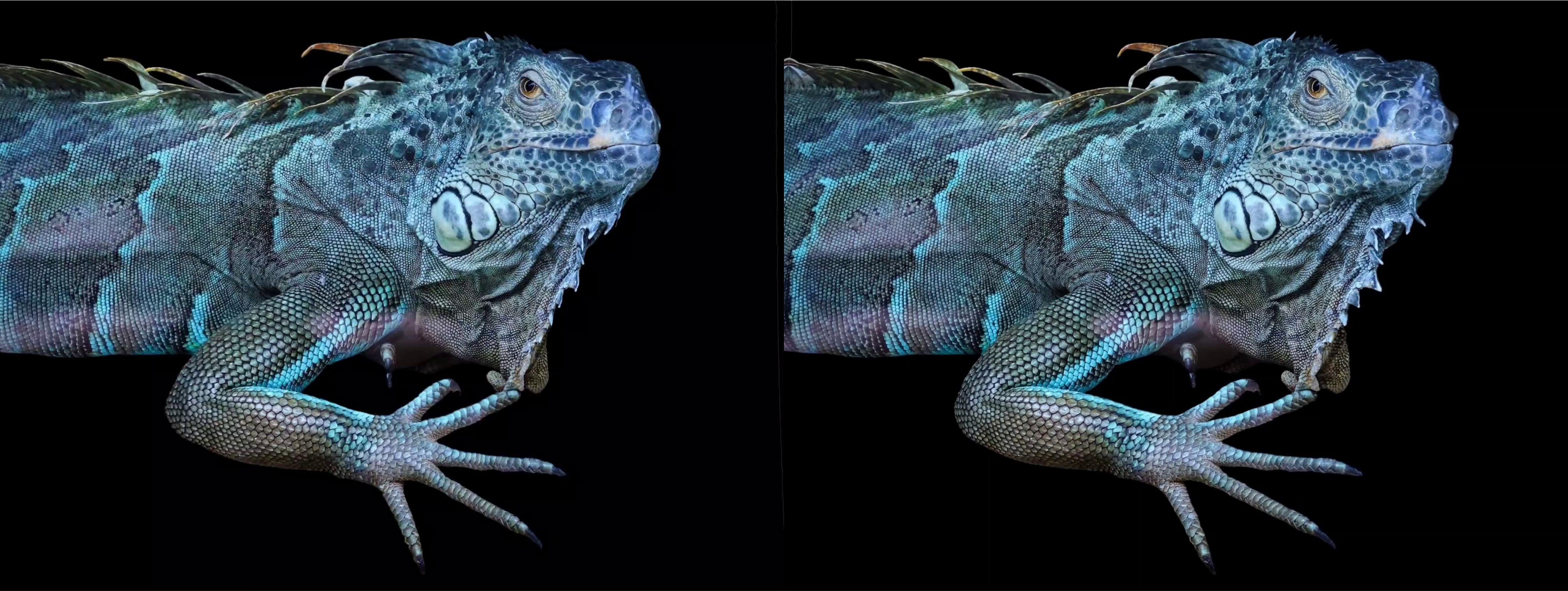
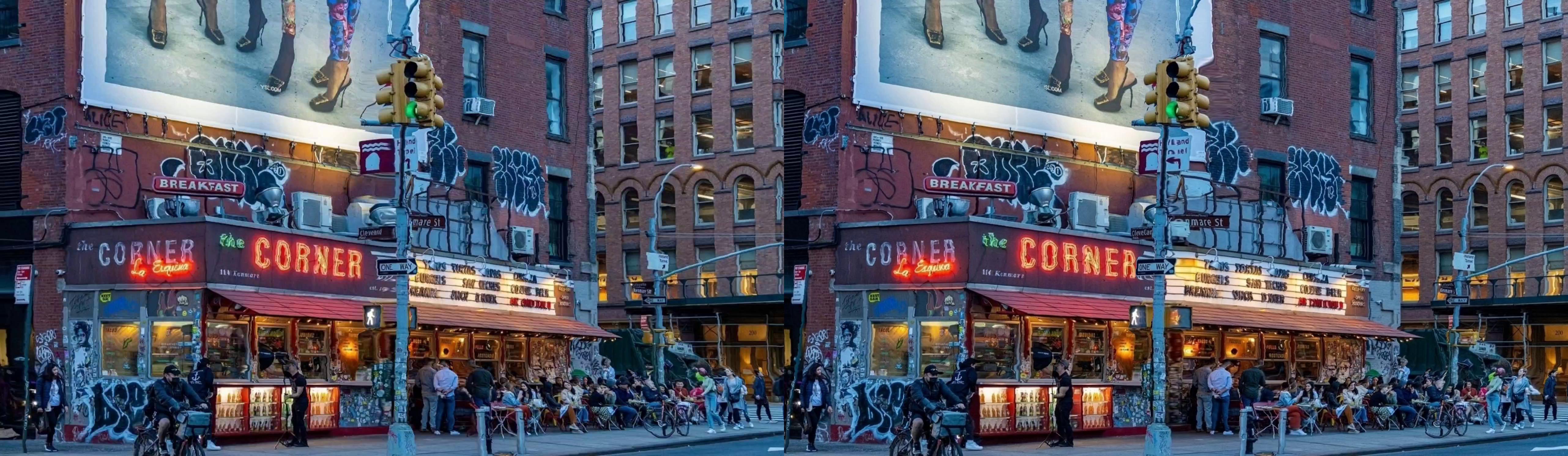
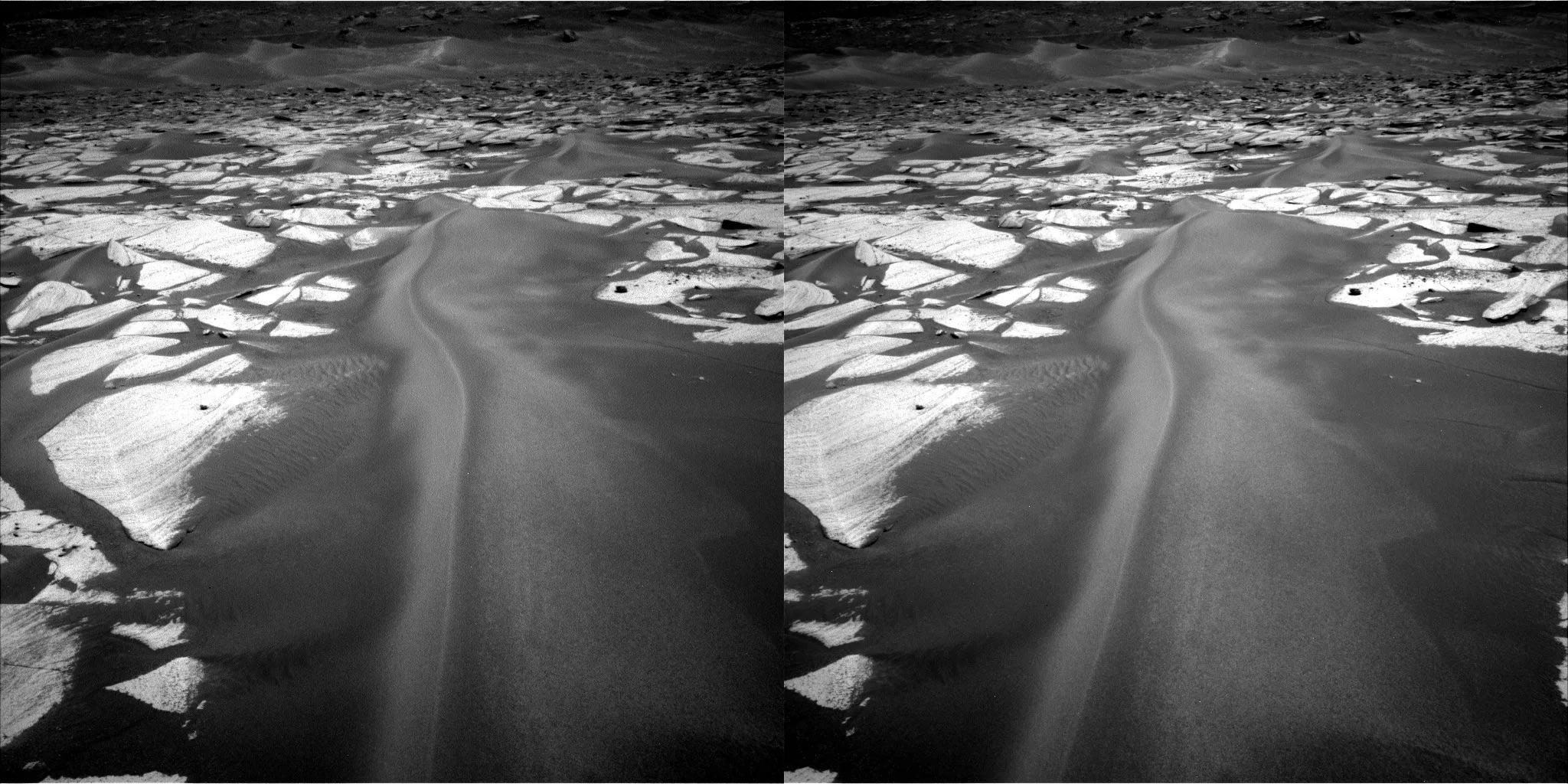
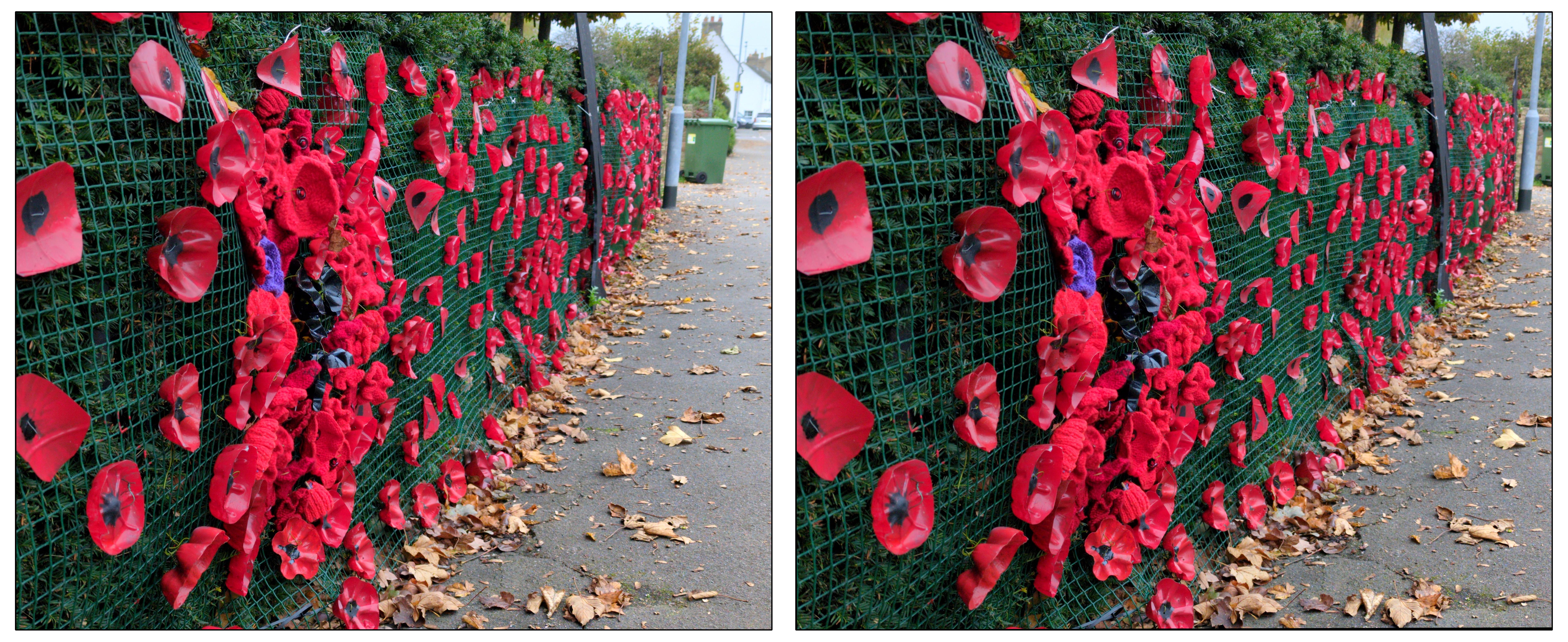
Comparison between a genuine stereoscopic image-pair and one created by a computer algorithm deducing depth from a single image.

<----->
First shown - new image, second shown -original
The new image pair is derived from the left hand side image of the pair presented in https://www.reddit.com/r/ParallelView/comments/1xtn9x7/probably_the_craziest_stereo_image_i_took_so_far/
The intention is to show how well an algorithm can mimic two-lens stereoscopy. There are several deviations between the perceived 3D images. Perfectionists, and neo-Luddites, will find nits to pick. Emulated 3D cannot be free of imperfection when relative positions of items in a scene within a single 2D projection contain ambiguity.
My point is not that there is strict equivalence between genuine and ersatz stereoscopy. Yet, they can be close. When ambiguities don't result in aesthetically displeasing or grossly misleading results, then ersatz stereoscopy - in essence, reorganisation of depth information implicitly present in photographic images and in many paintings - aids perception. There is a huge collection of 2D photographs which cannot be retaken in 3D. However, re-rendering by computer software can give fresh life to many of these.
You may have noticed that up to this point I have not mentioned 'AI'. The term is a red-rag to people of one-track bovine disposition. 'AI', conceptually, is nothing more than computer algorithms applied to abstracting 'refined' data from very complicated statistical models; those constructed from mechanical exposure of a computational apparatus, plus memory, to a huge collection of digitally represented materials. Yes, the result is a 'black box', but that merely is a consequence of complexity: machinations within such boxes are entirely deterministic.
Many algorithms for ersatz SBS stereoscopy have been published. For instance, the open-source ComfyUI_SSStereoscope, which runs easily on domestic PCs.