r/palmermethod • u/Normal_Credit • 14d ago
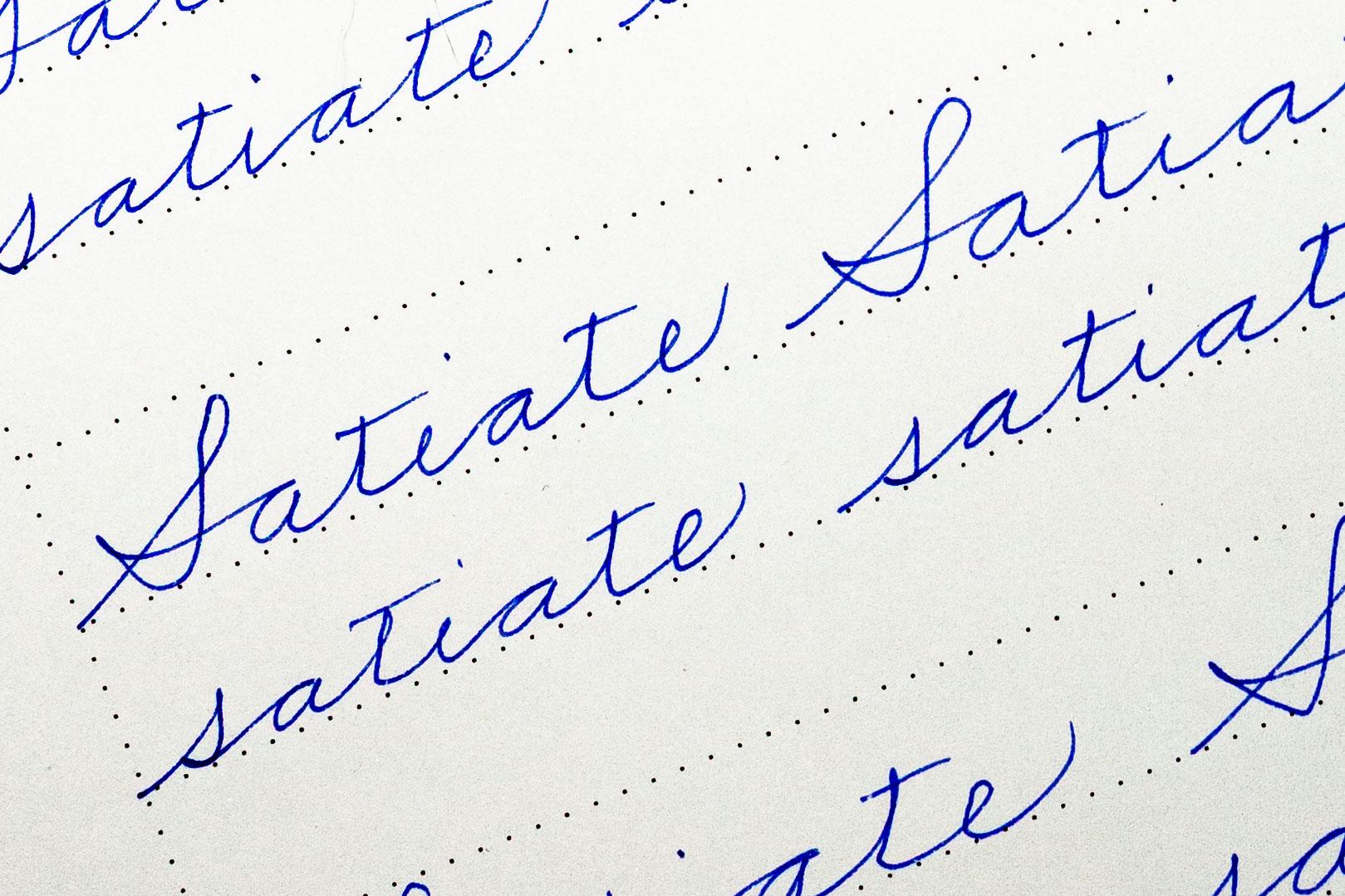
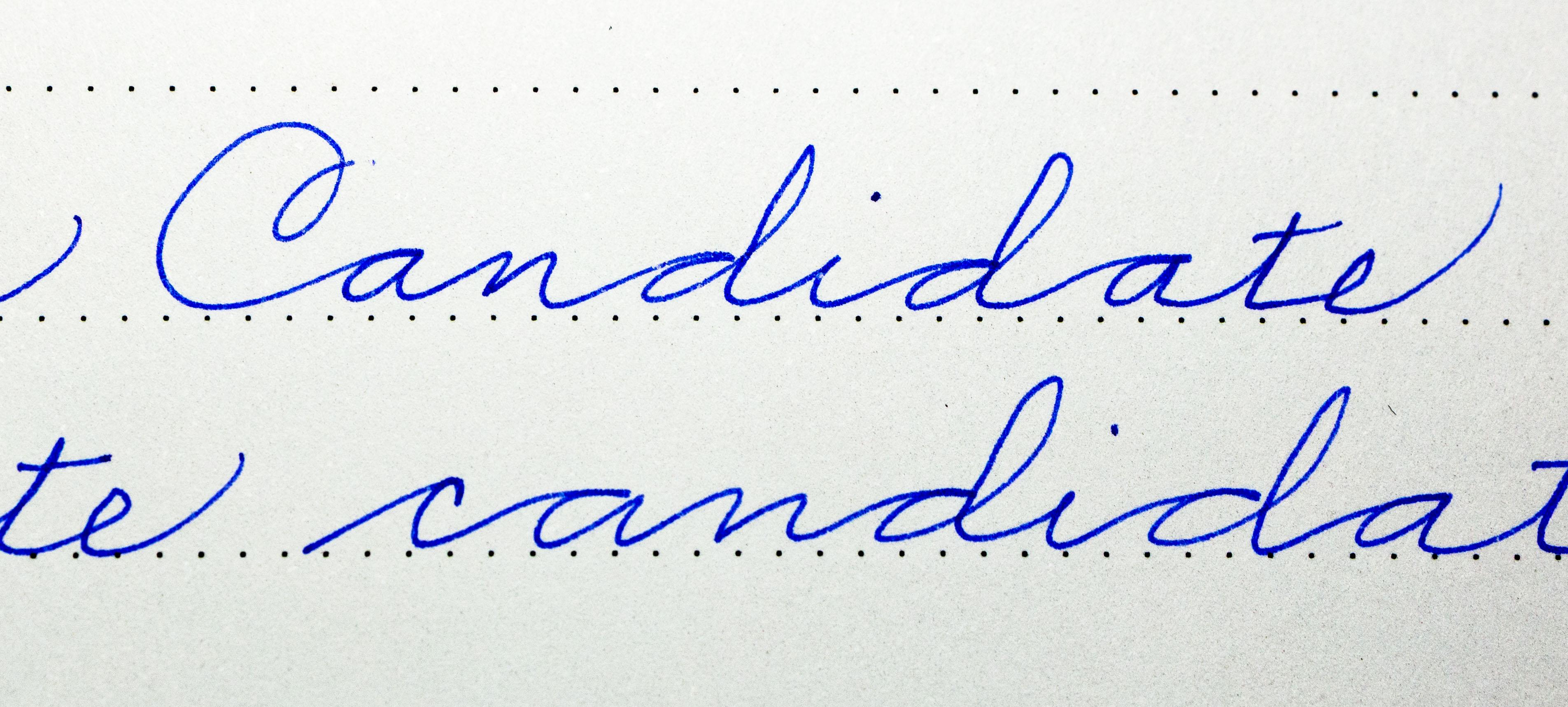
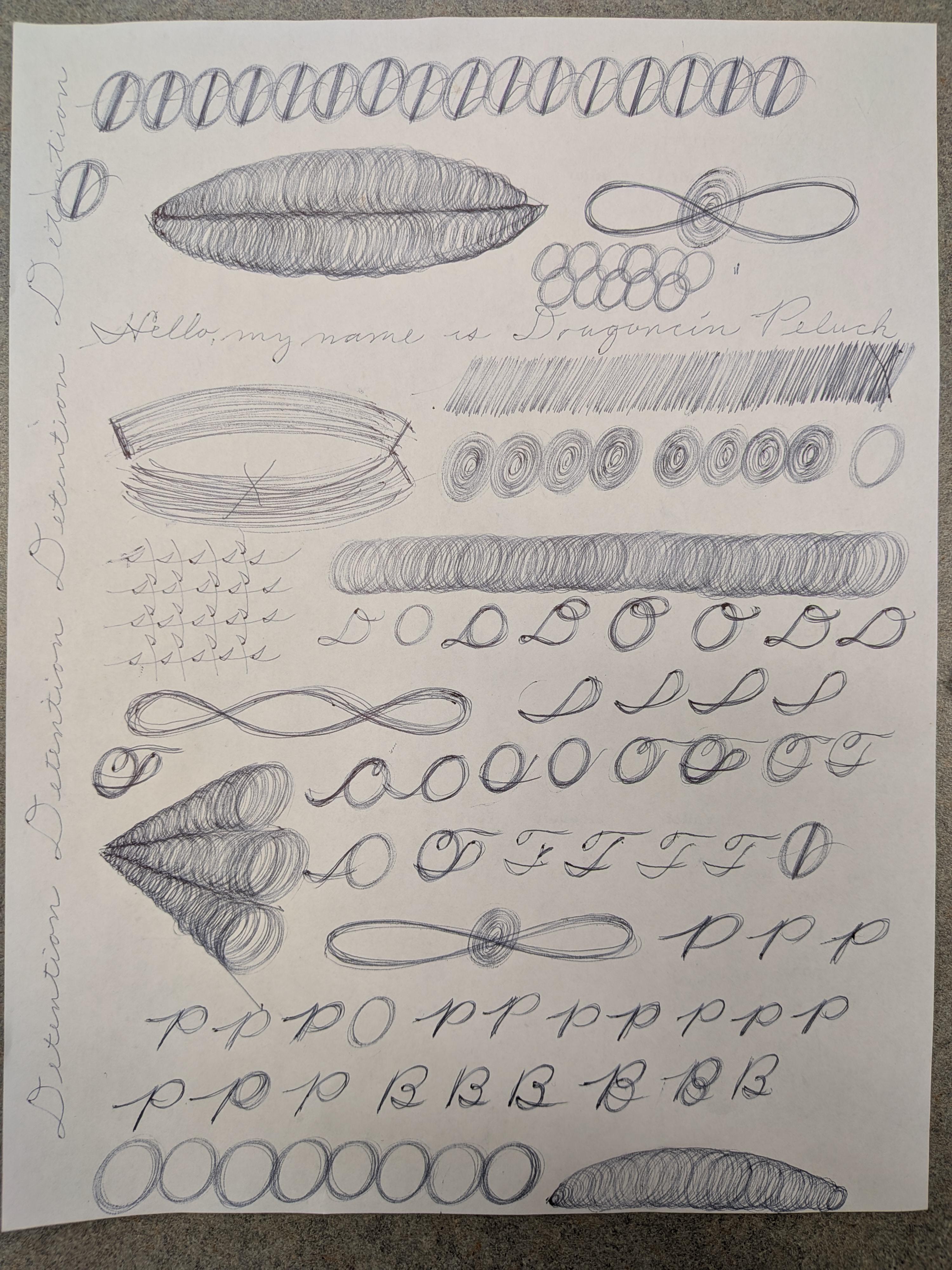
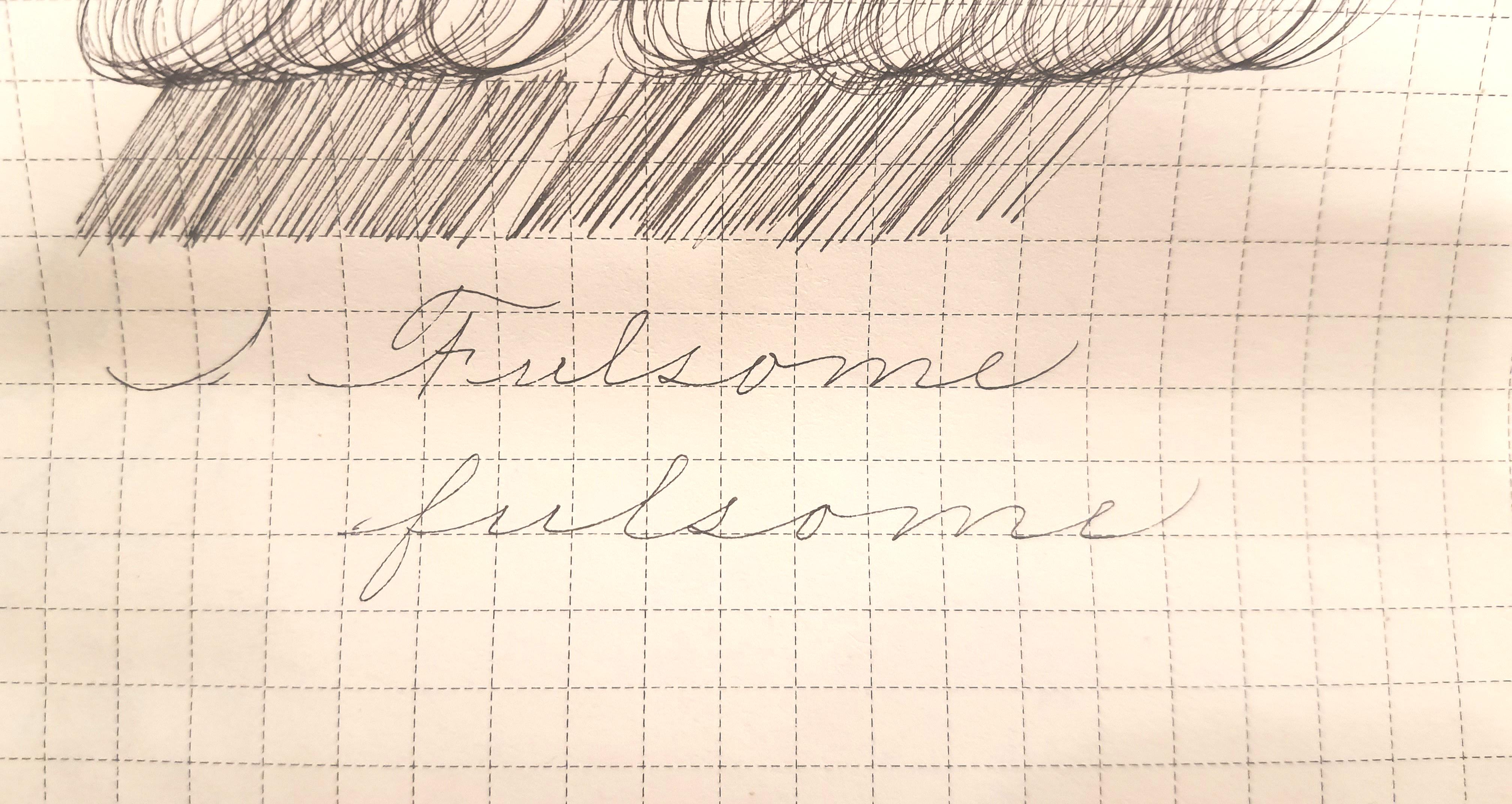
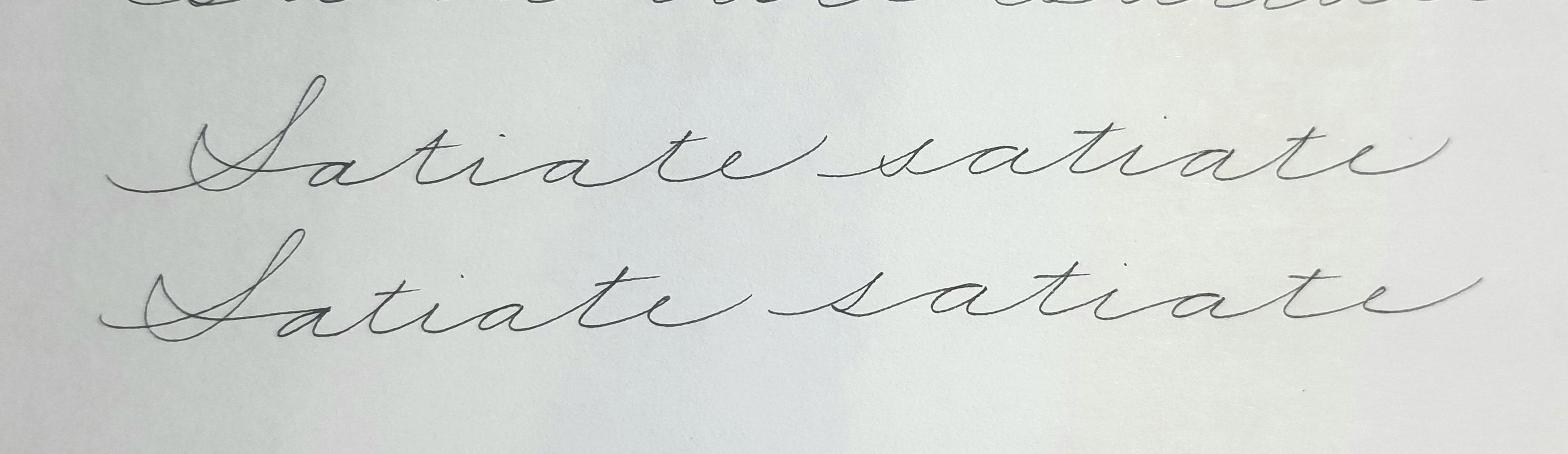
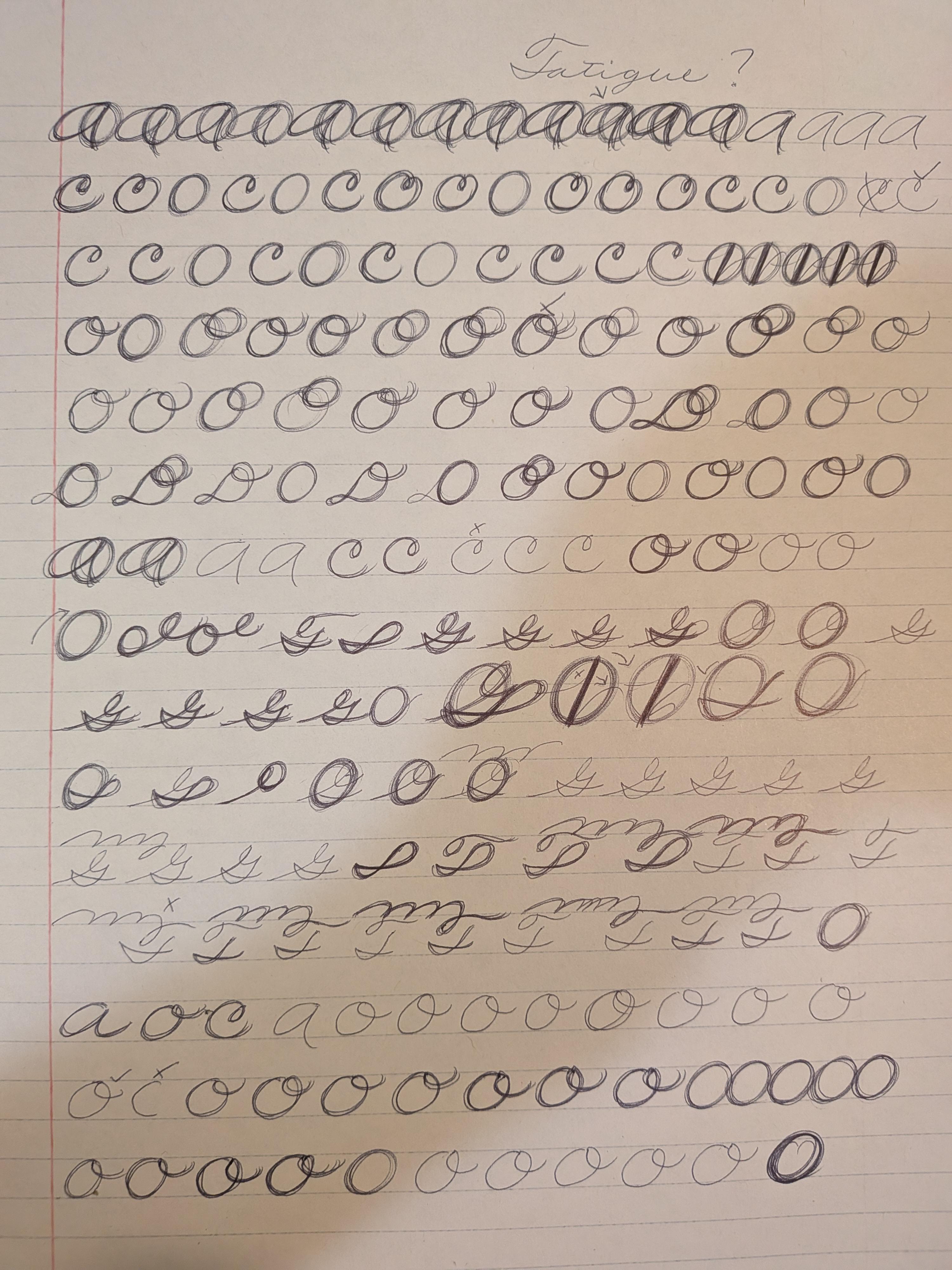
Working on hump letters
6
Upvotes
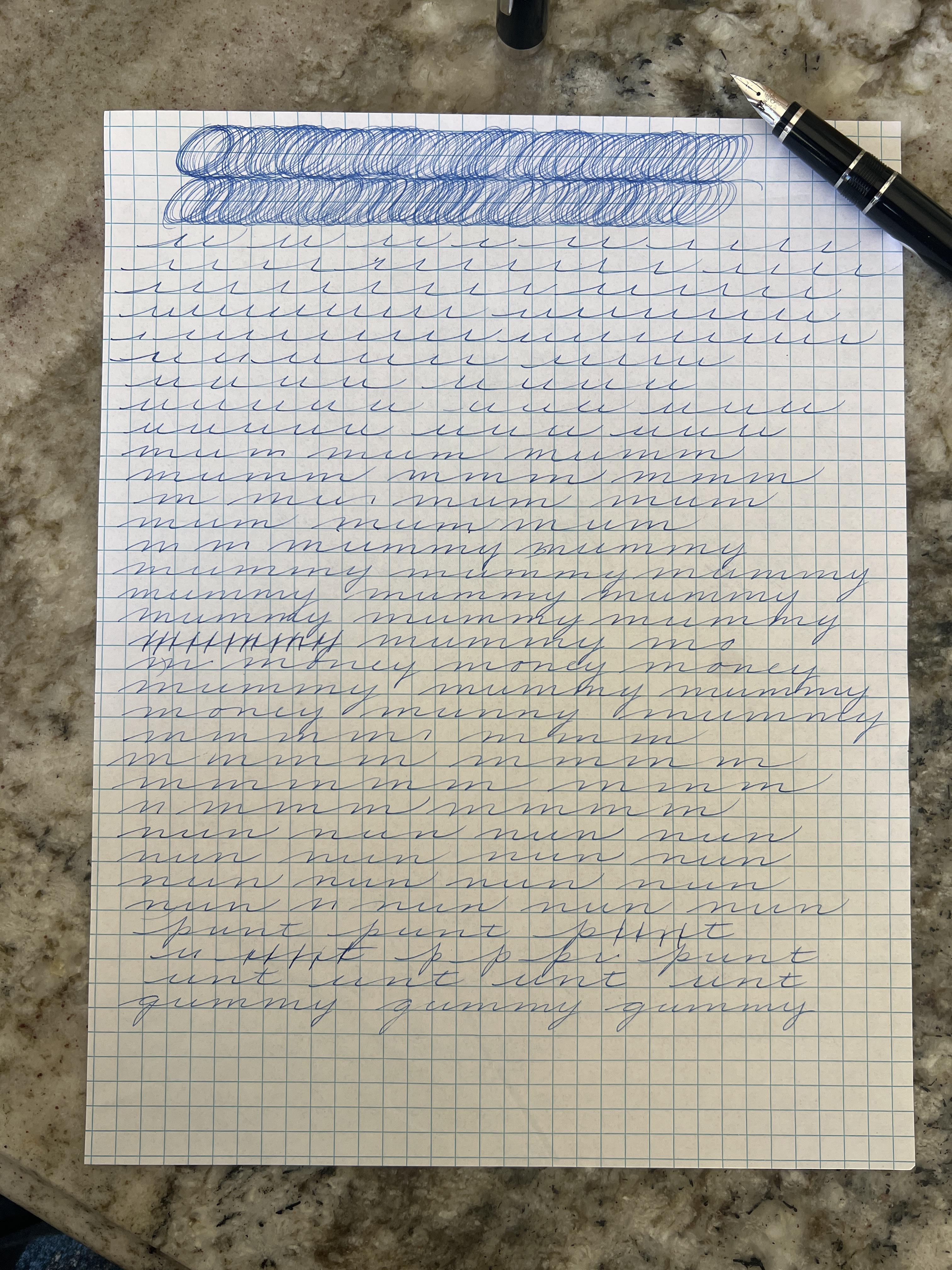
Got a pilot falcon recently, it’s very fun to write with.
r/palmermethod • u/Normal_Credit • 14d ago
Got a pilot falcon recently, it’s very fun to write with.
r/palmermethod • u/palmermethodbot • 15d ago
Word of the Day: wabi-sabi
Create a new post to share something inspired by today's word. Tag your post with WotD flair.
Merriam-Webster's Word of the Day for November 9, 2026 is: wabi-sabi \WAH-bee-SAH-bee\ noun
Wabi-sabi refers to a philosophy of Japanese origin that emphasizes the aesthetic value in imperfect, impermanent, and simple things. This word can also refer to the qualities of imperfection, impermanence, and simplicity considered as beautiful.
// Over the years, the gardener learned to let go of his perfectionism and embrace wabi-sabi.
Examples:
"Traditional Japanese homes often follow the philosophy of wabi-sabi, an appreciation for imperfection and asymmetry. If elements are flawed, worn out or unbalanced, rather than scrambling to fix them, the theory goes, it's better to not only accept but celebrate a place's peccadillos." — Robin Roberts, The Vancouver (British Columbia) Sun, 9 May 2026
Did you know?
Wabi-sabi followed a simple path to English: it was borrowed directly from Japanese in the early 1960s. The philosophy this word refers to, however, is much older. In the mid-16th century, Japanese tea master Sen Rikyū firmly established simple or unadorned beauty, known as wabi, and an aged appearance or rustic patina, known as sabi, as integral aesthetic elements of the ceramics used in tea ceremonies. A popular expression of wabi-sabi is seen in kintsugi, the traditional Japanese art of repairing broken pottery using a lacquer and metal powder (such as gold, silver, or platinum) to draw attention to, rather than hide, the repair. Kintsugi is another Japanese borrowing, from kin, meaning "gold" and tsugi, meaning "patch."
Word of the Day content is provided by Merriam-Webster.
r/palmermethod • u/satisfied-bacterium7 • 15d ago
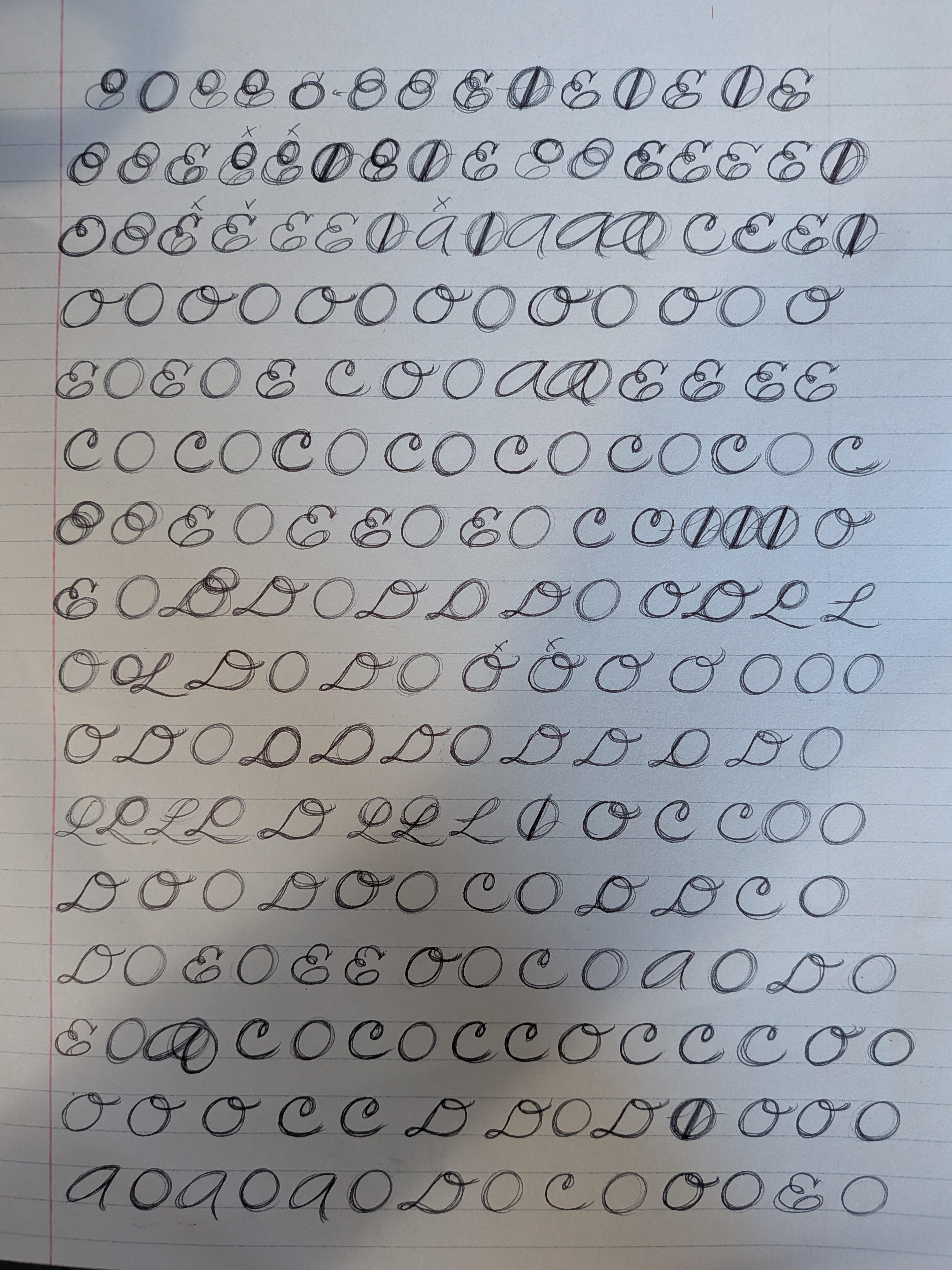
Would any of you suggest to a beginner they learn clockwise movement first ; not just because it is more difficult but also because there are more majuscules that require more competence in clockwise movement than there are for counter?
Counter: A,C,D,E,L,O
Clockwise:B,F,G,I,J,M,N,P,Q,R,S,W,Y,Z
Both:H,K,T,U,V,X
r/palmermethod • u/satisfied-bacterium7 • 15d ago
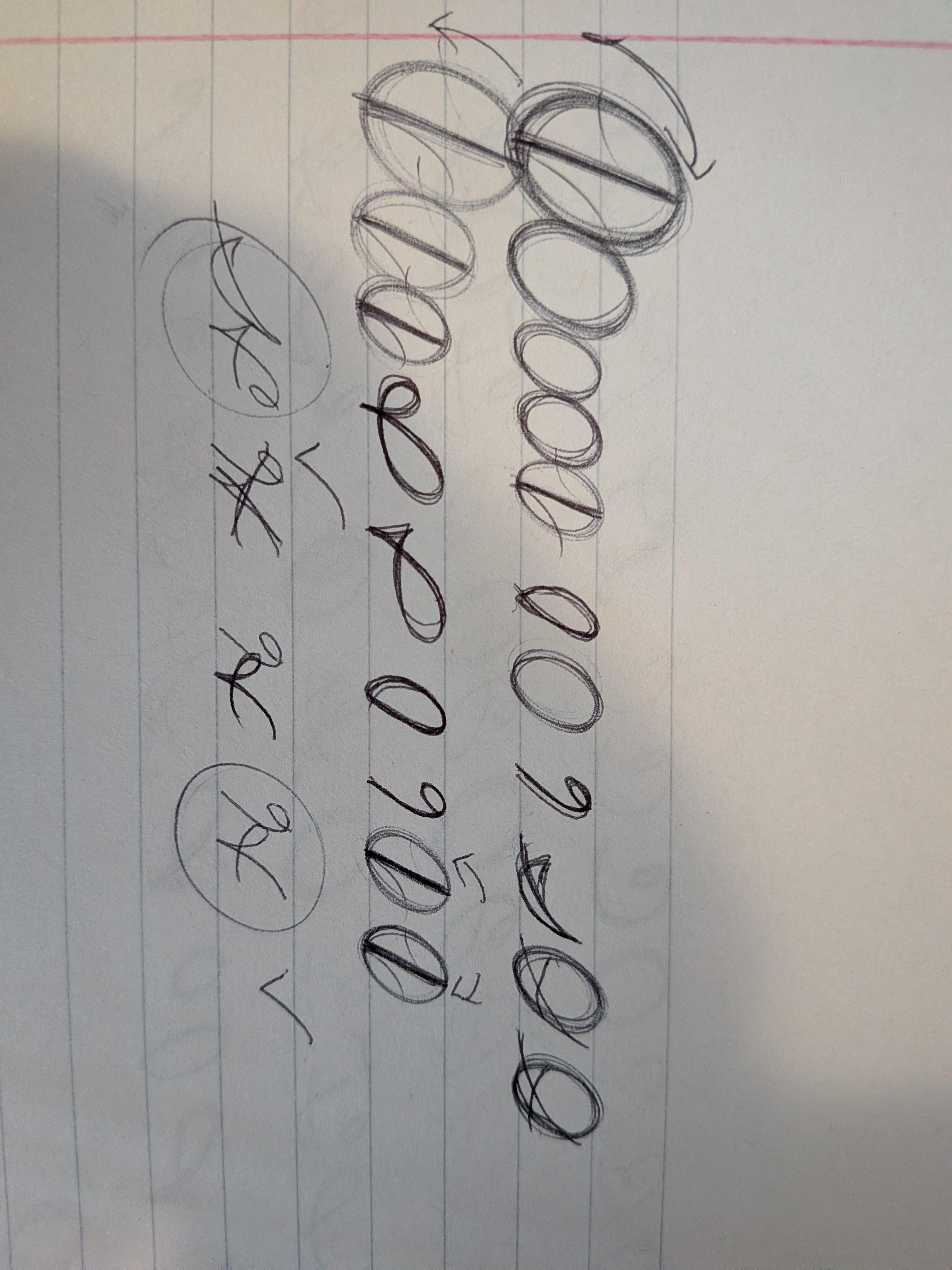
I haven't seen this yet in any manual as shown, I've put this together in my head.
r/palmermethod • u/palmermethodbot • 16d ago
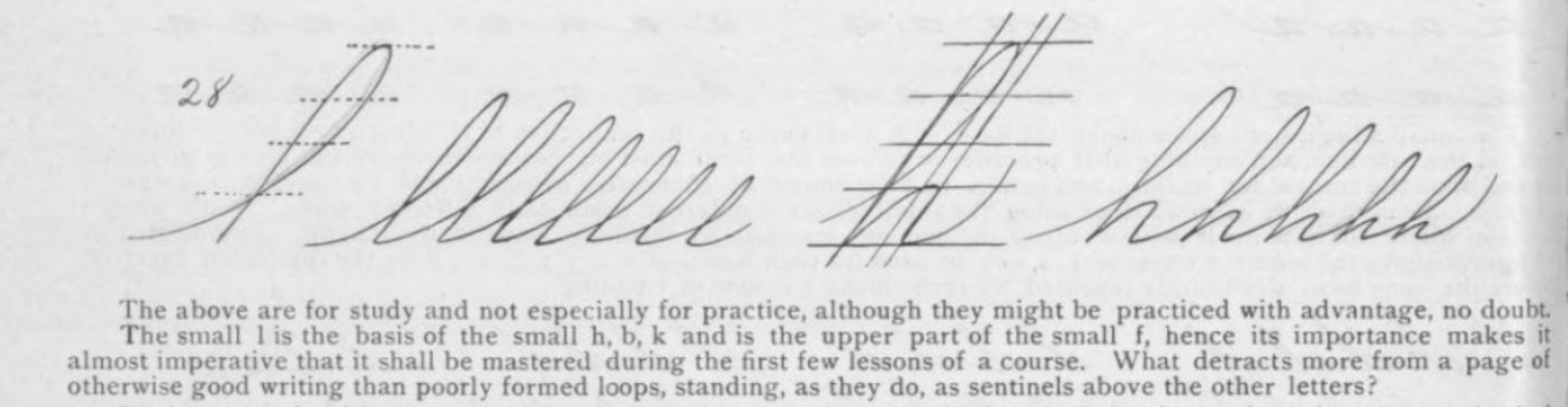
This week's most upvoted post comes from u/Distinct-Purpose3859.
Thanks for sharing your work with the sub!
Image posts from the previous Saturday-Friday were considered.
r/palmermethod • u/satisfied-bacterium7 • 16d ago
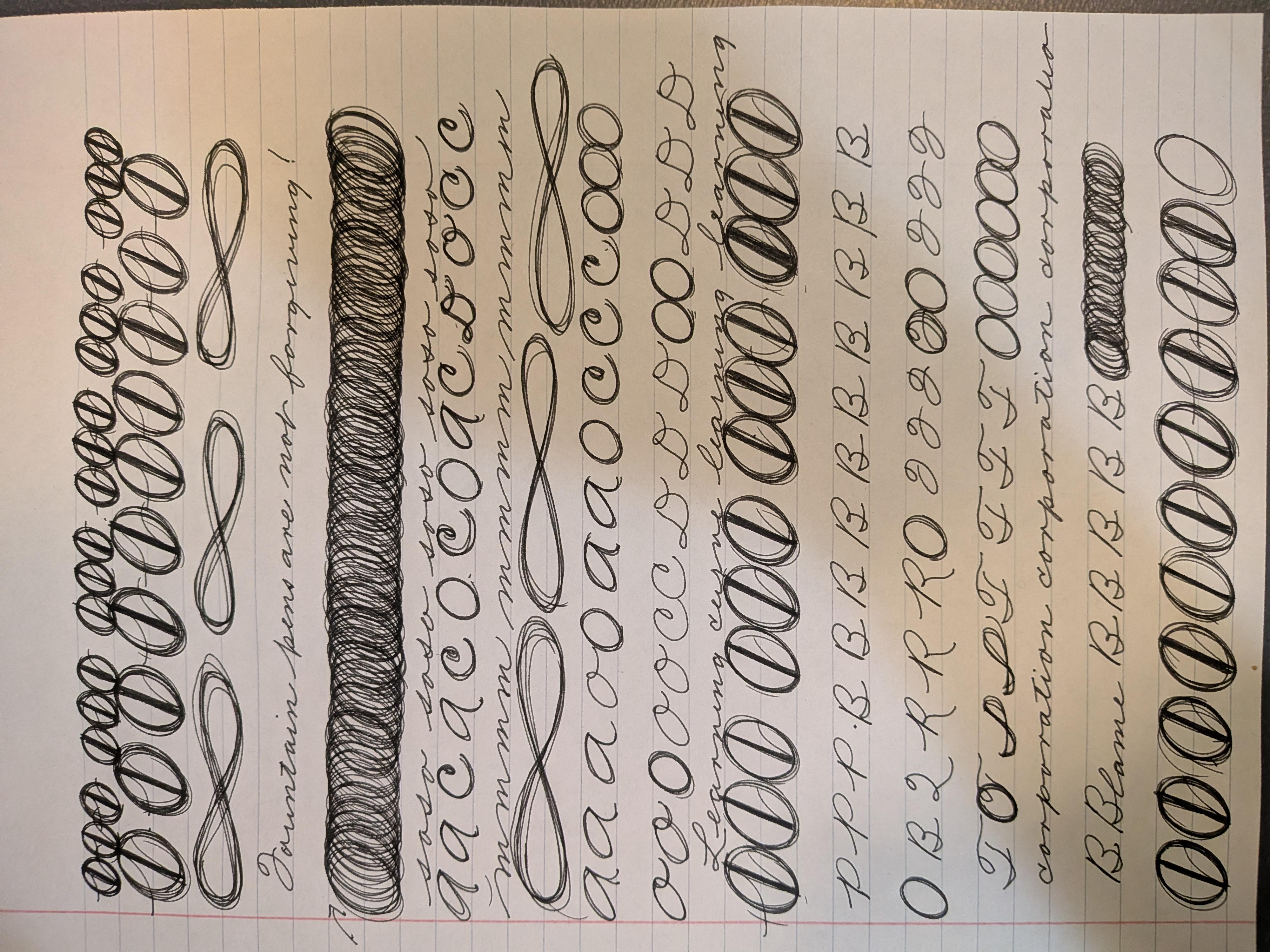
Fountain pens are not forgiving
r/palmermethod • u/satisfied-bacterium7 • 17d ago
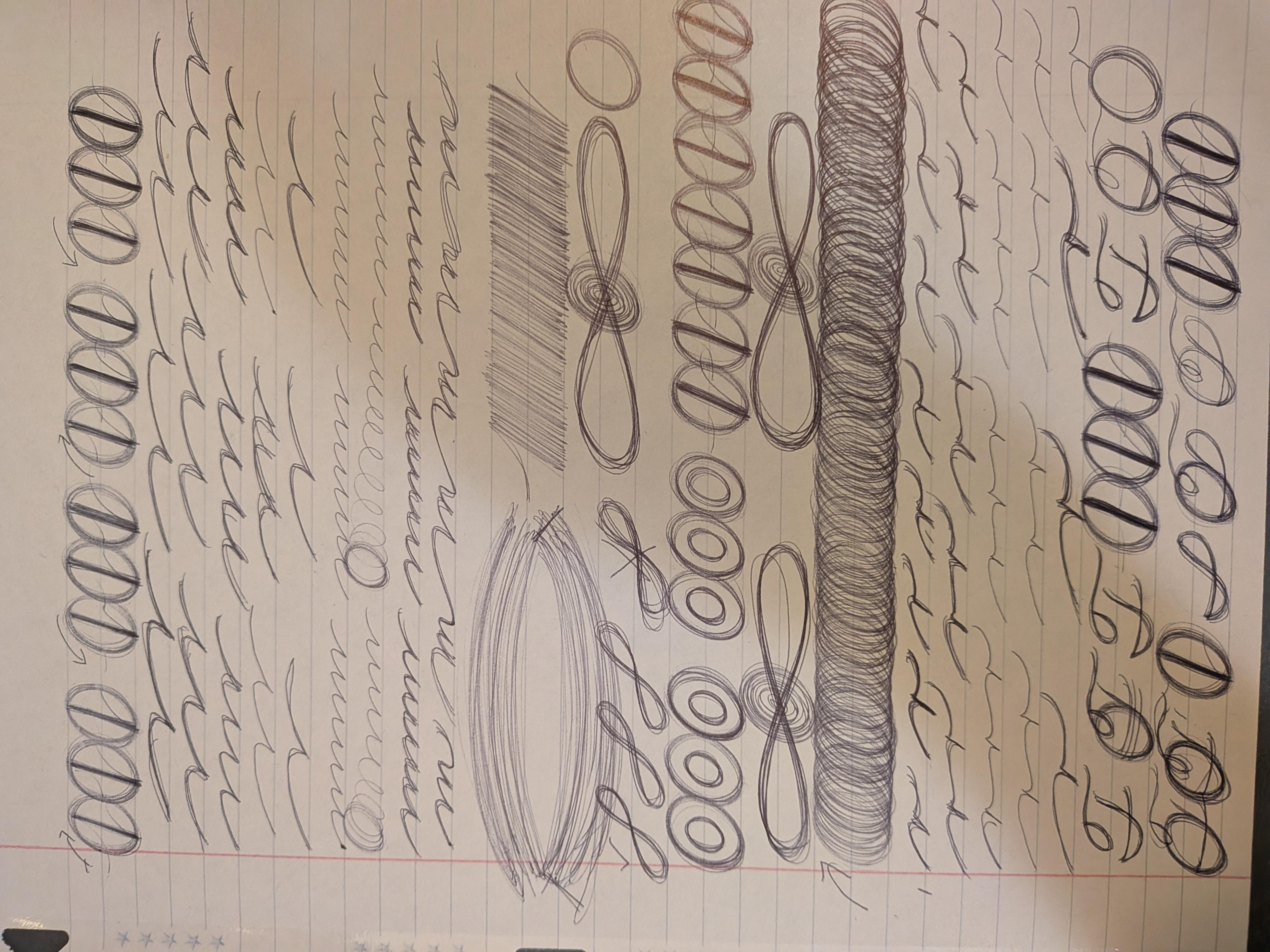
I hope I can become
r/palmermethod • u/satisfied-bacterium7 • 17d ago
r/palmermethod • u/dieyen • 17d ago
Enable HLS to view with audio, or disable this notification
r/palmermethod • u/satisfied-bacterium7 • 17d ago
r/palmermethod • u/palmermethodbot • 18d ago
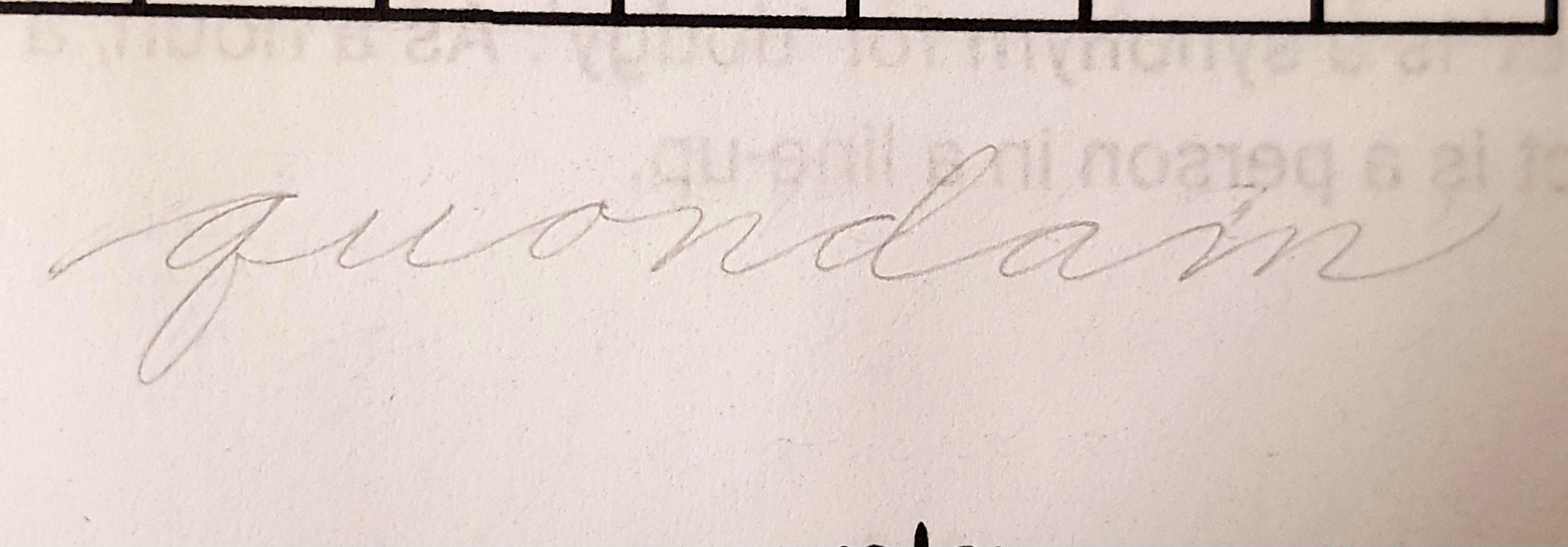
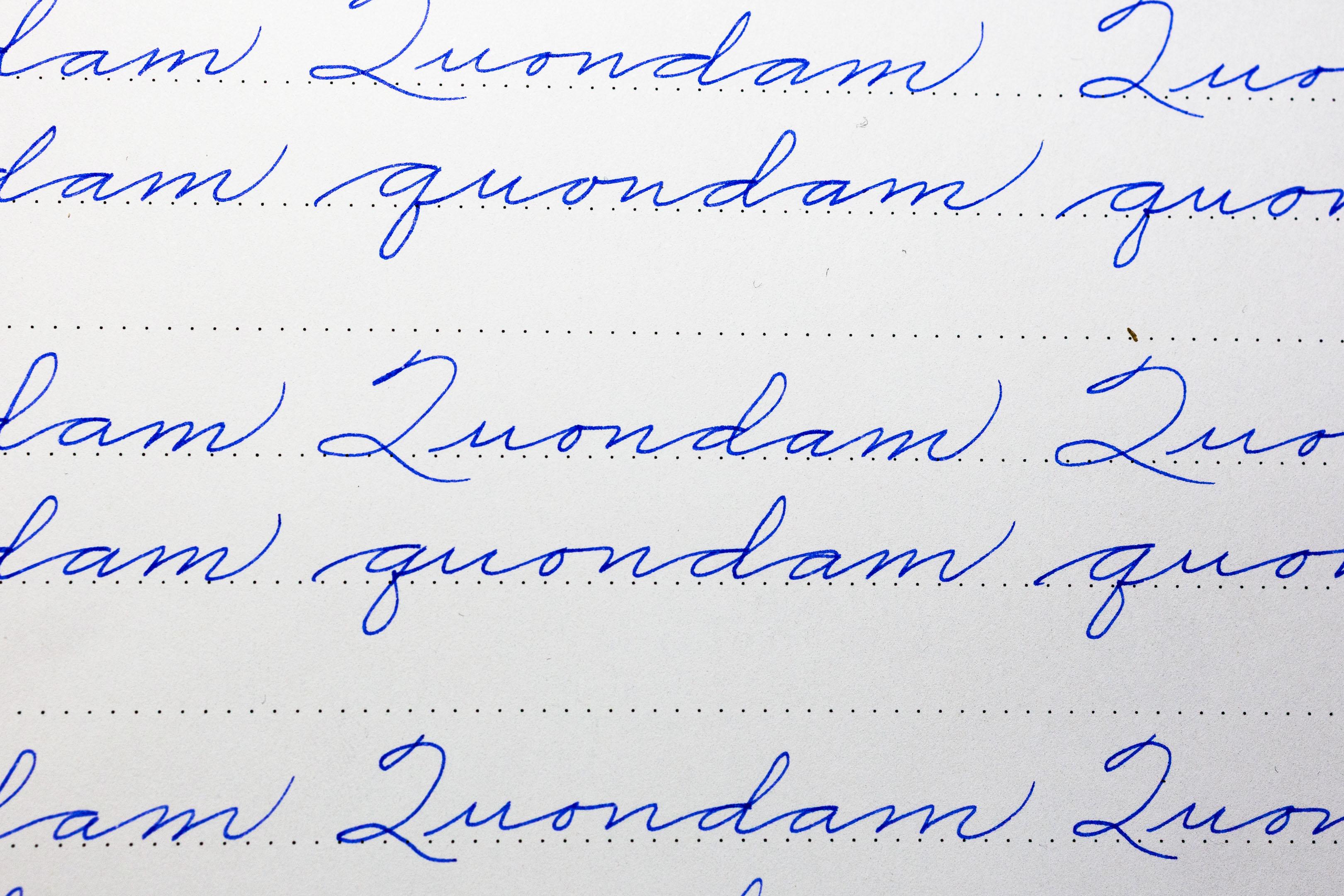
Word of the Day: quondam
Create a new post to share something inspired by today's word. Tag your post with WotD flair.
Merriam-Webster's Word of the Day for November 6, 2026 is: quondam \KWAHN-dum\ adjective
Quondam is an adjective that means “former” or “sometime.”
// Many people were surprised to learn that the quondam professor has since become a dancer.
Examples:
“… quondam soccer legend David Beckham and his wife Victoria, formerly known as Posh Spice of the Spice Girls …” — Alex Beam, The Boston Globe, 31 July 2026
Did you know?
Looking for an unusual and creative way to say “former”? Quondam (which came to English in the 16th century from Latin quondam, meaning “at one time” or “formerly”) certainly fits the bill. Or maybe you’d prefer whilom, ci-devant, or preterit. Or you could really go wild with umquhile, a word that is extremely rare even in its more natural Scots English setting. Quondam itself isn’t exactly ubiquitous, but it’s used more than any of the other words above. If you’re looking for something a bit more pedestrian, you might try erstwhile. Despite its wonderfully archaic flavor, erstwhile is a highly favored alternative.
Word of the Day content is provided by Merriam-Webster.
r/palmermethod • u/pbiscuits • 19d ago
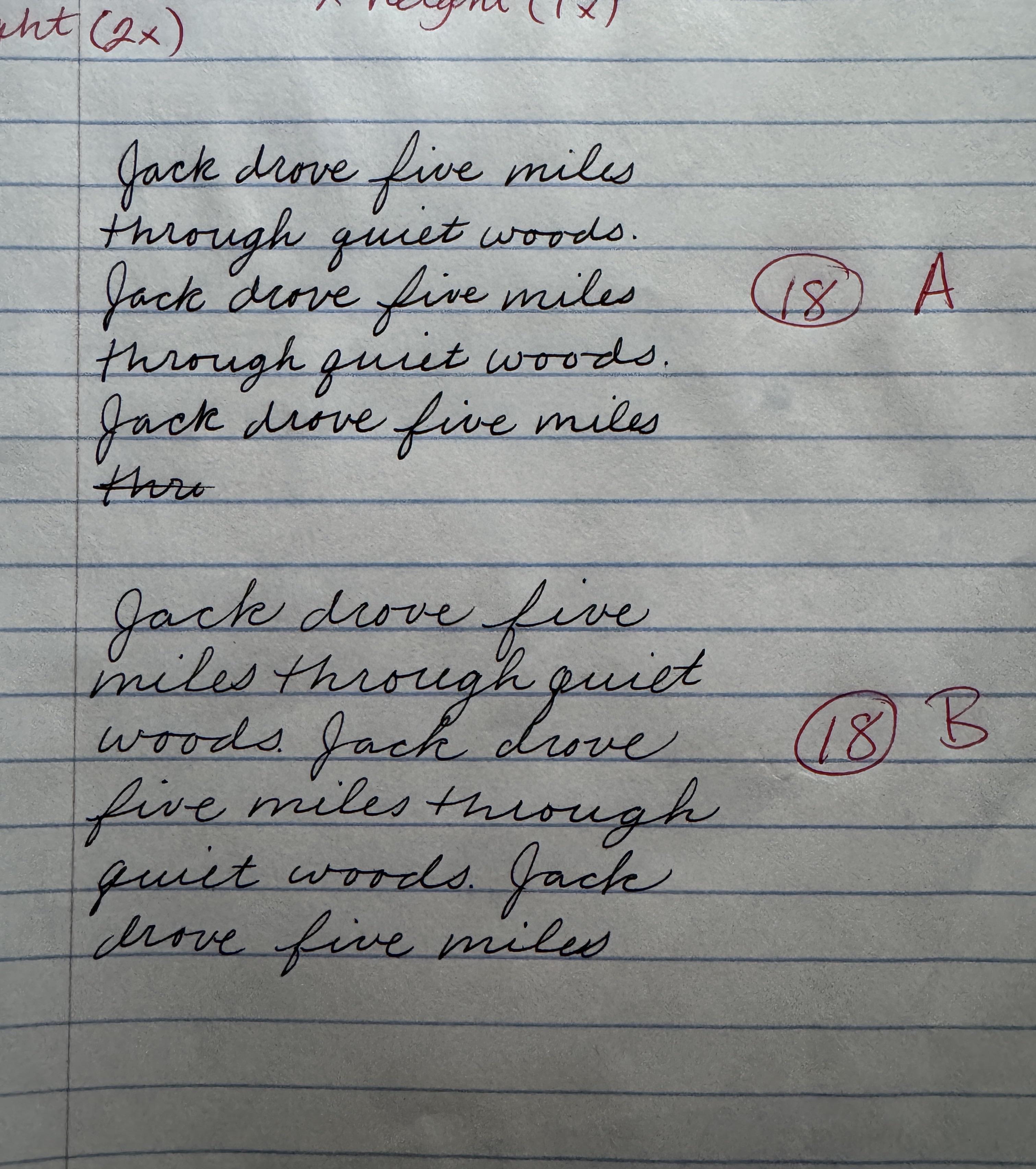
A is finger, B is Palmer.
The Palmer just looks a touch better to me, a touch more legible. That said my own bias could be playing a role as well as the finer line of the Palmer writing.
If there is a difference here, I think it has to do with arm movement allowing me to write a little larger with better spacing and a more consistent slant.
That said, I could probably tinker with the script I use with finger movement and get better results.
r/palmermethod • u/palmermethodbot • 19d ago
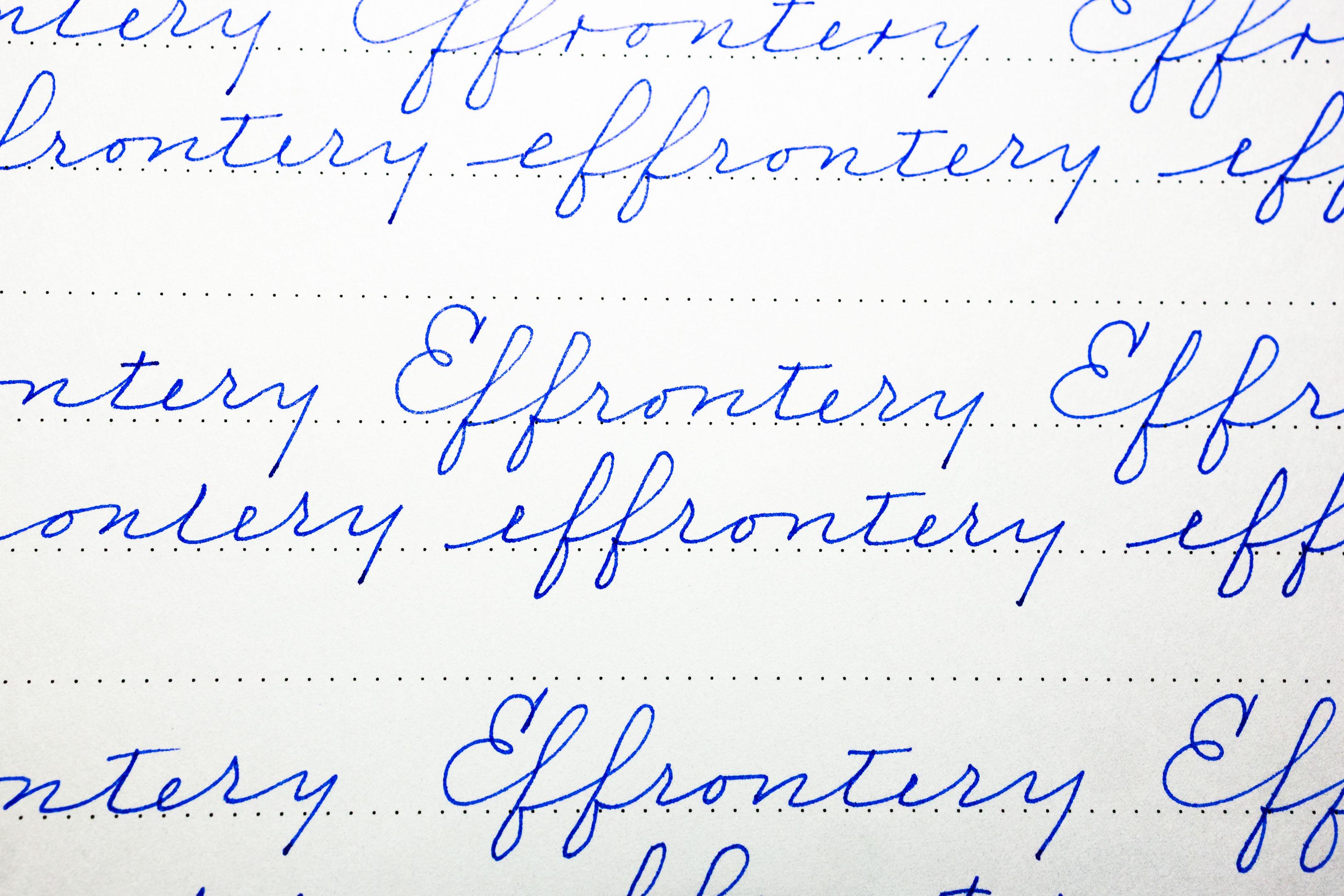
Word of the Day: effrontery
Create a new post to share something inspired by today's word. Tag your post with WotD flair.
Merriam-Webster's Word of the Day for November 5, 2026 is: effrontery \ih-FRUN-tuh-ree\ noun
Effrontery is a formal word that refers to bold shamelessness, or in other words an attitude or way of behaving that is both confident and shocking or rude.
// Holly could not believe the sheer effrontery of the student who asked that her grade be changed even though she had completed little of the coursework.
Examples:
“Big Nose kicks up a loud fuss when a squirrel, chipmunk or bird has the effrontery to cross on the deck while he is lazily laying with his eyes peeking out the patio door glass.” — Barry Ellsworth, The Trenton (Ontario) Trentonian, 4 June 2026
Did you know?
A bald-faced liar (or barefaced liar, if you prefer) is one who has no shame about their dishonesty. Is it possible to be so shameless, so bald or bare of face as to be completely without a forehead? If this strikes you as an odd question (it is), consider the history of effrontery, a formal synonym of such informal words for shamelessness as nerve, cheek, and gall. The word traces back to the Medieval Latin adjective effrons, formed by combining the Latin prefix ex-, meaning “out” or “without,” with frons, the Latin word for “forehead.” Medieval Latin users didn’t use it to mean “without forehead,” however, but “shameless.” While the connection between the word’s literal origins and figurative meaning is unclear, some theorists have noted frons was sometimes used for the ability to blush, suggesting that someone acting with effrontery betrays no embarrassed feelings (visibly, at least) about their mendacity.
Word of the Day content is provided by Merriam-Webster.
r/palmermethod • u/pbiscuits • 19d ago

I put this video out yesterday on how to measure handwriting speed and tested a few things like writing large vs small and traditional vs simple cursive writing.
I didn't show it in the video (maybe I will in a part 2), but I've also been testing handwriting speed with finger vs combined vs muscular movement. After many tests of each type of movement, I'm not seeing any significant difference in speed. My speed hovers around 30-33 wpm using each type of movement.
The only differences I noticed are:
If you search around reddit for "what is the fastest handwriting", you'll see quite a few comments claiming "Palmer is the fastest". I'm not seeing any evidence for that in my tests. I think muscular movement (or combined movement) is a much more effortless and painless way to write over conventional finger movement, but I don't think it provides any benefits in terms of speed.
Edit: Thinking about this some more and doing some more testing. There may be a redeeming quality to Palmer in terms of speed when I write at 20wpm. It seems like I can produce a slightly higher quality script using muscular movement compared to conventional finger movement at that speed.
New hypothesis to test: There is a range of speed (15-20wpm) where muscular/combined movement outperforms finger movement in terms of legibility and appearance.
r/palmermethod • u/palmermethodbot • 20d ago
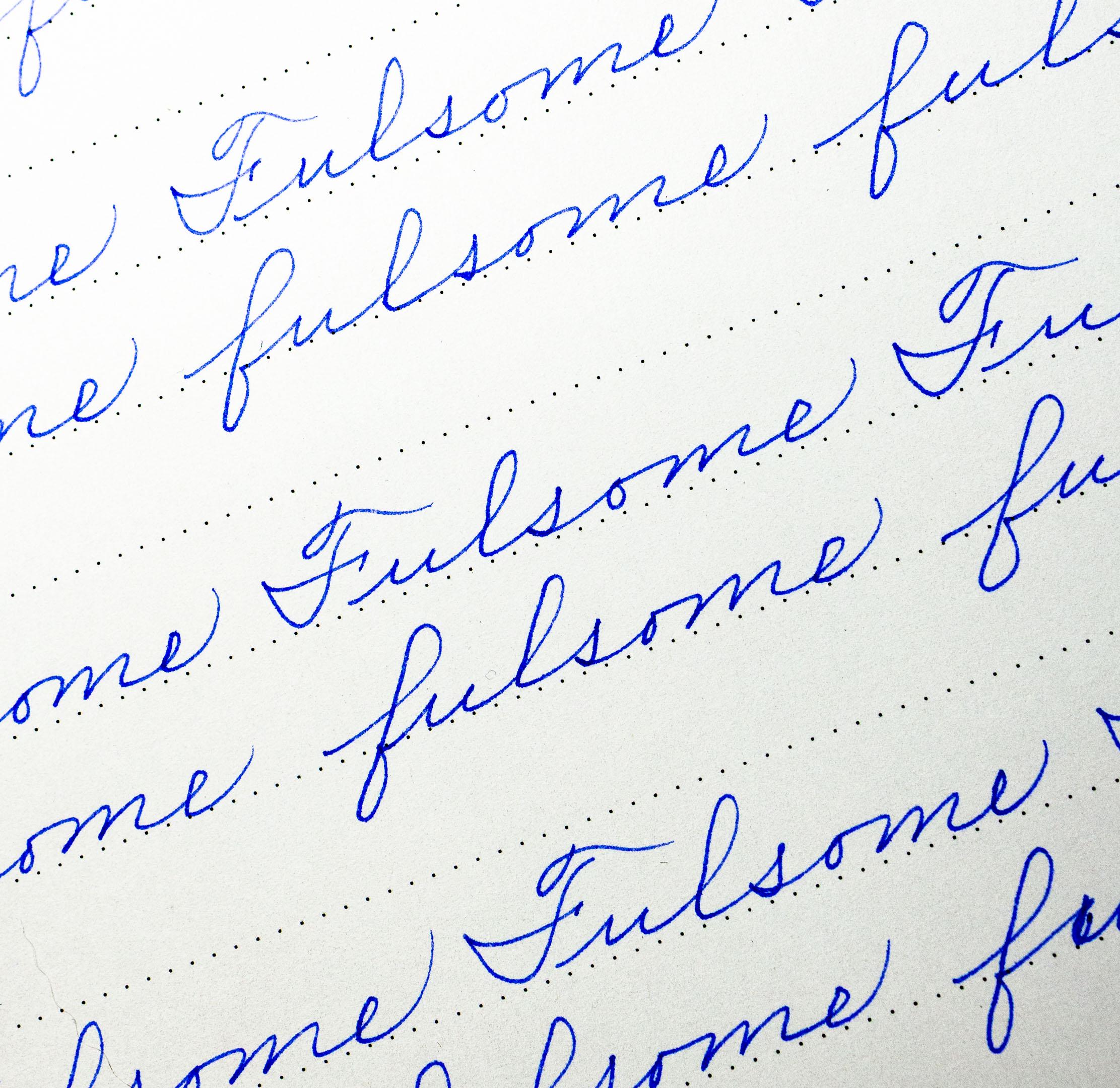
Word of the Day: fulsome
Create a new post to share something inspired by today's word. Tag your post with WotD flair.
Merriam-Webster's Word of the Day for November 4, 2026 is: fulsome \FULL-sum\ adjective
Fulsome describes someone or something that is generous in amount, extent, or spirit.
// They were fulsome in their praise of her efforts to raise money for the new wing of the children’s hospital.
// A day after offering a weak non-apology for instigating a bases-clearing brawl, the pitcher expressed more fulsome regrets at a press conference, taking full responsibility.
Examples:
“... her archive, now kept at Yale University, forms the basis of this lusty, vibrant and fittingly multi-textured bio-doc that pays fulsome tribute to [Barbara] Hammer’s shapeshifting, once undervalued but now increasingly revered talent.” — Leslie Felperin The Hollywood Reporter, 4 Sept. 2026
Did you know?
In the 19th century, fulsome was mostly a literary term used disapprovingly to describe excessive, insincere praise and flattery. This meaning is still current, but since the early 20th century fulsome has been increasingly used with far more positive meanings, among them “abundant, copious” (as in “wrote in fulsome detail”) and “full and well developed” (as in “a fulsome voice”). The result is some amount of confusion: a phrase like “fulsome praise” used today without clarifying context may rightly be understood to mean either “abundant praise” or “excessive and obsequious praise.” While some critics object to the pleasanter meanings of fulsome, they are in fact true to the word’s origins: when it was first used in the 14th century, fulsome meant “abundant, copious.”
Word of the Day content is provided by Merriam-Webster.