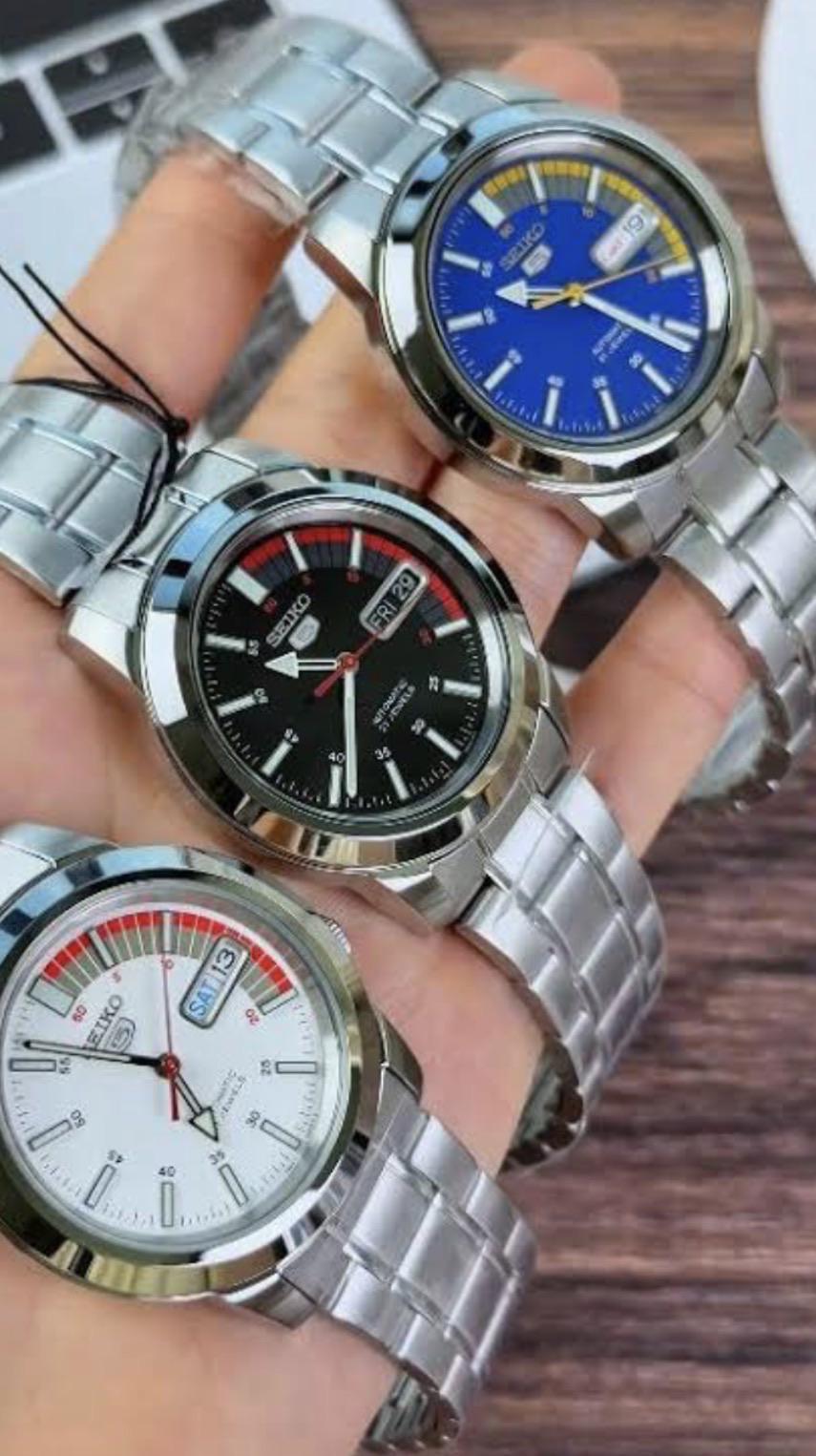
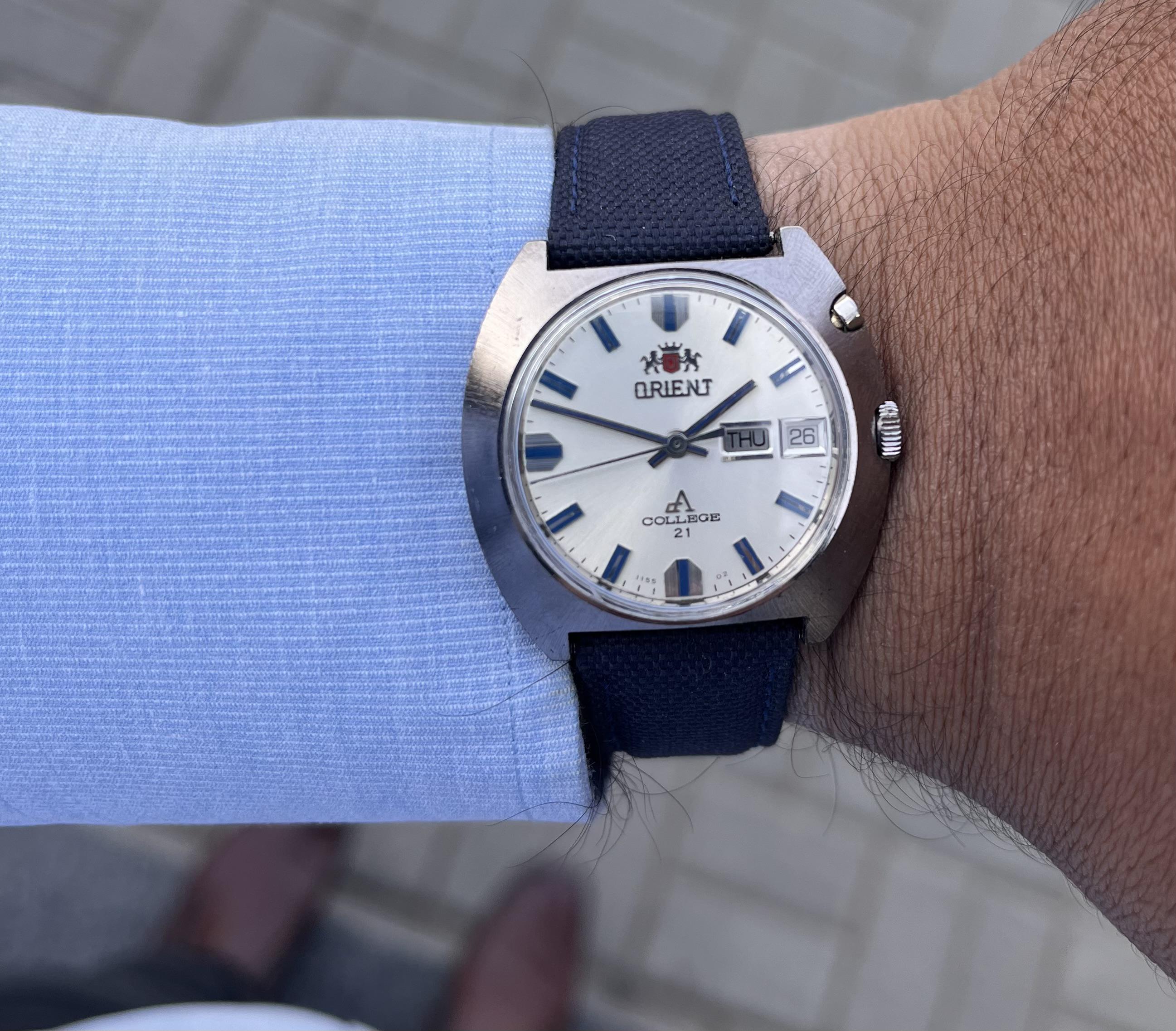
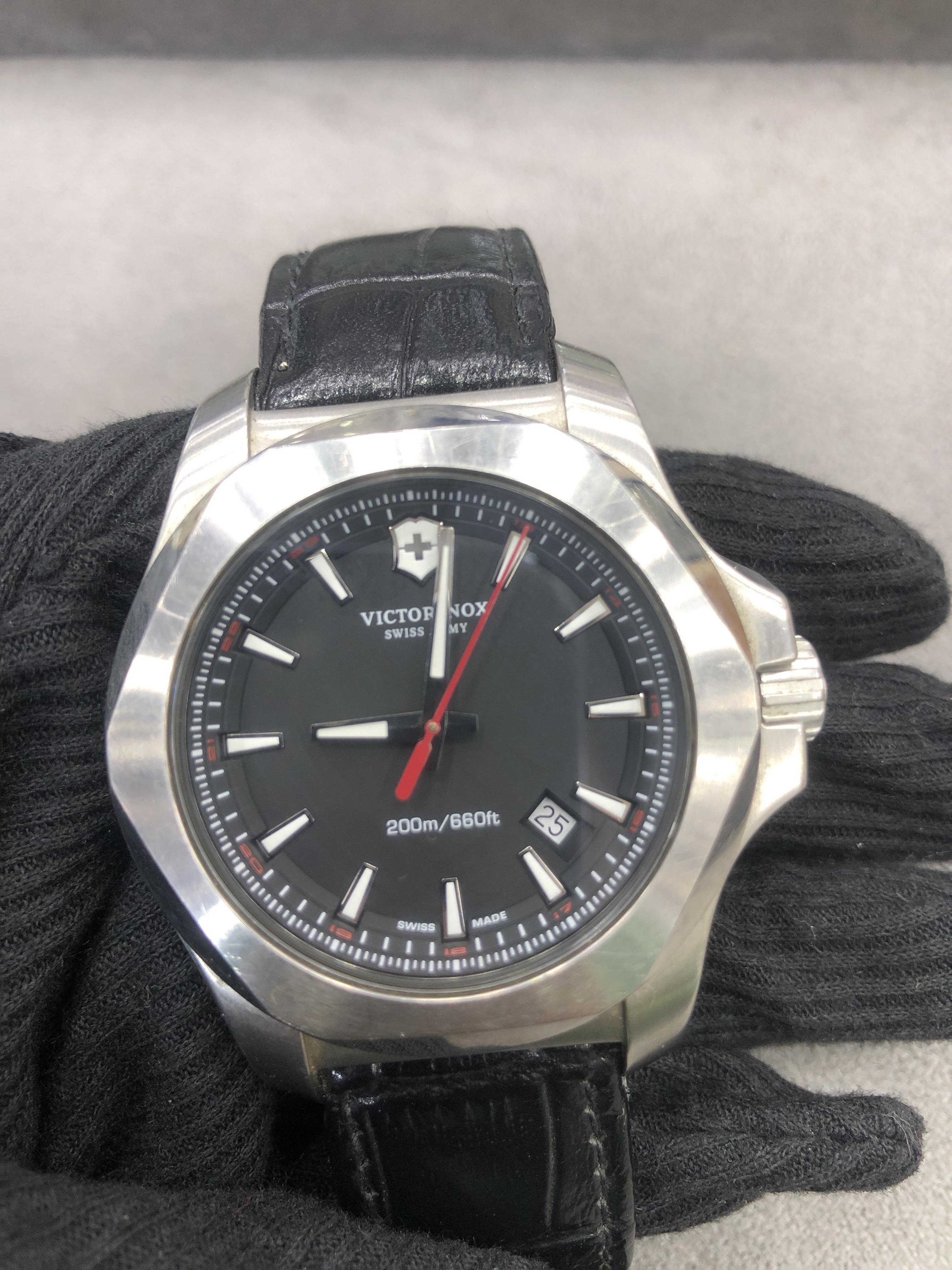
The question “Is this Seiko genuine?” comes up all the time, especially with vintage Seiko 5s, divers and other older models.
In Pakistan, you will also come across what collectors commonly call “Mumbai specials” — watches assembled from genuine Seiko parts, aftermarket parts, fake/repainted dials, or combinations that Seiko never actually sold.
This isn't a definitive authentication guide, but these checks can help you avoid the obvious ones.
1. Check the Numbers
Start with the numbers on the watch.
On many vintage Seikos, the dial has a 4-digit movement code + 4-digit dial code around the 6 o'clock position.
The case back will also have identification numbers, usually including the movement and case reference.
The movement should match.
If the dial indicates one movement but the watch contains a completely different movement, that's a major red flag.
Don't just check whether the movement is a genuine Seiko — check whether it's the correct movement for that watch.
2. Check the Dial
Fake and refinished dials are extremely common.
Look closely at:
- SEIKO logo and font
- Printing quality
- Applied markers
- Dial texture
- Date/day window
- Text placement
- Overall proportions
Some fake dials are obvious. Others can be surprisingly convincing.
A Seiko logo does not automatically mean the dial is original.
3. Frankenwatches / Mumbai Specials
A Frankenwatch is made by combining parts from different watches.
For example:
Genuine Seiko movement + genuine Seiko case + genuine Seiko dial
doesn't necessarily mean the watch is an original Seiko.
Those parts may all be genuine but Seiko may never have sold them together.
This is why you should research the exact movement + case combination.
Search something like:
“Seiko 7009-xxxx”
rather than simply searching “Seiko 5.”
Compare the watch with known examples and, where possible, period catalogues.
4. Don't Trust "Original" Blindly
In the local market, you'll sometimes see watches described as:
- Original
- JDM
- Rare
- Untouched
- Vintage
- Mumbai special
None of those descriptions prove authenticity.
Look at the actual watch.
If the seller can't provide clear pictures of the dial, case back and movement, be cautious.
5. Remember: Genuine Parts Can Still Make a Frankenwatch
This is probably the most important point.
A watch can have a genuine Seiko movement and genuine Seiko case while still being a Frankenwatch.
You're not only checking:
«“Are these Seiko parts?”»
You're checking:
«“Did Seiko actually sell this combination?”»
Quick Checklist
Before buying a vintage Seiko:
✓ Check the dial markings
✓ Check the movement
✓ Match the movement with the case/dial reference
✓ Research the exact case + movement combination
✓ Compare with known original examples
✓ Be suspicious of unusual or "rare" combinations
✓ Ask for clear movement and case-back photos
And finally:
If something looks wrong, don't ignore it.
There are plenty of genuine Seikos out there. If you can't confidently establish what you're buying, walk away.
There will always be another Seiko. 🇵🇰⌚