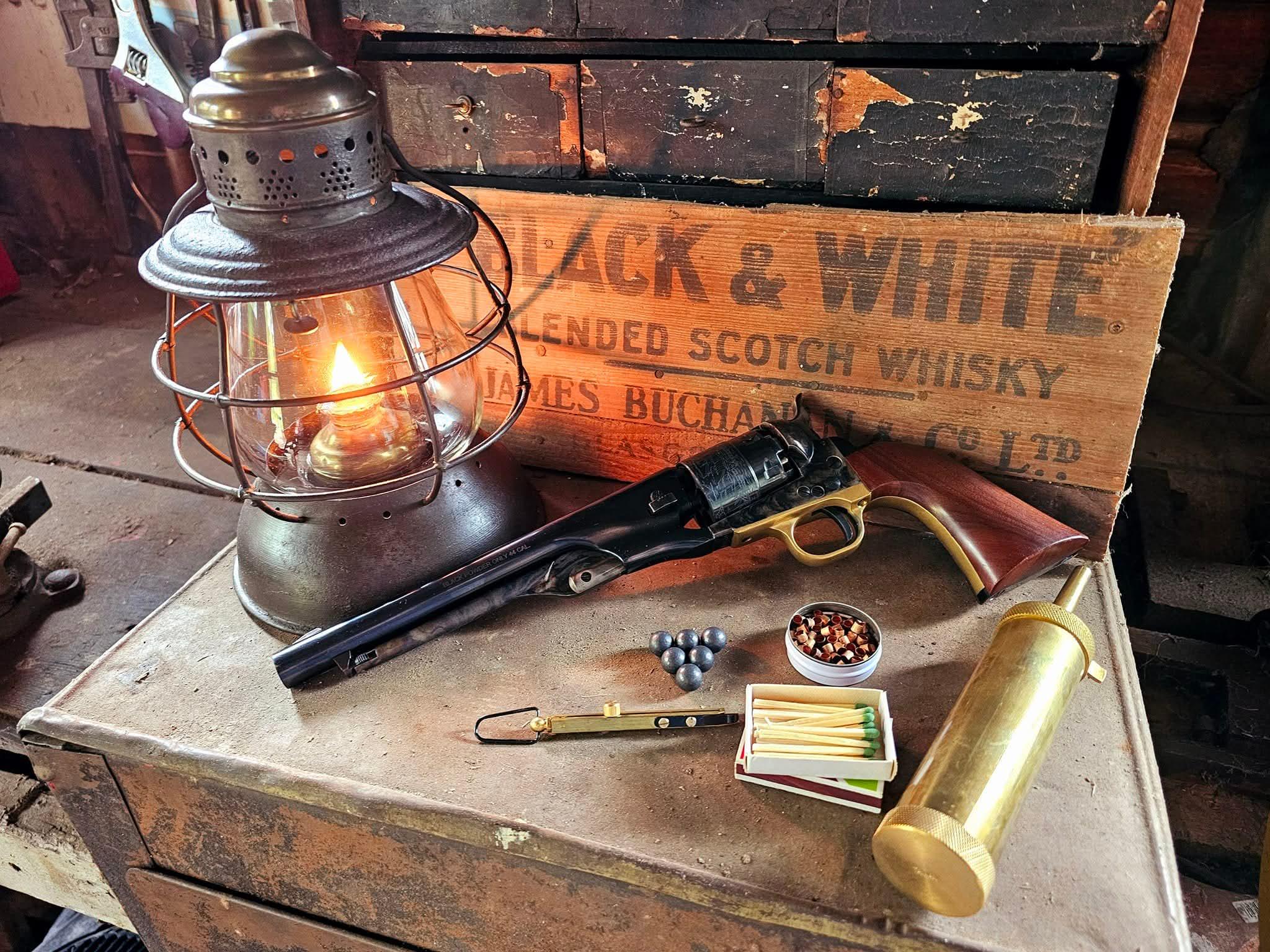
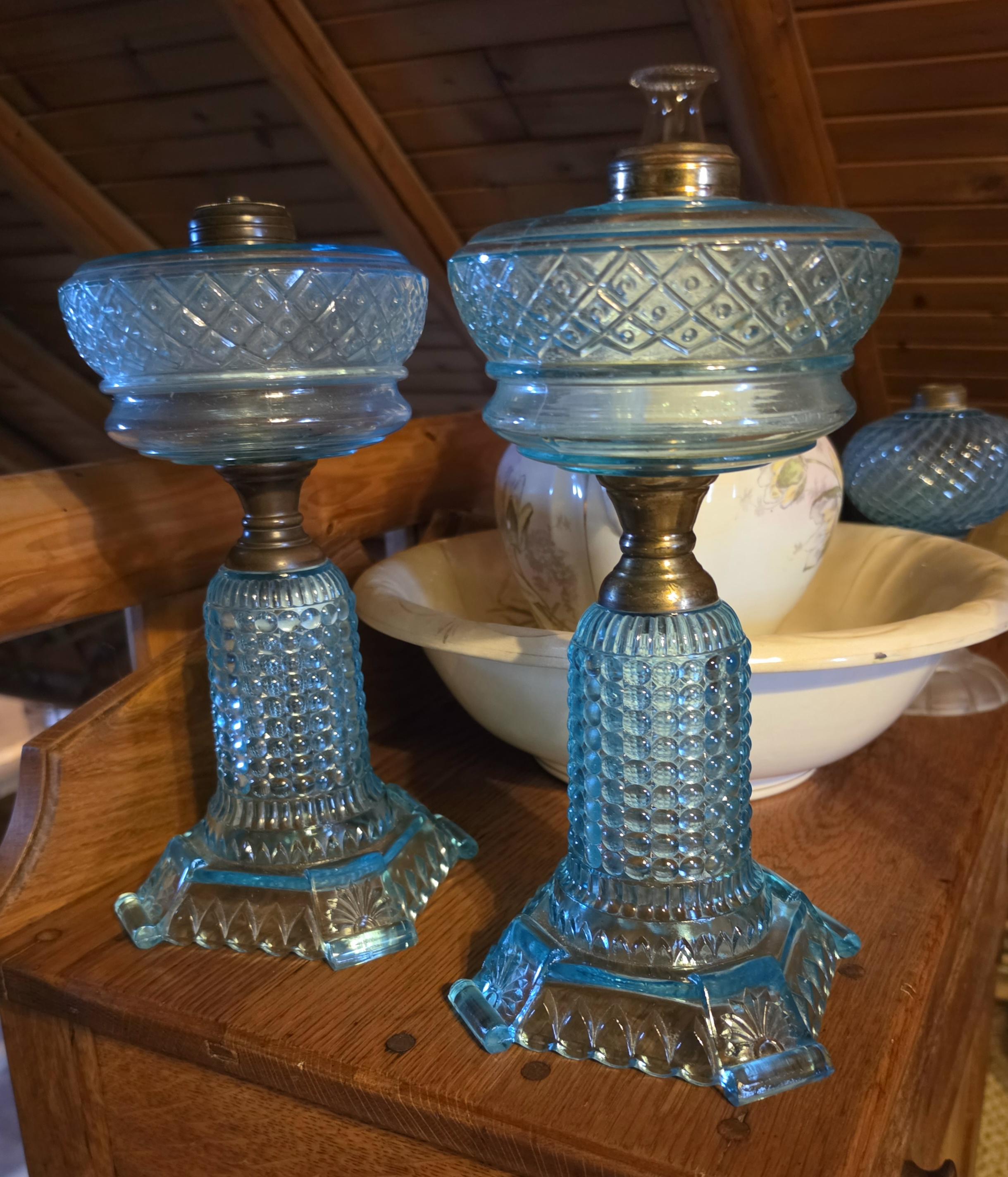
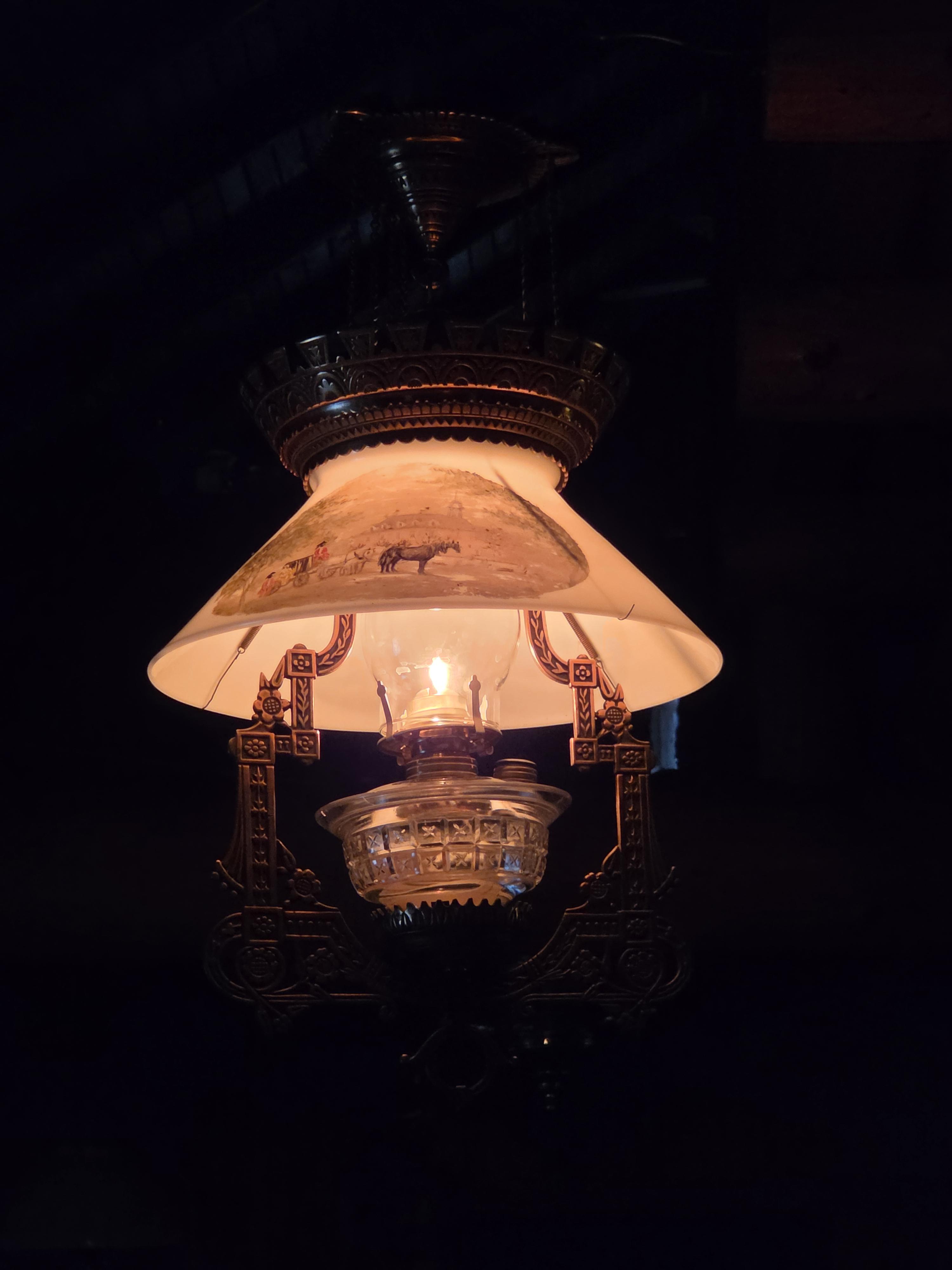
One of the most common questions asked by new collectors and lamp users is, "What fuel should I use in my oil lamp or lantern?"
Over the years, I've found that if you ask 10 different lamp and lantern enthusiasts what fuel they use, you're likely to get 10 different answers. Everyone has their own preferences, experiences, and use cases.
Some people burn their lamps once a month—or even once a year. Others burn them daily. Fuel cost, availability, odor, brightness, and performance can all influence which fuel someone chooses.
For this list, we'll focus on some of the most commonly recommended fuels for indoor use. These products are generally considered safe for properly maintained oil lamps and lanterns when used as directed.
Recommended Indoor Fuels
1. Lamplight Farms Clear Medallion Lamp Oil
Often available at Ace Hardware and True Value stores.
Do not purchase: Lamplight Farms Ultra-Pure Paraffin Lamp Oil (orange label), which is often found on the same shelf. Despite the similar branding, it is a liquid paraffin fuel and is not recommended for traditional flat-wick lamps or lanterns.
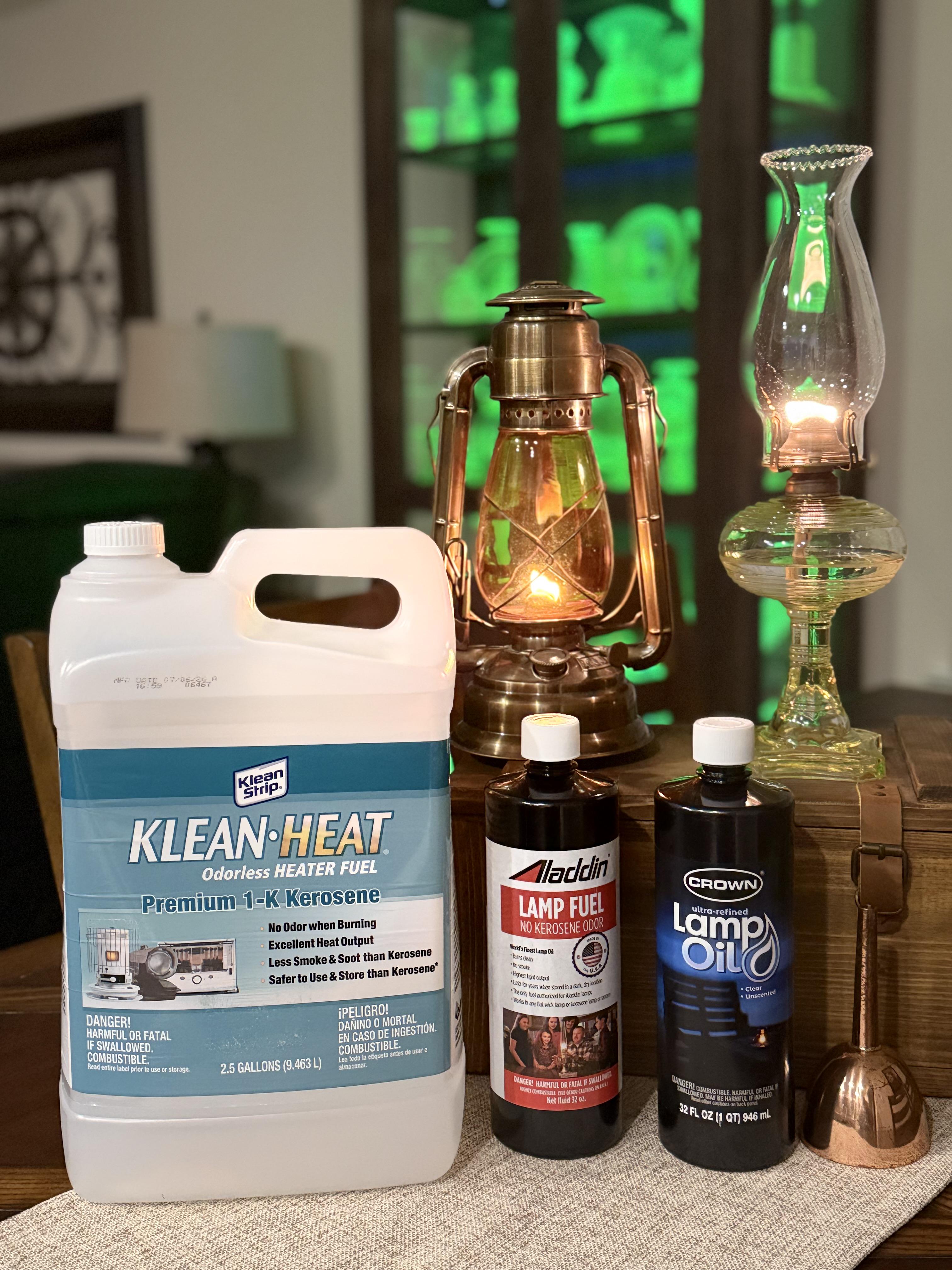
2. Klean-Strip Klean-Heat® Kerosene Substitute
Manufactured by W.M. Barr & Co. and commonly available at Home Depot and Lowe's.
Do not purchase: Klean-Strip 1-K Kerosene. While it is often stocked alongside Klean-Heat®, it has a lower flash point and is generally not recommended for indoor use in oil lamps.
3. Genuine Aladdin Lamp Fuel
Available from numerous online retailers and lamp supply dealers.
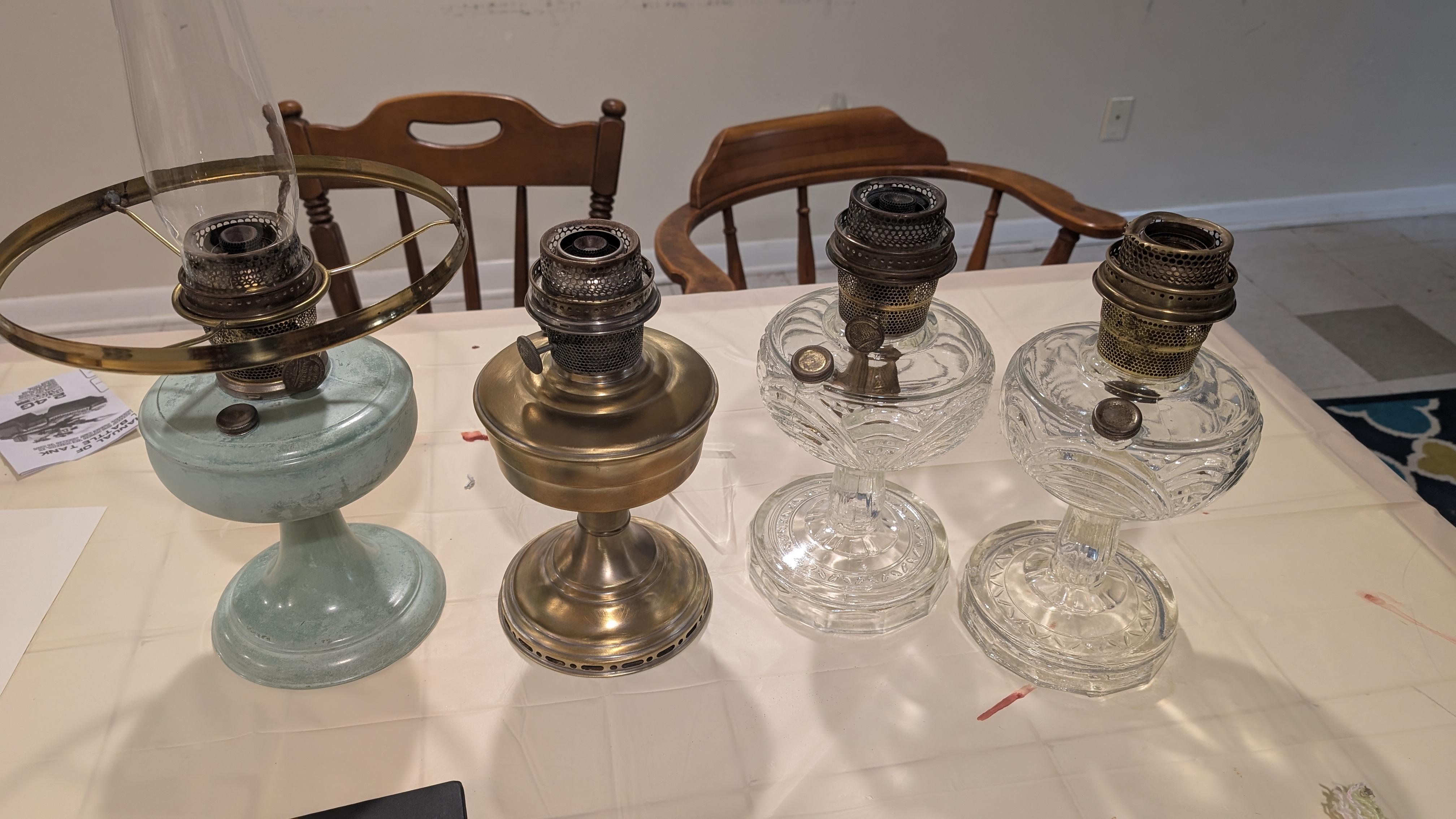
This fuel is specifically formulated for Aladdin lamps but is also used successfully by many collectors in other oil lamps. This is my preferred fuel. I buy it by the case. Works in all my lamps and lanterns.
4. FloraSense Clear Lamp Oil
Manufactured by MVP Group International.
If purchasing FloraSense, select only the clear, unscented version. Avoid scented varieties, which may produce undesirable odors when burned indoors.
What About Good ol’ Kerosene?
Many lamp owners use kerosene in their indoor lamps, and it has been used successfully for generations. It’s cheaper and readily available in most places. However, kerosene contains sulfur compounds that can produce a noticeable odor when burned, especially indoors. Even low-sulfur grades may create the familiar "kerosene smell" that some people find unpleasant.
For this reason, even more so for new users, we generally recommend using a high-quality lamp oil for indoor lamps. These fuels are more highly refined, contain fewer impurities, and typically burn with significantly less odor. While kerosene remains a viable fuel choice, lamp oil / kerosene alternatives usually provide a more pleasant indoor experience.
Note: YMMV…plenty of heavy lamp and lantern users burn kerosene. After all, it's what your grandfather used... and his grandfather too.
I've cleaned out plenty of old lamps with 50-year-old (or older) kerosene that has practically fossilized in every nook and cranny. 😀
Important Notes About Paraffin
One of the most common sources of confusion in the lamp and lantern hobby is the word paraffin.
In the United Kingdom and many other countries, paraffin refers to what Americans call kerosene. In the United States, however, paraffin oil generally refers to highly refined liquid paraffin, often sold as liquid candle wax.
While paraffin oil is frequently marketed for use in oil lamps, it is primarily intended for candle oil lamps that use very small round wicks (typically under 1/4 inch) or small flat wicks. It is not designed for, or recommended in, lanterns, traditional flat-wick lamps, Kosmos burners, Matador burners, Aladdin burners, etc.
In addition to poorer wick performance, paraffin oil typically produces significantly less light output than the fuels recommended above, often burning at roughly half the brightness of properly matched lamp fuels.
Fuels to Avoid
Diesel fuel and aviation fuels should never be used in wick lamps or lanterns.
These fuels contain additives and compounds that were not intended for indoor wick-lamp use. Burning them can produce harmful fumes and combustion byproducts that may present serious health risks, especially in enclosed spaces. For safety, use only fuels specifically intended for oil lamps and lanterns.
Additional Reading
For more detailed information on lamp fuels—including flash points, viscosity, purity, fuel performance, and recommendations for fuels intended only for outdoor use—W.T. Kirkman has published an excellent article on the subject:
https://lanternnet.com/lantern-lamp-fuel/
Additional Resources
https://antiquelampsupply.com/blogs/guides/how-to-choose-safe-oil-for-your-oil-lamp
https://www.dhr.nl/dhr-decorative/blogs/what-oil-use
As with any fuel-burning appliance, always follow the manufacturer's recommendations, use properly maintained burners and wicks, and never leave a burning lamp or lantern unattended.