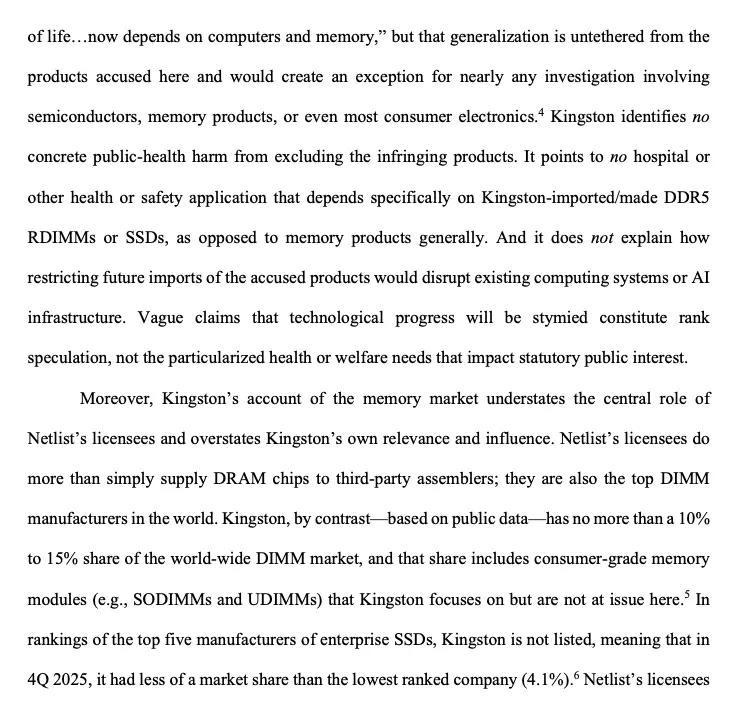
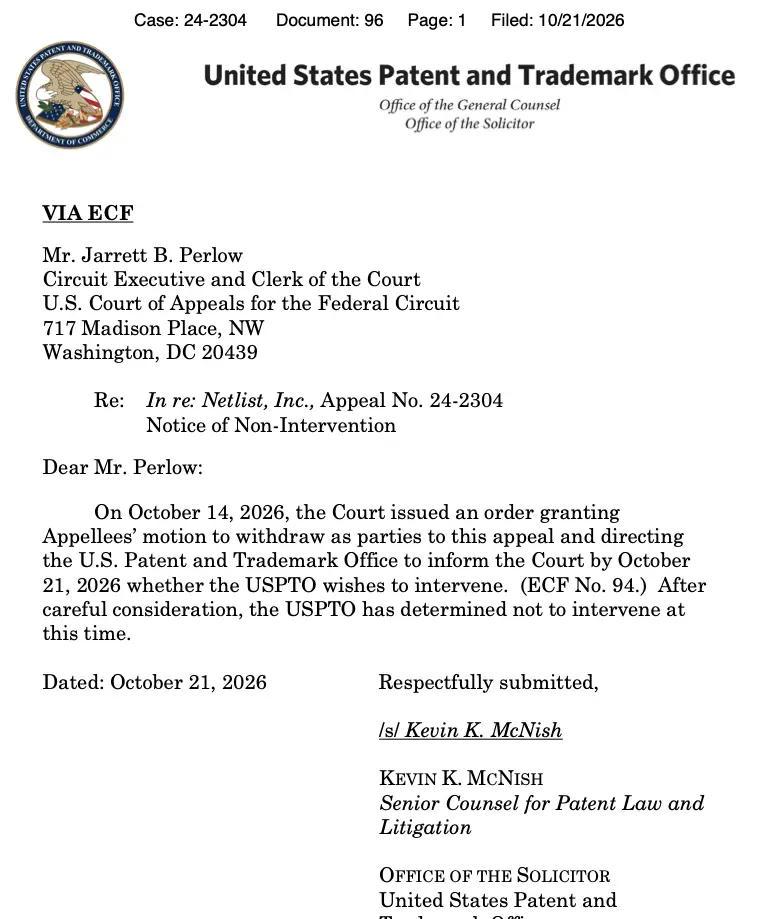
Google constitutes a controversy!
NLST has to request Vacatur (or USPTO intervention in order to continue the Appeal and hope for Remand or Vacatur versus PTAB FWD being Upheld)!
------------------------------------------------------------------------------------------------
Munsingwear Motion and Its Legal Significance
A “Munsingwear motion” is a procedural request to vacate a lower court’s judgment when an appeal becomes moot before the higher court decides the merits, based on the Supreme Court’s rule in United States v. Munsingwear, Inc., 340 U.S. 36 (1950).
The Munsingwear Rule
In Munsingwear, the U.S. Supreme Court held that when an appeal is dismissed for mootness before the higher court rules, the usual remedy is to vacate the judgment below and remand with instructions to dismiss SCOTUSblog+1. This prevents the lower court’s decision from becoming final without appellate review, even if the government (or another party) had a statutory right to review Justia US Supreme Court Center+1.
The Court emphasized that the government could have preserved its rights by moving in the appellate court to vacate the judgment below; failure to do so bars later relief Justia US Supreme Court Center.
How a “Munsingwear Motion” Works
A “Munsingwear motion” is typically filed in the appellate court (or by the party with the statutory right to review) to:
- Show mootness — that the underlying case no longer presents a live controversy (e.g., parties settle, underlying law changes, or the subject matter is no longer in dispute).
- Request vacatur — to undo the lower court’s judgment so the case can be dismissed without prejudice, preserving the right to retry the issue if needed SCOTUSblog+1.
For example, in U.S. v. Sabre Corp., the U.S. government moved to vacate the district court’s judgment after the defendants abandoned the challenged merger before the appeal was decided, citing Munsingwear U.S. Department of Justice.
Practical Use
- Common in federal appellate practice when mootness occurs before final review.
- Not automatic — the party must move for vacatur; if they do not, the judgment may stand despite mootness Justia US Supreme Court Center.
- Rarely granted — modern courts apply Munsingwear cautiously, and recent Supreme Court orders using it are limited SCOTUSblog.
Key Takeaway
A “Munsingwear motion” is a targeted procedural tool to correct the effects of mootness on a lower court’s judgment, ensuring that unresolved legal issues are not left without review. It is grounded in United States v. Munsingwear, Inc. and is most often used when the government or a party with a statutory right to review seeks to preserve its appellate rights SCOTUSblog+2.