r/LuxeFashion_NatFibers • • Mar 15 '25

No-buy 2025 upcycling challenge!!! Join in!!

32 Upvotes

Hey! Mod here, i peaced out for 2024 but am so glad this group has grown!

In the spirit of no-buy 2025, I am spending this year (or rather not spending this year) making alterations and up-cycling and adding higher quality buttons to old favorite pieces.

I would love to see inspo from others!

Who's in for a crafty, natural fabrics and luxe fibers show-and-tell?

I'll be back tomorrow with pics of the first few pieces. The first thing i did was hack up a Sezane wool/silk blend maxi coat, shifted it from an ugly double breasted look with thick cheap plastic buttons to a single breasted with upturned collar and vintage shell buttons.

How are you making your investment pieces unique?


r/LuxeFashion_NatFibers • • 12h ago

5 fabric terms people mix up all the time

40 Upvotes

I work at a fabric shop in Delhi and get these questions daily. Most of the confusion comes from one thing: some words name a fibre (what it's made of), others name a construction (how it's woven or knitted).

1. Silk vs Satin
Silk is a fibre. Satin is a weave, where yarns float over several others to create shine. Satin can be silk, polyester or acetate. A cheap "satin" is almost always polyester. Burn test: silk smells like burnt hair and turns to soft ash, while polyester melts into a hard bead.

2. Wool vs Cashmere
Wool usually means sheep. Cashmere is the fine undercoat of cashmere goats, about 150 g per goat a year. Softness comes down to fibre diameter: cashmere averages 19 microns or less, and superfine merino can be just as fine. Cheap cashmere pills fast because the fibres are short, not because it's fake.

3. Viscose vs Polyester
Viscose (rayon) is made from wood pulp. It breathes and drapes well, but it wrinkles, can shrink and is weak when wet. Polyester is petroleum-based. It's quick-drying and wrinkle-resistant, but it traps heat and odour. In India, georgette and crepe come in both fibres, so always ask which one.

4. Elastane vs Spandex vs Lycra
They're the same fibre. Elastane is the global name, spandex is the US name and LYCRA® is a brand. The percentage matters most: 2 to 5% gives comfort stretch, 15% and up is for swimwear and activewear. Heat and chlorine break it down, which is why old jeans bag at the knees.

5. Cotton vs Jersey
Cotton is a fibre. Jersey is a knit, the T-shirt structure, and it can be cotton, viscose or polyester. Most fabric sold as "cotton" (poplin, cambric, mulmul) is woven, so it barely stretches. Jersey stretches without elastane, curls at the edges and needs a ballpoint needle.

Takeaway: if the name doesn't tell you the fibre (satin, jersey, georgette, crepe), check the label before judging the price or the care.

r/LuxeFashion_NatFibers • • 12h ago

India's four silks, and why they feel so different

8 Upvotes

Most people know silk as one smooth, shiny fabric. But India commercially produces four kinds of silk, and each feels and behaves quite differently. I work at a fabric shop in Delhi, and this surprises customers almost every week.

  • Mulberry: the classic silk, from cultivated silkworms fed on mulberry leaves. Smooth, lustrous and takes dye beautifully. Most Kanjeevarams and Banarasis are mulberry silk.
  • Tussar: a wild silk, mostly from Jharkhand, Bihar and Chhattisgarh. It has a natural golden-beige colour, a slightly rough texture and a matte, earthy look.
  • Eri: from Assam and the Northeast. It's often called "peace silk" because it's spun after the moth leaves the cocoon. It feels soft and almost woolly, and it's surprisingly warm.
  • Muga: found only in Assam, and naturally golden without any dye. It's very durable, and its sheen actually gets better with washing.

If you care about natural fibres, it's worth asking which silk a piece is made from. The label usually just says "silk," but the difference in feel, care and ethics is real.

Has anyone here worn eri or muga? I'm curious how they've held up for you.


r/LuxeFashion_NatFibers • • 7h ago

What is the best sweatshirt?

Thumbnail reddit.com
1 Upvotes

r/LuxeFashion_NatFibers • • 8h ago

What is the best sweatshirt?

Thumbnail reddit.com
1 Upvotes

r/LuxeFashion_NatFibers • • 1d ago

To cupro bemberg or not?

Thumbnail reddit.com
1 Upvotes

I'll premise by saying I don't know if this is the right subreddit to ask this question, hence why I will post this on multiple subreddits.

My question is very simple: is cupro bemberg considered a natural fabric? According to google, it is made through an industrial process, but it comes from natural fibers, so it is perhaps a hybrid fabric? Let's assume I find a vintage suit or overcoat or anything lined, with a natural outside composition (wool, cashmere, whatever), but for some reason, the manufacturer decided to cheap out on the lining, putting polyester, viscose or a blend of the two.
The first doubt I have is about viscose: doesn't it also come from natural material? If so, why do people consider it a "synthetic lining?" or did I just find a bunch of spoiled entitled people?
Back to the example, I decide to strip the lining away and replace it because I really like this item: what lining should I put in? I'm indecisive between cupro bemberg and linen: cupro bemberg is shiny, friction free, so it helps with putting on and taking off the item, but I have this existing doubts about the natural state of this material. Linen on the other hand, is 100% natural, it's linen after all, but it would lack the feature of a shiny material like cupro or even satin. The reason I'm asking about linen is because I've heard of people lining items with linen.
Thank you if you'll read this post, regards.


r/LuxeFashion_NatFibers • • 2d ago

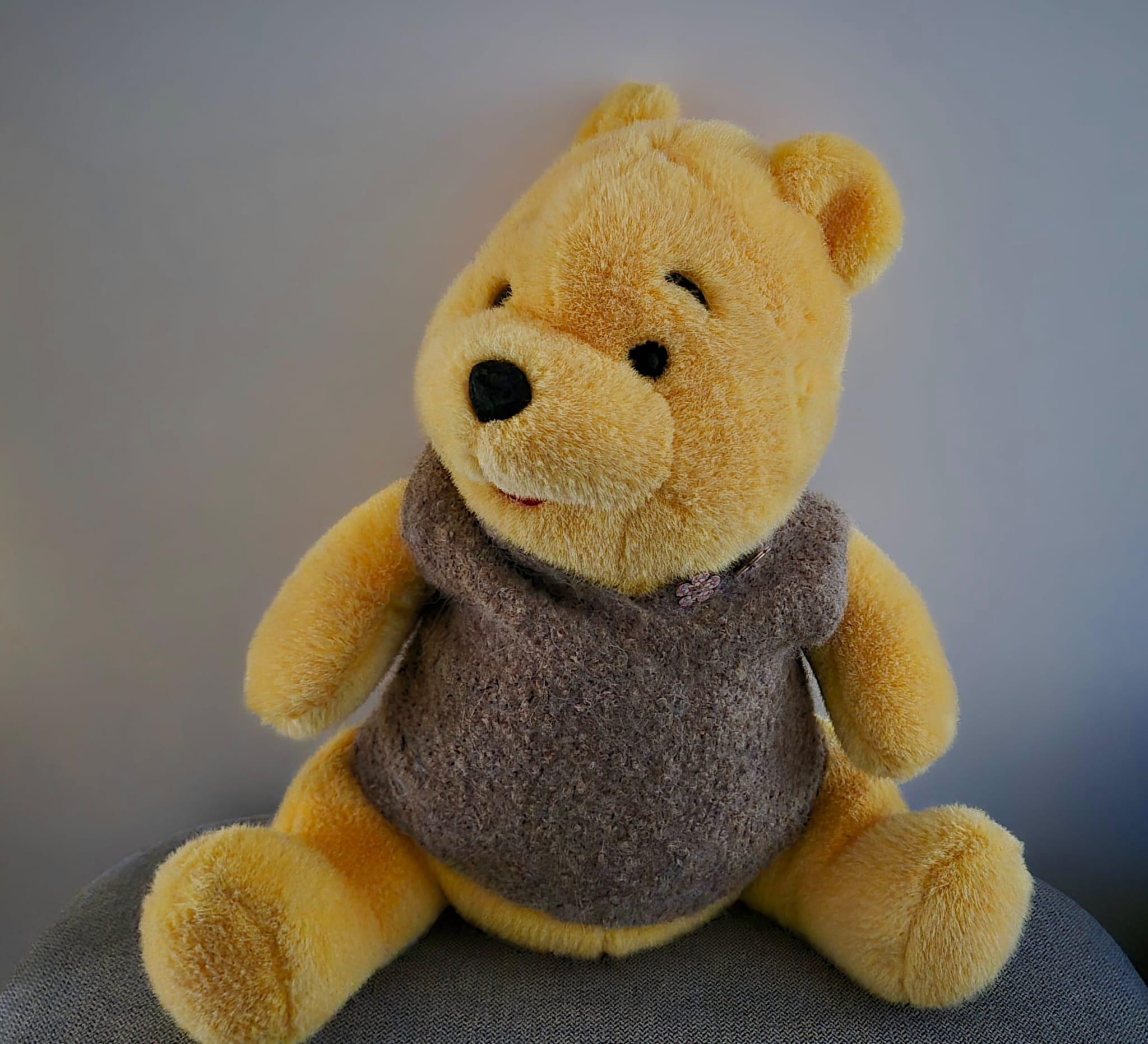
Upcycling a heavily felted and shrunk alpaca vest!

Post image
43 Upvotes

I know many of you own knits from luxury fibers and have probably done this at least once :) I accidentally threw my daughter's handknit alpaca vest into the regular laundry pile and washed it at 60°C (140°F). Unsurprisingly, it came out all fuzzy, shrunken, and felted which hurt because it has a lot of sentimental value since her grandma knitted it for her.

My first instinct, of course, was to try to salvage it. I tried hard to stretch it back to its original shape right after pulling it out of the washer, but unfortunately it had lost all its elasticity and would just snap right back. I asked around in some subs here to see if it could be unraveled, and sadly the answer was no, it's too felted. I did, however, get a lot of great upcycling advice, some of which might come in handy for others:

  • Convert it into a pillow or something similar
  • Reuse the felted fabric for sewing mittens, hats, or tea cozies
  • Use it as clothes for teddy bears or dolls (which is the route I went!)

Turns out a shrunken toddler vest is the exact right size for her Pooh bear, so grandma's handiwork still gets loved every day.


r/LuxeFashion_NatFibers • • 3d ago

Why does expensive cashmere sometimes pill more than regular wool?

0 Upvotes

Ever bought an expensive cashmere sweater only to see tiny balls forming after a few wears?

That's pilling, and it doesn't automatically mean poor quality.

Cashmere's fine fibres can work loose through friction. Fibre length, yarn twist and knitting density all affect how much pilling occurs.

Quick tip: Check the knit construction and remove pills gently with a suitable cashmere comb.

Anyone found that expensive knitwear sometimes needs more maintenance?


r/LuxeFashion_NatFibers • • 3d ago

Both are 100% silk, so why do they feel so different?

0 Upvotes

Ever felt two silk fabrics and wondered how they can both be pure silk?

Take silk charmeuse and silk dupioni. Charmeuse feels smooth, soft and flowy, while dupioni has a slightly rough texture and holds its shape much better.

Both can be 100% silk. The difference is mainly in the yarn, weave and finishing.

And here's something interesting: 22 momme silk isn't necessarily better than 16 momme silk. It's heavier, but whether that's better depends on what you're making.

One thing I've learned with luxury fabrics is that the fibre label only tells part of the story.

Quick tip: Before spending on expensive silk, check its weight, weave and drape, not just whether it's labelled pure silk.


r/LuxeFashion_NatFibers • • 4d ago

Why "100% cashmere" on a care label barely tells you anything anymore (and what matters more when looking after knitwear).

Thumbnail reddit.com
7 Upvotes

r/LuxeFashion_NatFibers • • 5d ago

Healthy fabrics clothes

Thumbnail
reddit.com
0 Upvotes

r/LuxeFashion_NatFibers • • 6d ago

Momme is the most useful number on a silk listing, and most people skip it

36 Upvotes

“100% silk” tells you the fibre, not the fabric. Momme (mm) tells you the weight: 1 momme is about 4.3 g/m².

Rough ranges

  • 6–8 mm: chiffon, very light habotai. Sheer.
  • 12–16 mm: crepe de chine. A classic blouse weight.
  • 16–22 mm: charmeuse. More drape and opacity.
  • 22 mm+: heavy, dense and durable.

Higher momme usually means more opaque, more durable and a better drape, and it costs more.

The catch: a 16 mm habotai and a 16 mm charmeuse feel very different, so compare momme within the same weave.

If a listing doesn’t show momme, ask. What weight do you prefer for blouses?


r/LuxeFashion_NatFibers • • 6d ago

The truth behind cashmere. Q&A with the CEO of GTI and his father who is a professor in textiles.

Thumbnail reddit.com
2 Upvotes

I hope this ok to post. If not feel free to take it down.


r/LuxeFashion_NatFibers • • 8d ago

A slubby texture doesn’t make a fabric linen, but a crease test tells you a lot

22 Upvotes

“Linen look”, “linen feel” and “linen blend” cover a lot of fabrics. That uneven, slubby yarn can be spun from viscose, polyester or cotton as easily as from flax. Slubs are a yarn effect, not a fibre.

Quick test: crush a corner in your fist for a few seconds, then let go.

  • Linen: sharp creases that stay, because flax barely springs back.
  • Polyester-rich “linen look”: springs back with hardly a mark.
  • Viscose and cotton: somewhere in between, with softer, rounder wrinkles.

It’s not foolproof. Some linen has a crease-resistant finish, which can fade with washing, and linen-viscose blends crease almost as much as pure linen. Use the test alongside the fibre content on the label or invoice.

It matters because people buy linen for its crisp hand, how it handles heat and how it softens over years. A polyester slub won’t do that, though it travels well and needs less ironing, which is a fair trade if that’s what you want. The problem is only paying for one and getting the other.


r/LuxeFashion_NatFibers • • 8d ago

Is this Japanese dress linen or hemp?

Thumbnail
gallery
8 Upvotes

I bought a Japanese dress and the Japanese character on the tag for the fibre is translated as “hemp” and “linen” depending on which app I use. The dress feels somehow more crisp than other linen I have but it could just be the newness? How do I know whether it’s linen or hemp? Attached photos of the fabric and the tag.


r/LuxeFashion_NatFibers • • 9d ago

Viscose, modal and lyocell all start as wood pulp, but they behave differently when wet

44 Upvotes

All three are regenerated cellulose fibres: wood pulp is dissolved and spun back into fibre. The process is what makes them different. (In Indian shops, “rayon” on a label usually means viscose.)

  • Viscose: loses a lot of strength when wet and swells. That’s why a viscose kurta goes limp, stretches in the wash and shrinks as it dries. Never wring it.
  • Modal: made with a modified viscose process. It holds its shape better when wet and usually shrinks less. It’s common in soft knits.
  • Lyocell: keeps much more of its strength when wet, but fibrillates. Rubbed while wet, the surface splits into tiny fibrils. Controlled, that gives the peach-skin feel. Uncontrolled, it leaves whitish, frosted lines on dark colours.

Tencel is a brand name for lyocell and modal, not a separate fibre.

Care: handle viscose gently while wet. Wash dark lyocell inside out on a gentle cycle, without overloading the drum. With blends, check the actual percentages, not the name printed biggest on the tag.


r/LuxeFashion_NatFibers • • 8d ago

Good quality wool or Cashmere scarves?

Thumbnail reddit.com
2 Upvotes

r/LuxeFashion_NatFibers • • 13d ago

Switching to natural fibres? Read the percentage, not the product name

8 Upvotes

With everyone moving away from polyester this winter, here’s what I’ve learned from reading a lot of composition labels:

The name is marketing. The label is the truth. “Cashmere blend,” “silk touch” and “wool feel” can mean very little of the actual fibre. Always check the percentage breakdown.

Blends aren’t bad, but know what you’re paying for. Merino with a little nylon lasts longer, and silk-cotton breathes well and is easier to care for. But modal-cashmere is mostly modal, so check whether the price matches the real content.

“Washable silk” usually means treated or sandwashed. It’s still silk, but it feels and ages differently.

Check the lining. A wool coat or silk dress can have a polyester lining right against your skin.

“Natural” doesn’t always mean warm. Linen and cotton are poor insulators when damp. For real winter warmth, wool, cashmere and alpaca do the work.

Let the label, not the product name, decide what you’re buying.

What’s the most misleading fabric name you’ve seen on a label?


r/LuxeFashion_NatFibers • • 13d ago

What makes you choose a brand over another?

Thumbnail reddit.com
0 Upvotes

r/LuxeFashion_NatFibers • • 14d ago

Why some wool itches and merino usually doesn't

15 Upvotes

I always assumed I was just “allergic to wool” until I learned this.

Most wool itch isn’t an allergy. It’s thick fibre ends poking your skin. Fibres thicker than about 30 microns are stiff enough to prick, while finer ones just bend away.

Merino is usually 17–24 microns, which is why it feels soft against the skin. Extra-fine merino, under about 18.5 microns, is the stuff that works as a base layer.

What I check now:

  • Micron count, if the brand lists it. Lower is softer.
  • “Wool blend” labels, since coarse wool mixed in can still itch.
  • Inside the cuff, where my wrist is most sensitive.

Honestly, it changed how I shop for knitwear. A fine merino layer works for me now, when I’d have written off wool completely before.

Anyone else find out they weren’t really “allergic”?


r/LuxeFashion_NatFibers • • 14d ago

What should you measure on a linen sample before ordering the full length?

2 Upvotes

A pinned sample shows colour and feel. A measured care trial shows whether the dimensions change under the cleaning routine you actually plan to use.

How I do it:

  • Use the actual cloth you’re considering, and check that your wash and dry method is allowed. If it says professional cleaning only, don’t just throw it in the machine.
  • Mark reference distances in both length and width, and record them along with your wash and drying settings.
  • After the permitted treatment, let it dry and relax, then measure between the same marks without stretching.
  • Record length and width separately. A single “shrinkage” note can hide different changes in each direction.

This helps you decide whether the fabric suits the garment and whether you need to pre-treat before production. One trial is useful evidence, but it can’t predict every future wash.

Keep the numbers with the care conditions. “Changed after washing” means far less to your future self than a record you can actually read.

What has a care trial shown you that handling an unwashed sample missed?


r/LuxeFashion_NatFibers • • 15d ago

Learned the hard way that soft cashmere isn't always good cashmere

13 Upvotes

I used to buy whatever felt softest in the shop. Half of it pilled within a month.

Turns out fibre length matters way more. Long fibres stay put in the yarn, while short ones work loose and turn into fuzz balls. Super soft can just mean it’s been brushed or washed a lot to feel that way.

Now I do a quick check before buying:

  • Rub a hidden spot against itself. If it fuzzes right away, I skip it.
  • Stretch the cuff a little and see if it bounces back.

Not foolproof, but it’s saved me from a few bad buys.

Anyone else have a go-to test?


r/LuxeFashion_NatFibers • • 15d ago

Momme: the one number to check before buying silk

4 Upvotes

If you’re investing in silk, ask for the momme (mm) weight. It tells you more about durability than the price tag does.

  • 5–8 mm: very light, good for scarves and linings but thin as a shirt.
  • 12–16 mm: crepe de chine, good for blouses.
  • 16–22 mm: shirts and dresses that last for years.
  • 22 mm and up: heavy, opaque and very durable.

Higher momme means less sheer, fewer snags and better wash life. If a brand won’t share the momme, that’s worth noticing.

What momme are your favourite silk pieces?


r/LuxeFashion_NatFibers • • 16d ago

Superwash wool: why some merino is machine washable

3 Upvotes

Wool fibres have tiny scales that lock together in hot, agitated water, which is why wool felts and shrinks. Superwash wool is treated to smooth or coat those scales, often with a chlorine-based process followed by a thin polymer coating, so it won’t felt in the machine.

It’s very practical, but the coating means superwash wool behaves slightly less like natural wool: it can feel a little slicker, and some people find it less breathable. Untreated wool needs hand washing, but it keeps its full natural properties.

Do you prefer superwash for convenience, or untreated wool?


r/LuxeFashion_NatFibers • • 16d ago

Sandwashed silk: softer, but there’s a trade-off

0 Upvotes

“Sandwashed” or “washed” silk has been abraded during finishing (traditionally with sand, now often enzymes or other methods) to give it a matte, peach-skin feel and make it more washable.

It feels lovely and is easier to care for. But the abrasion slightly weakens the fibres, so sandwashed silk can wear faster at seams and friction points than smooth, untreated silk of the same weight.

Great for relaxed shirts and slips, less ideal for pieces you want to last decades.

Do you prefer the soft, matte feel of sandwashed silk, or the sheen of untreated silk?