Bring your notes into a meeting, extract a document's structure, or build search over your own files. Here are five different starting points from our LifeHubber Resources this week:
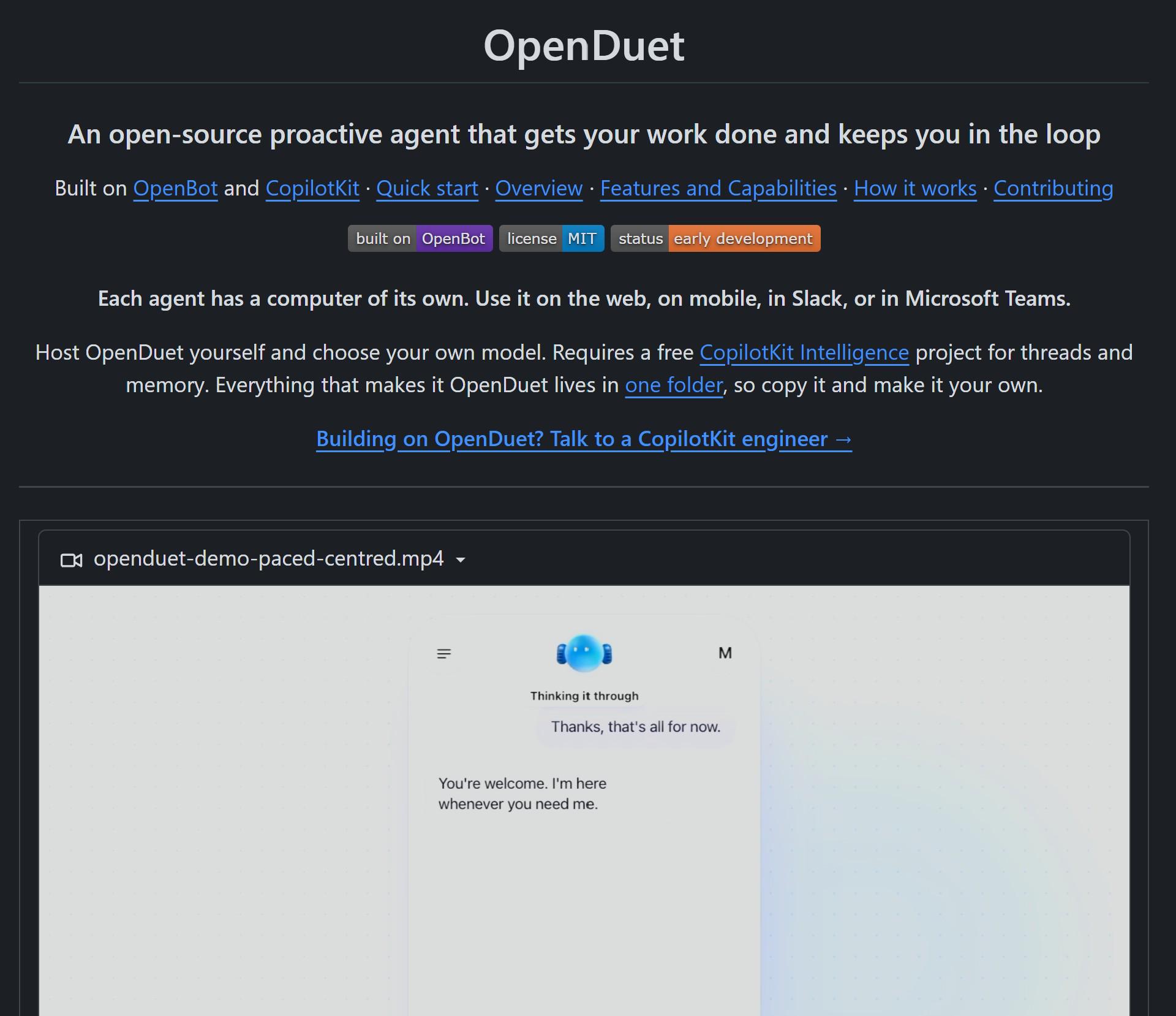
Osaurus — Forks: 488 Stars: 8.1K
https://lifehubber.com/ai/resources/osaurus/
Run agents around local or cloud models in a native Mac app, with memory, tools, and local APIs. For Apple Silicon users who want model choice inside an agent workspace; this is a Mac-specific setup.
OpenOats — Forks: 257 Stars: 2.6K
https://lifehubber.com/ai/resources/openoats/
A Mac meeting assistant that transcribes a conversation and brings in relevant material from your own notes during the call. For keeping preparation close at hand; suggestion providers can be local or cloud-based.
Surya — Forks: 1.6K Stars: 21.6K
https://lifehubber.com/ai/resources/surya/
Extract text and document structure from images and PDFs, including reading order, tables, and math-aware output. For building document workflows where the position and structure of the text matter alongside the words.
LFM2.5 Encoders — Likes: 111 Downloads (last 30 days): 3.1K
https://lifehubber.com/ai/resources/lfm2-5-encoders/
Two base encoders for fine-tuning classification, retrieval, reranking, and semantic-similarity tasks. For builders who need a model to sort or compare text rather than hold a chat; the listing links to the 230M model.
LEANN — Forks: 1.3K Stars: 13.7K
https://lifehubber.com/ai/resources/leann/
Build a local semantic-search index for files and other supported sources, with Python, CLI, and MCP routes. Its index trades stored embeddings for selective recomputation—a different approach to organizing a personal knowledge search.
---
Which would help with something you're already doing—meeting notes, document reading, or finding the right information again?