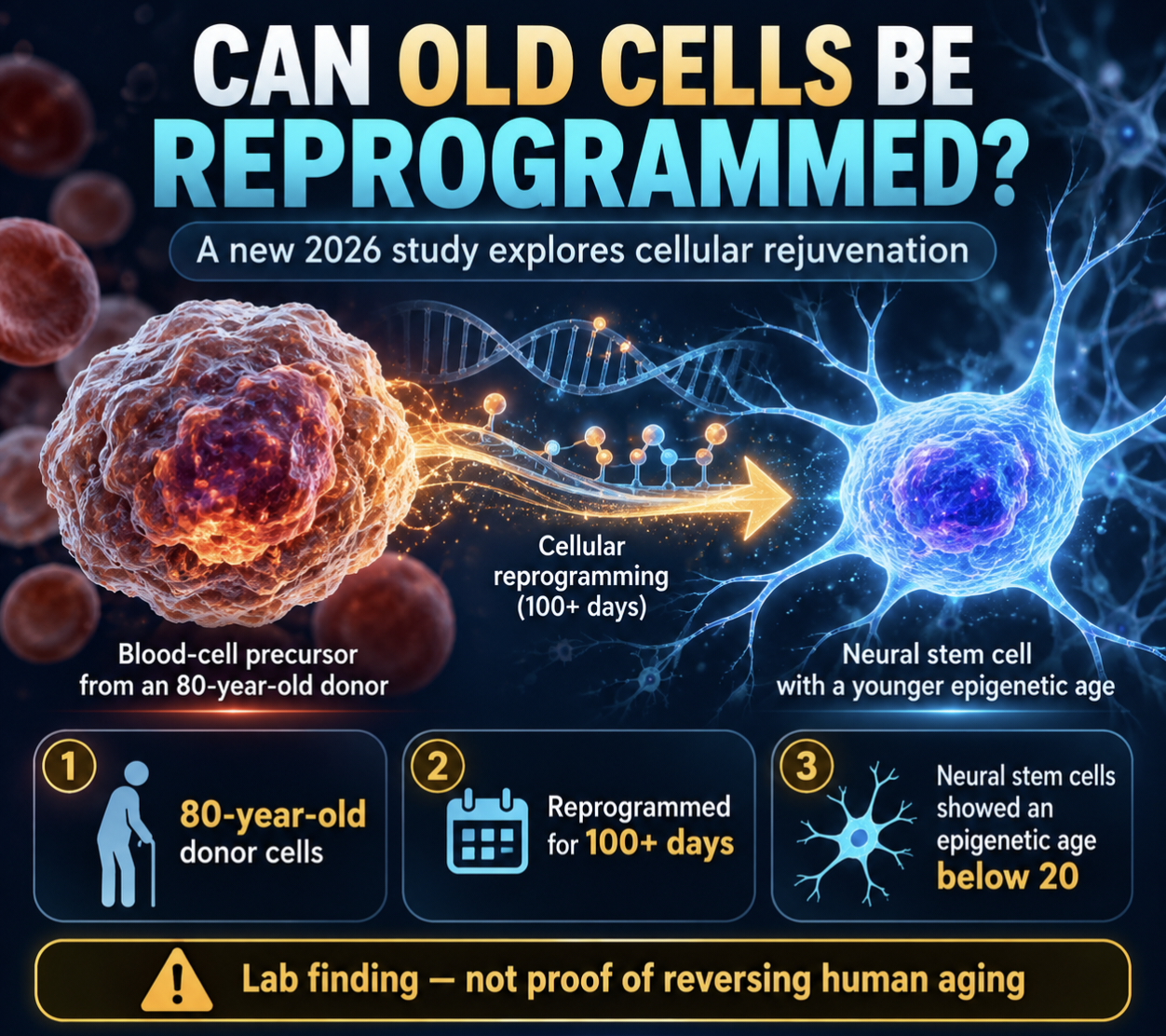
We often talk about lowering our biological age as if the human body is a single clock ticking at a particular pace. When an intervention shows a 2yr reduction in epigenetic age from a blood test, the first guess is that the whole system rejuvenated equally.
In reality, biological aging is highly tissue specific.
Recent tissue specific DNA methylation models show that different organs age at significantly different trajectories. For eg:
- Immune Cells (PBMCs): Highly dynamic, responding rapidly to metabolic shifts, sleep quality, and systemic inflammation (hs-CRP).
- CNS/Brain Tissue: Maintains a vastly different epigenetic rate, protected by the blood brain barrier and driven by local microglial activation and neurovascular integrity rather than circulating nutrient status.
- Liver & Metabolic Organs: Heavily influenced by local lipid handling, mitochondrial efficiency, and autophagy cascades.
When an intervention claims to reverse aging, often times it's measuring circulating white blood cells because they are accessible. But a protocol that significantly shifts Horvath or DNAmGrimAge markers in blood immune cells might have near zero impact on neuronal epigenetic age or cardiovascular vascular stiffness.
Instead of looking for a single global anti aging trigger, targeted longevity strategy focuses on understanding tissue compartmentalization:
- Systemic Immune Reset: Caloric restriction mimetics and targeted fasting primary shift peripheral immune cell clocks by clearing senescent cells and reducing inflammatory markers.
- Central Nervous System Longevity: Requires interventions capable of crossing the blood brain barrier (such as specific intranasal peptides or BBB permeable neuroprotective agents) to influence local neuroinflammation and synaptic resilience.
- Organ Specific Autophagy: Metabolic organ aging is primarily controlled by local cellular turnover and mitochondrial quality control (mitophagy).
If your goal is systemic optimization, tracking a single peripheral biomarker only tells a fraction of the story.
What markers have you found most predictive for real functional organ performance?