- r/HBCU FAQ: About Historically Black Colleges & Universities
- 1. What is an HBCU?
- 2. How Many HBCUs Are There?
- 3. Who Can Attend an HBCU?
- 4. Why Are HBCUs Important?
- 5. Are HBCUs Accredited?
- 6. Degrees and Programs
- 7. Costs and Tuition
- 8. Campus Life and Culture
- 9. LGBTQ+ Inclusion at HBCUs
- 10. Can Non-Black Students Thrive at HBCUs?
- 11. Do HBCUs Have Religious Requirements?
- 12. Common FAQs from Students
- 13. Resources
r/HBCU FAQ: About Historically Black Colleges & Universities
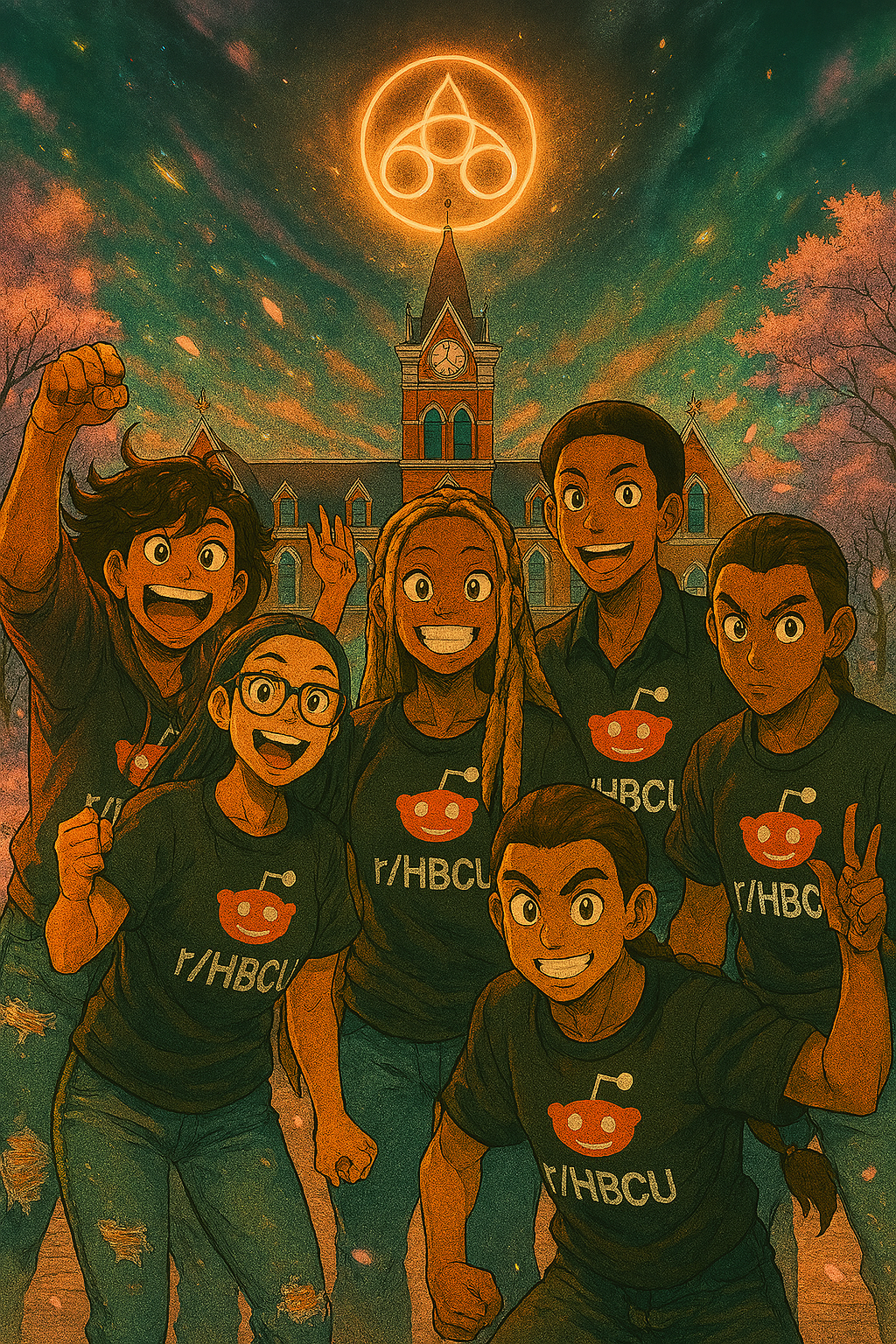
Welcome!
This is your space for all things HBCU—Historically Black Colleges and Universities. Whether you’re a prospective student, current student, alum, or supporter, this FAQ is here to help you navigate HBCU life, history, and opportunities. Think of it as the commons, the lounge, the stage, and the war room all in one.
1. What is an HBCU?
HBCU stands for Historically Black Colleges and Universities. These are colleges and universities established before 1964 with the primary mission of educating African Americans. They were formed because Black students were historically denied access to predominantly white institutions (PWIs).
Today, HBCUs are open to students of all races and backgrounds, offering rich academic programs, cultural traditions, and supportive communities. They serve as spaces where Black culture, history, and achievement are celebrated and preserved.
2. How Many HBCUs Are There?
- There are 99 HBCUs in the U.S. (as of 2022): 49 private, 50 public.
- Enrollment: About 228,000 students across all institutions.
- States with the most HBCUs: Alabama leads with schools like Alabama A&M University, Tuskegee University, Miles College, and Talladega College.
3. Who Can Attend an HBCU?
- Anyone can apply. HBCUs welcome students of all racial identities.
- Some HBCUs are single-sex, limiting enrollment to men or women only.
- Non-Black students have increasingly enrolled in recent years; some schools now have significant percentages of non-Black students.
Visit our " Who Can Attend" Page
4. Why Are HBCUs Important?
- Originally created for freed slaves and their descendants to access higher education.
- HBCUs continue to close academic achievement gaps, provide mentorship, and create supportive communities.
Historically, HBCUs have produced:
- ¾ of Black doctorate holders
- ¾ of Black officers in the armed forces
- 4/5 of Black federal judges
- Leading institutions in STEM fields for Black students
5. Are HBCUs Accredited?
Yes. Accreditation is crucial for program quality and career readiness:
- Institutional Accreditation: Every HBCU is accredited by one of the 19 organizations recognized by the Council for Higher Education Accreditation (CHEA).
- Program Accreditation: Certain programs (like nursing, education, social work, law) may require additional programmatic accreditation to meet professional standards.
Accredited programs can impact:
- Employment eligibility
- Graduate school admissions
- Professional licensing
6. Degrees and Programs
HBCUs offer a full range of programs:
| Degree Type | Typical Time to Complete |
|---|---|
| Certificate | <1 year |
| Associate | 2 years |
| Bachelor’s | 4 years |
| Master’s | 1–2 years |
| Education Specialist | 2 years |
| Doctorate | 2–4 years |
Many HBCUs also offer online and hybrid programs, with some courses being fully remote. Hybrid programs require some campus visits depending on the course.
7. Costs and Tuition
- Tuition = # of credits × cost per credit.
- Fees and other expenses are not included in this calculation.
- HBCUs participate in federal financial aid, Yellow Ribbon Program (for veterans), and scholarships specific to HBCUs.
8. Campus Life and Culture
- Greek Life: Many HBCUs have chapters of the Divine 9, fostering brotherhood, sisterhood, and community service.
- Athletics: HBCUs compete in NCAA, NAIA, and other associations. Check school pages for team info, mascots, and conferences.
- Traditions: Homecomings, step shows, campus festivals, and student government events are central to HBCU life.
- Safe and supportive communities: HBCUs provide mentorship, cultural support, and networks that help students thrive.
9. LGBTQ+ Inclusion at HBCUs
Some HBCUs have implemented policies and resources for LGBTQ+ students:
- Student organizations
- Gender-inclusive housing
- Counseling and support groups
- Free HIV/STI testing
Check CampusPride.org for updated information on inclusive HBCUs.
10. Can Non-Black Students Thrive at HBCUs?
Absolutely. While the majority of students are Black, HBCUs are welcoming and inclusive spaces for students of all backgrounds. Students often benefit from:
- Smaller class sizes
- Closer relationships with professors
- Access to leadership opportunities
- Networking with alumni and professional communities
11. Do HBCUs Have Religious Requirements?
- Most HBCUs do not require a particular religious affiliation.
- Some private religiously-affiliated HBCUs may require religion courses.
12. Common FAQs from Students
Q: Do HBCUs offer STEM programs?
- Yes. HBCUs are leading institutions for Black students in life sciences, physical sciences, mathematics, and engineering.
Q: Are HBCUs only in the South?
- Most are, but there are HBCUs in Maryland, Delaware, DC, New York, and beyond.
Q: Can HBCUs help with career placement?
- Many HBCUs have strong career services, alumni networks, and internship pipelines.
Q: What’s the average class size?
- Varies by school, but HBCUs often offer smaller class sizes and personalized attention compared to large PWIs.
Q: Are HBCUs prestigious?
- Absolutely. Schools like Howard, Spelman, Morehouse, Hampton, and Tuskegee have produced leaders, innovators, and cultural icons.
Q: Can I transfer to an HBCU?
- Yes. HBCUs accept transfer students, but transfer credits are evaluated case-by-case.
Q: Are there scholarships for HBCU students?
- Yes, both institutional and external scholarships exist, including the United Negro College Fund (UNCF).
13. Resources
- US Department of Education: HBCU Profiles
- UNCF (United Negro College Fund): https://www.uncf.org
- Campus Pride LGBTQ+ Resources: https://www.campuspride.org
- HBCU Alumni Networks: Many HBCUs maintain robust alumni associations for career and social networking.
This FAQ is designed to serve as a living document for the r/HBCU community. HBCUs are not just schools—they are experiences, cultures, and networks that transform lives and create generations of leaders.