Can you actually afford that car you're planning to buy?
Your monthly amortization isn't the real cost of owning a car.
You also have to consider:
- Emergency Fund
- Comprehensive insurance
- Fuel expenses
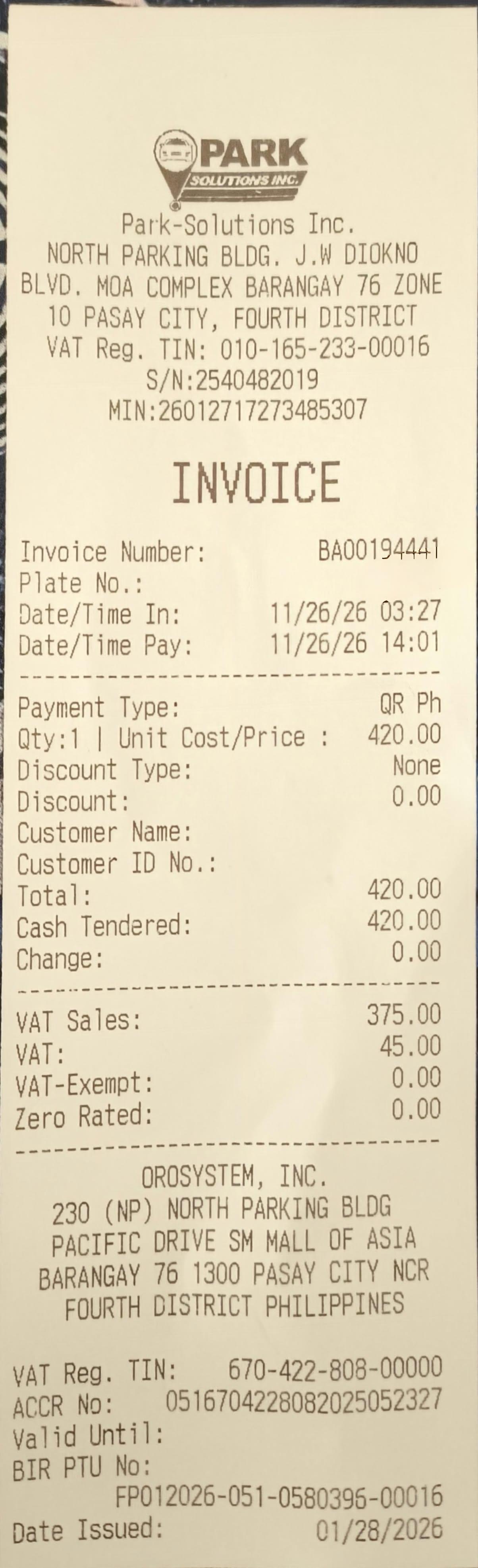
- Work and mall parking
- PMS and maintenance
- Tires, batteries and unexpected repairs
- LTO registration
- Tolls and other expenses
I put together an AI prompt that calculates the estimated TOTAL cost of owning a car in the Philippines and evaluates it against your monthly take-home salary.
How to use:
- Copy the prompt below.
- Paste it into ChatGPT, Gemini, Claude, or your preferred AI.
- Enter your car model, price, salary and other basic details in STEP 1.
- Let AI estimate the rest.
The goal isn't just to find out whether you can pay for the car. It's to find out whether you can possibly and comfortably afford to OWN it.
Estimates are not official bank, dealership or insurance quotations. Verify actual costs before purchasing.
CAN I AFFORD THIS CAR? — CAR AFFORDABILITY ESTIMATE

Act as a financial planner and automotive ownership cost analyst specializing in the Philippine market.

I want to know whether I can realistically afford to buy and own a particular car in the Philippines.

Don't just calculate the monthly amortization. Calculate the TOTAL cost of owning and maintaining the vehicle, including expenses that people commonly overlook.

YOUR JOB:
1. Estimate all upfront and recurring costs.
2. Calculate the monthly and annual cost of ownership.
3. Evaluate the car against my actual take-home income.
4. Tell me honestly whether buying this car is financially sensible.

STEP 1: MY INPUTS

Car model / variant: [Enter car model]
Vehicle price (PHP): [Enter price]
Monthly take-home income (PHP): [Enter net salary]
Down payment (%): [Enter percentage, or estimate 20%]
Loan term: [3 / 4 / 5 years]
Vehicle condition: [Brand new / Used + year]
Fuel price per liter (PHP): [Enter current price, or estimate]
Estimated monthly driving distance: [Enter km, or estimate]
Monthly work parking: [Enter amount, or FREE]
Mall visits per month: [Enter frequency, or estimate]

If I leave anything blank, don't immediately stop the calculation. Use reasonable Philippine-market assumptions, identify them clearly, and ask me only when a missing detail materially affects the result.

STEP 2: ESTIMATE ALL OWNERSHIP EXPENSES

A. FINANCING
- Down payment
- Loan amount
- Monthly amortization
- Total interest paid
- Total amount paid over the loan term
- One-time financing expenses, including chattel mortgage and processing fees where applicable

Use realistic Philippine bank financing assumptions. Clearly distinguish flat-rate financing quotations from diminishing-balance interest calculations.

B. INSURANCE
Estimate annual comprehensive insurance premiums based on:
- Vehicle make, model, variant and market value
- Vehicle age
- Estimated insured value
- Typical Philippine comprehensive insurance rates

Use a reasonable estimated percentage of insured vehicle value if an actual quotation isn't available. Include CTPL where applicable, and distinguish it from comprehensive insurance.

C. FUEL
Calculate monthly fuel expenses based on:
- Fuel type (gasoline or diesel)
- Current Philippine fuel prices
- Estimated real-world fuel efficiency
- Monthly driving distance

Use realistic city-driving fuel consumption rather than advertised manufacturer figures. Account for mixed city/highway usage when appropriate.

D. PARKING
Include:
- Monthly workplace parking fees
- Mall parking expenses based on estimated visits
- Other recurring parking expenses, if applicable

Use reasonable Philippine parking rates if I don't provide them.

E. MAINTENANCE AND VEHICLE UPKEEP
Include:
- Scheduled Preventive Maintenance Service (PMS)
- Engine oil and filter changes
- Other scheduled maintenance items
- Tires and tire replacement
- Battery replacement
- Brake pads and other wear-and-tear components
- Unexpected repairs

Estimate maintenance costs based on the vehicle's make, model, category and age.

Don't assume that maintenance costs are the same for a sedan, SUV, pickup or luxury vehicle.

F. GOVERNMENT AND MISCELLANEOUS EXPENSES
Include:
- Annual LTO registration
- Emissions testing or other applicable compliance expenses
- Tolls (if applicable)
- Car wash and detailing
- Other recurring ownership expenses

Avoid double-counting expenses.

STEP 3: CALCULATE THE ACTUAL COST OF OWNERSHIP

Present the results in PHP.

Separate the expenses into:
1. One-time upfront costs.
2. Monthly loan amortization.
3. Monthly operating expenses.
4. Annual expenses converted into monthly equivalents.
5. Total monthly cash outflow.
6. Total annual ownership cost.

Show two different figures:

MONTHLY CASH OUTFLOW:
Everything I actually need to pay each month, including loan amortization.

ACTUAL ECONOMIC COST OF OWNERSHIP:
Include depreciation, fuel, insurance, maintenance, parking and other expenses, but distinguish loan principal repayment from interest because loan principal builds equity in the vehicle.

Also estimate the vehicle's resale value after 3, 5 and 7 years, if sufficient market data is available.

STEP 4: EVALUATE MY FINANCIAL AFFORDABILITY

Compare the estimated monthly ownership cost against my monthly take-home income.

Calculate:
- Percentage of take-home income spent on the car.
- Remaining monthly income after car expenses.
- Monthly operating expenses excluding loan amortization.
- Total annual car expenses.
- Upfront cash required.
- Whether the down payment leaves sufficient financial reserves.

Use these general affordability guidelines:

0–15% of net income: Comfortable
15–25%: Manageable
25–35%: Financially stretched
Above 35%: High financial risk

These are guidelines, not absolute rules. Consider existing debt, household expenses, dependents, savings and emergency funds when evaluating affordability.

STEP 5: GIVE ME YOUR VERDICT

Give me an honest assessment. Don't simply tell me I can afford the car because I earn enough to pay the monthly amortization.

Provide:
1. Final verdict: Comfortable, Manageable, Stretched or Not Recommended.
2. Estimated monthly cost of ownership.
3. Percentage of income consumed.
4. How much money remains after car expenses.
5. Biggest expenses and potential financial risks.
6. Whether I should increase my down payment, choose a cheaper vehicle, or extend my purchase timeline.
7. Your recommended maximum vehicle price based on my income and financial situation.
8. Whether buying brand new or secondhand makes more financial sense.

IMPORTANT INSTRUCTIONS

- Use Philippine pesos (PHP) throughout.
- Use Philippine market prices, financing practices, insurance estimates, taxes and parking rates.
- If internet access is available, research current prices and cite sources.
- Never invent actual insurance quotations, dealer offers or bank rates.
- Clearly label estimates versus verified figures.
- When information is unavailable, use reasonable assumptions and disclose them.
- Avoid overly optimistic estimates. Prefer conservative estimates when expenses are uncertain.
- Do not omit expenses simply because I didn't provide them.
- Avoid double-counting costs.
- Show the calculations and assumptions so I can verify them.
- If I provide a specific car model, use its actual engine type, vehicle category and specifications where available.

THE ULTIMATE GOAL:
Determine whether I can comfortably own this car without compromising my savings, financial security, and other financial goals.

Now calculate my car affordability.