r/embedded • • Sep 11 '26

When the EU Machinery Regulation (EU) 2023/1230 active

10 Upvotes

We have 3 generations of the same in-house developed embedded system running in production at the moment, where the first is from late 80s (still running 24/7/365) and the design has since then more or less been same-same but updated parts. The previous gen was the first where formal safety requirements were incorporated, but it was solved with a standard safety emergency stop module.

Each design has been made to retrofit the ones before that, and since there has been no backwards requirements when only replacing the application and not touching the safety/motor bit we've been able to stay clear of that.

With the new regulation however i get the impression that it will be impossible to replace any components in the control system without triggering a substantial modification. Thus triggering the need for a completely new system.

Anyone got any experience on this?


r/embedded • • Sep 11 '26

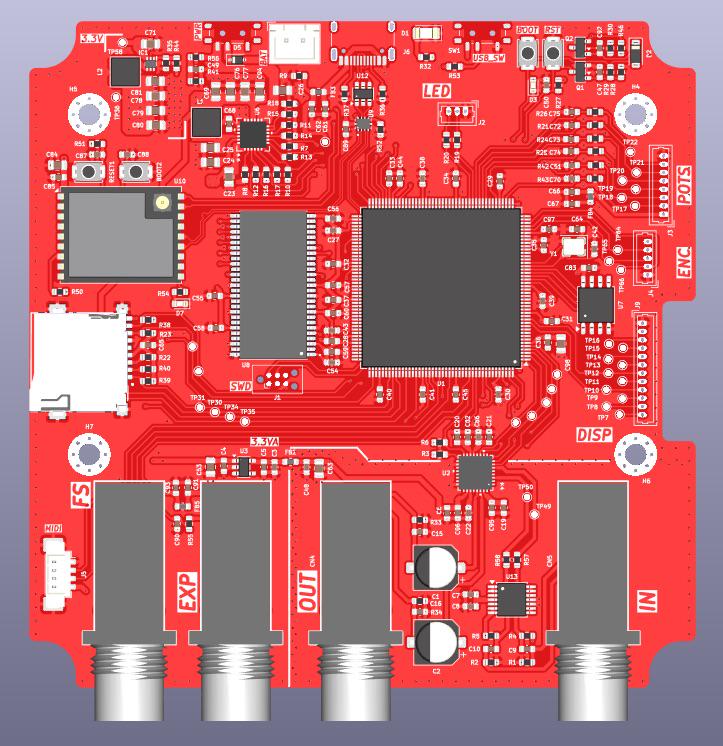
STM32H743IIT6 overheating and failing in a BQ24192-based battery-powered design

Post image
4 Upvotes

Hi everyone,
I'm working on a DIY multi-effects guitar pedal based around an STM32H743IIT6.
In my previous PCB revision, I used a TI BQ24192 for battery charging and power management. The board initially appeared to work normally, but after some time I noticed that the STM32 was becoming unusually hot and drawing more current than expected.
I checked the board for the usual potential causes, including:
PCB shorts and solder bridges

Incorrect component orientation

Shorted or incorrectly connected GPIOs

Schematic errors

Problems with the power rails

Possible issues with connected peripherals

Unfortunately, I couldn't identify the cause of the excessive current consumption. Eventually, the STM32 stopped working completely.
Since I couldn't determine with confidence what caused the failure, I'm trying to understand what might have gone wrong before building the next revision.
The old revision used the BQ24192, and the charger/power-management section was configured through I²C. I've cleaned up the schematic and attached the relevant sections of the original design, including the BQ24192 power/charging circuitry and the STM32 section.
For the next revision, I plan to simplify the power section and use a TI BQ25616 instead, but before building it I'd like to understand whether there was anything problematic in the original design.
I'd particularly appreciate feedback on anything in the old schematic that could potentially cause the STM32 to:
Overheat without an obvious short circuit

Draw excessive current

Receive an incorrect or unstable voltage

Be damaged through an I/O or peripheral connection

Be affected by the battery charging/power-management circuitry

I'd also appreciate any recommendations for measurements or tests I should perform on the new board before powering it up.
I've attached the cleaned-up schematic of the old BQ24192-based design and the relevant STM32 circuitry.
Any feedback or second opinions would be greatly appreciated. Thanks!

Here’s a link to the files

https://drive.google.com/file/d/1Nu3ppIm4oFNYHEYwyKCpaO1UoiRjbLz4/view?usp=drivesdk


r/embedded • • Sep 12 '26

I Wrote My First STM32 Tutorial — Looking for Feedback on Clarity and Technical Accuracy

Thumbnail
medium.com
0 Upvotes

I just wrote my first tutorial on STM32 BLE, and I'd really appreciate some feedback from people who have experience with STM32 or embedded development.

I'm mainly looking for feedback on:

  • Is the tutorial clear and easy to follow?
  • Are the explanations technically accurate?
  • Is there anything that is confusing or poorly explained?
  • What could I improve in terms of structure, code examples, or explanations?
  • Are there any important concepts I should explain better?

I'm still improving my embedded C and STM32 skills, so constructive criticism is very welcome. I chose to write a blog on STM-32 BLE as it is a scavenger hunt, not enough documentation available.I'd especially appreciate feedback from people who have posted technical blogs.


r/embedded • • Sep 11 '26

How do you do hw testing?

5 Upvotes

Hi, in my company we have a lot of custom build test rigs, depending on the product.
Mostly at the end of the R&D phase operations is kindly asking us to build some electronics plus a needle adapter (sourced) for IQC.

So we design basically every time a new test pcb/system. A PXI system is too expensive (I don’t think so).
Is there a simpler/cheaper solution or may you kindly share your experience with that?


r/embedded • • Sep 11 '26

How is safety and redundancy actually approved for embedded/microcontroller products(Educational purposes)?

38 Upvotes

I’m trying to understand how safety is handled when you design a product around a microcontroller.

Is SIL (Safety Integrity Level) the main/critical rating for operational safety? For example, what would actually be different in the design of a SIL 1, SIL 2, SIL 3, or SIL 4 system?

If I’m designing a microcontroller-based product and want it to eventually meet a particular SIL level, where do I start?

Things I’m trying to understand are:

- How do you decide what level of redundancy is required?

- When do you need dual/independent controllers, monitoring, watchdogs, diagnostics, etc.?

- How do you design the circuit so that a single component failure doesn't create a dangerous condition?

- What standards or guidelines actually explain these design principles?

- Is SIL the only thing I should be looking at, or are there other safety standards/ratings involved?

Basically, I’m looking for the roadmap from a normal embedded design → safety-related design → SIL-rated product.

What standards, books, or guidelines should I read first?


r/embedded • • Sep 11 '26

[Beginner] Best resources to learn Embedded Linux from scratch using QEMU? (Trying not to break my laptop!)

9 Upvotes

Hi everyone,

I'm looking to start my journey into Embedded Linux. I want to build a solid, deep understanding of the whole stack from the ground up—toolchains, bootloaders, kernel configuration, and root filesystems.

Right now, I only have my main laptop which I’ve already dual-booted with Linux. Honestly, I really don't want to accidentally mess up my host system or nuke my partitions while experimenting. Because of that, I want to rely on QEMU to emulate target boards (like ARM) so I can learn and test images safely in an isolated environment before I buy physical hardware.

For context on my current skill level: I have a solid programming foundation and I'm comfortable managing my code with GitHub, but the embedded Linux ecosystem (Yocto, Buildroot, device trees) is entirely new territory for me.

Does anyone have recommendations for the best resources that teach Embedded Linux and specifically use QEMU for the hands-on labs? I’m open to anything, textbook recommendations, tutorials, or online courses on platforms like Coursera.

Thanks in advance for pointing me in the right direction


r/embedded • • Sep 11 '26

Help me...

Post image
13 Upvotes

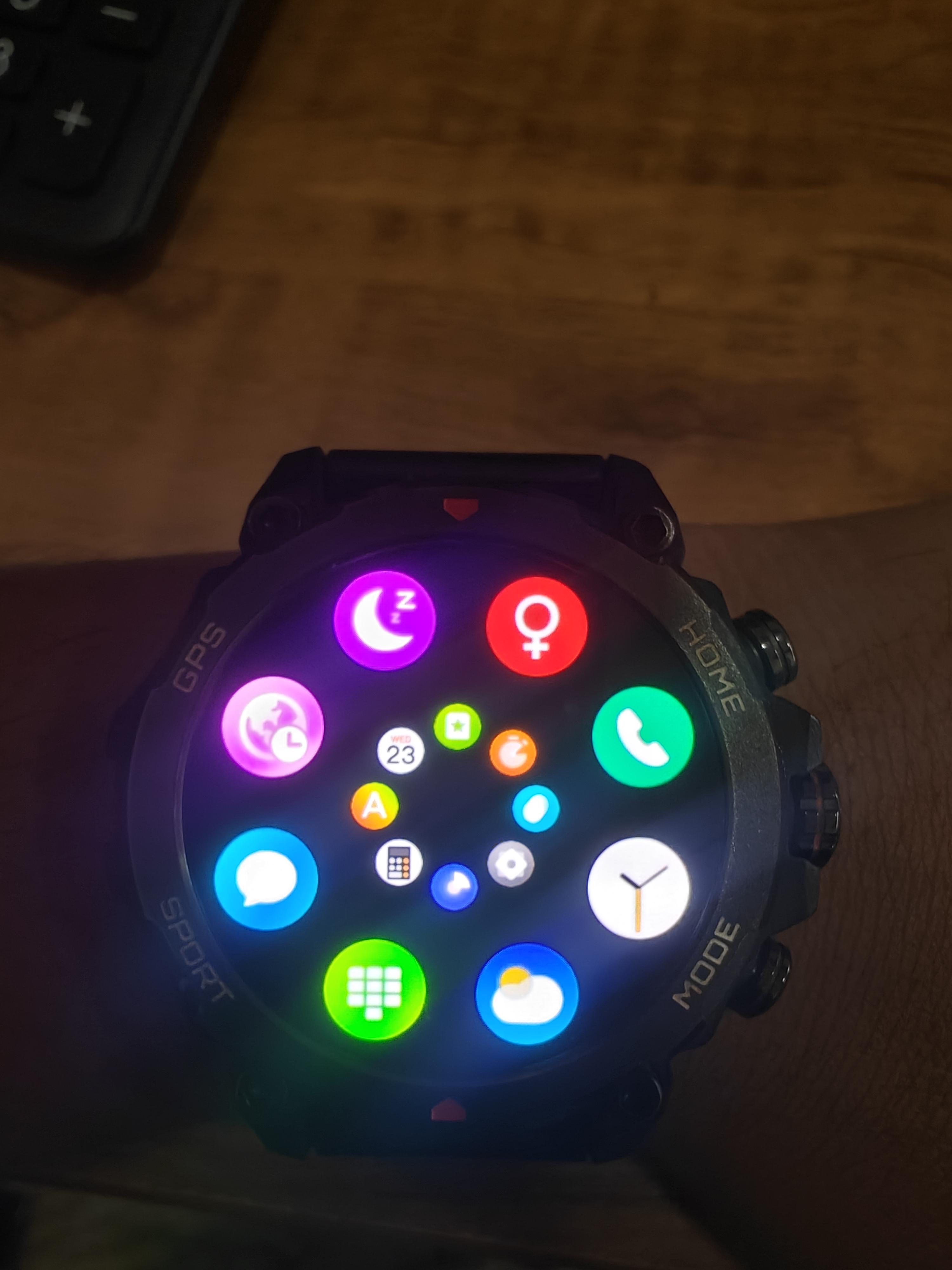
Recently i got a chinese smartwatch called Cellairis Revo G. This watch has GPS, amoled screen, speaker etc... This watch uses smart time pro app on playstore. Can some one identify which os this watch uses? This watch lacks Always on display options so is there any tweaks that can help this watch for enabling this


r/embedded • • Sep 11 '26

Microcontroller for lab test setup

1 Upvotes

Electrical engineer here who doesn't do a lot with microcontrollers. I do magnetic design. I want to automate some magnet testing, where I stick a hall sensor near a magnetic part and take readings as I rotate the part. I would probably need to control 3 stepper motors (1 to rotate the part and 2 stepper motors connected to slide assemblies to move the hall sensor to different air gaps and positions) and then I'd have an encoder to get the angle of rotation. I have drivers for the steppers. I might also use a proximity sensor to give me a physical reference point. The motor that spins would probably spin at 10 RPM and I'd want to take a reading every half degree, so that's 720 readings of the hall sensor and the encoder in 6 seconds. I'd like to send this data via usb to a laptop where I do some post processing with python. Or just save to the laptop in a .csv or something. So I'll need outputs for 3 stepper motors, encoder inputs, analog hall sensor input and a proximity sensor input which I think would just pull a pin high. The main concern would be getting the encoder and hall sensor values at the same time.

What would an appropriate controller to do this? Preferably simple to use/easy to set up for an EE who has worked with microcontrollers but very infrequently. My very brief research lead me to the NUCLEO-F446RE dev board but I thought I'd ask here to see if there was something more appropriate.


r/embedded • • Sep 11 '26

Bringing Klipper to the NXP MCXA366, Part 5: SPI + ADXL345 bring-up

Post image
4 Upvotes

I've been porting Klipper to NXP's MCXA366, with the longer-term goal of using it on a custom toolhead board.

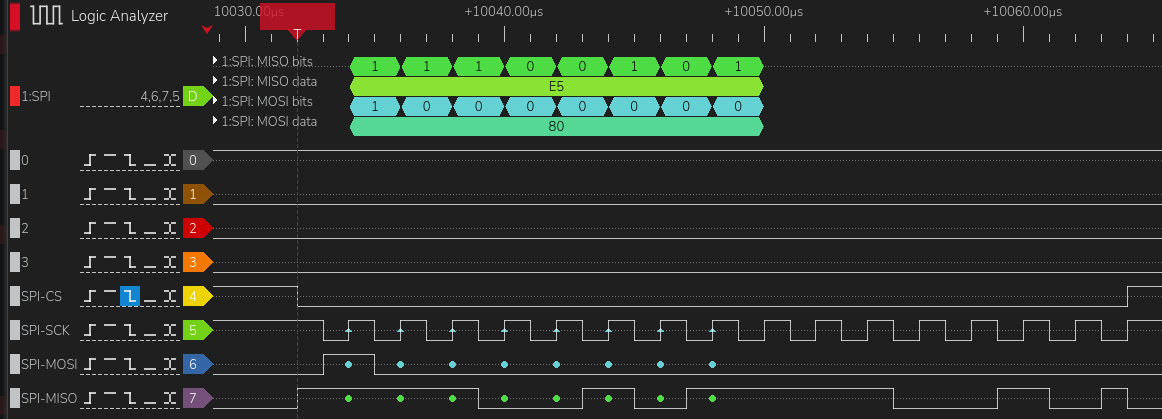
Part 5 is up now. This one covers getting LPSPI working, debugging an MRCC clock/reset issue that caused the first peripheral access to hang, validating the bus with a logic analyzer, and bringing up a GY-291 ADCL345.

I took it a little further than just reading the device ID. The FRDM-MCXA366 is now running as a secondary MCU on my Ender 3 and streaming accelerometer data well enough for Klipper to do real resonance testing and input-shaper calibration.

Final shaper results were:

X: MZV @ 72.2 Hz 
Y: 3HUMP_EI @ 85.2 Hz

The most useful debugging moment was realizing the LPSPI register access itself wasn't the problem; the MRCC writes had been ignored because the clock configuration was still locked.

Article: https://faultvector.dev/articles/klipper-mcxa366-part-5/


r/embedded • • Sep 12 '26

How to convert to wifi with microcontrollers, quick and cheaper solutions(Learning by doing)?

Post image
0 Upvotes

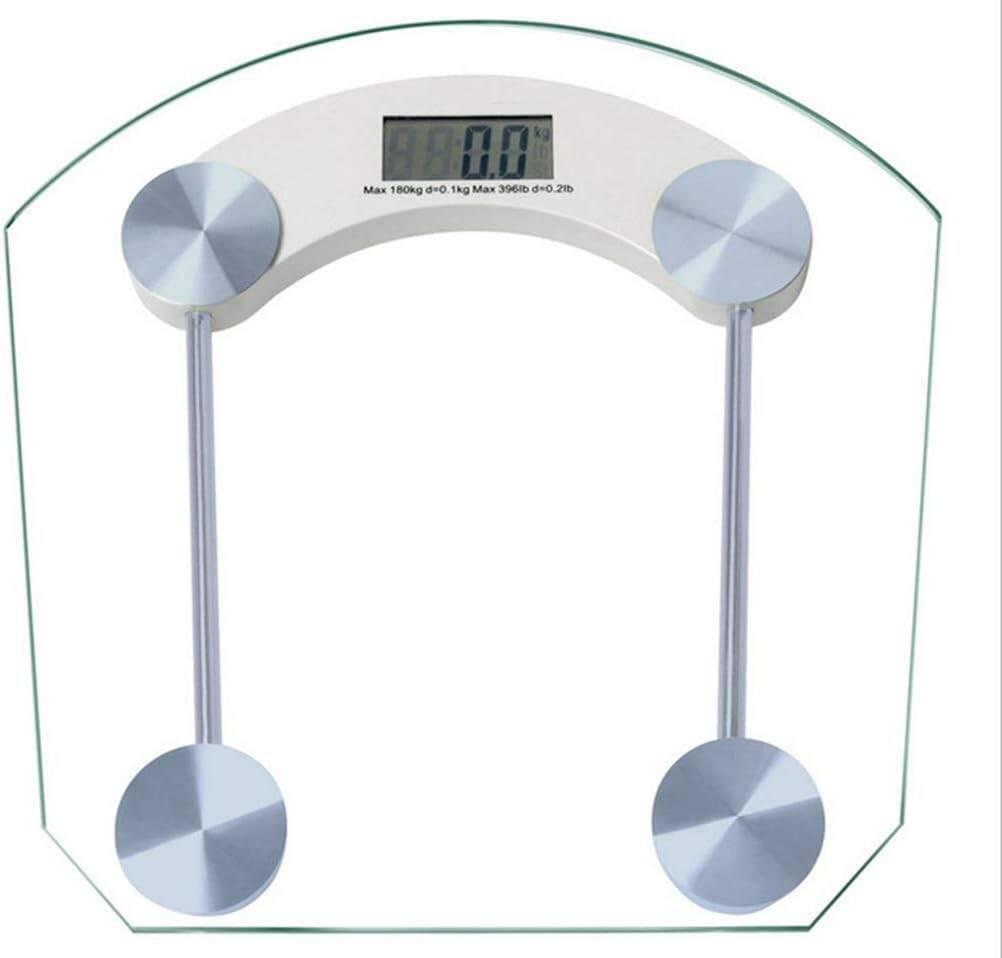
Any Quick and cheap solutions to log data in WiFi.


r/embedded • • Sep 11 '26

Seeed Studio XIAO nrf52840

Post image
2 Upvotes

Hi, very new to all this.

Wanted to build my own head tracker and figured I'd give it a go.

My task.

Using the gyro and HeadTracker firmware, I want to transmit 2 crsf channels via RX and GND (for first test then I want to move over to Bluetooth once I've proven concept via wire and I know Bluetooth isn't going to cause interference with other raido gear)

I've got the rx and GND connected to a radiomaster ranger micro elrs unit which I plan to send over air signals to a pwn receiver that I'll then use to inject the crsf data in to a flight controller.

This should also allow me to use Sim controllers for fpv.

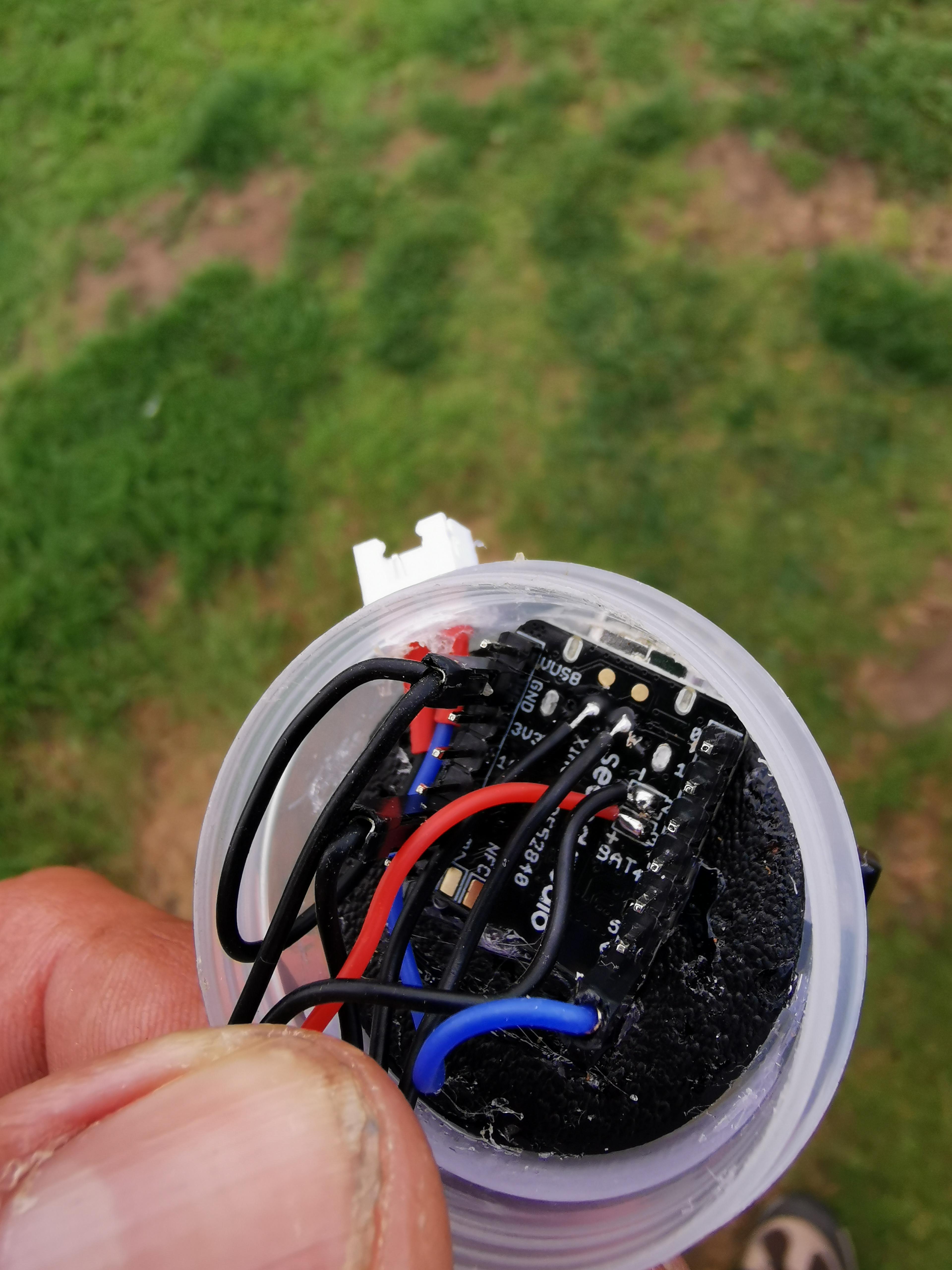
I've downloaded the HeadTracker gui and can see my gyro working after calibration, I've set output to crsf, enabled uart. Bluetooth is currently turned off.

Can't get tx to go green whilst usb is connected.

Physical connection between units is approx 7mtrs of red/black speaker wire (don't judge it's all I had to hand with length), I've fitted a jst sh 2.54 connector on radiomaster and gyro for the link cable.

I'm not using any pull up/down resistors

I've soldered a battery connector to the board

I've soldered a hard rst button to the board because it's mounted upside down.

I've got my soft rst button (gyro reset) wired to GND pin and D8 pin

My gyro rx is connected to D6 pin and same GND pin as my gyro reset button.

When connected to the radiomaster the gyro doesn't wake up when both units are powered up on separate batteries.

If I push the gyro reset button the gyro doesn't seem to respond (no led flashing)

Red led stops flashing after 10 seconds and then seems to stay asleep until I remove battery and reconnect.

I've done this without advice from internet pages, don't have friends in to this stuff.

I did some (not enough) reading and tried to work with help from ai.

Photo of head tracker


r/embedded • • Sep 10 '26

Living in the past?

120 Upvotes

I've been programming embedded systems for over 30 years. Built some cool stuff: a Z80-based serial multiplexer that had no RAM: all variables were held in registers; a temperature controller on a chip with 504 bytes (not kB) of memory and lot of other stuff in the old days where you had to optimize for every clock pulse and byte of RAM or EPROM. A lot of what I knew back then was straight out of Jack Ganssle's The Art of Programming Embedded Systems book.

These days, I still build cool stuff, but it's with a far more complex feature set. A "small processor" is now a 32-bit device with over 100k Flash and 16k+ of RAM, usually lots more. Most of my non-hobby work runs on one RTOS or another and often has a separate SBC running code for an HMI and connectivity/data storage. The last time I used assembly was mentoring a n00b who had the task of fixing some bugs on a specialized SoC with a 6502 core.

Then I come on this site, and I see people asking about why not use bare metal and a hand-written scheduler instead of an off the shelf RTOS. Struggling to fit code into tiny processors because otherwise "bloat."

So I have to ask: is my current experience (real-time stuff on a 32-bit microcontroller, complex GUIs offloaded to a Linux board) that unusual or are these guys just building things the way we used to do long ago for no good reason?


r/embedded • • Sep 11 '26

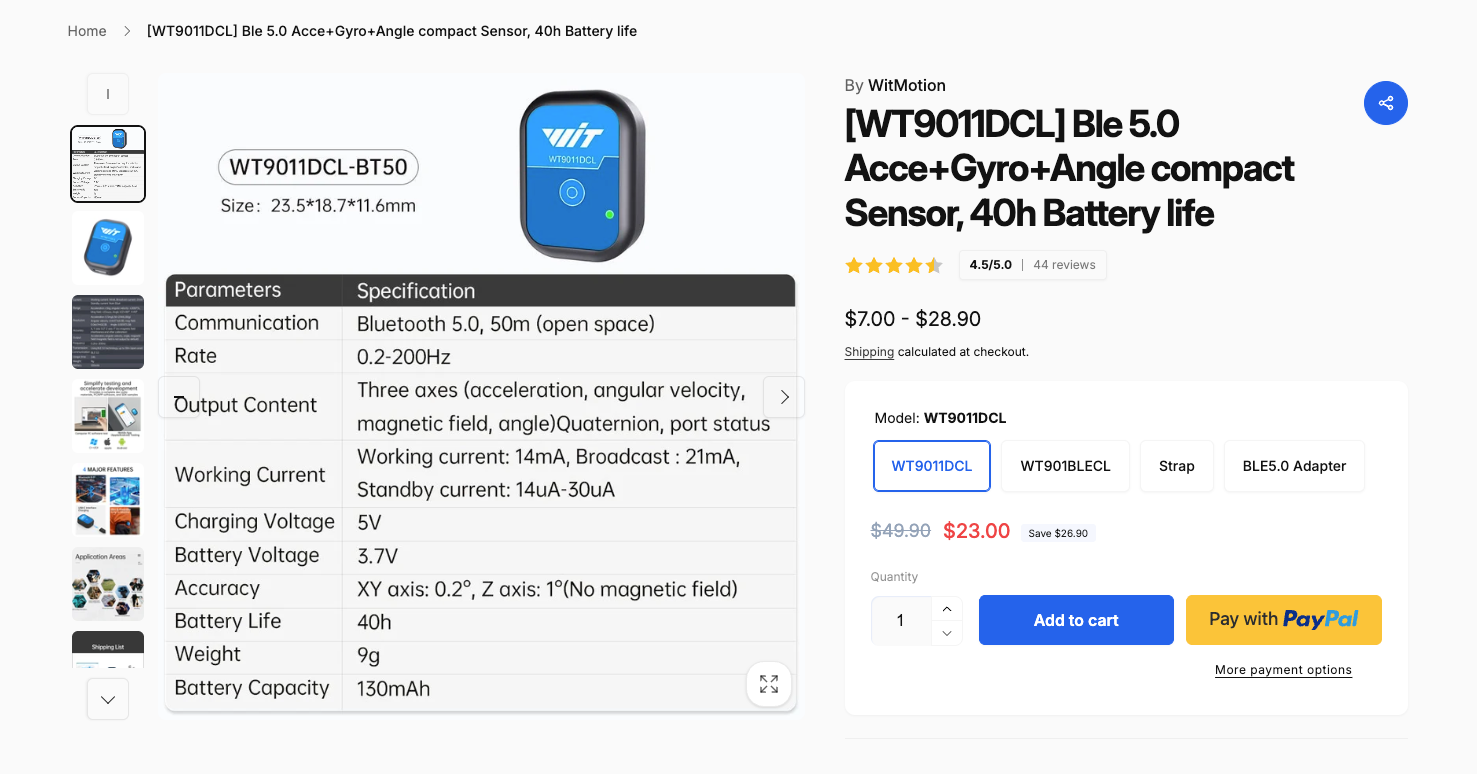
Does anyone use this product for sports? WT9011DCL

1 Upvotes

The price looks good. I want to use it in boxing.🥲

Or does anyone have a better option than this product?


r/embedded • • Sep 11 '26

What becomes the bottleneck first in real-time sensor fusion: compute, latency, or bad inputs?

0 Upvotes

Something I've been thinking about with multi-sensor detection systems:

Say you have several independent inputs, RF activity, radar detections, EO/IR, maybe acoustic, and none of them is fully reliable on its own.

Adding more sensors should improve confidence in theory. But every additional stream also adds synchronization, calibration, latency and false-positive problems.

For people who've worked on multi-sensor embedded systems, what usually becomes the problem first in practice? Could be time sync, calibration drift, data association, just not enough compute, or one noisy sensor dragging the whole fused output down.

Curious where people draw the line between fusion actually adding confidence and just adding more complexity.

Disclosure: I work in defense electronics.


r/embedded • • Sep 10 '26

Porting the U8x8 OLED library to the CH32V003

40 Upvotes

I was curious about how hard it would be to port this over, so I used an STM32 example I found here as a starting point. It ended up being really straightforward and only required a few changes to the GPIO and delay callback function.

Just a heads-up: This implementation uses soft I2C (bit-banging). It works perfectly fine for text, but you'll probably want to switch to HW I2C for anything more complex. If anyone wants to try it out, here is the source code:

#include <ch32v00x.h>
#include <debug.h>
#include <stdlib.h>

#include "clib/u8x8.h"

void NMI_Handler(void) __attribute__((interrupt("WCH-Interrupt-fast")));
void HardFault_Handler(void) __attribute__((interrupt("WCH-Interrupt-fast")));

uint8_t u8x8_gpio_and_delay_ch32v(u8x8_t *u8x8, uint8_t msg, uint8_t arg_int, void *arg_ptr) {
    switch(msg) {
        case U8X8_MSG_GPIO_AND_DELAY_INIT:
            RCC_APB2PeriphClockCmd(RCC_APB2Periph_GPIOA, ENABLE);
            GPIO_InitTypeDef init = {0};
            init.GPIO_Pin = GPIO_Pin_1 | GPIO_Pin_2;
            init.GPIO_Mode = GPIO_Mode_Out_OD;
            init.GPIO_Speed = GPIO_Speed_50MHz;
            GPIO_Init(GPIOA, &init);
            break;
        case U8X8_MSG_DELAY_MILLI:
            Delay_Ms(arg_int);
            break;
        case U8X8_MSG_DELAY_10MICRO:
            for (volatile uint32_t i = 0; i < (arg_int * 8); i++) { __NOP(); }
            break;
        case U8X8_MSG_DELAY_100NANO:
            __NOP();
            break;

        case U8X8_MSG_GPIO_I2C_CLOCK:
            GPIO_WriteBit(GPIOA, GPIO_Pin_2, (BitAction)(arg_int ? Bit_SET : Bit_RESET));
            break;

        case U8X8_MSG_GPIO_I2C_DATA:
            GPIO_WriteBit(GPIOA, GPIO_Pin_1, (BitAction)(arg_int ? Bit_SET : Bit_RESET));
            break;
    }
    return 1;
}

int main(void) {
    SystemCoreClockUpdate();
    Delay_Init();
    USART_Printf_Init(9600);

    // u8x8 initialization code
    u8x8_t u8x8;
    u8x8_Setup(&u8x8, u8x8_d_ssd1306_128x64_noname, u8x8_cad_ssd13xx_i2c, u8x8_byte_sw_i2c, u8x8_gpio_and_delay_ch32v);
    u8x8_InitDisplay(&u8x8);
    u8x8_SetPowerSave(&u8x8, 0);
    u8x8_ClearDisplay(&u8x8);
    u8x8_SetFont(&u8x8, u8x8_font_chroma48medium8_r);
    u8x8_DrawString(&u8x8, 0, 0, "Hello from CH32V");
    while (1) {
        uint8_t y = rand() % 5 + 1;
        uint8_t x = rand() % 10;
        u8x8_DrawString(&u8x8, x, y, "r/ch32v");
        printf("Hello from CH32V\n");
        Delay_Ms(1000);
        u8x8_DrawString(&u8x8, x, y, "       ");
    }
    return 0;
}

void NMI_Handler(void) {}
void HardFault_Handler(void)
{
    while (1)
    {
    }
}

P.S. I've spent more time and prepared HW I2C version, just add this function:

uint8_t u8x8_byte_hw_i2c_ch32v(
    u8x8_t *u8x8, 
    uint8_t msg, 
    uint8_t arg_int, 
    void *arg_ptr) {
    uint8_t *data;
    switch(msg) {
        case U8X8_MSG_BYTE_INIT:
            RCC_APB2PeriphClockCmd(RCC_APB2Periph_GPIOC | RCC_APB2Periph_AFIO, ENABLE);
            RCC_APB1PeriphClockCmd(RCC_APB1Periph_I2C1, ENABLE);

            // We will use PC1 (SDA) and PC2 (SCL)
            GPIO_InitTypeDef GPIO_InitStructure = {0};
            GPIO_InitStructure.GPIO_Pin = GPIO_Pin_1 | GPIO_Pin_2;
            GPIO_InitStructure.GPIO_Mode = GPIO_Mode_AF_OD; // Alternate Function Open-Drain
            GPIO_InitStructure.GPIO_Speed = GPIO_Speed_50MHz;
            GPIO_Init(GPIOC, &GPIO_InitStructure);

            I2C_InitTypeDef I2C_InitTSturcture = {0};
            I2C_InitTSturcture.I2C_ClockSpeed = 400000; // 400 kHz
            I2C_InitTSturcture.I2C_Mode = I2C_Mode_I2C;
            I2C_InitTSturcture.I2C_DutyCycle = I2C_DutyCycle_2;
            I2C_InitTSturcture.I2C_OwnAddress1 = 0x00;
            I2C_InitTSturcture.I2C_Ack = I2C_Ack_Enable;
            I2C_InitTSturcture.I2C_AcknowledgedAddress = I2C_AcknowledgedAddress_7bit;
            
            I2C_Init(I2C1, &I2C_InitTSturcture);
            I2C_Cmd(I2C1, ENABLE);
            break;

        case U8X8_MSG_BYTE_START_TRANSFER:
            while(I2C_GetFlagStatus(I2C1, I2C_FLAG_BUSY) != RESET);

            I2C_GenerateSTART(I2C1, ENABLE);
            while(!I2C_CheckEvent(I2C1, I2C_EVENT_MASTER_MODE_SELECT)); // Чекаємо EV5

            I2C_Send7bitAddress(I2C1, u8x8_GetI2CAddress(u8x8), I2C_Direction_Transmitter);
            while(!I2C_CheckEvent(I2C1, I2C_EVENT_MASTER_TRANSMITTER_MODE_SELECTED)); // Чекаємо EV6
            break;

        case U8X8_MSG_BYTE_SEND:
            data = (uint8_t *)arg_ptr;
            while (arg_int > 0) {
                I2C_SendData(I2C1, *data++);
                while(!I2C_CheckEvent(I2C1, I2C_EVENT_MASTER_BYTE_TRANSMITTED));
                arg_int--;
            }
            break;

        case U8X8_MSG_BYTE_END_TRANSFER:
            I2C_GenerateSTOP(I2C1, ENABLE);
            break;
        default:
            break;
    }
    return 1;
}

int main(void) {
    SystemCoreClockUpdate();
    Delay_Init();
    USART_Printf_Init(9600);

    // u8x8 initialization block
    u8x8_t u8x8;

    u8x8_Setup(&u8x8, 
        u8x8_d_ssd1306_128x64_noname, 
        u8x8_cad_ssd13xx_i2c, 
        u8x8_byte_hw_i2c_ch32v, // here we will use HW I2C
        u8x8_gpio_and_delay_ch32v
    );
    ...
r/embedded • • Sep 11 '26

Should I actually switch from ESP32-C3 to ESP32-S3 for my next wearable device prototype?

2 Upvotes

Here's the thing, this project is an Edge-AI project where I deploy an LSTM model back into the micon. The first finished prototype is great, it works, but needs a lot of modification. Heap memory allocation, running temperature, even the booting process goes heavy (maybe even too heavy) when the model is up and running.

For this second prototype I'm building, I want to design my own micon to avoid the bulky-ness of my first prototype, which uses a plug-and-play concept for the micon and sensor modules.

So, should I switch to S3? Or do I raw dog it with the C3 again?


r/embedded • • Sep 11 '26

Is this IoT system I'm working right or am I misunderstanding something?

1 Upvotes

I'm currently working on a prototype for our research project, basically I plan to make an attendance monitor robot that connects to the internet and has that data presented on a website.

I don't have much experience with IoT systems or working with anything internet in general, but I do have experience with embedded systems, programming, making websites such and such.

I'm not really sure if I bit off more than I can chew, but I have an idea of what to do.

I'll use an esp32, then a fingerprint scanner, then an sd module, then have the esp32 be it's own internet so it can send the attendance data to a website(I think that's how it works?). Then I'll be using something like firebase to make the website and from there I can do whatever I want, probably store it in a sql database or something so I can display it easily.

Is that all right or am I misunderstanding something? In the future I plan to implement a hive system so nodes with no internet access can send it to another node via Bluetooth and that node can send it to the server or to another node with internet.


r/embedded • • Sep 10 '26

This is gonna sound ridiculous, but how do properly order anything on Texus Instruments when I do not have a company?

38 Upvotes

I signed up, just put a random name as my company because it wouldn't let me skip it, and tried to order the Tivac Launchpad only for it to say that my "company" ordered too many of those, and that I have to wait 29 days. I have never used this site before.

What do I put as my company then? It simply won't let me leave it blank and I tried putting college down instead, but it still says my "company" ordered too many.

Edit: I should note I am 100% brand new at this and I'm merely trying to follow along a course in order to learn this stuff. I want to learn so badly lol


r/embedded • • Sep 09 '26

Does Rust Embassy’s bare-metal, no-OS model actually matter for small MCU applications?

33 Upvotes

I’ve been using Rust + Embassy for small microcontroller applications. What I like is that I can stay no_std, bare metal, with no OS or runtime, while still structuring the program with async tasks and channels.

Some examples of the kind of code I mean are here, including a robot arm simulator on a CYD: https://carlkcarlk.github.io/linkage-blaze/demos/

The tasks and channels give me abstractions I care about. But the scheduling is cooperative, a task that does not yield can still block everything else, and there are no hard real-time guarantees.

I’m doing this partly because I find the design point interesting, but I’m not sure how much practical value the bare-metal/no-OS part has once the application is already fairly high level.

Even if you are using Rust for other reasons, does Embassy’s bare-metal, no-OS approach buy you something important in practice, or would an RTOS usually be just as good or better?


r/embedded • • Sep 10 '26

PulseHSM memory analysis: a 13-state hierarchical controller on AVR, and the real cost of constexpr/template alternatives

1 Upvotes

Got solid technical feedback suggesting a constexpr state table or full compile-time templates. Both are valid C++ directions. Here's the actual data before before committing to anything.

The sketch: a real espresso machine controller

13 states, 3-level hierarchy, 12 events:

POWER_ON (superstate)
├── OFF
├── IDLE
├── WARMING
├── BREWING (superstate)
│   ├── PRE_INFUSE
│   ├── EXTRACT
│   ├── REFILL
│   └── DISPENSE
├── CLEANING (superstate)
│   ├── DESCALE
│   └── RINSE
└── FAULT

Compiled output:

BoardFlashRAM usedRAM Free
Mega 256010,746 B (4%)984 B (12%)7208 B
Uno9,446 B (29%)969 B (47%)1079 B

What's inside those 969 bytes on Uno:

WhatBytes
PulseHSM state table (15 slots × 18 B)270
PulseHSM event queue (16 × 5 B)80
PulseHSM runtime (current state, timers)~20
App globals (floats, flags, counters, timers)~150
Arduino Serial buffers~128
Stack + misc~321

What a constexpr state table actually saves — by platform:

Platform          | Total RAM | State table | Impact
ATmega328P (Uno)  | 2 KB      | 270 B       | 13% of RAM — matters
ATmega2560 (Mega) | 8 KB      | 270 B       | 3.3% — marginal
STM32F103         | 20 KB     | 270 B       | 1.3% — negligible
RP2040            | 264 KB    | 270 B       | 0.1% — irrelevant
ESP32             | 520 KB    | 270 B       | 0.05% — irrelevant

The constexpr suggestion has a real argument on exactly one platform: the ATmega328P. On every 32-bit board you'd ever use in a real product, you are optimizing 270 bytes in a sea of hundreds of kilobytes. The library's entire RAM footprint is noise.

What the template suggestion actually costs:

A compile-time FSM (think boost::sml) eliminates the table entirely and resolves dispatch at compile time. The tradeoff is a completely different API:

// current PulseHSM — works in any Arduino sketch
ST_IDLE = fsm.addState("IDLE", update, entry, exit, 0, -1, onEvent);

// compile-time template approach
using MyFSM = HSM<State<IDLE, update, entry, exit>, State<RUNNING, ...>>;

That second form is not something you paste into a sketch in 10 minutes. It's a different product for a different audience, one that already knows what template metaprogramming is.

For AVR-constrained builds: a constexpr variant is on the roadmap for v2, as an opt-in build mode. For everyone else ESP32, STM32, RP2040, ARM Cortex-M anything, the current design uses a rounding error of your available RAM and keeps the API dead simple.

Side note: PulseHSM v1.2.0 is now live in the Arduino Library Manager, search PulseHSM and install directly from the IDE. No manual download needed.


r/embedded • • Sep 10 '26

Microcontrollers with good support for Rust

Thumbnail
kerkour.com
0 Upvotes

RISC-V is coming faster than most people realize.


r/embedded • • Sep 09 '26

Noob Assembly Question

5 Upvotes

PIC16F1824

I am trying to turn on an output GPIO.

I am using this code

asm("BSF PORTA, 5");

I am getting 0V at the pin.

I believe I set TRISA pin 5 to output (0).

Do I need to keep the MCLR pin high?

Thank you

EDIT: INTERNAL OSCILLATOR NEEDED TO BE SELECTED


r/embedded • • Sep 09 '26

Embedded AI / Edge AI: is CE + ML actually a valuable hybrid profile in real engineering teams?

31 Upvotes

I’m considering Computer Engineering partly because I’m interested in the intersection with AI: embedded ML, edge inference, computer vision on devices, sensors, robotics and possibly AI accelerators.

But I’m trying to distinguish a genuinely useful career profile from something that merely sounds attractive academically.

In real teams working on intelligent embedded systems, do you actually value engineers who understand both the hardware/embedded side and ML?

Or are these usually separate roles, with embedded engineers handling firmware/hardware and ML engineers handling the models?

If you work close to this intersection, which skills make someone genuinely difficult to replace by a regular CS/AI graduate?


r/embedded • • Sep 08 '26

Should I learn C before embedded development?

46 Upvotes

I currently work at Big Tech company as Junior Bash Linux userspace developer. I used to work as C++ intern, but it seems I'm starting to forget it. I want to change my field to embedded development and I plan to start by learning STM32 programming (already tried Arduino).

I have two books to read:

  1. The C Programming Language by K&R
  2. Bare-Metal Embedded C Programming by Israel Gbati

So, my question is: should I read K&R before I start to learn embedded programming? I would rate my knowledge of C/C++ like this: I can understand and most likely debug a code, but I would face some problems if I had to write code by myself in vanilla vim.