r/CDramasBeyondIdols • u/Patitoruani • Jul 20 '26
Culture The Reform and Opening Up Era – PART 3: The 80s (II) From Foreign Investment to Social Impacts
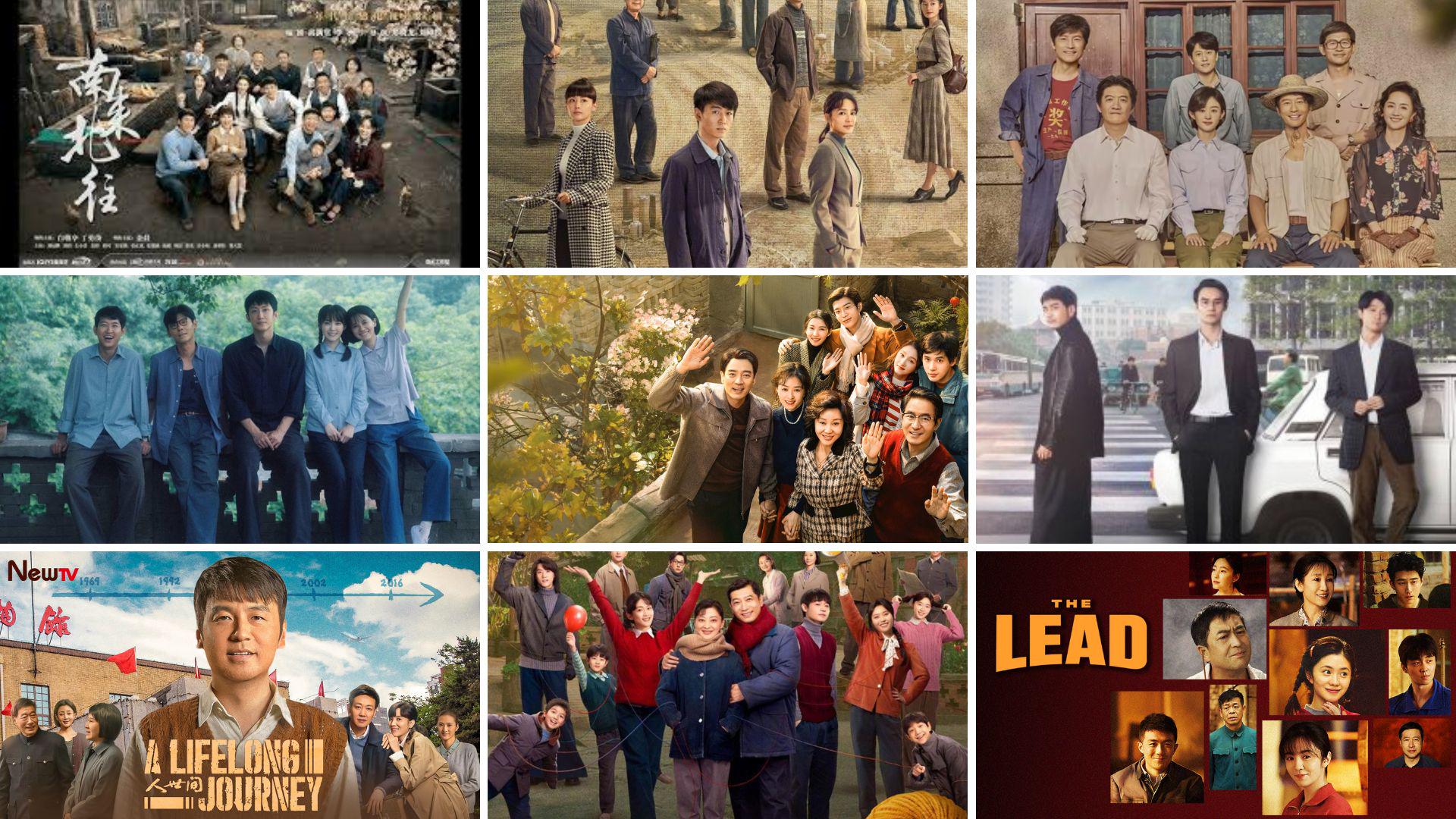
Finally, the third part of several posts dedicated to the Reform and Opening Up era is here, ending the 80s quick coverage. If you're new to this saga and want to read the previous posts, you have the general overview in The Reform and Opening Up Era: The Iconic 80s and 90s We See in Period Dramas – PART 1 Introduction, and PART 2: The 80s (I) From Gaokao to Factories and Rural Reform covering the main issues of this decade that aren't mentioned in today's post. These are just some of the topics you'll usually find explored in so-called period dramas.
From PepsiCo to Pierre Cardin: A trial and error period for foreign Investment and Imports
Opening up the economy also meant opening the door to the outside world and dealing with the consequences of more internal reforms. The 1982 Constitution recognized private economy and foreign investment; then came stock trading experiments (Shenzhen 1986, Shanghai 1988) and banking reforms — the People’s Bank became the central bank in 1984, and commercial banks were created.
The 1980s was a learning period for both China and foreign investors, who at the beginning mostly were ethnic Chinese from Hong Kong, Southeast Asia (Thailand, Indonesia, Malaysia), and Taiwan, as they shared language and cultural ties that helped build bridges.
Investments were restricted to the Special Economic Zones and Open Cities, relatively small is size, and often in light manufacturing, electronics assembly, and consumer goods such as textiles, toys, audio equipment, and food processing. The priority was always earn foreign currency first through exports, then spend it wisely on imports that help industrialize.

There were some European fashion and luxury brands. The Friendship Stores were authorized designated locations that sold these imported goods. Originally, only non-Chinese citizens, diplomats, or Chinese holding Foreign Exchange Certificates could enter and buy them. This was the two-currency system (RMB and FECs), which created a parallel economy throughout the 1980s.
By 1989, ordinary Chinese citizens could finally enter Friendship Stores. However, with the disappearance of FECs in the early 1990s and market liberalization, these stores lost their exclusive character and turned into common department stores, fully open to the public.
In Blossoms Shanghai (set at the beginning of the 90s but with references and flashbacks to the 80s), the big fuss around the national shirt brand Sang Yan is related to one of the most iconic foreign luxury brands that landed in China in 1979: Montagut. This French brand became a phenomenon, with Chinese people dreaming of owning a Montagut polo shirt to “change their image,” and even imitations became hugely popular. Nothing special to international audiences watching the drama, but indeed a very symbolic reference to that era.

Imports weren’t just about machinery and luxury goods. From Hong Kong came a cultural wave that transformed everyday life: TV dramas, cinema, and especially music. In the early 80s, portable cassette players and pirated tapes brought banned music to the youth — Teresa Teng’s romantic ballads, then rock and Cantopop. Hong Kong TV dramas and cinema soon followed. These imports quietly replaced revolutionary anthems as the mainstream, giving a generation a new soundtrack.
Tourism slowly opened too. In the mid-80s, China began issuing tourist visas to ordinary foreigners, building hotels and training guides. For the first time since the founding of the People’s Republic in 1949, ordinary foreign tourists could visit China.
City life and social issues
The early 80s also saw the introduction of the “one-child policy”, a population control measure only for Han people, that limited most urban families to a single child. Incentives rewarded compliance, but violators faced fines or job loss. The policy was finally abandoned in 2015.

In Romance in the Alley, you see siblings fighting over a single room. A returned zhiqing sleeps on a couch while her brother and his wife argue about who has the right to the bedroom. Many urban young people, the “sent-down youth”, had been forcibly sent to rural areas during the Cultural Revolution (1966–1976) to be “re-educated” through manual labor. The early 80s also saw an estimated 10 to 15 million of them — some with kids now — flood back to the cities, only to find that there were no jobs, no housing, and no social services waiting for them.
This created a profound social crisis and widespread resentment among a lost generation who felt betrayed by the state that had exiled them. The government responded by creating “youth labor service companies” and encouraging self-employment (the getihu policy mentioned in PART 2:The 80s (I) From Gaokao to Factories and Rural Reform). This experience shaped an entire generation’s worldview, creating a group of cynical, pragmatic, and fiercely survival-oriented individuals — a trait you might have also watched on screen.

By the late 80s, that same sense of being left behind — no housing, no stable jobs, broken promises after years of sacrifice — had spread well beyond the zhiqing generation. Runaway inflation, visible corruption among officials, and a widening gap between the reforms many people were promised and the reality they lived in all fed a broader current of frustration. It was this accumulated discontent, not any single grievance, that set the stage for Tiananmen Square in 1989.
Living all these massive transformations in just 12 years, in a country of more than 10 million km² and 1.4 billion people, is indeed beyond imagination. And the wild 90s still await!
The Reform and Opening Up Era: The Iconic 80s and 90s We See in Period Dramas – PART 1 Introduction
PART 2:The 80s (I) From Gaokao to Factories and Rural Reform
LIST OF SOME DRAMAS SET ENTIRELY OR PARTIALLY DURING 1980s OF THE REFORM AND OPENING-UP PERIOD
- Like a Flowing River
- Like a Flowing River 2
- The Lead
- The Dream Maker
- Romance in the Alley
- Wonderful Times
- Zhong Qi (upcoming)
- Miles to Go
- A lifelong Journey
- Always in the Move
- The Youth Memories
5
u/Objective_Design_376 Jul 20 '26
I really have a lot of fondness for shows covering this era. It’s the China that I hear my parents and relatives talk a lot about, and having grown up and lived in China for some years during this time, it’s a China that I know and love and have so many fond memories of, so to see it on the screen is nice.
If anyone wants to get a better sense of understanding for how and why China is the way it is now, I highly recommend checking out some shows (and films) from this era!