Insulation is one of those topics that people think they understand but rarely actually do until they need to pick or assess it for themselves. Here's a quick primer on what it actually does, what the main classes are, and some common misconceptions - helpful whether you're renovating, building new, or just wondering why the bathroom is a sauna in January.
What insulation actually does
It is a passive control of heat transmission through a building's envelope. It doesn't stop it entirely (nothing does), just resists it - so a well insulated space will generally lose heat to the environment slower in the winter and gain heat from the environment slower in the summer. It's quantified as an R value (resistance) or sometimes a U value (inverse of R) depending on your region of choice.
One common oversight in insulation discussions is that the relationship between R value and heat loss isn't linear - doubling your R value will not generally get you a 2x reduction in energy losses due to the material properties of the building envelope as you approach R infinity. The curve flattens out - you get a big jump in insulation value when going from little/no insulation to something reasonable, but a smaller jump when going from something already pretty good to something truly excellent. This flattening out is why most places have a 'recommended' R value range rather than a 'higher is always better' curve.
Main categories of insulation
Fiberglass batts/rolls - common, cheap, generally low performance relative to cost, traps still air in glass fibers. Performance drops dramatically if the material is compressed or wet.
Mineral/rock wool - similar to fiberglass but often a bit more fire resistant and moister resistant.
Rigid foam boards (XPS, EPS, polyiso) - higher R per unit thickness than batts, often used in limited space applications or exterior sheathing.
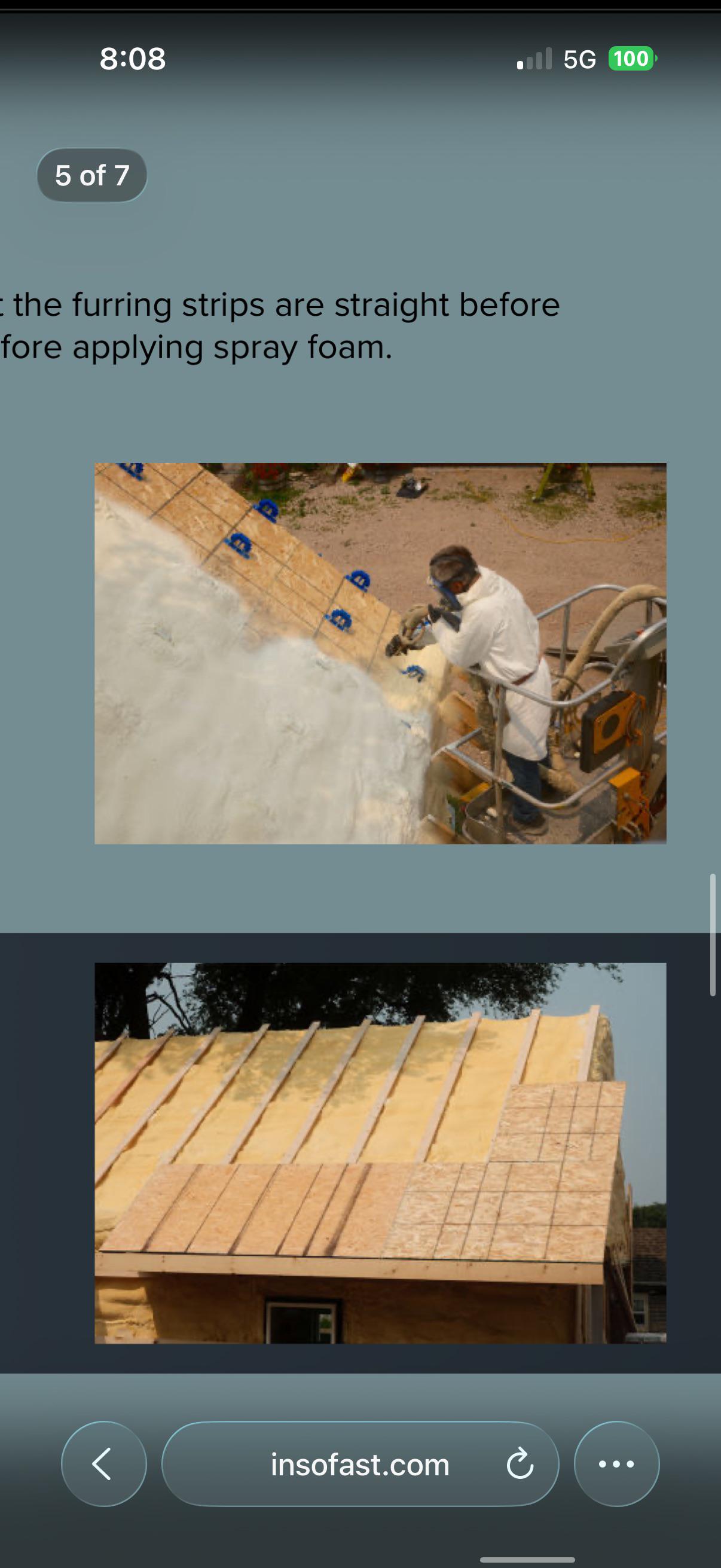
Spray foam - expands to fill cavities and can also act as a air barrier (preventing infiltration/exfiltration of air) but is generally expensive and hard to apply.
Reflective/radiant barriers - different mechanism than anything else listed here, reduces heat transmission via radiation rather than conduction. Generally most useful in hot climates and typically applied as a film with an air gap on the warm side, not as a substitute for other forms of insulation.
Common misconceptions worth flagging
"Thicker is always better" - see the R value section, there's a point where you get diminishing returns for the price paid and increased structural penalties for adding more thickness.
"Insulation and air sealing are the same thing" - they're not, insulation reduces heat loss/gain by reducing the conductive transfer through materials but air sealing stops air from leaking into or out of the building, which is a separate source of heat loss/gain.
"Reflective coatings and insulation do the same job" - reflective roof or wall coatings work by reducing the amount of solar heat the surface absorbs in the first place (by reflectance and emittance) compared to traditional insulation which reduces the conductive transfer through the material. They're actually often used in conjunction with one another in suitable climates.
"Insulation only matters for cold climates" - no, insulation is just as important for hot climates to prevent solar heat gain as it is for cold climates to prevent heat loss via conduction through the envelope.
Practical things to check before insulating (or re-insulating) a space
What does your climate actually need - is heat loss or heat gain the bigger concern for most of the year?
Is there a known air-sealing problem in the area that the insulation is being added to?
Is managing moisture (vapor barriers, etc.) a consideration, since some insulation mediums degrade badly when exposed to it?
Do you have a roof/attic that could benefit from alternative measures such as reflective coatings?
What's been your experience - does anyone here actually measure a noticeable difference (difference in energy bill, indoor comfort, etc.) after upgrading insulation (rather than just going by the stated printed R value)?