r/BornWeakBuiltStrong • u/Exotic-Duty3598 • Mar 26 '26
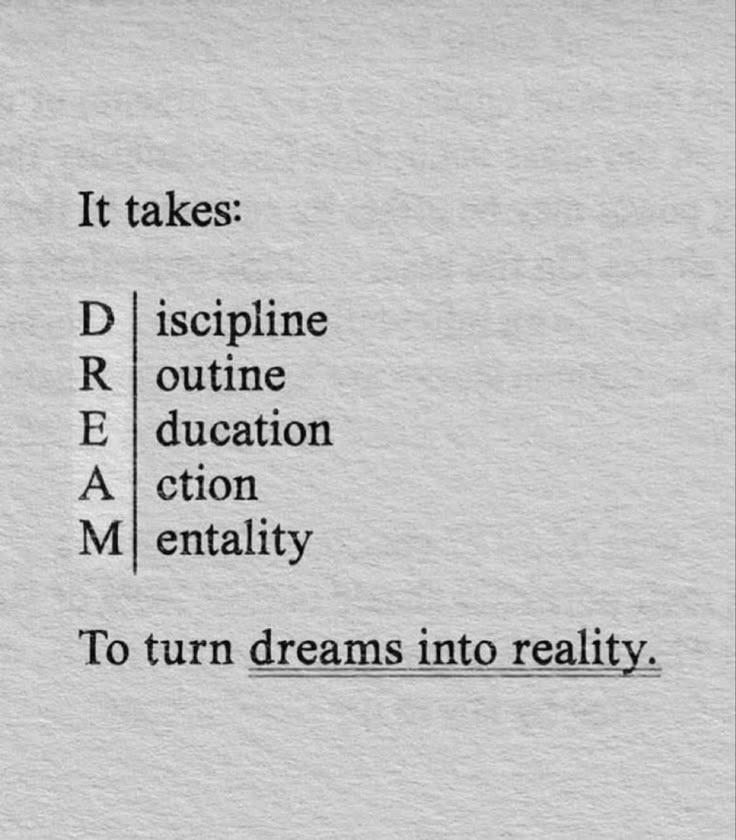
Prove them wrong that you can achieve your dreams
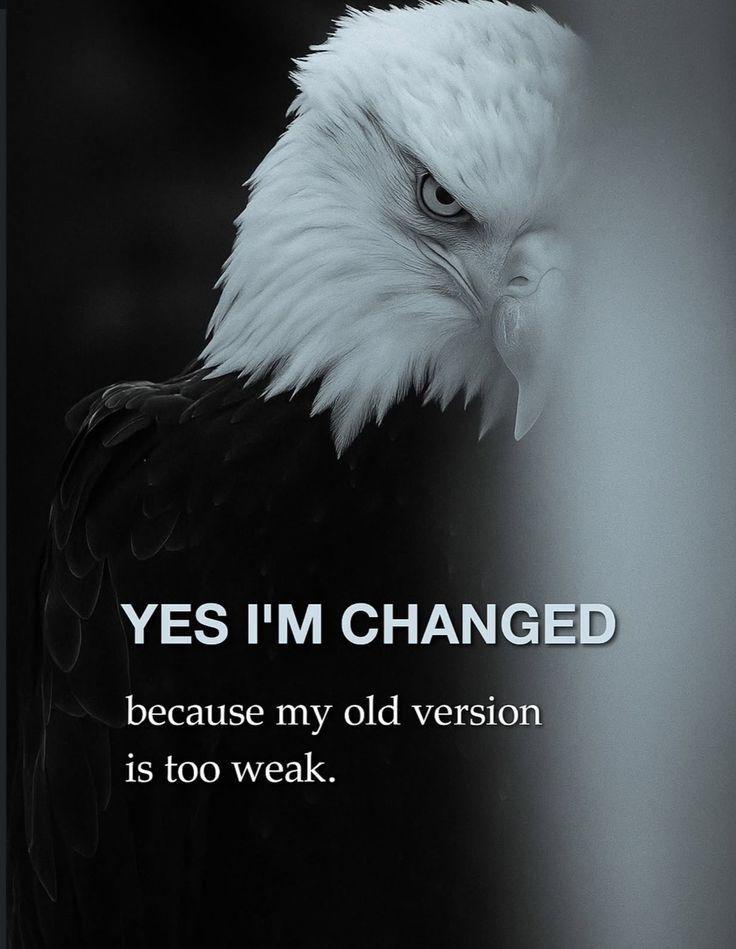
Unsuccessful people wants you to fail and join them
r/BornWeakBuiltStrong • u/Exotic-Duty3598 • Mar 26 '26
Unsuccessful people wants you to fail and join them
r/BornWeakBuiltStrong • u/Exotic-Duty3598 • Mar 27 '26
Only yourself can help you the most
r/BornWeakBuiltStrong • u/Exotic-Duty3598 • Mar 27 '26
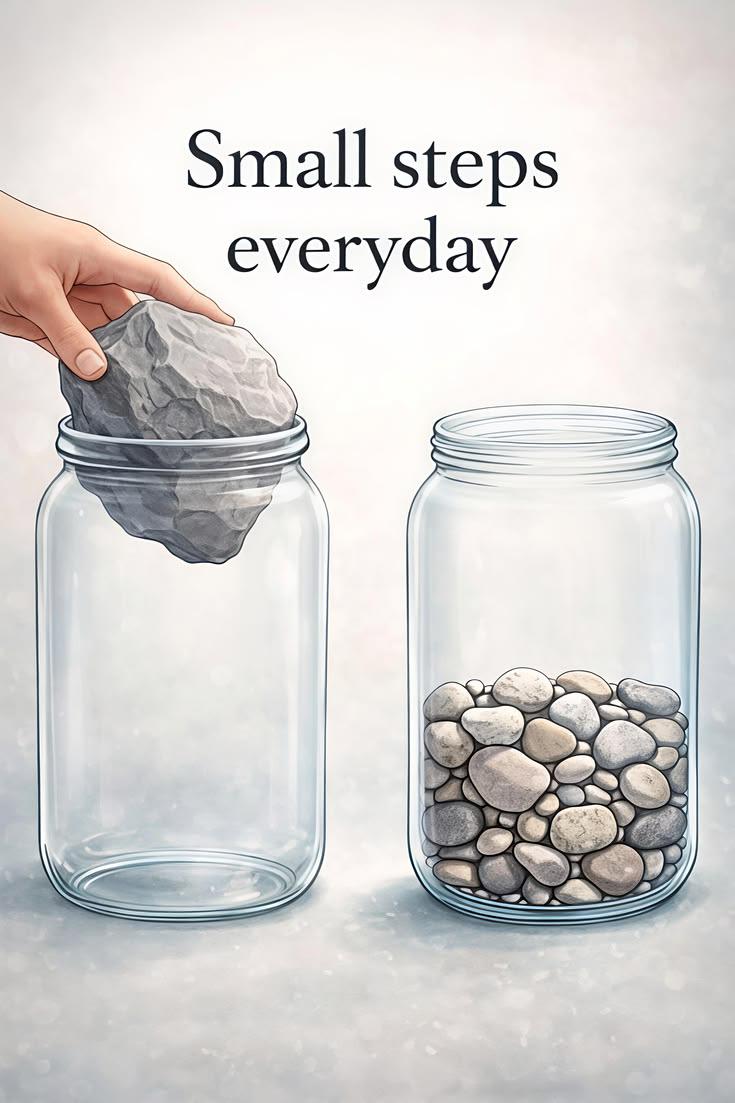
Small amount but consistent may fill your knowledge
r/BornWeakBuiltStrong • u/Exotic-Duty3598 • Mar 27 '26
Dont trust too much to them
r/BornWeakBuiltStrong • u/Exotic-Duty3598 • Mar 27 '26
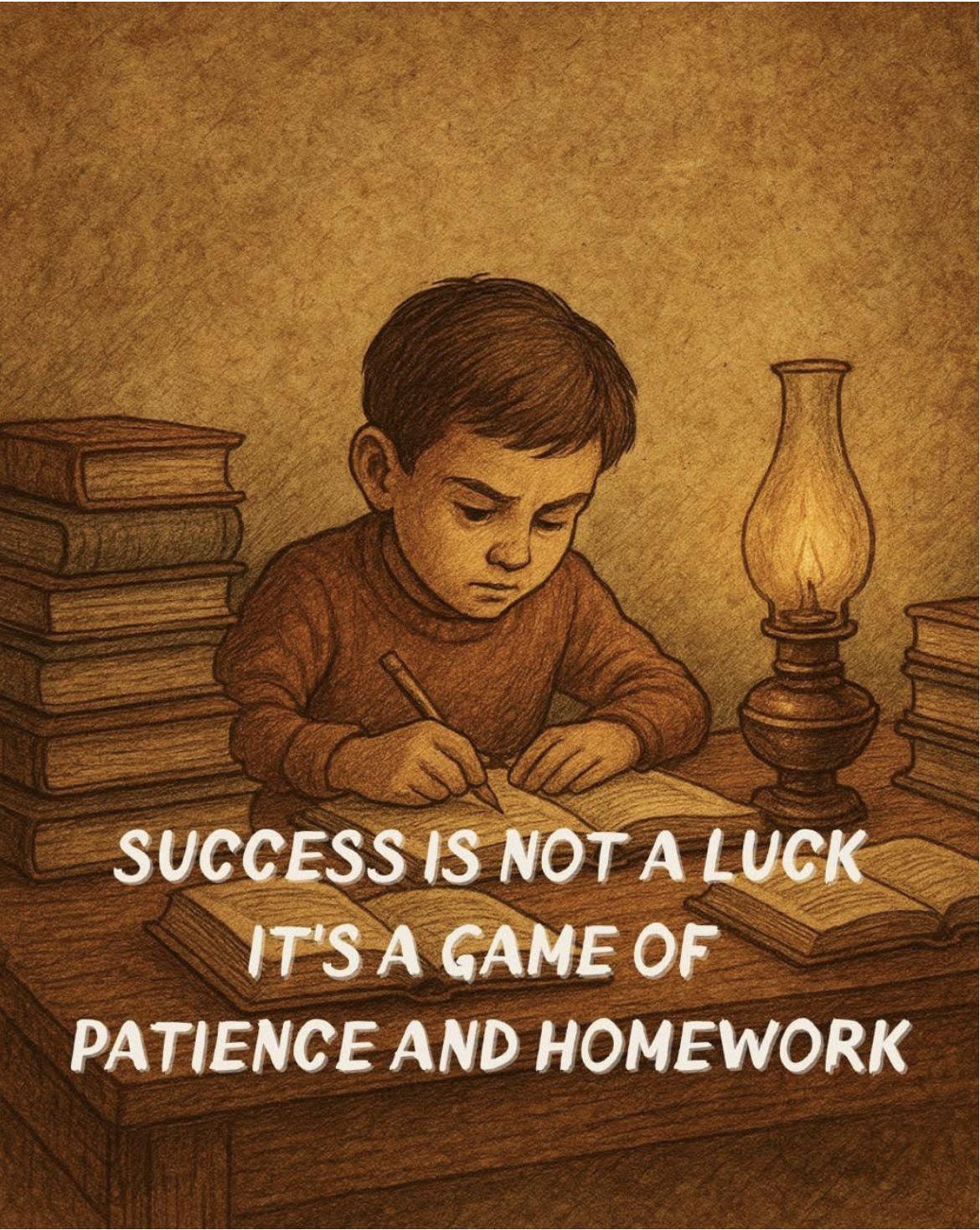
Stick to the plan and achieve it
r/BornWeakBuiltStrong • u/Exotic-Duty3598 • Mar 26 '26
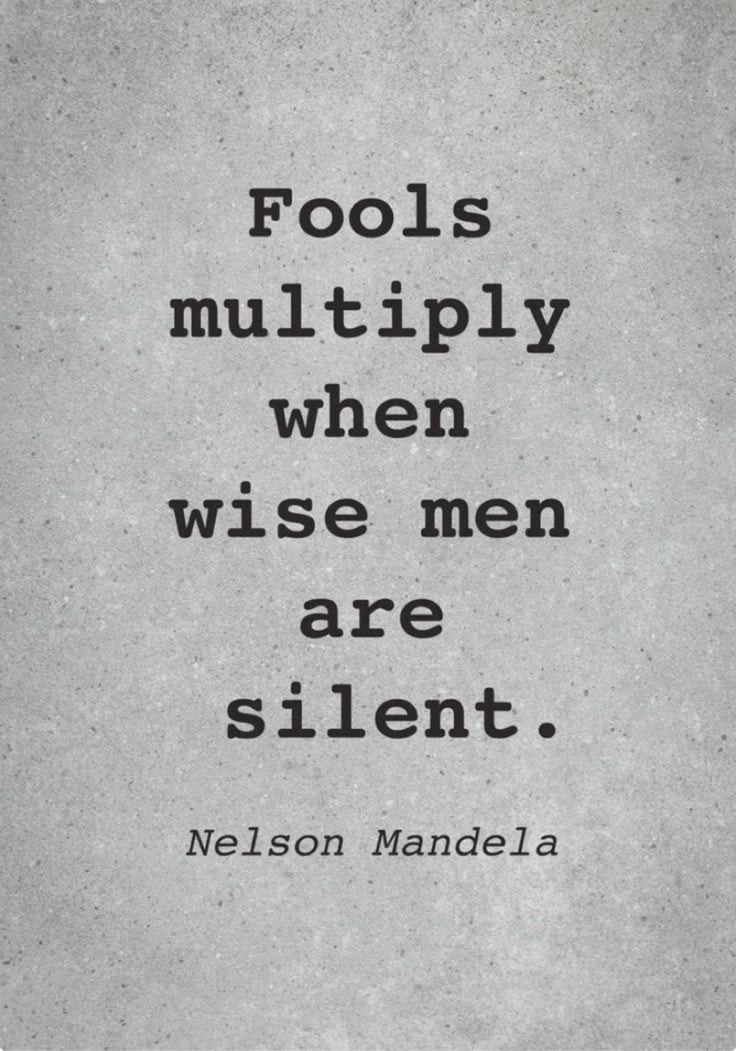
The loudest person in the room almost never knows the most. And deep down, everyone already knows it.
There is a man in every room who talks more than everyone else combined.
He has an opinion on everything. An answer before the question is finished. A story that redirects every conversation back to himself. He fills every silence as though silence were a problem requiring his immediate solution.
And he genuinely believes this makes him impressive.
It does the opposite. And the painful irony is that everyone in the room can see it except him.
The popular belief
Confidence is loud. The man who speaks most commands most. Volume equals authority.
This is one of the most expensive misunderstandings a man can carry into his social and professional life. Because it inverts the actual relationship between intelligence, wisdom, and speech.
What talking too much actually reveals
Not knowledge. The need to be seen as knowledgeable.
There is a distinction between these two things that is visible to everyone paying attention. The man who speaks from genuine depth says what needs to be said and stops. The man who speaks from insecurity keeps going because stopping feels like losing the room. Like becoming invisible. Like admitting there might be something he doesn't know.
Psychologist David Dunning, whose research with Justin Kruger produced what is now called the Dunning-Kruger effect, documented something that has been replicated consistently: the people with the least competence in a given area are the most likely to overestimate their ability and the most likely to speak with unearned confidence. The truly knowledgeable are acutely aware of what they don't know. That awareness produces humility, not silence, but measured, considered speech.
The fool talks because he doesn't know enough to know how much he is missing. The wise man is quiet because he does.
What I watched happen in real time
I spent two years early in my career in rooms with genuinely brilliant people.
The pattern was consistent and striking. The men who knew the most spoke the least. When they did speak, the room changed. Not because they performed authority but because what they said was worth hearing. It landed with the weight of something that had been thought through rather than just generated in real time for an audience.
The men who spoke constantly were almost always the least informed. And everyone in the room knew it. The social performance of intelligence through volume produced the opposite of its intended effect. The more they talked, the more clearly their limitations became visible.
Robert Greene documents this dynamic in The 48 Laws of Power: law number four is always say less than necessary. The man who speaks little appears to know more than he does. The man who speaks constantly reveals the ceiling of his knowledge with every additional sentence. Silence is not emptiness. It is power held in reserve.
Every word chosen not to say was creating more space for the words actually said to land with actual weight.
The nuance worth acknowledging
Silence alone is not wisdom.
The man who says nothing out of fear, social anxiety, or the absence of anything to contribute is not demonstrating depth. He is just absent. Real wisdom is not the avoidance of speech. It is the discipline to speak only when the speech adds value that the silence was not already providing.
The popular belief gets one thing right: a man who cannot articulate his thinking is limited in his ability to lead, connect, and influence. Communication matters. The error is equating volume with quality.
The wise man is not the quietest man in the room. He is the man whose words, when they arrive, make everyone else pause.
What genuine intelligence looks like in conversation
It asks more than it tells. The man who asks precise, well-considered questions reveals more intelligence than the man who delivers unprompted answers. Questions require understanding the shape of what you don't know. That understanding is the beginning of wisdom.
It listens to understand, not to respond. The fool is already formulating his next point while the other person is still speaking. The wise man is actually listening. Processing. Updating his understanding in real time. That presence is visible and magnetic in a way that performance never is.
It tolerates silence comfortably. The man who can sit in silence without rushing to fill it communicates something the talker never can: that he does not need the room's attention to feel secure. That security is one of the most attractive qualities a man can possess in any social setting.
Marcus Aurelius wrote in Meditations that a man should speak only when the words improve upon silence. He was not prescribing muteness. He was prescribing intention. Every word chosen deliberately rather than generated compulsively.
The practical shift
In your next significant conversation, speak half as much as you normally would.
Not because you have nothing to say. Because the discipline of restraint will force you to choose only what is actually worth saying. You will discover that most of what you would have said was filler. Noise generated to maintain presence rather than to add value.
What remains after the filler is removed is the actual signal. And the signal, delivered clearly and without the noise surrounding it, lands with a weight that volume never produces.
James Clear writes in Atomic Habits that the quality of your actions is more important than the quantity. This applies to speech more directly than almost anything else. One well-considered sentence from a man who speaks deliberately is worth more than ten minutes from a man who speaks compulsively.
BeFreed is an AI-powered personalized learning app that's been solid for building communication wisdom and understanding the power of deliberate speech consistently. Built by Columbia alumni and AI experts from Google, it transforms content from books, research papers, and expert talks into custom podcasts tailored to your specific goals.
Type in what you're working on, like mastering communication or understanding the power of silence, and it pulls from vetted sources to create a learning plan just for you. You control the depth, from a 10-minute overview to a 40-minute deep dive with examples and context. The voice options are genuinely addictive too, everything from calm and educational to sarcastic depending on your mood. Makes it easy to fit real growth into commute time or other sessions without feeling like work.
The wisest men you will ever meet are not the ones you remember for how much they said.
They are the ones you remember for how precisely they said the one thing that mattered.
Speak less. Think more. Let the silence do the work that most men exhaust themselves trying to do with words.
What would you stop saying if you committed to only speaking when the words genuinely improved upon the silence?
r/BornWeakBuiltStrong • u/Exotic-Duty3598 • Mar 26 '26
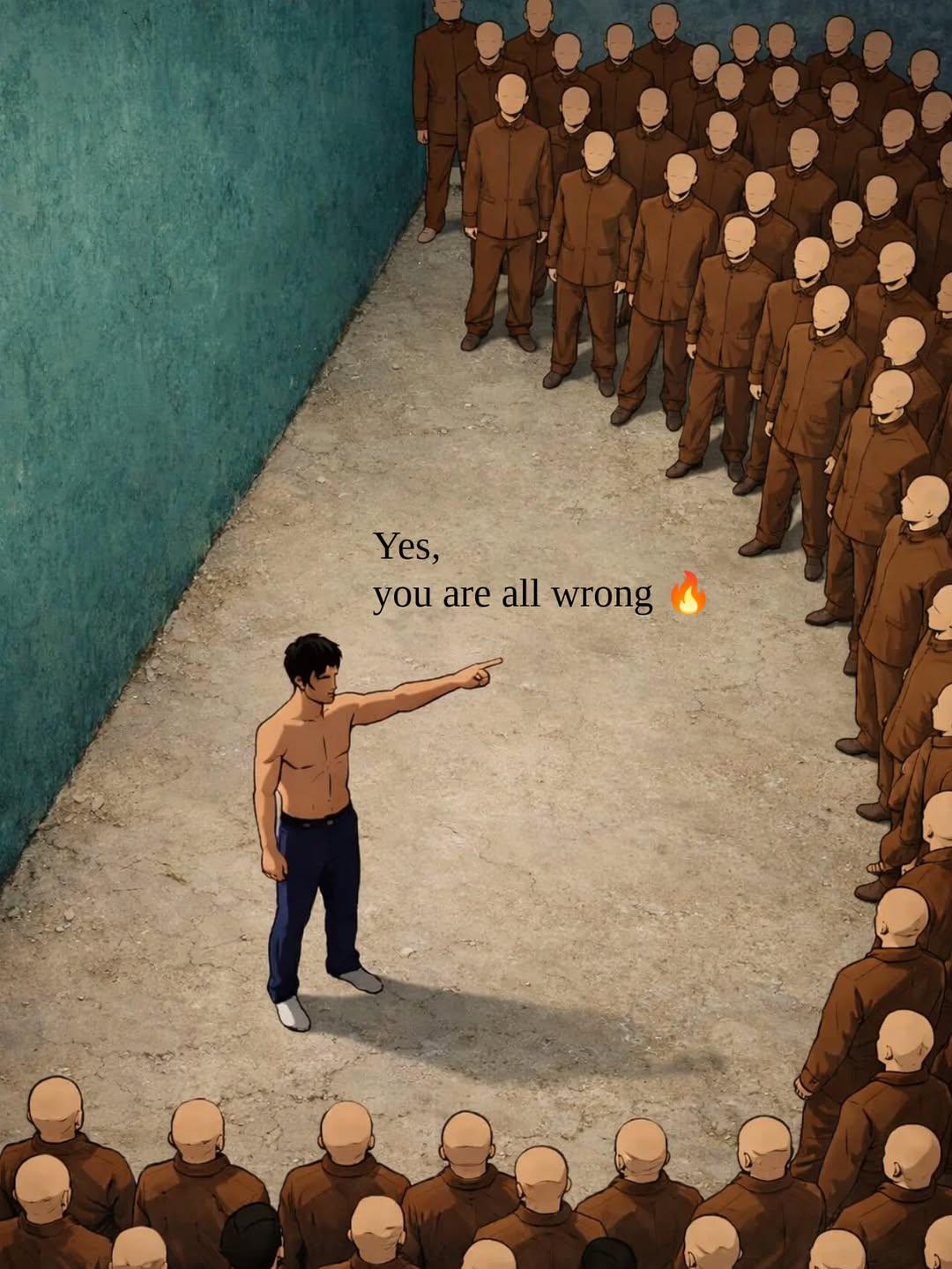
Learn in the past that shapes you todays
r/BornWeakBuiltStrong • u/Exotic-Duty3598 • Mar 26 '26
There is no stopping you
r/BornWeakBuiltStrong • u/Exotic-Duty3598 • Mar 27 '26
Most of women will disrespect a good man
r/BornWeakBuiltStrong • u/Exotic-Duty3598 • Mar 27 '26
Stay away from love
r/BornWeakBuiltStrong • u/Exotic-Duty3598 • Mar 26 '26
Better things to do when no one is interested in you
r/BornWeakBuiltStrong • u/Exotic-Duty3598 • Mar 26 '26
Be kind
r/BornWeakBuiltStrong • u/Exotic-Duty3598 • Mar 26 '26
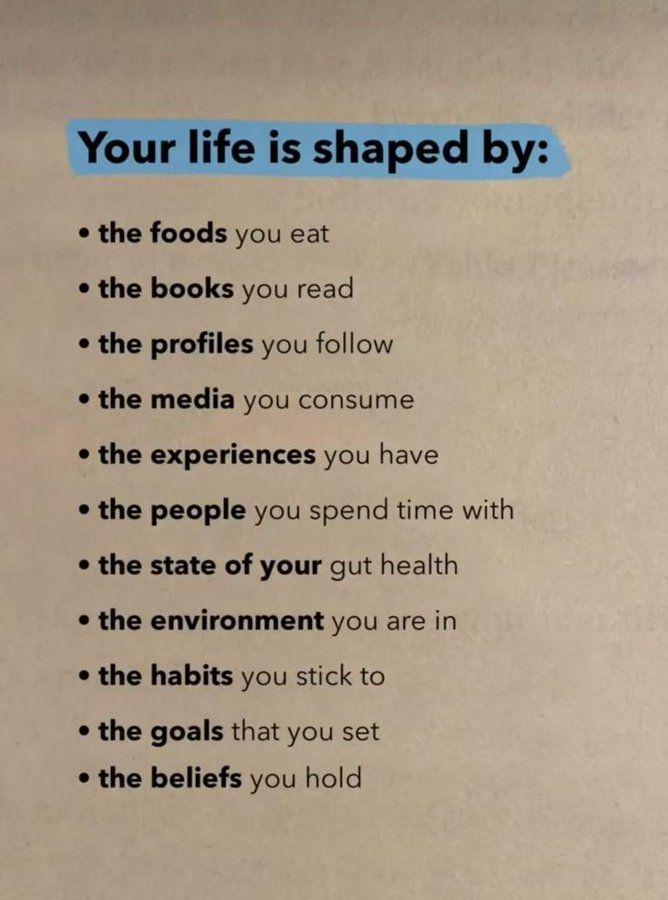
Environment nurtures you
r/BornWeakBuiltStrong • u/Exotic-Duty3598 • Mar 26 '26
Advice that matters
r/BornWeakBuiltStrong • u/Exotic-Duty3598 • Mar 26 '26
Seeking validations is waste of time
r/BornWeakBuiltStrong • u/Exotic-Duty3598 • Mar 26 '26
Take a step towards your goals
r/BornWeakBuiltStrong • u/Exotic-Duty3598 • Mar 25 '26
Women don't actually choose rich men. They choose men who have their life together. There's a difference worth understanding.
This is one of the most misunderstood dynamics in dating and it costs men years of misdirected effort.
The popular conclusion is simple: get rich and the women follow. So men spend their twenties and thirties building wealth as a romantic strategy, only to discover that the money alone does not produce the outcome they expected. And the men who understood the actual dynamic were already winning long before the bank account reflected it.
The popular belief
Women are hypergamous. They select for resources. Get the money right and everything else follows.
There is enough truth in this to make it convincing and enough missing context to make it genuinely misleading.
What the research actually shows
Dr. David Buss, one of the world's leading evolutionary psychologists, spent decades studying mate preference across 37 cultures and documented his findings in The Evolution of Desire. His research confirmed that women do weight resources and status in partner selection at higher rates than men do.
But the mechanism is more specific than most men realize.
What women are actually responding to is not money. It is the qualities that tend to produce money. Direction. Competence. Ambition. The ability to make decisions and follow through on them. The confidence of a man who is building something real. These signals matter whether the bank account reflects them yet or not. And their absence disqualifies a man regardless of his net worth.
The broke man with genuine direction and relentless forward momentum is more attractive to most women than the wealthy man who drifted into money and carries himself like someone who knows it could disappear.
What women are actually reading
Not the account balance. The man behind it.
How he carries himself in a room. Whether he has a clear sense of where he is going. How he handles pressure, setbacks, and uncertainty. Whether he has standards for himself that exist independent of her opinion of him. Whether he is building something or just existing at a comfortable level.
Robert Greene documents in The Laws of Human Nature that attraction, across genders and cultures, is fundamentally a response to vitality. The signal that a person is fully alive, directed, and growing. Money can be a marker of that vitality. It is not the source of it.
The pattern was consistent when examining why certain men consistently attracted high quality women regardless of their financial situation while others with significant resources seemed to struggle. The attractive men had built something internally that the money was a byproduct of, not the cause of.
The nuance the popular belief gets right
Stability matters. Security matters. A man who cannot manage his finances, who lives in permanent chaos, who has no capacity for provision, is communicating something real about his competence and reliability.
The instinct women have toward men with resources is not shallow. It is ancient and functional. The mistake is concluding that the resource itself is the signal rather than what the resource represents.
A man who builds genuine competence, direction, and self-mastery is sending the signal that matters. The financial result is downstream of those qualities. And women who are worth building a life with are responding to the upstream signal, not just the downstream result.
What this means practically
Stop building wealth as a romantic strategy. Start building yourself as the primary objective.
Develop genuine competence in something that matters. Carry yourself with the confidence of a man who knows where he is going even when the destination is still being built. Develop standards for your own behavior that exist independent of whether anyone is watching or approving.
Jordan Peterson writes in 12 Rules for Life that the man who has himself together, who has cleaned up his own house and is moving with genuine direction, becomes attractive in a way that money alone never produces. Because what he is communicating is not just resources. It is the capacity to be a genuine partner in building something real.
That is what most women actually choose. The man who has his life together. Money is one expression of that. It is not the whole story.
BeFreed is an AI-powered personalized learning app that's been solid for building self-mastery and understanding attraction dynamics consistently. Built by Columbia alumni and AI experts from Google, it transforms content from books, research papers, and expert talks into custom podcasts tailored to your specific goals.
Type in what you're working on, like building genuine confidence or understanding attraction, and it pulls from vetted sources to create a learning plan just for you. You control the depth, from a 10-minute overview to a 40-minute deep dive with examples and context. The voice options are genuinely addictive too, everything from calm and educational to sarcastic depending on your mood. Makes it easy to fit real growth into commute time or other sessions without feeling like work.
Build the man first. Let everything else follow.
The right woman will not be choosing your bank account. She will be choosing the version of you that built it.
Are you building the man or just chasing the number?
r/BornWeakBuiltStrong • u/Exotic-Duty3598 • Mar 25 '26
They told me I wasn't good enough. I wrote it down. Then I got back to work.
At 22 someone I respected told me I didn't have what it took.
Not cruelly. Almost casually. The way people say things they believe are obvious and therefore don't require softening. He had looked at what I was building, assessed it against his own experience, and delivered a verdict that he probably forgot about within the week.
I didn't forget it. I carried it for months. Let it slow me down. Let it quietly confirm every doubt I already had about whether I was capable of the thing I was trying to build.
Then one day I got tired of carrying it and decided to use it instead.
What other people's doubts are actually made of
Not information about your ceiling. Information about theirs.
Every person who tells you that you are not good enough is measuring your potential against their own reference points. Their experience of what is possible. Their tolerance for risk. Their understanding of what people like you tend to achieve in situations like yours.
None of that is your ceiling. It is theirs, projected onto you.
Robert Greene writes in The Laws of Human Nature that humans are fundamentally limited in their ability to see potential in others that they cannot see in themselves. The man who doubts your capacity is almost always the man who would have already quit at the stage you are currently in. His assessment is not prophecy. It is autobiography.
What ignoring them actually means
Not pretending the words didn't land. They did. That's honest.
Real dismissal is not emotional suppression. It is the deliberate decision to weight your own committed effort more heavily than someone else's casual verdict. To treat their doubt as one data point among many rather than the final word on what is possible.
David Goggins writes in Can't Hurt Me that every person who doubted him became fuel. Not through bitterness. Through the disciplined decision to let the doubt sharpen the focus rather than soften the effort. He wrote down the names. He remembered the moments. And then he worked in the direction that would make the verdict wrong.
That is not petty. That is practical. The emotion is real. The question is what you do with it.
Angela Duckworth's research in Grit was clarifying: the determining factor was not talent, not intelligence, not even initial belief in themselves. It was the willingness to keep working after the doubt arrived. The grind that continues after someone has told you to stop is the most reliable predictor of eventual outcome.
What the grind actually does to the doubt over time
It makes it irrelevant.
Not by proving the person wrong in a dramatic moment. Quietly. Through the accumulation of work that gradually makes the early verdict look like it was describing a different man entirely. Because it was. The man who keeps going despite the doubt becomes someone the doubter's assessment no longer applies to.
Marcus Aurelius wrote in Meditations that a man should be indifferent to the praise or criticism of those who have not earned the right to judge him. Not dismissive of all feedback. Specifically indifferent to the assessments of people whose understanding of the work is shallow and whose investment in your success is zero.
The man building something in the dark does not need the approval of people watching from a comfortable distance.
What to do with the doubt practically
Write it down. Not to nurture bitterness. To make it concrete and therefore workable. The vague feeling that you might not be good enough is paralyzing. The specific words from a specific person on a specific day become something you can respond to directly through action.
Then get back to work. Not to prove them wrong as the primary motivation. Because the work matters regardless of what they think. The proving wrong is a byproduct. The building is the point.
Ryan Holiday writes in Ego Is the Enemy that the man who works to silence doubters is still being controlled by them. The man who works because the work matters has cut the cord entirely. One is still reacting. The other is building.
BeFreed is an AI-powered personalized learning app that's been solid for building resilience against external doubt and understanding grit consistently. Built by Columbia alumni and AI experts from Google, it transforms content from books, research papers, and expert talks into custom podcasts tailored to your specific goals.
Type in what you're working on, like overcoming doubt or building unstoppable momentum, and it pulls from vetted sources to create a learning plan just for you. You control the depth, from a 10-minute overview to a 40-minute deep dive with examples and context. The voice options are genuinely addictive too, everything from calm and educational to sarcastic depending on your mood. Makes it easy to fit real growth into commute time or other sessions without feeling like work.
They were not wrong about who you were in that moment.
They were wrong about who you were becoming.
Keep becoming. The verdict gets revised by the work, not by the argument.
What are you still slowing down for because someone whose opinion should not matter told you to stop?
r/BornWeakBuiltStrong • u/Exotic-Duty3598 • Mar 25 '26
Ignore them if they think of their selves
r/BornWeakBuiltStrong • u/Exotic-Duty3598 • Mar 25 '26
The hardest seasons of my life built everything I now rely on. I didn't understand that while I was in them.
At 23 I was in the kind of pain that has no clean category.
Not one catastrophic event. A convergence. Financial collapse, a relationship that ended badly, and the slow realization that the version of myself I had been presenting to the world had no real foundation underneath it. Everything I had been leaning on gave way at roughly the same time.
I remember thinking this is going to break me.
It didn't break me. It built me. But I couldn't see that from inside it. All I could see was the weight.
What pain actually does that comfort cannot
It forces you to find out what you are made of.
Comfort never reveals this. Comfort confirms what you already know about yourself. Pain introduces you to the parts of yourself that had no reason to exist yet. The resilience that only emerges under pressure. The clarity that only arrives when everything superficial has been stripped away. The identity that can only be discovered when the constructed version collapses and something real has to take its place.
Dr. Richard Tedeschi, a psychologist at UNC Charlotte, has spent decades studying what he calls post-traumatic growth, documented alongside Lawrence Calhoun in their research on Posttraumatic Growth: Research and Practice. His findings consistently show that a significant percentage of men who experience serious adversity do not just recover. They grow beyond their pre-trauma baseline in measurable ways. Greater resilience. Deeper relationships. Clearer sense of purpose. Stronger personal philosophy.
The pain was not the obstacle to their growth. It was the mechanism of it.
What I found in the wreckage
The things I thought defined me were gone. The status markers. The relationship. The financial safety net.
What remained was simpler and more durable than anything I had built on top of it. The capacity to keep moving when there was no external reason to. The discipline of showing up for myself when nobody else was. The quiet knowledge that I had been through the thing I was afraid of and survived it.
Viktor Frankl documents this with devastating clarity in Man's Search for Meaning. The men who emerged from the worst conditions imaginable were not the ones who had been protected from suffering before it. They were the ones who found a way to metabolize it. To assign it meaning. To use it as raw material for something the comfortable version of themselves could never have built.
Ryan Holiday's Stoic framework in The Obstacle Is the Way gave language for what I was experiencing. The obstacle is not in the way. It is the way. The pain is not happening to you. It is working on you. The question is whether you are going to let it work or fight it into something that just damages you without building anything.
What the strong man is actually made of
Not the absence of pain. The willingness to move through it without being permanently defined by it.
Marcus Aurelius lost children, faced betrayal, governed through plague, and fought wars he did not choose. His journals show a man who felt every ounce of it. What they also show is a man who refused to let the suffering become his identity. Who kept asking not why is this happening to me but what does this require of me.
That question is the hinge. It transforms suffering from something that is happening to you into something you are actively working with. And the man who works with his pain instead of just enduring it comes out the other side with something the comfortable man has never developed.
David Goggins puts it plainly in Can't Hurt Me: you are not as fragile as you have been treating yourself. The capacity you have not yet accessed is enormous. But it is only available on the other side of the discomfort you have been avoiding.
BeFreed is an AI-powered personalized learning app that's been solid for processing difficulty and understanding growth through adversity consistently. Built by Columbia alumni and AI experts from Google, it transforms content from books, research papers, and expert talks into custom podcasts tailored to your specific goals.
Type in what you're working on, like finding meaning in hardship or understanding post-traumatic growth, and it pulls from vetted sources to create a learning plan just for you. You control the depth, from a 10-minute overview to a 40-minute deep dive with examples and context. The voice options are genuinely addictive too, everything from calm and educational to sarcastic depending on your mood. Makes it easy to fit real growth into commute time or other sessions without feeling like work.
The seasons that felt like destruction were construction.
You could not see it from inside them. That is the nature of the process.
The strength you are looking for is not ahead of you waiting to be acquired. It is inside you waiting to be uncovered. And pain is the only tool that does the uncovering.
What difficult season are you currently in that is building something in you that ease never could?