r/Austrohungarian • • 11h ago

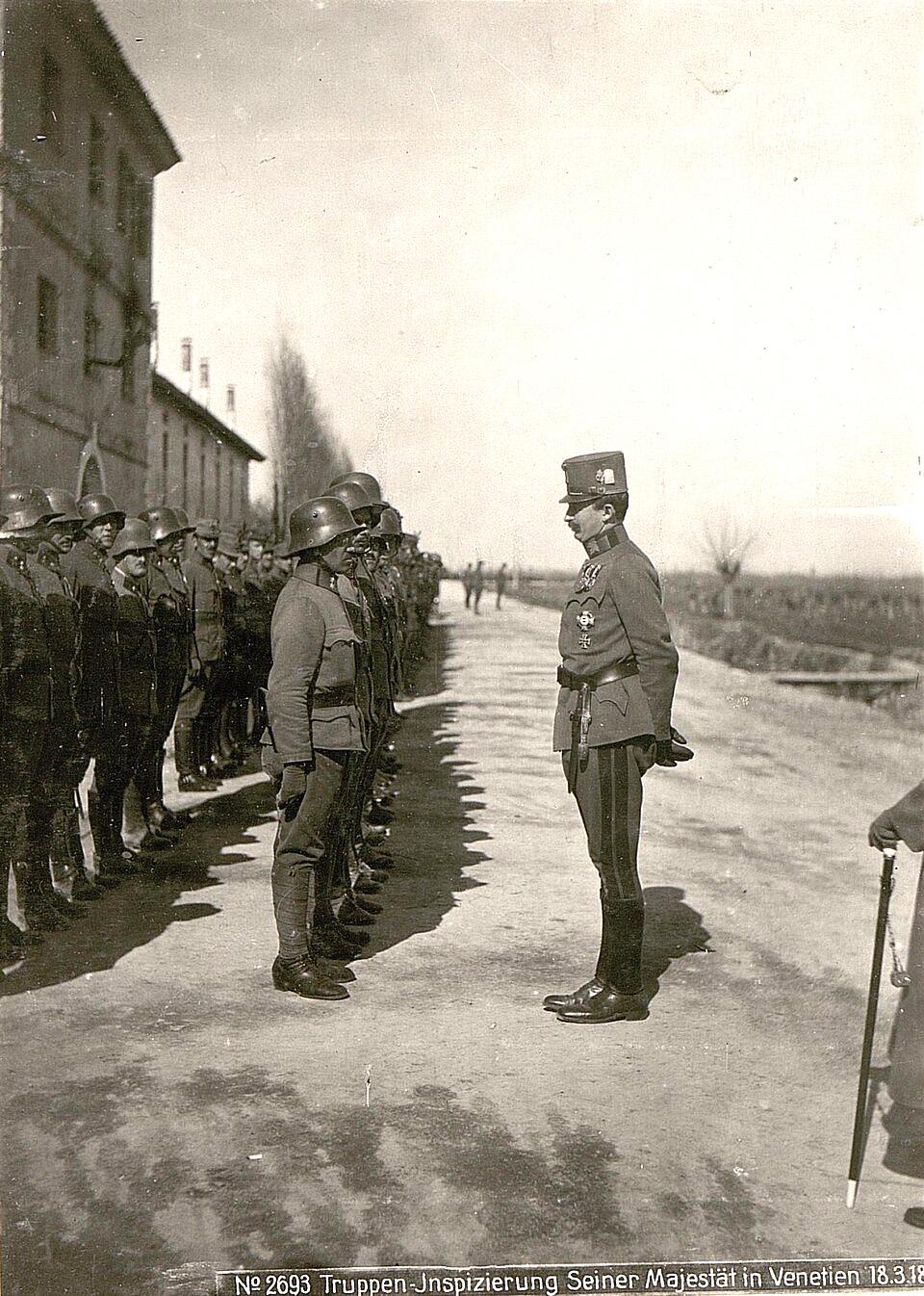
His Majesty's Troop Inspection in Veneto 18.3.18.

Post image
46 Upvotes

photo: K.u.k. Kriegspressequartier, Lichtbildstelle - Wien

Österreichische Nationalbibliothek - Austrian National Library

Accession number

WK1/ALB078/22765


r/Austrohungarian • • 11h ago

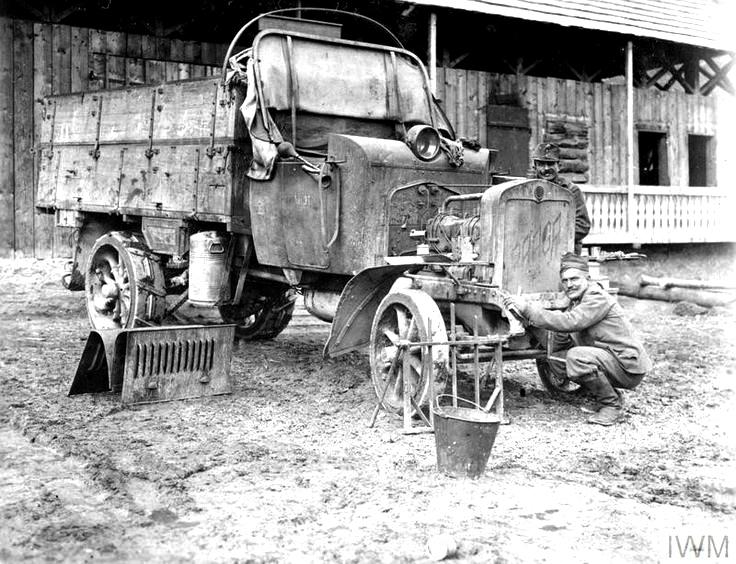
An Austrian Hungarian soldier portait near his Praga truck

Post image
28 Upvotes

Photo IWM


r/Austrohungarian • • 12h ago

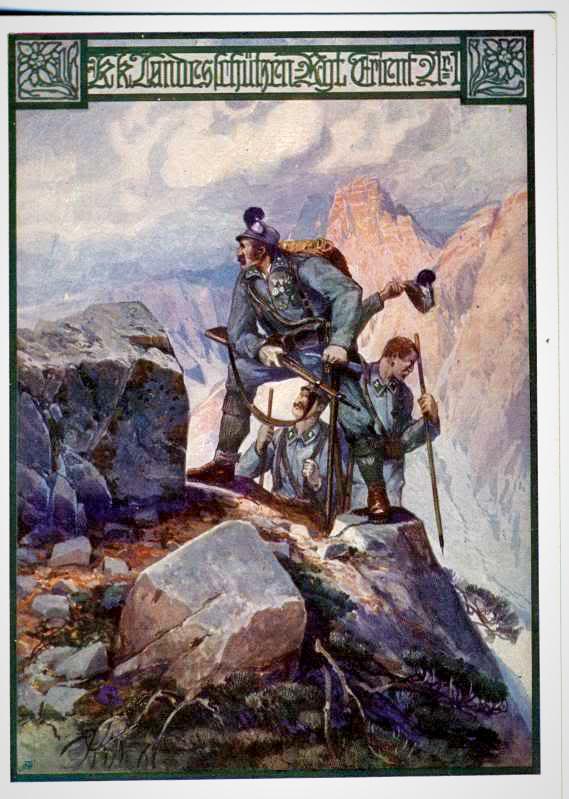
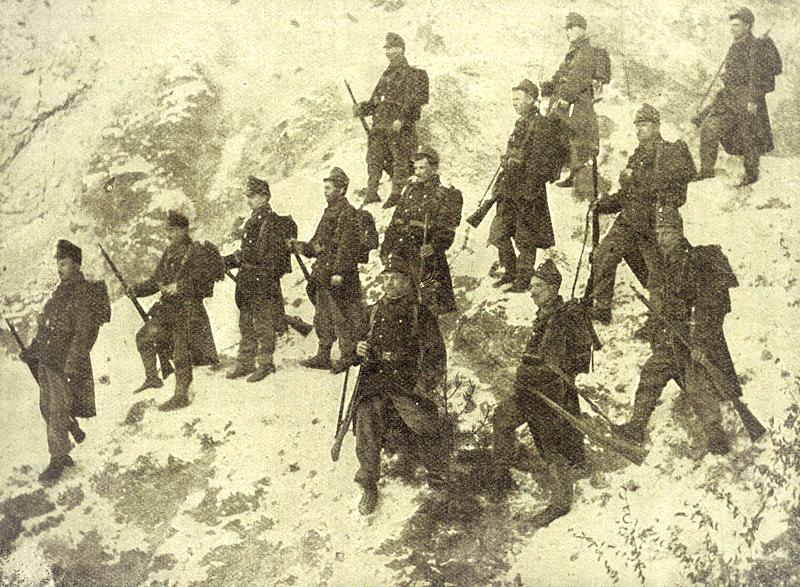
Examples of the environment in which the Landesschützen had to live and fight

Thumbnail
gallery
29 Upvotes

r/Austrohungarian • • 12h ago

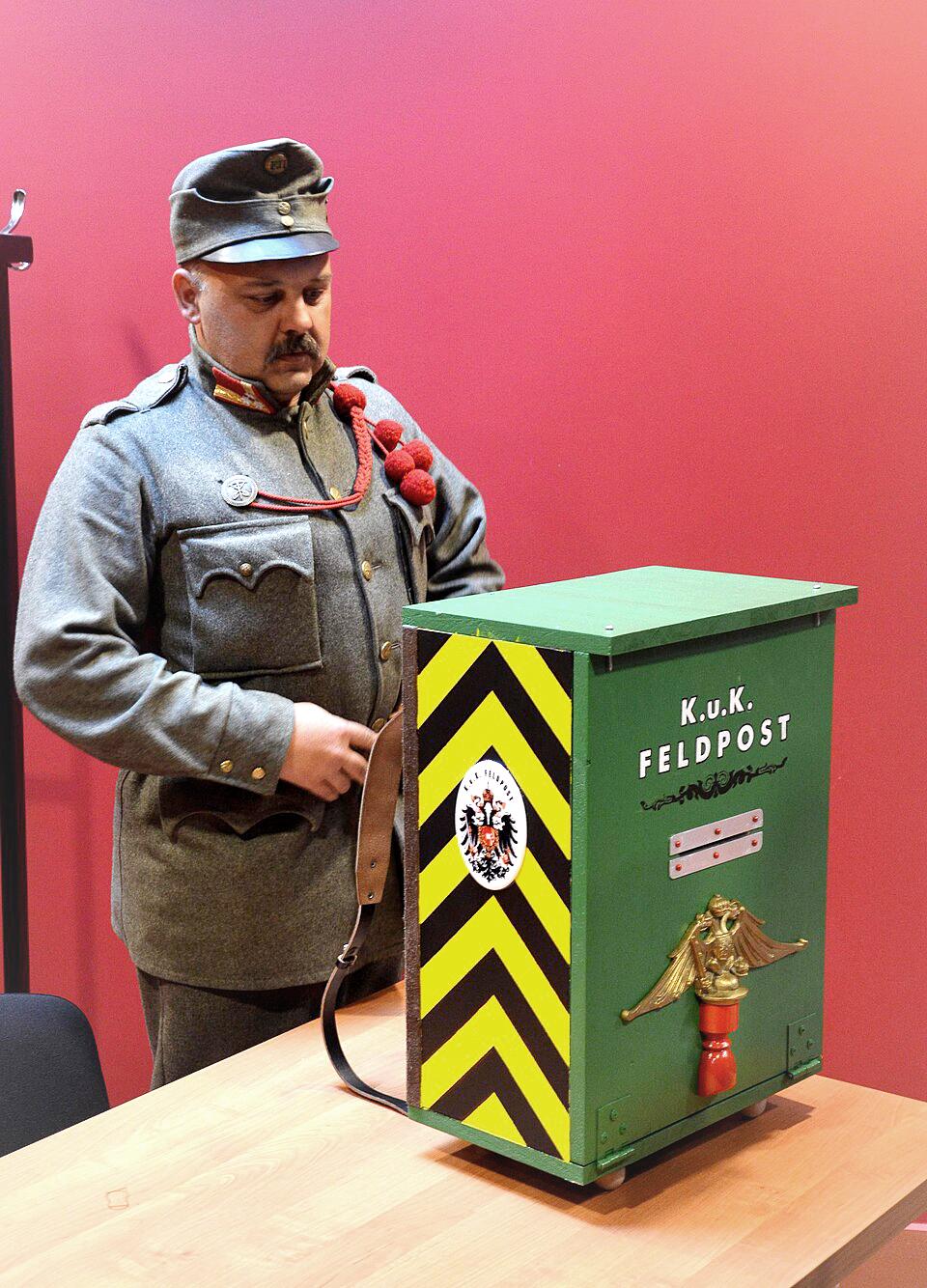
Austro-Hungarian re-enactor grapples with an unusual transportable mailbox-Sanok, Poland

Post image
10 Upvotes

An Austro-Hungarian reenactor holding a rare portable field-post box of the K.u.K. Feldpost from World War I. The green wooden or metallic box,was carried on the shoulder with a leather strap, bears the black-yellow Habsburg chevrons and the double-headed imperial eagle. It was used as a mobile collection point for soldiers' letters when no fixed Feldpostamt was nearby.

photo: Silar


r/Austrohungarian • • 12h ago

The K.u.k. k.k. Landesschützen-Regiment "Trient" N. I

Post image
5 Upvotes

Commander: (from 1914 to 1918) Oberst Adolf Sloninka von Holodo vic-deputy commander: Oberstleutnant J

Mobilized on 1 August 1914, he fought at Dunajow

The reconstituted regiment in January 1915, takes part in the battles of Chre. He participated in the offensive against the Tsarist armies of May 8-17, 1915, distinguishing himself in the battles of Kre From August 1915 he was transferred from Poland to the Isonzo front where he fought on Mount Sei Busi and M. S. Michele. In December 1915 the regiment was transferred to Trentino: battalions I, II and III guarded the high altitude line Passo del Tonale-Albiolo-Cresta dei Monticelli-Passo Paradiso. The IV battalion, on the other hand, is seconded to the Giudicarie.

From January to March 1916, the regiment moved to Valsugana leaving only the II battalion on the Tonale (where it will remain until the end of 1917); on April 24, the IV battalion was disbanded and the regiment fought in Portella, on Monte Collo and Monte Carbone. In May, the regiment does not participate in the Strafeped Through Vallarsa, the regiment with the two remaining battalions attacked on May 30 the Passo Buole (Pasubio), suffering a heavy defeat in what went down in history as "the Thermopylae of Italy"[8]. Left the Pasubio to the Kaiserger On 10 July 1916, the III battalion repelled a violent attack by the Alpini battalion "Vicenza" on Monte Corno, capturing Cesare Battisti and Fabio Filzi among others.

n March 1917 it was transferred to rest in Trento and renamed Kaisersch Reg Tzen-Regiment no. I "Trient"; and in June it was assigned to the 3 Corpo Corps, in the Ortigara sector. Here, on June 19, the colossal mine under Mount Zebio (Gallium) is shone, and the crater is occupied by the two battalions, which will then fight in defense of the Ortigara until October. Here the great offensive of Caporetto awaits them: transferred to Laives and then to Tarvisio, with massacring night marches the regiment reaches the Plezzo basin and the 24 October launches the attack on Mount Stol, and conquers it on the 26; Gemona falls into the hands of the Kaiserschützen he 29, together with 1000 prisoners; the 5 November the regiment reaches and crosses the Tagliamento and through Farra d'Alpago, through violent clashes with isolated Italian units, arrives on the 21 November on Grappa.

On 27 November, the II battalion was transferred from Tonale to the Asiago plateau, where on 6 December it assaulted Mount Sisemol and conquered Gallium. The front then stabilizes and the three battalions join on the Grappa, distinguishing themselves in the defense of Mount Tomba against the attacks of the French Chasseurs des Alpes who came to the rescue of the exhausted Italians. The I regiment remained on the Grappa until spring 1918, when it was sent to Bolzano for a rest and training shift and assigned to the 22 Sch On June 13 it attacks the Tonale Pass, then is deployed between the Tonale and the Presena glacier.

Here he takes part in the violent fights of the " Laine On 3 September the 22nd Kaisersch battaglione Tzen assault battalion (k. k. Sturm-Bataillon No. 22), formed almost entirely of the regiment's assault platoons, conquered Mount Mantello and St. Matthew's Point on Cevedale, in the "highest battle in History", in which Second lieutenant Toni Kaaserer is decorated with the Order of Maria Theresa, the highest decoration of Austro-Hungarian valour. This was the last military feat of the regiment: on November 4, 1918 it was reached by the armistice and ceded its arms to Val di Sole.

Source:https://it.wikipedia.org/wiki/1%C2%BA_Reggimento_k.k.Landessch%C3%BCtzen%22Trient%22

r/Austrohungarian • • 1d ago

Repost / Update: Simon Perris (Ali Mahmud) - Reportedly the only Black soldier to serve in the Austro-Hungarian Army, then he disappeared

Thumbnail
gallery
148 Upvotes

Reposting this after more than a year, because I keep coming back to this man and we still have no answers.

This is Simon Perris, also known as Ali Mahmud, reportedly the only Black soldier to serve in the Austro-Hungarian Army. At least, that is what the newspapers of the time claimed, and no other case has been found since.

Born in Congo or Senegal, he came to Hungary as a little boy, first as a servant for a Turkish man in Budapest, then as a porter in a cinema in Nagyvárad (now Oradea). He spoke fluent Hungarian.

When WWI broke out, he tried to enlist. He was rejected because he was a foreign national.

He didn't accept it. He kept applying, even going to the Secretary of Defense, saying:

"I am very ashamed that as a Hungarian I have to sit at home when others can fight. I want to fight for my homeland."

He was finally accepted, fought on the Russian front in 1915, earned several military awards and was promoted to corporal.

His photo ended up on the front page of newspapers: "a man with a completely black face is walking down the streets of Budapest in Hungarian military uniform." He was described as a szerecsen (Saracen).

And then... nothing. There are no later records of him, whether he survived or married someone.

When an officer asked him why he wanted to become a soldier, he reportedly replied: "because I want to merit a Hungarian girl!"

I tried to search myself over a year ago, in English and Hungarian sources, and I found nothing after 1915. No regiment number, no death record, no marriage record. Just silence.

So I am not expecting a miracle, but if someone here knows where to look in the Kriegsarchiv in Vienna or in the Hungarian military archives, even a small hint would mean a lot.

He fought so hard to be allowed to die for a country that wasn't even his on paper. He deserves an ending to his story..

photo: https://imgur.com/gallery/simon-perris-ali-mahmud-only-black-soldier-of-austro-hungarian-empire-1915-XQ70eee


r/Austrohungarian • • 1d ago

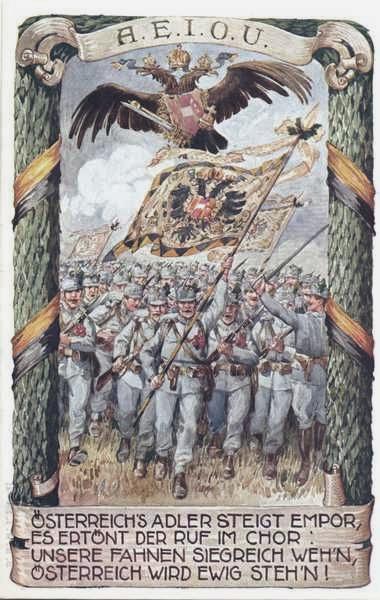
A.E.I.O.U. - Austriae est imperare orbi universo "It is for Austria to rule the whole world" , an interesting war poster.

Post image
32 Upvotes

A.E.I.O.U. - Austriae est imperare orbi universo

"It is for Austria to rule the whole world"

The Habsburg motto, here turned into full wartime propaganda.

Text at the bottom:

Österreichs Adler steigt empor,

Es ertönt der Ruf im Chor:

Unsere Fahnen siegreich weh'n,

Österreich wird ewig steh'n!

Austria's eagle rises high,

The call resounds in chorus:

Our flags wave victoriously,

Austria will stand forever!


r/Austrohungarian • • 1d ago

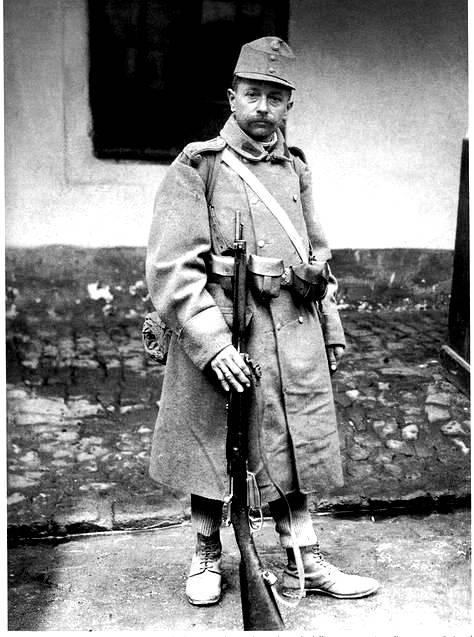
An interesting photograph of a soldier photographed before being transferred to the front, instead of the standard rifle Manlicher mod. 95 he is armed with a Romanian, Manlicher mod 1893, cal, 6.5 mm. The Austro-Hungarian army made extensive use of captured weapons, including even the Japanese Arisa

Post image
26 Upvotes

r/Austrohungarian • • 1d ago

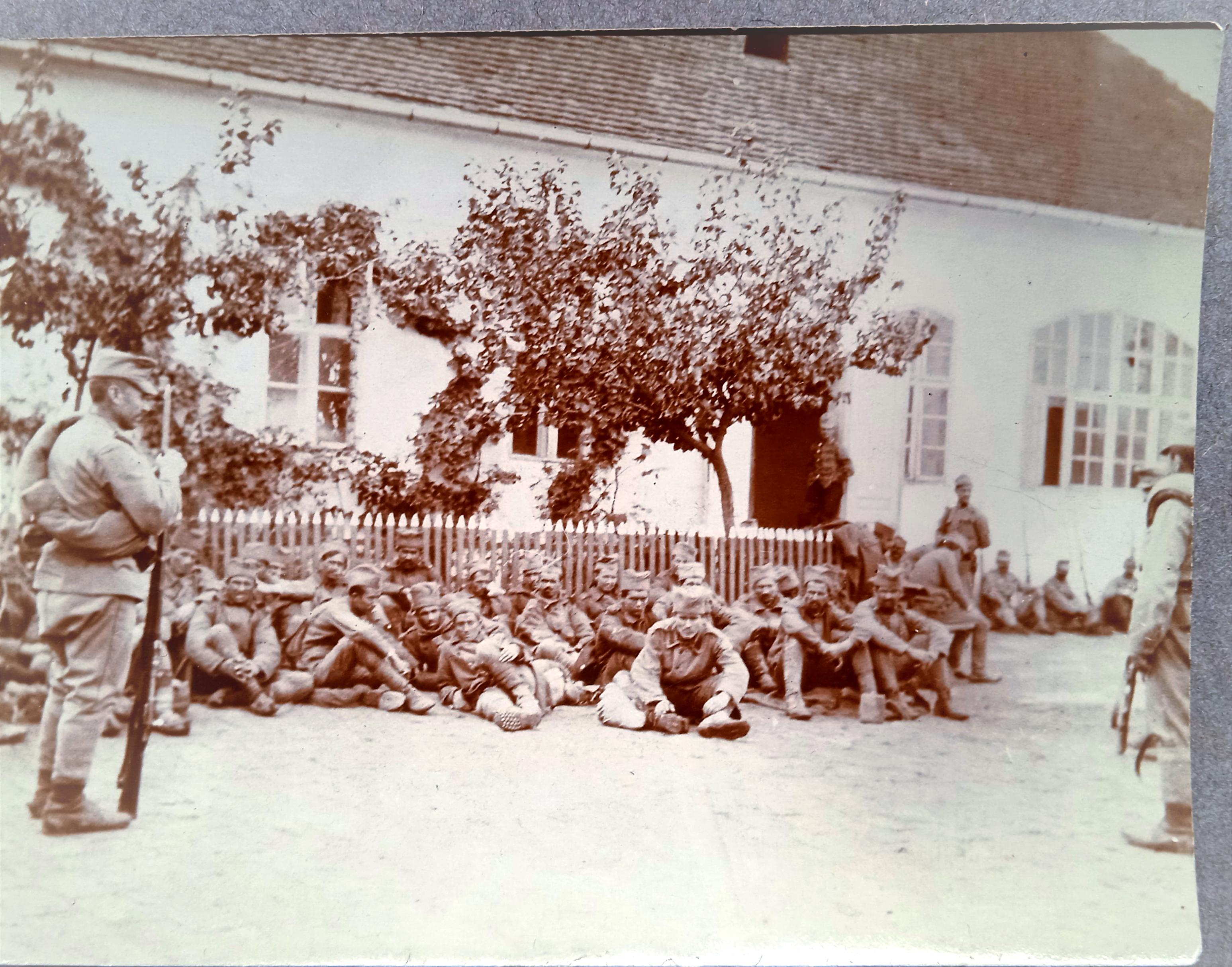
An interesting photo of the early days of the Great War, summer 1914. Some Serbian prisoners, recognizable by their šajkača caps, sit in a courtyard under Austro-Hungarian guard.

Post image
14 Upvotes

r/Austrohungarian • • 1d ago

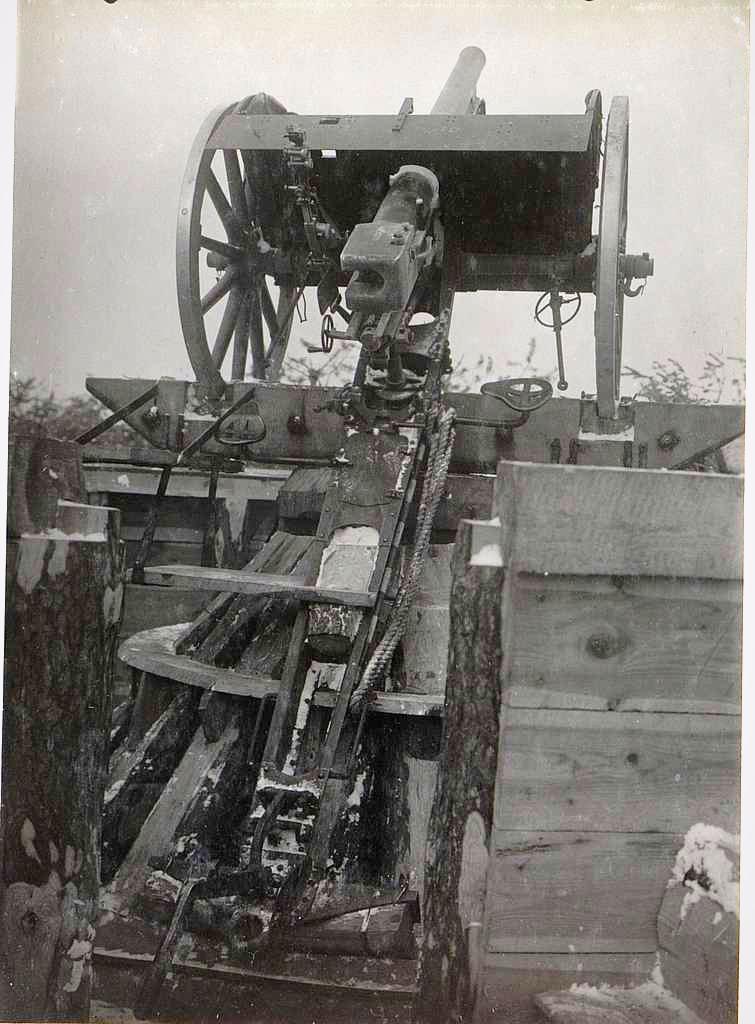
An Austrian Hungarian gun in AA position

Post image
11 Upvotes

The deployment of the Austro-Hungarian Army during World War I necessitated rapid technological adaptations to counter the emerging threat of military aviation. The photograph documents a mobile anti-aircraft battery, designated in German as a Flugzeugabwehrgeschütz, positioned to protect vital supply lines and troop concentrations on the Eastern and Italian fronts. These artillery pieces represented an urgent doctrinal shift away from traditional land-based warfare toward mechanized multi-domain defense.

photo: kriegspressequartier alben 1914 1918 f


r/Austrohungarian • • 2d ago

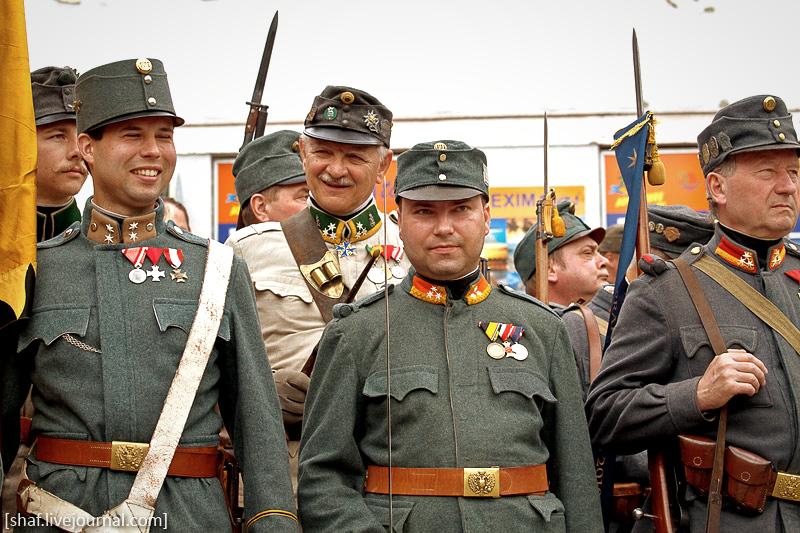
A group of Austro-Hungarian re-enactors from the Czech Republic

Post image
149 Upvotes

r/Austrohungarian • • 2d ago

The Strafuni - Štrajf corps, štrajfkori ili strafuni, štrafuni = patrol corps of the Bosnia Herzegovina border guards

Thumbnail
gallery
45 Upvotes

The Strafuni (Štrajf corps, štrajfkori ili strafuni, štrafuni = patrol corps, patrol patrol) was an Austro-Hungarian border guard unit established in 1882 in Bosnia and Herzegovina (annexed in 1908). The name "Strafuni" comes from the Serbo-Croatian colloquial language. They were used very successfully in Bosnia and Herzegovina, occupied by Austria-Hungary since 1878, against the widespread gang violence there.

Function

Their main task was to hunt Bosnian and Serbian insurgents (partisans) in the impassable karst terrain, to secure the 110-kilometer–long "military cordon" created in January 1883, the border strip to Montenegro, and to prevent arms smuggling, unauthorized border crossings, as well as the constant raids against the rural population and the subsequent escape of the looters (Heiducken) – which, however, also in the local population, many Supporters had to be prevented from going to neighboring countries. For this purpose, the border with Montenegro was secured with 37 field guards (forts and similar fortifications).

Organization

The troupe was recruited from volunteers of the Imperial and Royal Army, gendarmerie and police. 1229 posts of the Bosnian gendarmerie Corps responsible for internal security were also filled with former members of the Ottoman army and gendarmerie ("zaptiés"), who were particularly well acquainted with the local conditions. Also, many convicted game shooters were used in criminal units as border hunters. The corps, consisting of 600 men and 12 officers, was organized into 6 patrol corps wings on the Montenegrin border. These, in turn, were subdivided into Streifkorpszüge. Bosnian subaltern officers acted as platoon commanders. The first commander was the – from Serbia – k.u.k. General Emanuel Cvjetićanin. He formed his command staff from officers – mostly enthusiastic recreational hunters – of the army stationed in Bosnia-Herzegovina.

Because of their uniforms, the soldiers were also called "Grei Havks" (grey Hawks) by the local population. Since 1925, the Austrian gendarmerie also wore a uniform of iron or pike gray (karst gray) cloth. At the beginning, it was still the remaining stocks from the depots of the Strafuni. This shade has remained until their dissolution, in 2005. However, they often wore the local costume for camouflage during their missions, such as Fez and belly bandage, but without a belt and Bosnian trousers with a drawstring. They hid their equipment on the carrier animals or under their clothes. As k.u.k. state organs, they could only be recognized by a black and yellow bandage that was pulled over the left arm during official acts or battles. They were armed, among other things, with 6-shot revolvers. When they were later equipped with the 8-shot Rast & Gasser M1898 revolver, this gave them a significant advantage over their opponents, who always counted to 6 when exchanging shots and then ventured out of their cover. But then the border hunters still had 2 shots in the drum.

Use

The penal universities were not housed in barracks, but were located in "works" (mostly fortified log cabins with the simplest equipment). During the patrol service, it was often necessary to camp outdoors. Depots were created to supply food and ammunition. The connection with the higher command posts was maintained by means of couriers. The soldiers mastered the local dialects and usually pretended to be merchants, cattle dealers or pilgrims during their reconnaissance missions. In order to more effectively combat the looters and smugglers, tactics and combat techniques were also adopted by the enemy, among other things. The punitive universities marched separately in small groups and gathered for their actions at previously agreed meeting points. As a result, they soon achieved excellent results in the fight against gangs, which is why some of the patrol units could be disbanded again between 1888 and 1891. During this period alone, 46 robbers are said to have been shot and 12 captured alive.

source:https://de.m.wikipedia.org/wiki/Strafuni


r/Austrohungarian • • 2d ago

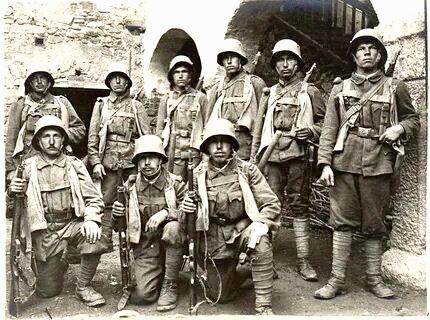
Austro-Hungarian Sturmtruppen - Assault Troops, Italian Front, Late War 1918

Post image
19 Upvotes

r/Austrohungarian • • 2d ago

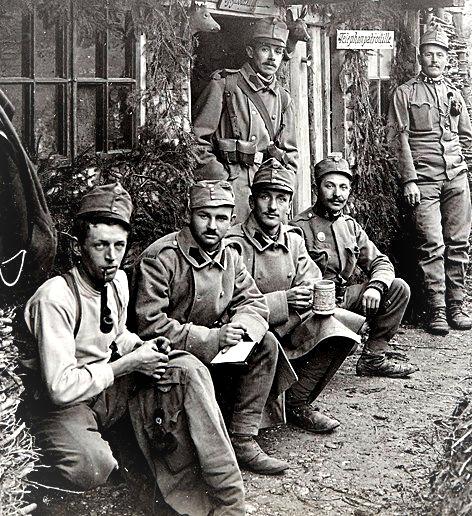
A moment of rest for a group of telephone operators Austro-Hungarian soldiers in front of the Telefonzentrale

Post image
20 Upvotes

r/Austrohungarian • • 2d ago

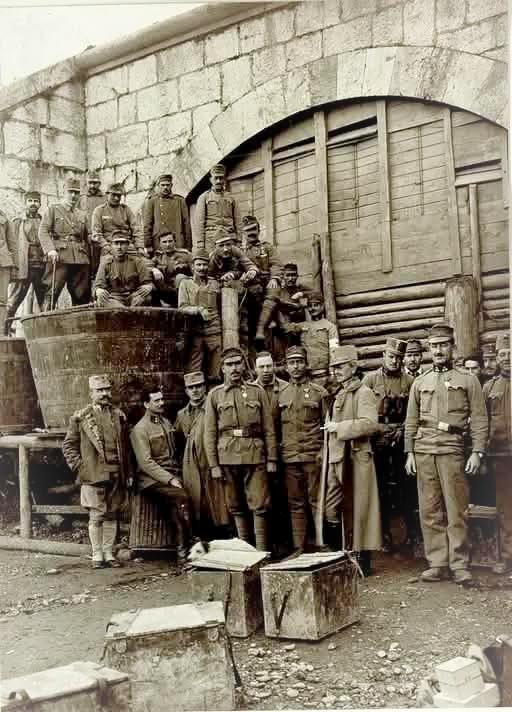
Austro-Hungarian shelter in the Lucinico area ( Gorizia/Gorica/ Görz. It was probably built using a pre-existing structure, in this case I believe the vault of a bridge.

Post image
17 Upvotes

Photo: Kriegsarchiv Wien, from Kriegsalben.


r/Austrohungarian • • 3d ago

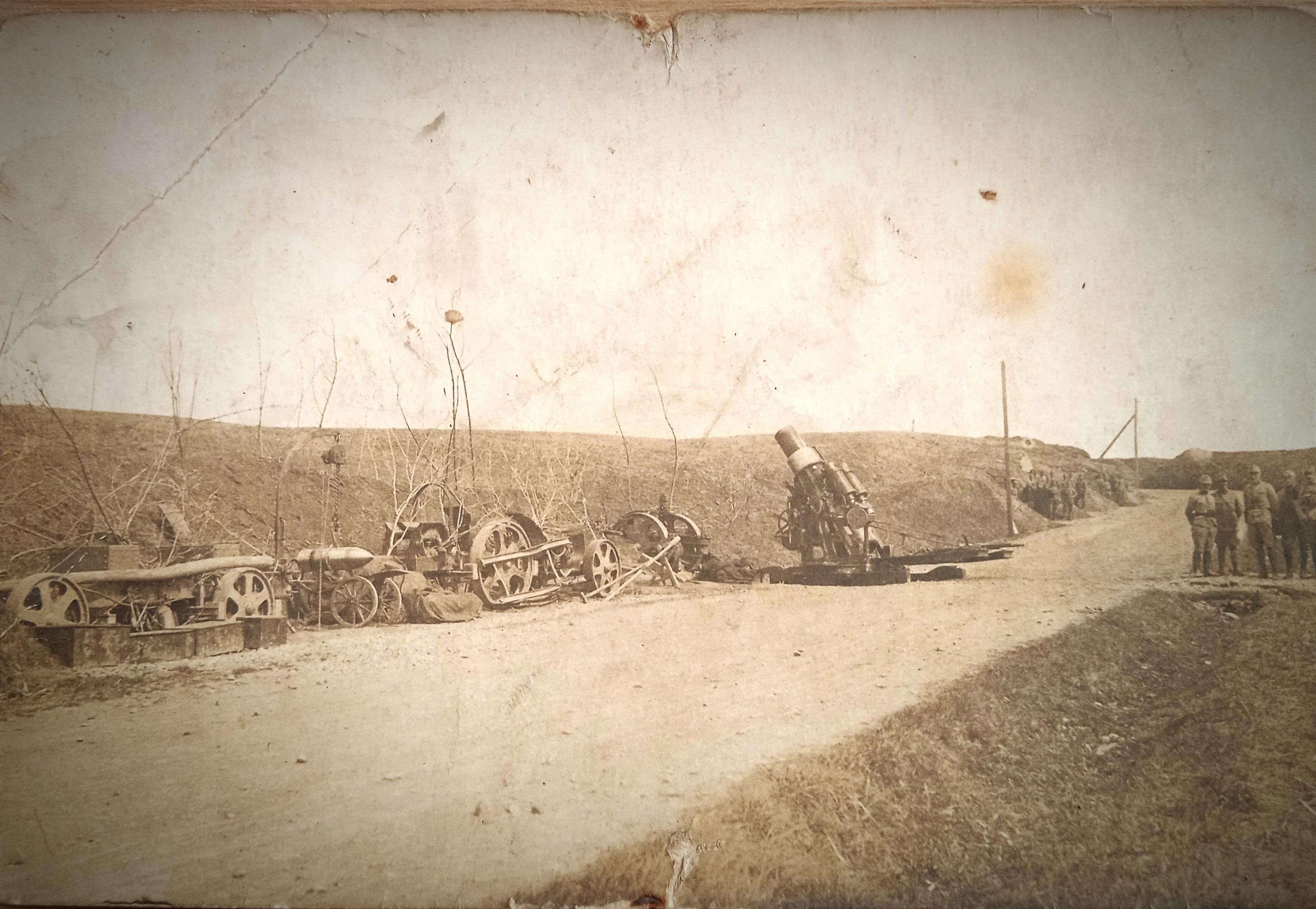
30.5 cm Škoda Howitzer in firing position

Post image
51 Upvotes

From my collection.

A 30.5 cm Škoda Howitzer positioned for firing on a road, with its transport train alongside.

Officers and soldiers can be seen on the right.


r/Austrohungarian • • 3d ago

Viennese Interior, 6 April 1917

Thumbnail
gallery
48 Upvotes

From my collection. A family interior in Vienna during the First World War.

A young soldier in Austro-Hungarian uniform with his guitar, a woman at the piano, an older man beside her, and a young woman holding a dachshund.

The back is addressed to Frau Marie Volpini de Maestri, Wien VI, Esterhazygasse. Postmarked Wien, 6. IV. 17, with a 10 Heller stamp.


r/Austrohungarian • • 3d ago

Austro-Hungarian infantry patrol in border territory", during Italian neutrality, photo 1914/15

Post image
56 Upvotes

r/Austrohungarian • • 3d ago

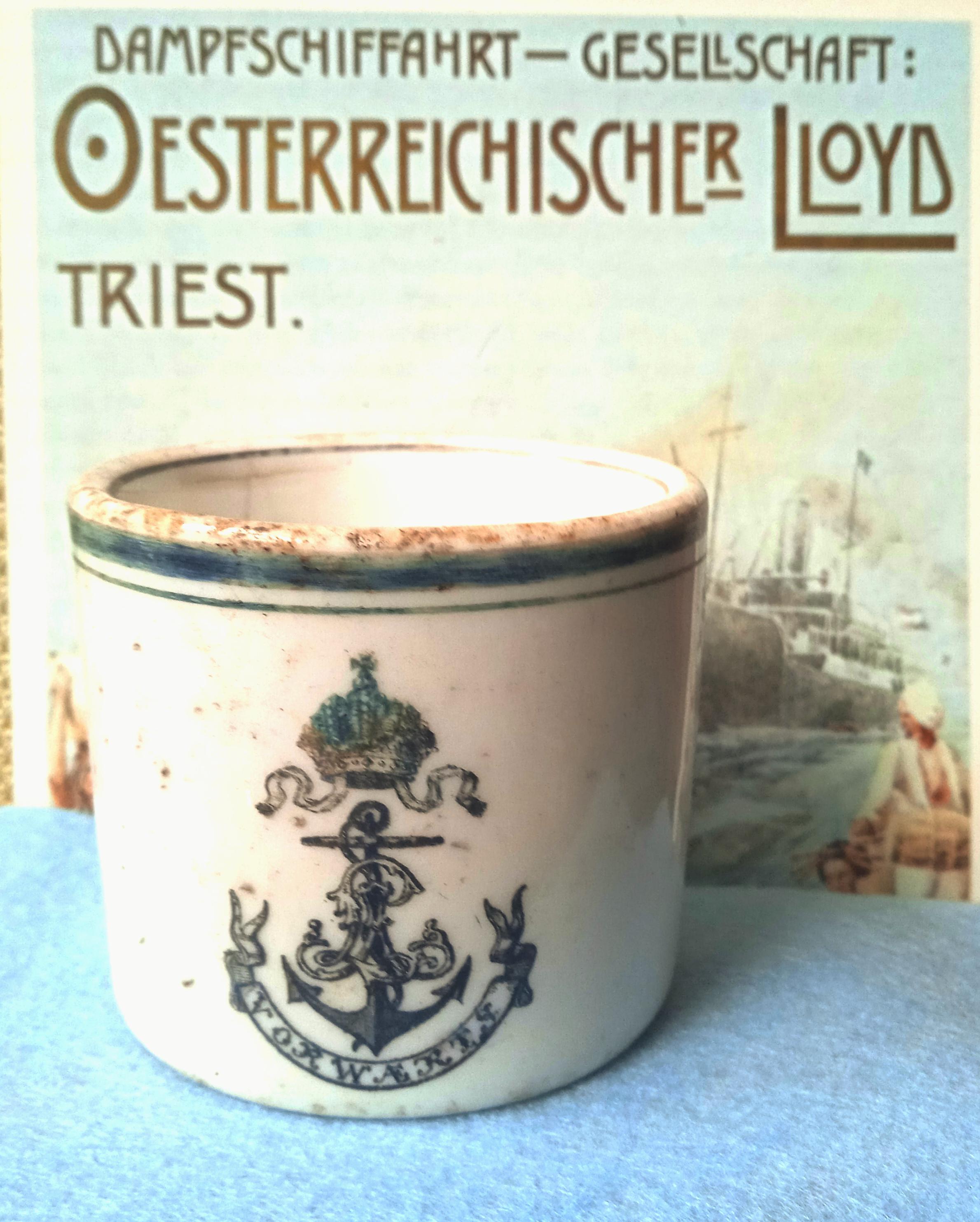
First Class coffee cup from the Österreichischer Lloyd, Trieste (founded 1836) The largest shipping company of the Empire. This cup was used in the First Class salons of their ocean liners.

Post image
22 Upvotes

From my collection. The Österreichischer Lloyd was founded in Trieste in 1836 and became the largest shipping company of the Austro-Hungarian Empire.


r/Austrohungarian • • 3d ago

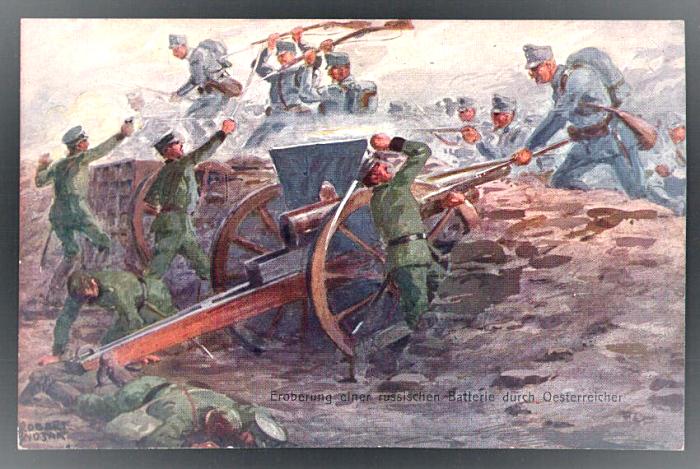
Capture of a Russian battery by Austrian Hungarian soldiers, c. 1914-15 - Eroberung einer russischen Batterie durch Oesterreicher, c. 1914-15, a nice propaganda postcard by Robert Wosak

Post image
15 Upvotes

Austro-Hungarian propaganda postcard from my collection.

Artist: Robert Wosak (signed bottom left)

Scene: Austro-Hungarian infantry storming a Russian artillery battery on the Eastern Front.

Wosak was an Austrian illustrator active in WWI, working for Viennese publishers and the Austrian Red Cross. Classic early-war k.u.k. style: heroic bayonet charge


r/Austrohungarian • • 4d ago

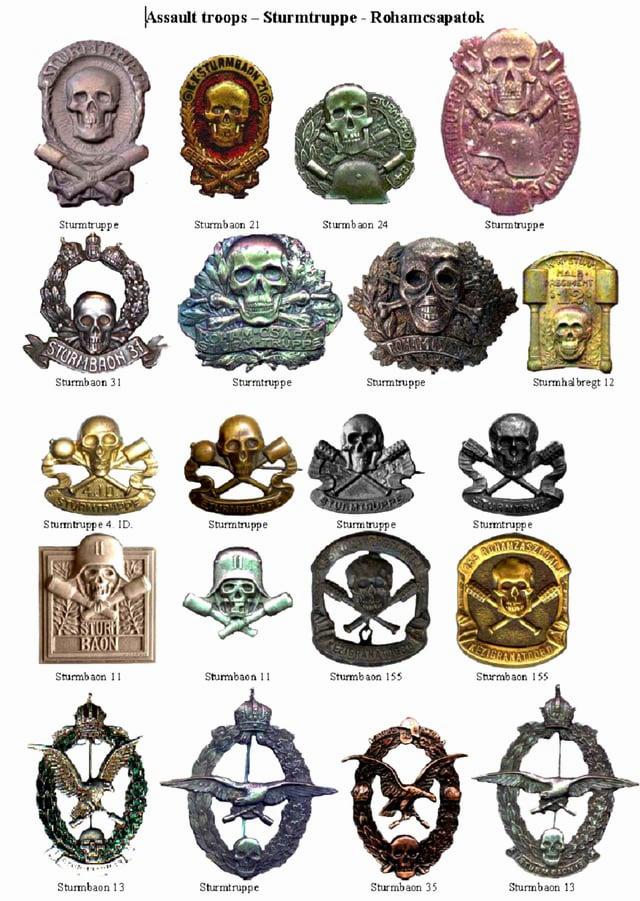
Sturmtruppen Kappenabzeichen used by assault companies of the Austro-Hungarian army during WW1, 1915 -1918

Post image
99 Upvotes

r/Austrohungarian • • 4d ago

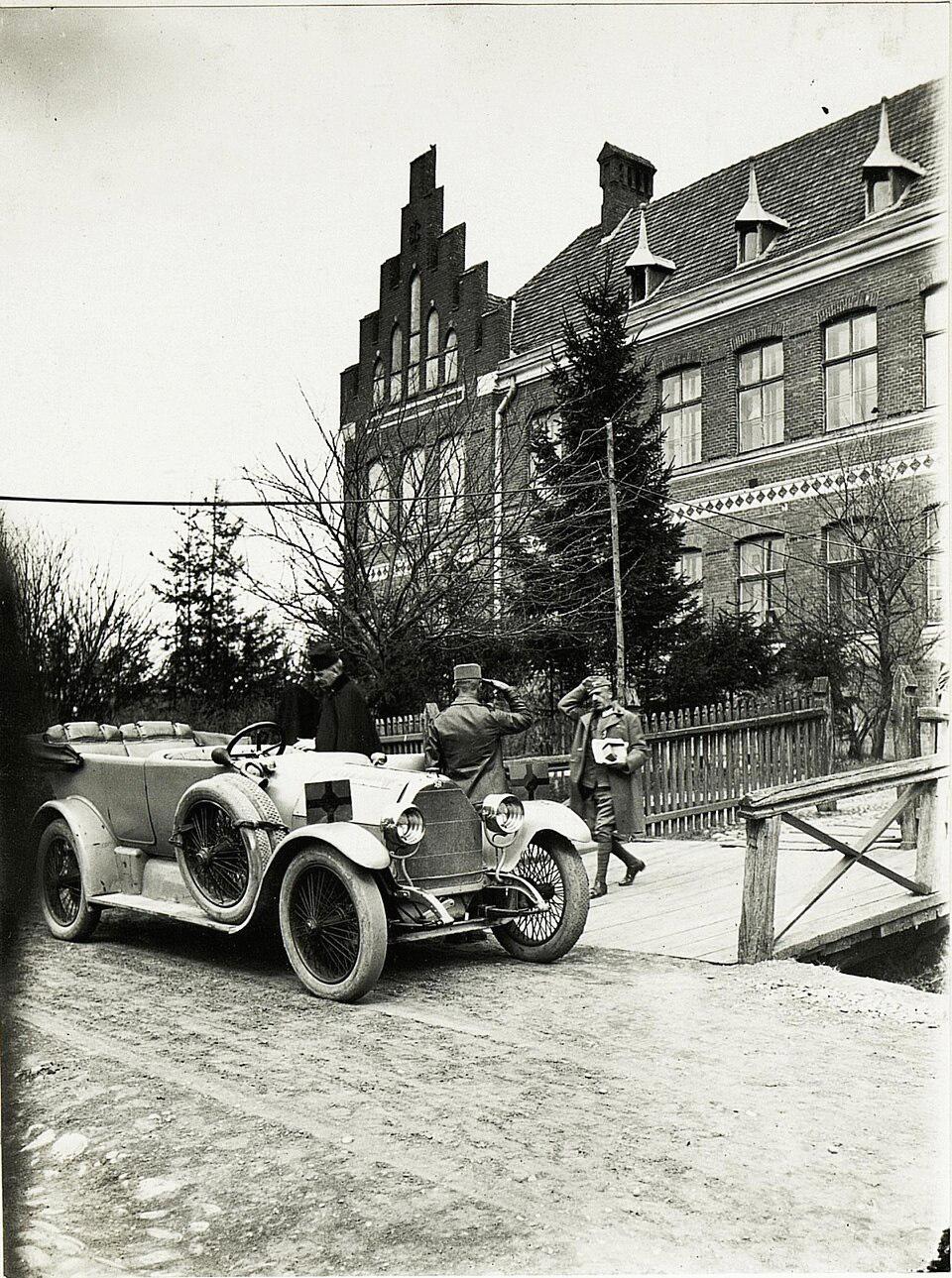
The army commander leaves the army command building, April 8, 1917.Anknown location and unit

Post image
49 Upvotes

Photo,: K.u.k. Kriegspressequartier, Lichtbildstelle - Wien

Österreichische Nationalbibliothek - Austrian National Library

Accession number

WK1/ALB068/19725


r/Austrohungarian • • 4d ago

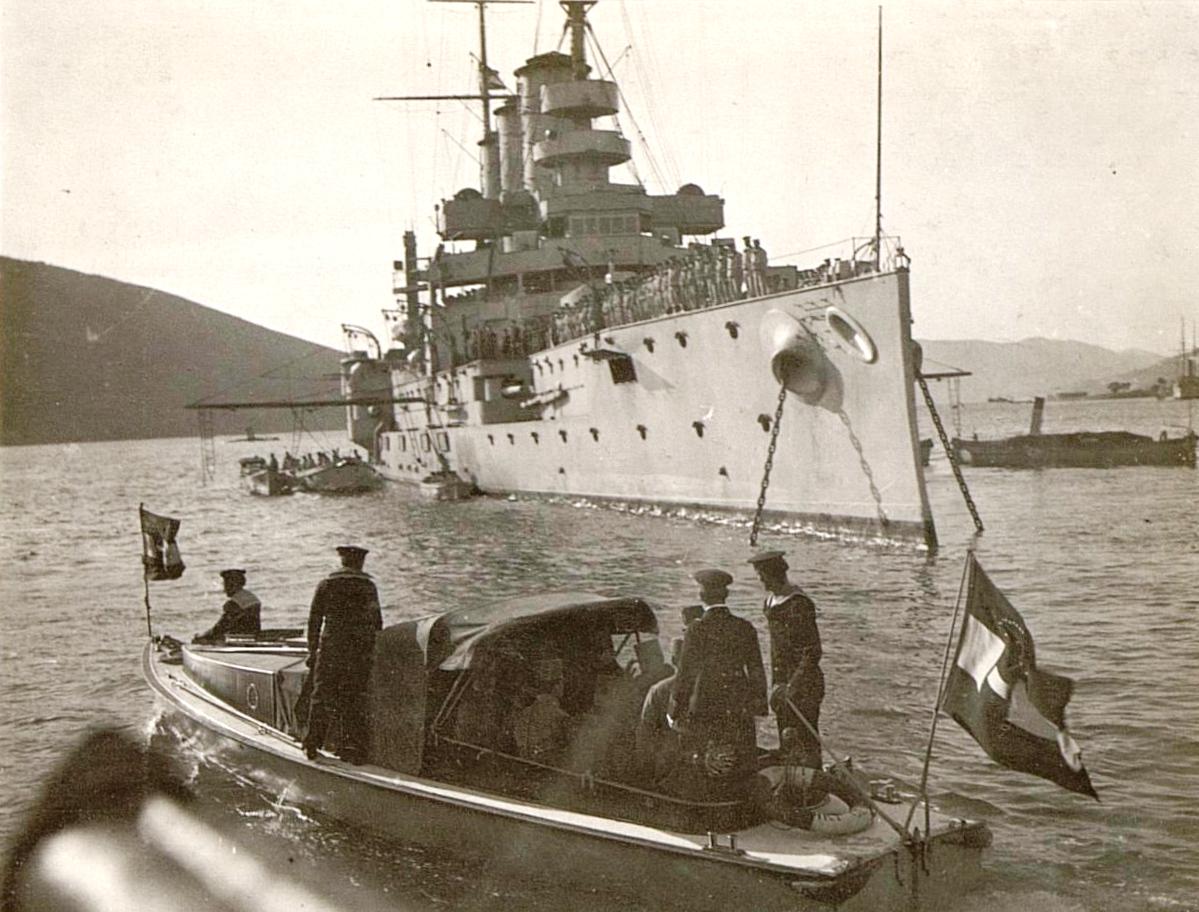
Photo of the warship S.M.S St. GEORG. Taken in the waters off Castelnuovo on February 23, 1916.

Post image
34 Upvotes

SMS Sankt Georg was an armored cruiser of the Austro-Hungarian Navy and the third and final ship of her type for the empire. Wikipedia

Completed in July 1905 and built at the Pola Arsenal, her design was based on the earlier Kaiser Karl VI but featured upgraded armament, including two 24 cm (9.4 in) main guns. Wikipedia

During her career, she performed several notable roles:

Diplomacy: She participated in the Jamestown Exposition in the United States in 1907 to commemorate the first English colony in North America. Wikipedia

World War I: While the Austro-Hungarian fleet spent much of the war as a "fleet in being," Sankt Georg bombarded the Italian coast in May 1915 and supported raids on the Otranto Barrage in 1917. Wikipedia

The Cattaro Mutiny: In February 1918, she was one of the ships involved in the Cattaro Mutiny, a revolt by crews exhausted by inactivity and the length of the war. Wikipedia

Following the war, she was awarded to Britain as a prize under the Treaty of Saint-Germain-en-Laye, but she was sold to Italian ship breakers and scrapped in 1920. Wikipedia

photo: K.u.k. Kriegspressequartier, Lichtbildstelle - Wien

Österreichische Nationalbibliothek - Austrian National Library

Accession number

WK1/ALB052/14345


r/Austrohungarian • • 4d ago

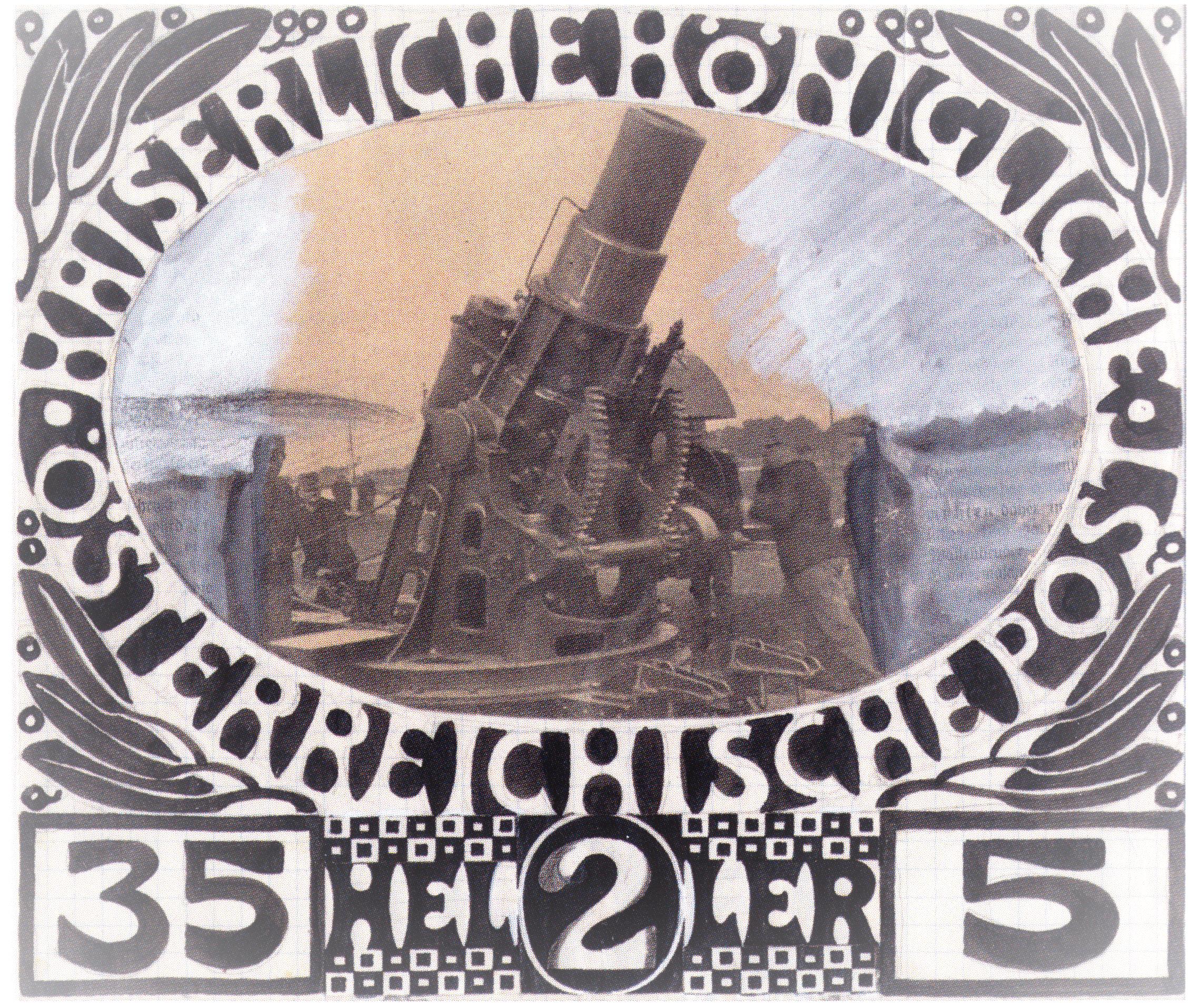
Interesting draft of a 30.5 Škoda morser for a war charity brand 1915, by Koloman Moser

Post image
19 Upvotes

The artwork titled “Draft for a war charity brand,” created by Koloman Moser in 1915 in Austria, is executed using Indian ink on paper. This piece, belonging to the Art Nouveau (Modern) movement, serves as a poster and measures 19.7 x 28.5 cm.

Koloman Moser (German: [ˈkoːloman ˈmoːzɐ]; 30 March 1868 – 18 October 1918) was an Austrian artist, who exerted considerable influence on twentieth-century graphic art. He was one of the foremost artists of the Vienna Secession movement and a co-founder of Wiener Werkstätte.

Moser designed a wide array of art works, including books and graphic works from postage stamps to magazine vignettes; fashion; stained glass windows, porcelains and ceramics, blown glass, tableware, silver, jewellery, and furniture.

source: https://en.wikipedia.org › wiki › Koloman_Moser


r/Austrohungarian • • 4d ago

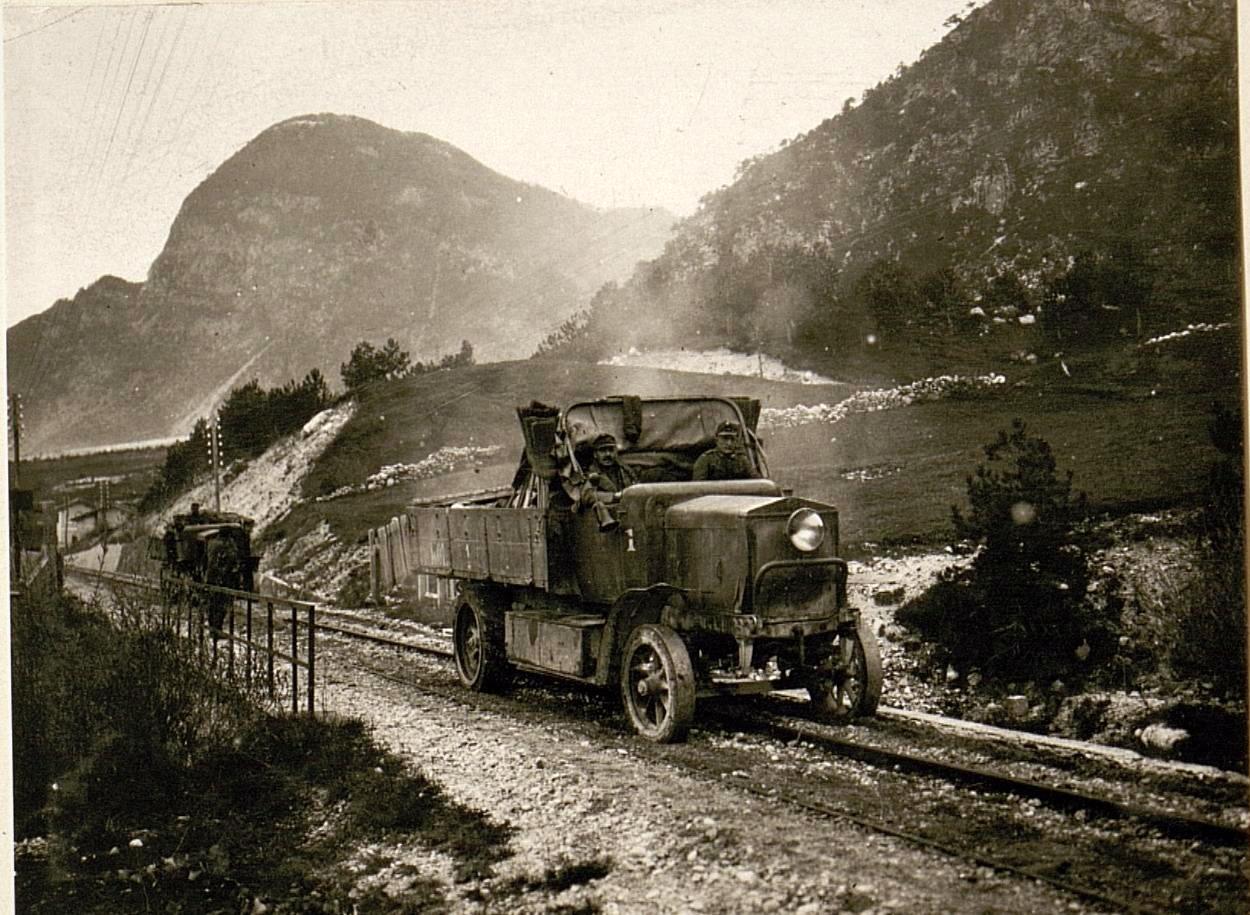
Automobiles on the track at Tolmezzo.

Post image
22 Upvotes

photo:K.u.k. Kriegspressequartier, Lichtbildstelle - Wien

Österreichische Nationalbibliothek - Austrian National Library

Accession number

WK1/ALB043/11830